This is default featured slide 1 title

Go to Blogger edit html and find these sentences.Now replace these sentences with your own descriptions.This theme is Bloggerized by Lasantha Bandara - Premiumbloggertemplates.com.

This is default featured slide 2 title

Go to Blogger edit html and find these sentences.Now replace these sentences with your own descriptions.This theme is Bloggerized by Lasantha Bandara - Premiumbloggertemplates.com.

This is default featured slide 3 title

Go to Blogger edit html and find these sentences.Now replace these sentences with your own descriptions.This theme is Bloggerized by Lasantha Bandara - Premiumbloggertemplates.com.

This is default featured slide 4 title

Go to Blogger edit html and find these sentences.Now replace these sentences with your own descriptions.This theme is Bloggerized by Lasantha Bandara - Premiumbloggertemplates.com.

This is default featured slide 5 title

Go to Blogger edit html and find these sentences.Now replace these sentences with your own descriptions.This theme is Bloggerized by Lasantha Bandara - Premiumbloggertemplates.com.

Tuesday, July 20, 2021

Death's Door Review – Reaping The Rewards

Publisher: Devolver Digital
Developer: Acid Nerve
Rating: Everyone 10+
Reviewed on: Xbox One
Also on: PC

Death is one of the few things we all have in common. We all experience death sooner or later, and that can be terrifying because we don’t truly know what awaits us on the other side. Salvation? Oblivion? Death’s Door offers an amusing interpretation of death by framing it as a boring, day-to-day business run by crows. While some of the crows may not find much enjoyment in their work, playing Death’s Door couldn’t be further from their dull reality. It’s an entertaining and engrossing action-adventure romp that you’d do well to enjoy before your time is up. 

As a young crow and a rookie reaper working for this morbid organization, your task is to retrieve one particularly large soul. Once you do, however, it’s promptly stolen by a mysterious figure. The soul’s recovery is paramount because while the crows are immortal in their home dimension, traveling to the living realm leaves them vulnerable to aging and death, and they can’t return home for good until the job is done. While this recovery mission of why your soul was taken is a good hook on its own, the story quickly expands into a larger, more compelling mystery revolving around figures who have cheated death for ages and the true meaning behind your work.

Relieving bad guys of their souls is a fun, strategic dance of dealing simple close-range combos and rolling to evade, all while chipping away at their health from afar using your bow and ranged spells such as a fireball. When it comes to attacking at a distance, you have a limited number of shots, but ammo refills with every successful melee strike. I love this system as it kept me from leaning on ranged attacks as a crutch and forced me to get my hands dirty. It also rewards that aggression by renewing your chances to back off. Tight controls allow for smoothly dealing attacks after making split-second dodges, and that maneuverability becomes swifter by spending skill points.
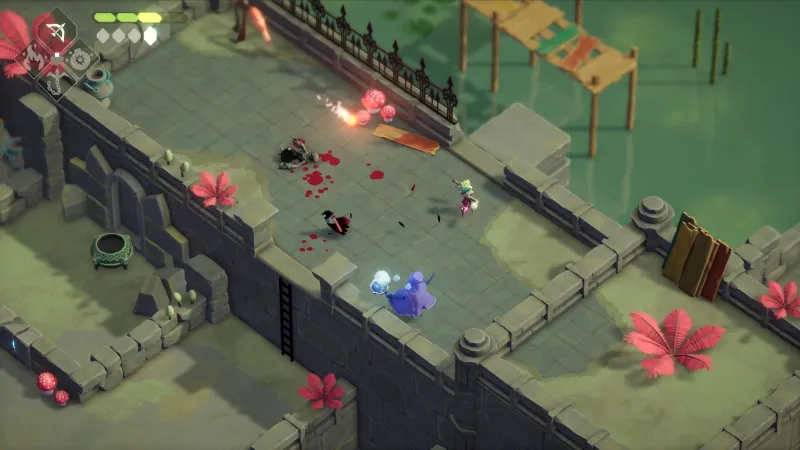
That sense of risk versus reward extends to refilling health. Throughout the environment, you collect flower seeds, and when you plant them in scattered pots, they bloom into permanent health stations. However, you have a limited number of seeds, depending on how thoroughly you explore, so deciding which pots to plant requires serious thought. The choice of healing now or waiting until I visit a pot I’m more likely to frequent gives the design a fun element of risk and improvisation as I’m effectively creating my own safe zones. 

You can mix up combat by finding hidden weapons such as daggers that trade power for slightly speedier combos or a mighty hammer that channels electricity. While these alternatives feel fine in battle, the differences between them and your standard sword are negligible. I happily stuck with the sword for much of my adventure. Thankfully, the same can’t be said for your arsenal of spells, all of which feel useful. A chain hook attaches to foes so you can quickly zip in their face and close the gap. I smiled every time I lobbed a bomb-like fireball and watched it obliterate multiple targets in short order.

Combat encounters are often challenging, especially when an assortment of baddies swarms you, forcing you to use every trick you have to survive. That includes using their own abilities and the environment against them. Many projectiles can be deflected back to the sender or to their buddies. Arenas sometimes contain hazards such as laser turrets or plants that fire mortar-like exploding gas bubbles that, with the right positioning, can easily clear entire mobs. Death’s Door does a great job encouraging players to work smarter and not harder to overcome its occasionally overwhelming combat challenges. 
The handful of major boss battles against beings who have lived far beyond their natural life cycle are fantastic and are my favorite confrontations in the game. These epic bouts pushed me to use my full suite of abilities, and the giant armored frog who gradually destroys your small platform with each hop was a particular standout. The final boss battle, in particular, plays out as a neat amalgamation of every obstacle you faced before, offering an entertaining final exam of everything you’ve learned. In a great touch, enemy bodies accumulate scratches and cracks to indicate damage status, which is way cooler than a plain old health bar. 

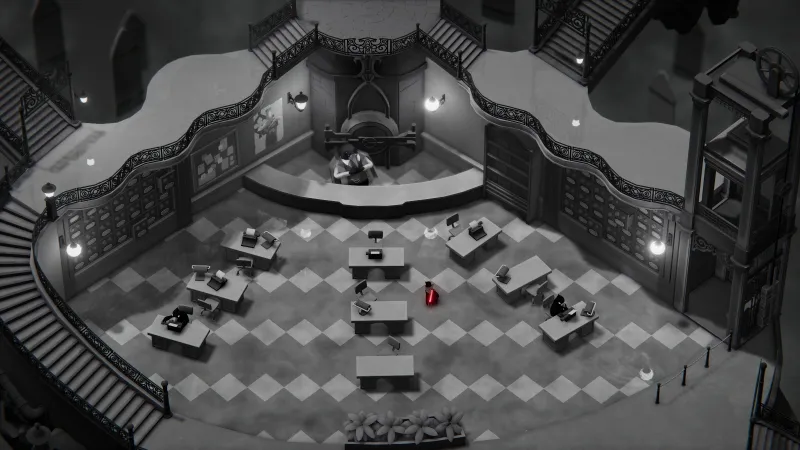
Your journey to retrieving your wayward soul involves exploring pretty, visually distinct areas such as seaside docks, an eerie-yet-opulent mansion, and a forest-covered temple. I also like how the living world’s color contrasts with the noir-esque greyscale of your otherworldly headquarters. Areas are littered with enemies, tons of secrets, and hidden paths that lead to goodies such as new weapons, flower seeds, collectibles, and vital souls used to purchase stat upgrades. You can even find hidden bosses that bestow powerful upgrades to your spells. 

Many areas are ability-gated; I’m sure you can connect the dots on what a cracked wall or unlit torch requires. Other environmental puzzles and secrets require more observational skills, such as spotting discreet hedge maze entrances or using a bathroom floor’s reflection to find a concealed door. Death’s Door’s world feels like a living puzzle that I was always chomping at the bit to fully unravel. Plus, some of its coolest mysteries don’t reveal themselves until after the credits roll. 

Click image thumbnails to view larger version


Despite their long association with death and the macabre, crows are clever animals known for their funny behavior; the game’s tone sports a similar playfulness. Your quirky co-workers include a typing-obsessed data entry worker elated to generate all of the paperwork your adventure creates. A passionate bard tags along for a period in search of inspiration for a wacky song, the quality of which I’ll leave you to judge. A jovial knight cursed with having a stewpot for a head is bluntly, but hilariously, named Pothead. 

Death’s Door is more lighthearted than it looks, and that’s to its benefit. These amusing moments complement weightier themes about respecting the dead (no matter how terrible they were in life), the fear of death’s inevitability, and whether anything we accomplish truly matters when our time is limited. Death’s Door isn’t the most profoundly written story, but it handles these sensitive topics well. My favorite moments, outside of the moment-to-moment action and exploration, are when it reminds us that death isn’t something to be feared. Rather, it’s just a necessary step in the cycle of life; a cycle that cannot exist without it.
Score: 9

Summary: Death's Door marries fine-tuned hack n' slash action with a cool world ripe with secrets to unravel. The result is an entertaining, densely-packed trip to the other side.

Concept: As a reaper of souls working for an organization of crows, you must recover a stolen soul while unraveling a mystery surrounding figures who’ve lived for centuries

Graphics: The black-and-white headquarters contrasts nicely with a colorful world, and Death’s Door biomes are distinct visual treats

Sound: Pleasant piano melodies and epic boss music perfectly suit the ebb and flow of combat and exploration

Playability: I love the strategic loop of executing melee attacks to refill ranged abilities, and exciting boss fights push an otherwise simple combat system to enjoyable limits

Entertainment: Death’s Door presents a compelling world begging to be explored until every secret is found alongside satisfying combat and intriguing lore

Replay: Moderate
Click to Purchase

Friday, July 16, 2021

Watch Dogs Legion: Bloodline Review – The Glorious Return Of Aiden Pearce And Wrench

Publisher: Ubisoft
Developer: Ubisoft Toronto
Release:
Reviewed on: Xbox Series X/S
Also on: PlayStation 5, PlayStation 4, Xbox One, Stadia, PC

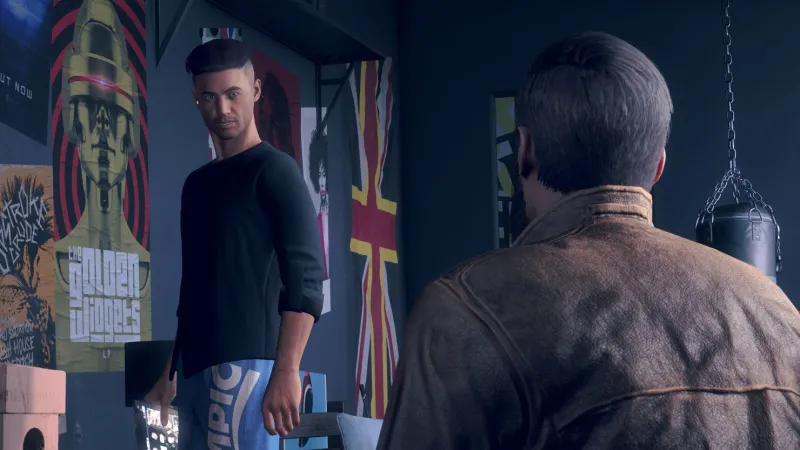
Watch Dogs Legion took the hacker franchise in a completely different direction, eschewing a traditional protagonist in favor of a thousand playable faces. While unique and enjoyable, I was left wanting a deeper connection to the playable characters that I grew alongside throughout the story. The Bloodline DLC delivers this by bringing back the original hacker himself: Aiden Pearce. And he brings nearly everything I wanted from the base Legion experience along for the ride. 

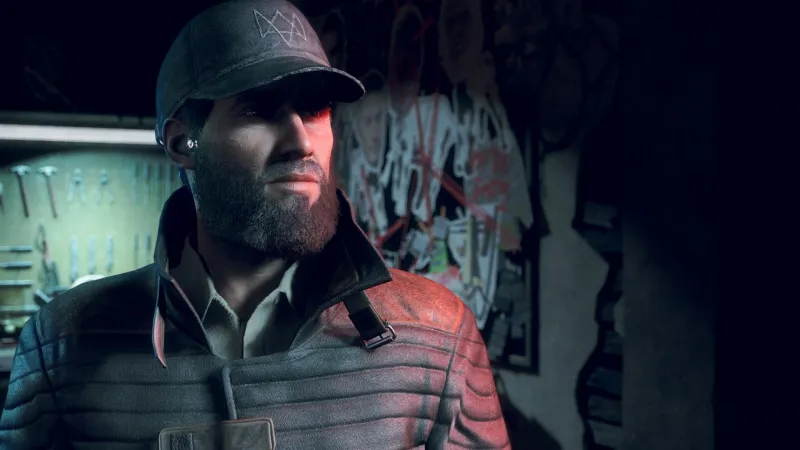
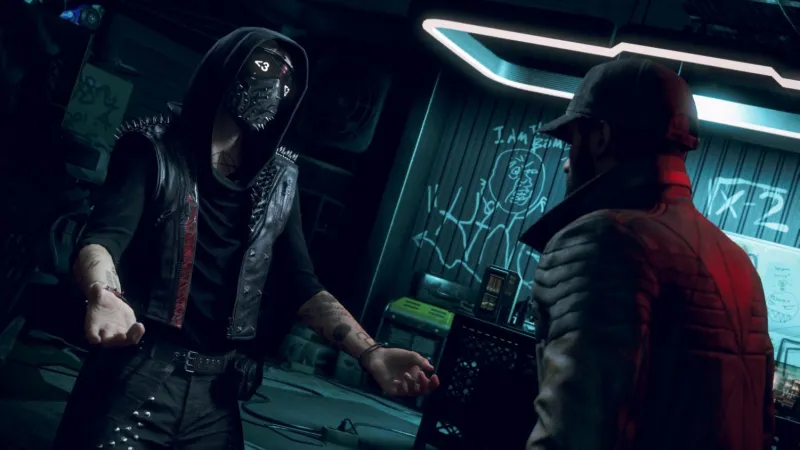
Bloodline sees the return of the original Watch Dogs protagonist, but now he’s older, a little wiser, and out of “the biz.” Until he’s drawn back in with the allure of supporting his nephew, Jackson, who is Aiden’s sister’s son that we met in the first game. Bloodline also brought back another familiar face – or more appropriately, a familiar mask – with Watch Dogs 2’s Wrench. 

Click here to watch embedded media

The story begins with Aiden reluctantly taking a dangerous job in London. He sees a chance to reconnect with his nephew, so he dives back into the life he left behind. However, during a mission, Aiden soon comes across evidence that another hacker has beaten him to the punch, a hacker we later learn is Wrench. The two don’t have a solid start, but the narrative intertwines the pair’s experience so they are both playable, which makes their continued growth believable and enjoyable. From Aiden chasing Wrench through an infiltrated building to Wrench looking out for Aiden’s safety when the danger hits a little too close to home, Bloodline delivered a robust story in a way that Legion did not. 

Aiden and Wrench’s chemistry is more than just how they interact, it involves how their skills and abilities play off of each other. For example, Aiden’s Focus, which allows him to slow time to line up the perfect shot, is the perfect antithesis to Wrench’s Ninja Balls secondary ability, which essentially means he can throw flashbangs. Aiden represents balance and responsibility, whereas Wrench is an ironic blend of shy-chaos and freedom. That chemistry made their interactions engaging and important, it also made progressing through each mission a joy just to see how they continued to interact.  

I appreciate getting to see the older versions of characters from the previous games. For example, Jackson has grown up since meeting him in the first game, and his reunion with Aiden makes it immediately evident that he has paved his own way into adulthood away from the tragedy of his sister’s death and his mother’s kidnapping in Watch Dogs 1. Jackson’s fight against everything Aiden represents, everything Aiden wants to offer also provides a heartbreakingly human connection that means more than just the paycheck at the end of a mission. As a result, Bloodline gives Aiden a meaningful redemptive arc and much-needed closure, helping him confront the guilt that comes with the choices he made in the first game.

Bloodline offers 12 main storyline missions and side quests, and the entire DLC can be completed within six to eight hours. It pares down Legion’s large playspace, focusing on a more contained section of London in order to deliver a set of new streamlined quests. And don’t worry about remembering to do the side quests or not: During Bloodline, you’ll have to meander off to do the lower priority missions before progressing in the main story, so there is no way to forget to do the additional quests. 

Stealth and patience remain at the epicenter of the action with Legion’s gear mechanics. Most of the tools in Aiden and Wrench’s belts should be familiar to Watch Dogs fans, like Aiden’s Gunslinger ability that buffs his damage and Wrench’s beloved Shredder Senpai LMG. Both Aiden and Wrench’s weapons and abilities have received a few modifications, including Wrench’s cloaking technology and his mission to steal a device called the Broca Bridge from Thomas Rempart, CEO of Rempart Automated Defense Systems. Aiden’s System Crash also elevates his hacking abilities, which are helpful during recon missions, especially his Profiler weapon; a tool that allows Aiden to hack into anything connected to the Blume Corporation’s ct0S such as personal information, data files, and more. The Profiler has some upgrades, including more ways to jam communications, provide distractions, and command rolling blackouts. The Bloodline upgrades were enjoyable and made strategizing during certain infiltration missions more efficient and feel more well thought out – even if I caused an accidental blackout a time or two by selecting the wrong option in the selection wheel.  

Upgrading these dual protagonists is doable through the main mission and side storylines, though don’t expect any wild character and gear advancement as seen with Legion’s characters. Bloodline is a story-focused DLC that continues Legion’s narrative, therefore the overall game mechanics are the same as the base game. For those jumping right into Bloodline without first diving into Legion, Ubisoft does an efficient job acquainting players with the game’s basic controls and how maneuvering through this world works. The simplification of character progression allows players to return to Legion to take on the Bloodline story without feeling weighed down by an additional drudging grind. Massively scaled upgrade paths are largely unnecessary since both of these protagonists are already established and powerful from the previous games.

Overall, the latest DLC for Legion offers satisfying closure for both Aiden and Wrench. This story DLC shows players how much each protagonist has grown since their time in their respective games. The growth of both characters is abundantly clear through the Bloodline storyline and how both leading characters react to the world around them. If you’re a fan of the previous Watch Dogs games, Bloodline is a must-play. I’d even go so far as to say I enjoyed it more than Legion.

Score: 8.25

Summary: The Bloodline DLC delivers this by bringing back the original hacker himself: Aiden Pearce. And he brings nearly everything I wanted from the base Legion experience along for the ride. 

Concept: Aiden travels to London to take on a new job in hopes of reuniting with his estranged nephew, Jackson

Graphics: Bloodline looks like Legion, including a heavy police force and a futuristic setting conveyed through lights and bright colors

Sound: Unlike Legion, passing NPCs don’t produce a chaos of voices, but a focus on strong narrative voice acting is amplified by the DLC’s strong soundtrack

Playability: Bloodline is more focused narratively, giving the DLC less replayability than Legion but with the potential to see more of London through Aiden’s eyes

Entertainment: Bloodline ties all three Watch Dogs games together in a satisfying and meaningful way

Replay: Moderate

Click to Purchase

Wednesday, July 14, 2021

The Legend of Zelda: Skyward Sword HD Review – A Diamond Buried In The Rough

Click to watch embedded media
Publisher: Nintendo
Developer: Nintendo
Rating: Everyone 10+
Reviewed on: Switch

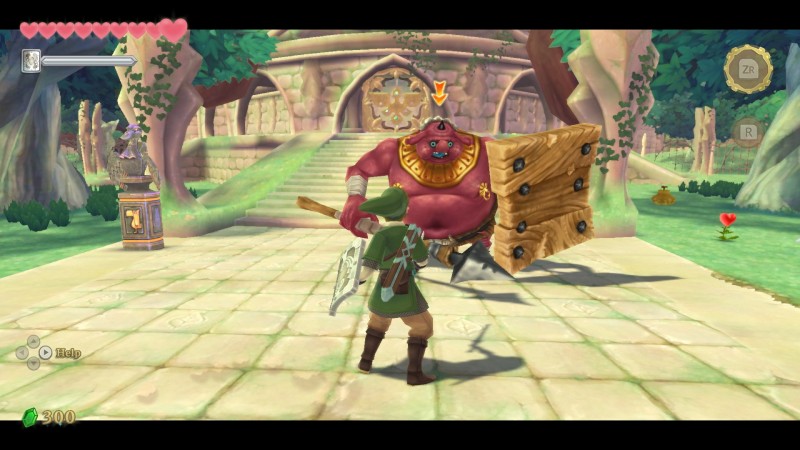
Skyward Sword was never my favorite Zelda game. Nintendo’s Wii-era take on its beloved franchise introduced motion controls that left me both flustered and annoyed during combat. At the same time, Skyward Sword’s dungeon and boss design remain some of the best the series has to offer. Skyward Sword HD revives this divisive game and papers over some of the original's biggest flaws. One of the most notable additions is a new button-only control scheme that allows players to experience the game without flailing their arms. Unfortunately, Skyward Sword’s overall structure remains largely the same, and its abundance of fetch quests means that this is still a game of dramatic peaks and valleys.

I’ll cut right to the chase: Skyward Sword HD’s new controller inputs are a step up from the original motion controls. Player’s looking to relive the Wii’s glory days can stick with the old control scheme and use their Switch Joy-Cons to swing Link’s sword or aim his bow, and these motion controls work about as well as they did on the Wii – meaning they work about 85 percent of the time. I love the authenticity of swinging a remote and watching Link replicate my attack onscreen, but he too often slices instead of stabs, which can spell the difference between gaining the upper hand in combat or missing the enemy and taking a hit. These motion controls always seemed like a novelty anyway, so I'm glad Skyward Sword HD’s button-only controls provide an alternative, using the right analog stick to replicate your sword's movements. These analog stick attacks are more consistent but still aren't as precise as the traditional button-based input found in other Zelda games. This system is also unintuitive; even a few dozen hours into the game I felt unnatural jiggling the right stick at every approaching enemy. Fortunately, you don't have to be precise, and most enemies eventually fall if you persistently spam your attacks.

Click image thumbnails to view larger version


In addition to the new control scheme, Skyward Sword HD has several other welcome changes. You can now fast forward through dialogue and skip cutscenes altogether, which makes the story feel a little less plodding and allows you to blast through the chatter during a replay. The original release bombarded you with item descriptions, offering details on everything you picked up each time you started the game. Skyward Sword HD fixes that strange quirk and only makes you read item descriptions once. Finally, Amiibo support means you can fast travel at any time and your companion, Fi, now offers helpful advice at the press of a button to keep you from getting lost or stuck, which is something I wish I had 10 years ago.

All of Skyward Sword HD’s small changes add up, but they don’t fix the original's larger design issues. Skyward Sword's overworld is massive but largely empty, and the main quest is incredibly linear, which left me less excited to explore off the beaten path. Still, Skyward Sword’s biggest design flaw is its series of fetch quests you're forced to complete in each area. For example, before entering the first dungeon, you have to hunt down a group of anxious bird-like creatures who stick their head in the ground, masquerading as bushes. Later on, before entering a mining facility, you have to find a handful of broken generators. These quests feel like unnecessary padding, are full of mindless backtracking, and don’t add anything meaningful to the narrative or your adventure. In fact, the only thing they add meaningfully to is your play clock.

Click here to watch embedded media

It’s a shame the journey to Skyward Sword’s dungeons is so much work because the dungeons themselves are a highwater mark for the series. During Link’s journey, you travel through a skeleton-infested cavern, a sand-trapped pirate ship, and an ancient temple buried in the heart of a volcano. The puzzles in each dungeon feel fresh even today, and each labyrinth invites you to use your ever-expanding toolset in inventive ways. Whether I was riding over rivers of lava on a giant boulder, using time stones to shift between eras, or swinging over vine-covered caverns like Indiana Jones, I consistently felt like I was on some wild adventure.

In some ways, Skyward Sword was the end of an era. It follows the pattern Nintendo established back in 1998 with The Legend of Zelda: Ocarina of Time, and it was the last game in the series before Nintendo reconceived the series with Breath of the Wild. In some ways, Skyward Sword perfects Ocarina's template, but that formula also feels well-worn and stuffed with unnecessary junk. Despite all the ways Nintendo updated this package, Skyward Sword remains far from my favorite entry in the series, but this is clearly the best way to play this blemished gem.

Score: 8

Summary: Skyward Sword’s overall structure remains largely the same, and its abundance of fetch quests means that this is still a game of dramatic peaks and valleys.

Concept: Zelda’s infamous Wii entry returns, but now players can flip between motion controls and button-only inputs

Graphics: These 10-year-old graphics hold up surprisingly well thanks to solid art design and an HD upgrade

Sound: The orchestrated music is beautiful and nuanced, but the limited grunts from NPCs feel goofy and outdated

Playability: A handful of quality-of-life improvements – including the ability to use controller inputs – makes this a much smoother experience

Entertainment: Skyward Sword has some of the best dungeon design in the series, but the sections between each dungeon are a slog

Replay: Moderate

Click to Purchase