This is default featured slide 1 title

Go to Blogger edit html and find these sentences.Now replace these sentences with your own descriptions.This theme is Bloggerized by Lasantha Bandara - Premiumbloggertemplates.com.

This is default featured slide 2 title

Go to Blogger edit html and find these sentences.Now replace these sentences with your own descriptions.This theme is Bloggerized by Lasantha Bandara - Premiumbloggertemplates.com.

This is default featured slide 3 title

Go to Blogger edit html and find these sentences.Now replace these sentences with your own descriptions.This theme is Bloggerized by Lasantha Bandara - Premiumbloggertemplates.com.

This is default featured slide 4 title

Go to Blogger edit html and find these sentences.Now replace these sentences with your own descriptions.This theme is Bloggerized by Lasantha Bandara - Premiumbloggertemplates.com.

This is default featured slide 5 title

Go to Blogger edit html and find these sentences.Now replace these sentences with your own descriptions.This theme is Bloggerized by Lasantha Bandara - Premiumbloggertemplates.com.

Wednesday, November 1, 2023

WarioWare: Move It! Review - Back To Form

WarioWare: Move It!

Reviewed on: Switch
Platform: Switch
Publisher: Nintendo
Developer: Nintendo

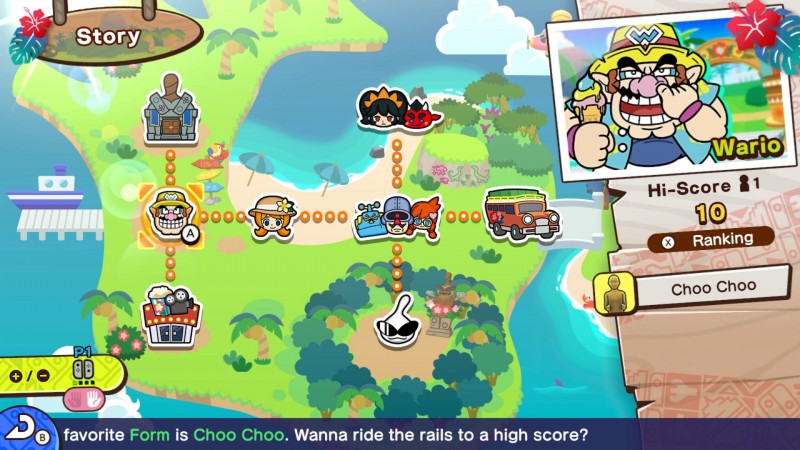
Ever since its first title 20 years ago, the WarioWare franchise has shapeshifted to take advantage of the capabilities and gimmicks of whatever the current Nintendo platform was. But the first entry on Switch, Get It Together, bucked that trend, putting you in control of the actual cast of characters in platforming-style microgames instead of taking advantage of the Switch’s unique traits. WarioWare: Move It aligns more with the traditional WarioWare experience, resulting in a better overall collection.

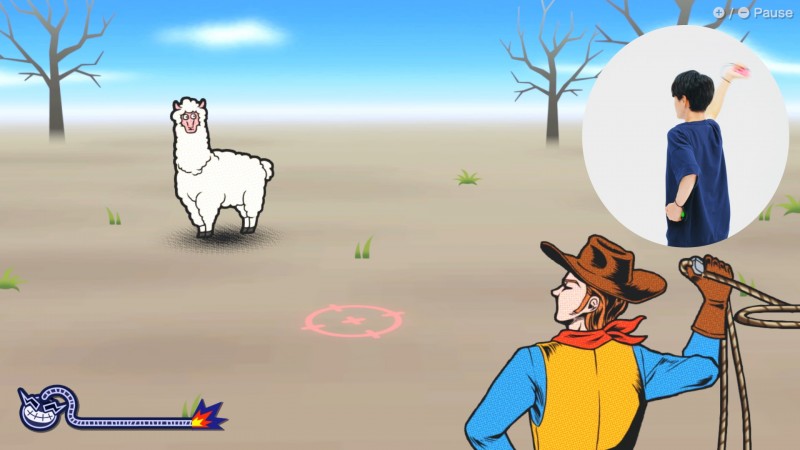
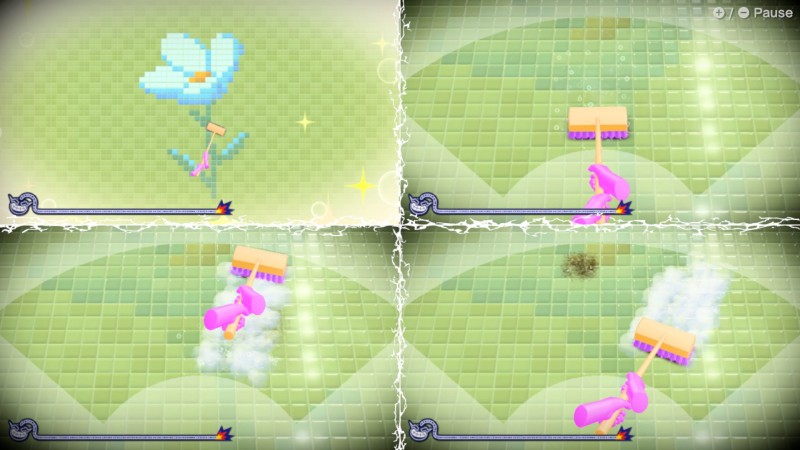
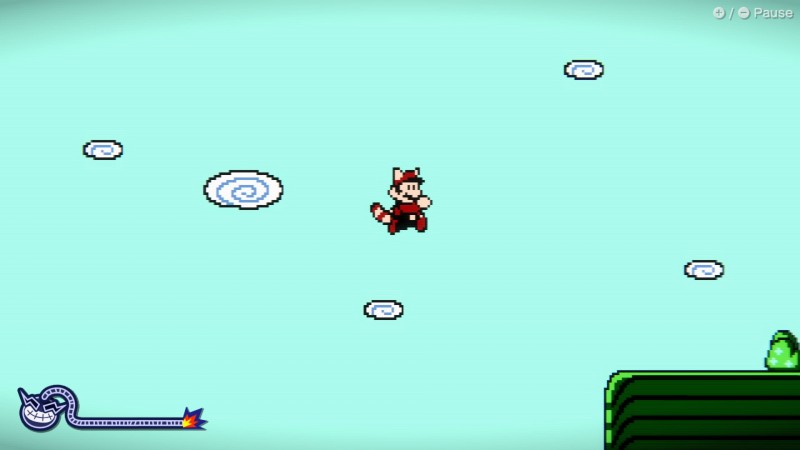
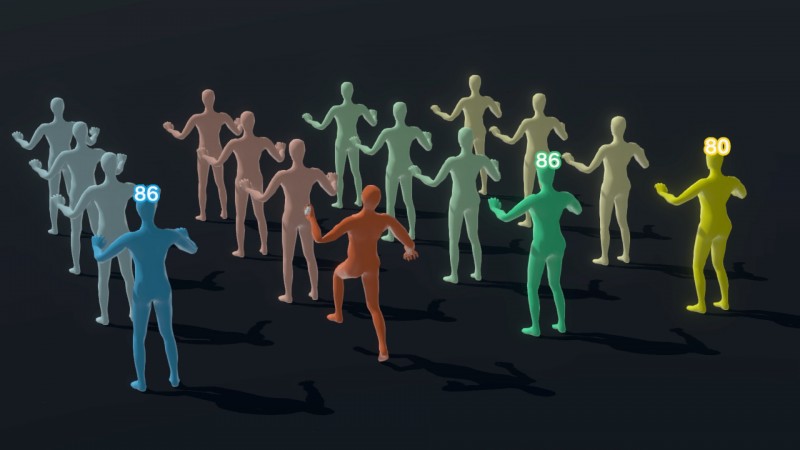
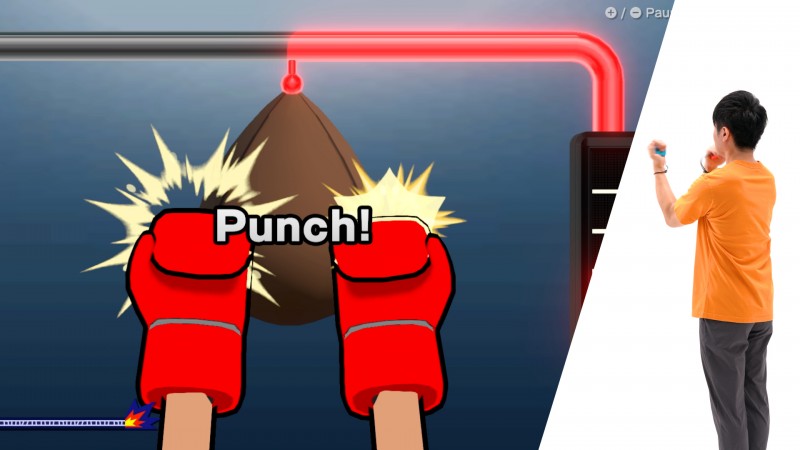
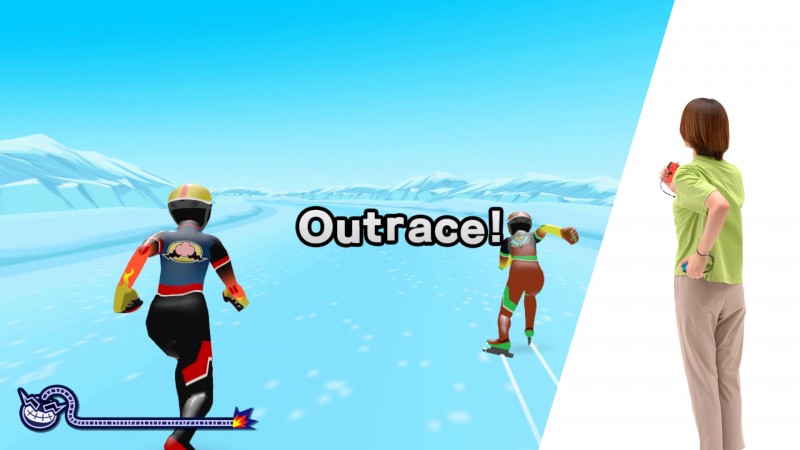
Move It takes the core tenants of the WarioWare franchise and cranks them up to 11. Players must learn various forms using two individual Joy-Con controllers, then complete rapid-fire microgames – three-to-five-second minigames that rely on your on-the-fly reactions to complete. As you progress through a session, the difficulty of each game and the speed at which they fly at you increases, creating an ever more frantic experience.

First Things First

WarioWare: Move It lets you play through various microgames using two Joy-Con controllers. If you’re like me, you haven’t used the Joy-Con wrist straps since you opened your Switch. That means the first thing you will need to do is find the wrist straps for your Joy-Cons, as several forms and microgames require them for specific actions.

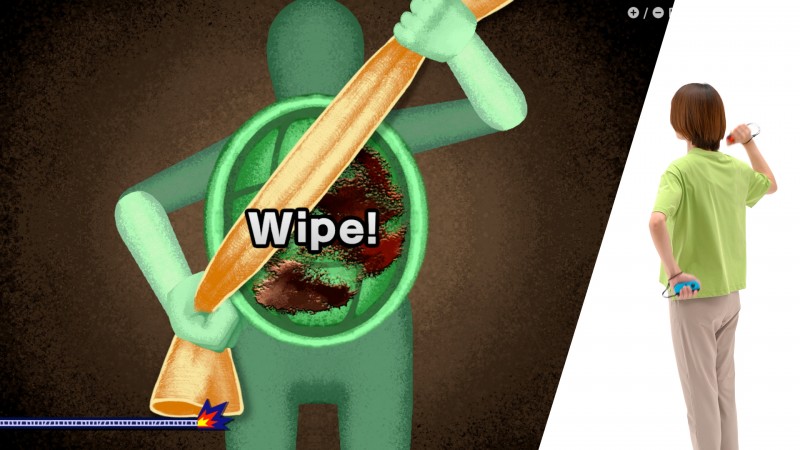
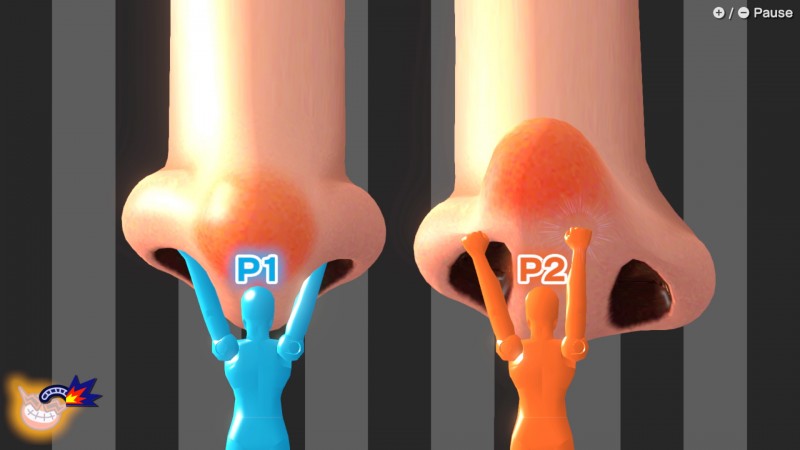
I love the diversity of microgames on display. One second, I’m holding my arms out, clanking drinks with people at a party, then a moment later, I’m holding my Joy-Cons like an umbrella to protect a woman from getting soaked in a rainstorm before raising my arms to pick a giant nose. The irreverent humor fans have come to expect is in full effect with Move It, as is the creativity.

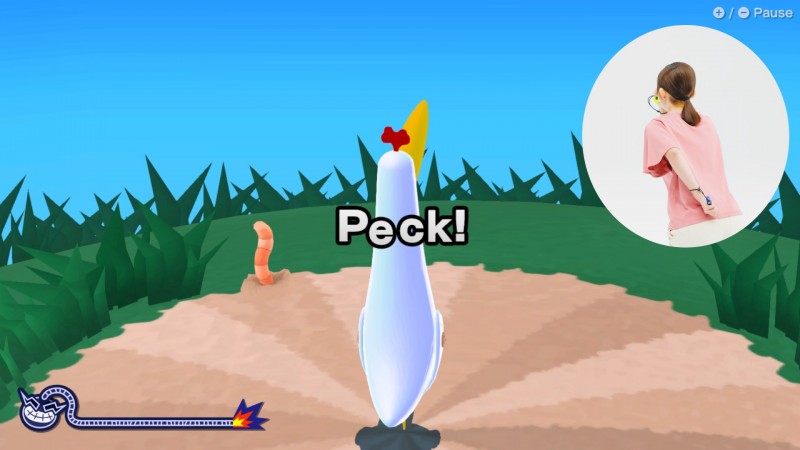
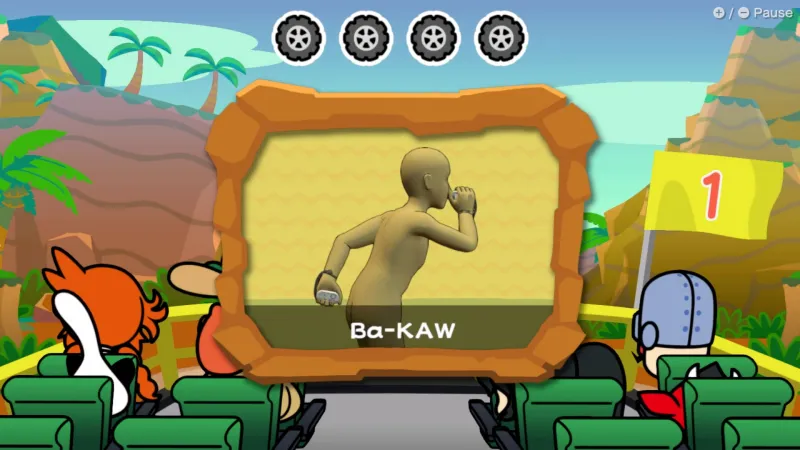
The forms allow you to properly position yourself for the upcoming minigame, but some are less developed than others. The “Hand Model” pose is confusing, as you must drop one Joy-Con, then move the other to the now-empty hand to pull off gestures with the other hand; even after completing the story mode, I still struggled to position myself correctly for this form in time thanks to the rapid-fire structure. It’s disappointing this form is so complicated to set up since several of my favorite microgames are a part of it. Another one, “Ba-KAW,” has you pose like a chicken and features the broadest mix of excellent and frustrating games. However, my least favorite activity is a long-form boss level that involves flipping steaks; I failed multiple times because it doesn’t consistently register unless you make overly exaggerated motions timed to when the meat is moving by you on a conveyor belt.
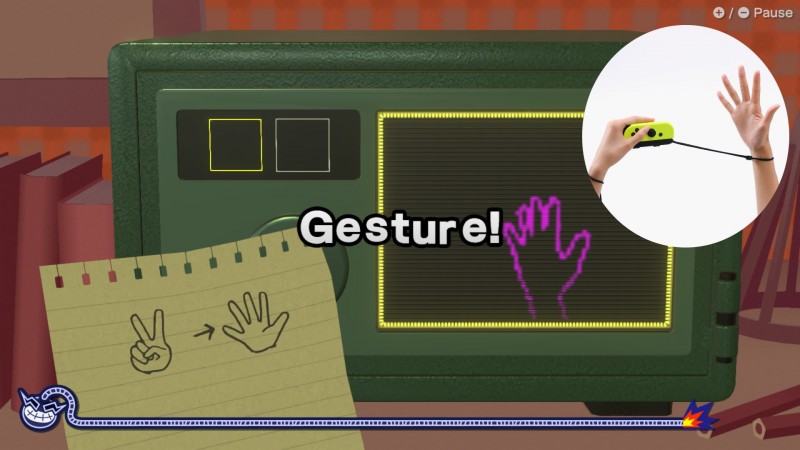
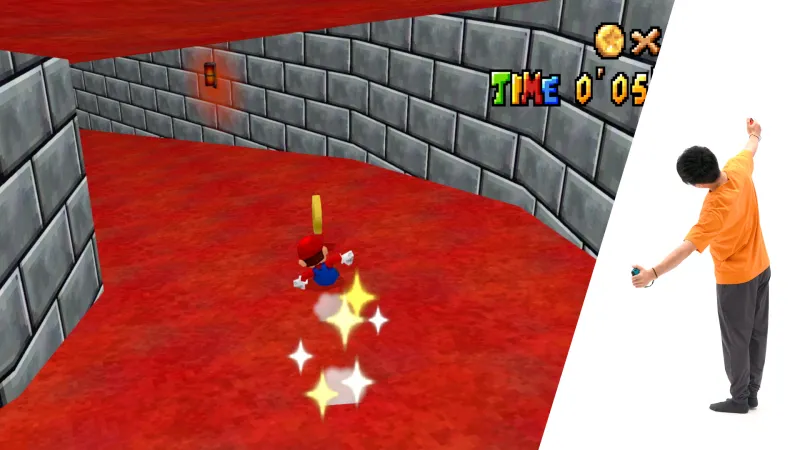
 

Thankfully, Move It’s library is full of oddball games I consistently looked forward to. On multiple occasions, I smirked or outright said, “That was so cool,” after experiencing a novel microgame for the first time. However, a few of them don’t quite land, as imprecise motion controls lead to frustrating failures, while others aren’t descriptive enough for you to reasonably understand what you need to do in the short window you have to do it. Thankfully, if you run out of hearts, you can continue by performing a “Sacred Pose,” which is essentially a goofy version of a yoga stance, to earn a continue.

Working through the hundreds of microgames is fun, but as always, it’s better with friends. WarioWare: Move It harkens back to one of the better entries in the series, the motion-controlled WarioWare: Smooth Moves for Wii. That entry was one of my go-to party games, and I had similar hopes for Move It.

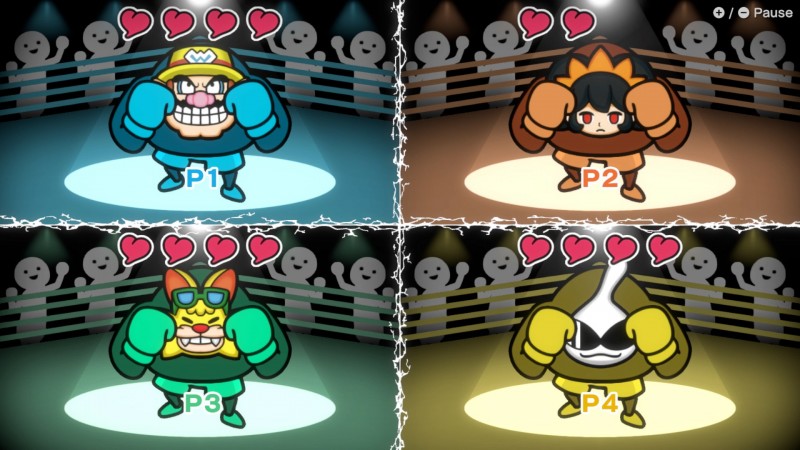
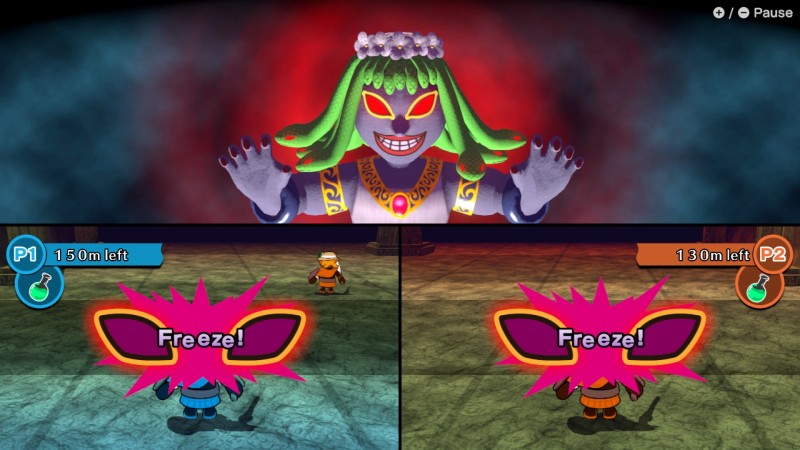
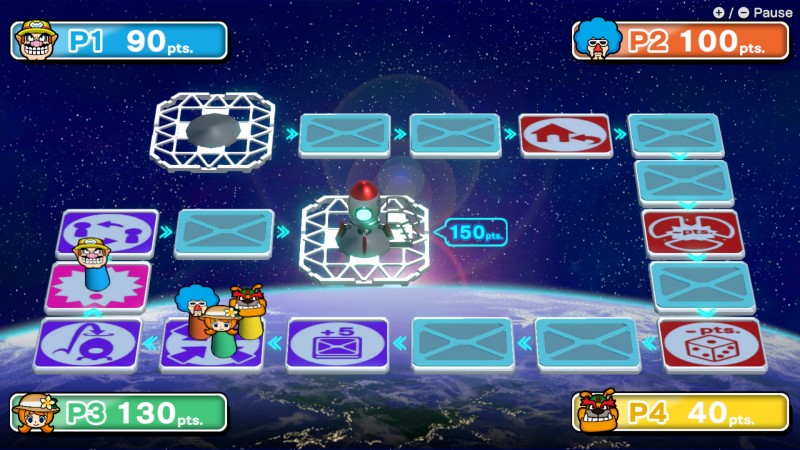
However, due to a couple of complicated forms and accuracy issues with some of the microgames, the core mode of Move It is a harder sell than its Wii predecessor, particularly for casual players. Thankfully, the multiplayer-focused Party Mode lets you perform simpler poses involving one Joy-Con at a slower pace in fun competitions. It’s silly and operates on the honor system, but my favorite involves completing microgames with added challenges like sitting on the floor or puffing out your cheeks while you play. Another puts you in the context of a board game, where winning microgames earns you dice rolls. These side modes are great for laughs and are the go-to way to play Move It in a group setting.

Following Get It Together and Game & Wario, Move It is the WarioWare game I’ve been waiting for over the last 15 years, and it mostly delivers. The motion-controlled madness gives you plenty of fun and novel experiences, even if a few stinkers are in the mix. Regardless of those, WarioWare: Move It’s catalog is full of microgames I look forward to revisiting for months to come.

Score: 8.25

About Game Informer's review system

Purchase

Tuesday, October 31, 2023

Jusant Review – Reaching The Summit

Jusant review

Reviewed on: PlayStation 5
Platform: PlayStation 5, Xbox Series X/S, PC
Publisher: Don't Nod
Developer: Don't Nod Entertainment
Rating: Everyone

Jusant asks players to do one thing: climb. As a silent mountaineer accompanied by a cute critter, the only thing standing between you and your mysterious mission is one very tall mountain. The journey to its summit is treacherous, but thanks to an ingenious climbing system, beautiful art direction, and intriguing world-building, inching toward the top is worth the effort. 

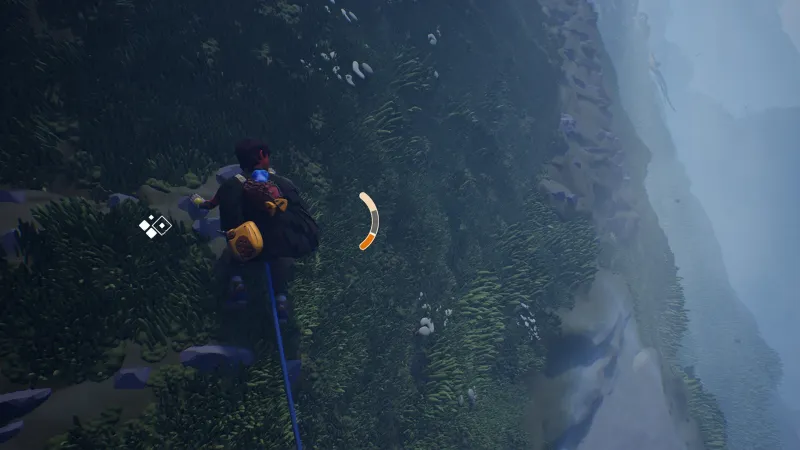
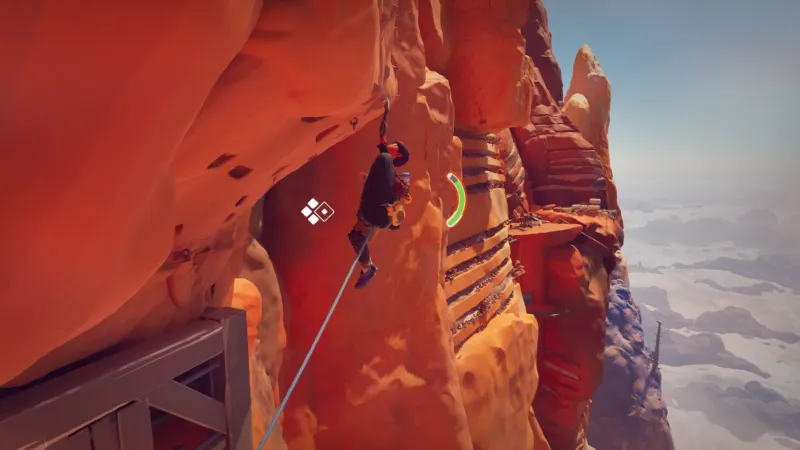
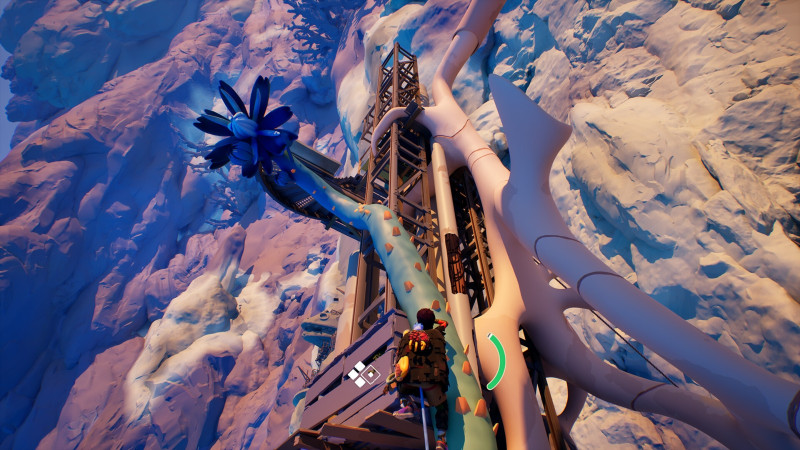
The intuitive climbing mechanics are the star of the show. Pressing the left and right shoulder buttons lets you grip handholds with the corresponding hands of the climber while you aim with the left stick. The back-and-forth rhythm of hitting both buttons to pull yourself up precarious terrain feels natural and realistic without being cumbersome. Gripping drains a stamina meter, and though managing this isn’t often difficult, it does add a nice element of thoughtfulness and tension to the ascent. Climbing excels, but simply walking can be troublesome as the character has a habit of getting stuck on even the most negligible geometry, such as small pieces of rubble, resulting in awkward jumping and spinning to break loose. 

Your only tool is a retractable climbing rope that automatically anchors you to a wall, meaning you can never fall to your death (or die in general). While this contributes to the game’s relaxed, meditative atmosphere, that doesn’t mean failure isn’t a factor. Slipping sends you dangling back to where you began, which can result in having to reclimb lengthy stretches. You can prevent demoralizing setbacks by staking up to three pitons as you climb, extending your reach while creating makeshift checkpoints. I love the strategy of managing the placement of my pitons, as it gave me creative agency in how I navigated tricky sections – namely walls lacking handholds – while ensuring any lost progress was entirely my fault due to bad or infrequent piton staking. The rope also allows for performing fun maneuvers like swinging across gaps or wall-running to reach distant goals. 

Ballast, the climber’s cute, water-like pet, offers another helping hand. Hitting a button makes it emit a pulse that transforms organic elements, such as making giant flower bulbs sprout climbable buds or causing vines to grow rapidly and letting you hitch a free ride on them. There’s only a small handful of these tricks, but they complement traditional climbing while adding an entertaining layer of whimsy.  

These mechanics result in climbing that feels challenging in the right ways. Scaling the mountain requires enough physical effort and coordination combined with mindful planning to make hitting each elevation milestone feel like a well-earned accomplishment. Looking down over a cliff to see the entire section I just completed before looking up at the obstacles to come is satisfying and daunting. Climbing in games is often shades of being either mind-numbingly simplistic or painfully tedious. Jusant strikes a great sweet spot. The great controls made me confident and eager to tackle the well-crafted, puzzle-like climbing routes and obstacles. 

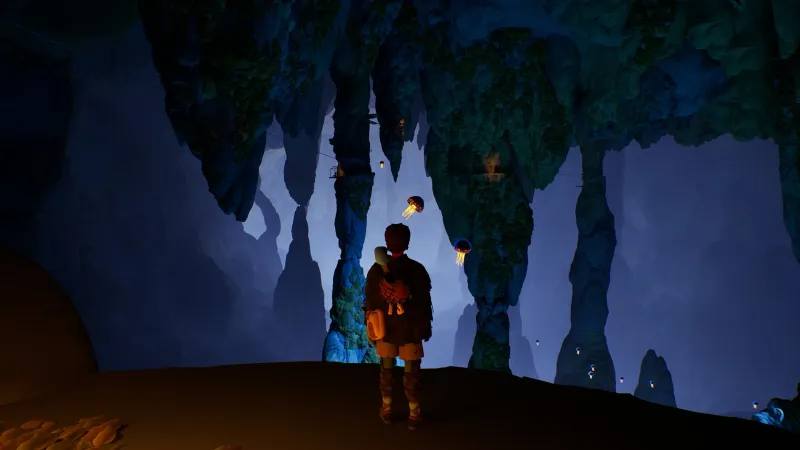
Developer Don’t Nod does a great job of mixing up Jusant’s premise by introducing new environmental or platforming challenges in each of the game’s six chapters. One section has you riding powerful wind gusts to reach far-off platforms. Rock-like bugs serve as moving handholds that can carry the player along, provided you watch the path they're on and adjust if they lead you astray. One of my favorite areas lets you scale and swing across massive stalactites in a giant, bioilluminated cave. Jusant has a relatively short run time (about six hours), but it remains fresh and engaging throughout. 

Jusant’s picturesque scenery looks fantastic. Set in a world that has mysteriously lost nearly all traces of water, the mountain is situated in a dry, vast seabed. Dehydrated coral, fossilized seashells, and shipwrecked vessels provide the only evidence of the former ocean, as do numerous abandoned settlements where a lost society once called the mountain home. It may technically be a world in ruin, but the warm colors, great lighting, and sharp art design make it fun to look at. 


How this calamity happened, and the plight of the people who experienced it is told through a series of sometimes lengthy but fascinating diaries. Whether it was the story of a young woman eagerly abandoning her home life to embark on an expedition to the summit or the day-to-day musings of folks who can’t fathom living on a horizontal plane, these logs are enjoyable and worthwhile reads that provide vital context to the world and your quest.

Numerous paths inside and outside the mountain hide various collectibles and interactive artifacts, such as wall paintings telling a grand legend and seashells that provide audio-only flashbacks of this lost civilization. I went out of my way to find as many of these as possible, and thankfully, the game tracks all of them. That makes revisiting chapters to locate missed items an easy and inviting proposition. Even if you can’t collect it, I was happy to find new rooms, stores, and other infrastructure to get a better idea of these people’s way of life. 

Jusant is my favorite Don’t Nod title since the original Life is Strange and is one of the year’s best gems. The climbing mechanics are so smart and well-executed that I hope other games take notes. Add an inviting presentation, a pleasant soundtrack, and an alluring air of mystery and isolation reminiscent of Team Ico’s best works, and Jusant is a rewarding expedition.

GI Must Play

Score: 9

About Game Informer's review system

Purchase
Friday, October 27, 2023

EA Sports UFC 5 Review - A Sustained Run

EA Sports UFC 5

Reviewed on: PlayStation 5
Platform: PlayStation 5, Xbox Series X/S
Publisher: EA Sports
Developer: EA Vancouver
Rating: Mature

A target appears on your back when you’re a long-reigning champ. No longer the enigma you once were, contenders begin studying your body of work to figure out the path to ending your time at the top. The best way to fend off would-be challengers is to continually build and evolve. Developer EA Vancouver seems to understand this because while no legitimate contenders have emerged in the mixed-martial-arts genre, EA Sports UFC 5 retools several key areas to show the franchise isn’t resting on its laurels.

Like its predecessors, UFC 5 aptly captures the thrill of stepping into the Octagon. After thankfully truncated pomp and circumstance (gone are the grating pre-fight emotes from the last game), the fast-paced fistfighting had me on the edge of my seat until the final horn. I love that the licensed fighters are programmed to behave like their real-world counterparts, forcing you to solve a different puzzle with each new encounter. The action satisfies, particularly in striking battles, though the occasional glitched fighter, unnatural limb contortion, and awful camera swing break the immersion in frustrating ways.

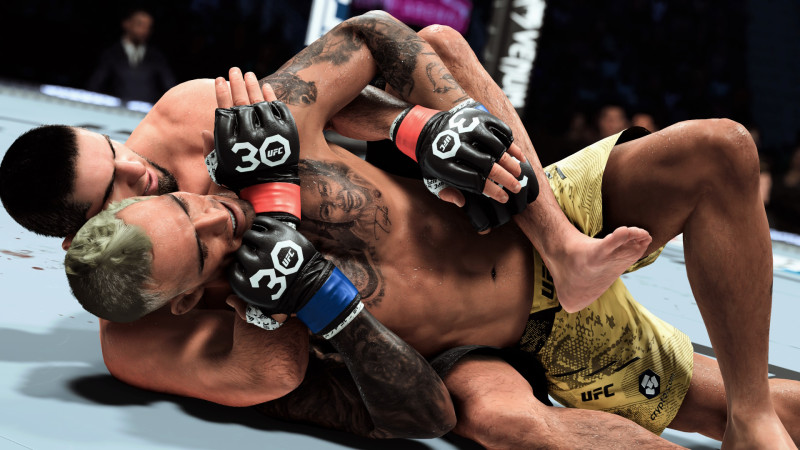
Momentum is a key factor in the simplified grappling system, and longtime UFC players will need to retrain their brains to defend takedown attempts. Once on the ground, you choose the position or submission you want to pursue, and the game determines your success based on stamina, fighter attributes, and whether the defender acts properly. The resulting grappling exchanges can lead to awe-inspiring scrambles that are much more natural-looking than anything we've seen in the series before. On top of that, I do not miss the annoying submission minigames from the past UFC titles one bit.


Sticking to your game plan is crucial. But in MMA, even the best-laid plans can disappear in the blink of an eye; I went into a fight with a kickboxer with the plan to take him down, tire him out, and submit him. However, I got caught by a knee to the face on a takedown attempt, changing the complexion of the fight.

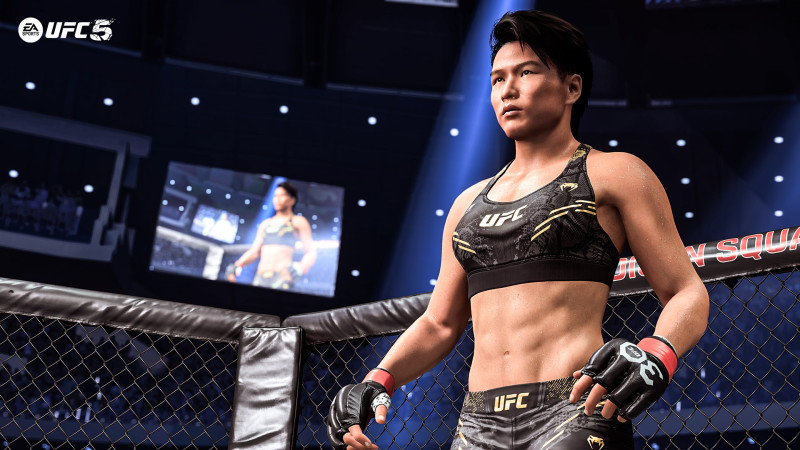
Each exchange has fight-ending or fight-altering potential, and the newly implemented Frostbite Engine does an exemplary job of showcasing the action. Scanned fighter models look incredible. Standing across the cage from a superstar like Israel Adesanya or Max Holloway is surreal, thanks to the intricate details that UFC 5 captures. Unfortunately, that means the gap in visual quality between the real fighters and the created fighters is immense; my created fighter looks like he was pulled from UFC 2.

UFC 5 is the first M-rated entry, allowing fighters to sustain more realistic damage. I loved seeing deeper cuts and more swelling develop during the firefights. I found myself in. If things get too brutal, a doctor can even intervene to determine if the fight should continue. Thankfully, this is a rare occurrence; in my experience, fighters almost always succumbed to the damage before a doctor had to step in.

The M-rating also means the trash talk and in-game cinematics have more authentic language. While I enjoy hearing fighters and coaches talk the way they do in real life, the in-game soundtrack feels like they went out of their way to include explicit songs to a tiresome extent, which is particularly noticeable as you spend so much time in menus during Career Mode.

The Career Mode keeps the same basic format as the previous releases. Using a created fighter (or blank-slate licensed fighter), you work your way to the top of the UFC rankings with the ultimate goal of becoming the greatest of all time by breaking a set number of UFC records. You start with a low-stat archetype of your choosing, then develop them over the course of several in-game years. I love that throwing a lot of hooks in fights and training sessions develops your hooks while training with a real fighter lets you learn their signature moves.

However, over the course of a Career, the repetition sinks in fast. Sparring the same partners, tackling the same challenges, and navigating the same menus becomes a monotonous affair in the weeks leading up to your fight. You can simulate a lot of the sparring, but you might end up with worse benefits. Even outside of training, you take part in the same binary social media trash talk and menu-based activities. The mode doesn’t go nearly far enough to replicate the UFC’s personality-driven drama.

I grew tired of the weekly grind after about 25 fights in Career. Thankfully, a suite of other modes allows you to jump right into the action. Online Career and Ranked Championship give you longer-term online experiences, but my favorite online mode is Blitz, where you compete in rapid-fire elimination tournaments. If you’d rather avoid the sometimes unstable online connections, you can keep the action offline by taking part in one-off fights with custom rulesets, creating your own events, or even playing curated fights based on real-world cards.

Unfortunately, the launch roster has a few glaring omissions. While all the stars are there, a few highly ranked contenders and several up-and-coming prospects aren’t included, while various fighters who are no longer with the UFC are. I like having legacy fighters available, and EA Vancouver has a proven track record of post-launch updates, but it’s disappointing to be missing so many at release.

Even with its shortcomings, EA Sports UFC 5 delivers an exciting MMA experience regardless of the mode in which you compete. Fighting your favorite UFC stars never gets old, and the adrenaline rush that comes with knocking your opponent out in a fierce back-and-forth battle makes it hard to resist the allure of stepping back into the Octagon for one more fight.

Score: 8

About Game Informer's review system

Purchase