This is default featured slide 1 title

Go to Blogger edit html and find these sentences.Now replace these sentences with your own descriptions.This theme is Bloggerized by Lasantha Bandara - Premiumbloggertemplates.com.

This is default featured slide 2 title

Go to Blogger edit html and find these sentences.Now replace these sentences with your own descriptions.This theme is Bloggerized by Lasantha Bandara - Premiumbloggertemplates.com.

This is default featured slide 3 title

Go to Blogger edit html and find these sentences.Now replace these sentences with your own descriptions.This theme is Bloggerized by Lasantha Bandara - Premiumbloggertemplates.com.

This is default featured slide 4 title

Go to Blogger edit html and find these sentences.Now replace these sentences with your own descriptions.This theme is Bloggerized by Lasantha Bandara - Premiumbloggertemplates.com.

This is default featured slide 5 title

Go to Blogger edit html and find these sentences.Now replace these sentences with your own descriptions.This theme is Bloggerized by Lasantha Bandara - Premiumbloggertemplates.com.

Wednesday, November 15, 2023

Super Mario RPG Review - Toady Nostalgia

Reviewed on: Switch
Platform: Switch
Publisher: Nintendo
Developer: Nintendo
Rating: Everyone

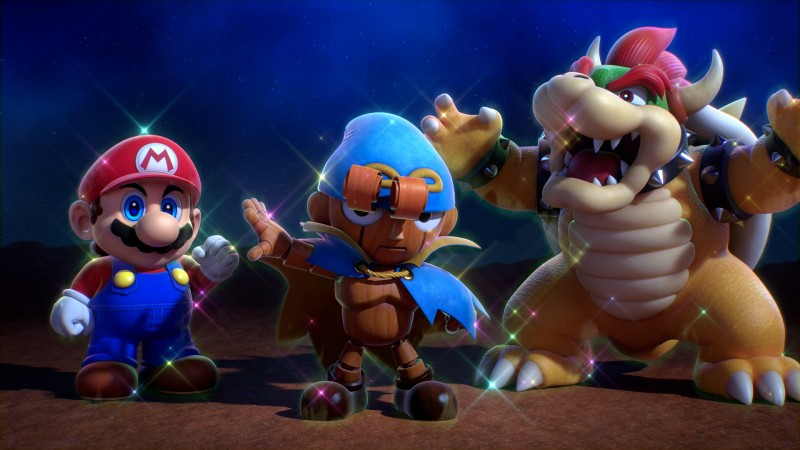
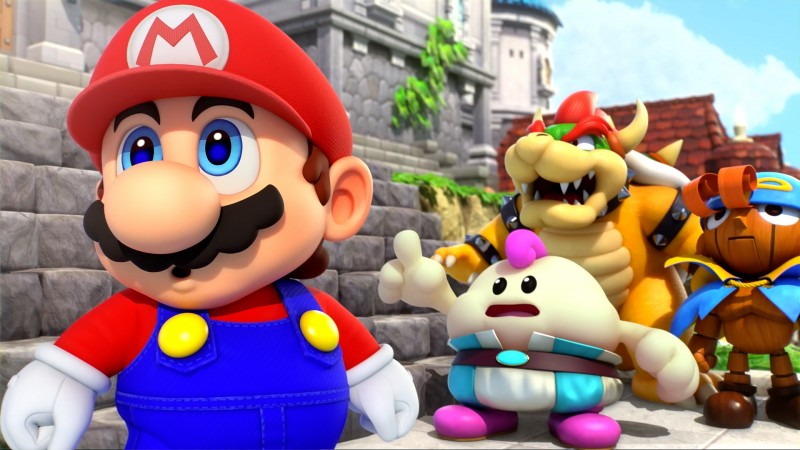
The original Super Mario RPG, released for Super Nintendo in 1996, felt like it was meant to be your first RPG. In an era when Final Fantasy tried its best to tell mature stories within the medium's limitations and Dragon Quest demanded hours and hours of your time, Mario’s adventure felt much brighter and more manageable. Familiar characters, a lighthearted story, a reasonable length, and timed button-pressing during combat made it stand out against the competition. Revisiting the game more than 25 years later in this new remade shape shows the original formula did not need much tweaking to deliver an engaging and enjoyable journey. Super Mario RPG is not entirely innocent of the sins of video games past, but old fans will relish the chance to see the game in a new light, and I’m confident newcomers will find something to love.

Beyond the fun combat, visuals, and story, the best part of Super Mario RPG is that it is incredibly bizarre. The Nintendo of 1996 was still figuring out the rules of Mario’s universe, and as a result, developer Square (not yet Square Enix) was able to create characters and put Mario in positions his parent company would likely never agree to today. The remake, thankfully, maintains all of that weirdness. I didn’t find anything salacious or offensive, but there are entire races of characters that we have never seen again in the Mario universe, Shy Guys have full conversations, and some dialogue choices make Mario come off as a jerk. In one scene, a party member has to hold Mario back from punching a child Toad who casually insulted him. I am grateful the game has not been sanitized and is still full of admittedly inconsequential references to other franchises and Nintendo games.

The story is also still quite funny. It never reaches the comedic heights of its spiritual successors like Paper Mario or Mario & Luigi, but I chuckled often. Mario’s primary means of communication is jumping to prove he is actually Mario, and every time I pressed the jump button to move the conversation forward; I appreciated the commitment to the bit. Outside of the comedic moments, the actual plot is perfunctory, with few, if any, emotional moments, but I was still eager to see where I was going and who I was going to meet next. Added in-engine character introduction moments and the occasional pre-rendered cutscene help deliver the story in new ways, but I am disappointed that the whole game doesn’t feature the same visual fidelity.

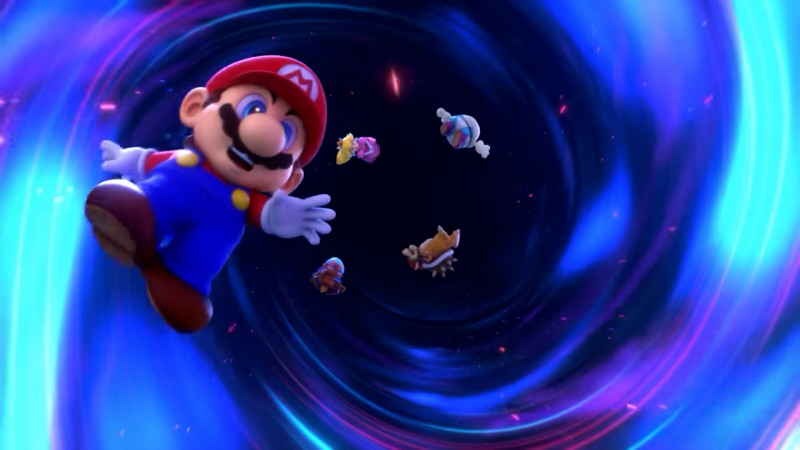
 

As it was in the past, combat is a highlight, and the additions for the remake improve the action without detracting from what made it fun to begin with. A new Action Gauge fills as you successfully pull off Action Commands (the timed button-pressing) across battles, and when full, you can pull off powerful and flashy Triple Moves. I went out of my way to try every party combination to see all of them and enjoyed tracking how high I could get my Action Command Chain across battles. One shortcoming, however, is pulling off Action Commands isn’t always clear beyond seeing your chain number ticked up. Subsequent games inspired by Mario RPG’s combat, like 2023’s Sea of Stars, have done a better job at iterating on this system and offering better feedback.

Much of what has changed about Super Mario RPG for the remake beyond the visuals is behind the scenes. The pace is brisker, and my hour count (even after beating the big optional boss) came in lower than the average playtime of the original. The game has been tweaked only slightly to add some new mechanics and make the adventure even more welcoming than it already was. The result is an experience that only shows its age slightly and rewards longtime fans and newcomers alike.

GI Must Play

Score: 8.75

About Game Informer's review system

Purchase
Tuesday, November 14, 2023

Persona 5 Tactica Review - One More Uprising

Persona 5 Tactica

Reviewed on: PlayStation 5
Platform: PlayStation 5, Xbox Series X/S, PlayStation 4, Xbox One, Switch, PC
Publisher: Sega
Developer: Atlus
Rating: Teen

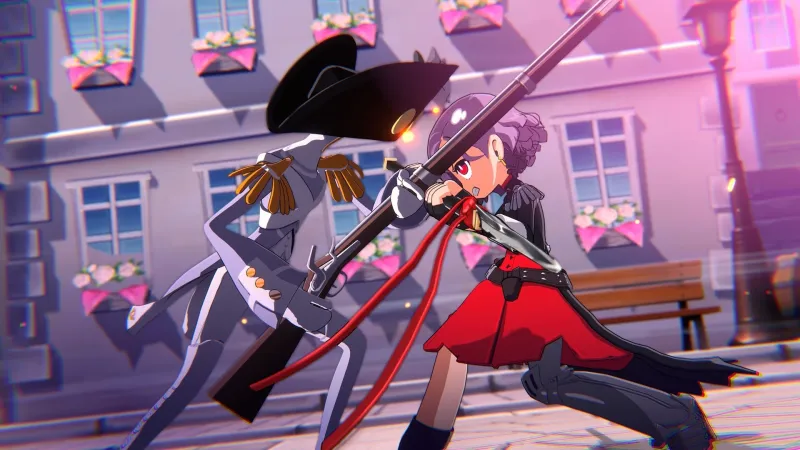
Persona 5 has become its own sort of mini-franchise within the Persona series. With many spin-off titles released over the years, such as Persona 5 Strikers, Persona 5: Dancing in Starlight, and Persona Q2: New Cinema Labyrinth, Atlus seems to love using Persona 5’s popularity to explore new stories and gameplay ideas. However, I applaud Atlus for making all of these spin-offs in completely different genres from each other. The latest, Persona 5 Tactica, delivers an entertaining story, a colorful cast of characters, and fun combat mechanics within the context of a strategy RPG. Longtime Phantom Thieves can look forward to an enjoyable side adventure, but its uneven pacing and low enemy variety hold it back from being a true revolution.

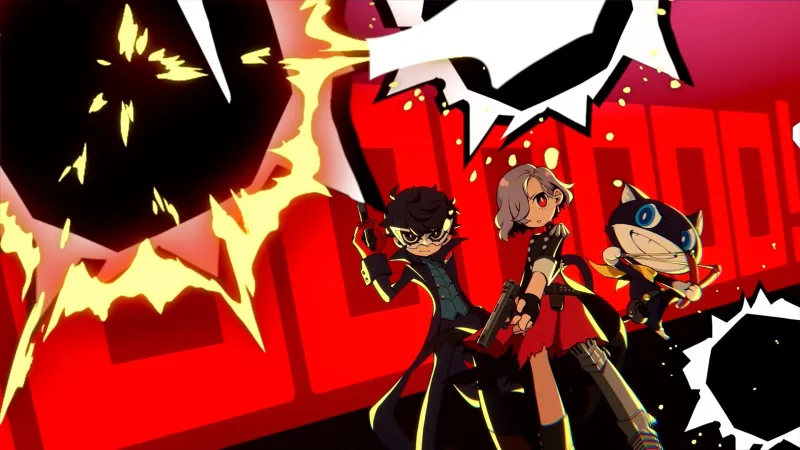
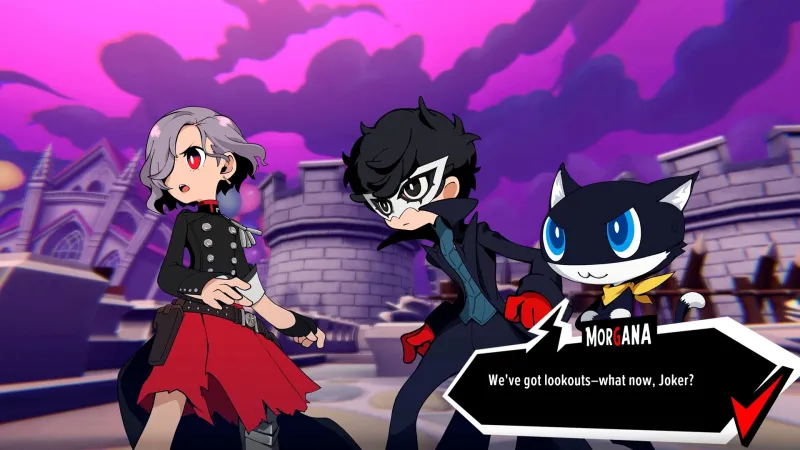
Persona 5 Tactica’s story follows the core roster of characters from the original RPG. After finding themselves sucked into an alternate dimension, the group teams up with Erina, the local leader of the Rebel Corps, who wants to liberate citizens from the oppressive rule of the Legionnaires. Toshiro Kusakabe, an amnesiac politician from the real world, also somehow gets swept into the conflict. Their unknown connections to this alternate dimension have enough mystery to keep them interesting throughout the game. As the Phantom Thieves search for a way back home, the antagonists’ motivations intertwine with the origins of these newly introduced characters.

The camaraderie between the cast members can be seen through optional conversations that naturally unlock as you progress through the story. Scenes like these are fun side conversations that allow characters’ personalities to shine, such as Erina’s natural leadership skills after a scene where she feels like a liability, or Ryuji’s role as the comic relief character when a treasure chest he’s seeking turns out to be useless villain-branded merchandise. Viewing these talks also gives the party members GP, which are skill points to be allocated to learn new abilities, so there’s a useful gameplay incentive too.

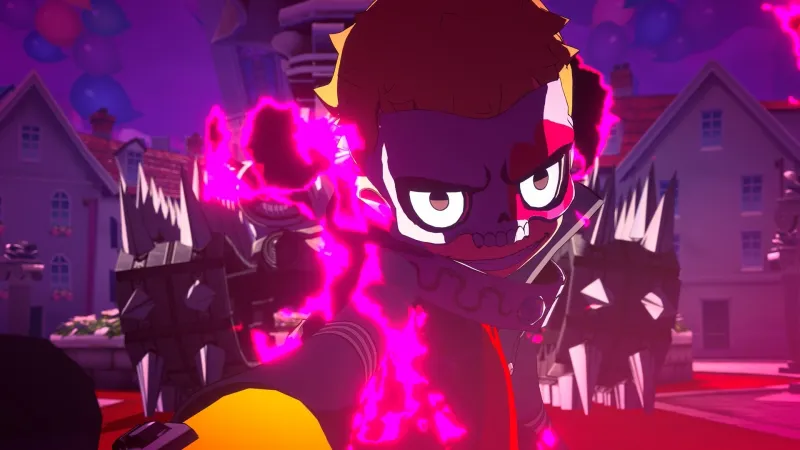
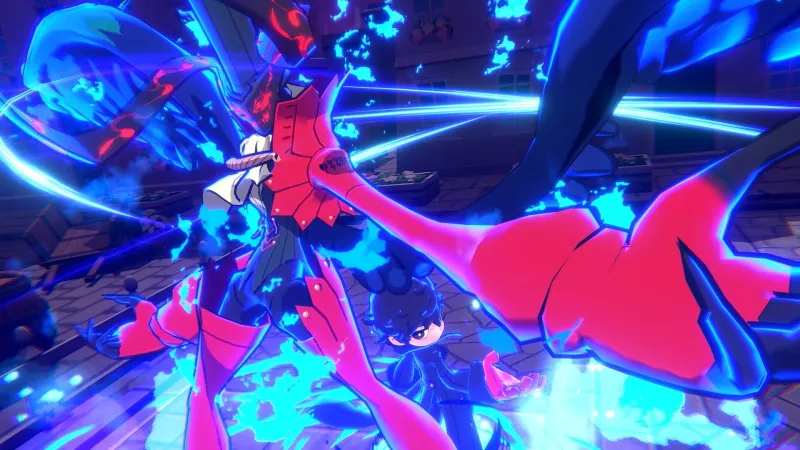
These conversations are bright and fun to listen to, thanks to the game’s excellent voice acting and art direction. The presentation style is more in line with an exaggerated cartoon style like Persona Q2’s rather than the more realistic proportions like in the original game and Strikers. This helps give Tactica a more lighthearted feel to balance out its darker themes, including illness, death, and trauma. The Persona series is also well known for its music, and Tactica’s soundtrack doesn’t disappoint. The soaring vocals and electrifying guitars will have your head bumping as the Phantom Thieves and Rebel Corp overthrow dictators in battle.

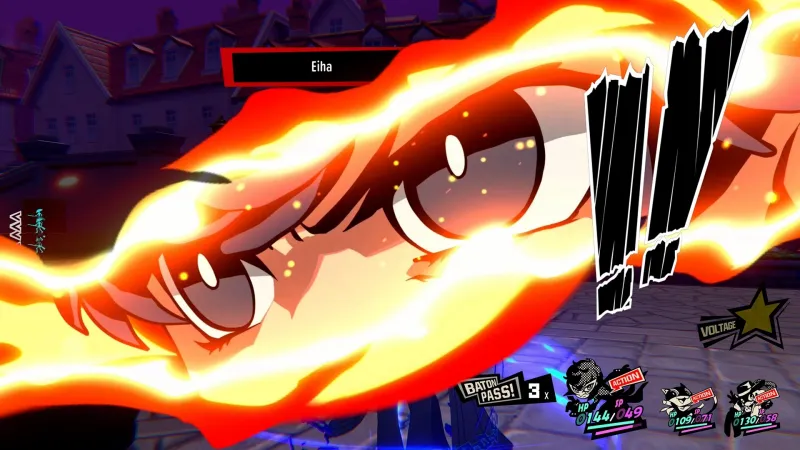
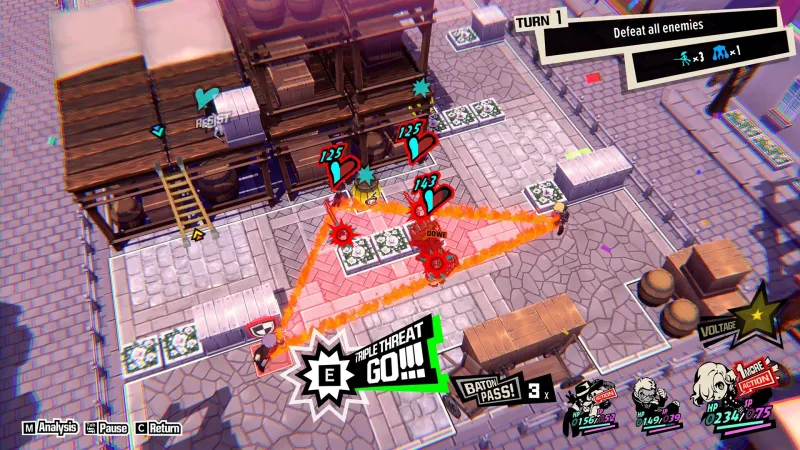
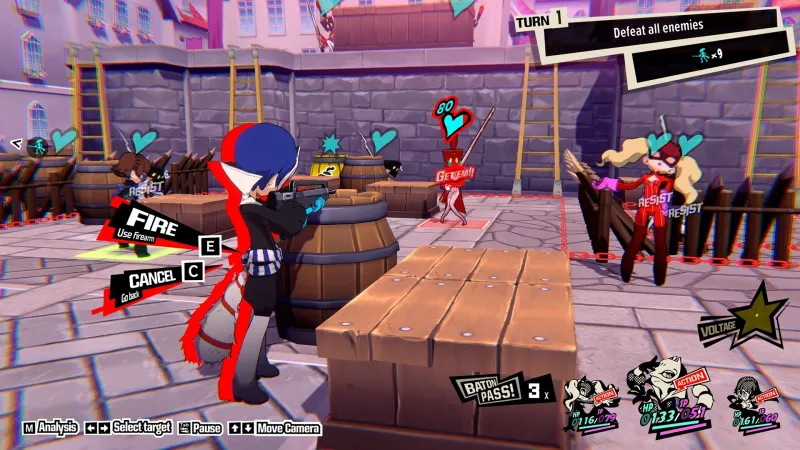
Tactica’s combat is more similar to XCOM than Fire Emblem in terms of strategic battles. Your team of three characters can hide behind cover and gain either partial cover, which drastically decreases incoming enemy damage, or full cover, which provides complete immunity. Tactica cleverly utilizes Persona 5’s main battle mechanics to fit the strategy genre. The most impressive implementation is the franchise’s signature “1 More” mechanic. In Tactica, instead of hitting enemy weaknesses or scoring a critical hit to trigger an additional turn, any unit on the field that isn’t behind cover becomes vulnerable. Being able to chain multiple 1 More turns and extending my movement range each time replicates the same sense of accomplishment that I felt when triggering multiple 1 More turns in the main game.

The 1 More mechanic is even more important when it comes to the game’s side quests. These side quests have restrictions, such as only being allowed to use certain characters or having to complete the battle under a fixed number of turns. I found these to be challenging but also incredibly fun, as they commanded me to think much more strategically than standard story missions. The side missions where I was required to beat them in only one turn were exhilarating.


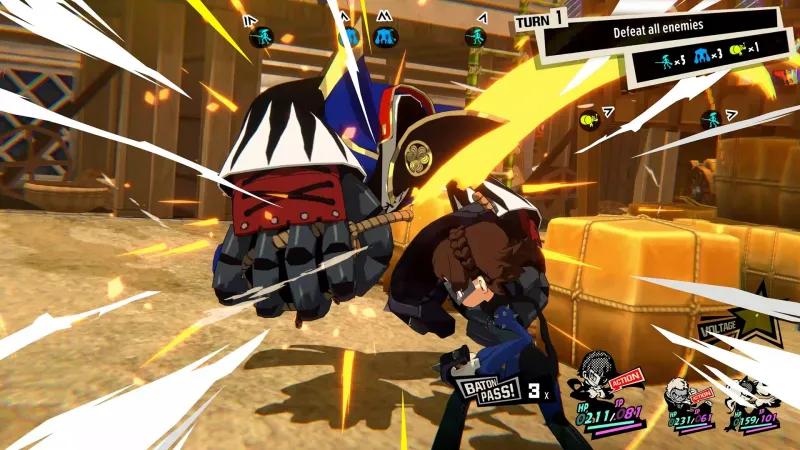
I had to activate as many 1 More turns as I possibly could while also trying to keep my teammates in a triangle formation. Triangulating on a downed enemy activates Triple Threat, which is Tactica’s version of the RPG’s All-Out-Attacks, where enemies caught in the blast receive massive damage. Mastering these techniques to come out on top of these challenging side missions is rewarding, and they come with an equally amazing prize: Completing them nets you 20 GP as opposed to 2 or 3 when viewing conversations.

However, the gameplay suffers from uneven pacing when it comes to introducing new mechanics. This is especially true during the first 10 hours; you don’t receive the powerful follow-up mechanic until the second chapter. I’m confused as to why these highly effective attacks, which let teammates attack an extra time if you knock an enemy off a higher place, weren’t introduced earlier, as that would’ve kept the early hours fresh.

Enemy variety is also sorely lacking. Much of the time, you end up facing regular enemies with guns that don’t have any special traits to them. There’s also a bigger enemy that can only be downed if you hit it twice. Aside from some unique boss mechanics towards the end of a chapter, new enemy types are introduced sparingly. Enemy variety does improve later on, but not quick enough; it’s usually only a single new one per chapter. As a result, it’s boring to simply go through the motions when you’re repeatedly fighting the same kind of enemies.

Persona 5 Tactica is a fun time for someone who’s looking for a more casual strategy game. The Phantom Thieves are just as charming as ever, and the newly introduced characters mesh well with them. It’s not an essential experience in the same way that Persona 5 Strikers was, but fans who aren’t tired of Persona 5 yet will find plenty to like with Tactica.

Score: 7.25

About Game Informer's review system

Purchase
Monday, November 13, 2023

Call of Duty: Modern Warfare III Review - Not-So-Special Ops

Reviewed on: PlayStation 5
Platform: PlayStation 5, Xbox Series X/S, PlayStation 4, Xbox One, PC
Publisher: Activision Blizzard
Developer: Sledgehammer Games
Rating: Mature

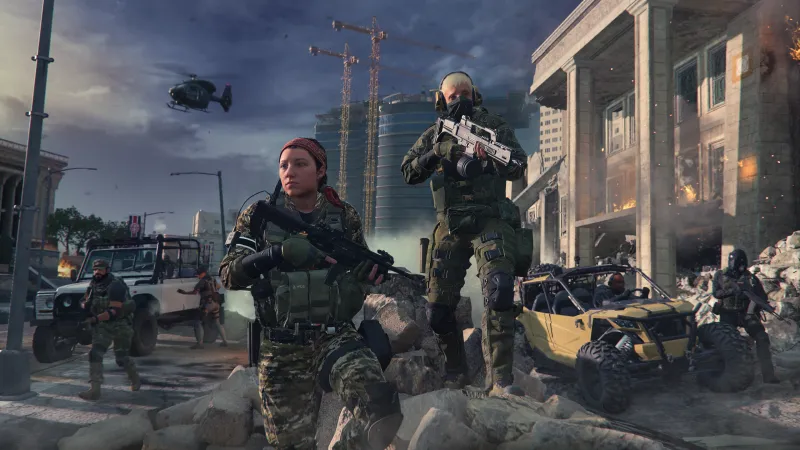
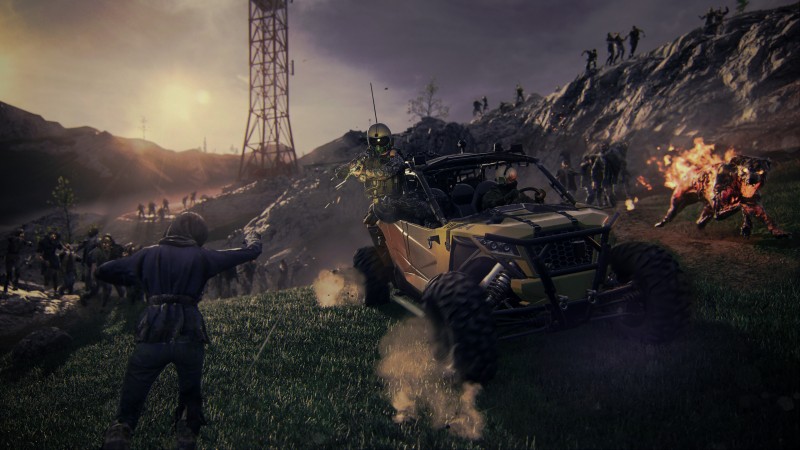
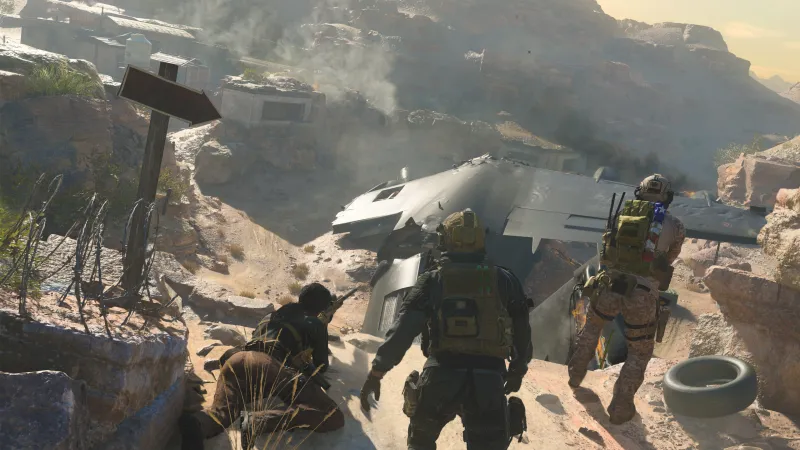
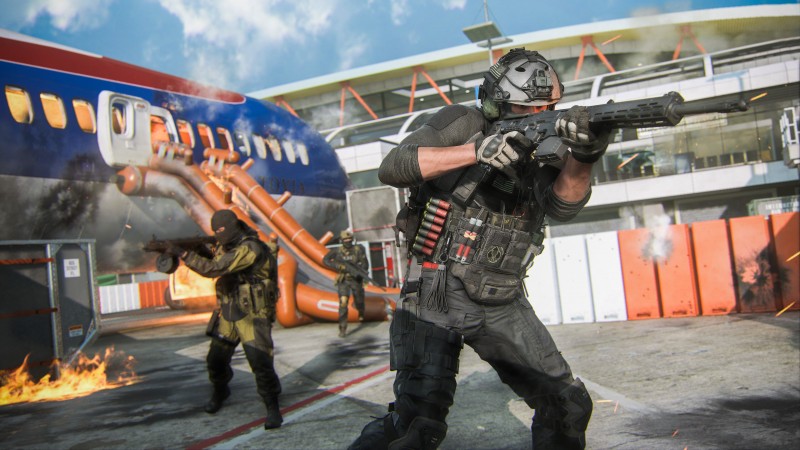
Call of Duty cycles through its lineup of villains on a yearly basis. Sometimes it's Nazis, other times it's Russian nationalists or zombies. But the most dangerous threat is one without a lust for brains or access to weapons of war; it's stagnation. And while many Call of Duty teams often switch up just enough variables to stave off monotony, Call of Duty: Modern Warfare III fully submits to the annual churn.
 
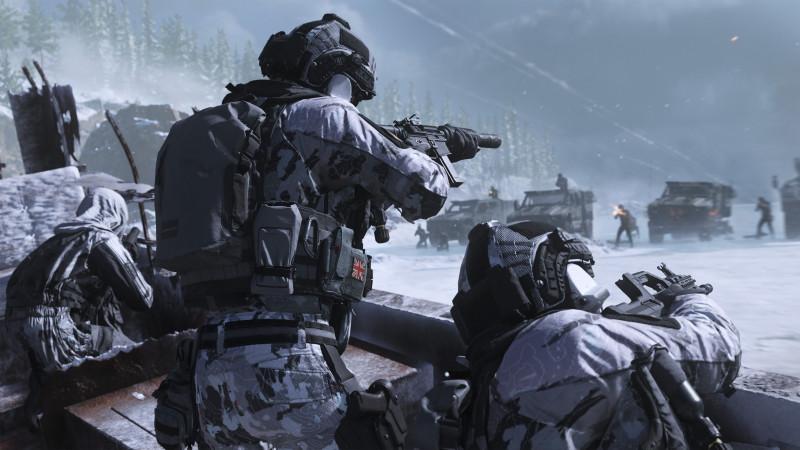
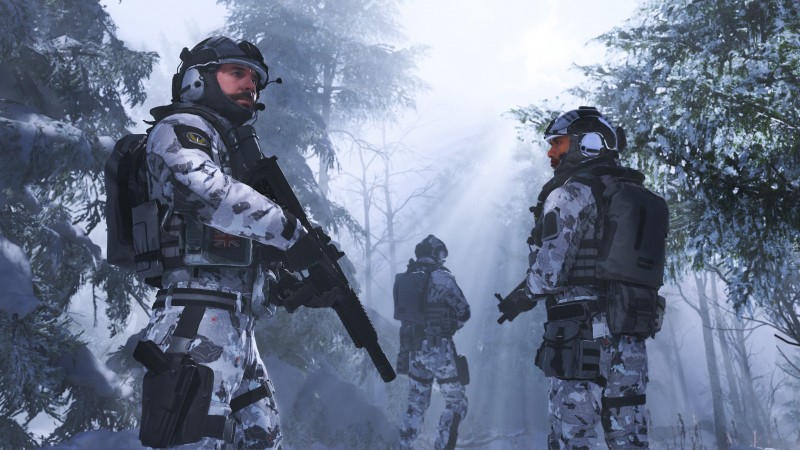
The campaign embodies this, as it rushes to a conclusion with little care for the details. COD missions usually follow a predictable yet mostly effective formula of packing together various one-off gameplay mechanics through fluctuating levels of intensity. Modern Warfare III cuts out necessary buildup and most of the variety, leading to basic stages riddled with pacing issues. Many max out at around 15 minutes, which means the usual rollercoaster of ups and downs has been stripped down to only include the descents. The spectacles are also less bombastic, and the abbreviated journey to them only further diminishes their appeal.

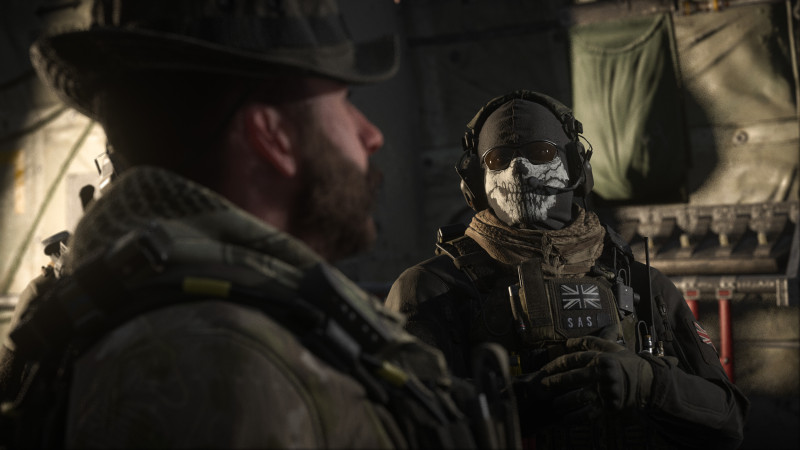
Speeding ahead also impedes the storytelling since it barrels through beats at an astonishing clip. How Call of Duty: Modern Warfare II’s antagonist is alive and why they’re now an ally was haphazardly glossed over in a cutscene from a previous multiplayer season. Vital details like that are just more casualties of its hurried pacing.

While much of the campaign poorly emulates what COD has already done, the wider Open Combat missions attempt to take that blueprint into new territory. However, the promise of more agency is undone by how shallow these stages are. Exploring these larger levels is not worthwhile as unlocking new guns is often redundant. Upgrades and weapons also don’t carry forward between missions.

Objectives can be tackled in different ways, but these options don’t go far beyond going loud or sneaking through using rudimentary stealth mechanics. Static mission and map design, limited interactivity, and a lack of meaningful rewards deflate their intended replayability and mean one run is more than enough. Nonlinearity is novel here, but novelty alone is not enough.


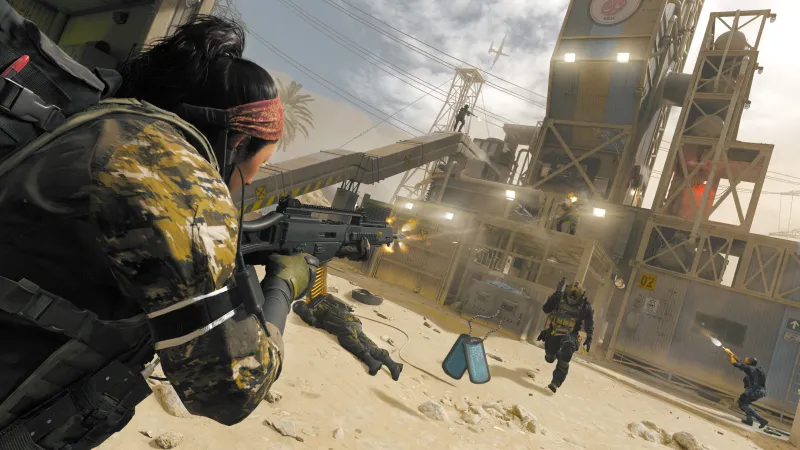
MWIII’s multiplayer modes more clearly flex COD’s signature smooth gunplay and impressive sound design, but are not exempt from the malaise that affects the whole experience. Lower score thresholds and more agile movement mean competitive multiplayer matches have a faster tempo that’s still kept in check by the higher time-to-kill. This cadence allows for thrilling firefights, but time spent out of combat is a drag. Earning all the same gear each year is already a tiring process made even more laborious by MWIII’s grindy unlock system and busy menus.

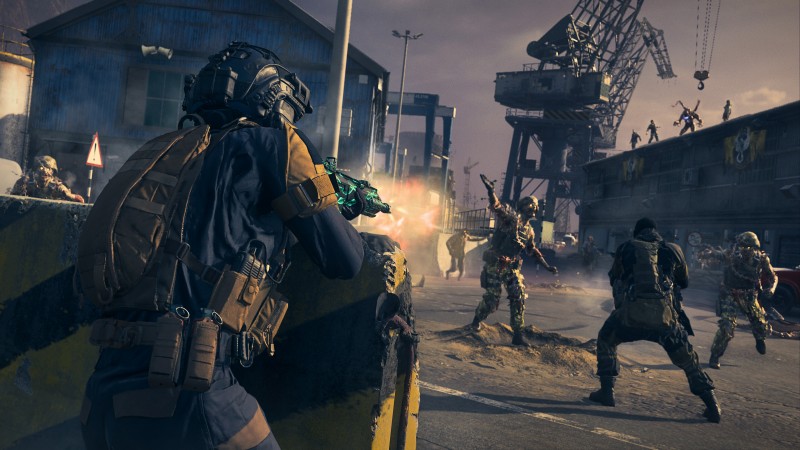
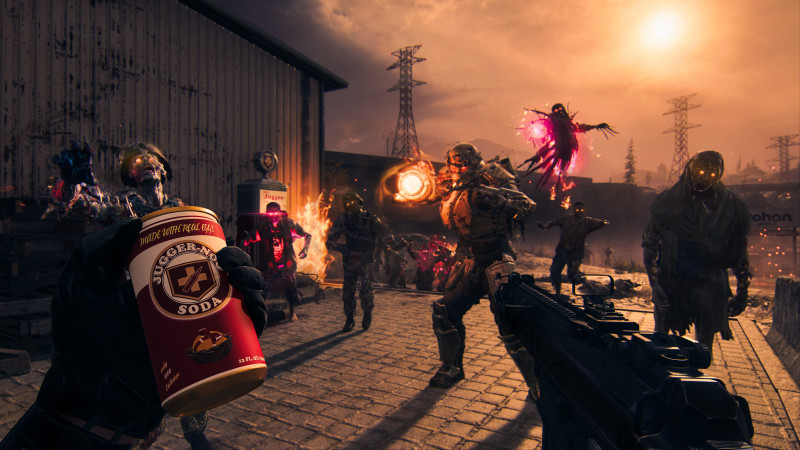
Competitive multiplayer, while familiar, highlights at least many of the series’ strengths, but the Zombies mode can’t even shamble over that low bar. Turning Zombies into an extraction shooter waters down the formula since success now requires multiple matches. The high difficulty means players must repeatedly drop in and acquire better gear before moving forward. The process is slow and tedious and full of uneventful loot runs and, if killed, lost progress.

Zombies feels more like a limited-time Warzone event cobbled together from existing ideas and assets and that sentiment permeates throughout MWIII. Each pillar is an inferior patchwork of past ideas from its stunted campaign to its multiplayer that, while the strongest mode, is comprised of systems lifted wholesale from MWII with maps from 2009’s Call of Duty: Modern Warfare 2. This year’s COD is a threadbare expansion masquerading as a sequel and an embarrassing way to mark the series’ 20th anniversary.

Score: 5

About Game Informer's review system

Purchase