Pages

Friday, July 30, 2021

Neo: The World Ends With You Review – A Catchy But Familiar Refrain

Publisher: Square Enix
Developer: Square Enix
Rating: Teen
Reviewed on: Switch
Also on: PlayStation 4, PC

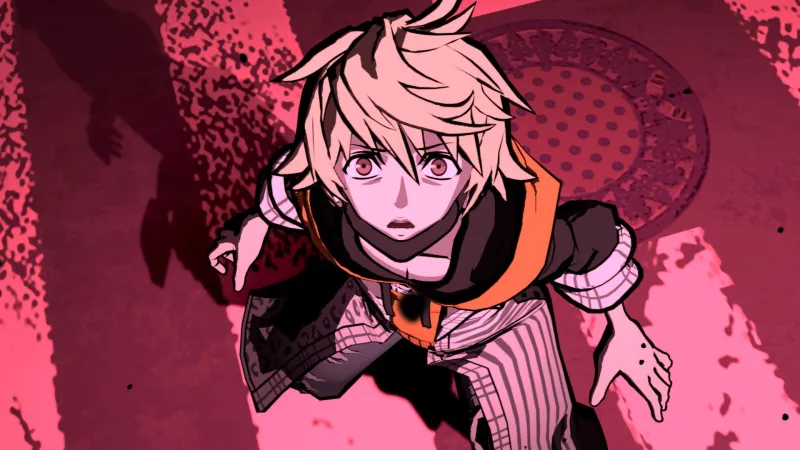
14 years ago, The World Ends With You hit the Nintendo DS and was praised for its style and innovation. It had an electrifying soundtrack, an exciting battle system that utilized the DS’ touchscreen, and the undeniable hook of exploring Shibuya, Tokyo. There was nothing like it on the market. Neo: The World Ends With You doesn’t make the same grand entrance; instead, it’s content to embrace the first game's strengths and even some of its faults. What that leaves is an experience that’s still engaging and intriguing, but it doesn’t create a lasting impression like the original.

Neo: The World Ends With You brings in a brand-new cast and the start of a new Reapers’ Game, where players must fight to win or face erasure from the world. Protagonist Rindo gets randomly caught up in the competition when a psychic battle breaks out in front of him and his buddy Fret in the middle of Shibuya. From here, they learn they’ve been transported into the deadly game and must face its stakes: compete against other teams in various challenges around the city if they ever want to return home to the real world or die trying.

This time around, the narrative focuses more on how the places we come to love are shaped by the people with whom we experience them. It’s not quite as dark as the original, and I didn’t experience the same emotional pull, but I still liked the overall message and found the characters endearing. While the narrative is a slow-burn, the plot has compelling revelations and twists, especially how it connects to the first game's events. If you haven’t played the original, you aren’t likely to feel the impact of reuniting with beloved characters and seeing loose threads tied up. Those aspects are where I felt the most payoff and enjoyment, especially in the finale.

That being said, the new cast quickly won me over. As a cautious and compassionate leader, Rindo is a likable protagonist. It’s refreshing to see someone who genuinely puts others before themselves, even when they disagree with them. His buddy Fret starts out very happy-go-lucky, but then his character develops wonderfully beyond just being Rindo’s lighthearted friend, and we learn why he avoids serious conversations. I also really enjoyed the awkward-yet-perceptive Nagi, who takes her video game fandom very seriously. Many characters come in and out of the story, almost to a fault, so be prepared to have a lot of faces to keep track of throughout the journey. At times, I found this overwhelming and felt it didn’t allow me to form strong attachments to non-party characters, but I also liked the feeling of a large group coming together for the good of Shibuya. 

Click image thumbnails to view larger version


Like the first game, you can expect fast-paced combat that rewards you for chaining combos with team members to eventually “drop the beat” for devastating specials. The game still centers on “pins” to customize your abilities in battles. You can equip these on every character for their main battle ability; each pin has a specific ability on a cooldown tied to a particular button input. Not relying on a touchscreen like the first game, this works better than I expected, but I still found it challenging to keep track of all the chaos on-screen at times. Trying to play characters’ abilities using multiple buttons at a time, the combat demands you multitask, making it easy to slip up.

I loved the variety of the different pins and enjoyed experimenting to see which ones worked best together. I had abilities that unleashed giant volcanoes, let me put down minefields, and hurl vehicles at enemies. Finding a new pin and seeing how it changes your play style is a thrill. I constantly shuffled mine up and appreciated how they made me feel my growing power and helped keep combat fresh. When you’re firing on all cylinders and watching your groove rise due to your intelligent pin combinations, the battle system is extremely rewarding. 

A big focus is finding abilities that complement each other, which requires some trial and error. Sometimes it’s easy to figure out, like having a tripwire ability so you can ensure an enemy can’t escape a bomb explosion. Other times, changing one pin can mean life or death in a boss battle, and you won’t know this until you’ve played - and failed - the lengthy encounter. The bosses themselves are fantastic and a highlight of the experience. Every big bad has a cool enemy design and keeps you on your toes in different ways, like having you dodge multiple lasers or finding weak points to break through. 

Click here to watch embedded media

Unfortunately, some of the enjoyment I had with the combat was brought down by another issue: subpar difficulty balancing. For a good chunk of my adventure, things would often be ridiculously easy, and then I’d hit a huge difficulty spike out of nowhere where I’d barely survive. You can adjust the difficulty at any time, but I shouldn’t have to shuffle difficulty to make a fight feel satisfying. 

Another area that falters is the game’s repetitive nature. Like its predecessor, Neo is structured around the Reapers’ Game, which is a blessing and a curse. I love the chaos and frenzy of having to complete the game’s challenges, like defeating a certain number of enemies or solving riddles, but they start to feel like a laundry list of things to do. The game plays out in days, and with each day comes new tasks to reach the top of the game rankings. During this time, you can eat at various restaurants for stat boosts or buy new clothes for your equipment. 

The game has a comfortable rhythm which hooked me at the onset, but the repetitive structure and lack of variety in the tasks really grated. I was excited when the new turf wars, called Scramble Slams, were introduced, until I realized they played out in the most uninteresting way. You’re just killing a certain amount of enemies in each area then a boss to take it over. These can be lengthy affairs and show up on multiple occasions during the game. 

It doesn’t help that the characters’ special abilities to use within the world also feed into this repetition. For instance, Rindo can turn back time once a day, which functions as part of the overall story. I hated this, as it felt tedious and like it just prolonged every day by making you revisit the same scenes and places while sometimes fighting the same enemies again. Nagi has a “dive” ability, which lets her get to the root of people’s complicated emotions; this overused power means you’re battling more enemies to smack some sense into people. Fret can make people recall memories by tilting the left and right sticks in to complete a picture. Unfortunately, I liked Fret’s ability the least, as it requires more precision than I expected. I played on Switch, and using the Pro Controller fared better for me than the Joy-Cons. Unfortunately, the Switch version proved unstable; the game crashed several times. Even after downloading the day-one patch, the issue persisted. 

In some ways, it’s disheartening that Neo: The World Ends With You doesn’t evolve much from its predecessor. It may even feel like a step back, but there’s still a fun game here that I had trouble putting down. The world draws you in, the boss battles provide a worthy challenge, and I loved watching the relationships between characters grow. There’s also some excellent payoff for fans of the first game. Exploring Shibuya and dropping the beat is still a delight, and the music captivates you in the best way. 

Score: 8

Summary: Neo: The World Ends With You faithfully mirrors its predecessor – for better or worse.

Concept: Bring back the Reapers’ Game, where players must fight for their lives, with new characters and events that tie into the original game

Graphics: The comic-inspired dialogue sequences look great, as do the detailed cutscenes, but the environments aren’t all that impressive

Sound: Composer Takeharu Ishimoto is back and delights with catchy tunes that capture the city’s style and essence. The beats are so infectious they stay in your head long after powering the game down

Playability: The mechanics are easy to grasp but can take some time to master. The controls have you focusing on a lot of button inputs in the heat of battle, which can be difficult to keep track of

Entertainment: Neo: The World Ends With You faithfully mirrors its predecessor, offering entertaining combat, endearing characters, and a fabulous world to explore

Replay: Moderate
Click to Purchase

The Forgotten City Review – A Narrative Masterpiece

Publisher: Dear Villagers
Developer: Modern Storyteller
Rating: Teen
Reviewed on: PC
Also on: PlayStation 5, PlayStation 4, Xbox One, Switch

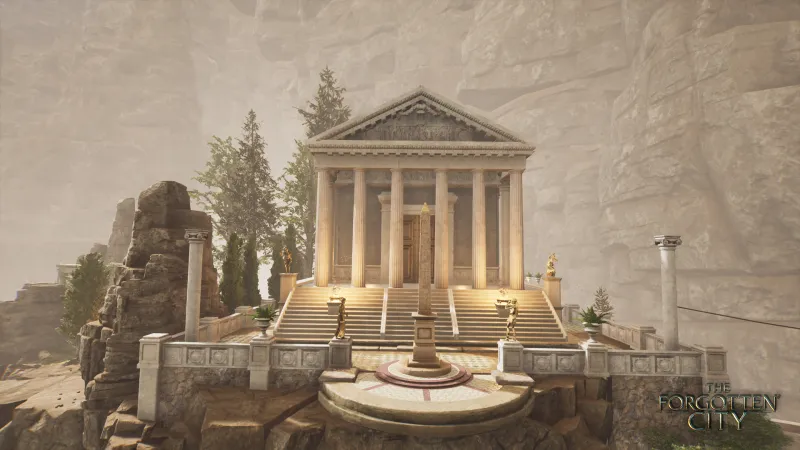
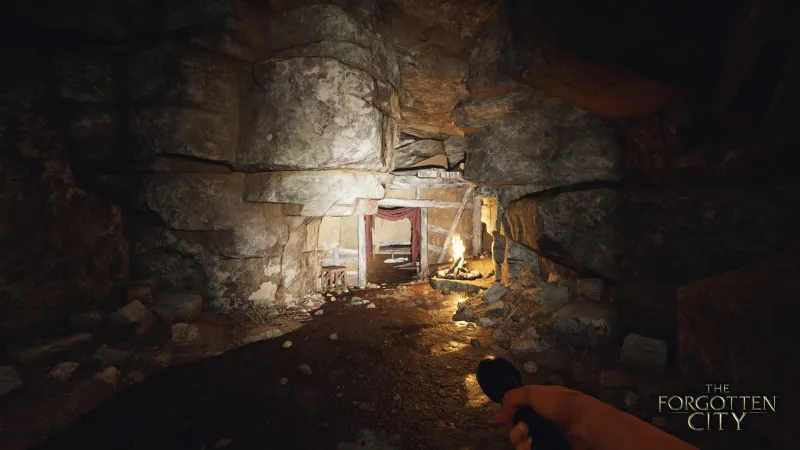
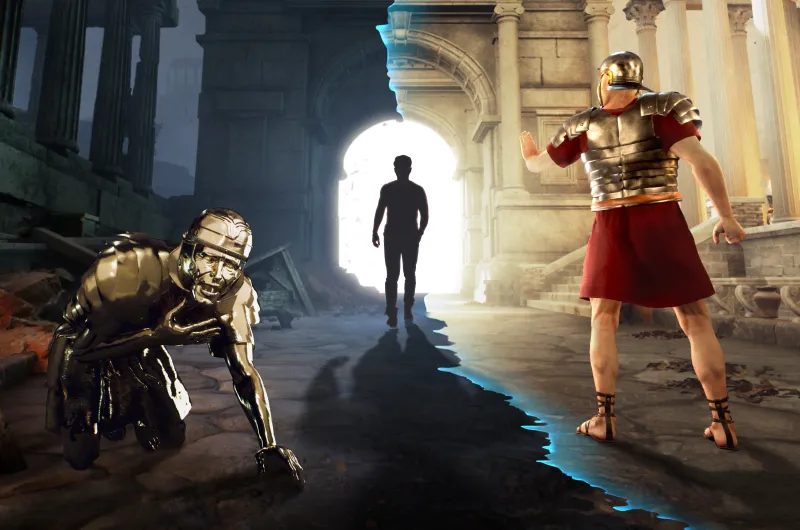
A Roman city resides within a large mountain, hidden from light and prying eyes. Only 23 people call this secret society home, and they appear to live harmoniously together, but looks can be deceiving. Time has taken its toll on each soul, but they can never leave, and more pressing yet, cannot sin, for even the most minor white lie or act of theft will steal the life from everyone. An angry god lords over this cave, and any misgiving will trigger a curse called “The Golden Rule.” The offenses of previous generations can be seen across this city – grim reminders not to sin, no matter where you are or what you are doing. These people need your help, and they somehow summon you from 2,000 years into the future.

Equipped with technologies they’ve never seen before (like a flashlight), you are now a part of their world – a newcomer that these people don’t seem to fear or question. But why? The Forgotten City skillfully plays up this mystery through a beautifully penned story loaded with meaningful player choice, making you feel like you are genuinely sculpting your path as the plot unfolds.

The name “The Forgotten City” may seem familiar to Skyrim players, as it’s the title of one of that game’s most popular mods, downloaded more than 3 million times, and so successful in its storytelling that it won an Australian Writer’s Guild award. The creator of that mod is Nick Pearce, and he’s taking a second spin with his time-traveling concepts in this excellent standalone game of the same name. While shedding Skyrim’s dark fantasy setting for a brighter aesthetic, it still clings tightly to the Elder Scrolls formula. That’s perfectly fine, as Pearce and his development team at Modern Storyteller play it like a beloved fiddle to bring the characters, their world, and your exploration within it to life in fascinating ways, even if the tech behind it all feels a little dated.

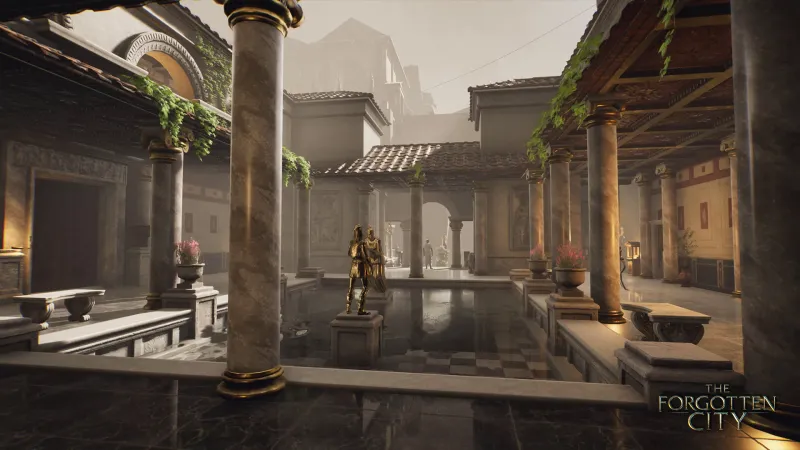
When you step foot in this hidden Roman world, you’ll see it has everything the people need: gardens, water, extravagant homes, yet no way to leave. You arrive via a wormhole and quickly find that your first motivation is to get to know all residents. This task unfolds through extensive conversations that almost always give you numerous questions to ask. Most of The Forgotten City’s gameplay consists of conversations. Thanks to the excellent writing, you walk away from most of these chats with a better understanding of the characters, their motivations, and what they may be up to – not to mention being intrigued by the large narrative that unfolds around it. I don’t want to give away too much of the plot or mystery at hand, but many conversations initiate quests (both critical path and optional) that you can activate and pursue. Most are of the simple variety of locating someone, questioning someone else, or perhaps even setting a trap, but most add up in significant ways when it comes to gaining leads.

The Golden Rule these people are governed by also applies to you, and you may be tempted to break it from time to time in conversations or as you explore the city. A lie could get you an answer, or you could steal a potion you need to heal someone’s illness, but these acts may doom everyone in the process. Doing these things may seem foolish, but here’s where things get interesting: As the people lose their lives, you need to race back to the wormhole to reset time. If you make it, you retain the knowledge you’ve gained and any items you grabbed, but the society resets to square one. You now have information that will help you solve the riddles faster. You can also use the information you learned about people against them, as they are taken aback by the knowledge you are weaponizing.

Time travel is used in awesome ways, and much like the film Groundhog Day, you make parts of the same day different each time you reset it. Modern Storyteller knows people won’t like redoing the same things over and over and found a few solutions to speed up events that you should be repeating. Depending on how you play your hand, you can reach four different endings. A few come up quickly, but the true ending takes about 10 to 15 hours to reach. I managed to see two of these endings (and a timeline shows where the others I missed take place in the larger narrative). Both of my conclusions were somewhat shocking in their setup but satisfying in how they closed the door for the society and my time traveler.

Click here to watch embedded media

As the story unfolds, some quests focus intently on a blend of combat and environmental navigation. The combat and jumping mechanics are a little rough (feeling just like Skyrim). Still, these sections remain fun, spin the larger mystery on its head, and above all else, give you a nice break from the conversations at the right times to keep the experience from getting too repetitive.

The Forgotten City does a great job making you feel like a skillful sleuth, pushing you to run across town with sizzling leads. The only downfall to this excitement is some of the more significant moments come up short in visualization. If characters are doing anything other than talking, they often move in strange ways, and the environmental events (like falling debris) are quite janky. You also won’t learn much from facial expressions or body language, as characters are all primarily expressionless, yet are thankfully saved by exceptional voice work and writing.

Regardless of the visual shortcomings, The Forgotten City stands tall as a unique game that pulls you in with its world and words. I got a huge kick using time travel as a detective tool and found many of the characters to be delightful to chat with (even if they hold many dark secrets). If you are in the market for a different type of game that pushes you to stitch together a story in different ways than you would expect, don’t sleep on this inventive experience. It’s one that you won’t soon forget.

Score: 9

Summary: Extensive player choice fuels a mystery that pays off in big ways.

Concept: Time travel and player choice are put to excellent use in a thrilling story

Graphics: The Forgotten City’s roots stretch back to Skyrim, and it still holds those old-school visual traits in the character animations. The world is beautifully conceived and easy to navigate

Sound: The voice cast makes up for the robotic character movements and delivers the emotion you need to make determinations. The score fits the mood nicely

Playability: The writing is so good you look forward to the long conversations

Entertainment: One of the better choice-driven games in recent memory that makes you feel like you have ownership over your actions and the narrative flow

Replay: High

Click to Purchase

Pokémon Unite Review – A Thunder Shock To The System

pokémon unite review

Publisher: The Pokémon Company
Developer: Tencent Games
Rating: Everyone
Reviewed on: Switch
Also on: iOS, Android

The MOBA genre is a competitive space, as it typically features robust rulesets, requires team cooperation, and has a high skill ceiling that doesn’t always welcome new players. Games like League of Legends and Dota 2 continually change their gameplay meta with the release of new characters, which is a hurdle for fledgling players. Newcomers have much to digest, but if you put in the effort, you’re rewarded with loveable characters, strategic battles, and interesting gameplay mechanics. Pokémon Unite distills the genre’s characteristics into an easy-to-understand format and brings its beloved pocket monsters into the fold, resulting in a genuinely fun and approachable MOBA, albeit with a flawed microtransaction system. 

Click here to watch embedded media

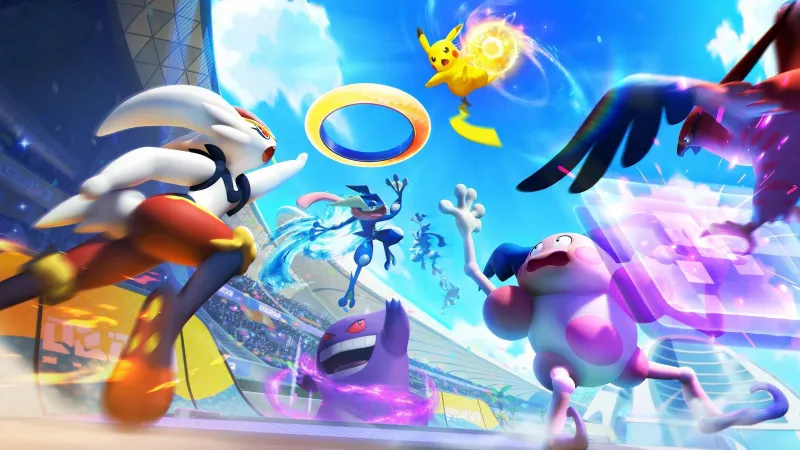
Unite’s Standard Battle mode is the centerpiece of the experience, featuring battles between two teams of five Pokémon. After selecting characters, consumable battle items, and stat-boosting held items, each team starts the match on opposite ends of the map. Experience points are earned by eliminating smaller Pokémon, destroying enemy goal zones, and defeating other players. You slowly unlock new abilities throughout the match, and after enough experience, fully evolve your Pokémon into their final form. I like that Unite doesn’t shake up the mold, because the series’ loveable monsters and flashy powers are a perfect fit with this format.

Unite features over 20 playable characters, ranging from fan favorites like Pikachu and Venusaur to lesser-known Pokémon like Cramorant and Crustle. There’s a nice range of Pokémon including originals from Red and Blue all the way up to popular monsters from Sword and Shield, though strangely there isn’t a single Pokémon included from the series’ second generation, Gold and Silver. Each character is grouped into one of five battle classes: All-Rounder, Attacker, Defender, Speedster, and Supporter. While characters don’t have elemental weaknesses like in mainline Pokémon games, each critter has unique stats, ability trees, and Unite Moves that make them distinct from one another. This is where Unite shines.

Click here to watch embedded media

Each Pokémon’s moveset remains faithful to the franchise but also makes sense in the context of a MOBA, and I love experimenting with different ability loadouts with each Pokémon. Sometimes I pick abilities like Flamethrower and Fire Blast that allow Charizard to be a spellcaster, and in other games, I focus on melee fights by unlocking Fire Punch or Flare Blitz. Charizard’s Unite Move, Seismic Slam, is pure spectacle, as he jumps into the air and soars above the map, spewing molten flames onto enemies below. At the end of his Unite Move, he picks up the nearest enemy Pokémon and slams them back into the pavement. When I’m not playing as an All-Rounder like Charizard, I prefer to play as Crustle, who has a completely different role. As a Defender, this crustacean assists the team by stunning enemies, tanking damage, and blocking paths with his Rock Tomb ability. I love partnering with an attack-focused Pokémon and working together to lock down and isolate enemies from their team.

Each path on the map is populated with goal zones teams must attack or defend by obtaining Aeos Energy. Players collect Aeos by defeating wild Pokémon near the path, and then slam-dunking that energy into enemy goal zones. After depositing enough Aeos energy, a goal zone is destroyed, opening the next part of the lane. After 10 minutes, the team with the most deposited points wins the match; these short time limits make losses easier to swallow and help to cultivate an online environment that focuses on fun.

Click image thumbnails to view larger version


Matches are full of additional objectives to conquer, like Zapdos, that pop up throughout the match. Zapdos, in particular, is incredibly powerful and doesn’t spawn until the last two minutes of the match. The team that successfully defeats the Legendary bird is rewarded with an enormous goal-scoring buff that can potentially change the tide of battle. While I really like the catch-up potential this brings to the game, there’s nothing more frustrating than playing strategically for the majority of the match and losing Zapdos because one teammate isn’t paying attention. But to be fair, that’s part of what makes MOBAs so exciting. On the top path, players can battle and escort the electrically charged Rotom to leave enemy goal zones vulnerable. Meanwhile, Drednaw resides on the bottom path and grants a shield buff to whichever team successfully defeats him first. These Pokémon are fun to hunt and have my imagination racing with ideas for other characters they could swap in during future events.

Pokémon Unite’s microtransaction systems let you purchase a battle pass and all sorts of fashionable cosmetics for your trainer and Pokémon. This is standard fare for free-to-play games. Unfortunately, Unite drops the ball by allowing players to purchase item enhancers that can level up a Pokémon’s held items and boost their stats. Players can obtain these item enhancers for free by simply playing the game, but it takes weeks to fully upgrade an item to its level cap. I haven’t experienced a tangible disadvantage playing the game without purchasing microtransactions, but this system’s pay-to-win potential certainly diminishes its long-term competitive integrity.

Pokémon Unite is a fun way to spend your time despite these frustrations. The game eats away the hours of my day as I reassuringly say to myself, “Just one more match.” Battles play out with the spectacle that the Pokémon series is known for, and with so many abilities to choose from, no match feels the same as the last. The game’s simple mechanics and recognizable characters make for an approachable MOBA experience; and with a potential catalog of nearly 900 Pokémon to pick from, my hopes are high for the future of Pokémon Unite.

Score: 8

Summary: This Pokémon MOBA is an exciting interpretation of the franchise with flawed microtransaction systems.

Concept: Duke it out with your favorite Pocket Monsters in a 5v5 online multiplayer arena

Graphics: Pokémon are faithfully rendered in 3D and their ability animations make battles even more satisfying

Sound: Orchestral horns, bombastic drums, and electric guitars imitate classic battle themes and fill me with nostalgia

Playability: Certain Pokémon have lower difficulty tiers with approachable mechanics while others provide a high skill ceiling with context-sensitive abilities

Entertainment: Recognizable Pokémon, distinct move sets, stylish animations, and easy-to-understand objectives make this a good introduction to the MOBA genre

Replay: High

Click to Purchase

Thursday, July 29, 2021

The Ascent Review – Mindless Mechanical Mayhem

Click to watch embedded media
Publisher: Curve Digital
Developer: Neon Giant
Rating: Mature
Reviewed on: PC
Also on: Xbox One

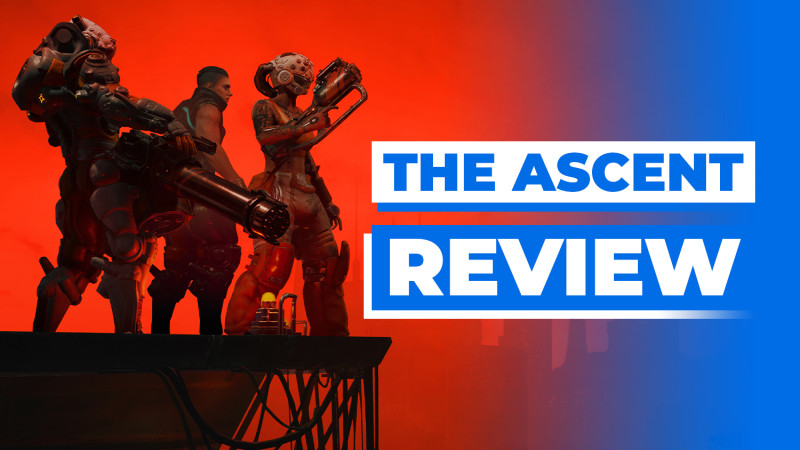
From the iconic works of Philip K. Dick to the seminal table-top RPG by Mike Pondsmith, fans of the cyberpunk genre are familiar with the theme of characters in search of an identity and purpose. The Ascent suffers from a similar identity crisis in its attempts to pull from dungeon-crawling RPGs and twin-stick shooters, but it never ascends to the heights of either genre. This mindlessly fun co-op experience features bombastic gunplay, engaging cybernetic abilities, and a visually impressive world to wreak havoc in.

The Ascent takes place in the tech-obsessed world of Veles, controlled by maniacal corporations, and players control an indentured laborer who becomes wrapped up in a mystery as they battle for their freedom. While I enjoy the cyberpunk genre, The Ascent’s grating narrative contains all my least favorite tropes: incessant expletives, human rights abominations, and a profoundly bleak world. Those tropes aren’t inherently bad when handled with nuance, but the main story never dives into anything of substance, making those dark themes more set dressing than meaningful commentary. Combine that with a lot of confusing jargon and lore, and I found myself wanting to skip through dialogue to get back to what the game does best: turning you into a cybernetic warrior.

Click image thumbnails to view larger version


Combat is The Ascent’s main strength. The moment-to-moment gunplay is exhilarating, with waves of varied baddies headed your way at virtually every moment. Developer Neon Giant also ups the fun with a diverse inventory of weapons and some truly fantastic augmentations and tactical weapons that can send enemies flying. Some of my favorite moments included blowing away corporate goons with a rocket-spitting Gatling gun then finishing them off with a devastating energy punch.

While most of the fights left me satisfied (if not overwhelmed, but more on that later), the combat grows slightly monotonous as the game goes on. Through an upgrade vendor, I started to find my favorite weapons and boost them, which outpowered most loot drops, making them largely irrelevant. That lack of variation also extends to your armor as well.

The Ascent is a shallow RPG experience, with stats that don’t always feel purposeful. I was always thankful to have points to boost my health and energy levels, but I found some of the other categories and even the armor inconsequential outside of the generic protection buffs. It’s hard to know what specific attacks you’re even trying to protect against. I seldom paid attention to attributes such as fire protection because I could usually blaze through enemies with the right tactics and augmentations. That was especially true when playing with others when the onscreen tumult becomes extremely difficult to track.

The Ascent is best experienced in co-op. Up to four players can enjoyably play the majority of The Ascent’s 15-20 hour story. The bombastic fights are more manageable with a team alongside you, and the combat starts to sing when you’re synched with explosive weaponry and chaotic augmentations.

While co-op is the highlight, co-op play still has a plethora of annoyances. A limited pool of health drops aided in my team’s demise, as the number of HP pickups doesn’t seem to scale to the greater player count. It is also hard to find your partners in the world as player indicators blend in with the rest of the map. That problem is exacerbated thanks to a surprisingly large play space. My other complaint is how progress is handled. I jumped into a coworker’s game for a few hours, only to find my progress was utterly gone because I wasn’t hosting the match.

Co-op is the main draw, but solo players shouldn’t despair. Half of my time was spent on my own, and I still enjoyed the experience with some caveats. Picking up health is easier alone, but I grew frustrated in many encounters as I was quickly overwhelmed by the sheer number of enemies ­– it seems that the game was balanced with co-op in mind. These encounters aren’t impossible, but you’ll have to play smarter and plan your augmentations instead of the normal running and gunning.

Click here to watch embedded media

The game’s other great strength lies within its presentation. Neon Giant has crammed a staggering amount of detail into the world. Each corner of Veles is disgusting in the best sort of way, with its denizens throwing garbage onto the dilapidated metal plates of the sprawling megacity. The game’s lighting is equally beautiful if, at times, a little bit of a neon-soaked strain on the eyes. The camera work is also impressive and moves in cinematic and engaging ways. Finally, the music hits a high mark, with clear callbacks to iconic sci-fi fiction of the past, such as Vangelis’ work on the original Blade Runner film.

The world of Veles is worth exploring, but doing so can also be a hassle. I was grateful for the fast travel points, but it still takes too long to get from point to point. I also found my co-op partners and I sometimes had the same objective, but our tracker would occasionally take us in entirely different directions. It also didn’t help that we’d consistently run into groups of overpowered baddies that would instantly shred us. Neon Giant does a great job of rewarding curiosity with loot, but I found myself exploring less out of fear of another ambush and a game over screen as time went on.

The Ascent has issues, but those issues don’t detract from my overall enjoyment of the game. I won’t write my thesis on its commentary on capitalism, but I’ll fondly remember my co-op sessions where I tore through this cyberpunk world. That being said, the shallow RPG elements, lack of meaningful narrative, and exploration frustration were constants that really dragged the experience down. Neon Giant has made a solid foundation to build on, and I hope we can see future installments grow into something truly worthy of ascension.

Score: 7.25

Summary: The Ascent delivers mindless co-op fun in a beautiful cyberpunk world that ends up emphasizing style over substance.

Concept: Command a cybernetic warrior through the cyberpunk streets of this twin-stick shooter/RPG hybrid

Graphics: The neon-clad lighting, the sheer amount of detail, and overall visual fidelity is wildly impressive, especially when combined with some beautiful cinematic camera movements

Sound: The soundtrack is a highlight, with clear inspiration from some of the most iconic sci-fi scores in entertainment

Playability: Blasting cybernetic baddies feels excellent when combined with exciting augmentations that can obliterate your enemies in the blink of an eye

Entertainment: The Ascent is a mindlessly fun co-op experience that is easy to pick up and play with an emphasis on quick-hitting gunfights and enjoyable cybernetic abilities

Replay: Moderate

Click to Purchase

Monday, July 26, 2021

Wildermyth Review – Tales And Tactics

Publisher: Worldwalker Games
Developer: Worldwalker Games
Reviewed on: PC

In a nutshell, Wildermyth is a fantasy tabletop tactics game that can be played in a few hours or for as long as you like. You have access to multiple campaigns that offer different challenges and lengths – ranging anywhere from four hours to many, many more. During these adventures, you gear up a team, make decisions that affect how the stories play out and vanquish hordes of dangerous enemies in various turn-based combat setups. While each campaign is self-contained, you can pull characters you develop into subsequent campaigns with all their stats, allowing you to assemble a legendary roster over time.

Click here to watch embedded media

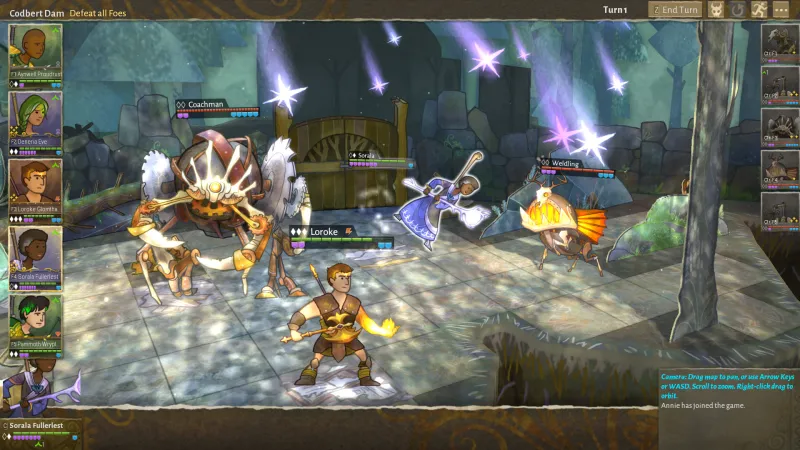
You can take Wildermyth’s three core classes in a variety of interesting directions. The most curious and original is Wildermyth’s take on the classic caster or mage, which manipulates various objects across the combat grid, twisting them to their advantage. This means you can light objects on fire, fling boulders, heal/buff your friends, and more by forging connections to bookcases, braziers, and anything else laying around. Classic warrior and hunter archetypes are also available, and I loved forming various compositions fueled by poison attacks on ranged-archer team compositions. While the base classes may be archetypes, there are enough different directions to take them with progression mechanics in order to keep things compelling.

While you drastically alter how each core class plays via gear and level up skills, one of the biggest charms of Wildermyth is how the story dictates gameplay. Over the course of any campaign, your characters interact with each other and the world around them in comic book-style sequences. You make choices in these stories that determine relationships and a whole lot more. For example, perhaps one character begins to transform into a wolf, and you choose to fully embrace it. What starts with a small head change, over time, may result in a full character alteration that affects that character’s stats and abilities.

I took one of my prized archers through this development, and as a result, she could no longer hold or shoot her bows – but she could rend enemies with a flurry of claws. These procedural stories can transform your characters in many ways that have permanent and significant effects, and you’ll need to account for these changes from battle to battle. Maybe you find a duck pet that gives stats, or two party members become rivals. While the combat is solid, these frequent story vignettes are absolutely the highlight of Wildermyth and make every campaign a treat as you make choices that change the story and your characters forever.

Click image thumbnails to view larger version


Most encounters boil down to figuring out how to strategically position and eliminate opponents, which is fun at its core. This stays interesting over the course of a run even though you may engage in a ton of fights because your characters are constantly changing if you let them. Maybe you have allies who become possessed by a dark spirit or you gave your tank a giant golem fist that changes their attack style. Things change, things happen, and it's way more impactful than just picking inconsequential options from a dialogue tree – the story flows into the combat in a great way, and by the end of a campaign you’ll likely have several characters you adore, for all their struggles and triumphs.

The overworld system is probably the weakest aspect of Wildermyth. Here you manage resource collecting and enemy invasions as your territory holdings expand over the course of a campaign. What this really amounts to is a bunch of busy work that’s easy to ignore as you try to push through the more interesting content. As fun as the core combat is, these additional battles bog down some campaigns with too much fighting.

If you’ve always wanted a fantasy Dungeons & Dragons stylized XCOM game, Wildermyth might be exactly what you’re looking for. Designing a game around randomized storytelling is tricky, but Worldwalker pulls this off with gusto and gravitas.

Score: 8.75

Summary: Story, style, and strategy come together in one whimsical package.

Concept: Pilot a team of adventurers through various stories and campaigns that feel like tabletop adventures

Graphics: The pop-up storybook fantasy look is enchanting and conveys a lighthearted feel

Sound: The effects and soundtrack complement the gameplay well enough, but aren’t very memorable

Playability: Because of the options available and the winding story, Wildermyth may be a bit overwhelming at first. Playing the introductory campaign is advised, and the difficulty is adjustable

Entertainment: Wildermyth expertly gives players stories to explore with choices that have a significant impact on gameplay. If you like tactics games or tabletop roleplaying, Wildermyth is not to be missed.

Replay: High

Click to Purchase

Wednesday, July 21, 2021

Last Stop Review - A Playable TV Show With An Albert Camus Twist

Publisher: Annapurna Interactive
Developer: Variable State
Reviewed on: PC
Also on: PlayStation 5, PlayStation 4, Xbox One, Switch

You know those games where you think you know where the narrative is going and the journey eventually becomes a predictable ride that feels like a chore? Variable State’s latest supernatural adventure is anything but. Last Stop’s story ties the fates of three strangers together, with life choices and perceived failures blending into a bubble of existential crisis that would make famed philosopher Albert Camus proud. Last Stop is a two-sided experience where one side is relatable monotony and the other offers unbridled chaos and imaginative conundrums. 

Last Stop is a deceptively complex story set in present-day London. It starts slow, introducing players to John, Donna, and Meena. Each character is a stranger to one another, but they all have simplistic lives that speak to that looming existential dread we all know and put up with. The three tales are bound together by the supernatural, and the twists the narrative takes that make Last Stop feel like you’re playing a TV show. The game has intro cuts as you’d see on a British sitcom with character names and their associated actors. It has dramatic music that flares at just the right time, and it has story recaps that offer a helpful reminder of the “road so far” which is a nice touch given Last Stop’s episodic format. 

The three main characters have nothing in common other than their monumental bad luck. Meena is the “career-obsessed” archetype; a woman who is driven by her ruthless ambition no matter the collateral damage. She’s torn between her goals and her past, a division that is felt by those closest to her. That wedge between her and those she loves grows deeper when suddenly she is forced to compete for a promotion she’s had in her sights for years.

Click here to watch embedded media

Donna is a high-schooler that plays the average teenage archetype; a little bit unbothered in some ways, a little too bothered in others, and she’s simply trying to find herself whilst navigating her teens. In an effort to separate from the shadow of family, she throws herself into a complicated friendship with Becky and Vivek. That friendship is put to the test when a night of hanging out with friends goes terribly wrong after a mysterious stranger upends their lives. 

John is a middle-aged father who is underappreciated and overworked. As a single parent, he resents his young, successful, and rich neighbor Jack. Instead of letting that jealousy play out naturally, however, fate has other ideas pulling a good 'ol fashioned Friday the 13th body swap. The core of the three tales is the crux of what Last Stop has to offer: Supernatural destiny. While I won't don't want to reveal what the supernatural tie actually is because it would be a massive spoiler, I will say that's not what you'd expect and that the revelation was wild. The twist ending also provides unique closures for each character, reflecting growth and their inner truths. I enjoyed that the three characters were so different from one another, it made each chapter feel fresh, especially when bouncing between John and Donna. I related to John’s resignation to the daily grind, but I found myself wistfully throwing myself into Donna’s naivety and youthful belief that anything is possible. Meena was a hard character to love, a lot of her choices were borderline cruel, though later in the story we learned why she is so guarded and that revelation made me appreciate her as a part of this story.  

Click here to watch embedded media

Each character’s story is broken into six chapters, allowing the player to choose from John, Donna, or Meena before continuing onto the next stretch of the story. Three choices help guide how these characters act in-game, usually depicted as diplomatic, sarcastic, or aloof, such as the ability to comfort someone in a time of need or to vindictively hold a grudge. For example, John (in Jack's body) must choose between keeping his mouth shut about his toxic work environment or “play it safe” to keep his job. These choices command certain actions during pivotal parts in the story, though the truly game-impacting choices are reserved for the very end. If you’re looking to double back on a part of the story, there is no way to skip through dialogue, which is tedious when replaying a chapter. Luckily, this didn’t impact my enjoyment too much, because I found the pacing of the dialogue and the story calming in a way similar to British sitcoms, providing even-toned conversations between each character despite the wacky ongoing narrative. It also nailed the dry humor that those sitcoms are known for throughout each chapter, though these moments were peppered in and don’t detract from the mysterious nature of Last Stop’s storyline.

Mechanically speaking, Last Stop is as simple as it gets. Movement is limited to walking and is extremely linear to fit the guided experience similar to a TV show. At first, I felt this design was too straight-and-narrow and hurt the game. As I progressed through the story, however, the pacing made sense when looking at the bigger picture.

Click here to watch embedded media

While traversing the world of Last Stop is limited, one exception to the game’s walking-only limitation is Meena’s analytical ability. This feature allows her to scan anyone she chooses to glean details from them: are they guilty? Lying? Scared? This ability doesn’t really impact the narrative, the choices are mainlined in a way to keep the story on course, but it does offer another look inside her mind and the almost clinical way she perceives the world.

Last Stop is dripping with existential philosophy juxtaposed against the illusion of a simple life. At 34, I identified, on some level, with all three characters, which made some of the more drastic decisions difficult, like choosing whether Meena is honest about the specific ways she hurts her family or Donna’s decision between her family and her struggles. How do you act when there is no right choice, there’s only the right choice for that moment? What if that “right” choice comes at the cost of someone’s life? Their happiness? What do you do at that moment when it hits you in the gut that the world is so much stranger and bigger than you believe? Last Stop isn’t for everyone; it’s a slow-paced narrative that requires a bit of time invested before the payoff. The conclusion of Last Stop, however, is unique, surprising, and it left me contemplating my choices in the game itself and in real life. It was a thoughtful journey, one that concluded on a satisfying note tinged with wonder and a renewed feeling of what it means to be human. 

Score: 8

Summary: Last Stop is a two-sided experience where one side is relatable monotony and the other offers unbridled chaos and imaginative conundrums.

Concept: Three strangers are brought together by a chaotic twist of fate rooted in the supernatural

Graphics: The characters are more detailed while NPCs are left with featureless faces, providing an aesthetic to match the game’s existential nature

Sound: The music and sound effects make the player feel like they are playing an episodic TV series

Playability: A focused narrative that leaves no room to explore, designed to carry each character to their fated destinations

Entertainment: Last Stop blends classic British humor, the contrast of human mundanity, and the chaotic nature of the supernatural flawlessly

Replay: Moderately low

Click to Purchase

Tuesday, July 20, 2021

Death's Door Review – Reaping The Rewards

Publisher: Devolver Digital
Developer: Acid Nerve
Rating: Everyone 10+
Reviewed on: Xbox One
Also on: PC

Death is one of the few things we all have in common. We all experience death sooner or later, and that can be terrifying because we don’t truly know what awaits us on the other side. Salvation? Oblivion? Death’s Door offers an amusing interpretation of death by framing it as a boring, day-to-day business run by crows. While some of the crows may not find much enjoyment in their work, playing Death’s Door couldn’t be further from their dull reality. It’s an entertaining and engrossing action-adventure romp that you’d do well to enjoy before your time is up. 

As a young crow and a rookie reaper working for this morbid organization, your task is to retrieve one particularly large soul. Once you do, however, it’s promptly stolen by a mysterious figure. The soul’s recovery is paramount because while the crows are immortal in their home dimension, traveling to the living realm leaves them vulnerable to aging and death, and they can’t return home for good until the job is done. While this recovery mission of why your soul was taken is a good hook on its own, the story quickly expands into a larger, more compelling mystery revolving around figures who have cheated death for ages and the true meaning behind your work.

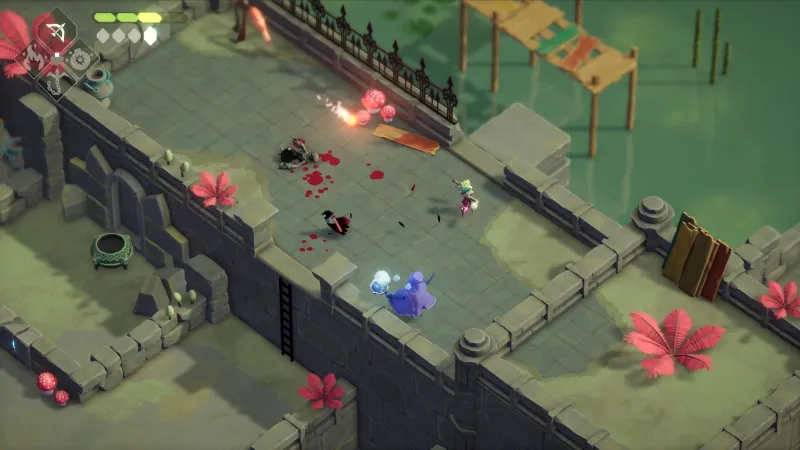
Relieving bad guys of their souls is a fun, strategic dance of dealing simple close-range combos and rolling to evade, all while chipping away at their health from afar using your bow and ranged spells such as a fireball. When it comes to attacking at a distance, you have a limited number of shots, but ammo refills with every successful melee strike. I love this system as it kept me from leaning on ranged attacks as a crutch and forced me to get my hands dirty. It also rewards that aggression by renewing your chances to back off. Tight controls allow for smoothly dealing attacks after making split-second dodges, and that maneuverability becomes swifter by spending skill points.

That sense of risk versus reward extends to refilling health. Throughout the environment, you collect flower seeds, and when you plant them in scattered pots, they bloom into permanent health stations. However, you have a limited number of seeds, depending on how thoroughly you explore, so deciding which pots to plant requires serious thought. The choice of healing now or waiting until I visit a pot I’m more likely to frequent gives the design a fun element of risk and improvisation as I’m effectively creating my own safe zones. 

You can mix up combat by finding hidden weapons such as daggers that trade power for slightly speedier combos or a mighty hammer that channels electricity. While these alternatives feel fine in battle, the differences between them and your standard sword are negligible. I happily stuck with the sword for much of my adventure. Thankfully, the same can’t be said for your arsenal of spells, all of which feel useful. A chain hook attaches to foes so you can quickly zip in their face and close the gap. I smiled every time I lobbed a bomb-like fireball and watched it obliterate multiple targets in short order.

Combat encounters are often challenging, especially when an assortment of baddies swarms you, forcing you to use every trick you have to survive. That includes using their own abilities and the environment against them. Many projectiles can be deflected back to the sender or to their buddies. Arenas sometimes contain hazards such as laser turrets or plants that fire mortar-like exploding gas bubbles that, with the right positioning, can easily clear entire mobs. Death’s Door does a great job encouraging players to work smarter and not harder to overcome its occasionally overwhelming combat challenges. 

The handful of major boss battles against beings who have lived far beyond their natural life cycle are fantastic and are my favorite confrontations in the game. These epic bouts pushed me to use my full suite of abilities, and the giant armored frog who gradually destroys your small platform with each hop was a particular standout. The final boss battle, in particular, plays out as a neat amalgamation of every obstacle you faced before, offering an entertaining final exam of everything you’ve learned. In a great touch, enemy bodies accumulate scratches and cracks to indicate damage status, which is way cooler than a plain old health bar. 

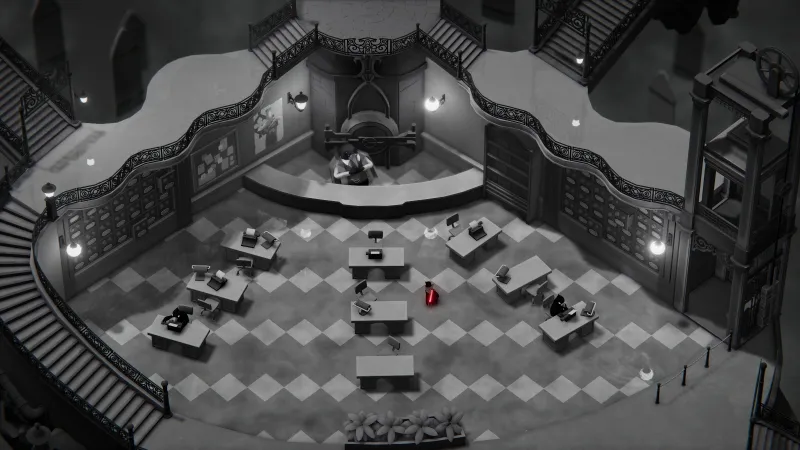
Your journey to retrieving your wayward soul involves exploring pretty, visually distinct areas such as seaside docks, an eerie-yet-opulent mansion, and a forest-covered temple. I also like how the living world’s color contrasts with the noir-esque greyscale of your otherworldly headquarters. Areas are littered with enemies, tons of secrets, and hidden paths that lead to goodies such as new weapons, flower seeds, collectibles, and vital souls used to purchase stat upgrades. You can even find hidden bosses that bestow powerful upgrades to your spells. 

Many areas are ability-gated; I’m sure you can connect the dots on what a cracked wall or unlit torch requires. Other environmental puzzles and secrets require more observational skills, such as spotting discreet hedge maze entrances or using a bathroom floor’s reflection to find a concealed door. Death’s Door’s world feels like a living puzzle that I was always chomping at the bit to fully unravel. Plus, some of its coolest mysteries don’t reveal themselves until after the credits roll. 

Click image thumbnails to view larger version


Despite their long association with death and the macabre, crows are clever animals known for their funny behavior; the game’s tone sports a similar playfulness. Your quirky co-workers include a typing-obsessed data entry worker elated to generate all of the paperwork your adventure creates. A passionate bard tags along for a period in search of inspiration for a wacky song, the quality of which I’ll leave you to judge. A jovial knight cursed with having a stewpot for a head is bluntly, but hilariously, named Pothead. 

Death’s Door is more lighthearted than it looks, and that’s to its benefit. These amusing moments complement weightier themes about respecting the dead (no matter how terrible they were in life), the fear of death’s inevitability, and whether anything we accomplish truly matters when our time is limited. Death’s Door isn’t the most profoundly written story, but it handles these sensitive topics well. My favorite moments, outside of the moment-to-moment action and exploration, are when it reminds us that death isn’t something to be feared. Rather, it’s just a necessary step in the cycle of life; a cycle that cannot exist without it.

Score: 9

Summary: Death's Door marries fine-tuned hack n' slash action with a cool world ripe with secrets to unravel. The result is an entertaining, densely-packed trip to the other side.

Concept: As a reaper of souls working for an organization of crows, you must recover a stolen soul while unraveling a mystery surrounding figures who’ve lived for centuries

Graphics: The black-and-white headquarters contrasts nicely with a colorful world, and Death’s Door biomes are distinct visual treats

Sound: Pleasant piano melodies and epic boss music perfectly suit the ebb and flow of combat and exploration

Playability: I love the strategic loop of executing melee attacks to refill ranged abilities, and exciting boss fights push an otherwise simple combat system to enjoyable limits

Entertainment: Death’s Door presents a compelling world begging to be explored until every secret is found alongside satisfying combat and intriguing lore

Replay: Moderate
Click to Purchase

Friday, July 16, 2021

Watch Dogs Legion: Bloodline Review – The Glorious Return Of Aiden Pearce And Wrench

Publisher: Ubisoft
Developer: Ubisoft Toronto
Release:
Reviewed on: Xbox Series X/S
Also on: PlayStation 5, PlayStation 4, Xbox One, Stadia, PC

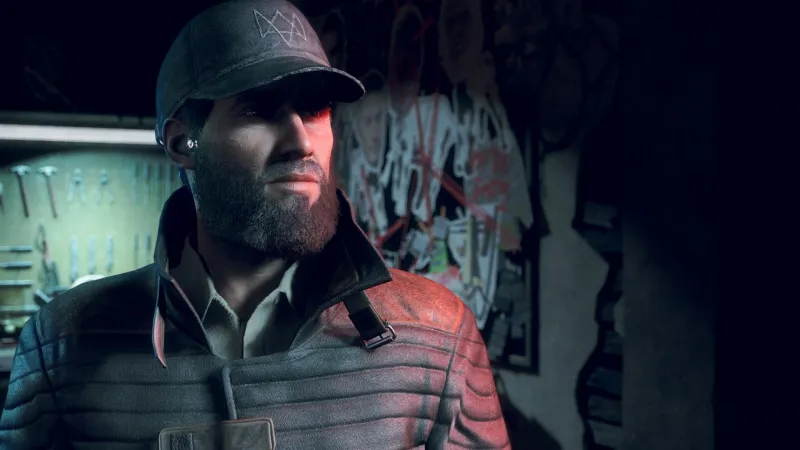
Watch Dogs Legion took the hacker franchise in a completely different direction, eschewing a traditional protagonist in favor of a thousand playable faces. While unique and enjoyable, I was left wanting a deeper connection to the playable characters that I grew alongside throughout the story. The Bloodline DLC delivers this by bringing back the original hacker himself: Aiden Pearce. And he brings nearly everything I wanted from the base Legion experience along for the ride. 

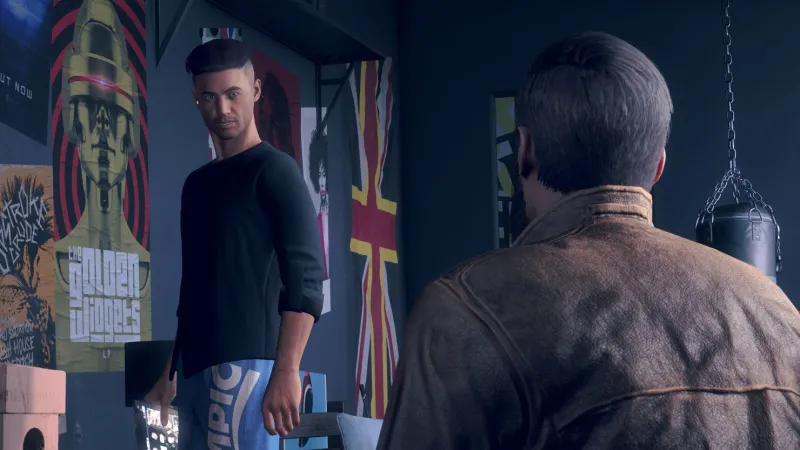
Bloodline sees the return of the original Watch Dogs protagonist, but now he’s older, a little wiser, and out of “the biz.” Until he’s drawn back in with the allure of supporting his nephew, Jackson, who is Aiden’s sister’s son that we met in the first game. Bloodline also brought back another familiar face – or more appropriately, a familiar mask – with Watch Dogs 2’s Wrench. 

Click here to watch embedded media

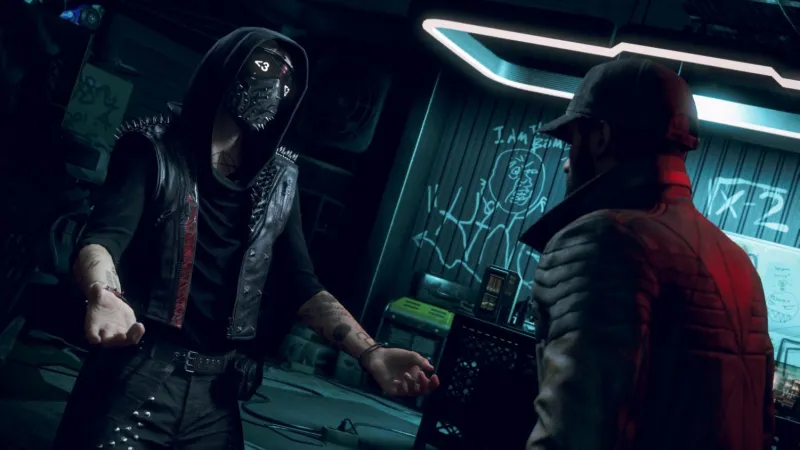
The story begins with Aiden reluctantly taking a dangerous job in London. He sees a chance to reconnect with his nephew, so he dives back into the life he left behind. However, during a mission, Aiden soon comes across evidence that another hacker has beaten him to the punch, a hacker we later learn is Wrench. The two don’t have a solid start, but the narrative intertwines the pair’s experience so they are both playable, which makes their continued growth believable and enjoyable. From Aiden chasing Wrench through an infiltrated building to Wrench looking out for Aiden’s safety when the danger hits a little too close to home, Bloodline delivered a robust story in a way that Legion did not. 

Aiden and Wrench’s chemistry is more than just how they interact, it involves how their skills and abilities play off of each other. For example, Aiden’s Focus, which allows him to slow time to line up the perfect shot, is the perfect antithesis to Wrench’s Ninja Balls secondary ability, which essentially means he can throw flashbangs. Aiden represents balance and responsibility, whereas Wrench is an ironic blend of shy-chaos and freedom. That chemistry made their interactions engaging and important, it also made progressing through each mission a joy just to see how they continued to interact.  

I appreciate getting to see the older versions of characters from the previous games. For example, Jackson has grown up since meeting him in the first game, and his reunion with Aiden makes it immediately evident that he has paved his own way into adulthood away from the tragedy of his sister’s death and his mother’s kidnapping in Watch Dogs 1. Jackson’s fight against everything Aiden represents, everything Aiden wants to offer also provides a heartbreakingly human connection that means more than just the paycheck at the end of a mission. As a result, Bloodline gives Aiden a meaningful redemptive arc and much-needed closure, helping him confront the guilt that comes with the choices he made in the first game.

Bloodline offers 12 main storyline missions and side quests, and the entire DLC can be completed within six to eight hours. It pares down Legion’s large playspace, focusing on a more contained section of London in order to deliver a set of new streamlined quests. And don’t worry about remembering to do the side quests or not: During Bloodline, you’ll have to meander off to do the lower priority missions before progressing in the main story, so there is no way to forget to do the additional quests. 

Stealth and patience remain at the epicenter of the action with Legion’s gear mechanics. Most of the tools in Aiden and Wrench’s belts should be familiar to Watch Dogs fans, like Aiden’s Gunslinger ability that buffs his damage and Wrench’s beloved Shredder Senpai LMG. Both Aiden and Wrench’s weapons and abilities have received a few modifications, including Wrench’s cloaking technology and his mission to steal a device called the Broca Bridge from Thomas Rempart, CEO of Rempart Automated Defense Systems. Aiden’s System Crash also elevates his hacking abilities, which are helpful during recon missions, especially his Profiler weapon; a tool that allows Aiden to hack into anything connected to the Blume Corporation’s ct0S such as personal information, data files, and more. The Profiler has some upgrades, including more ways to jam communications, provide distractions, and command rolling blackouts. The Bloodline upgrades were enjoyable and made strategizing during certain infiltration missions more efficient and feel more well thought out – even if I caused an accidental blackout a time or two by selecting the wrong option in the selection wheel.  

Upgrading these dual protagonists is doable through the main mission and side storylines, though don’t expect any wild character and gear advancement as seen with Legion’s characters. Bloodline is a story-focused DLC that continues Legion’s narrative, therefore the overall game mechanics are the same as the base game. For those jumping right into Bloodline without first diving into Legion, Ubisoft does an efficient job acquainting players with the game’s basic controls and how maneuvering through this world works. The simplification of character progression allows players to return to Legion to take on the Bloodline story without feeling weighed down by an additional drudging grind. Massively scaled upgrade paths are largely unnecessary since both of these protagonists are already established and powerful from the previous games.

Overall, the latest DLC for Legion offers satisfying closure for both Aiden and Wrench. This story DLC shows players how much each protagonist has grown since their time in their respective games. The growth of both characters is abundantly clear through the Bloodline storyline and how both leading characters react to the world around them. If you’re a fan of the previous Watch Dogs games, Bloodline is a must-play. I’d even go so far as to say I enjoyed it more than Legion.

Score: 8.25

Summary: The Bloodline DLC delivers this by bringing back the original hacker himself: Aiden Pearce. And he brings nearly everything I wanted from the base Legion experience along for the ride. 

Concept: Aiden travels to London to take on a new job in hopes of reuniting with his estranged nephew, Jackson

Graphics: Bloodline looks like Legion, including a heavy police force and a futuristic setting conveyed through lights and bright colors

Sound: Unlike Legion, passing NPCs don’t produce a chaos of voices, but a focus on strong narrative voice acting is amplified by the DLC’s strong soundtrack

Playability: Bloodline is more focused narratively, giving the DLC less replayability than Legion but with the potential to see more of London through Aiden’s eyes

Entertainment: Bloodline ties all three Watch Dogs games together in a satisfying and meaningful way

Replay: Moderate
Click to Purchase

Wednesday, July 14, 2021

The Legend of Zelda: Skyward Sword HD Review – A Diamond Buried In The Rough

Click to watch embedded media
Publisher: Nintendo
Developer: Nintendo
Rating: Everyone 10+
Reviewed on: Switch

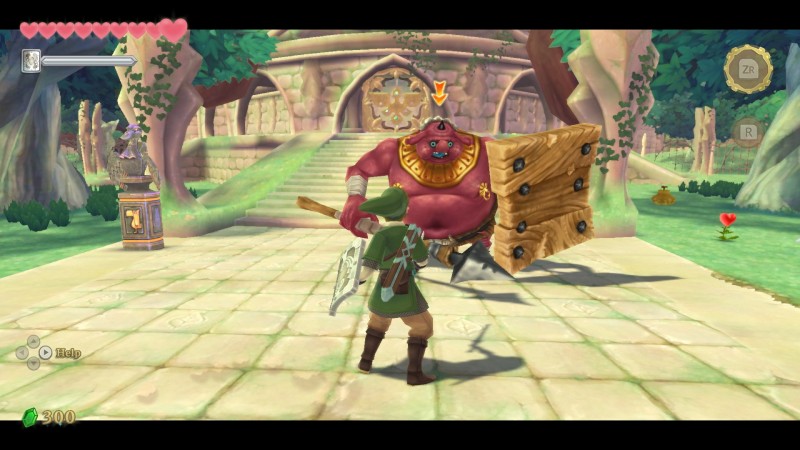
Skyward Sword was never my favorite Zelda game. Nintendo’s Wii-era take on its beloved franchise introduced motion controls that left me both flustered and annoyed during combat. At the same time, Skyward Sword’s dungeon and boss design remain some of the best the series has to offer. Skyward Sword HD revives this divisive game and papers over some of the original's biggest flaws. One of the most notable additions is a new button-only control scheme that allows players to experience the game without flailing their arms. Unfortunately, Skyward Sword’s overall structure remains largely the same, and its abundance of fetch quests means that this is still a game of dramatic peaks and valleys.

I’ll cut right to the chase: Skyward Sword HD’s new controller inputs are a step up from the original motion controls. Player’s looking to relive the Wii’s glory days can stick with the old control scheme and use their Switch Joy-Cons to swing Link’s sword or aim his bow, and these motion controls work about as well as they did on the Wii – meaning they work about 85 percent of the time. I love the authenticity of swinging a remote and watching Link replicate my attack onscreen, but he too often slices instead of stabs, which can spell the difference between gaining the upper hand in combat or missing the enemy and taking a hit. These motion controls always seemed like a novelty anyway, so I'm glad Skyward Sword HD’s button-only controls provide an alternative, using the right analog stick to replicate your sword's movements. These analog stick attacks are more consistent but still aren't as precise as the traditional button-based input found in other Zelda games. This system is also unintuitive; even a few dozen hours into the game I felt unnatural jiggling the right stick at every approaching enemy. Fortunately, you don't have to be precise, and most enemies eventually fall if you persistently spam your attacks.

Click image thumbnails to view larger version


In addition to the new control scheme, Skyward Sword HD has several other welcome changes. You can now fast forward through dialogue and skip cutscenes altogether, which makes the story feel a little less plodding and allows you to blast through the chatter during a replay. The original release bombarded you with item descriptions, offering details on everything you picked up each time you started the game. Skyward Sword HD fixes that strange quirk and only makes you read item descriptions once. Finally, Amiibo support means you can fast travel at any time and your companion, Fi, now offers helpful advice at the press of a button to keep you from getting lost or stuck, which is something I wish I had 10 years ago.

All of Skyward Sword HD’s small changes add up, but they don’t fix the original's larger design issues. Skyward Sword's overworld is massive but largely empty, and the main quest is incredibly linear, which left me less excited to explore off the beaten path. Still, Skyward Sword’s biggest design flaw is its series of fetch quests you're forced to complete in each area. For example, before entering the first dungeon, you have to hunt down a group of anxious bird-like creatures who stick their head in the ground, masquerading as bushes. Later on, before entering a mining facility, you have to find a handful of broken generators. These quests feel like unnecessary padding, are full of mindless backtracking, and don’t add anything meaningful to the narrative or your adventure. In fact, the only thing they add meaningfully to is your play clock.

Click here to watch embedded media

It’s a shame the journey to Skyward Sword’s dungeons is so much work because the dungeons themselves are a highwater mark for the series. During Link’s journey, you travel through a skeleton-infested cavern, a sand-trapped pirate ship, and an ancient temple buried in the heart of a volcano. The puzzles in each dungeon feel fresh even today, and each labyrinth invites you to use your ever-expanding toolset in inventive ways. Whether I was riding over rivers of lava on a giant boulder, using time stones to shift between eras, or swinging over vine-covered caverns like Indiana Jones, I consistently felt like I was on some wild adventure.

In some ways, Skyward Sword was the end of an era. It follows the pattern Nintendo established back in 1998 with The Legend of Zelda: Ocarina of Time, and it was the last game in the series before Nintendo reconceived the series with Breath of the Wild. In some ways, Skyward Sword perfects Ocarina's template, but that formula also feels well-worn and stuffed with unnecessary junk. Despite all the ways Nintendo updated this package, Skyward Sword remains far from my favorite entry in the series, but this is clearly the best way to play this blemished gem.

Score: 8

Summary: Skyward Sword’s overall structure remains largely the same, and its abundance of fetch quests means that this is still a game of dramatic peaks and valleys.

Concept: Zelda’s infamous Wii entry returns, but now players can flip between motion controls and button-only inputs

Graphics: These 10-year-old graphics hold up surprisingly well thanks to solid art design and an HD upgrade

Sound: The orchestrated music is beautiful and nuanced, but the limited grunts from NPCs feel goofy and outdated

Playability: A handful of quality-of-life improvements – including the ability to use controller inputs – makes this a much smoother experience

Entertainment: Skyward Sword has some of the best dungeon design in the series, but the sections between each dungeon are a slog

Replay: Moderate
Click to Purchase

Monday, July 12, 2021

Chicory: A Colorful Tale Review – Color Us Impressed

Publisher: Finji
Developer: Greg Lobanov
Rating: Everyone 10+
Reviewed on: PC
Also on: PlayStation 5, PlayStation 4, Mac

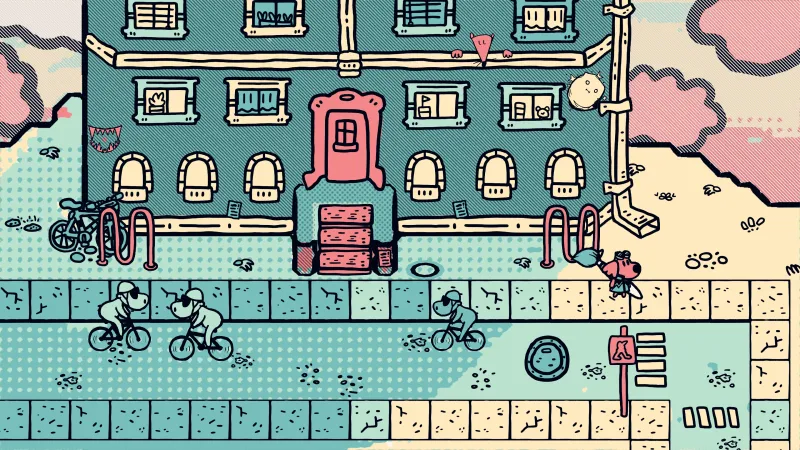
I’m not the kind of person who enjoys spending time with a coloring book. I may have a few artistic bones in my body, but they’re probably broken in multiple places. So, when I first heard about Chicory I was skeptical, because not only does Chicory look like an animated coloring book, but its main mechanic centers on using a magic paintbrush to color a black and white world. However, within minutes, this inventive little gem won me over. Chicory might look like a coloring book, but, at heart, it’s a Zelda-inspired adventure full of humorous dialogue and weighty themes that left me a little glassy-eyed. 

Chicory takes place in a charming little animal village called Picnic, where everyone is named after food. All seems well in the land of Picnic until a dark, malevolent force appears and all color suddenly disappears from the world. Unfortunately, Picnic’s Brush Wielder, the one responsible for keeping the place vibrant, has locked herself in a tower, leaving the world without a savior. That is until the Wielder’s janitor ­– a young, anthropomorphic puppy – “borrows” her master’s magic brush and sets off on an adventure to put the world back in order. This absurd premise develops into a compelling adventure thanks to Chicory’s clever dialogue and wealth of charming, idiosyncratic characters such as a junk-obsessed hoarder and a cat who can’t stop adopting new children. At specific points, Chicory’s story even touches on serious themes like imposter syndrome, and my little pup’s heartfelt adventure tugged on my heartstrings more than once. 

Click here to watch embedded media

As you journey across Picnic, you paint every object you see to give the world color. I had the easiest time using a PC mouse to control the brush, but a controller’s right analog stick gets the job done well enough. I also appreciated the number of painting tools at my disposal. Not only can you adjust your brush size and color, but you can hold down the paint button to quickly fill in the background and use pre-set brush styles to stamp shapes into the world. Most of the time you’re limited to using only three colors, which made me long for a larger color palette. Fortunately, you aren’t required to recolor the entire world if you don’t want to engage with this system. Even so, when I sat down to experiment with Chicory’s painting mechanics, I found it a very chill, Zen-like experience. 

While recoloring the world is a consistent but enjoyable side activity, most of my time in Chicory was spent interacting with Picnic’s citizens and solving puzzles. From drawing a new logo for a pizza place to exploring an underground city full of bugs to repainting a house for an indecisive animal, I was constantly surprised by the depth of experiences Chicory squeezed from its painting mechanics. Most of Chicory’s puzzles ask you to paint certain objects to affect the world. For example, some plants explode when you paint them, so you can use these to destroy boulders that block your path. Along the way, you also gain a handful of clever new brush powers to navigate the world better. I particularly liked the ability to swim through my paint, which allowed me to squeeze through tiny spaces and reach out of the way areas. 

Click image thumbnails to view larger version


Surprisingly, Chicory doesn’t have any combat mechanics, so while you explore, you won’t need to fend off armies of goons with your paintbrush. I appreciated this gameplay approach, and I didn’t miss the combat; Chicory’s world is so interesting to explore that I was halfway through the game before I even realized it lacked a combat mechanic. The one exception is Chicory’s boss encounters. During these events, you must dodge a series of attacks while using your brush to add color to the boss. I appreciate how these battles change up the pace, but it was hard to keep my eye on my brush and my character simultaneously; controlling both felt like trying to rub my tummy while patting my head. Fortunately, these encounters aren’t difficult, and if you die, you pick back up where you left off (you can even turn off the ability to die in the options menu). 

I went into Chicory a bit dubious, but it surpassed my expectations with flying colors. The world and its inhabitants are a delight, its puzzles remain clever throughout the journey, and its main painting mechanic is the perfect stress releaser. Chicory taught me never to judge a coloring book by its cover, and that you don’t have to be a master painter to have fun with colors. 

Score: 8.75

Summary: Chicory might look like a coloring book, but, at heart, it’s a Zelda-inspired adventure full of humorous dialogue.

Concept: The world’s color has vanished, leaving it up to you, as the Wielder of the Brush, to recolor the landscape and combat a looming darkness

Graphics: This simple line art looks like a coloring book come to life, but the color palette for your brush is limited

Sound: Chicory’s soundtrack is incredibly catchy and occasionally evocative of the best Zelda titles

Playability: Using an analog stick to control your brush takes some getting used to, especially during boss fights

Entertainment: Chicory is an intriguing world full of hilarious characters and inventive game mechanics, which makes it a delight from start to finish

Replay: Moderately High

Click to Purchase