Pages

Thursday, June 30, 2022

Cuphead: The Delicious Last Course Review – Tasty Sips From A Worthy Grail

Reviewed on: PC
Platform: PlayStation 4, Xbox One, Switch, PC
Publisher: Studio MDHR
Developer: Studio MDHR
Rating: Everyone 10+

Cuphead’s long-awaited and aptly named The Delicious Last Course serves up a wonderful final dish that acts more like a satisfying dessert than a full second helping. Though not long, it offers an enjoyable batch of devilish boss battles and a welcomed addition in the now playable Ms. Chalice.

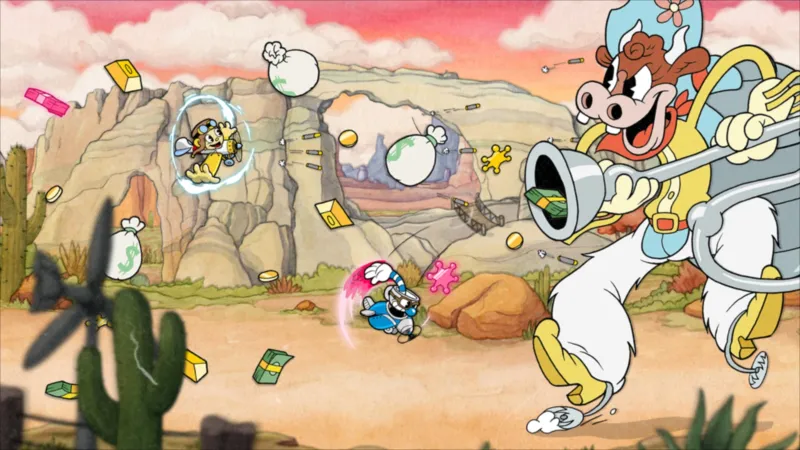
Ms. Chalice sports a unique moveset such as a double-jump, a dodge roll that can safely bypass hazards, and even one extra health point. She’s a blast to use, and I loved taking advantage of her added maneuverability. Does she make Cuphead an easier experience? Somewhat, but she doesn’t turn the game into a cakewalk. Rather, she gives players more options to work with, which in a way makes her a more advanced character because of how I had to alter my playstyle to account for her new tricks. 

I like that she subtly encourages aggression by having a dash parry instead of the jumping version, meaning I had to hurtle towards danger to repel offense skillfully. Her ultimate attack, a vertical energy column, requires getting up close and personal with foes, rewarding boldness with big hits. I also enjoyed taking Ms. Chalice through the base game and tackling familiar bosses with her unique traits. She provides newcomers a great alternative from the get-go while giving veterans a new way to topple familiar baddies. Ms. Chalice also makes the base game’s polarizing run-and-gun stages more tolerable. 
It doesn’t matter how many jumps or hit points you have if you don’t know how to use them. The Delicious Last Course presents a platter of delightful yet demanding boss battles that, in most cases, pushed my skills to the brink. I highly recommend returning players warm up by replaying a boss or two in the base game before jumping into this expansion. Since you can access the DLC early, first-timers should at least complete the first island before tackling the new content. 

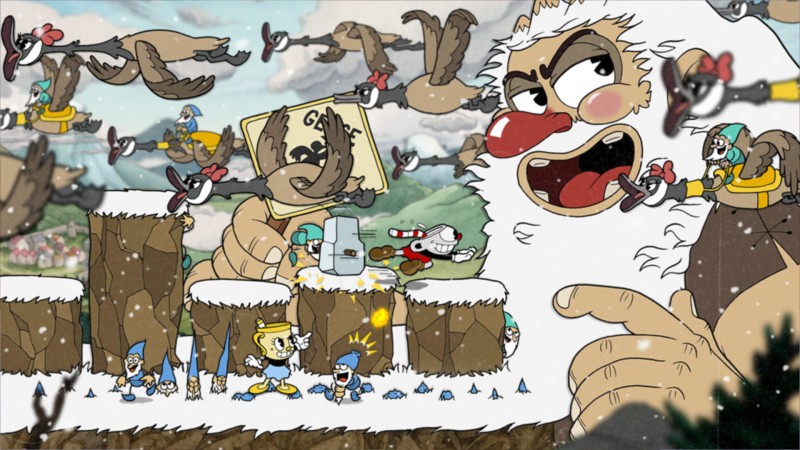
From evading tennis balls and laser fire atop an airplane in a topsy-turvy dogfight to fending off sentient ice pops while fighting a snow wizard, these entertaining new foes relish in throwing everything everywhere all at once. I’d say they rank with the battles from Cuphead’s final third in terms of difficulty, as the challenge comes in parsing multiple projectiles and weaving between them while unleashing hell yourself. Design-wise, these adversaries match the whimsy of the original rogues gallery, and it’s just as fun (and stress-inducing) watching, for example, a gangster spider take on multiple new forms. 

Only one boss has a final twist that felt more cheap than fun since it remaps the controls with little time to adjust. Skill matters most, but trial and error remains an occasionally frustrating element of the experience. Taking damage from a new attack I couldn’t have expected, like having a bad guy drop on my head without any indication on where it could arrive, is still annoying. But each opponent feels conquerable, no matter if you’re Ms. Chalice or Cuphead/Mugman.
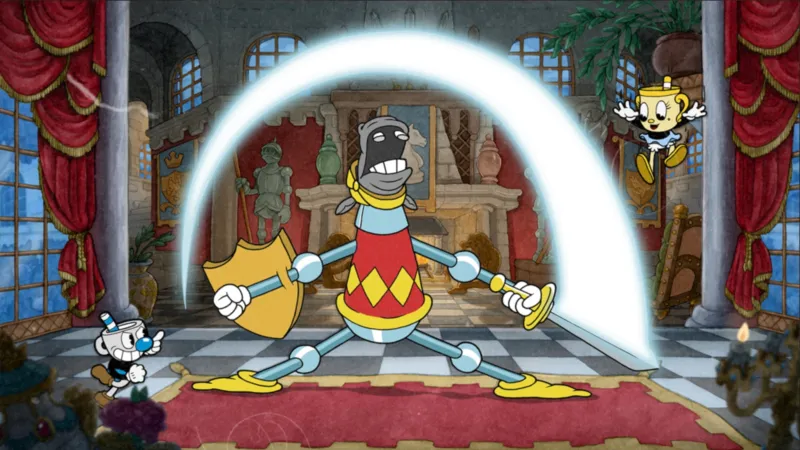
Surprisingly, the revamped parry challenges became my favorite encounters of The Delicious Last Course. An evolution of the base game’s mausoleum mini-games, which were decent but one-note, this new take pits players against five unique bosses that can only be defeated by utilizing the parry move in increasingly creative ways. I loved flexing my platforming prowess and timing by carefully bouncing on the weak point of a horse knight or repelling severed heads back at an executioner. Most importantly, these levels forced me to think about how to attack. Any enemy in Cuphead can be dropped by holding down the fire button but figuring out different methods of using a defensive maneuver offensively became an exciting combat puzzle. Since The Delicious Last Course ditches platforming levels, these arena battles offer an awesome break from the primary confrontations. I’d love to see more of them. 

Our heroes can outfit themselves with new powers, such as a lightning-flavored version of the spread shot or tornados that fire upwards, ideal for hitting airborne targets. My hands-down favorite became the Crackshot, powerful projectiles that break into smaller bullets that nail the nearest target. They fit well with the existing arsenal.

I’d be remiss not to mention the soundtrack. Cuphead has one of the best scores in modern gaming, and The Delicious Last Course carries that banner with some finger-wagging new tunes. The new main menu theme manages to top the original intro song by a mile.

The Delicious Last Course sends our jolly beverage containers off on a high note. It offers an entertaining final exam of your skills while also freshening up the original adventure by giving players a cool new character to enjoy. It’s more Cuphead at the end of the day, but I had a great time revisiting Studio MDHR’s wonderful animated universe, testing my mettle against its villains, and feeling fist-pumping triumph all over again. 

How To Access The DLC: To play The Delicious Last Course, you’ll need to have completed at least one mausoleum stage. You’ll find a new character outside of each isle's mausoleum who takes players to the DLC’s new area. Those playing Cuphead for the first time or with a new save who want to play the new content immediately will need to beat two bosses in Isle 1 (“Botanic Panic” and “Clip Joint Calamity”) to reach the first Mausoleum and, in turn, The Delicious Last Couse. GI Must Play
Score: 8.75

About Game Informer's review system

Purchase

Wednesday, June 29, 2022

Monster Hunter Rise: Sunbreak Review - Harrowing Hunts

Reviewed on: PC
Platform: Switch, PC
Publisher: Capcom
Developer: Capcom

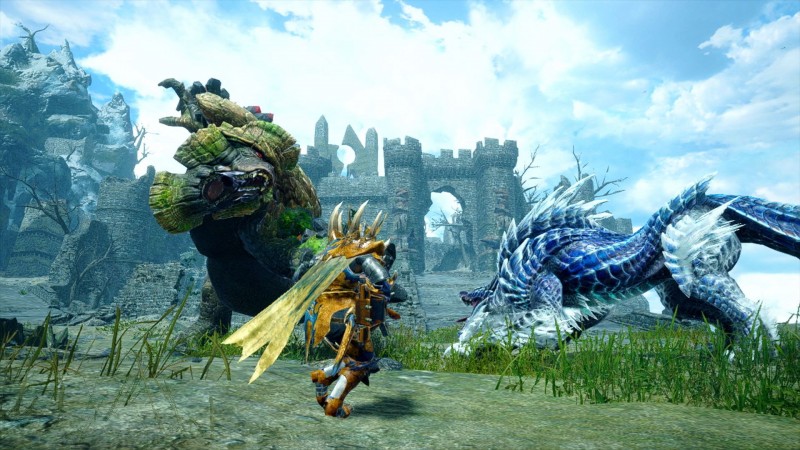
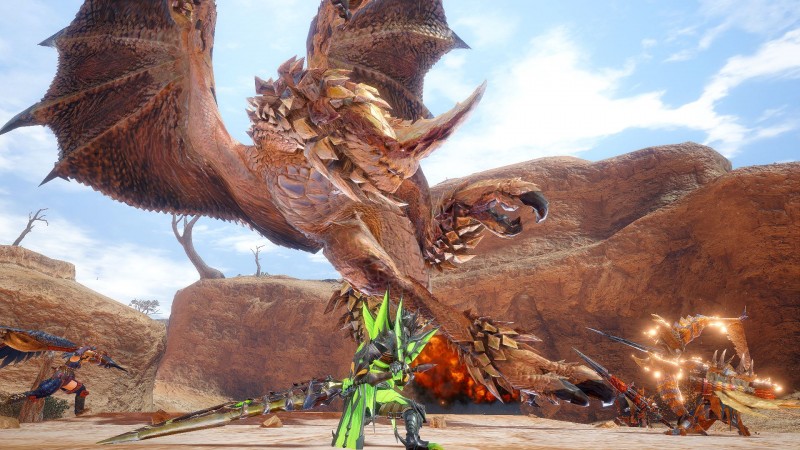
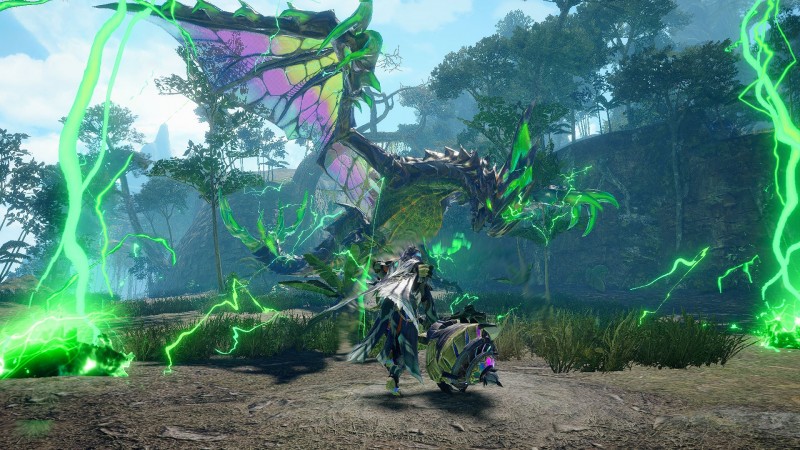
Monster Hunter Rise was one of my favorite games from 2021. I played dozens of hours on Switch and, in preparation for this review, gladly worked through the required Hub quests to make sure I was ready to dive straight into Sunbreak. Capcom’s new expansion is a great time for existing hunters with fun new monsters to fight and added flexibility to its combat systems, but the slow rollout of meaningful new content causes the experience to drag until the later stages of the main campaign.

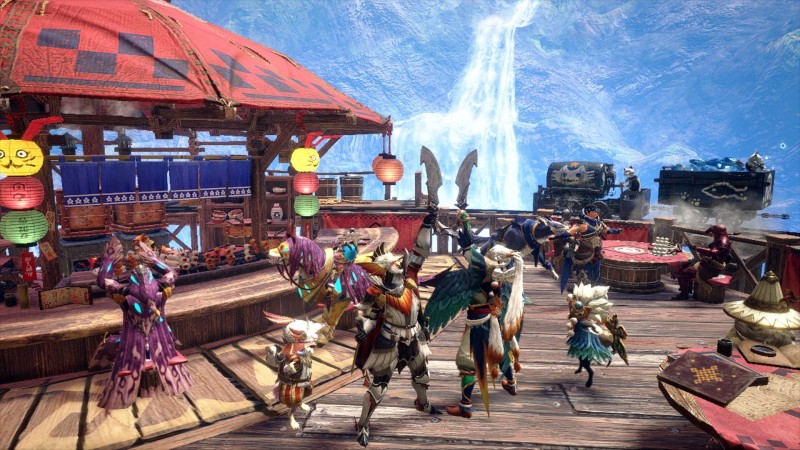
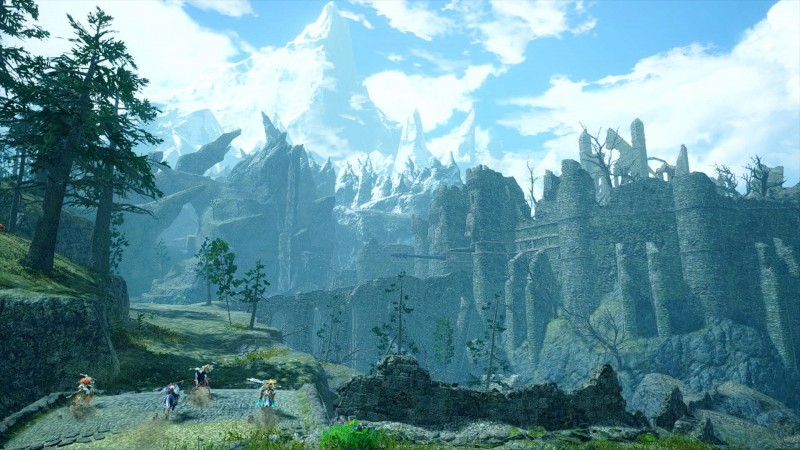
Sunbreak takes hunters across a grand body of water, away from Rise’s Japanese-centric Kamura Village and into the European-inspired Kingdom region. There, a powerful trio of monsters called The Three Lords terrorizes the land, while other creatures from this area appear in far-off regions like Kamura, creating cause for hunters to take quests in the previously available Rise locations. Elgado Outpost, the new base of operations, is small and uninteresting, leaving little to do other than the necessary loop of crafting gear and preparing for the upcoming hunt. It merely serves the bare minimum of providing convenient vendors and quest givers, and while that’s all it really needs to be, I wish Capcom put as much care put into the environment as it did in Kamura Village.

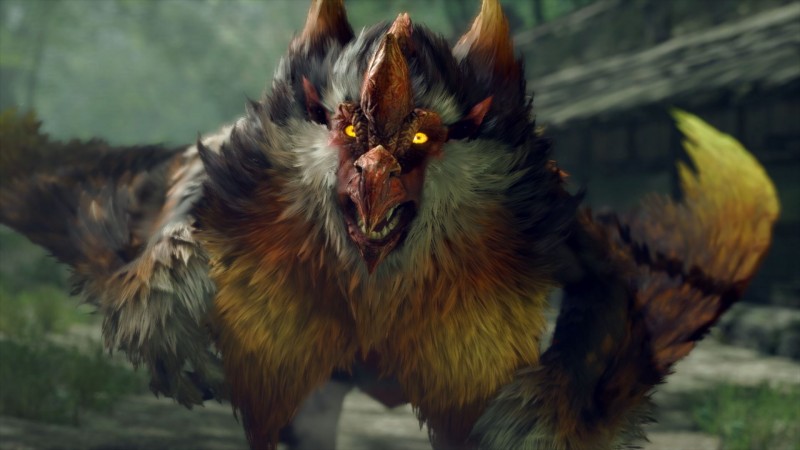
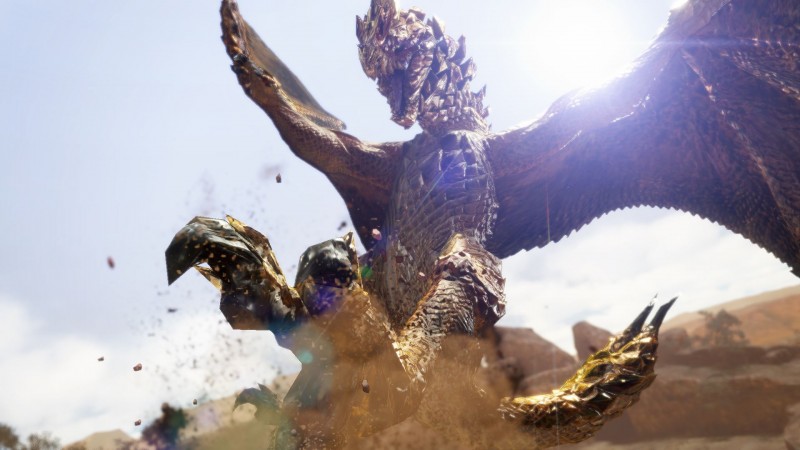
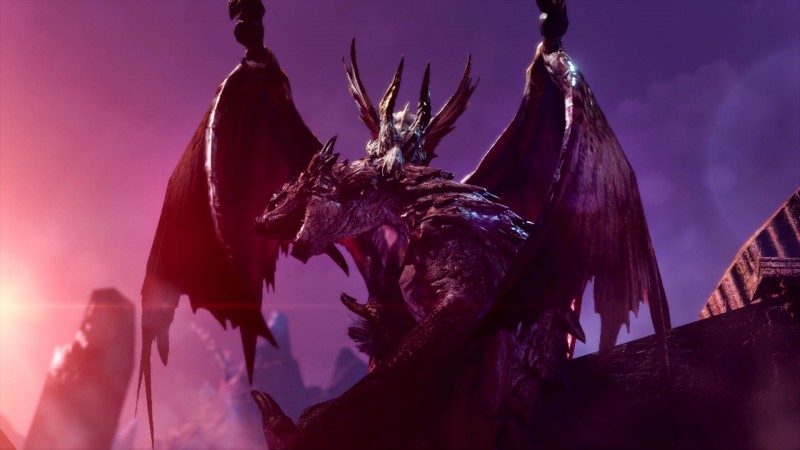
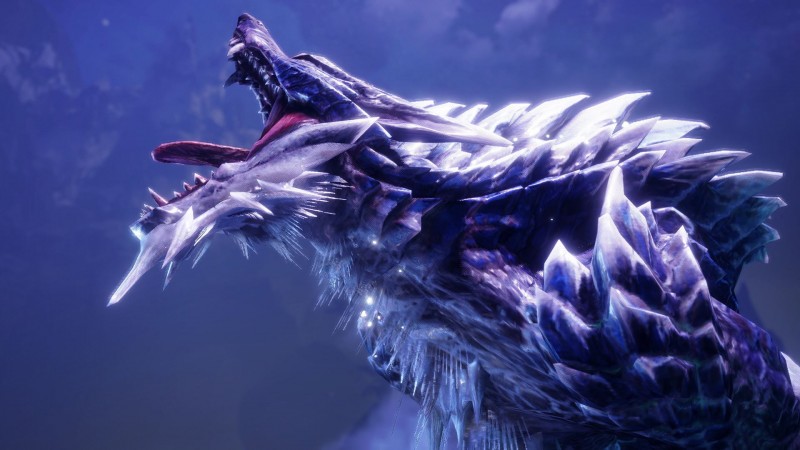
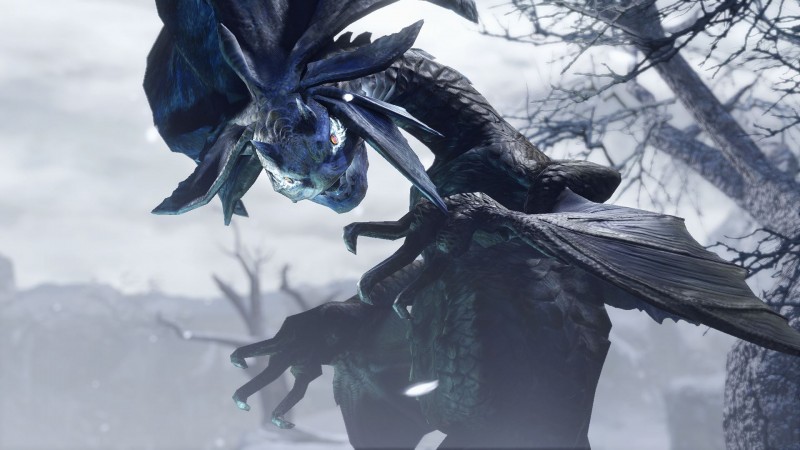
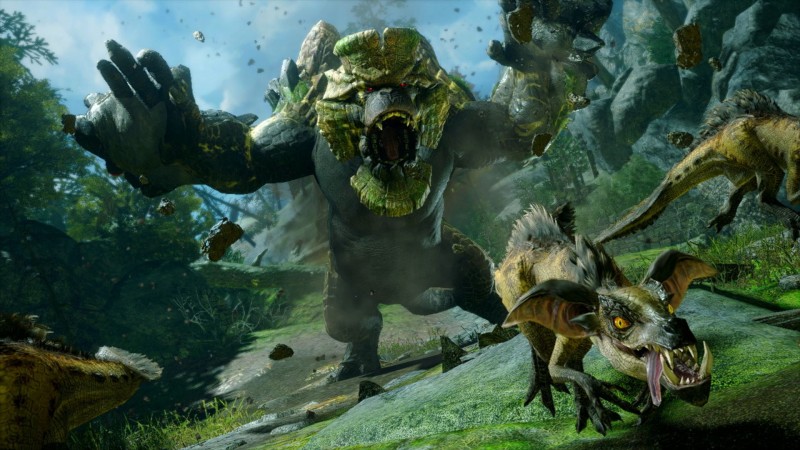
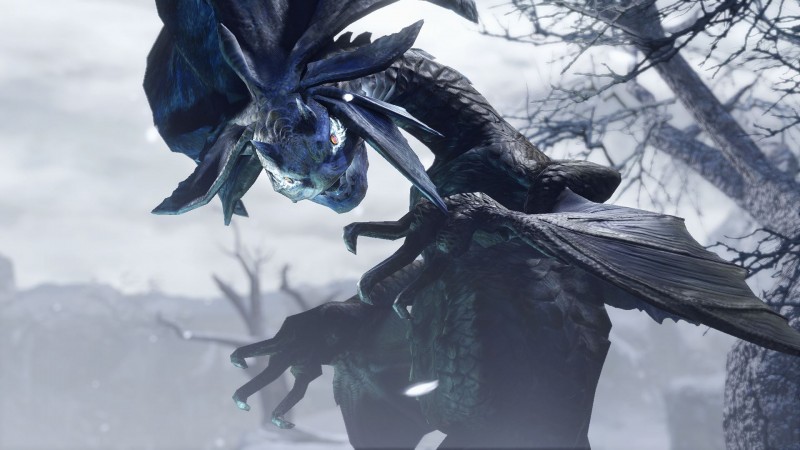
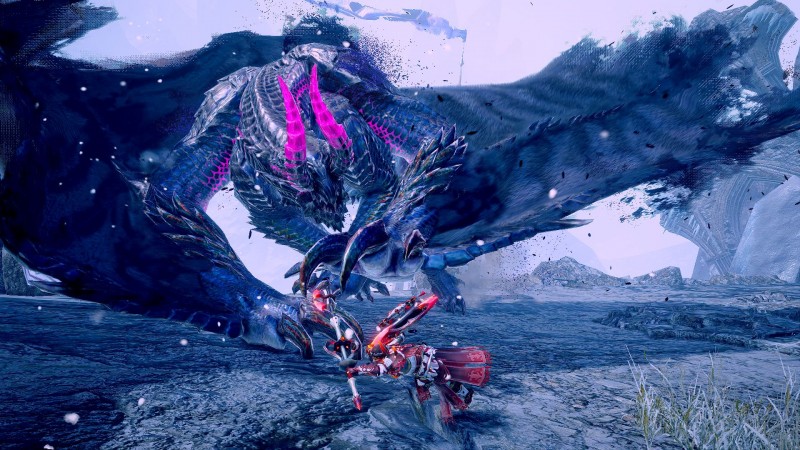
The expansion shines in the proper monster hunts. Sunbreak introduces a handful of great monsters to complement the original roster from Rise but doles them out at a painfully slow clip. The big three creatures at the center of Elgado’s woes are Garangolm, Lunagaron, and the vampire-inspired flagship monster Malzeno. They serve as gatekeepers to stepping up through the levels of Master Rank questing, and each one offers a unique challenge in combat and awesome new gear to craft. However, to even challenge the first of these, I had to battle through a selection of monsters I’ve already bested many times since Rise’s release.

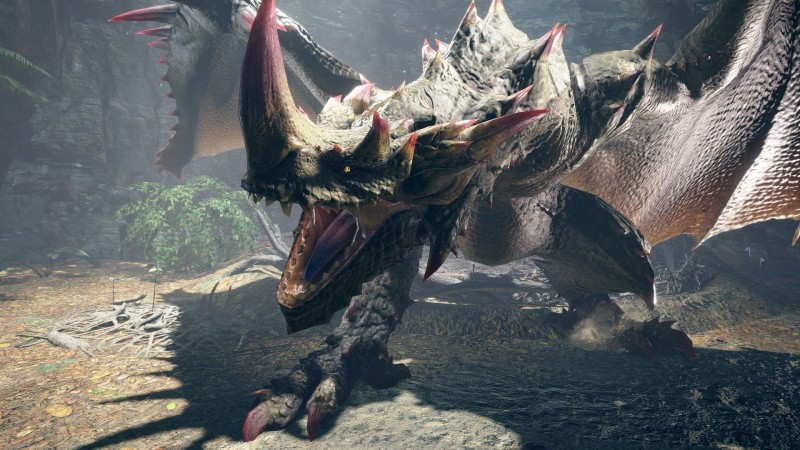
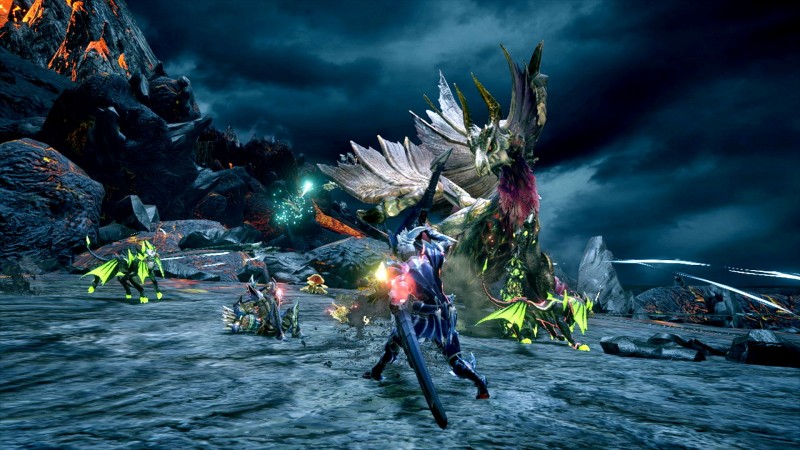
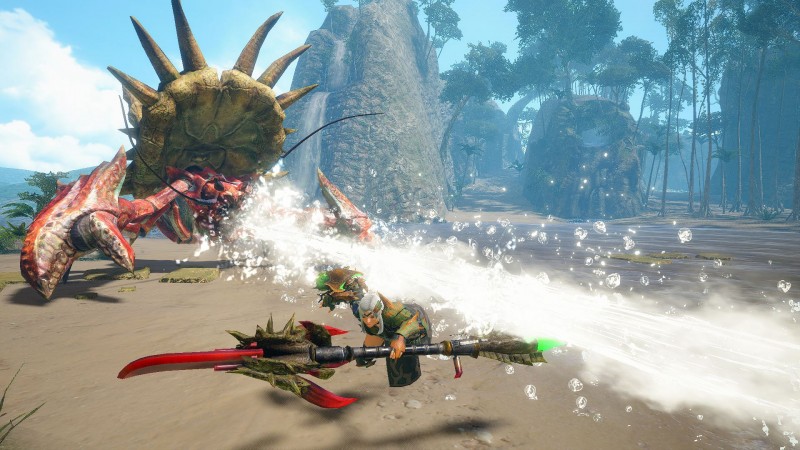
The expansion kicks off the new Master Rank difficulty with a new creature to the game, Damiyo Hermitaur, a returning hermit crab monster from an earlier entry in the series. Following that, the game then reverts to slightly harder renditions of the same hunts that are available in Low and High-Rank quests. The creatures have new moves and characteristics that add complexity and complications to well-known fights. Still, these missions are well-worn territory for experienced Monster Hunter players. I expected the existing roster to be utilized but starting off with a majority of slightly adapted old encounters is a boring way to begin what’s supposed to be an exciting expansion. With that being said, after hours of progression, more monsters arrive, and each one is a desperate and needed shot of variety to the slate of available hunts. Taking on The Three Lords, returning favorites Astalos and Seregios, and subspecies variants like Magma Almudron are fun and rewarding battles to master.

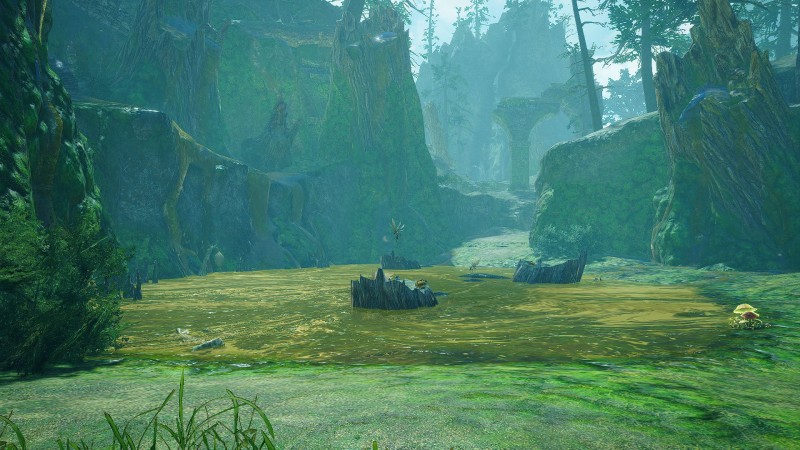
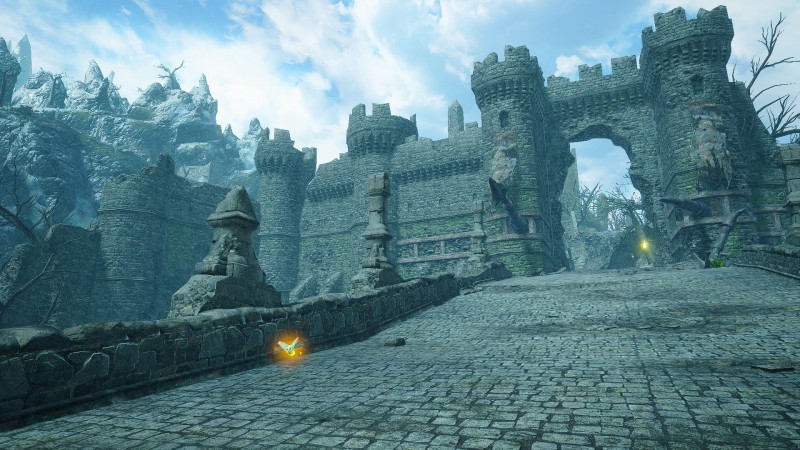
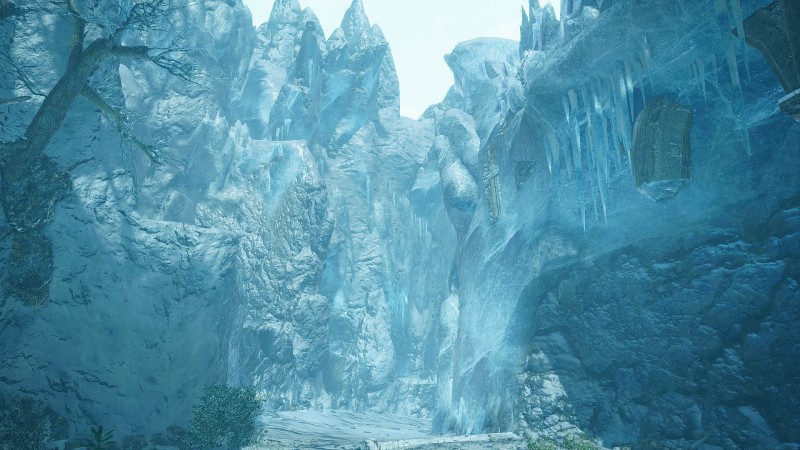
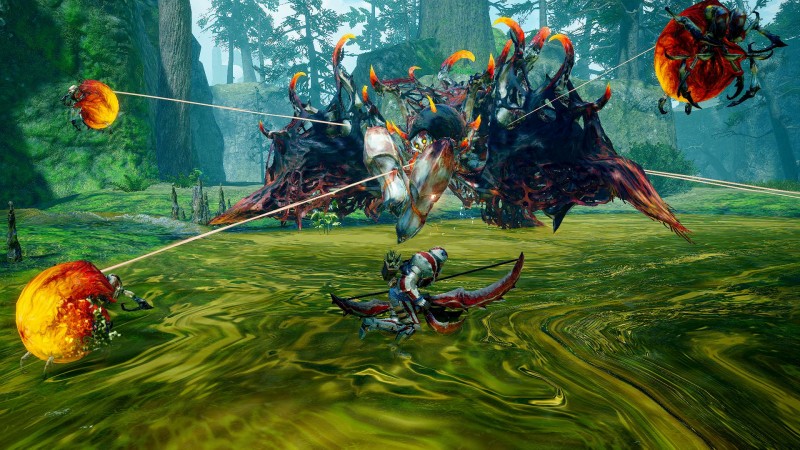
Monster Hunter’s environments are just as important as the targets themselves. Jungle, a stage from the second Monster Hunter generation, makes its return to Sunbreak. For many, it will be a fantastic piece of nostalgia, but after a few hunts, it starts to feel small and uncomplicated compared to other locations in Rise. Another new, more critical arena addition called The Citadel features all kinds of little enclaves and paths that make the region seem dense with traversal and tracking options. It’s also full of various biomes like a dreary resin swamp that slows monsters and hunters alike, a cave gleaming with the sheen of a coating of ice, and a crumbling castle that makes battles with Elder Dragons and other massive monsters feel all the more epic. New endemic life like Marionette Spiders can trip up monsters, and insects that affect Wyvern Riding are scattered throughout all of the maps, introducing fun new strategies to deal with monsters on a hunt.

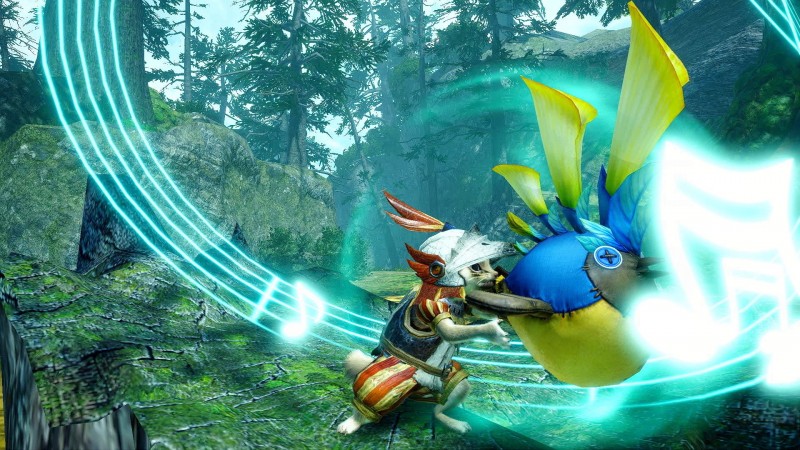
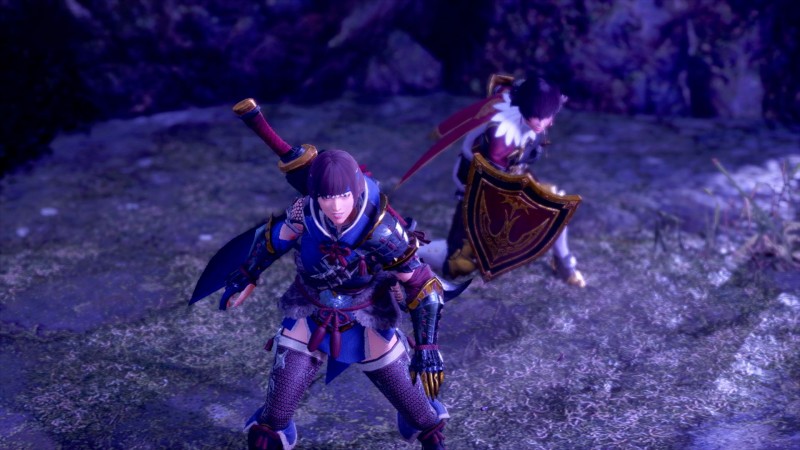
Bumping up the difficulty to Master Rank will naturally make things harder on players, but each iteration of Monster Hunter also brings needed quality of life changes. Switch Skill Swap offers a way to change up your weapon-specific attacks on the fly in combat. You can equip five moves to two loadouts, and by pressing a series of buttons, switch between the two sets of maneuvers whenever you feel the need. I’d keep my most reliable hammer skills applied to my main set of Switch Skills, and when I need a specific Silkbind attack to advance on a monster quickly, I can swap them out to utilize my extra kit of moves. I love the flexibility Switch Skill Swap provides and the agency it offers players to mold a preferred playstyle into the typically rigid weapon archetypes.


More quest variety is available through the new single-player-only Follower Quests that let me take the various characters from around Elgado Outpost and Kamura Village out on hunts. Guest hunters like Lady Fiorayne and Admiral Galleus have specific weapon specialties and can join hunters on these quests. I was hoping these missions would add a new narrative twist to Monster Hunter, but outside of having an NPC fighting alongside me, occasionally quipping throughout, Follower Quests play out like any other average hunt. However, they help in learning how to take on new monsters and often act as a training mission rewarding monster materials to craft gear for harder solo tasks.

I’ve had a great time with Sunbreak overall. The lack of new monsters plagues the early hours, but there’s plenty to love if you keep at it. The added flexibility of the Switch Skill Swap system is a freeing and fun expansion to combat for hardcore hunters and the new creatures in the Master Rank quests – when you get to them – breathe life into the experience. For someone already invested in Monster Hunter, there’s plenty to love in Sunbreak. Just don’t expect to see a lot of new content in the opening hours.

Score: 7.75

About Game Informer's review system

Purchase

Tuesday, June 21, 2022

Sonic Origins Review - A Potent Pack Of Nostalgia

Sonic Origins

Reviewed on: PlayStation 5
Platform: PlayStation 5, Xbox Series X/S, PlayStation 4, Xbox One, Switch, PC
Publisher: Sega
Developer: Sega
Rating: Everyone

While fans often debate the merits of modern Sonic the Hedgehog video games, the consensus is that the ‘90s were the franchise’s most consistently great years. Sonic Origins gathers the four games most attributed to that notion, delivering a stellar group of classic titles at its core. But through several modernizations and updates, Sonic Origins makes a strong case for being the best official way to experience Sonic’s heyday in 2022.

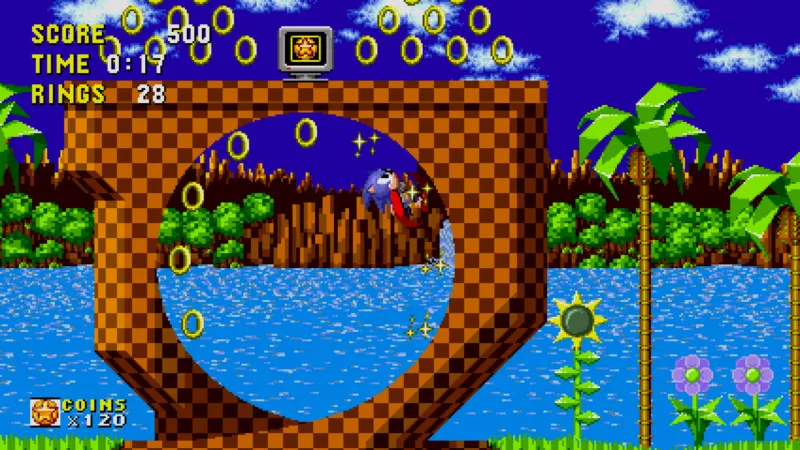
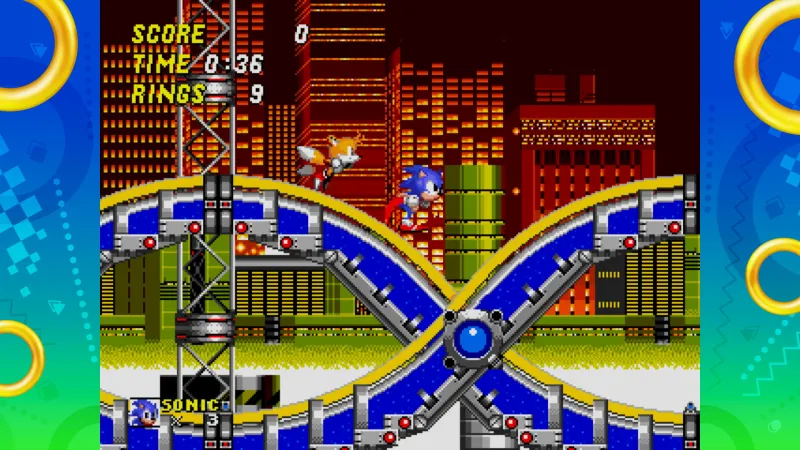
Playing through the four games of this collection – Sonic the Hedgehog, Sonic 2, Sonic 3 & Knuckles, and Sonic CD – remains astoundingly fun. Sure, some frustrating design elements of Sonic 1 and CD haven’t aged as gracefully as the other two games, but these are all bona fide classics in the 2D platforming genre. Speeding through Chemical Plant Zone is just as fun today as it was on Genesis, and I couldn’t have stopped the smile that spread across my face if I tried when the opening scene of Sonic 3 played.

Sonic Origins provides easy access to all four of these beloved titles with new, gorgeously animated, bookended cutscenes. You can play them in Classic Mode, with the original aspect ratio and limited lives system preserved, or you can play the preferred Anniversary Mode. Here, the aspect ratio natively fits widescreen monitors, Sonic can access the drop-dash move from Sonic Mania, and the limited lives system is removed. Instead of earning extra lives through play in Anniversary Mode, you earn coins, which can be traded in the museum for cool digital collectibles like old illustrations, videos, music, and even snippets from the Sonic 30th Anniversary Symphony performance. These items are likely available online, but they’re nice celebratory bonuses in the in-game museum.


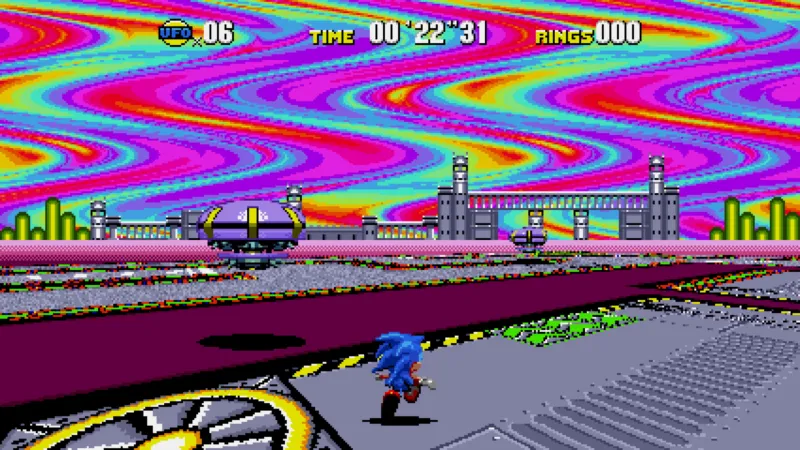
However, my favorite thing to do with my coins was using them as extra tries in the tricky special stages. No matter the game, few moments in these early Sonic titles are more frustrating than failing a special stage and knowing you need to find another entry point to try again. The coin system in Anniversary Mode alleviates that frustration without taking away the tension since you still must execute a near-perfect run to claim the prize.

For those wanting new experiences, Mission Mode lets you tackle remixed experiences within stages from each of the four titles. Completing objectives like defeating a certain number of enemies or collecting a set number of rings earns you additional coins and placement on the leaderboard. While the missions start simple, they increase in difficulty as you unlock more of them, providing plenty of surprises and fun twists for long-standing fans. Also, once you complete a game for the first time, you unlock Mirror Mode, where you can play the stages from right to left. Finally, each game has a Boss Rush Mode, where you can battle the biggest baddies consecutively. Mirror Mode and Boss Rush are entertaining diversions, but I don’t see myself playing through entire games backwards or attempting the boss gauntlets more than a couple times.

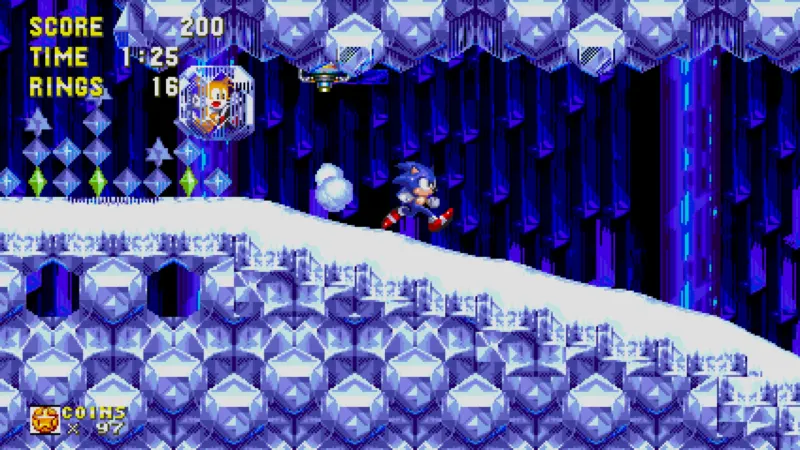
While the games are faithfully represented and still largely fun to play, a few audio issues tarnish the experience. In Sonic 3 & Knuckles, a few zones use different music than the Genesis release, seemingly due to licensing issues of the original tracks. Zones like Ice Cap and Launch Base just don’t feel the same without their iconic tracks pushing the action forward. The different music removes much of the nostalgia of these stages, and the replacement songs are substantially weaker than the original tracks. Still, if the alternative was Sonic 3’s exclusion from the bundle, I’d rather lose those songs than arguably the best game in the saga.

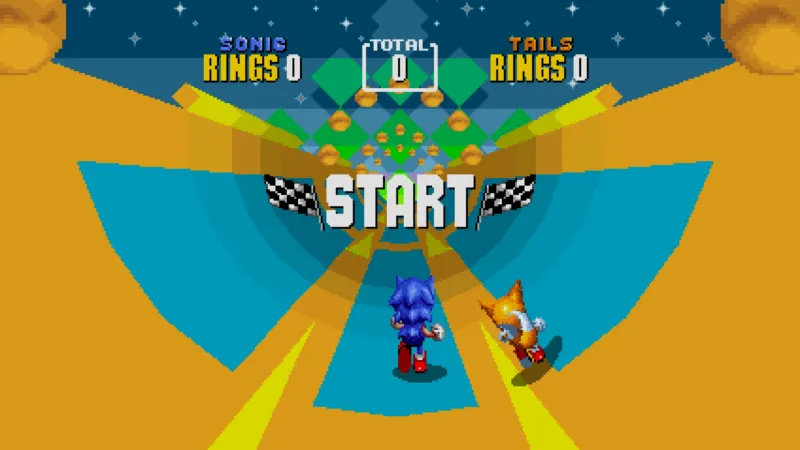
But the most egregious audio issue comes in Sonic 2. In that game, if Tails falls behind (which happens frequently), instead of respawning and flying back to you, he constantly jumps, triggering the sound on repeat until you either enter a special stage, complete the level, or one of you dies. This issue overshadows the excellent soundtrack of that game and made me often put it on mute to make playing through it tolerable.

While the music changes and audio mishaps are disappointing, the Sonic Origins package is terrific overall. Having the best versions of the classic Sonic saga in one bundle is supremely satisfying, and Anniversary Mode’s enhancements make the experience of playing through them more enjoyable than ever before. Even in a gaming landscape where most of these games are already available to download on every platform, Sonic Origins is a worthwhile package.

Score: 8.5

About Game Informer's review system

Purchase

Fire Emblem Warriors: Three Hopes Review – Amongst Friends And Foes In Fódlan

Fire Emblem Warriors: Three Hopes Review

Reviewed on: Switch
Platform: Switch
Publisher: Nintendo
Developer: Omega Force
Rating: Teen

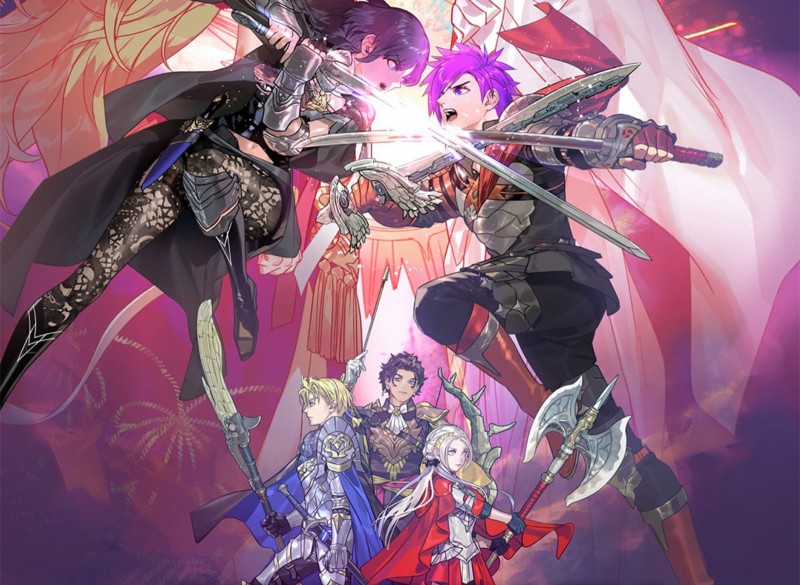
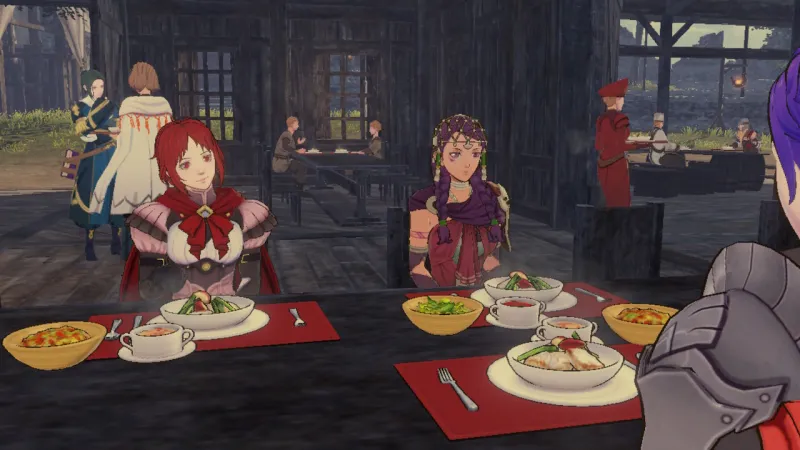
Going into Fire Emblem Warriors: Three Hopes, I didn’t know what to expect. I hadn’t dived deep into the musou genre, which is focused on hacking and slashing through mobs of enemies while taking down battlefield generals strategically, in a meaningful way since the PlayStation 2 generation’s Dynasty Warriors games. Plus, it’s a spinoff to one of my favorite Switch games in a completely different genre. Now, having rolled credits alongside Edelgard and the Black Eagles after 36 hours, I can say that Three Hopes successfully adapts everything I loved about Fire Emblem: Three Houses into a strategic, combo-heavy musou. It’s a blast to play and packs a story just as thrilling as Three Houses. 

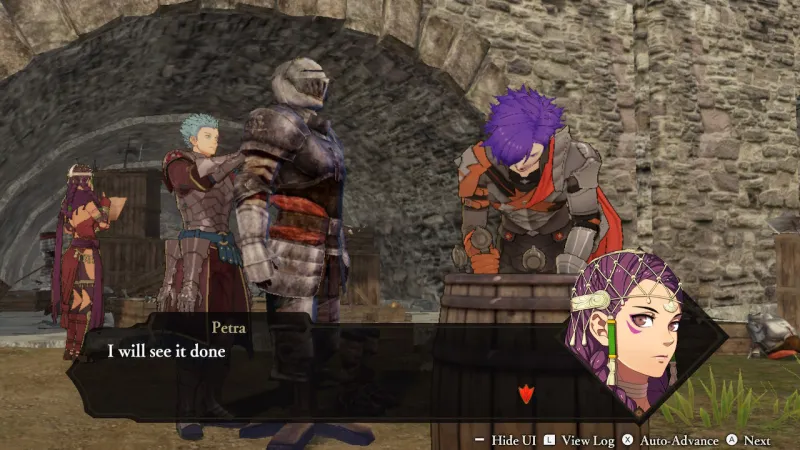
Three Hopes begins with a few dozen teenagers out on a field trip, and it’s here that protagonist Shez meets the Garreg Mach Monastery class. After a lovely demonstration of his mercenary prowess, you head to the monastery and pick the house you want to join. I linked up with Edelgard’s Black Eagles again. I’m glad I did because this storyline gave me an entirely new perspective, albeit an alternate canon one, on the route I watched in Three Houses.

A time skip happens quickly, and now, Edelgard is charging across Fódlan, attempting to unite the land. Her biggest enemy remains the church, but she also has to deal with Alliance leader Claude, Kingdom leader Dimitri, and the soldiers who were once her friends at Garreg Mach. Witnessing these confrontations unfold is entertaining, thrilling, and heartbreaking. Watching characters who were once my friends die is brutal, especially when it happens at the end of my blade, arrow, or fiery spell.

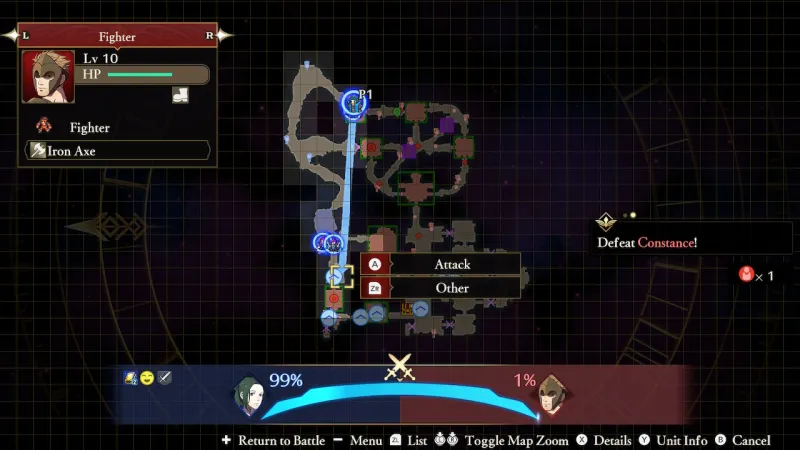
Three Hopes’ musou combat only enhanced the effect. Mowing down mobs is easy, but former classmates and other named NPCs require more strategy. These enemies have health bars, an armor class, and respective weaknesses. A mounted enemy might be weak to archer attacks, like those from Bernadetta, but strong against sword attacks, like those of Shez. 

In this situation, I could either take direct control of Bernadetta or use Three Hopes’ battle map to select Bernadetta and order her to attack. I love how this screen allows me to stop the ongoing fight, take a breather, and plan my next move. It became beneficial in the more challenging stages because you need to complete most main missions and several side quests to get the coveted S rank, which comes with plentiful rewards. I always chased S rank, which you can earn based on how quickly you completed a mission, enemies defeated, and more. 

Knocking back dozens of enemies remained fresh and satisfying well into my Three Hopes journey. Even toward the end, when I felt the game had overstayed its welcome, I still smiled at the sheer amount of destruction happening on-screen. It also didn’t hurt that everything I did outside of battle was familiar in a way that kept me hooked.

This is because of how much Three Hopes borrows from Three Houses. Gifts return, as do support grades for building relationships with characters. You can take them on expeditions and have tea with them. The shops, blacksmith, training instructor, and cooking sessions return too. Even Fire Emblem’s traditional rock-paper-scissors gameplay is present in that different classes do more damage to certain types of enemies. I like how much Three Hopes encouraged me to pay attention to this formula because it stopped me from only using Shez. Instead, I used everyone, which encouraged new strategies and helped keep my entire army properly leveled and prepared for the next fight. 

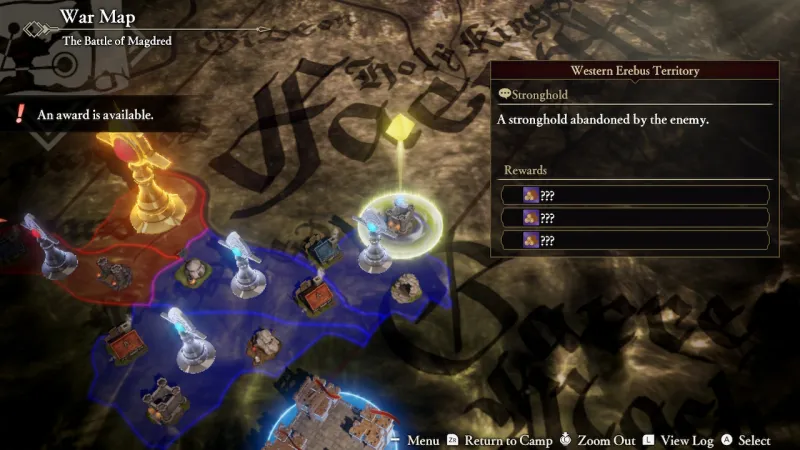
That formula and how it affected combat also lent itself to the game’s political war aspect. I felt like a general doling out orders, switching characters to check on different objectives, and changing strategies on the fly to account for new side missions and extra formidable enemies. Mix that with the highly engaging narrative, and Three Hopes at times feels as political and engaging as Game of Thrones’ best seasons. 


It’s not all flowers and rainbows for me with Three Hopes, though. While playing it is a thrilling experience, its visuals mostly fail to live up to the rest of the game. It runs great, but save for the beautiful character art, you’re mostly looking at the same jagged and dull castles, forts, and surrounding scenery. There are highlights here and there, like your main camp, but I spent most of my time on the battlefield, which rarely popped visually. I wished Three Hopes’ visuals had received as much attention and love as the rest of the game. 

Three Hopes runs a few chapters too long, and some late-game twists don’t carry the impact they should as a result, but my 36 hours were a great time. Three Hopes successfully and expertly integrates everything great about Three Houses into its musou format, both in narrative and in gameplay; it’s been one of my favorite Switch experiences in recent memory as a result. If you like Three Houses, you should play Three Hopes, and I’d recommend it to you even if you aren’t familiar with the musou genre. And if you haven’t played Three Houses, there’s a good chance that’ll be your next game after rolling credits on this one.

Score: 8

About Game Informer's review system

Purchase

Wednesday, June 15, 2022

Neon White Review – Holy Hell

Reviewed on: PC
Platform: Switch, PC
Publisher: Annapurna Interactive
Developer: Angel Matrix

In 2021, while interviewing creator Ben Esposito about then-upcoming Neon White, he told me he wasn't trying to make a game appealing to everyone. He wanted Neon White to appeal to "really specific people."

Put another way, as Esposito said in one of the game's trailers, it's a game made for "freaks."

I guess that makes me a freak, then. Because Neon White is my favorite game I've played all year – by a large margin.

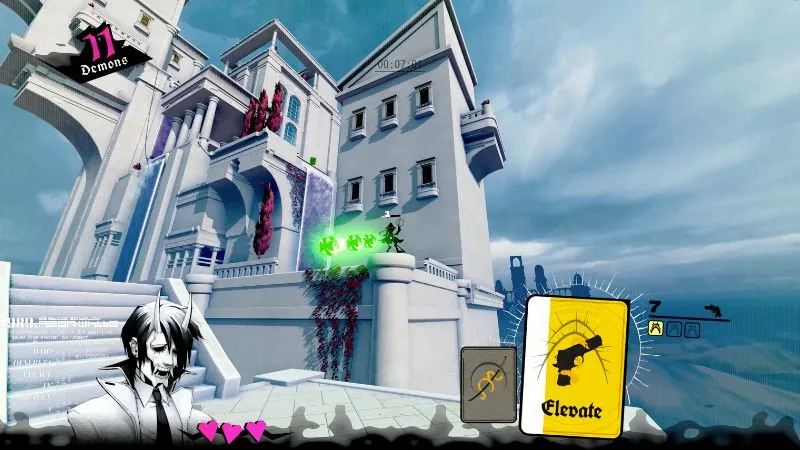
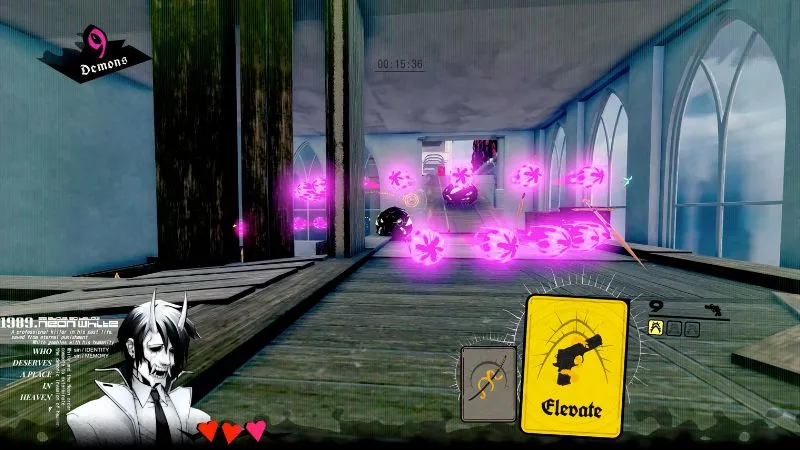
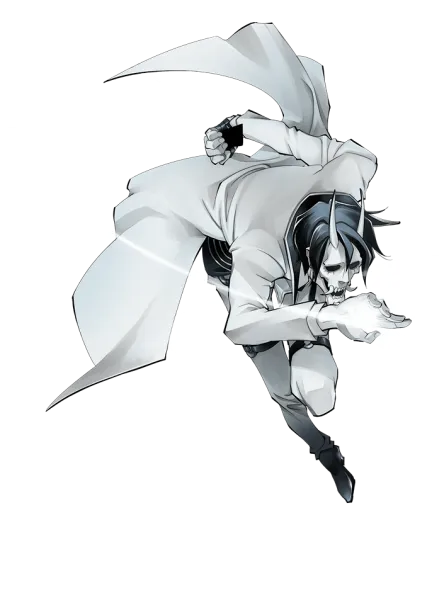
You assume the role of Neon White; a dead assassin pulled from Hell for a divine competition. Demons overrun Heaven, so the powers that be task White and a host of damned with cleaning up the mess. The banished soul with the best – and fastest – score wins the opportunity to spend eternity in Heaven. They do this by running as fast as possible through various districts of the Pearly Gates, blowing away demons with a varying arsenal of heavenly guns. 

With rare exceptions, playing through any individual level of Neon White takes less than a minute. From the jump, it stresses you play as fast as possible at all times. It also emphasizes replaying levels for increasingly better times. Running and jumping feel excellent; they're fluid, quick, and give an impression of floating throughout a level. 

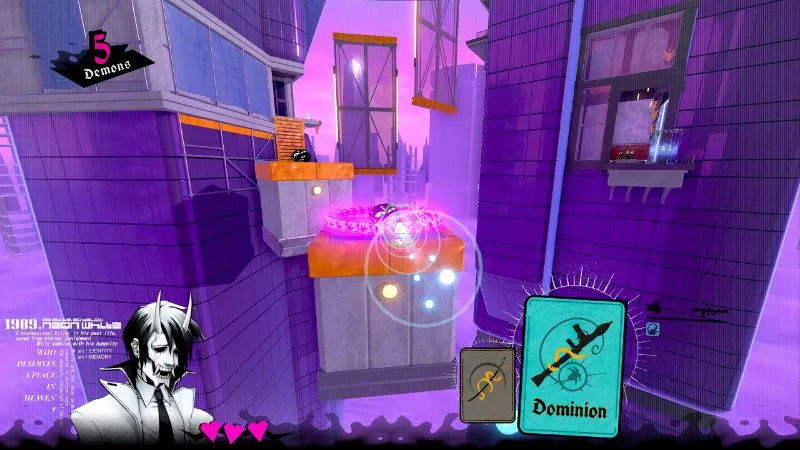
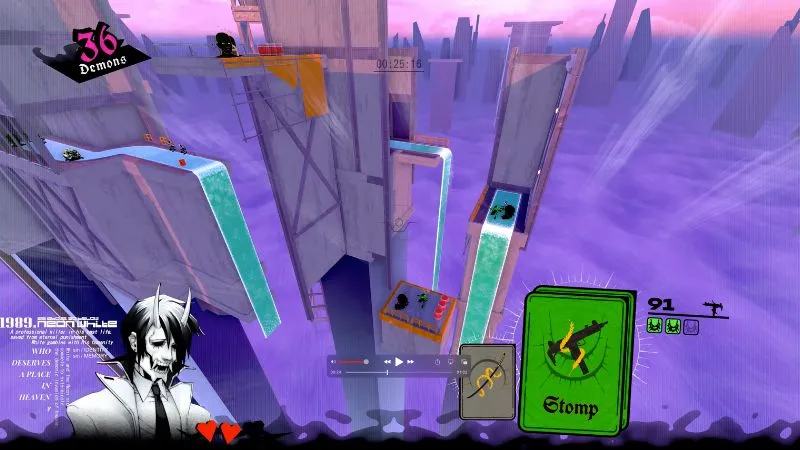
But it's the guns where Neon White shines. You pick up firearms via cards strewn inside a level, each having two functions. The first is simply shooting. The second, however, is the discard option, which grants White a brief platforming advantage. Discarding pistols gives a double jump, shotguns blast you in the direction you're facing, rifles directly forward, SMGs send you hurtling toward the ground, and rocket launchers give a grapple shot. 

Levels demand mastery of all these options; you must run, shoot, jump, and use discards at precisely the right moment to reach your destination, while also killing every demon in a level. I loved trying and retrying levels over and over until I finally got the combination of moves correct, and then I loved, even more, trying to whittle my times down to the "Ace" score. My heart was often firmly lodged in my throat as I crossed the finish line, and few things feel better than besting my times by literal tenths of a second.

From its mechanical foundation, Neon White is designed around the idea of speedrunning. More than that, it appears designed around YouTube videos of speedrunners breaking games, flying through levels with pinpoint accuracy like a well-armed ballerina. Especially in its back half, you will feel as cool as those videos look. 

Flying over enemies, shooting as you rocket above their heads, sending yourself plummeting to earth to slide across narrow ledges, grappling your way back into the stratosphere, then using explosions to bounce around to the finish line. Doing it all in literally seconds with no mistakes, feeling effortless as if you’ve practiced for years, not just 15 to 20 minutes; that's the base of Neon White, not solely the high-level play. It's remarkable for such precise and intricate gameplay to feel so effortless, but Neon White pulls it off at all turns. It's one of the most fun games I've played in years. 

In fact, I can't stop playing it. Nearly 30 hours in, I have no plans to stop until I get an Ace rank in every level. Luckily, the level design is top-notch and, save for two or three exceptions, rarely frustrating. I’m still flying through the game, beating all my previous times and loving nearly every second. I even care about the global leaderboards, a personal first, as I don't think I've ever paid much attention to rankings in any other game. 

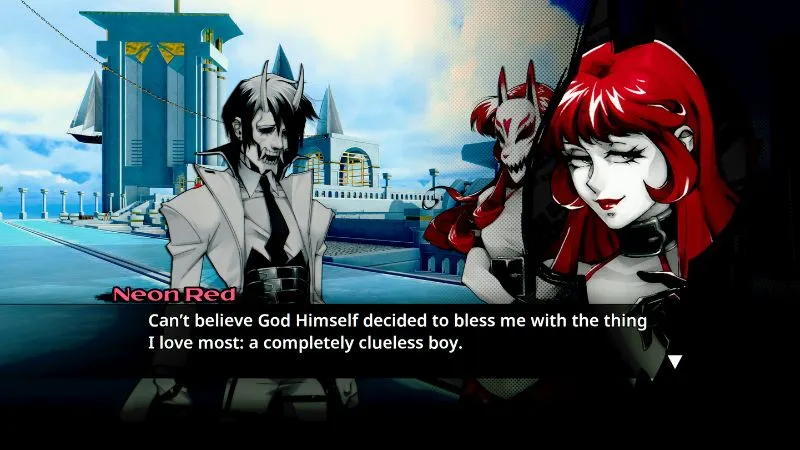
I even love Neon White's stupid-but-charming story – that of White trying to figure out why he and his team of fellow assassins are dead. It worked on me more than I expected. Since the story's told via visual novel, I felt compelled to explore every character's storyline, giving them gifts to unlock new dialogue and sidequests. In moments of weakness, I even laughed at obnoxious dialogue like when Neon Violet said Neon White was a good guy, "The kind that will catch a girl's spit with his mouth!"


It also helps that aesthetically Neon White scratches specific and neglected itches. It’s reminiscent of Japanese action games that don't really exist anymore, like Killer7 and El Shaddai: Ascension of the Metatron. It recalls anime like Trigun and Cowboy Bebop and music from now-defunct bands like Drop Dead, Gorgeous and The Blood Brothers. Its heavenly-yet-violent aesthetic is slick, striking, and full of attitude. Like the tee-shirt section of a Hot Topic and the anime aisle of a Suncoast Video collided into each other. You can imagine 480p AMVs of Neon White playthroughs set to "The Show Must Go On" or "Love Rhymes With Hideous Car Wreck." You can imagine seeing kids in brightly-colored Neon White shirts at a Taste of Chaos tour date. Hell, Steven Blum even voices White! 

If any of that means anything to you, you are the "really specific" person for whom Esposito made this game. If the above reads like a different language, you'll likely still enjoy Neon White, but you're hardly the key demographic. 

Neon White achieves everything it sets out to with remarkable success. Not only is it one of the most entertaining experiences I've played in years, but it also speaks to a highly specific audience many just don't anymore. It's for weirdos, misfits, and dorks. Neon White is one of the best games of the year, and it'd be a colossal mistake not to check it out. 

On Switch

We reviewed Neon White on PC using mouse and keyboard controls. While PR gave us Nintendo Switch codes, they didn’t go live until right before the game's launch on Thursday, June 16, so we've had limited time with the game on console. However, after an hour or so, we can report Neon White runs at a stable 60 frames-per-second, and for the most part, the gyroscopic controls feel natural.

Nevertheless, if you're able, we highly recommend playing on PC – particularly with a mouse. It's not that demanding, so most setups should suffice; we played on an 8-year-old Alienware 14 with minimal issues. But if you have to play on Switch, it's an acceptable way to check out Neon White. 
GI Must Play

Score: 9.5

About Game Informer's review system

Purchase

Teenage Mutant Ninja Turtles: Shedder's Revenge Review – Old-School Thrills, New-School Polish

Teenage Mutant Ninja Turtles: Shredder's Revenge

Reviewed on: PC
Platform: PlayStation 4, Xbox One, Switch, PC
Publisher: Dotemu
Developer: Tribute Games
Rating: Everyone 10+

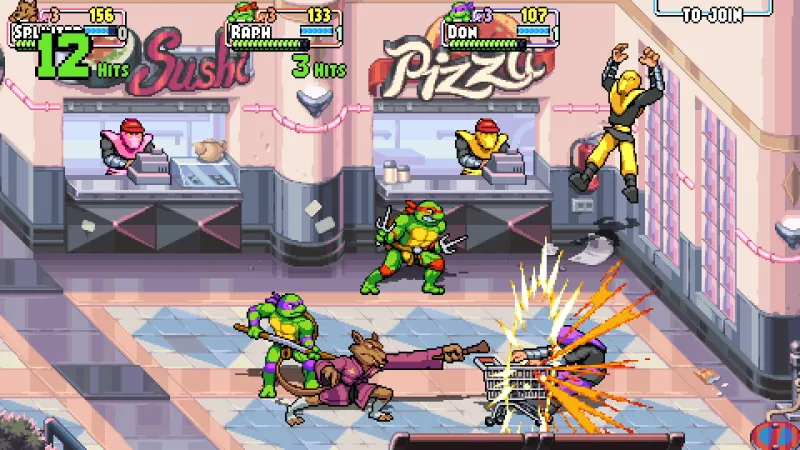
Teenage Mutant Ninja Turtles carved its perfect niche in video games by way of the cooperative beat ‘em up. Titles like the 1989 arcade game and Turtles in Time let fans fulfill the fantasy of kicking shell alongside their friends, but it’s been a long time since our green heroes were the stars of a great video game. Shredder’s Revenge ends that drought, serving as a lovingly crafted homage to TMNT’s glory days that gives fans what they remember while sanding down most of the rough edges. 
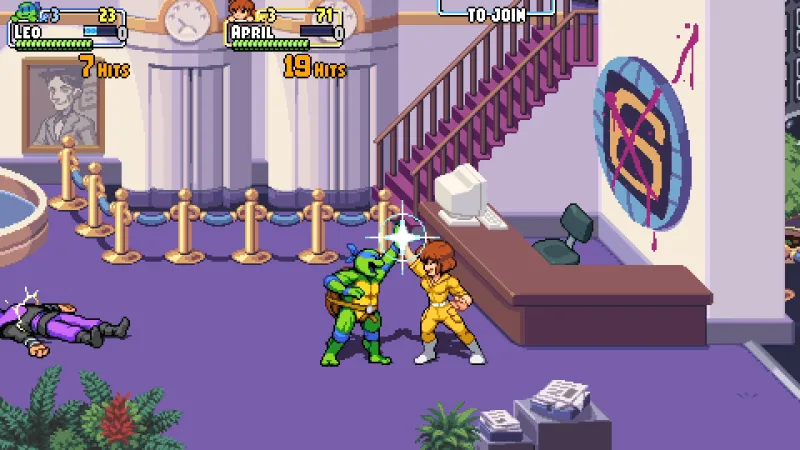
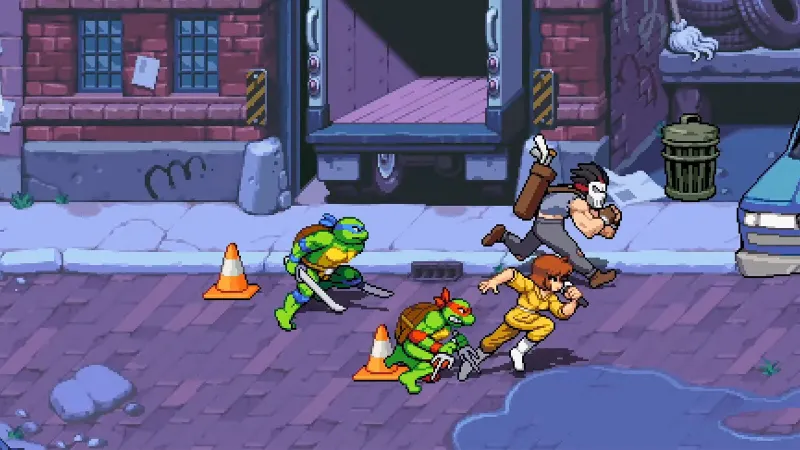
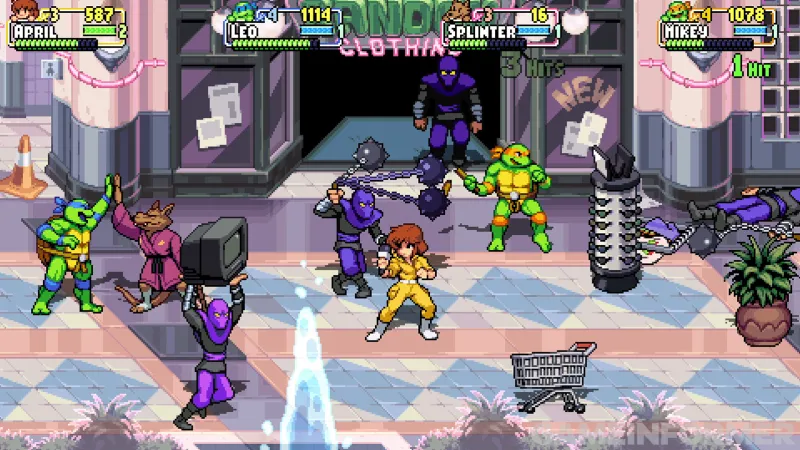
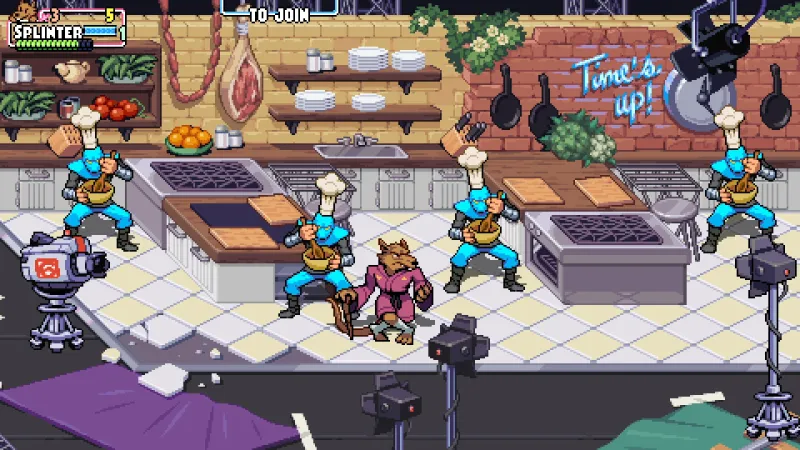
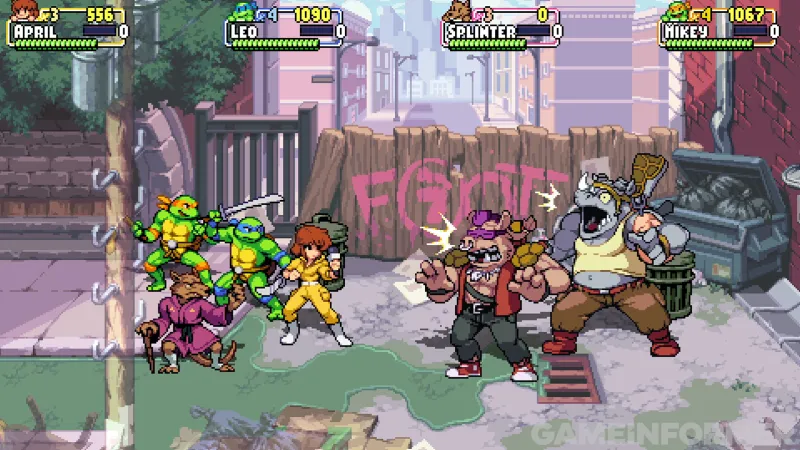
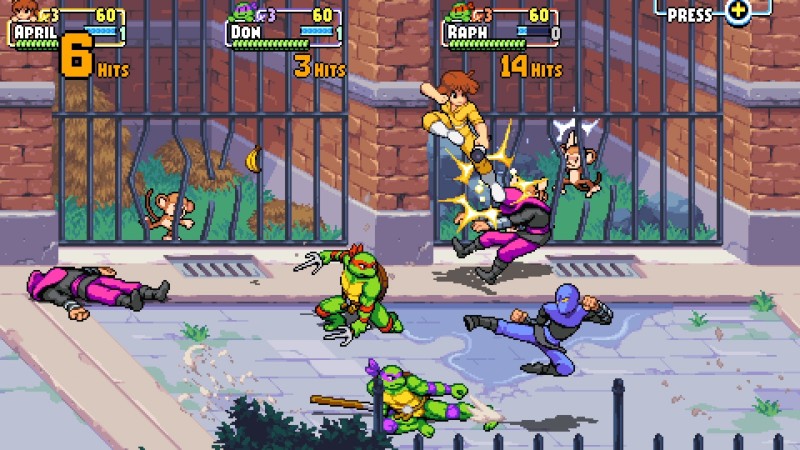
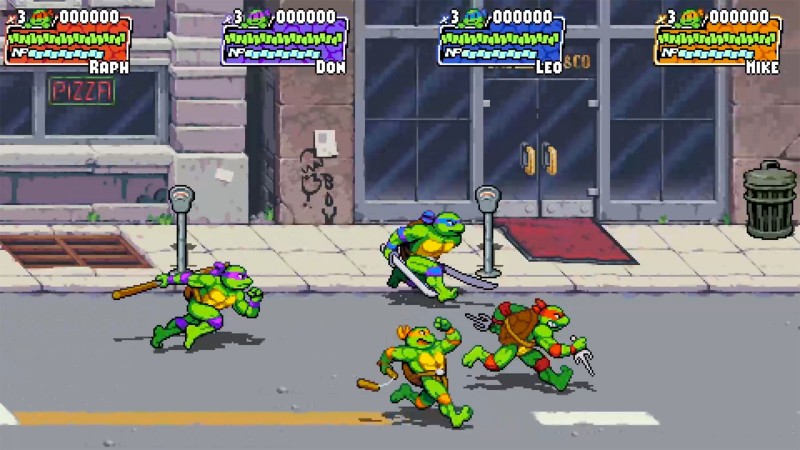
Shredder and his Foot Clan have run amok in New York City and beyond, and it’s up to the Turtles, alongside Master Splinter, April O’Neil, and an unlockable Casey Jones, to stop them. Up to six players team up to brawl their way through over a dozen colorful, detailed stages in an adventure inspired by the classic 1987 cartoon. Although Shredder’s Revenge can appeal to any generation of TMNT fans, those who grew up in the ‘80s and early ‘90s will best appreciate how Tribute Games’ reverence for that series oozes from every pixelated brick. 

I’m among the fans who discovered TMNT during this golden era, so I couldn’t stop smiling as I recognized Easter eggs and encountered a fearsome foe or friendly face I’d long forgotten about. The cuts run deep in Shredder’s Revenge – one villain only appeared once in the cartoon – giving diehard players plenty of well-executed fanservice. Hearing the original voice cast bring the Turtles to life adds a nostalgic cherry atop the package and a wonderful retro-inspired soundtrack ranks among my favorites of the year.

Shredder’s Revenge doesn’t try to reinvent the beat ‘em up. Rather, Tribute Games refined the old-school template. You still largely mash the same attack button to execute simple combos, but chaining together aerial, running, and various special attacks provides enough depth to keep it from feeling completely one-note. I especially love using the dodge/recovery button to sidestep attacks, bypass defenses, or instantly get back in the fray when knocked down. Sending foes careening into the screen border, air-juggling them long after they’re defeated, and tossing them at the screen adds more layers of goofy fun. However, battling flying enemies is less enjoyable because it’s tougher to discern which plane they occupy. Missing multiple jump kicks only to get blasted in response irked me like no tomorrow. 

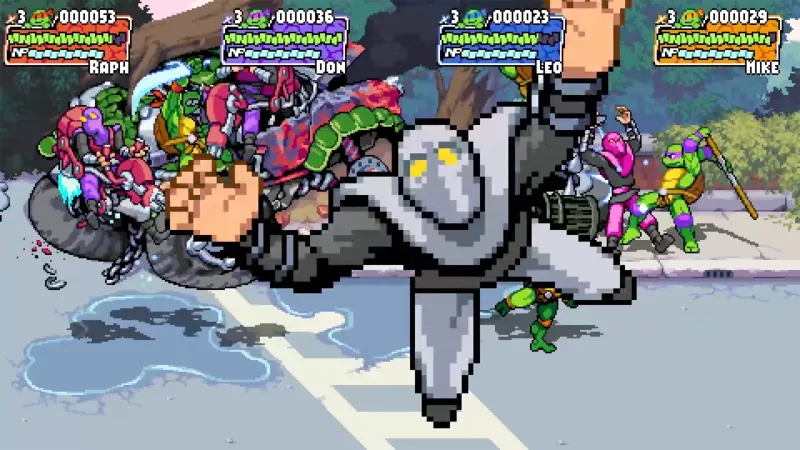
Even with a full squad of six players and mobs of enemies on screen, Shredder’s Revenge runs like a dream. Any semblance of strategy goes out the window with a half-dozen friends swinging ninja weapons at once, but that provides its own chaotic brand of entertainment. Sure, losing track of yourself in the sea of digital humanity happens often and can be mildly frustrating, but the joy of laughing and cheering alongside so many buddies dulls that irritation. 

Each character sports individual traits, such as reach, attack, and speed, that differentiate them enough without making one feel better than the other. For example, Leonardo is the all-rounder, Donatello has the longest reach, Raphael and Splinter hit hardest, while Michelangelo and April move fastest, with variations between. You can’t go wrong even if someone claims your favorite. Though I’ll always rep Donatello, I had a great time using everyone.


In addition to a standard Arcade mode, a Story mode offers an objective-based variant. Instead of tackling stages one after another, players travel between them on a world map, meaning you can replay them. That’s because levels have simple objectives such as avoiding damage throughout the mission or executing a type of attack a number of times. Completing quests rewards points that level up characters, unlocking new abilities (which are available by default in Arcade), or adding more health points and other stat buffs. 

I appreciate how Story mode’s objectives incentivized me to observe stages for collectibles, hidden characters, and traps to use against enemies. I wish side missions had more variety than “bring an ally this batch of collectibles” though. Story mode may not be a colossal shake-up, but it’s a neat twist worth playing if you already conquered Arcade. 

Teenage Mutant Ninja Turtles: Shredder’s Revenge gives me what I wanted: a polished, raucously fun throwback that plays better than how I remember the original games. Turtles fans new and old will find plenty to love, but those possessing a nostalgia for this era of the franchise are in for the biggest treat. Invite some friends, order a pizza, and prepare to relive your childhood in the best possible way. 

A Note On Crossplay: At launch, Shredder's Revenge only supports crossplay between PC (Steam and Windows) and Xbox. Tribute Games says it plans to introduce crossplay between consoles "further down the road." Until then, PlayStation and Switch owners can only play TMNT with others on the same platform. GI Must Play

Score: 8.75

About Game Informer's review system

Purchase