Pages

Thursday, December 15, 2022

Soccer Story Review - A Game Of Two Halves

Soccer Story

Reviewed on: Xbox Series X/S
Platform: PlayStation 5, Xbox Series X/S, PlayStation 4, Xbox One, Switch, PC
Publisher: No More Robots
Developer: PanicBarn

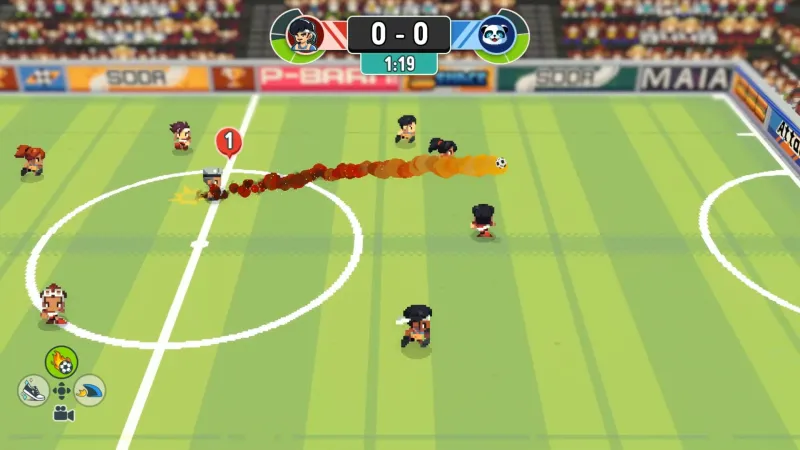
Soccer Story is a charming role-playing adventure that seamlessly builds a joyous and often goofy story around something as simple as kicking a ball. A cataclysmic event causes soccer to be banned unless sanctioned by the evil Soccer Inc. (with more than a few parallels to real-world FIFA), and our young hero’s father goes missing during the catastrophe. A year later, a magical soccer ball comes crashing into our hero’s life. What comes next is an often silly and fun story about bringing soccer back to the world, filled with anthropomorphic panda goalkeepers and an evil soccer corporation.

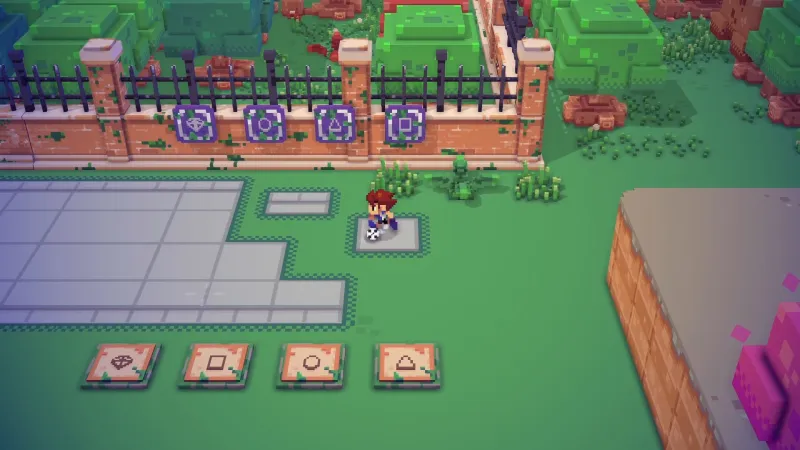
Players first set out to Soccertown to put the magical ball to use. The town is a shell of itself. The stadium is locked up, graffiti goals are sprayed around town in an act of rebellion, and evil Soccer Inc. referees are constantly monitoring for illicit five-a-sides. Existing in this soccer-mad world is delightful, thanks in large part to its absurdity.

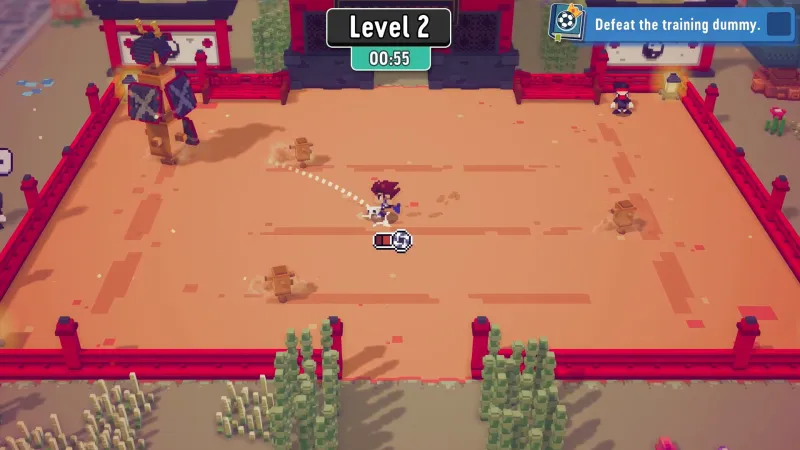
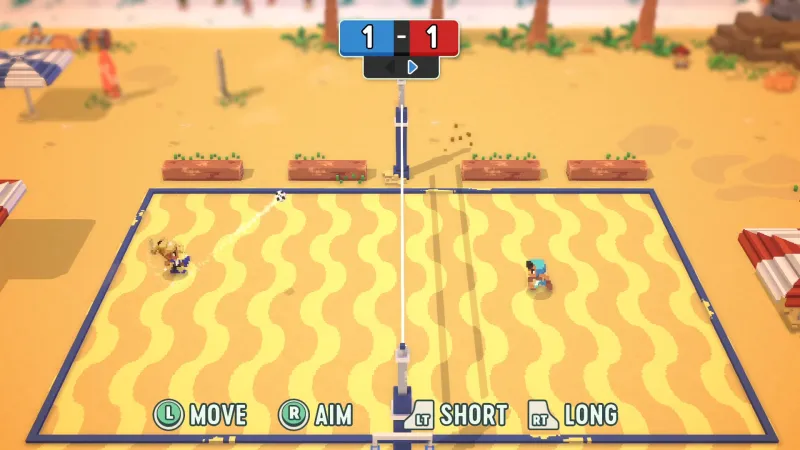
The main story sets Leo or Kai, depending on which twin you choose, on a path of liberating Soccertown, recruiting teammates, and winning soccer matches before setting off to the next area. Once your team is set, and you’ve grabbed Soccer Inc.’s attention by bringing soccer back to Soccertown, you visit new areas for story missions and various side quests. You'll visit a forest, a beach, the bizarre Zen Zone modeled after a mythical, cherry-blossom-heavy Japan, and more as you follow the formula of entering new areas to explore and liberate. It’s fun to sprint around with your soccer ball in each area, and it’s rewarding to finally unlock a gate to a new zone. The zones never overstay their welcome before you’re on to the next one. 


The incentive to continually explore and complete NPC missions is huge, but you never feel bogged down, nor do missions feel tedious; they’re fun and quick to complete. Plus, talking to NPCs usually provides comedic one-liners worthy of a chuckle. 

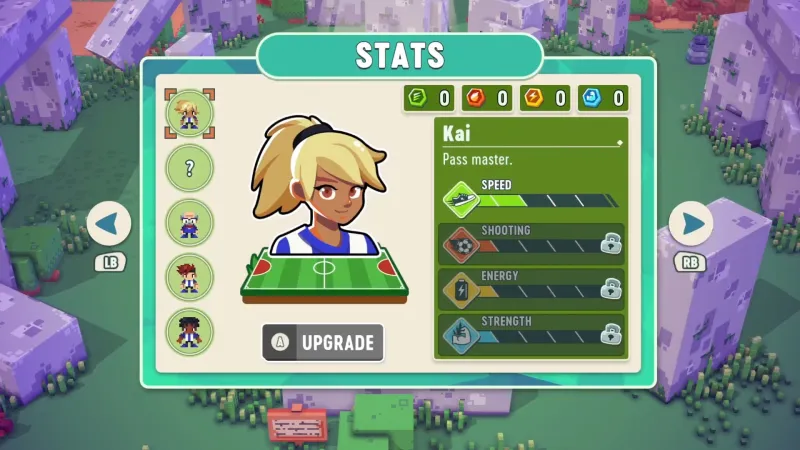
Over the course of exploration and questing, you’re rewarded with coins and medals, which can be used to upgrade your hero’s speed, shooting, energy, and strength. Some missions outright give you medals, and it’s important to seek them out for two reasons: They affect your players in matches and your hero while exploring. Like any good role-playing game, upgrading your player’s stats is rewarding. 

Many missions integrate soccer in a fun way, like taking shots at sharks to protect swimming kids or slide-tackling crabs to save a stranded beachgoer. Shooting a ball onto a crossbar emulates the real-world crossbar challenges players engage in across pitches worldwide. And some quests are downright weird; at one point in Zen Zone, the game turns into a turn-based RPG while fighting giant mushrooms. These moments make Soccer Story much more engaging than doing normal soccer tasks, and it continually dives into its weirdness head-first. However, some quests, like knocking down coconuts, can be annoying when you run in circles looking for that final target.

Once you leave the adventuring and missions, Soccer Story falters. Chaos and inconsistency mire the actual soccer matches. Running around to tackle players is exhausting, and shooting feels random. Increasing your scoring chances requires whittling away at the keepers' shields, making charged shots important but opening you up to defensive maneuvers while stationary. 

Even after pouring upgrades into my main character, goalkeepers deflected my best shots without breaking a sweat. Other times, a weak shot from across the field would effortlessly float into the goal. This lack of consistency is confusing and aggravating. Speed seems to be the only upgrade that matters, as most on-field upgrades don’t feel impactful, and it’s frustrating to lose a match after seemingly having an edge.   

There’s a sense of some control, but the matches can be so random it’s off-putting. I found a good rhythm of shooting close and hammering home rebounds into the corners of the goal that was more tedious than fun, and I just wanted to be out of a match and back into the proper adventure. That’s not a good sign for a soccer-based RPG. You also compete in numerous one-versus-one matches, but thanks to its basic formula, these felt more like padding than meaningful additions. The actual soccer portion of Soccer Story is just serviceable and frustratingly inconsistent, which is a bummer when compared to the rest of the game.

While Soccer Story is a tale about the beautiful game, the soccer matches take a backseat to story and exploration. The adventure and role-playing aspect is a lot of fun, especially with soccer so integrated into the world, but the weak soccer matches keep it from truly being a great sports role-playing game. Buoyed by its charming and humorous premise, Soccer Story provides a satisfying adventure and a different type of soccer game, but one that doesn’t quite score a hat-trick.

Score: 7.5

About Game Informer's review system

Purchase

High On Life Review – Low On Laughs

High on Life review

Reviewed on: Xbox Series X/S
Platform: Xbox Series X/S, Xbox One, PC
Publisher: Squanch Games
Developer: Squanch Games
Rating: Mature

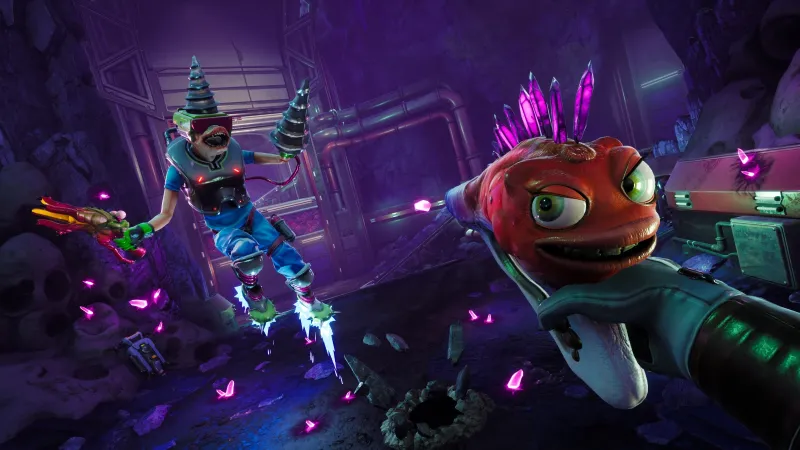
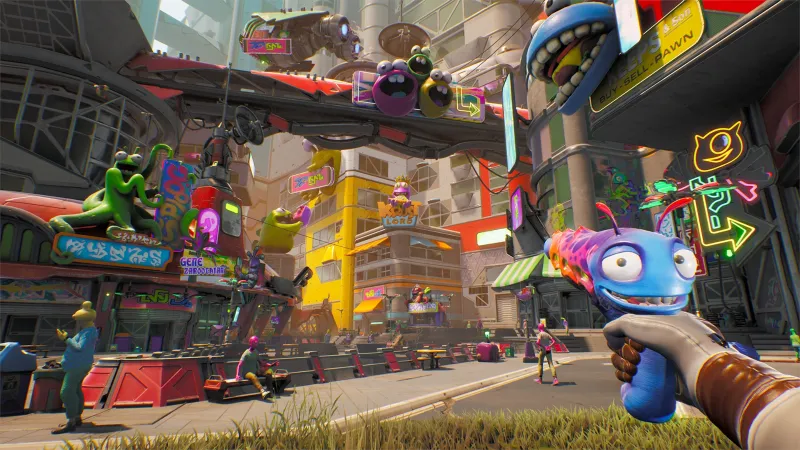
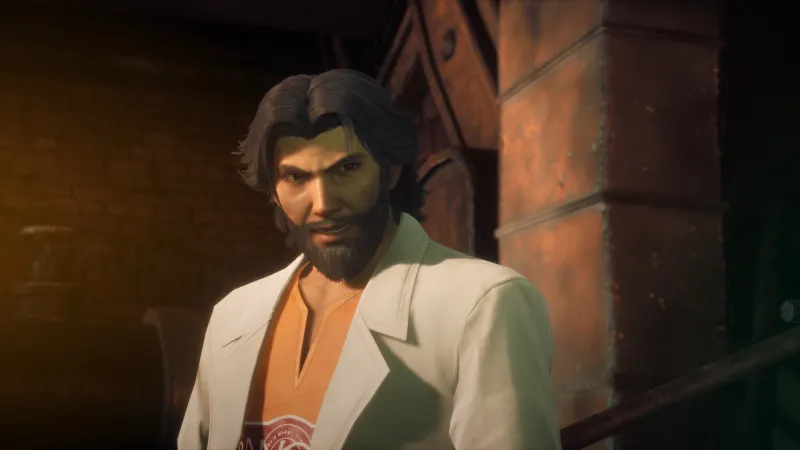
Comedy is tough to execute in video games, and even if done well, it still needs strong gameplay to back up the jokes. High on Life falters on both fronts. Though it swings for the fences on presentation and tone, the mediocre action, grating humor and dialogue, and less amusing technical hiccups made me want to keep its sentient guns in their holsters. 

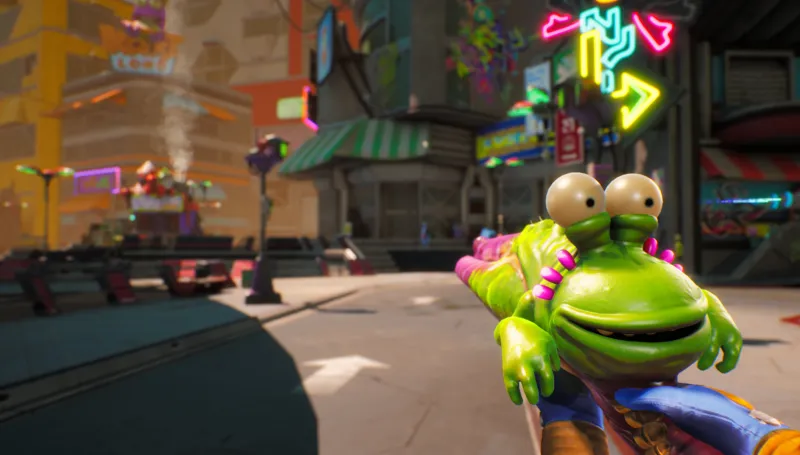
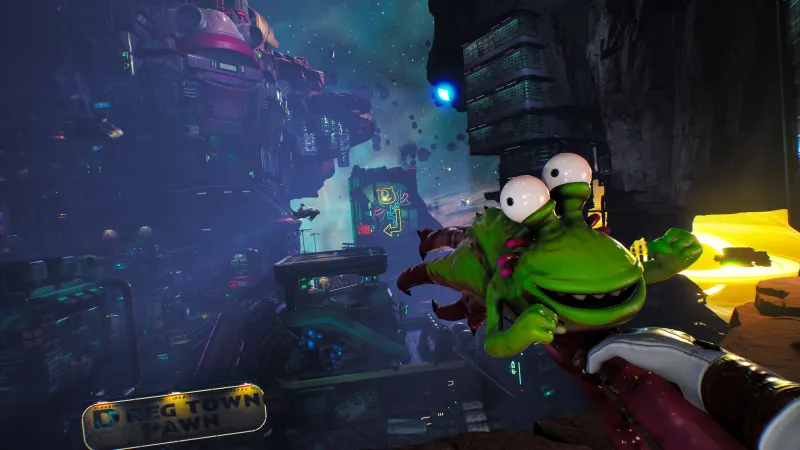
Conceived by Rick and Morty co-creator Justin Roiland, fans of that show or his other works can expect a similar brand of relentlessly over-the-top, extremely adult comedy. As a human teenager turned intergalactic bounty hunter following an alien invasion of Earth, you must save humanity with an arsenal of talking alien guns. These weapons, voiced by Roiland and comedians including JB Smooth and Tim Robinson, talk your ears off to the point of annoyance, with your primary gun, Kenny, being the biggest culprit. Sometimes their banter doesn’t even make sense, such as a gun complaining about not being used in ages when I’d used them seconds ago. Thankfully, you can reduce weapon chatter via a menu slider, but it represents one of my biggest issues: I didn’t find High on Life funny.

High on Life screams at you for hours about how hilarious and messed up everything is through tiresome dialogue exchanges that take potentially amusing bits and run them into the ground. The humor isn’t so much about setting up clever punchlines as it is about reiterating the same basic gag with a barrage of expletives until it, hopefully, becomes funny. It usually doesn’t. What’s more, everyone feels like slight variations of the same crass caricature, whether it's your irresponsible older sister or freeloading bounty-hunting mentor. The game pokes fun at everything, including making fourth-wall-breaking wisecracks about game design and the industry in general. However, it also does little to freshen up the tropes it lampoons. Ripping on a pipe puzzle for being by-the-books without doing anything unique itself makes the joke feel hollow and hypocritical. 

Though it never had me in stitches, High on Life has a few humorous bits. I smiled at the aggressive banter of a family of loud-mouthed construction workers, and a head-turning reference to a popular restaurant chain offers a fun visual gag. Obtaining special discs that summon small diorama-like areas that serve as large, singular jokes garner some of the better laughs, as do a sprinkling of unexpected celebrity cameos. 

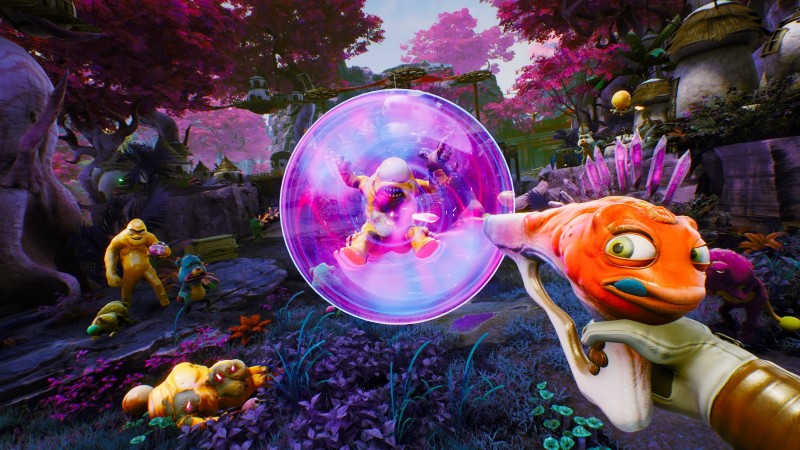
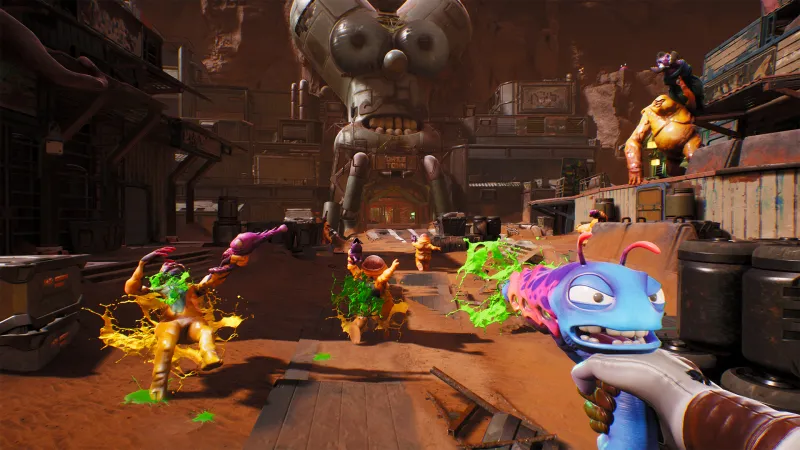
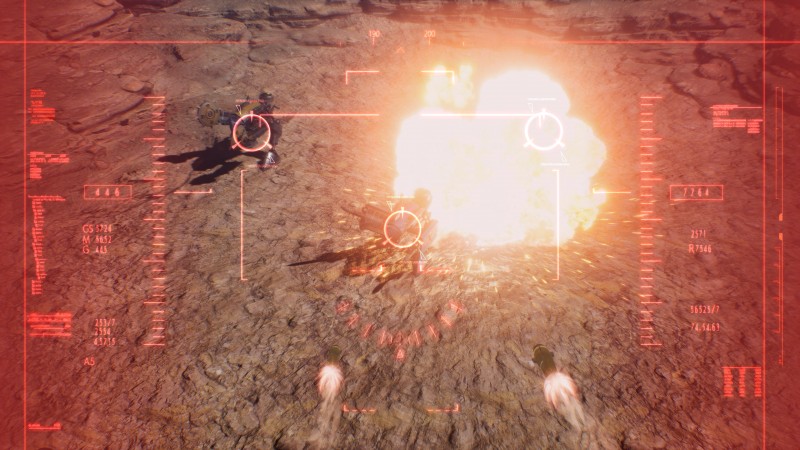
High on Life’s humor whiffs more than it hits, and the gameplay isn’t far behind. The shooting feels passable enough to offer mindless fun, but it’s not great. Melee executions evoke Doom’s glory kills without the satisfying snappiness. The limited arsenal of living weapons have primary and alternative firing modes. Kenny, for example, fires standard pistol rounds and can unleash mortar-like goop balls that launch groups of targets airborne to juggle with bullets. My favorite weapon is Gus, a shotgun that fires a large disc that ricochets off enemies. In a neat twist, you can strike this disc to extend its momentum. 


Combat begins as a drag but picks up as you acquire more guns, and I enjoy combining their talents. Unfortunately, the enemy variety is disappointingly small, so most encounters feel the same. As the adventure progressed, I began avoiding optional firefights when possible since they started feeling more like busy work. Boss fights are just as flat, and some throw way too much at players, leading to several cheap deaths.

Outside of battles, you’ll explore a minimal selection of planets that offer large explorable hubs featuring Metroid-style ability gating and decent platforming challenges that utilize your jetpack. Although they look good from an artistic standpoint, they feel surprisingly lifeless with NPCs that act more as signposts to deliver questionably funny quips. High on Life desperately needs a map or compass, as the zones are large and confusing enough that it’s easy to get lost. I often wandered searching for inconspicuous warp gates to return to HQ. The lack of a map is also egregious because planets have stores that sell exclusive upgrades, but locating these needles in a haystack is a chore. One shop offered a cool upgrade I couldn’t afford, and when I returned later to buy it, finding the store again became a hassle I eventually abandoned. 
High on Life also suffers from numerous technical shortcomings. On top of general hitchiness, I sometimes encountered enemies that froze or snagged on geometry. I had to restart one lengthy firefight when a pair of flying enemies got trapped behind a wall, halting my progression. Prompts can sometimes break, such as when I missed out on rescuing a captive human because the command suddenly disappeared. Grabbing a collectible once launched me into the skybox, forcing another reset. A post-launch patch seemingly ironed some things out, but I still encountered several wrinkles. 

Despite multiple shortcomings and my general aversion to the game’s writing, High on Life has occasional glimmers of potential. I’d like to see a sequel polish and improve upon this foundation. I’m always itching for more creative takes on shooters, but High on Life is a reminder that “different” doesn’t always mean “good.”

Score: 5.75

About Game Informer's review system

Purchase

Monday, December 12, 2022

Need For Speed Unbound Review - Turning A Tight Corner

Need For Speed Unbound

Reviewed on: Xbox Series X/S
Platform: PlayStation 5, Xbox Series X/S, PC
Publisher: Electronic Arts
Developer: Criterion Games
Rating: Teen

Since its inception nearly three decades ago, Need for Speed’s best entries have combined style and substance to produce thrilling homages to the street racing scene. Need for Speed Unbound feels like the ultimate realization of that philosophy, creating one of the franchise’s best in years.

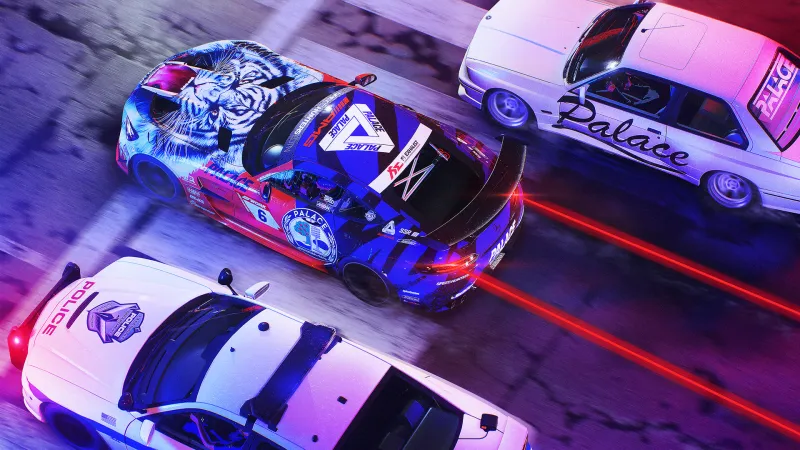
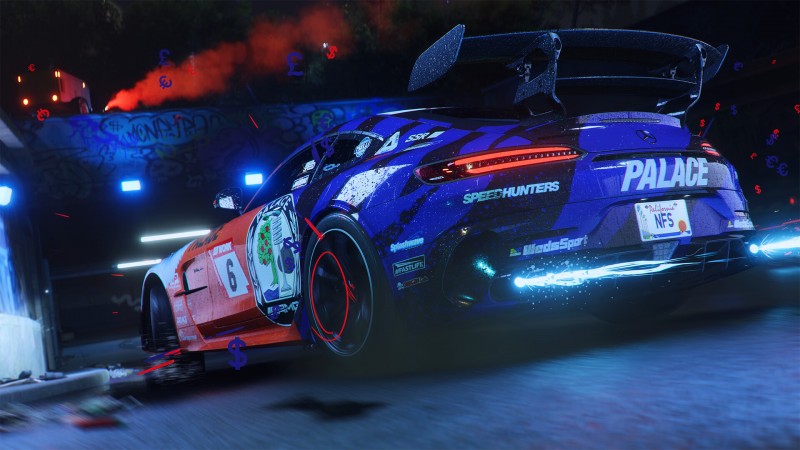
Sliding into the driver seat of the nearly 150 cars in Need for Speed Unbound feels terrific. Blasting down a straightaway in a McLaren delivers a remarkable sense of speed but nailing a corner drift in a Mitsubishi feels just as good. Actions like drifting and drafting fill your boost gauge, creating a satisfying rhythm in the moment-to-moment racing as you flow from one move to the next.

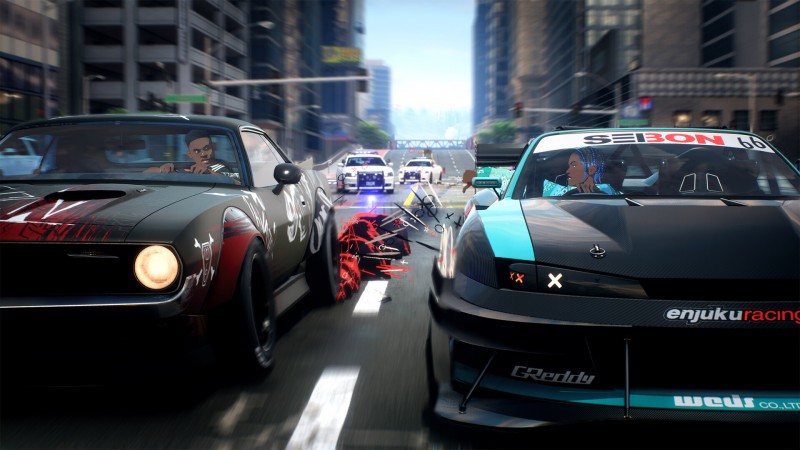
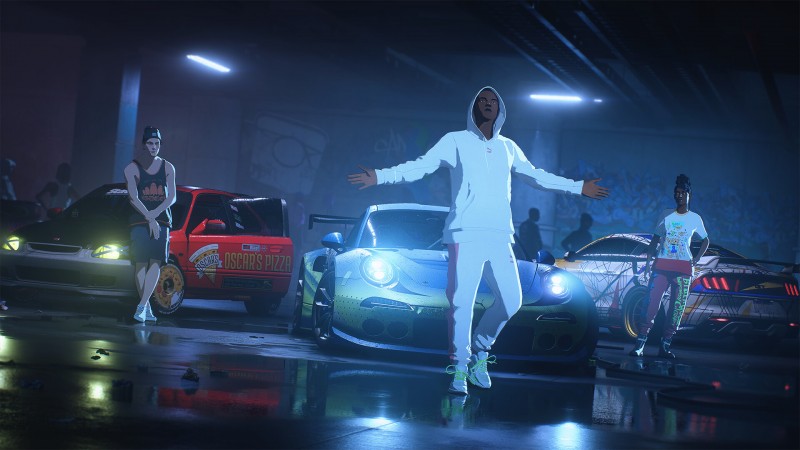
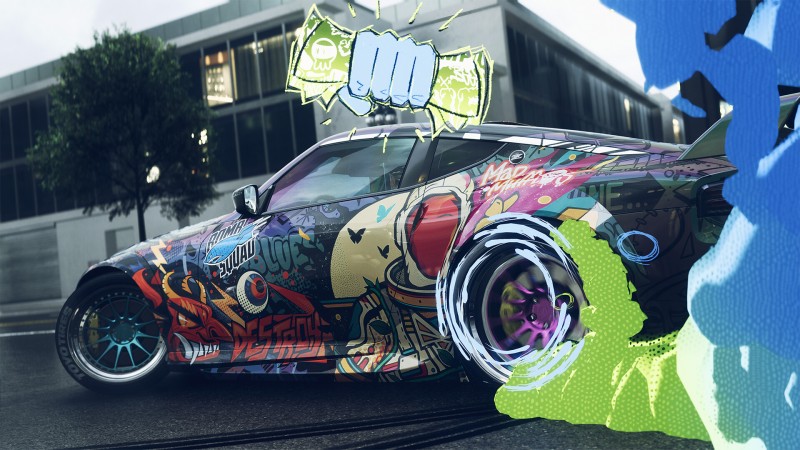
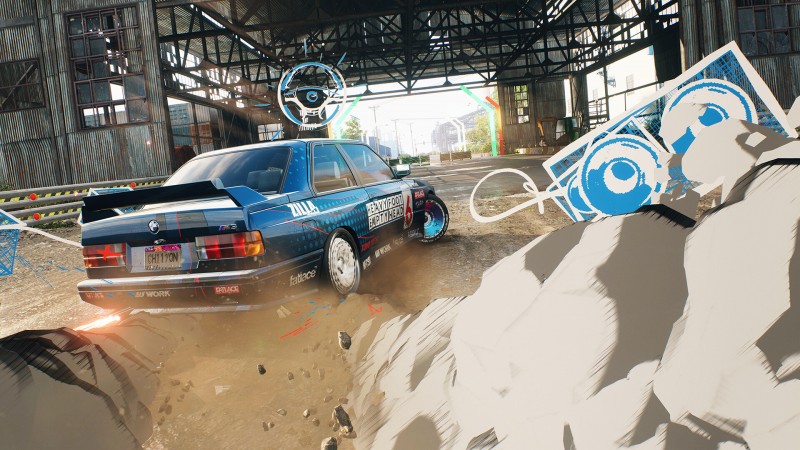
Distinct visual effects permeate nearly every moment of Need for Speed Unbound, making it one of the most stylish racing games I’ve played. Though the city and vehicles maintain their photorealistic looks from past games, the characters are cel-shaded cartoons. These two contrasting styles sound like they should clash, but they work in tandem to create a refreshing amalgamation. Unbound further leans into stylization by adding street-art-inspired flourishes to the car as you drift, boost, and jump off ramps. I appreciated the neon-colored smoke during a tight corner, but the tag that pops up when your boost is full sometimes blocked my view during critical points in the race.


As you take to the open streets of the fictional city of Lakeshore, you have a bevy of events from which to choose. You can take part in linear races, lap-based circuits, head-to-head contests, and drifting events – not to mention the various collectibles and challenges scattered throughout the city. These each present exciting challenges, but my favorite event is Takeover, which puts you in a tight course and rewards you for drifting, boosting, hitting ramps, and smashing targets.

Need for Speed Unbound’s single-player story centers on a betrayal and subsequent rise up of the city’s underground racing scene. While the overarching story is easy to ignore, the constant chatter between the characters accentuates their grating personalities. Rivals repeat hackneyed lines throughout each race, while open-world exploration is often interrupted by calls from your annoying manager or radio segments featuring ham-fisted politician caricatures. After my first few hours, I turned down the dialogue in the menu. However, I actively enjoyed hearing from Rydell, the owner of the garage and father figure to your created character, as his conversations deliver some truly earnest moments despite this game’s brash style.

Cop chases have long been a critical element of the Need for Speed formula, and Unbound implements them in effective manner. Each event and chase in which you participate raises your heat level for that day, with higher heat spelling more relentless police officers with better vehicles at their disposal. I often left the base model police cruisers in the dust at heat level one, but as the heat ranks climbed and the cops broke out more capable vehicles, tension crept throughout my body as I gripped my controller tighter.

Making it back to a safehouse with high heat can be daunting; I often rerouted my path to avoid kicking off a lengthy chase. Though I usually escaped, the danger of knowing that any money I earned in that session would be lost if I’m apprehended creates adrenaline-fueled affairs. Though the few times I was caught made me want to walk away in frustration, the exhilaration of a high-stakes escape is difficult to match.

Unfortunately, cop chases are absent from the game’s online suite. This wouldn’t be such a letdown if I could reliably find full events. However, since the online side just dumps you into a Lakeshore instance with 15 other players who seem more interested in exploring the city than racing, the online races themselves are often sparsely populated. Once you’re in a race, the servers are stable, and the crossplay works well, but I was disappointed my garage progress in story didn’t carry over, leaving me ill-prepared for my early races. Thankfully, the generous reward system let me catch up fast, but I missed the upgraded vehicles to which I grew accustomed from the story.

Need for Speed Unbound feels like a foundational entry for where the series could go from here. Competing across the title’s many events is a blast, and I love the juxtaposed visual aesthetics. Though some elements left me wanting, Unbound is as much fun as I’ve had with a Need for Speed title in years.

GI Must Play

Score: 8.5

About Game Informer's review system

Purchase

Wednesday, December 7, 2022

Crisis Core: Final Fantasy VII Reunion Review - Required Reading

Reviewed on: PlayStation 5
Platform: PlayStation 5, Xbox Series X/S, PlayStation 4, Xbox One, Switch, PC
Publisher: Square Enix
Developer: Square Enix
Rating: Teen

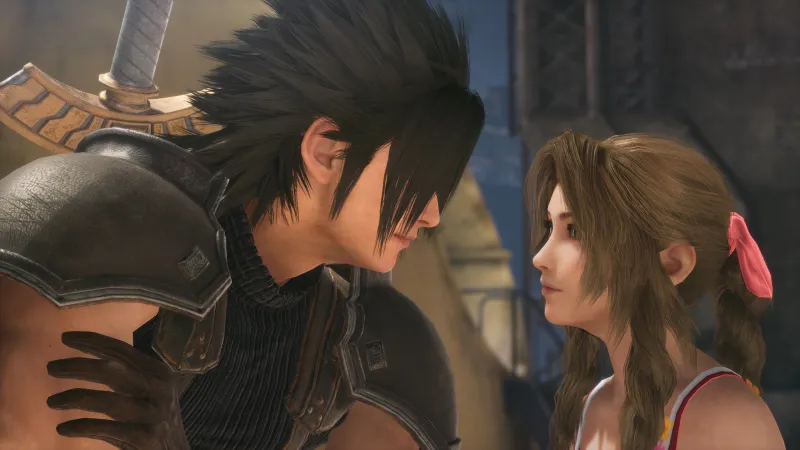
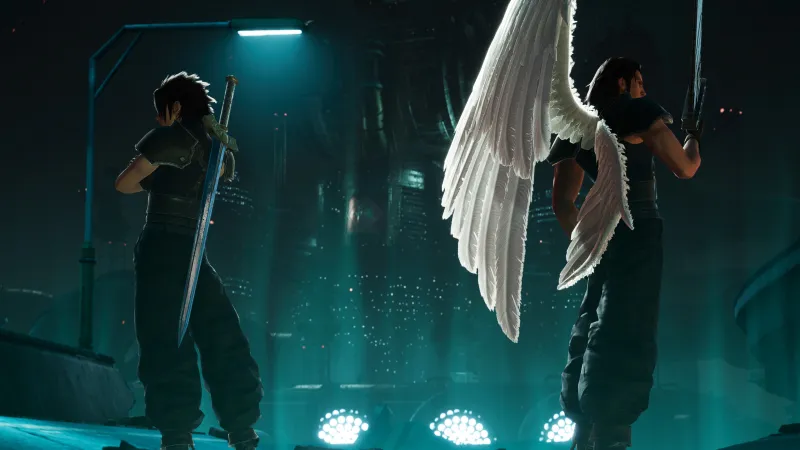
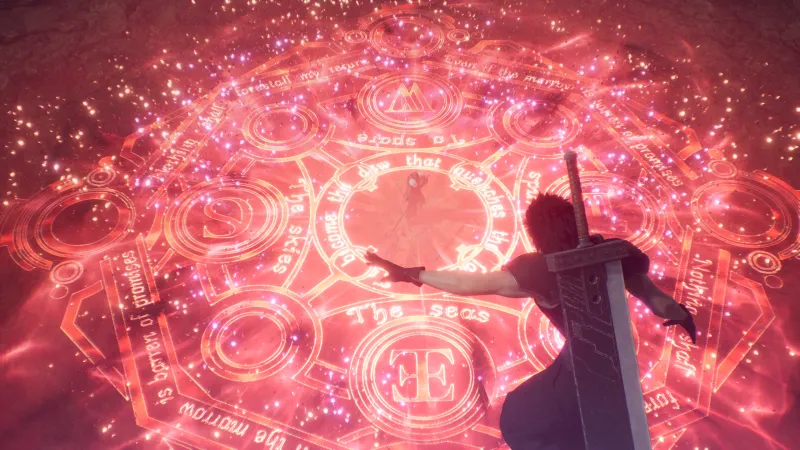
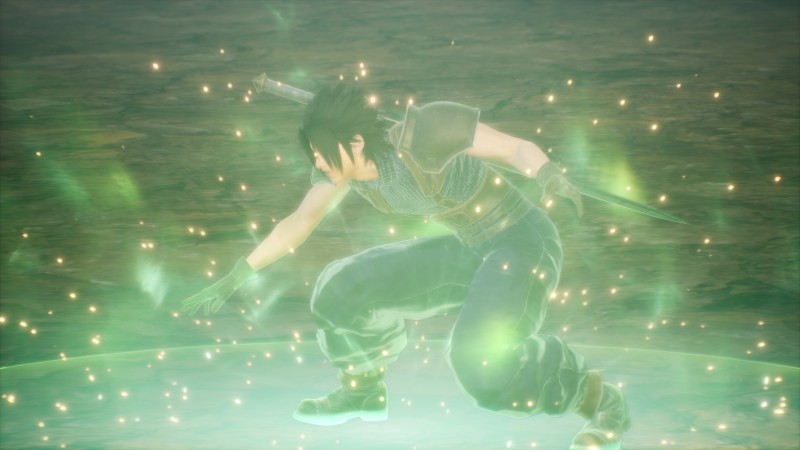
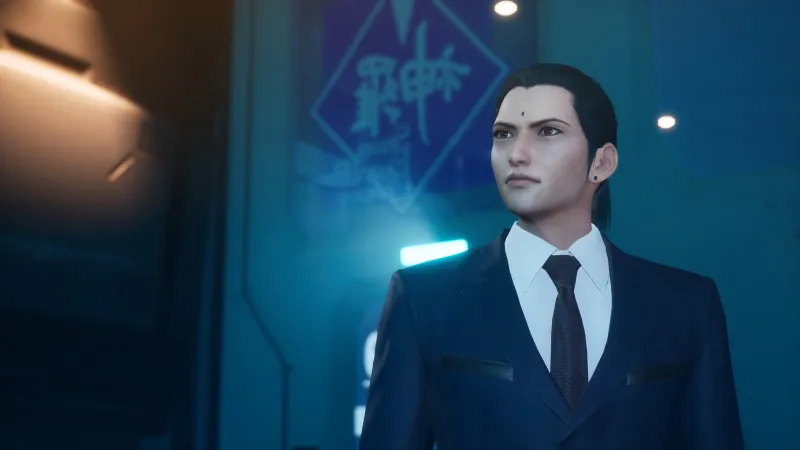
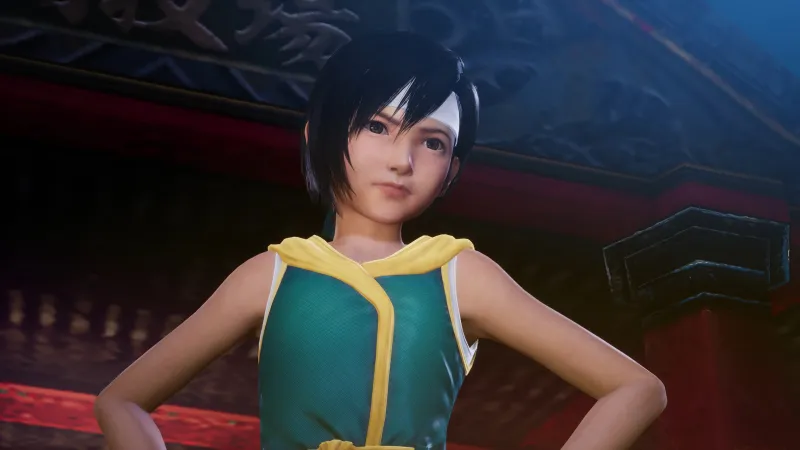
Final Fantasy VII is experiencing a strange identity shift. The ongoing remake is changing the original canon in bold ways while spin-offs like the 2006 PlayStation 2 game Dirge of Cerberus are being folded in for larger roles in the main story. And then there are new spin-offs, like First Soldier, the online mobile battle royale shutting down early next year, and also plans for another remake called Ever Crisis, a mobile game that will reexamine Final Fantasy VII’s timeline. With all that swirling around the Lifestream, Crisis Core: Final Fantasy VII Reunion emerges as a surprisingly faithful remake of the 2007 PSP game that smartly focuses its changes on gameplay while keeping the story intact – warts and all.

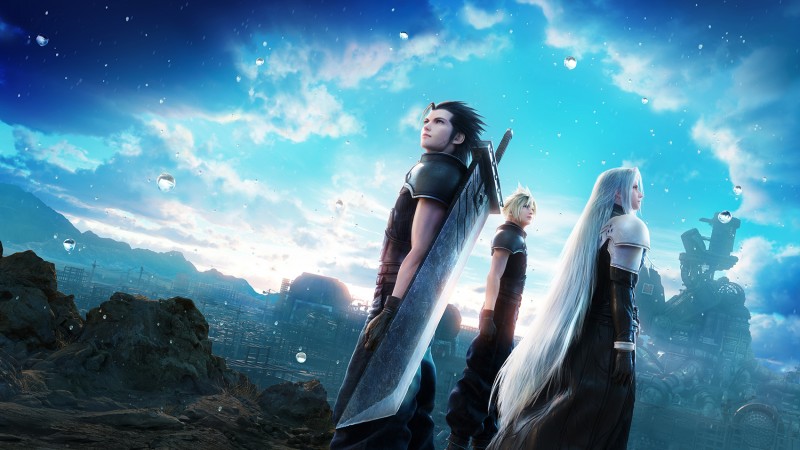
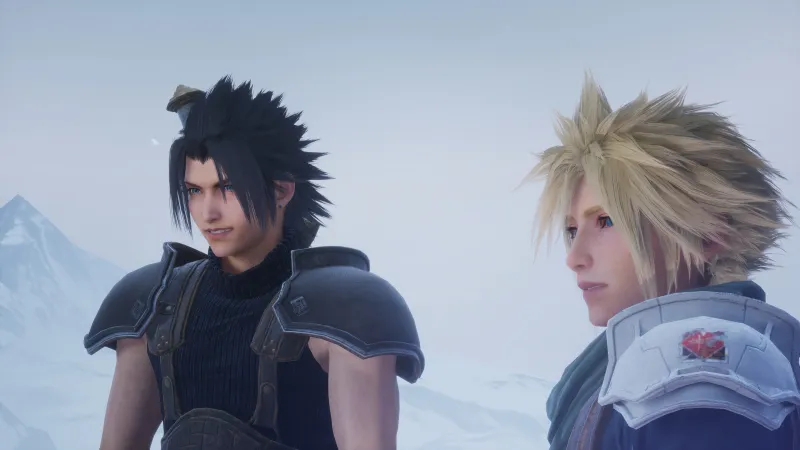
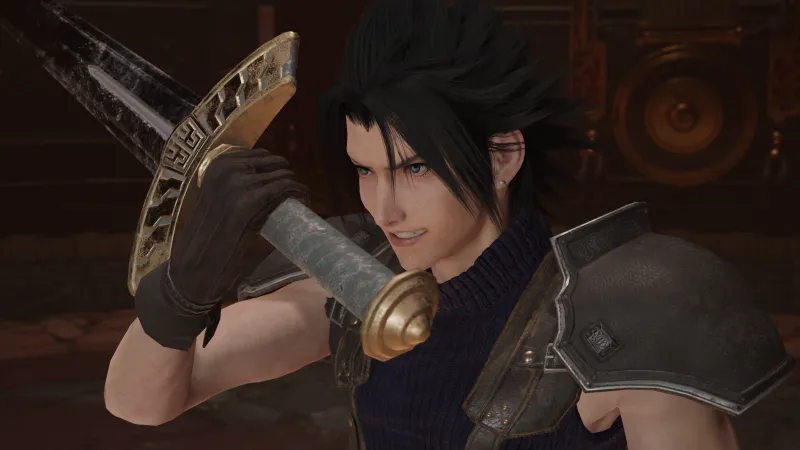
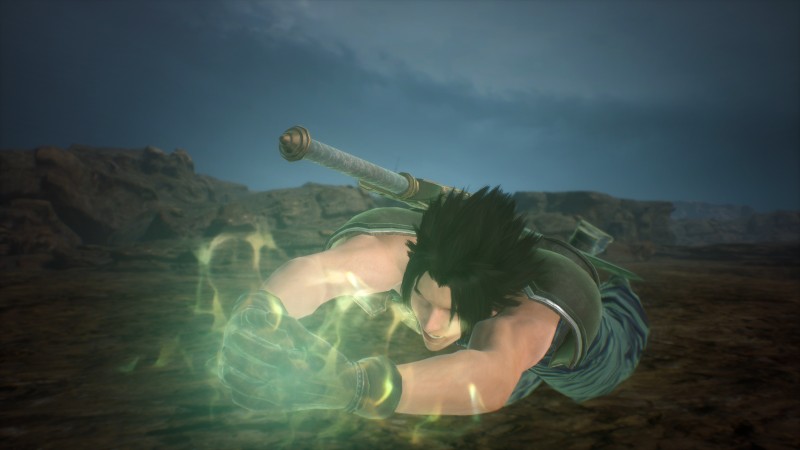
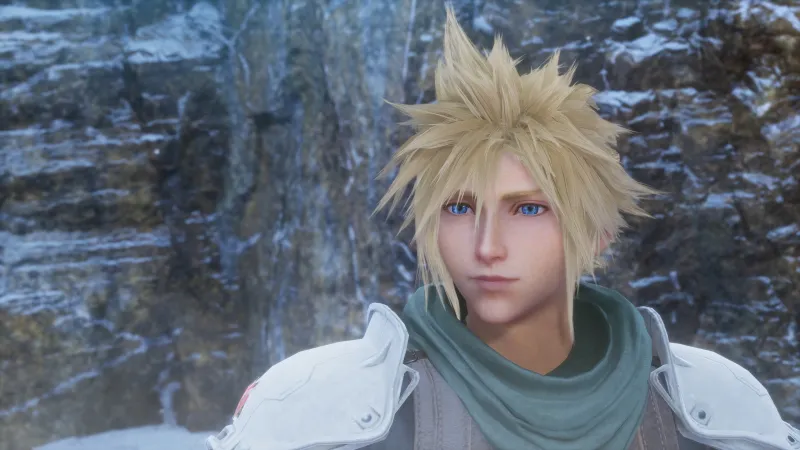
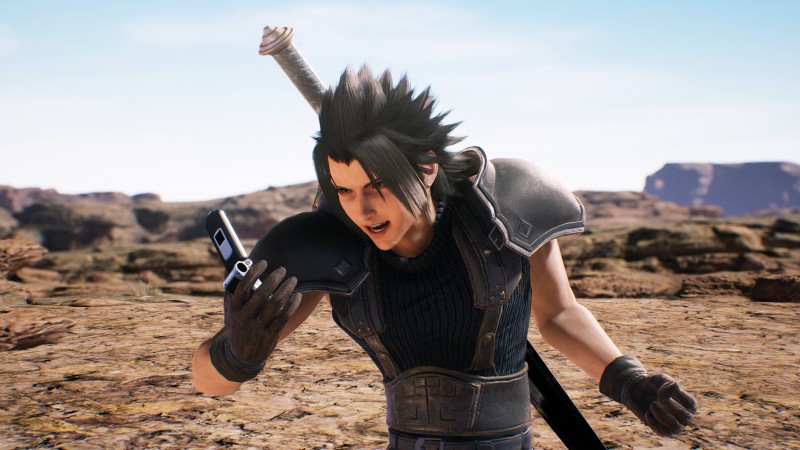
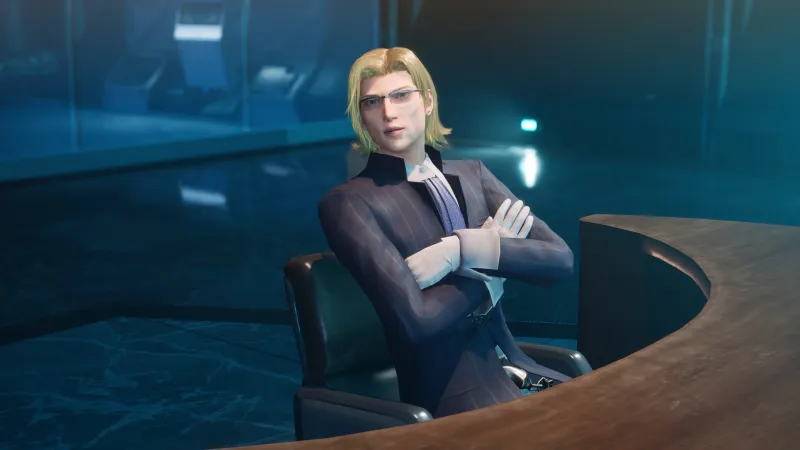
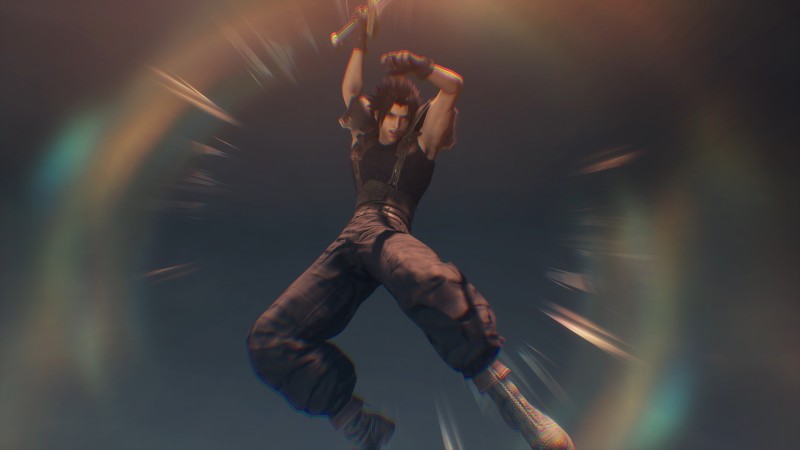
Crisis Core takes place before the events of Final Fantasy VII and follows the story of 1st Class Soldier Zack Fair. For those who entered Midgard for the first time with Final Fantasy VII Remake, Zack’s story is a crucial element of the Cloud and Sephiroth relationship, and playing Crisis Core both illuminates and shrouds Zack’s surprising cameo at the end of Remake. As someone whose main interaction with the universe of Final Fantasy VII was with Remake, I am grateful to learn who Zack is and his whole deal ahead of future entries.

Learning that story, however, is often a chore. Crisis Core has a fantastic ending that leads into Final Fantasy VII in a thrilling way, but the journey to get to that final cutscene, perhaps unsurprisingly, feels like a game from 2007. The updated voice performances are good, but the presentation is stilted and slow. I found myself wishing I could watch cutscenes at double speed as characters awkwardly shifted into different animations during grueling pauses in dialogue. The cadence of conversations is rough, but the new visuals are great and nearly bring it up to the quality of Remake.

That difficult cadence extends to the overall pace as cutscenes often feel interrupted by quick combat scenarios, or a series of combat scenarios feel interrupted by a slow-as-molasses cutscene. Neither appropriately leads into the other, giving the whole game a start-and-stop feeling.

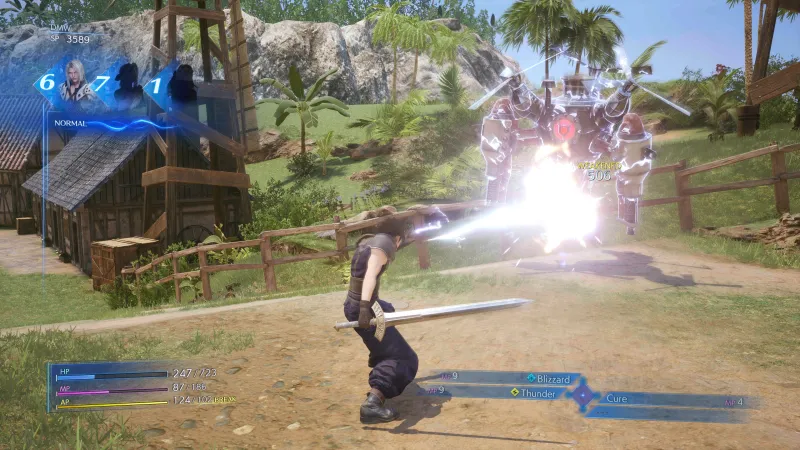
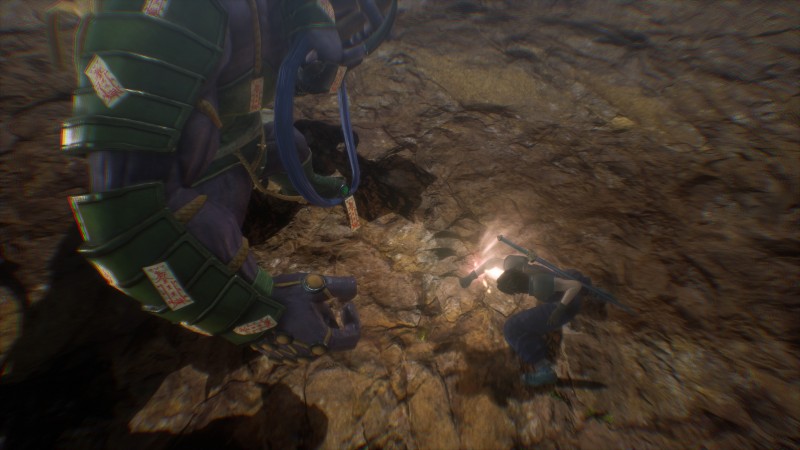
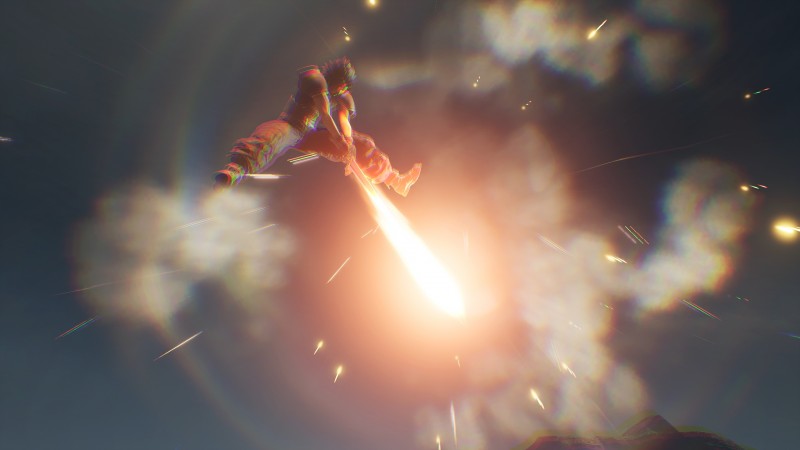
The star of Reunion is those combat scenarios, however, which have smartly received the most attention. Hitting monsters with your sword, executing magic attacks, and calling in special abilities is flashy and smooth. It lacks the impressive versatility and diversity of the excellent combat of Remake, but it looks close enough that you might assume they are similar at a glance.


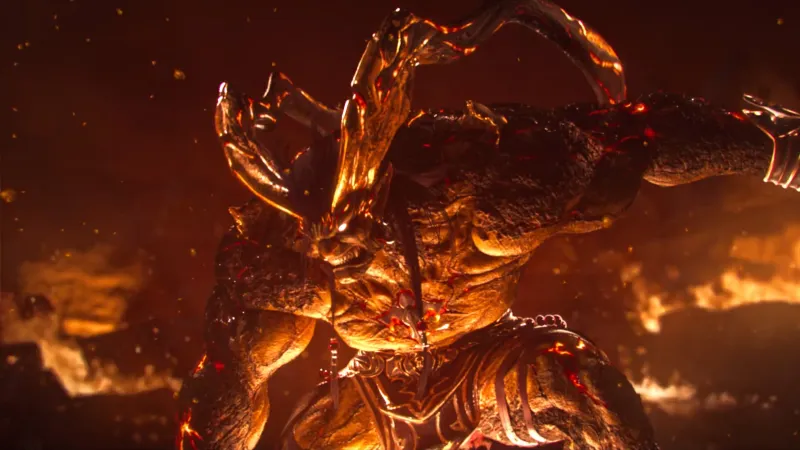
The Digital Mind Wave (DMW) is Crisis Core’s main distinguishing feature that randomly rewards you with powerful attacks or temporary upgrades based on a slot machine constantly running in the corner of the screen featuring characters you’ve met during the story. The benefit of the DMW is sometimes you get access to powerful attacks when you need them most. The downside is it is completely random, so there is no way to use it tactically. On the occasions when I was struggling with a boss or powerful enemy, I would just replay the fight until I was randomly rewarded the opportunity to summon the fire demon Ifrit, or a comparable attack, which is not a satisfying way to tackle an encounter.

For the ongoing Final Fantasy VII re-examination, which Square Enix has officially dubbed the Compilation of Final Fantasy VII, Crisis Core feels like required reading. Its place in the larger story is important and will likely grow in significance moving forward, but making your way through those story moments sometimes feels like a school assignment. Reunion is a well-executed remake of the 2007 game that delivers fun combat alongside a stilted story with an interesting and narratively important final act. If you plan on starting or continuing the Final Fantasy VII Remake journey, make sure to do your homework.
Score: 7.5

About Game Informer's review system

Purchase

Tuesday, December 6, 2022

Atari 50: The Anniversary Celebration Review - A Half-Century Of Gaming History Stuffed Into An Excellent Package

Atari 50: The Anniversary Celebration

Reviewed on: Switch
Platform: PlayStation 5, Xbox Series X/S, PlayStation 4, Xbox One, Switch, PC
Publisher: Atari
Developer: Digital Eclipse
Rating: Teen

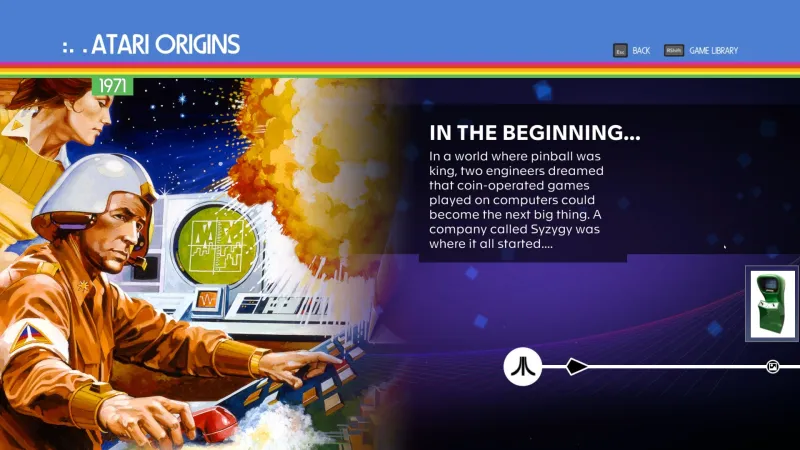
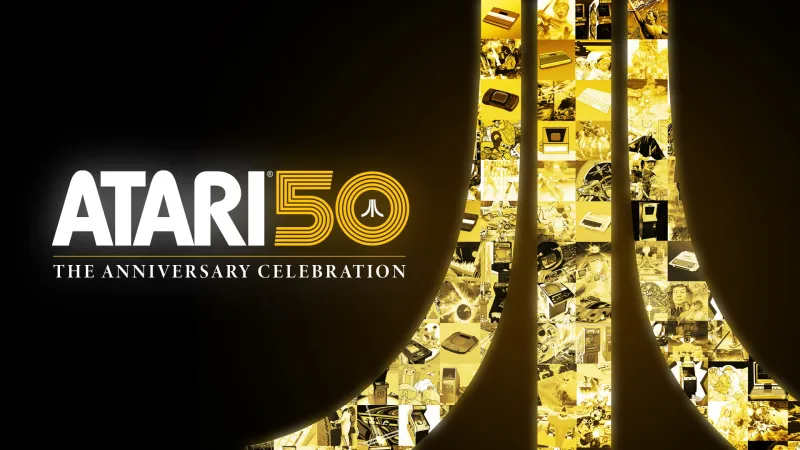
On June 27, 1972, Atari, as we know it today, was born. Well, technically, it was born a few months earlier under the name Syzygy Engineering, but the name Atari started life in 1972. I know this and many more interesting facts about the company because of Atari 50: The Anniversary Celebration, Digital Eclipse's love letter to the gaming giant.
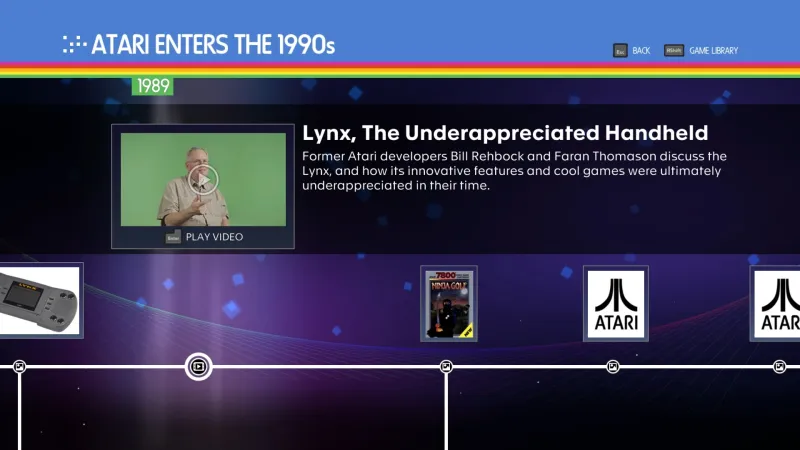
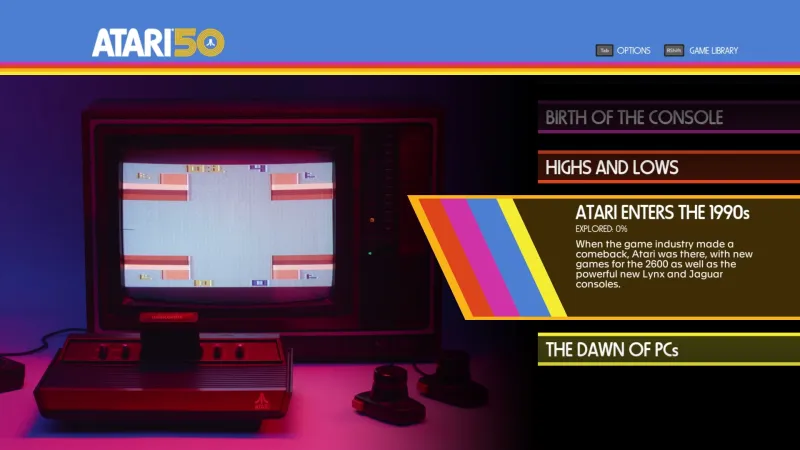
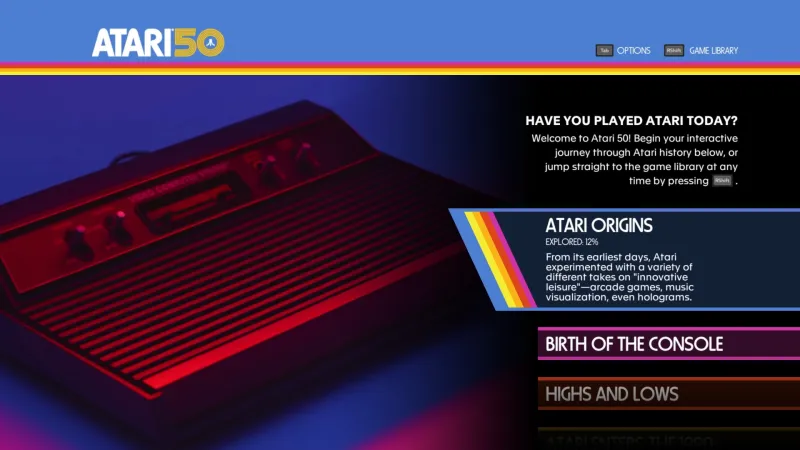
Atari 50 is essentially a playable documentary, walking you through 50 years of Atari's games, home consoles, handhelds, and PCs split into five different timelines. Each of the five timelines focuses on a different aspect of the business, with dates sometimes running concurrently. Each one is packed with videos, images, design documents, and more. It's a museum exhibit in a box and a delightful one to boot.

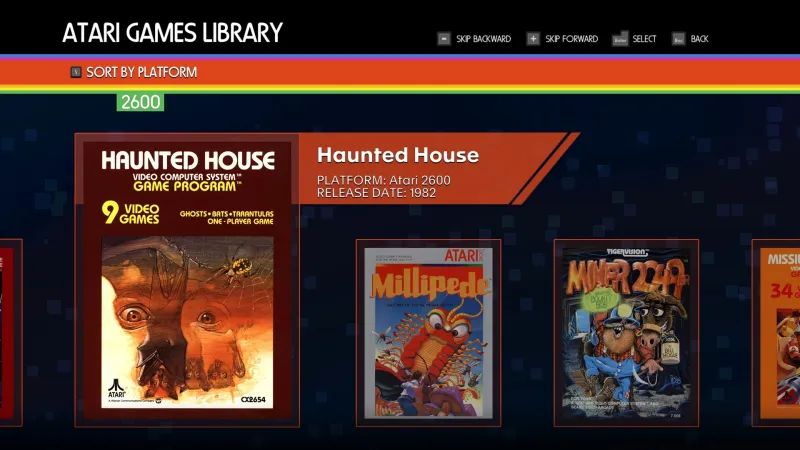
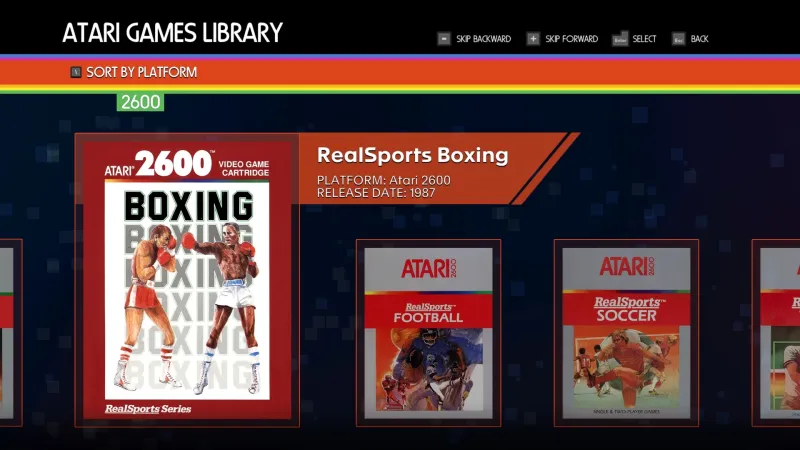
This magical history tour contains an astounding 103 playable games, from the original 1972 arcade version of Pong to a selection from the Jaguar and Lynx, Atari's final home console and handheld, respectively. Each is a 1:1 port as if Digital Eclipse ripped the motherboards from the machines themselves and transferred the game into my console. While there are plenty of old favorites like Asteroids, Breakout, and Adventure, I found some of the lesser-known titles, like Quantum and I, Robot, fascinating in their own right.


Not content to simply port over old titles, Digital Eclipse included a handful of other titles elevating this collection to the stratosphere. Two separate homebrew games appear in the story, one for the Atari 800 PC and the other for the Atari 2600, which showcase just how much can still be done with older consoles in the present day. Seeing a game company even acknowledge the homebrew scene is rare, but for Atari and Digital Eclipse to embrace the community enough to include it here is wonderful. 

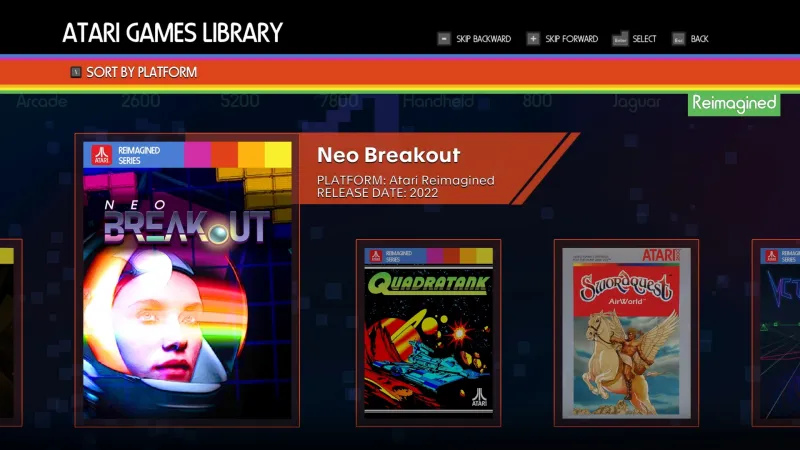
However, it's Digital Eclipse's own creations that steal the 50th-anniversary show. The Reimagined series includes seven old-school Atari games rebuilt by the team for the modern age, and seeing these older games is wonderfully nostalgic. Haunted Houses is my favorite reimagining, as the defined 3D environment completely transforms the original experience. Yars' Revenge Enhanced is also very good, even though it doesn't stray as far from the original.

I must include one important caveat: these are Atari games in their original form, meaning they are as rudimentary as classic games get. Some games have the lifespan of a mayfly, while others – the multiplayer games in particular – have more to offer. Even the Reimagined set, while well-crafted, may only last 15 to 20 minutes per session. This is a collection of quick hits, and it doesn't take very long to get through the 100 games included in the library, meaning your mileage may vary from a replayability standpoint.

Outside of the game library, the love and care Digital Eclipse put into this project is unmistakable, as is evident by some of the relics it has included in each of the timelines. The hundreds of photos, old box art, and videos offer an incredible look back at what Atari was at the height of its powers. The old 1980s-era TV commercials are particularly notable; seeing a child express excitement for E.T. is hysterical in hindsight. 

Some of these inclusions go above and beyond. Take The Swordquest series, which had three released games and a fourth that never launched. Back in the day, each game was bundled with a small comic book that not only told the story of the game, but also gave clues on how to solve the puzzles within the corresponding game. Atari 50 includes each one of those comics in their entirety so you can get the full experience and benefit from those clues. 

As for that fourth unreleased Swordquest, Digital Eclipse found the design concepts from the series' creator Tod Frye, built it from scratch, and included it as one of the seven "Reimagined" games. To say that this collection is thorough is an understatement, and Digital Eclipse's respect for the source materials is noticed and appreciated.

My favorite part of the historical inclusions are the dozens of video interviews with not only members of the Atari team throughout the years but other prominent game developers across the industry. Notable Atari alumni featured include company founder Nolan Bushnell, Al Alcorn who is credited as the creator of Pong, and programmer Eugene Jarvis. Other featured names include Double Fine's Tim Schafer and Gears of War creator Cliff Bleszinski. Each interview adds new stories, anecdotes, and a bit of technical wisdom to the legend of Atari, while giving the whole collection that special documentary feel, with little moments of explanation peppered throughout a treasure trove of digital artifacts. 

With Atari 50: The Anniversary Celebration, Digital Eclipse has set a new bar for future historical compilations in video games. It's a digital traveling museum exhibit, as the game bursts at the seams with nostalgia thanks to more than 100 playable games and hundreds of relics from the developer's vault. While a good amount of the games offered will pass by quickly, those brief life spans cannot weigh down the amazing historical value of Atari 50, and I hope Digital Eclipse has more wings of its digital history tour opening in the coming years. 

GI Must Play

Score: 9

About Game Informer's review system

Purchase