Pages

Tuesday, January 31, 2023

Colossal Cave Review - A Reimagined Excavation For The Ages

Colossal Cave

Reviewed on: PlayStation 5
Platform: PlayStation 5, Xbox Series X/S, PlayStation VR2, PlayStation 4, Xbox One, Switch, PC
Publisher: Cygnus Entertainment
Developer: Cygnus Entertainment

The story of Sierra Entertainment is as timeless as its catalog, which includes multiple influential game changers. Iconic titles like Phantasmagoria and King’s Quest unlocked the code of possibilities for both developers and players, proving anything in your imagination can materialize in a video game. The ideas and dreams of Roberta and Ken Williams influenced so much of game development and publishing that it feels like a gift from the past to receive a 3D re-interpretation of a black-and-white text adventure game that ultimately gave life to Sierra.

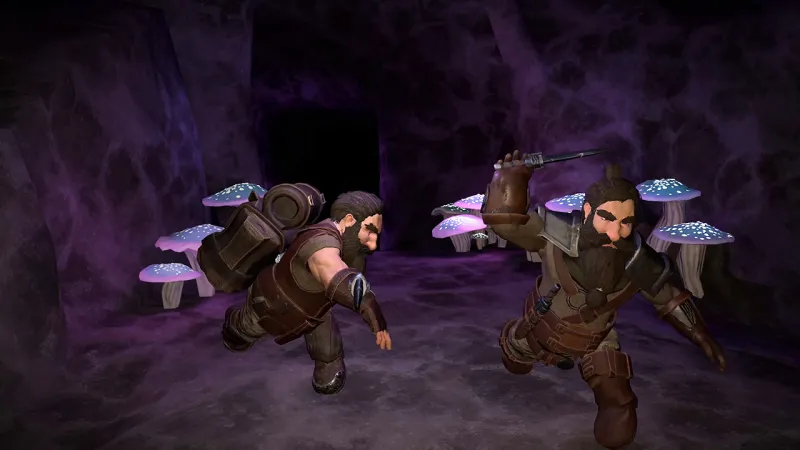
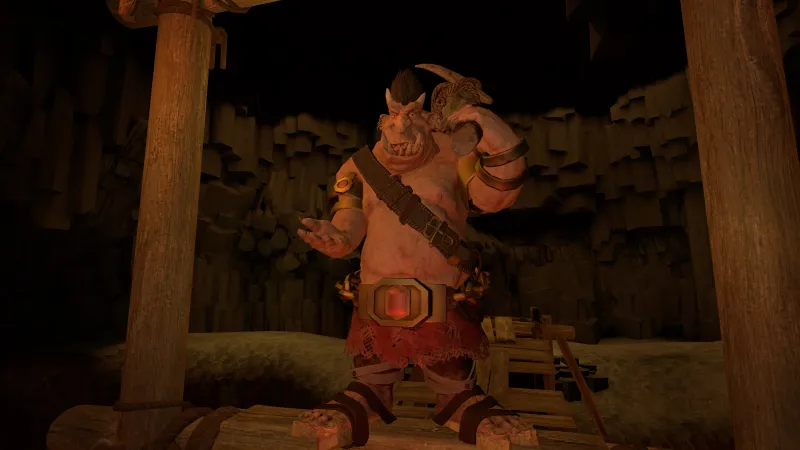
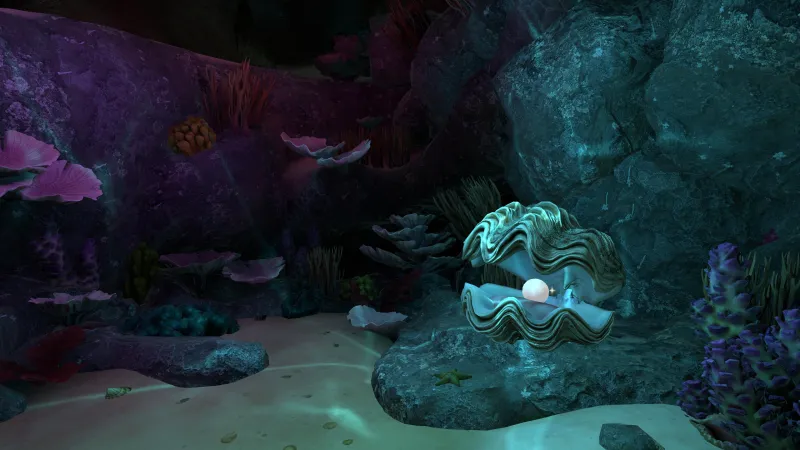
The original title, 1976’s Colossal Cave Adventure, is already one of the most influential games ever, but Roberta and Ken interrupting 25 years of retirement to transform a text adventure into a brand-new experience is as inspiring as it is exciting. This new version of Colossal Cave is one of the most articulated text adventure games, a style it retains despite the new magical realism and storybook art style. A journey that takes place across the mysterious caverns buried beneath a seemingly isolated island, Colossal Cave remains powered by the text adventure playset tools and rules.

It’s impossible to separate the 47 years of distance between the two titles. Colossal Cave Adventure may as well be the bedrock in which the 2023 release is carved, but Colossal Cave is an exciting adventure waiting to be had by anyone okay with the dust and debris from all the game design excavations. You’re still solving text adventure problems but with intuitive controls, ambient music and sound effects, and a lantern of 3D graphics to light and guide your path. 

Exploring the caves and isolated island above is a colorful journey full of treasure, magic, and wonder. Players are tasked with achieving the highest point total (of a possible 350) by collecting special treasures while uncovering the secrets and mysteries underneath the eponymous cave. Like the original, you’re likely to regularly get lost while utilizing trial-and-error tactics to find the next treasure or way forward. It always feels like you’re three steps behind, but with enough time and walking, you’ll eventually find your way. 

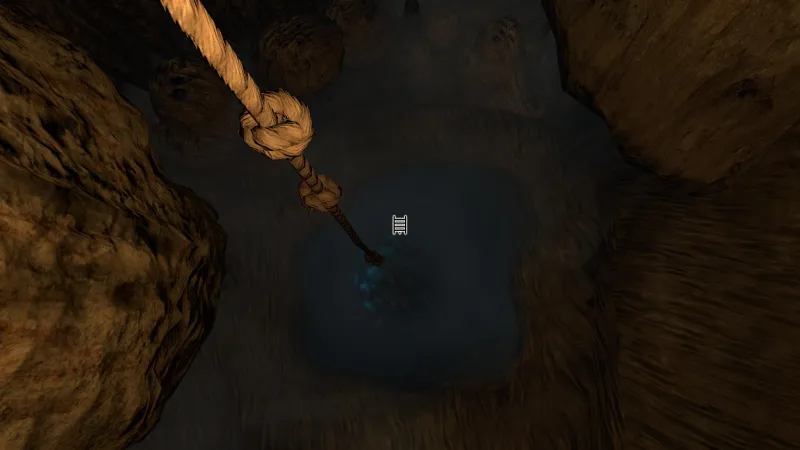
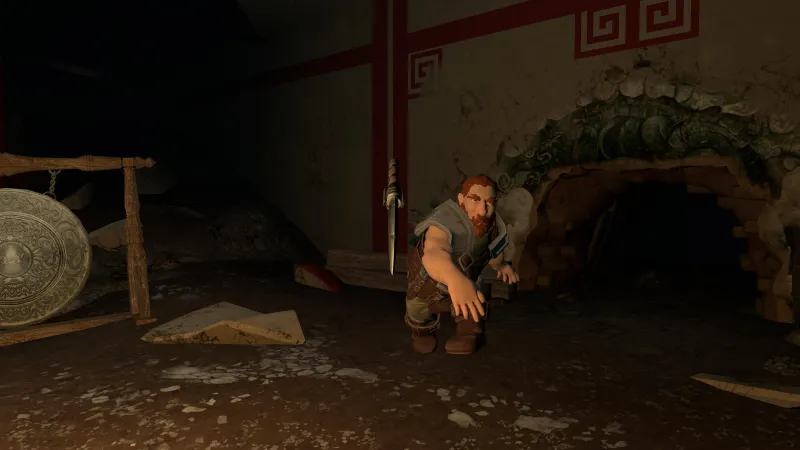
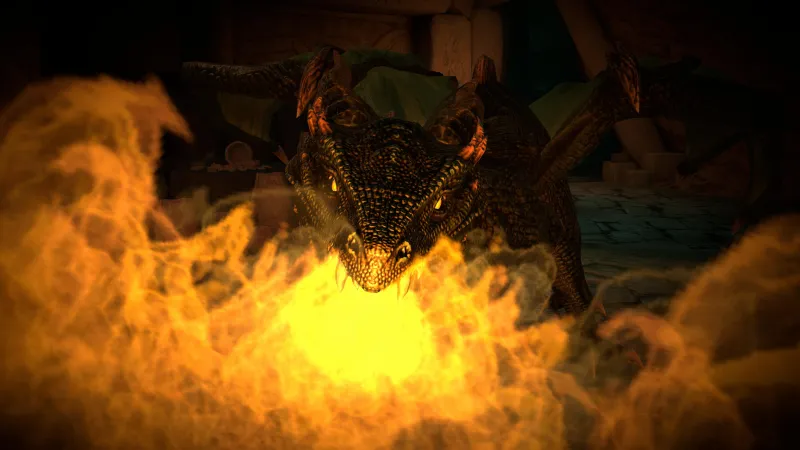
Colossal Cave has players climbing ladders, opening doors, and, yes, even battling a dragon, all while completing as many crucial actions as possible. Colossal Cave retains a classic adventure game bump in that situations, characters, and items don’t always work intuitively, making it a test of patience for any stranded explorers. Though piecing the puzzles together can be confusing, I always felt properly rewarded and excited when I finally found the solutions. Seeing a massive, hissing snake vanish after completing one puzzle was a thrill. However, with little instruction or hint toward the solution, it took me a frustratingly long time to realize I needed to drop my recently acquired Black Wand before I could proceed. 

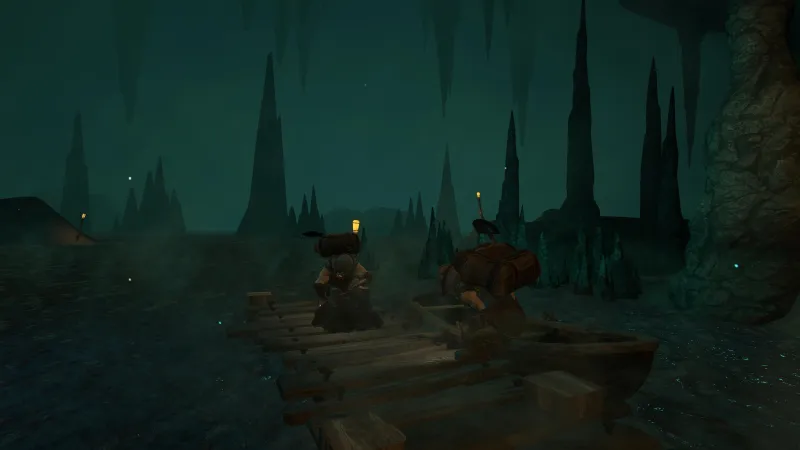
In an age of having nearly every objective displayed on a HUD, it was refreshing to walk down the streams and through the darkness of Colossal Cave. I didn’t always know where to go or what to do, but I kept exploring and playing. I found myself lost a lot, but I always managed to find a weird item or path forward that gave me enough to continue. 
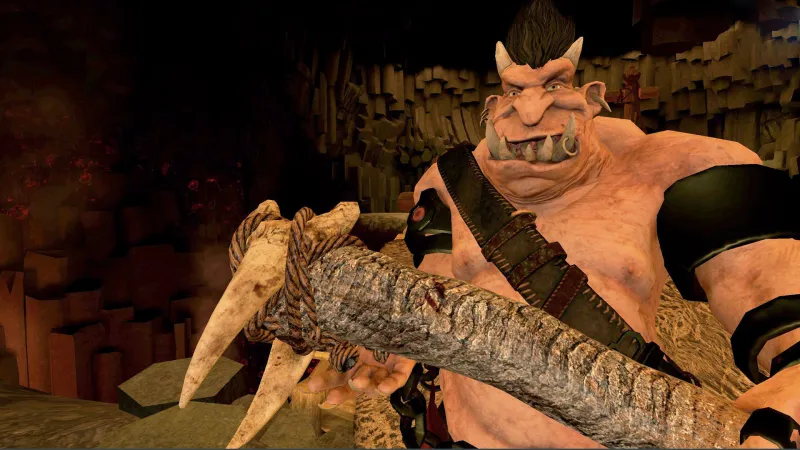
 

For all its charm and flaws, Colossal Cave is a warm “Sierra” passion project that takes you to a simpler time when you were just dropped into a game with only an idea of what’s to come. All you know is what you’re told at the start: You’re exploring a cavern to see sights and collect treasure. It’s only at the end that you learn about the cute frame narrative wrappings. Exploring and finding treasure is fun nonetheless, but Colossal Cave tucks some immersive sim elements that add just a little more mystery at the end of the tour.

Cygnus made Colossal Cave with VR in mind, but playing it outside VR sacrifices little. The sound effects, ambient noise, and graphics all meet at the perfect intersection for technological compromises and art style. This should help the title remain even more timeless than the original adventure from all those years ago. 

Colossal Cave isn’t for everyone, but it’s like a slow and meticulously designed theme park ride, all built around an old text adventure game, making for a fascinating experience. Whether you play it or not is probably more up to your personal sensibilities, but Colossal Cave remains an immersive excavation that’s more than worth the trip, even with all the old screws and rusty bolts binding the two periods of game history together.

Score: 8

About Game Informer's review system

Purchase
Monday, January 30, 2023

SpongeBob SquarePants: The Cosmic Shake Review – Not Quite A Sweet Victory

SpongeBob SquarePants: The Cosmic Shake review game informer

Reviewed on: PlayStation 5
Platform: PlayStation 4, Xbox One, Switch, PC
Publisher: THQ Nordic
Developer: Purple Lamp
Rating: Everyone 10+

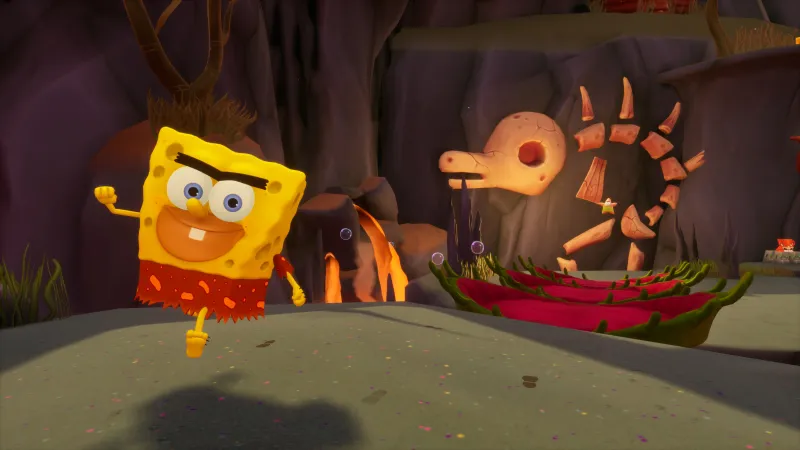
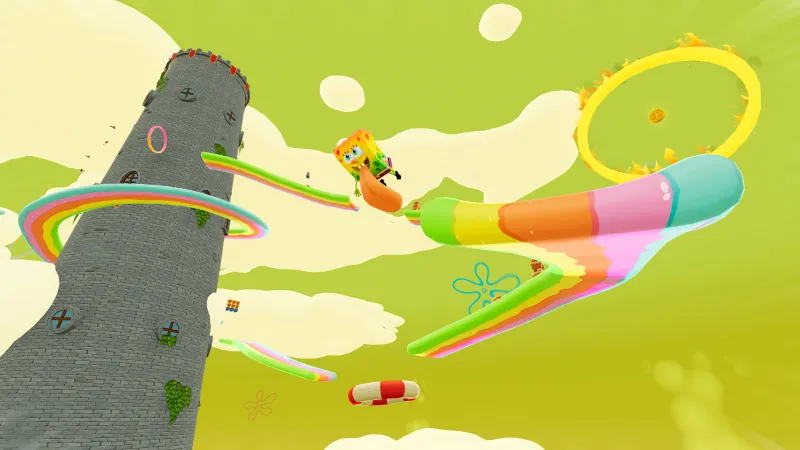
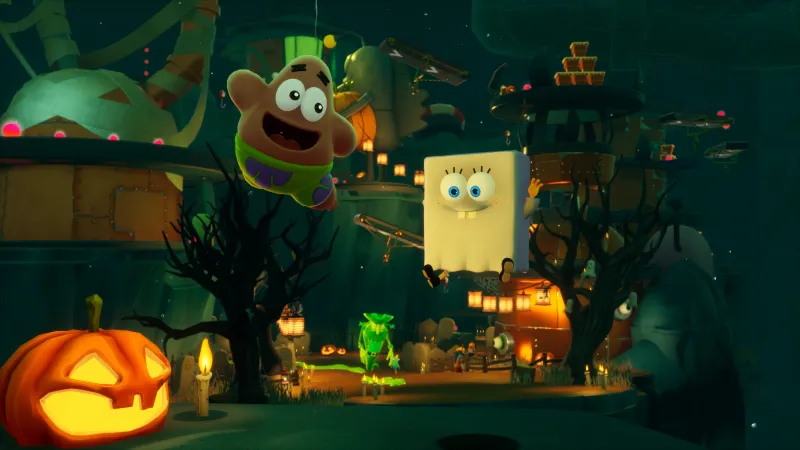
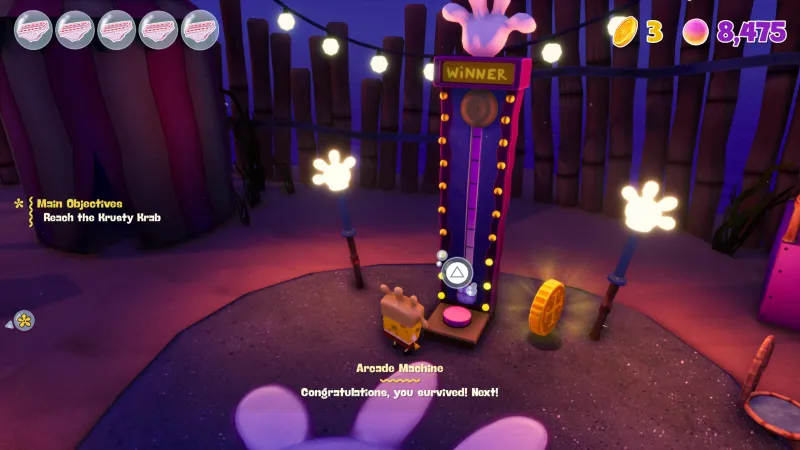
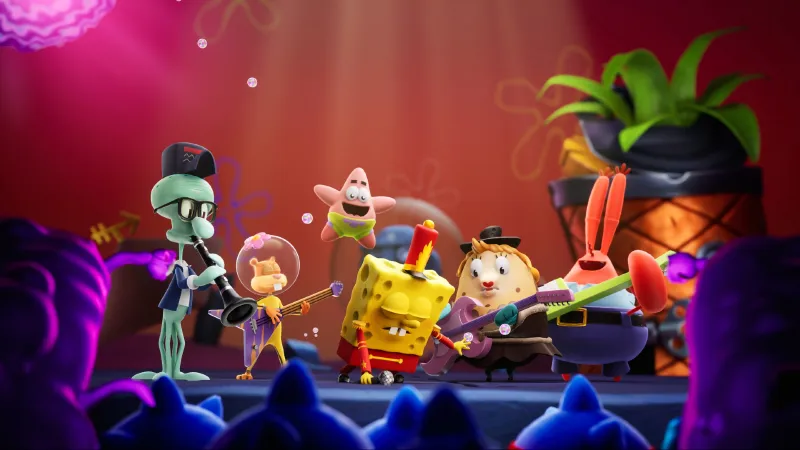
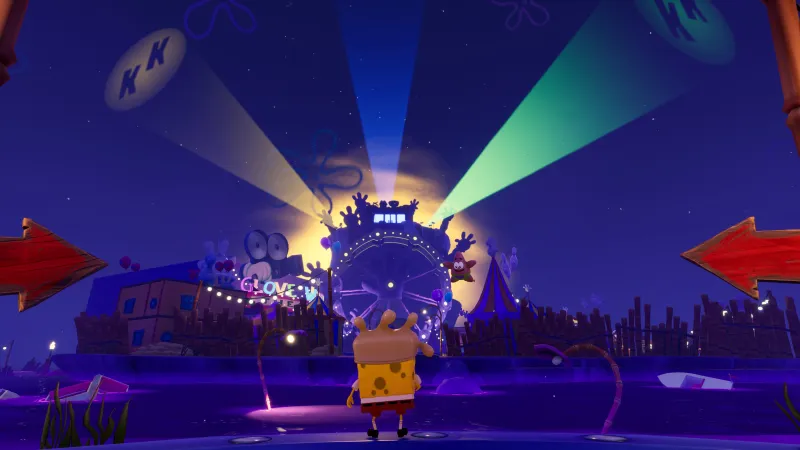
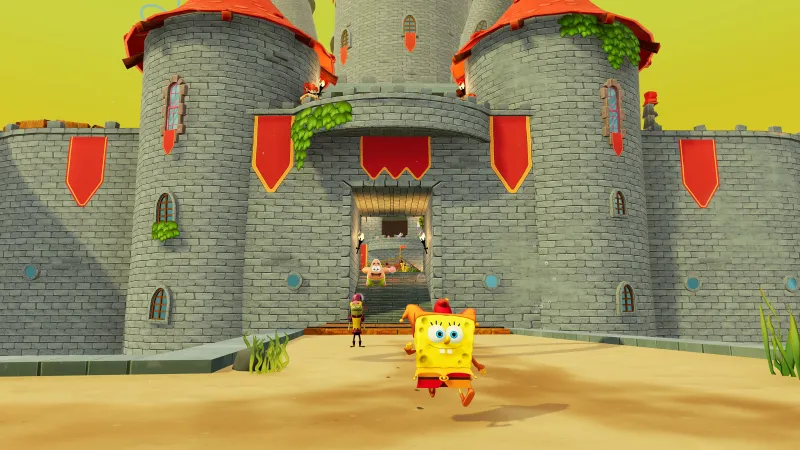
SpongeBob SquarePants: The Cosmic Shake feels like a game of yesteryear, in both good and bad ways. It’s a nostalgic romp through themed levels that feel more inspired than just another platforming tour through Bikini Bottom. It does a great job highlighting why people that grew up with SpongeBob SquarePants loved the show, and why people still love it today. At its best, the gameplay is decently fun, but at its worst, it’s mindlessly dull. This, coupled with a few bugs, like one that caused music to disappear completely, or the three hard crashes I experienced, keep this sponge’s latest adventure from going beyond anything more than average.

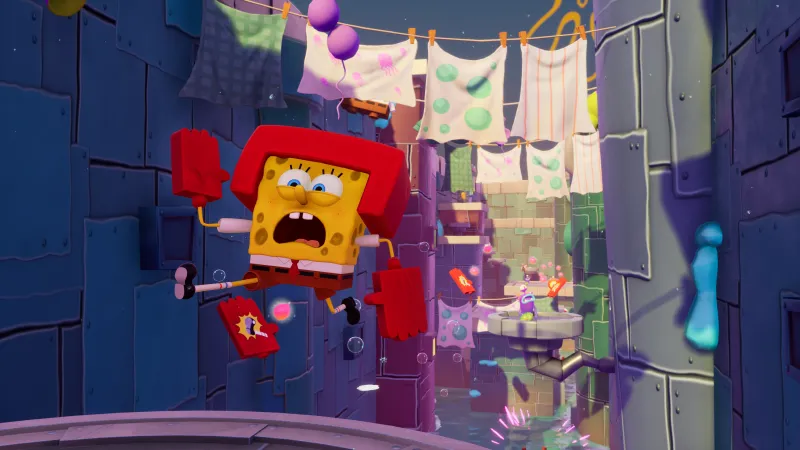
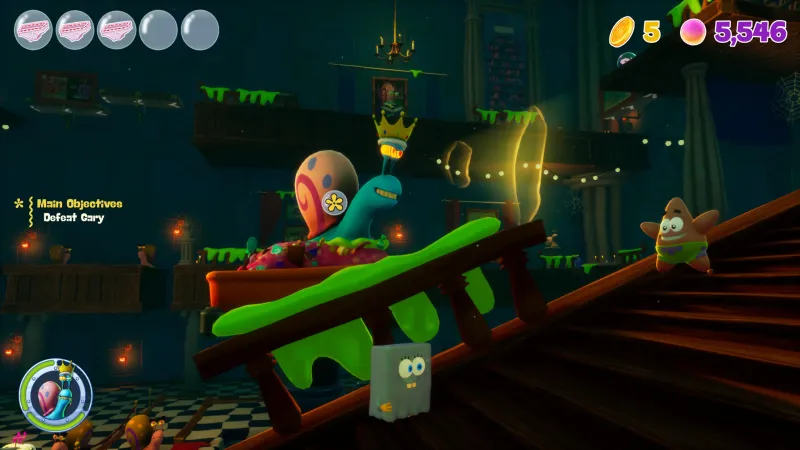
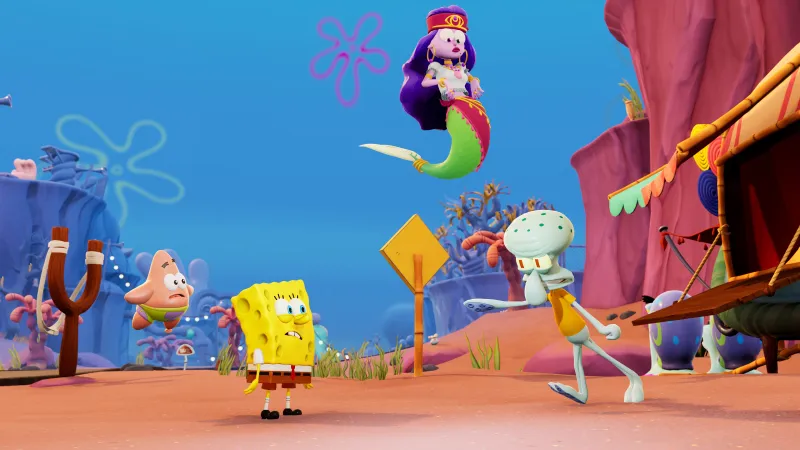
Mermaid fortune teller Kassandra is in Bikini Bottom, and she gives SpongeBob and Patrick a vial of magical bubble soap that cracks open the underwater multiverse, bringing chaos to Bikini Bottom. It’s up to SpongeBob to rescue his friends by visiting various worlds in an effort to restore the city to its former glory. These themed locations take SpongeBob on pirate adventures, to the wild west, medieval times, and more. These levels were among the highlights of my roughly 10 hours with The Cosmic Shake. Purple Lamp does a great job recreating the world of SpongeBob in these themed biomes, and it was neat seeing how different classic characters got on in them. 

Mr. Krabs is a money-hungry corsair in the pirate-themed world, while Mrs. Puff runs the seahorse riding school in the wild west level. That the show’s actors voice these characters adds a premium touch to every interaction. And perhaps ironically, the best writing in the game is the original work by Purple Lamp, with multiple instances that made me laugh out loud (Patrick’s trademark dead-pan naivete being the standout). When Purple Lamp forced specific references to the SpongeBob SquarePants show, though, I grew either bored or outright annoyed at the writing. Hearing SpongeBob sing the Krusty Krab Pizza song, an unironic banger, the first few times was cute, but hearing him sing it randomly while I platform around a Hollywood-esque movie set for the tenth time is anything but. 


The platforming in The Cosmic Shake starts and ends rudimentary, but I don’t mind it – aimed at children, this level of difficulty feels appropriate. I jump, glide, body slam, and karate kick my way through simple platforming sequences, defeating enemies with an equally rudimentary combat system. I do this using a standard jellyfish-catching net swing, SpongeBob’s body slam, or a karate kick. Combat is unremarkable throughout the game. Unless forced into it, I only defeat who I need to and move on. 

When I’m not fighting against jelly creatures from the multiverse, I’m collecting jelly scattered around each level and within tiki crates, which I use to purchase one of a couple of dozen costumes, or I’m tracking down gold coins, golden spatulas, or some other item. Getting through each level’s main objectives is a breeze – go here, do this, and fight a boss at the end. But side objectives from various Bikini Bottom residents give reason to jump back into each level to collect more, and it’s here I found the most challenge. I do wish more of this challenge was present in the main objectives, though. 

Purple Lamp showcases a clear adoration for SpongeBob SquarePants, with jokes, deep cuts, and characters that brought me back to my childhood. And when they weren’t forced or overused, they worked well in the narrative. I especially loved hearing that one fish scream about his love of chocolate, and hearing “My leg!” brought me great joy. When The Cosmic Shake is at its best, it sounds, looks, and plays like the kind of game I would have begged my parents to buy me growing up. But when it falters, it’s boring. It’s a game I recommend to fans of SpongeBob SquarePants with ease; for those looking for a great platformer, though, better options lie elsewhere in the sea.

Score: 7

About Game Informer's review system

Purchase
Thursday, January 26, 2023

Dead Space Review – To Remake Whole Again

Dead Space remake review

Reviewed on: PlayStation 5
Platform: PlayStation 5, Xbox Series X/S, PC
Publisher: Electronic Arts
Developer: Motive Studio
Rating: Mature

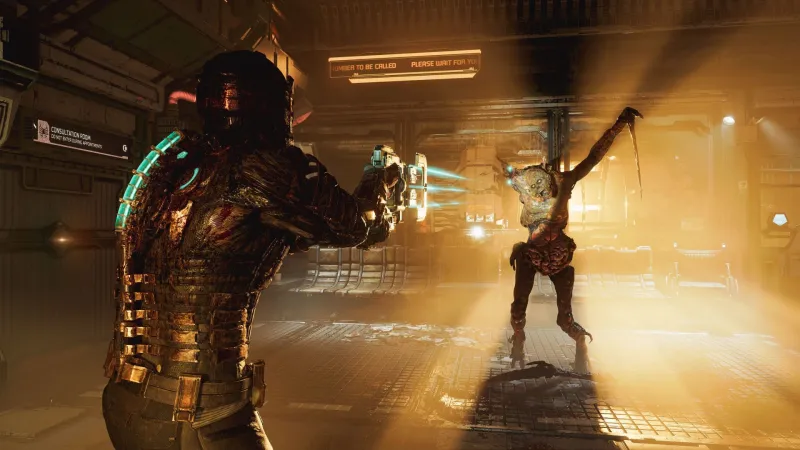
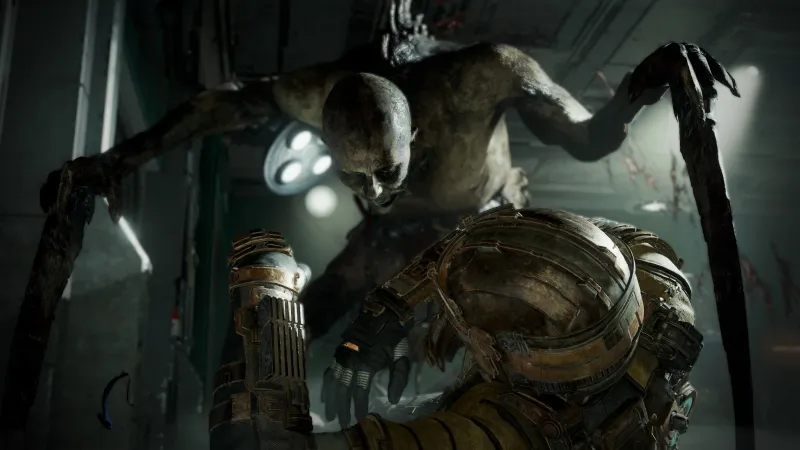
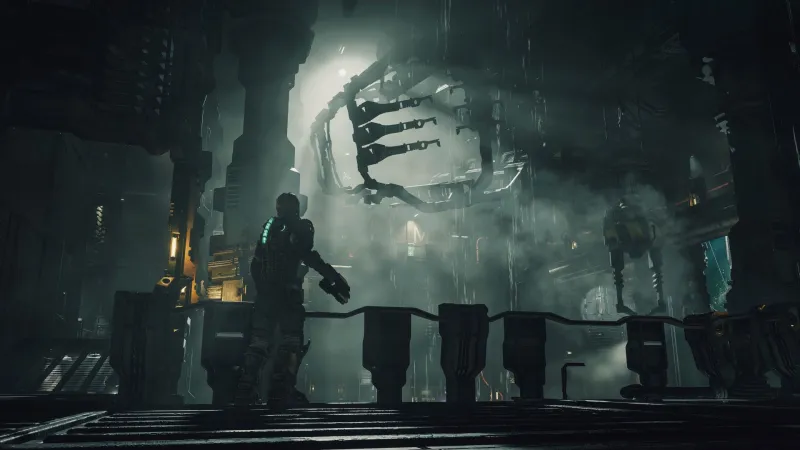
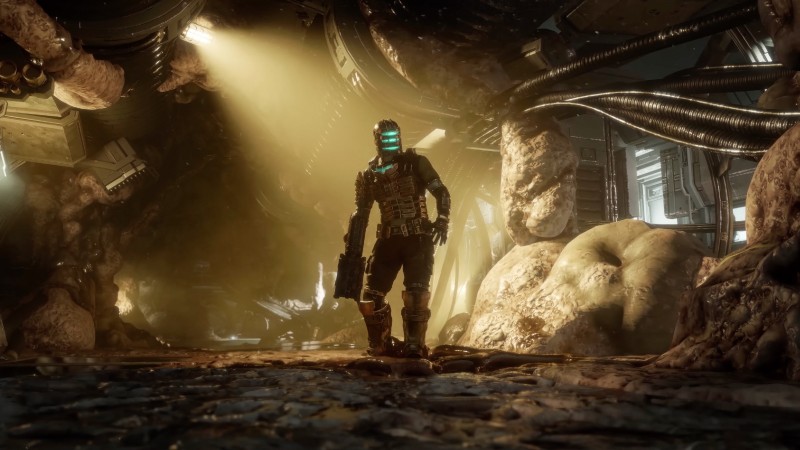
Like a necromorph reanimating the dead, Motive Studios has revived Dead Space and made it stronger and more terrifying than before. This renovation of the 2008 horror classic restores it beyond its original glory. The dismemberment-focused gunplay feels great, it looks even better, and while other noteworthy changes may not feel as substantial as some other remakes, they’re welcomed expansions to the existing template. The result is a remake that faithfully recaptures the magic of its predecessor while amplifying the elements that made it beloved in the first place. 

Dead Space's story centers on engineer Isaac Clarke joining a small team to answer a distress call from the USG Ishimura, a massive mining ship designed to “crack” planets and siphon their precious minerals. An outbreak of vicious aliens called necromorphs has ravaged the Ishimura thanks to their ability to transform corpses into members of its ranks. In addition to stopping this extraterrestrial menace and untangling a conspiracy centering on a theistic cult, Clarke must also uncover the fate of his girlfriend, Nicole, a doctor stationed on the ship.

The story from the original is largely intact, but with some key elements either remixed or expanded with greater context based on lore established later in the series. Outside of tightening continuity and adding welcomed background on side characters, these differences don’t dramatically alter the story’s flow or events. The exception is a surprising change to a memorable moment later in the game – a rework that makes more sense in context to the point that I now prefer it over its original incarnation. 

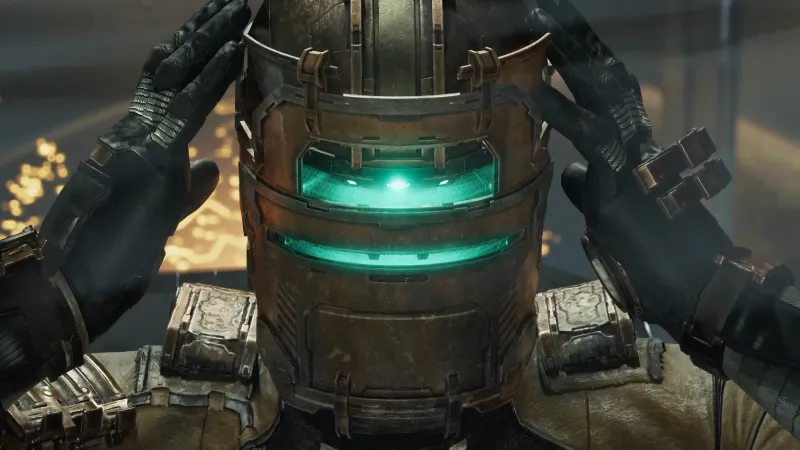
Another prominent narrative difference is that Isaac now talks, voiced by the same performer who brought him to life in the Dead Space sequels. As in those games, the plot benefits from Isaac feeling more like a real person instead of a silent errand boy. Plot twists and revelations hit harder now that he can believably react to them. Motive also did a good job weaving his new dialogue into the existing script, which remains unchanged in most instances. A few performances, though, namely Hammond’s, fall flat in a way that feels preserved from the late 2000s. 

The improved presentation turns Dead Space, already a looker in its day, into a gory feast for the eyes. The Ishimura and its mutated inhabitants look great, and traversing the blood-stained corridors is even more harrowing thanks to the show-stealing lighting. Whether you’re blanketed in pitch darkness with only your weapon’s flashlight for illumination or basking in the eerily warm glow of planet Aegis VII orbiting outside a window, the lighting serves as the presentational glue that makes this graphical facelift work. The sound design also deserves a shout-out, offering a fair share of devious audio tricks and new hair-raising necromorph groans and screams. 

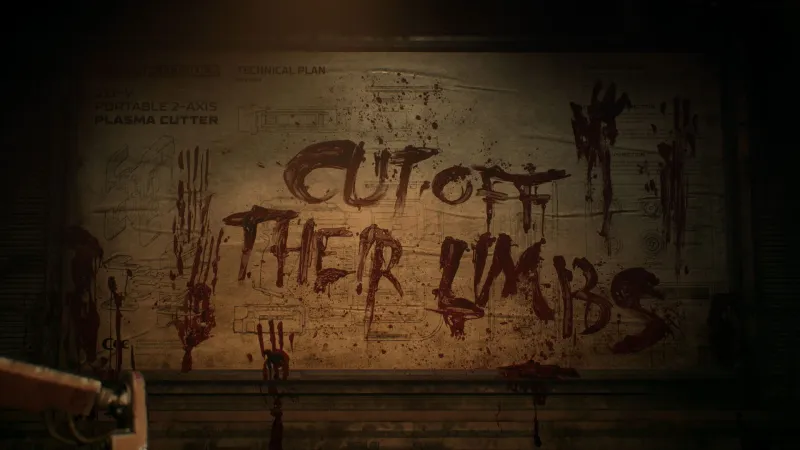
Combat feels familiar, though the reworked controls are more in line with modern third-person games. For example, Issac can run by clicking the analog stick rather than a shoulder button. The trusty plasma cutter and other weapons pack a satisfying punch, especially if you’re using the PlayStation 5’s DualSense features. Dismembering limbs is more satisfying and strategic thanks to the new necromorph damage system, in which layers of skin, muscle, and bone fall apart. This system better showcases the damage and exposes weak points. For example, I loved engulfing enemies using the flamethrower, then pinpointing charred, exposed bones to slice apart with my cutter.  

The wide array of enemy types from the original return in full force, and they're still fun and often challenging to take apart. Using the time-slowing stasis to stop an attack before it connects or using kinesis to pick up and impale necromorphs with stray objects, including their own amputated sharpened limbs, feels as awesome now as it did 14 years ago. It helps that rooms pack more props and environmental weapons to fling around, such as gasoline and stasis tanks.

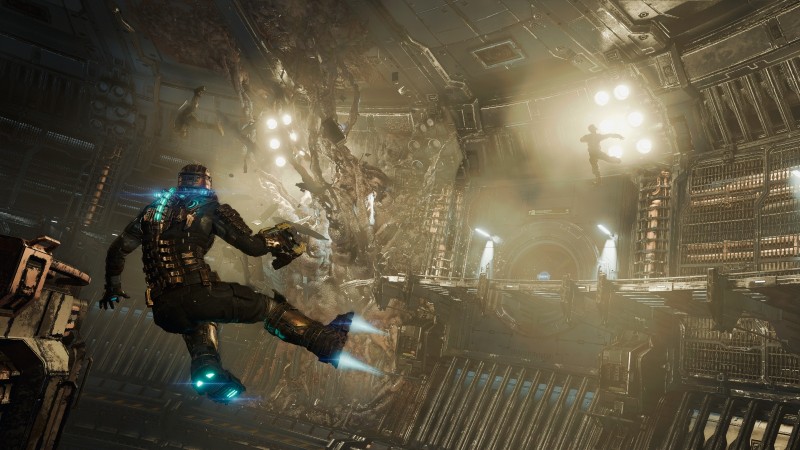
Unless you finished the original game recently or replayed it enough to intimately know its map, the level design changes probably won’t leap out as suddenly as a necromorph ambush. The Ishimura's many rooms and layout remain generally the same, but have been expanded. Most notably, you can access certain areas without riding the tram car. This change helps make the ship feel more organically connected. The tram still exists for those who want to quickly travel between sections necromorph-free. I was lukewarm on some of the zero gravity sections in the original, where you use the suits rockets to propel yourself through weightless, sometimes oxygen-free zones. I can still do without them here, but at least now, those sections adopt the improved control scheme of the sequels to make them feel less like disorienting headaches. 

You can now freely revisit areas anytime, but do so at your own peril because necromorphs can still reappear in previously cleared zones. These attacks can be the most startling. Sometimes, I revisited an area, and nothing happened. Other times, I was assaulted in surprisingly new, thoughtfully constructed ways. I love how this system perpetuates Dead Space’s tense and unpredictable design outside the main path, making me second-guess my surroundings no matter how many times I step into them. 


The prize for revisiting areas is often money, weapon upgrade nodes, and precious ammo, all of which can be locked behind tiers of security doors. You’ll also be making these trips to complete the newly added sidequests. There aren’t many of these extra missions, but they generally serve to supplement the lore. One quest delves into the creation of the regenerating Hunter necromorph, for example. Though you’ll largely only find yourself running around the ship’s districts in search of specific audio logs or keys, sidequests add a small but tasty sidedish that extends your unfortunate visit.   

Rather than reinvent the wheel, Motive made Dead Space look nicer, play better, and preserved the core of the experience. Its new flourishes add to that enjoyment instead of subtracting. This remake respects and polishes up my memories of Isaac’s first encounter with the necromorphs without making me miss the original version. It also acts as the perfect entry point for newcomers since it feels on par with today’s titles. I hope this exceptional revision signals to EA that Dead Space has plenty of gas in the tank and becomes a harbinger for more horrifying stories in this universe. 

GI Must Play

Score: 9

About Game Informer's review system

Purchase
Wednesday, January 25, 2023

Chained Echoes Review - Old style, new ideas

Reviewed on: Switch
Platform: PlayStation 5, Xbox Series X/S, PlayStation 4, Xbox One, Switch, PC
Publisher: Deck13
Developer: Matthias Linda

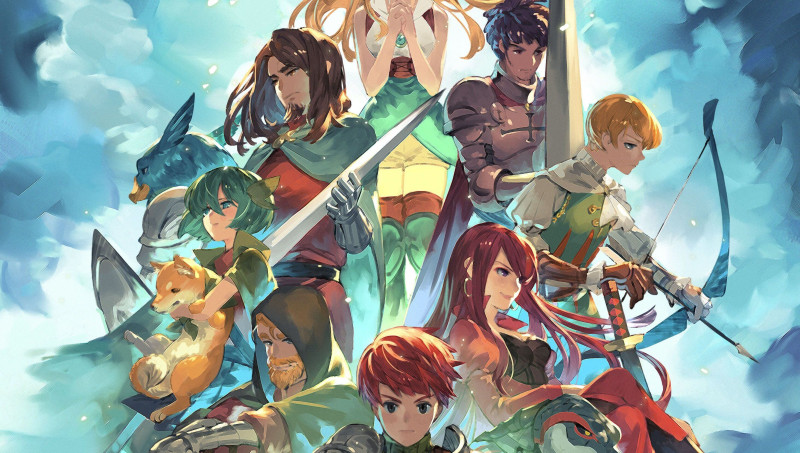
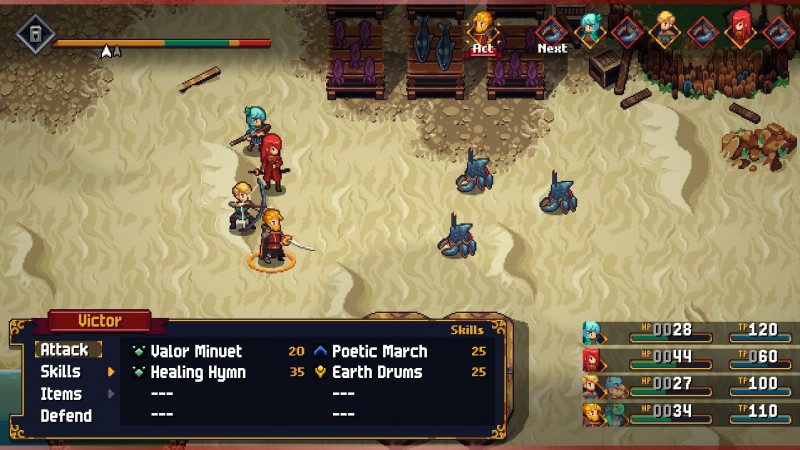
Chained Echoes deceives at first glance, making you question if you missed it back when its seeming contemporaries, like Final Fantasy VI and Chrono Trigger, were making a big splash. Of course, the reality is this lavish and imaginative RPG is brand new, crafted mostly by a single developer as both an homage to and celebration of those old games, even while injecting a healthy dose of new concepts. The resulting adventure may look like something from 30 years ago, but it plays with a sophistication that deserves attention from any genre fan.

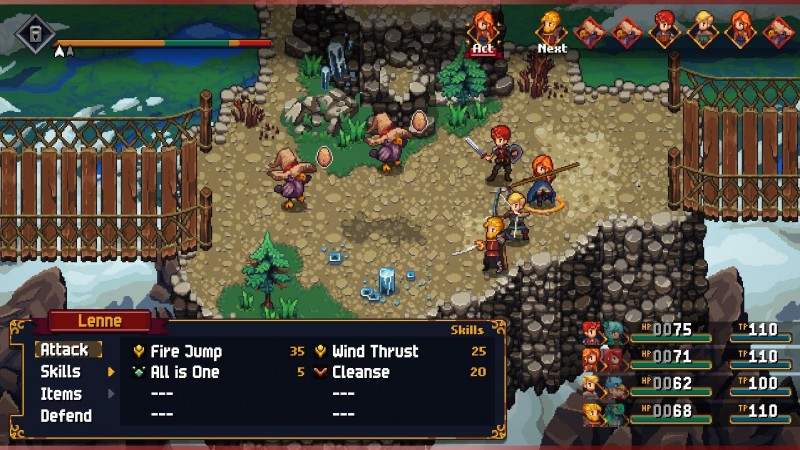
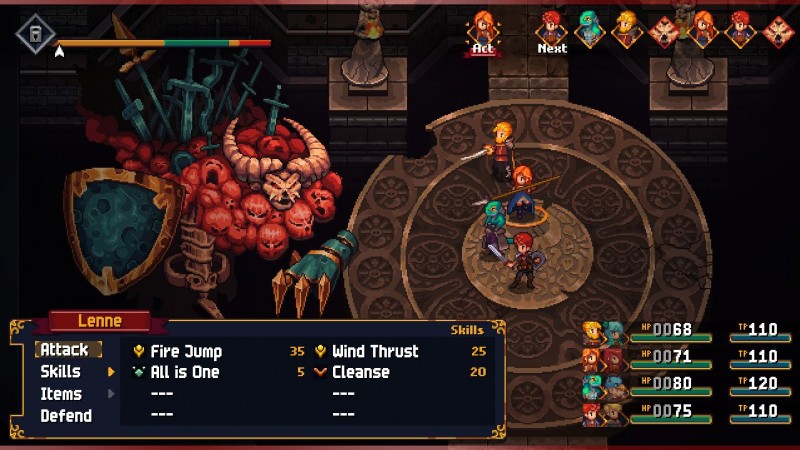
The developer delights in playing with your preconceived ideas. Sometimes, it’s fulfilling those expectations at precisely the pace and moment you are most ready for them, in both story and gameplay, and at other times it’s about subverting them. Ready for a new twist on combat? Here’s a new additional system in which you control mechs in a fascinating alternate combat style, recalling classics like Xenogears. Think you understand the arc of the fated hero storyline? Maybe things are more complicated than you first guessed.

Along the way, the staples of classic JRPG-style adventuring appear in a balanced and rewarding loop. The thoughtfully designed combat system scales back on grindy, repetitive battles. Instead, every fight demands your full attention, leveraging enemy weaknesses, character abilities, on-the-fly party formation changes, and a unique overdrive mechanic to keep your party in the sweet spot of damage dealing. The party fully heals between combat, so it’s always about throwing everything you have at the enemy. Even regular fights sometimes come down to only having one hero standing to strike the final blow. I found the high challenge enjoyable, especially since bad decisions and a game over led to an immediate choice to replay the battle, so the penalty for failure is negligible.

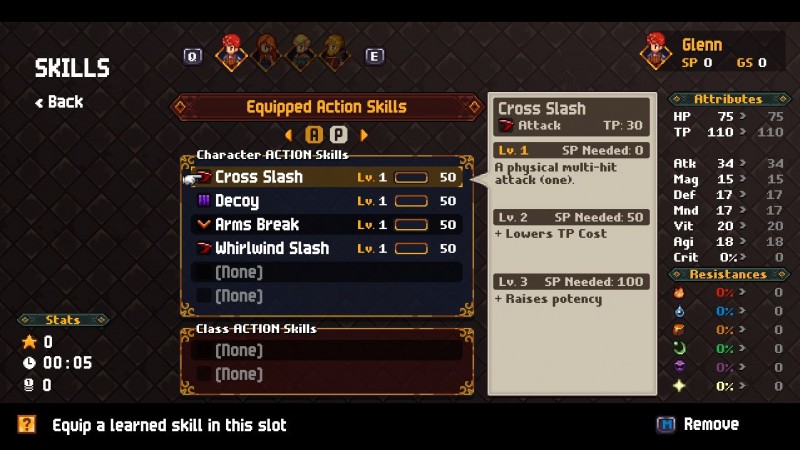
The upgrade, gear, and leveling systems are all engaging and filled with compelling decisions. Wearing a class emblem can enrich your chosen skills for each character, letting you specialize each hero in powerful ways. Weapons and armor can be improved and tweaked with gems that apply new bonuses, encouraging players to spend time in the menus playing the optimization game. There’s even a fun “Reward Board” that offers precious materials and leveling options for completing specific tasks around the world, encouraging extensive exploration and discovery.


While playing within the established constraints of the genre, Chained Echoes also tells a mature and nuanced story, touching on themes of fate and free will, recovery from trauma, and the weight of guilt. Those and other tropes have plenty of room for exploration across dozens of hours of available stories and sidequests. Thankfully, it’s an enjoyable fantasy world, filled with unusual species and monsters, intriguing biomes, and a complex geopolitical structure. At times, that last component of political elements can become overwhelming and hard to follow and distracts from the more compelling character drama. But give Chained Echoes enough time, and everything begins to make sense.

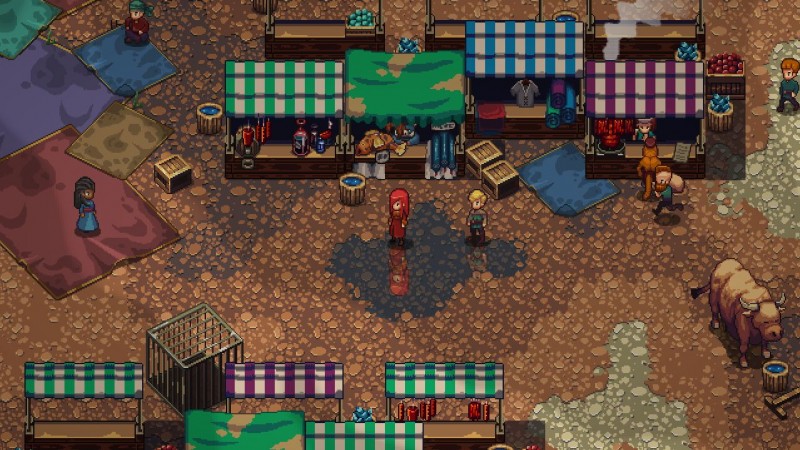
A beautiful throwback musical score is accompanied by pixel-style visuals that relay nostalgia without being a game you’ve played before. Even so, the scope of the narrative and maturity of the character interactions sometimes feels at odds with the retro aesthetic. That incongruity can be a plus, emphasizing moments of terror, war crimes, or betrayals. But at certain dramatic moments, the visual constraints hold the narrative back.

While Chained Echoes has the advantage of decades of distance from the games it looks to for inspiration, it’s a better experience in many instances than those vaunted games from which it arose. I prefer this combat, storytelling, and approach to progression and exploration to many of the JRPGs I grew up so enamored with playing. That’s the highest praise I can heap on a game so removed in time from the games to which it might be compared. Whether you currently count yourself a JRPG connoisseur or fondly recall the ΚΌ90s heyday of the genre, Chained Echoes is well worth your time. 


GI Must Play

Score: 8.75

About Game Informer's review system

Purchase
Monday, January 23, 2023

Forspoken Review - Average Isekai

Reviewed on: PlayStation 5
Platform: PlayStation 5, PC
Publisher: Square Enix
Developer: Square Enix

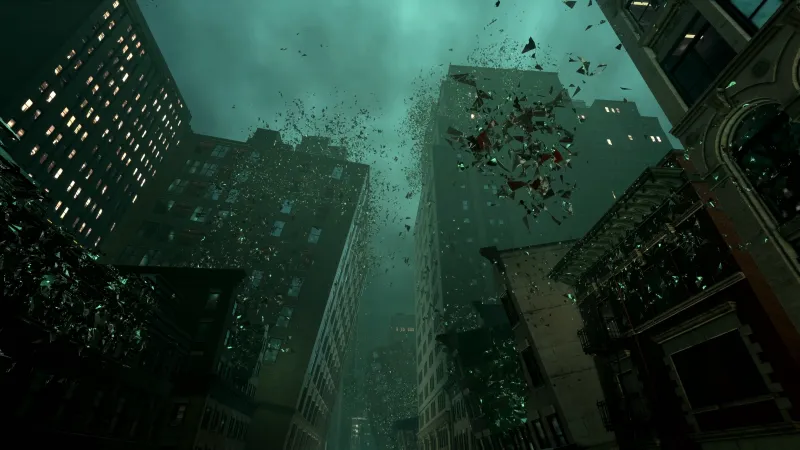
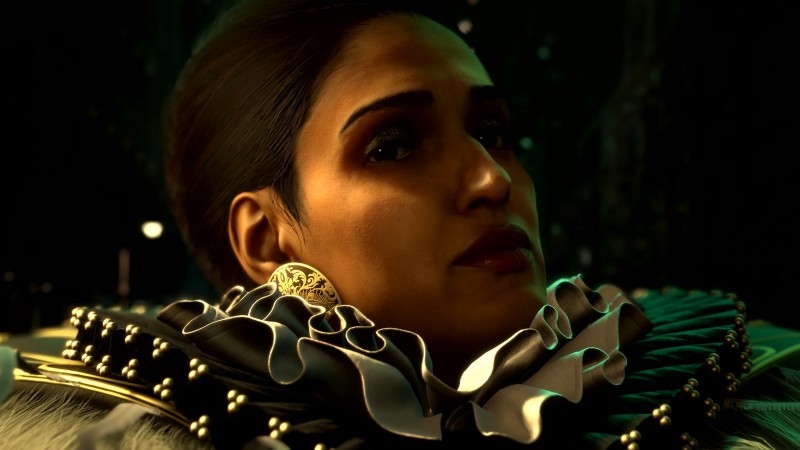
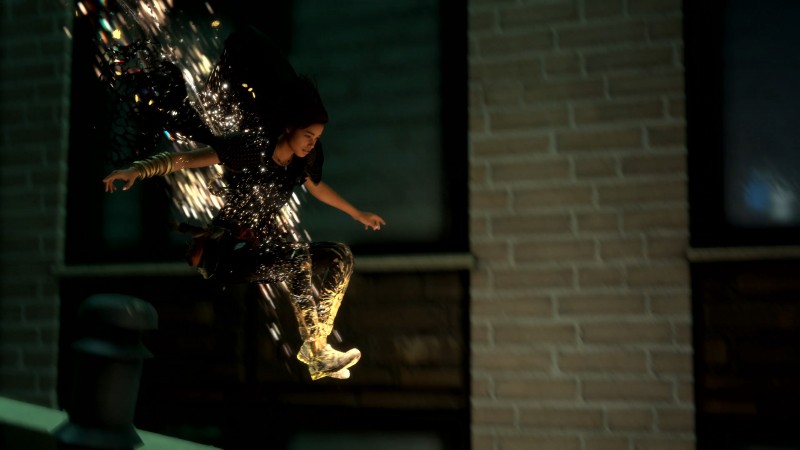
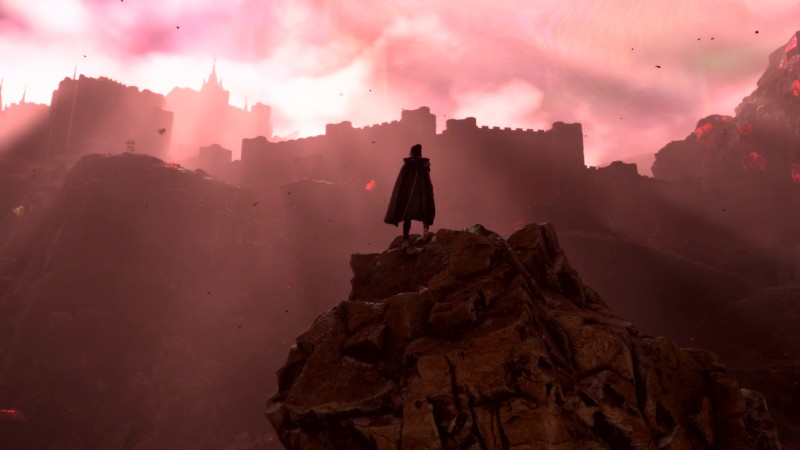
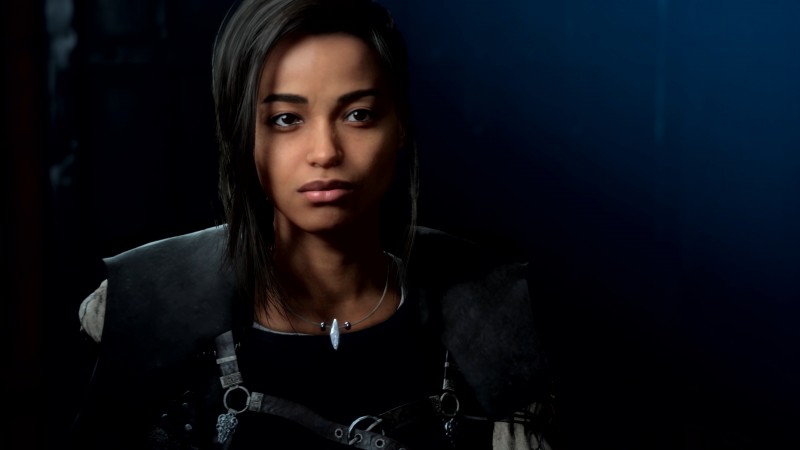
Forspoken is a game about movement and running. Protagonist Frey begins the game running from the law and debt collectors. She's also in the middle of a plan to flee New York City with a gym bag full of cash. Amidst that chaos, she falls into the land of Athia and is eager to leave the new, mysterious world where she inexplicably has superhuman combat and running abilities. Getting from one place to another is Forspoken’s high point, and while no other element quite reaches the heights of how fun running and climbing are, Frey’s adventure isn’t without its highlights.

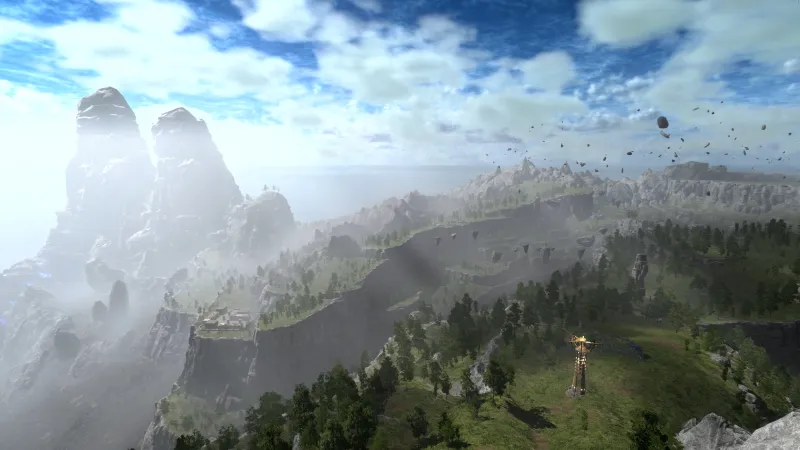
Unfortunately, Forspoken makes a bad first impression. Athia’s environments look great, as does Frey when she moves through the world, but zooming in close for cutscenes shows some rough textures. The dialogue is also underwhelming and the storytelling is overly transparent. From Frey’s cat, Homer, to the little girl who wins Frey’s heart by stealing her phone in Athia, every character’s role as a means to humanize Frey is too obvious, and her frequent and stubborn refusal of the hero’s call is hammered too hard. Thankfully, Forspoken’s story and dialogue improve the deeper you get.
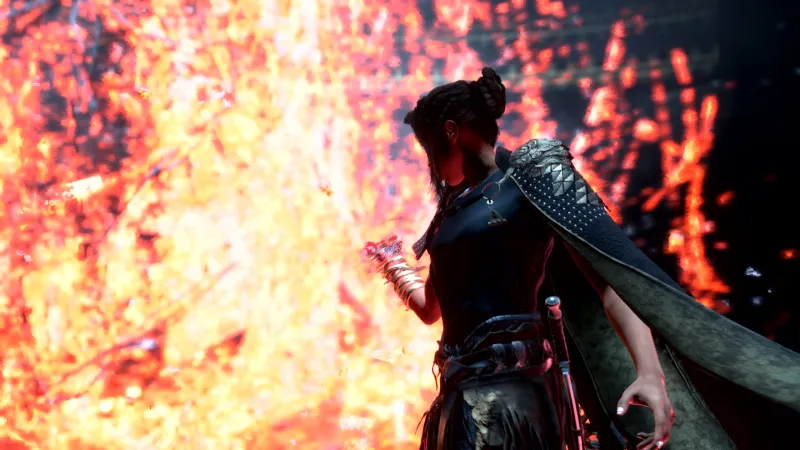
By the end, I liked Frey’s overly vulgar and combative nature and her antagonistic relationship with Cuff, her invisible partner that lives on her wrist. I also enjoyed the zoomed-out main path of the story. None of the twists were particularly surprising, but they were well executed and helped contextualize why Frey is so angry and why she is so insistent on not being the hero, even when everything obviously demanded she moves in that direction. I was also happy with where the game leaves Frey at the end, both from a character relationship perspective and a continued post-game gameplay perspective.

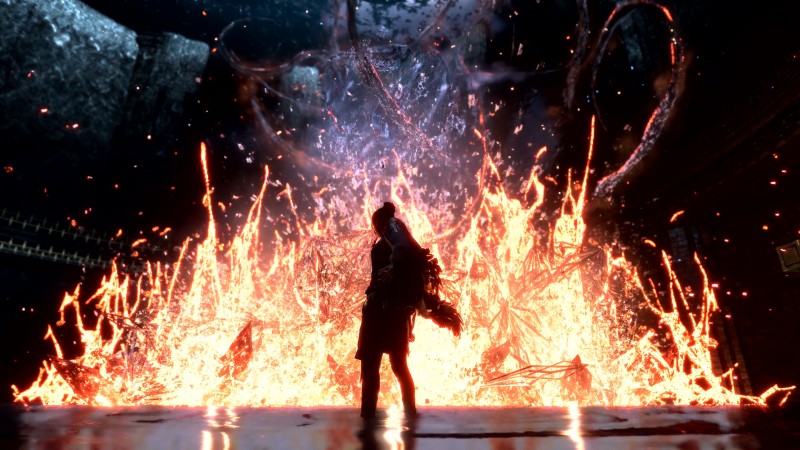
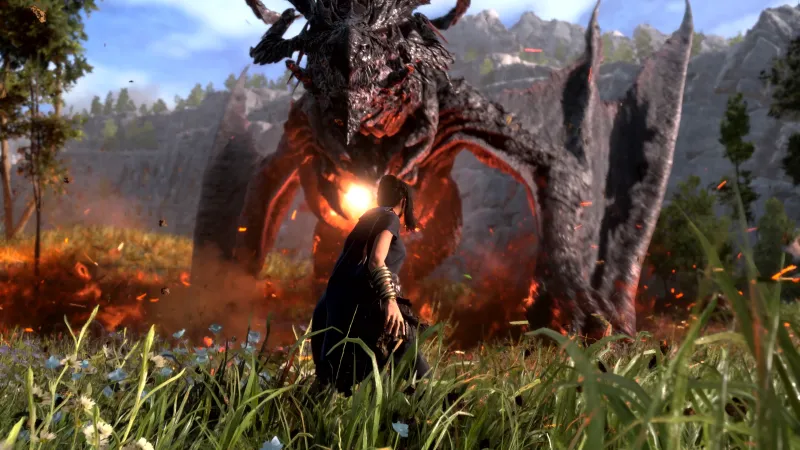
Combat is consistently mediocre. Forspoken is an action game, but calling it a third-person shooter wouldn't be out of line, as most of Frey’s abilities function like magical guns. Frey has dozens of abilities to swap between on the fly, and taking advantage of enemy vulnerabilities means you're encouraged to do so often. I found a few I preferred, but success often meant switching to the sluggish weapon I didn’t particularly want to use. Changing abilities is convoluted; even late in the game, I had to pause and think about which buttons I needed to hold to access certain weapons.

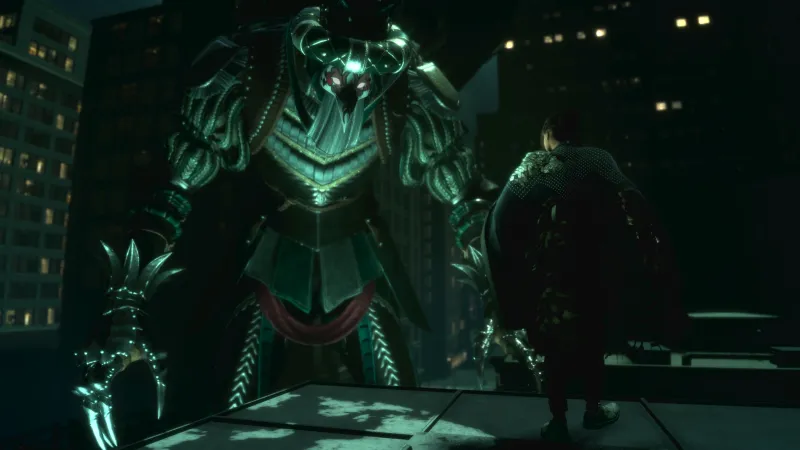
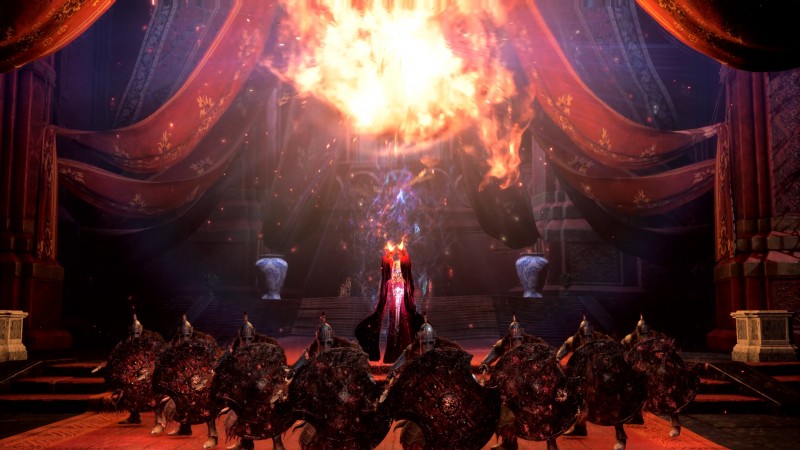
The handful of bosses Frey encounters is also generally underwhelming. They feature interesting designs and attacks that look great in motion but leave little room for a tactical approach. I mostly just hit them with as many magic bullets as I could. The final boss does encourage some overdue strategy, and that spike in challenge made for my most memorable encounter.


Where the story and general combat are hit-and-miss, movement is excellent throughout. Sprinting through Athia and leaping over buildings feels great, and a handful of additional movement abilities make things even smoother. An early upgrade that lets Frey long jump with well-timed button presses makes her move even faster and smoother. I went out of my way to track down every movement upgrade, and nearly all of them were substantial and fun. That joy of movement integrates into combat, where even if shooting doesn’t feel great, dodging and leaping over enemy heads does.

Exploration is also enjoyable, thanks to a helpful automatic waypoint numbering system. On my way to a core destination, for example, I would mark a handful of locations to check out along the way and wouldn’t have to revert to the map much because of the numbers. Certain locations even allow you to do this by looking out into the distance without entering the map at all. Rewards are worthwhile, too, by offering new cloaks and items and even big stat boosts just for finding particular spots.

Forspoken's story and combat fail to reach the heights of its movement and exploration, but thankfully those two latter elements make up most of the experience. I sprinted, often literally, through the campaign in about 15 hours, and now I have a large world filled with nooks and crannies I'm eager to run through and explore. The narrative won’t linger with me, and I avoided combat in the open world often, but I loved making Frey leap and fly through Athia to discover all its treasure chests and secrets.

Score: 7.5

About Game Informer's review system

Purchase