Pages

Wednesday, March 29, 2023

Crime Boss: Rockay City Review – The City That Sleeps

Crime Boss Rockay City Game Informer Review

Reviewed on: PC
Platform: PlayStation 5, Xbox Series X/S, PC
Publisher: 505 Games
Developer: Ingame Studios
Rating: Mature

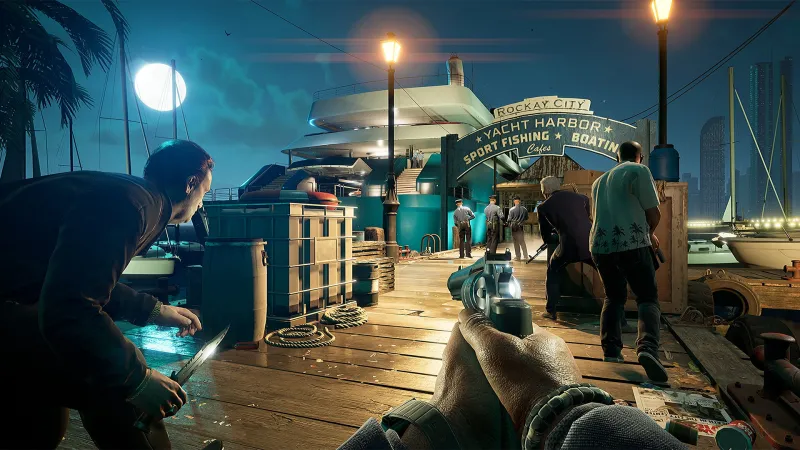
On paper, Crime Boss: Rockay City is bombastic, star-studded, and promises a city-spanning adventure about a criminal organization’s rise to the top. The actual game, however, is anything but. The gameplay is unbalanced, buggy, repetitive, and boring. The celebrity-filled cast is exciting at first glance, but crude and humorless writing weighs down the already-phoned-in performances of characters voiced by Michael Madsen, Michael Rooker, Vanilla Ice, and more. The single-player roguelite campaign lacks any of the genre’s typical hooks, and bugs can prevent progress at critical points in a run. Multiplayer works, but the two cooperative modes offer up the same mindlessly dull rotation of missions you’ll play dozens of times throughout the campaign. All of this combines to create an aimless package not worth playing with experiences executed significantly better in other games.    

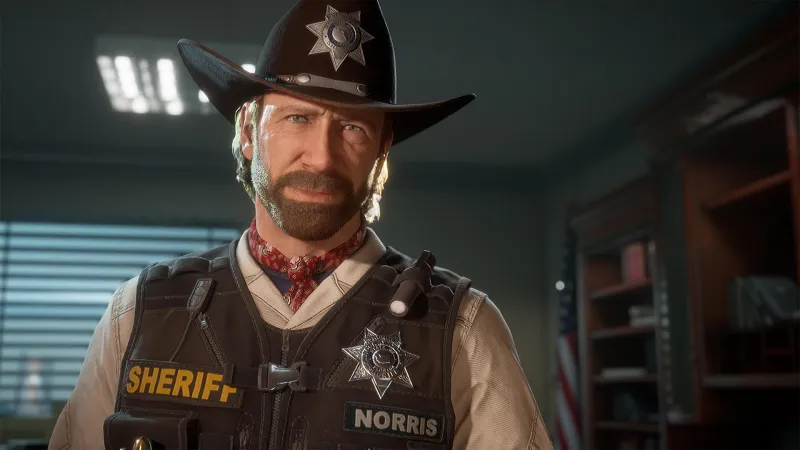
The star of the show, for better or worse, is the cast of Crime Boss. Kim Basinger, Danny Glover, Chuck Norris, and more lend their likeness and voice to these characters, but instead of feeling like the great 1980s or ‘90s action B-movies the game is clearly aiming to invoke, where the corniness and cheese are played intentionally, the performances feel hollow. Put simply, the writing is bad. Rooker’s Captain Touchdown and Madsen’s Travis Baker are the worst offenders, constantly barking lines like, “Who’s the losers? They is! Who’s the winners? We is,” and calling rival gang members “fruitcakes.” Other barks, like characters referring to the Khan criminal organization as just the “Asian gang” or calling that same gang “savages” and “commies” feels lazy, at times offensive, and very much like a ‘90s action movie in the worst way. 

These celebrity performances attempt to enhance an otherwise predictable and drab story about Baker’s gang rising to the top of the organized crime empire, but they don’t. Instead, they make the buggy and repetitive gameplay, where you’ll hear them in cutscenes often before and after missions, all the more excruciating to play through. In the single-player roguelite campaign, your goal is to take over more and more territory throughout Rockay City, attacking rival turf, defending your own, and completing robbery missions to obtain money, drugs, jewelry, and more. But rote gameplay, bugs, and a lack of balance make this impossible. 

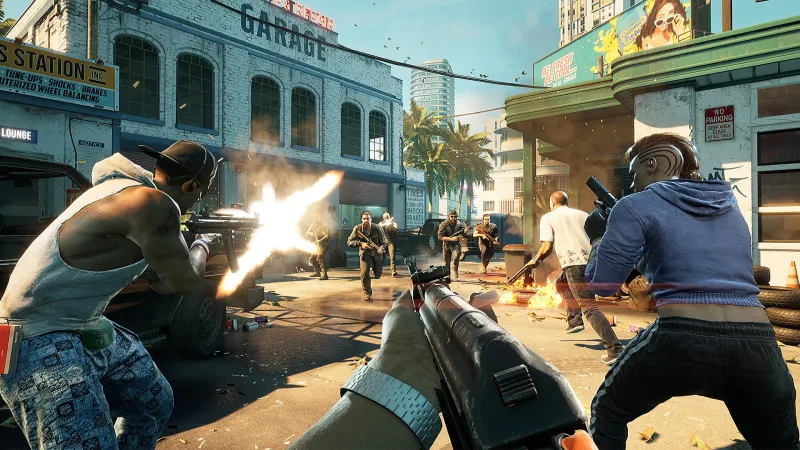
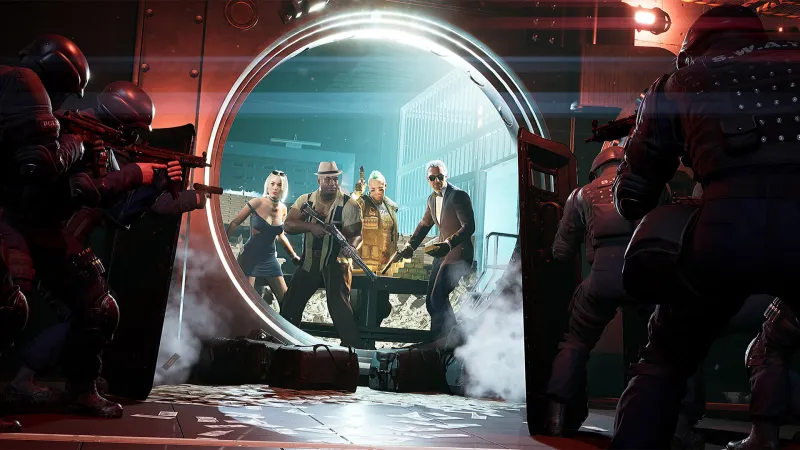
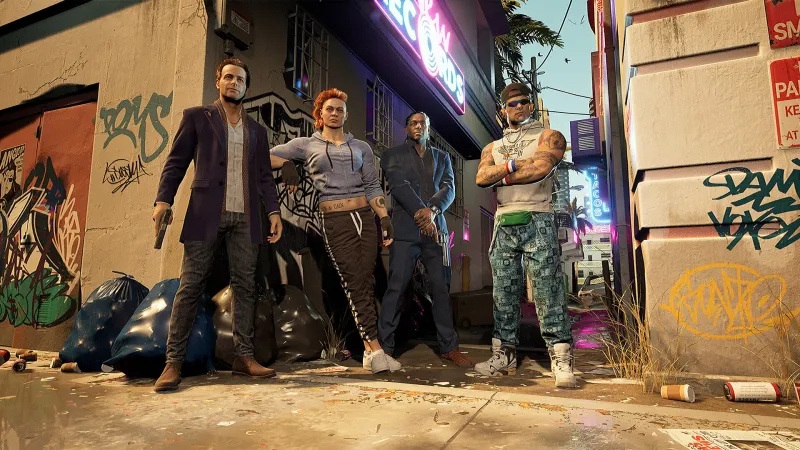
After selecting a crew of gang members, some of which are the same models with color-swapped clothes, you begin a mission. Your objective might be to rob a bank, a warehouse, an armed vehicle, or a shopping center – you’re always taking goods or money from someone. The missions would have you believe Crime Boss requires a healthy bit of immersive sim stealth and action, but none of its systems support that. Sometimes, I can waltz right into a place, take what I need, and escape in my van in just a minute. Other times, I’m nudged to engage with the game’s rudimentary stealth systems but then I’m immediately scolded by the man-in-my-ear, Nasara, for doing so. At any rate, most missions either end with a laughably quick and easy getaway or a long and unfair firefight. Crime Boss’ Grand Theft Auto-style heat system brings in swarms of cops, SWAT members, and more to take me down and sometimes, it felt like they were made of cardboard – other times, steel. When I failed, it rarely felt like there was something I could do better next time to improve my chances of survival; it just felt like the game had failed me. 
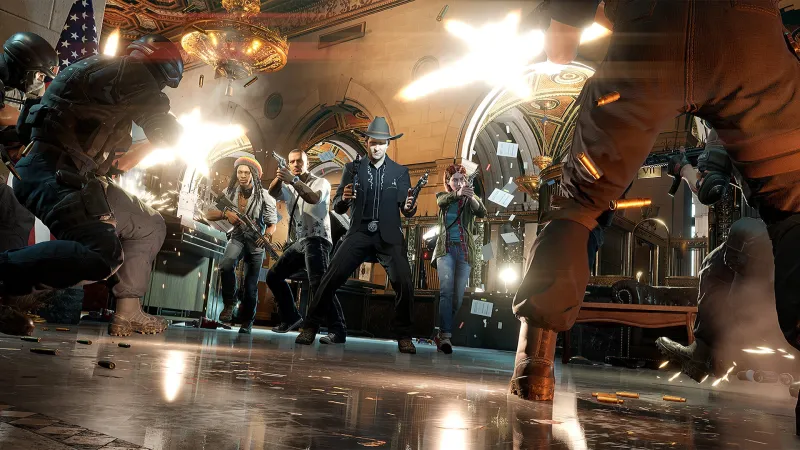
 

When I wasn’t robbing banks and armored vehicles, I attacked or defended turf from rival gangs. Here, the worst offending bug appeared nearly every time, but not before the game’s “soldier” system made an already buggy task feel impossible. To defend and attack turfs, you need money to cover the cost and soldiers to bring the risk down from high to moderate or low. Each new day in the campaign, which brings more money to my organization, I’d be attacked by more gangs in different turf areas than I had soldiers and money to defend, and I always lost turf by default as a result. But even when I had the soldiers and money to defend my turf, a recurring bug made completing these missions impossible. To defend your turf, you must defeat a set number of enemy soldiers and sometimes their captains. But the enemies would be invisible each time I loaded into one of these missions. All I could see was their weapons floating in the air. So I almost always lost these turf wars. 

If you lose enough turf, you won’t make the money you need to complete missions, and as a result of that one constant bug, the entire run is ruined, like a row of dominos predetermined to fall. And annoyingly, at the end of a run, a cheesy Sheriff Norris cutscene plays where he breaks the fourth wall and asks me what I did wrong this run. I could see this being a cute meta-addition to the game, but when failing rarely feels like my fault, hearing Norris ask me these questions is especially cruel. 
Various other bugs further weighed down the experience. For certain tasks, you must pay a set amount, usually $40,000 or more, which is a lot when you might only have $150,000 on hand. After paying, the cutscene would repeat, and the game would ask me to pay again. If I declined, I was booted out of the cutscene conversation and back to square one. Sometimes, pausing a scene would pause the cinematics but not the audio, ruining the sync for the rest of the duration. Menus would freeze, forcing me to exit to the main menu, and captions were often incorrect. After doing one multiplayer mission, almost every time I’ve booted up the game since, the game asks me if I want to join my previous session, except I can’t because that session was hours ago, or even the day before. 

Even when bugs didn’t plague my experience, I was still left to play through repetitive, agonizingly boring missions with unremarkable gunplay, uninspired stealth, and lackluster action. Strange interstitial missions attempt to break up this monotony, like one where I lived through one of my gang member’s Vietnam War nightmares, but they flounder just as much as the main missions. The game attempts to shake things up in a few other ways, but every time it tries to veer from the path is a reminder that the core of Crime Boss – its systems, gameplay, and characters –  don’t work. And as a result, everything else buckles under. 
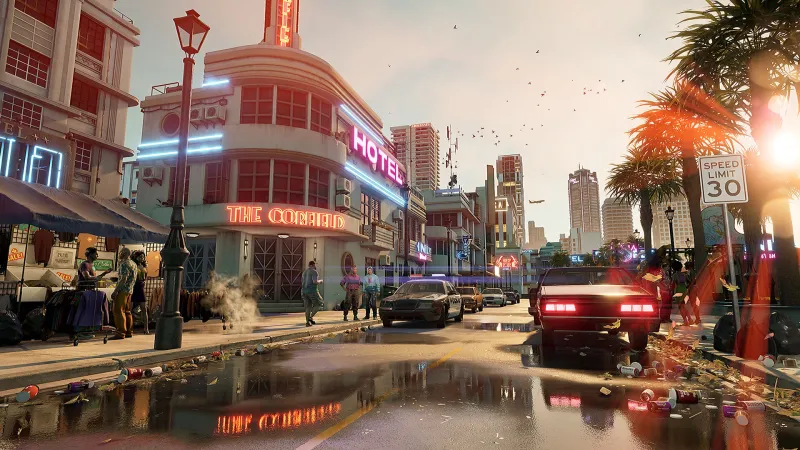
Crime Boss: Rockay City is proof that star power isn’t everything. In fact, it’s a reminder that a celebrity cast does nothing for a game when it’s void of anything interesting or fun to support it. When run-ending bugs appear, Crime Boss is miserable, but even when I’m running a mission bug-free, I lay witness to a painfully dull take on organized crime. At its best, Crime Boss functions – I can shoot weapons at enemies, empty bank vaults and warehouses for loot, watch cutscenes with recognizable faces and voices, and grow my empire – but it never captures my attention in a meaningful or memorable way. Instead, it pushes me further and further away, leaving me with no desire to ever return to Rockay City.  

Score: 3

About Game Informer's review system

Purchase
Monday, March 20, 2023

Tchia Review - Simply Transformative Fun

Reviewed on: PlayStation 5
Platform: PlayStation 5, PlayStation 4, PC
Publisher: Awaceb, Kepler Interactive
Developer: Awaceb

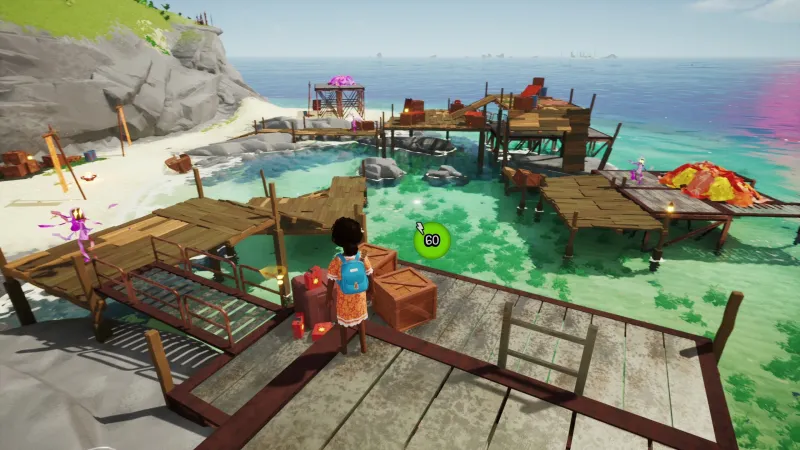
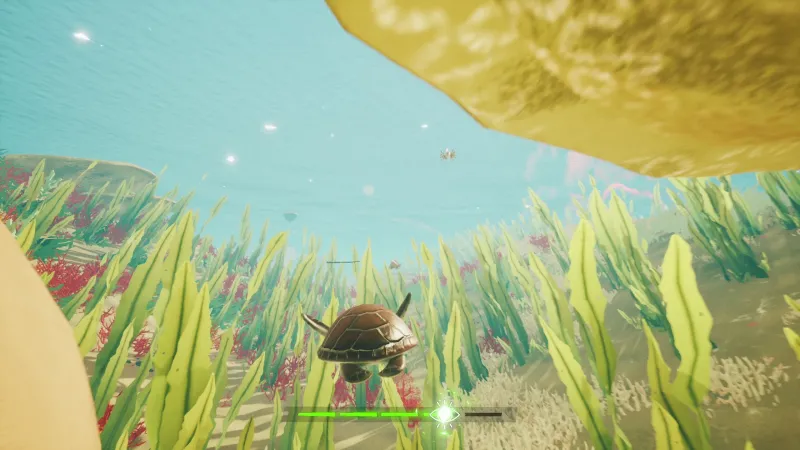
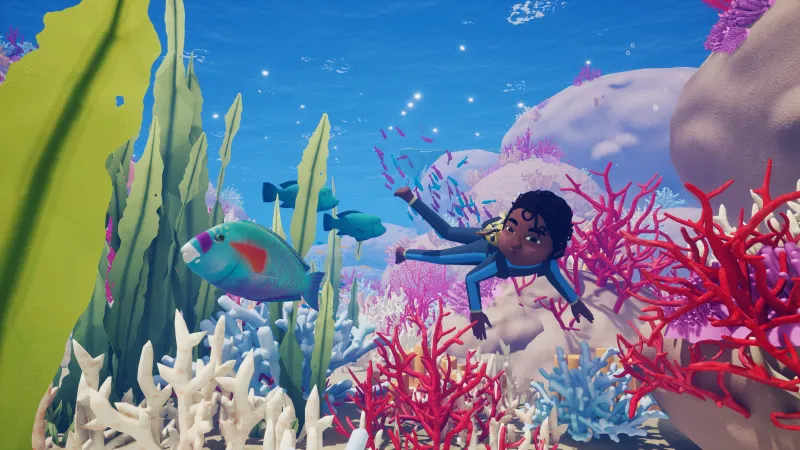
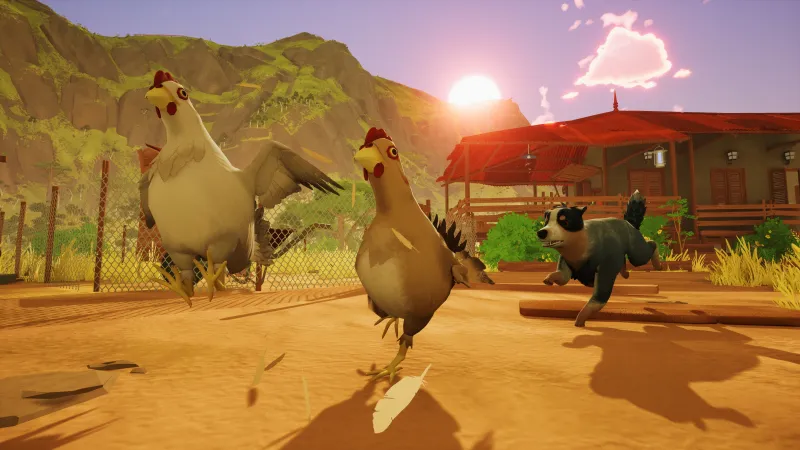
Video games, unfairly simplified, all present a series of virtual tasks that must be performed for progress, and the player must decide if they enjoy doing those tasks. In some ways, Tchia eschews the idea of making you do anything by offering an open, exploration-based game filled with activities where, in nearly every case, completing them is optional. Don’t want to play the rhythm game that accompanies cutscenes? Just press the left control stick to make it auto-play. Don’t want to do the rock stacking minigame? Move along. Don’t feel like taking your boat? Soul-jump into a bird and just fly to your destination. Want to skip this entire gameplay section? There’s an option in the menu to do just that. If, however, you do want to engage in what Tchia has to offer, there is a unique package wrapped up with some well-executed gameplay mechanics that are fun to do throughout the entirety of the relatively short but fulfilling experience.

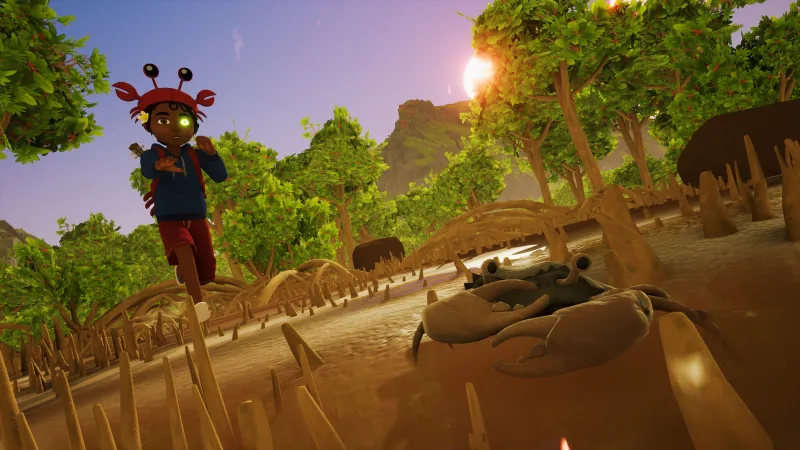
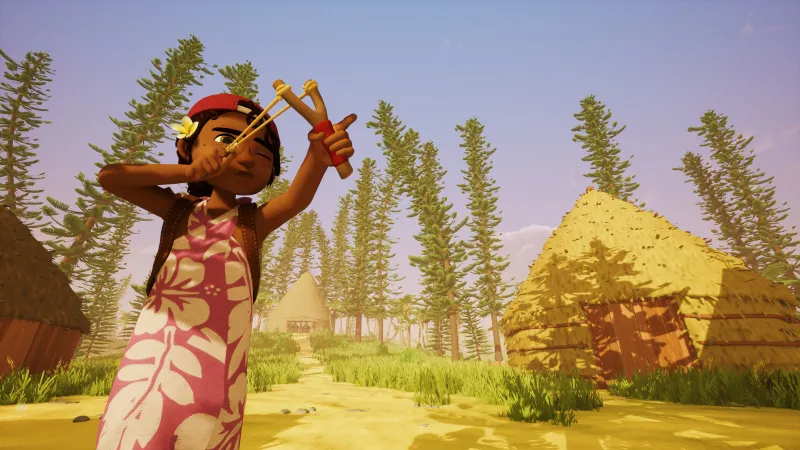
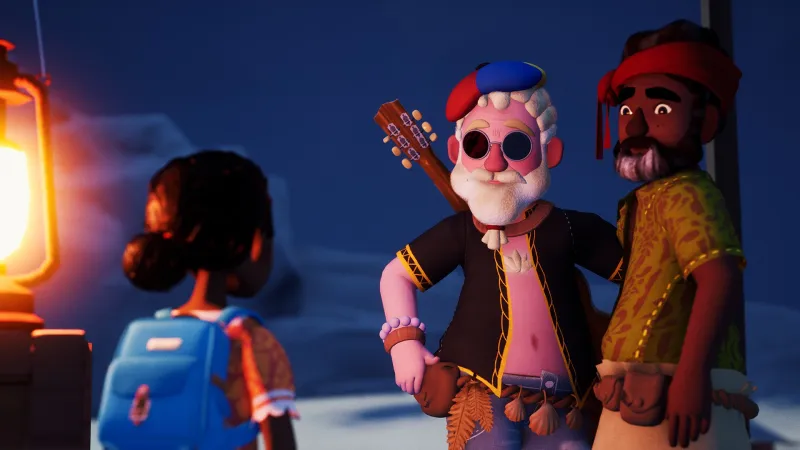
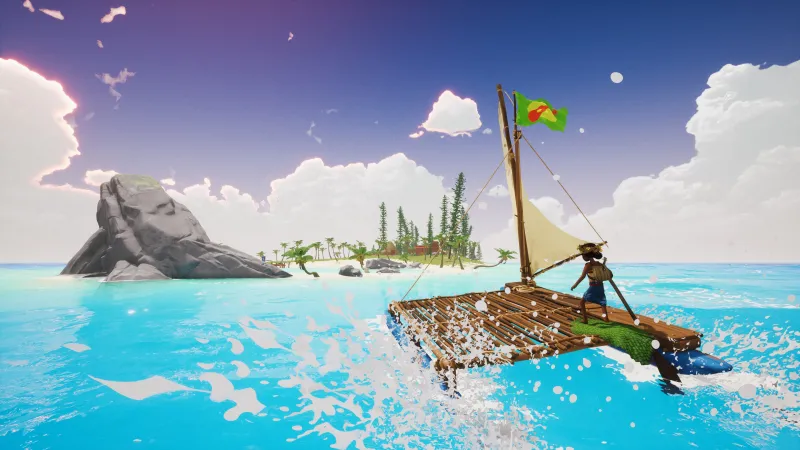
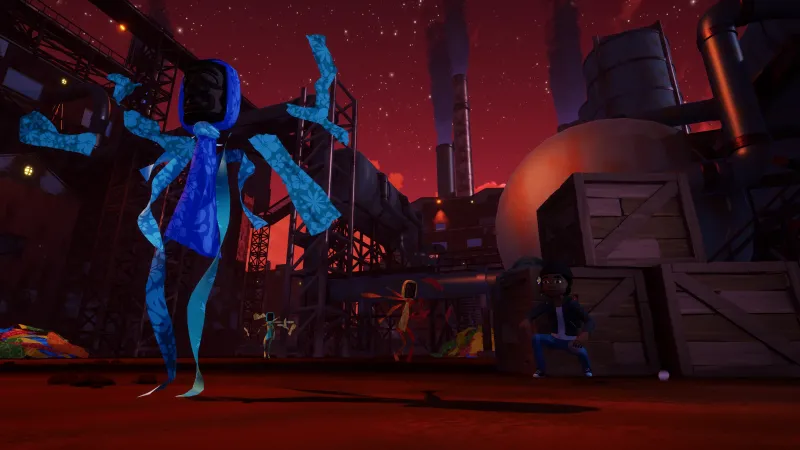
Tchia begins with a note from the developer outlining exactly what it is trying to do, and it does a great job setting up the world and tone of the experience. You explore a magical, fictionalized archipelago heavily inspired by New Caledonia and its traditions. The story follows the titular Tchia and the adventure to save her kidnapped father. The character design is reminiscent of an animated children’s TV show, but the movement, especially small detailed animations like close-ups of hands, are fantastic. The aesthetic also betrays what is, at times, a surprisingly dark tone. The big bad, Meavora, is introduced in such a dark and comically evil way that I both gasped and laughed out loud. Surprising violence occurs, and inappropriate jokes are told, all in contrast to the childlike visuals, and it quickly made me a fan.


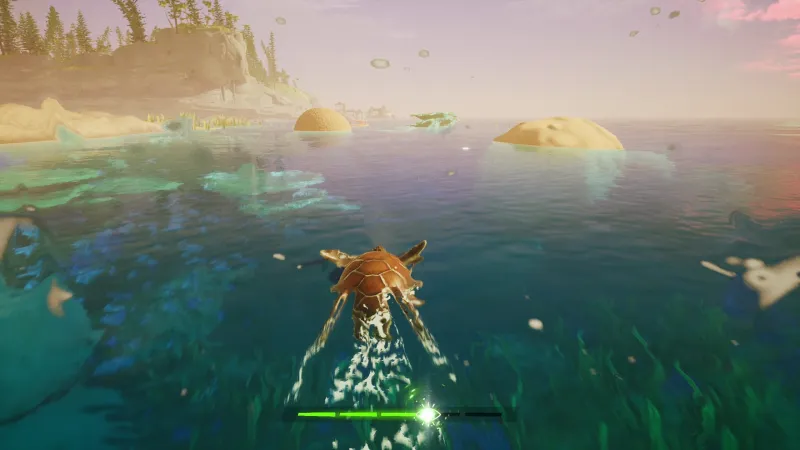
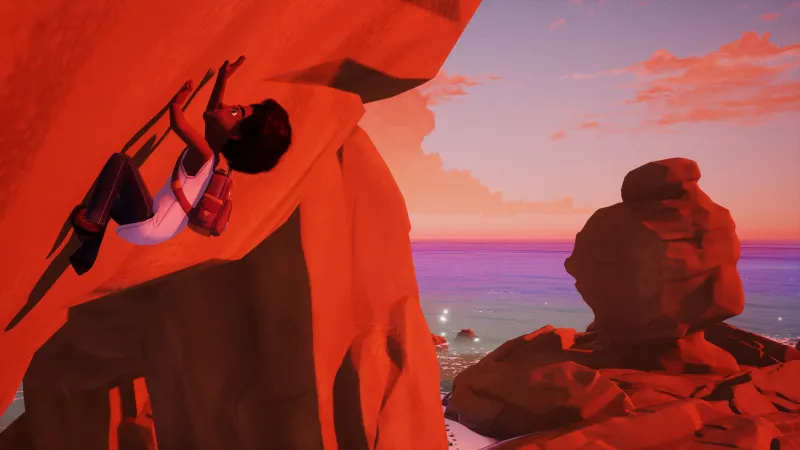
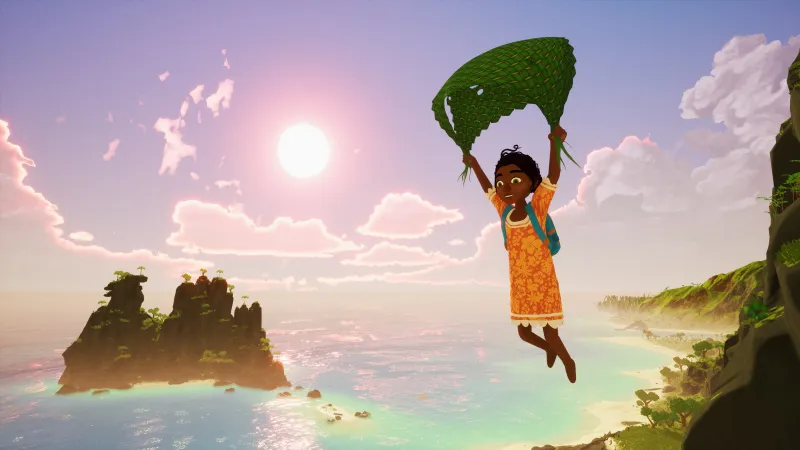
Overall, the story is a highlight with fun characters, surprising twists, and a satisfying conclusion, but it makes up an ultimately small part of the game. Most of your time in Tchia is spent turning into different animals to explore the island and find fun in every corner. Tchia can climb every surface and uses a paraglider like Link in Breath of the Wild, and it feels great. Climbing a tree, leaping from the top, and opening your paraglider to land safely on the ground is always fun, and when that isn’t moving you fast enough, Tchia’s ability to Soul-jump into animals and objects makes moving even better.

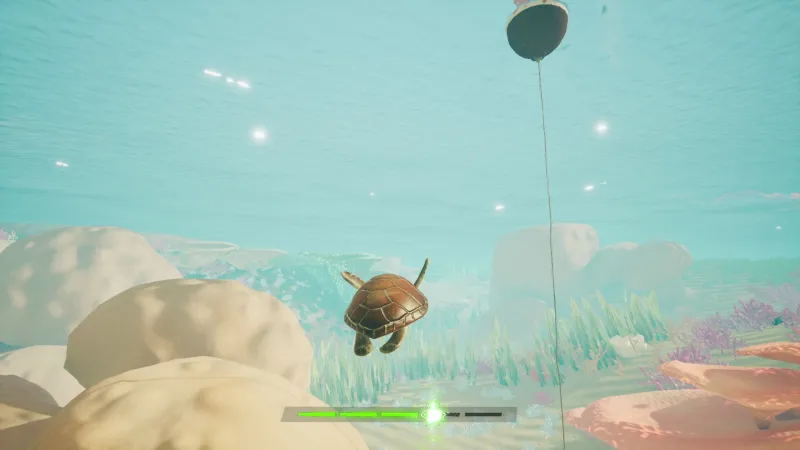
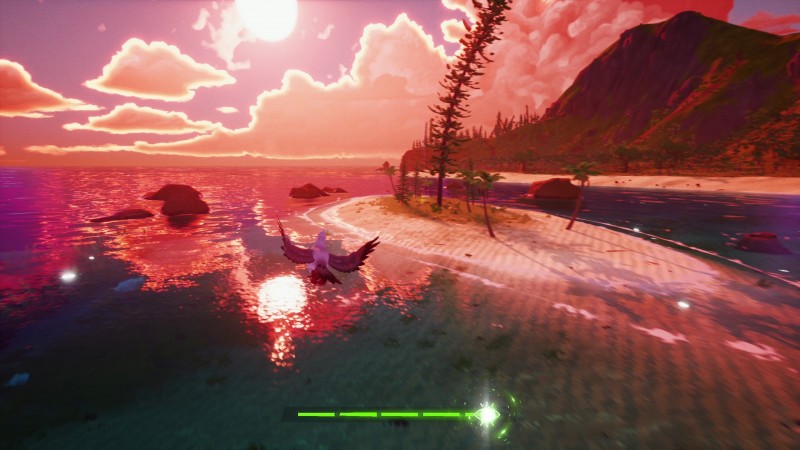
Tchia can slow time and leap into every animal in the game, as well as nearly every inanimate object. Some are pointless but novel, like the lizards, but others are extremely useful, like the assorted deer on the island that allow you to sprint at high speeds. The best and my most frequently used transformation, however, are the birds. Leaping into a bird, flying to my destination, returning to human form, and paragliding to safety is an action I repeated often and never grew tired of.

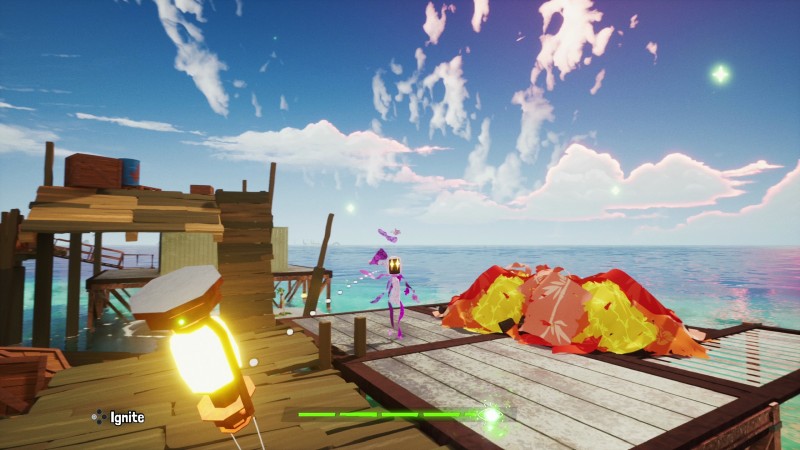
Combat does not exist in the traditional sense. Tchia cannot throw a punch, but she can toss flammable objects at cloth enemies in an explosive display. As is the case with most activities in the game, fighting like this is optional, but I was compelled to do it to the point of exhaustion. It was the one instance where I did grow tired of the mechanic after its initial luster wore off.

I also encountered a few distracting, but thankfully not game-breaking, bugs where cutscene elements wouldn’t load properly, leading to characters acting out events in awkward or blank spaces. It was never a major problem, but it did break the immersion whenever it popped up.

Tchia drips with joyful, explorative fun. The idea of letting players loose in an interactive sandbox is a goal that has been chased by developers since video games began. Few truly give you the freedom to frolic in a virtual playground, and though Tchia is not without its shortcomings, it’s a rare instance where the temptation to just play in the digital world is rewarding at just about every turn. The tone, the music, and Tchia’s abilities all come together to create something that is simply fun, and it all takes place in a setting that demands to be explored.

Score: 8.5

About Game Informer's review system

Purchase
Friday, March 17, 2023

WWE 2K23 Review – Tightening Some Holds

WWE 2K23 review

Reviewed on: PlayStation 5
Platform: PlayStation 5, Xbox Series X/S, PlayStation 4, Xbox One, PC
Publisher: 2K Games
Developer: Visual Concepts
Rating: Teen

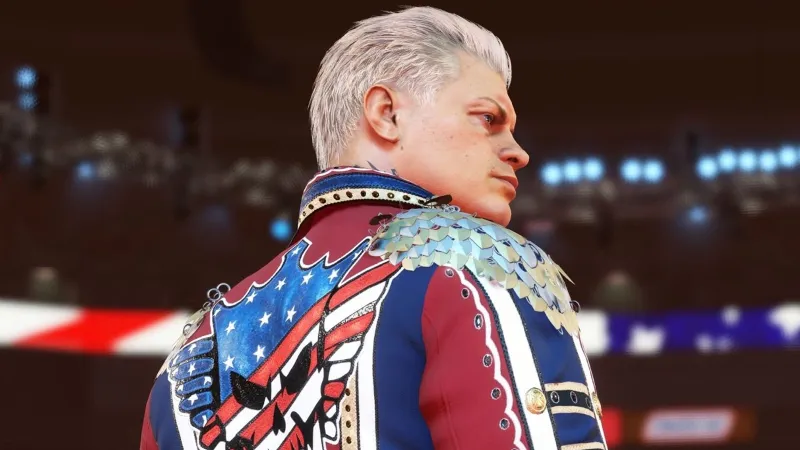
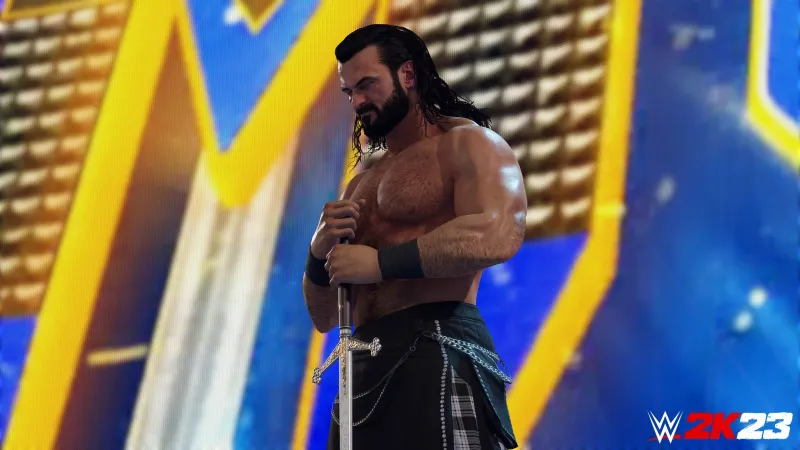
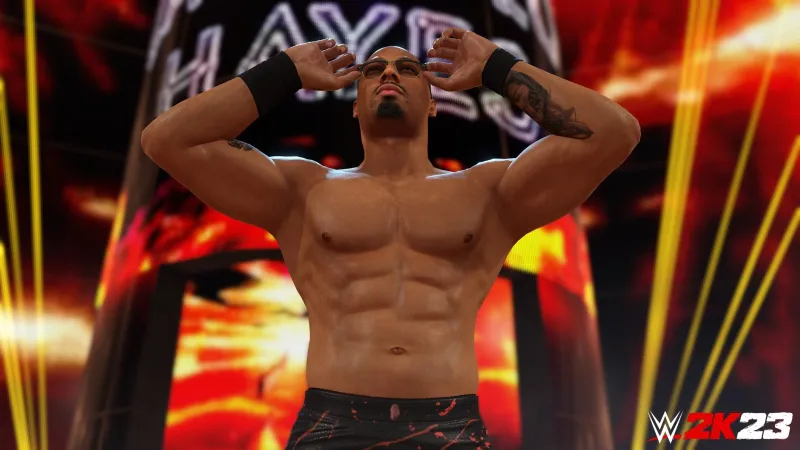
WWE 2K23 doesn’t break the mold from last year’s big re-debut, instead offering smaller improvements and additions to the elements that worked.The action feels similar but a little more polished, the modes have more features, and is a more solid package all around. Though there are still some kinks to work out, 2K23 stands as a respectable follow-up. 

Control-wise, 2K23 is identical to the previous game’s revamped setup, but is a bit smoother. Legacy issues remain, however, such as how finicky picking up weapons feel. I’ve also become increasingly frustrated having to hit multiple reversal buttons due to the often annoying guessing game of deducing which input your opponent may hit. I’d prefer a single, universal counter since nailing the timing alone is tricky enough in its own right. In a nice touch of accessibility, you can now choose whether pinfalls require you to mash buttons to escape or become the “stop the needle” minigame from WWE 2K games past. 

WarGames stands as the big new match type, and it faithfully replicates the fun and chaos of the real-life version. Beyond that, the usual offerings return as you remember them, though a more robust tutorial does a better job onboarding or refreshing players to the combat’s various nuances. The roster is impressively deep this time around, looks great, and is mostly up to date. I also didn’t encounter any significant technical glitches – always a good sign for this series. Overall, the gameplay hasn’t changed significantly, so if you enjoyed 2K22, you’ll slip right into 2K23. If you didn’t, it’s unlikely this entry will change your mind. 

The documentary-style Showcase mode has a fun twist, letting you relive cover star John Cena’s career as told through his biggest losses. This is a meatier offering than last year’s Rey Mysterio Showcase, as you’ll beat Cena using a wide assortment of his greatest rivals, from Edge to The Rock to Brock Lesnar. The general framework remains unchanged; you can complete objectives such as performing certain moves to unlock extra goodies like era-specific versions of wrestlers. This can feel like work, but the rewards are generally worth the effort, especially if you’re a diehard member of the Cenation. 

I enjoyed Cena’s narrations where he praises his opponents while discussing what he learned from these defeats, though I miss listening to the subject’s commentary during the mid-match transitions to real-life video footage. Watching these clips in relative silence dilutes their effectiveness. The generic music that plays during these matches is outright bad, and it’s even worse that you can’t turn it off within the mode itself. Still, Showcase offers a decently fun trip down memory lane and concludes on a delightfully goofy and unexpected twist that almost makes it worth completing just to see. 

I had a better time with MyRise compared to last year’s, which offers two separate story campaigns, one of which lets you play in the female roster for the first time. As either a newly signed indie darling or a second-generation prospect, both stories offer totally different choice-driven narratives that range from being silly to cringy with humorous inside jokes for smartened-up fans (such as executive VP Shawn Michaels claiming WWE has a “great track record” of repackaging superstars under new gimmicks). Though this adventure unfolds in identical fashion – chat with superstars backstage to engage in main and sidequests while picking fights on your social media feed – MyRise is a stronger package this year.   


MyGM remains a fun time sink that offers new match types and other options to help build your chosen brand. Additional GM’s (including Xavier Woods and Tyler Breeze for UpUpDownDown fans), modifiers that change the course of a season, plus the option to compete against up more players, are nice bonuses too. I’ve never been a big fan of the sandbox-style Universe Mode, and though it now offers expanded narrative control for steering a superstar’s career, it’s not enough to retain my interest for very long. MyFaction, in which you collect, build, and customize superstar teams via a trading card game format, is pretty much the same but does include competitive online play. As with everything else, smaller tweaks bolster their respective modes in ways that should please their existing fans but may not be enough to attract new ones. 

Creating superstars is a dependable treat, and the increased customization options and larger number of superstar save slots enhances this. Photographic face-mapping is a nice touch that, while tricky to work with, lets you re-create existing wrestlers with greater accuracy than ever. Uploading or downloading custom images to an online database is easy as pie; I have fun making my own superstars, but I get an even better kick simply viewing and downloading thousands of community creations. Creating custom arena (which can now be used online), entrances, videos, and championships isn't markedly different from before, but remain entertaining avenues for flexing my creativity. 

As of writing, the online play is, unfortunately, a bit of a disaster. During the game’s early launch for Icon and Deluxe Edition players, I never played a match where my opponent(s) wasn’t immediately disconnected and replaced by an A.I..While that’s a smooth fix to keep players in the game, the inability to play without interruption is very disappointing. As of launch things haven't improved much, so I hope it will be patched up soon. 

WWE 2K23’s more incremental bells and whistles means it’s technically an overall stronger package than 2K22. However, unlike last year, it doesn’t benefit from the rose-colored excitement of getting to play a big wrestling sim again after a years-long absence. The similarities to its predecessor means 2K23 feels more formulaic than special, but it still continues the series’ overall positive trajectory. Like watching a returning legend perform their greatest hits night after night, the novelty has faded, but I’m still pleased to have them back – for now.

Score: 8

About Game Informer's review system

Purchase

Resident Evil 4 (Remake) Review - Refinement, Not Reinvention

Reviewed on: PlayStation 5
Platform: PlayStation 5, Xbox Series X/S, PlayStation VR2, PlayStation 4, PC
Publisher: Capcom
Developer: Capcom
Rating: Mature

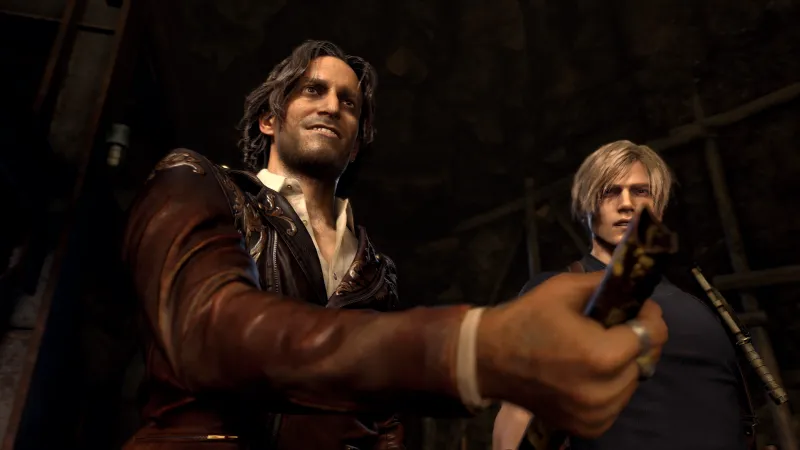
There are two entirely different audiences for the Resident Evil 4 remake: those who have played the original game, perhaps multiple or even dozens of times over the last 18 years, and people who have never played it, but want to know what the fuss is all about. Let's start with the former: unequivocally, if you are a fan of Resident Evil 4, you must play the remake. It's not only one of the best action games in recent memory; it's the best Resident Evil since, well, probably the original Resident Evil 4. 

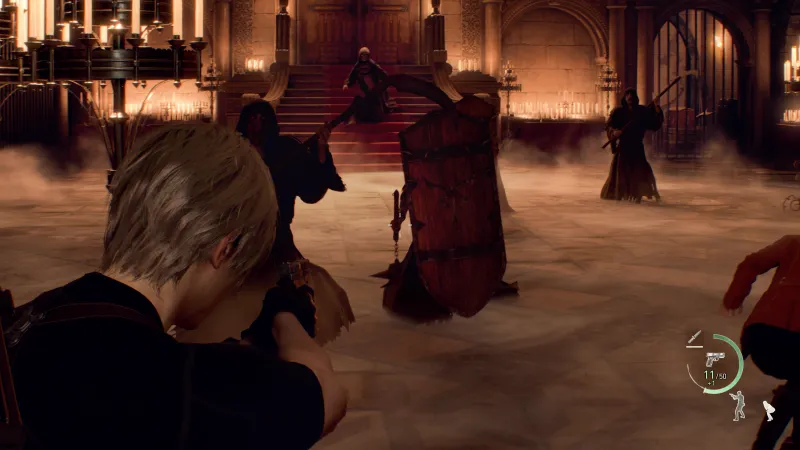
From the jump, the remake overwhelms you with danger. The faithfully recreated "village" section throws dozens of enemies your way, requiring you to handle the numerous combat scenarios or die quickly. As it was in 2005, it's a punch-in-the-face type of opening, the game telling you this is how it will be from here on out; get used to it. Running for my life, terrified of the chainsaw-wielding maniac chasing me through crowds of nasty folks, all the while desperately shooting at enemy kneecaps, parrying incoming projectiles, and running in and out of houses as my scarce ammo count gets closer and closer to zero was tense in a way this level hasn't been since I was a kid. That the game maintains this tight-gripped action until the credits roll is a feat of game pacing. For the first time since 2005, Resident Evil 4 is scary again, and I couldn't be happier. It's incredible. 

Gameplay has been expanded – namely, you can walk and aim your gun at the same time now, as well as the aforementioned parrying and new melee options – which makes the already-great bones of RE4 feel modern and fresh. Despite my constant anxiety, I had so much fun that I welcomed every major combat encounter. Especially by the time I unlocked the more powerful weapons – shoutout to my semi-automatic shotgun – blowing through scores of enemies felt fantastic. And don't get me started on the game's brutally gross gore system; blasting off heads and arms and even shooting enemies entirely in half as blood flows like confetti out of a pinata has rarely looked this fantastically disgusting. I am a freak, and the Resident Evil 4 remake indulged my sick love of virtual gore. 

From a visual and level design perspective, the Resident Evil 4 remake knows precisely when to be nostalgic and when to be fresh. As a lifelong fan of the original, seeing some of my favorite levels and combat arenas recreated 1:1 on the PlayStation 5 was novel and fun. That the next room might be a complete remix or reinvention of a different area, however, kept me on my toes, as if I knew the subject of the painting, but all the details were in new colors. Nevertheless, I welcomed every new addition as much as I did the old standbys. 

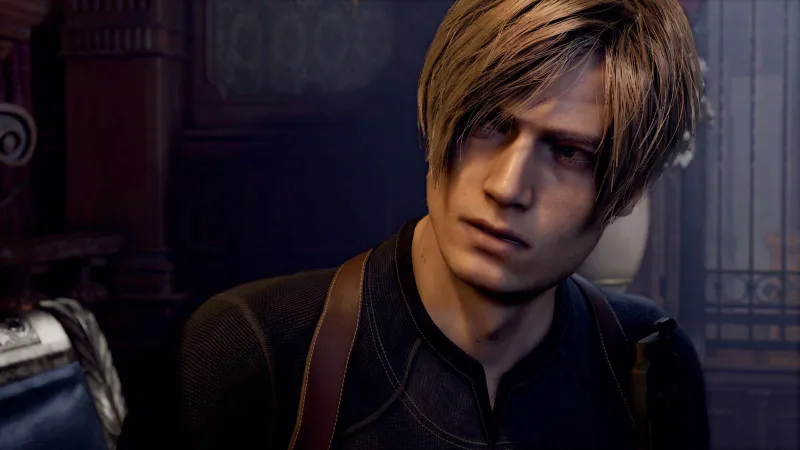
Perhaps the most elbow grease went into rewriting the game's story, though the narrative beats are all the same. You play as Leon Kennedy, now a special agent of the United States president sent to a remote Spanish village in search of the president's missing daughter, Ashley Graham. At that village, all hell breaks loose. You're soon confronted by scores of angry locals infected by a parasite, Las Plagas, making them easy for the game's main antagonist to control without completely losing their mental faculties. Leon's nightmare takes him through the remote village, into the bowels of a baroque castle hoarded over by a ghoulish Napoleon wannabe, and then finally onto the shores of a military stronghold. All the while, monsters, gore, and death follow. 

It's campy, goofy, and over-the-top. And much of that charm is retained here, but with the addition of much sharper writing and better characterization. Ashley, in particular, has been rewritten as a real character with emotions, intelligence, and charisma. That other characters don't sexually harass her like they did in the original is also a huge improvement. Across the board, the cast has received an overhaul, making the protagonists more likable, the enemies more menacing, and the twisting threads of the plot somewhat more coherent – all the while never losing what made the original story so fun in the first place. 

I could write a metaphorical book about all the ways I love the Resident Evil 4 remake, but it might be simplest to tell you to look down at the score at the bottom of this page and sum it up like this: if you loved Resident Evil 4 in the past, you will love this remake. Period. Point blank. It is a love letter to a game that fans know up, down, left, right, and center, a faithful recreation at all the right moments, but with expert refinements and modern sensibilities. It's also a radical reimagining when it needs to be, a wonderfully fun game fully confident in its ability to remake one of the best games of all time. 

What it lacks, however, is context. And that's important. 

Quickly following any mention of the original Resident Evil 4 is discussion of its camera. Rather than the fixed camera angles of its predecessors, the original game placed the camera behind Leon's back. Most importantly, he was slightly off-center to the left. When he aimed, you looked directly over his right shoulder. This perspective is, of course, the template for almost every third-person video game that came after. Resident Evil 4 changed the shape of the game industry. 

As great as this remake is – and let me reiterate, it's incredible – I do not think it will show you why Resident Evil 4 was so groundbreaking. It just can't. There's no universe where this game will ever be as important as the game it remakes. It can't come out in the same time, space, and context as the first Resident Evil 4. Somewhat ironically, it's only as good as it is now because it exists in a post-Resident Evil 4 world. And so, while I think it can show you why Resident Evil 4 was fun, goofy, and endearing, if you're someone interested in just why this old game has such an enduring legacy – especially one strong enough to warrant such a massively expensive remake – your best bet is to still play the original, to try and put your mind in a pre-Resident Evil 4 world to understand how that game could change everything. Or better, you can watch a few minutes of a Let's Play or read one of the thousands of articles about it. That will make playing the remake a much richer experience; you can see decades of lessons learned throughout the game industry about how to make a third-person action game thrilling, fun, and mechanically effective reapplied to the source material. It's a refinement, not a reinvention. And that space is the most interesting place this remake can occupy. 

The Resident Evil 4 remake is about everything I could've wanted. But importantly, it doesn't overwrite its predecessor. If anything, this new version reinforces why the original Resident Evil 4 is a game people should still seek out, play, or at least watch and learn about. But as a love letter to one of the greatest games of all time, as a new historical artifact that reinforces why the source material was so landmark in the first place, this new trek through the Spanish countryside is as good as it gets and makes a great game that much better.

GI Must Play

Score: 9.5

About Game Informer's review system

Purchase
Tuesday, March 14, 2023

Destiny 2: Lightfall Review - Hits And Misses

Reviewed on: PlayStation 5
Platform: PlayStation 5, Xbox Series X/S, PlayStation 4, Xbox One, Stadia, PC
Publisher: Bungie
Developer: Bungie
Rating: Teen

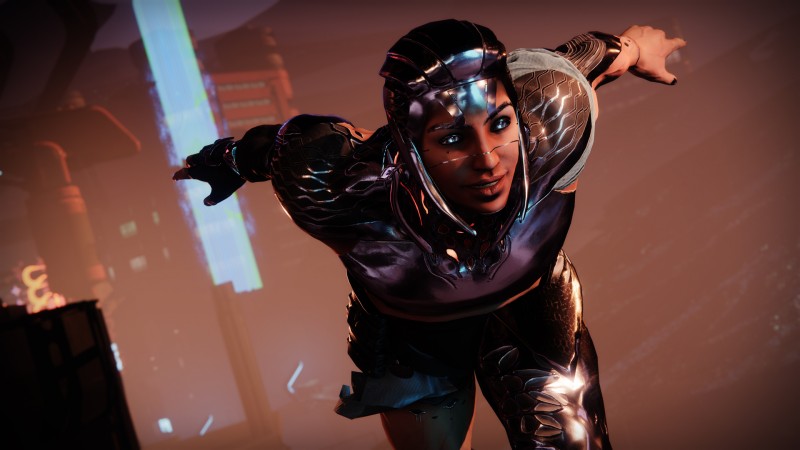
Long-running living games are complicated beasts to wrangle and expand in new directions. After so many years, game modes, prior changes, and unique audience groups, a game like Destiny 2 must cater to many masters. That challenge is keenly felt with Destiny 2’s latest expansion. Lightfall is the penultimate chapter in the storytelling arc that has been underway since the original game’s launch in 2014. It misses the mark as a narrative and in a few other key ways. But as a gradual evolution of what has come before, it brings a lot of important additions to the table.

Lightfall’s meandering and poorly explained plot does not offer a solid first impression. Attempts to nod tonally to ‘80s action flicks mostly fall flat, trying and failing to muster a playful vibe at odds with the impending apocalypse. A new core character and vendor, whose dialogue is even more irritating than the combined lot of early Destiny 2 leads, dramatically exacerbates that tonal misstep. After several missions that tease big revelations, the story closes with little payoff, putting players right back where it started in the opening cinematic.

The city of Neomuna on Neptune is colorful, but vacant and void of life. It lacks the sense of discovery and exploration that characterizes the best destinations in the game. However, the distant planet houses some enjoyable combat locales and activities, including invigorating public combat spaces, new enemy configurations, and the most dangerous non-boss enemies the game has yet introduced, in the form of the Tormentors – a great challenge, whenever they show up.

The poor taste left behind by Lightfall’s struggling campaign is gradually alleviated by much of what the rest of the expansion offers. The new Strand subclasses take a while to wrap one’s head around but eventually emerge as incredibly rewarding and powerful. Strand abilities lead to a more mobile and controllable battlefield, dramatically expanding the available playstyles in the best of ways.

Major quality-of-life improvements also make a big difference, even if some systems still need tweaking. The long-awaited approach to loadouts is excellent, letting you set up numerous builds to flip between on the fly – both for function and cosmetics. A new approach to mods is easier to grasp for newcomers to build-crafting. Alongside adjustments to how artifact unlocks provide new abilities, and continual additions to each subclass’ options, the capability to tweak and experiment is much more enjoyable than it has been previously.

New commendation and guardian rank systems are good additions, but both feel too prescriptive and limited to be meaningful. Guardian ranks demand too-specific tasks that don’t represent what they purport to do – express a given player’s experience and expertise. And commendations are a fun idea supporting improved community expression, but in practice, players are mostly just spamming them out without consideration.

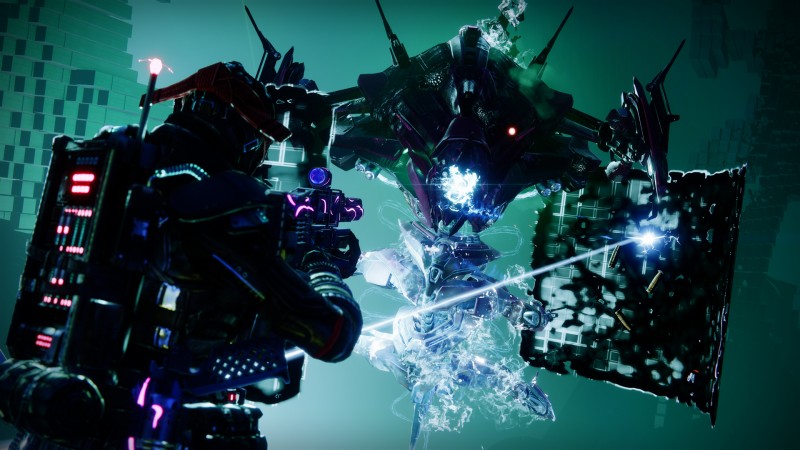
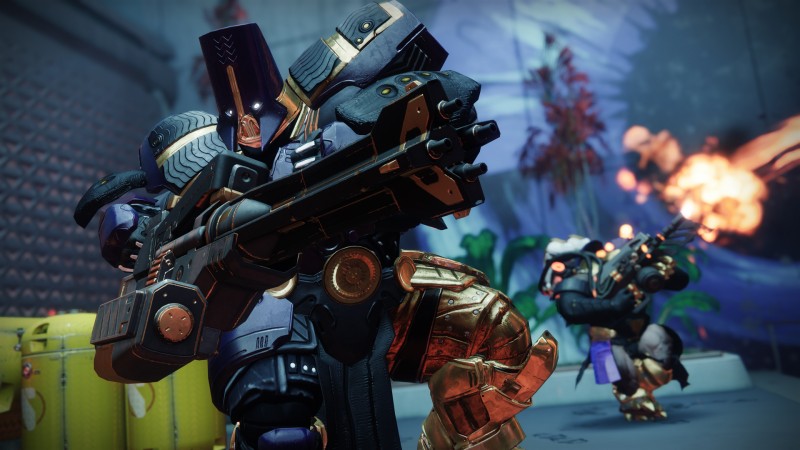
Other endgame and investment-oriented activities fare much better than the campaign. Stellar extra missions offer new challenges and locales, like the thrilling hidden quest for the Vexcalibur exotic. On that note, several new exotics add much to the sandbox experience, making me eager to chase them down. The latest raid offers an intriguing core mechanic and a unique visual palette that blends organic and tech-infused looks into a cohesive style. And the new seasonal content, focused on Earth’s final defense against invasion and destruction, is engaging and fun.

I may have found the campaign uninspired and its legendary difficulty a slog characterized by bullet-spongey foes. But an expansion to a game this big is more than just its opening story. Lightfall sets up some strong possibilities – narratively and in the gameplay sphere – for a rewarding year of adventure ahead. Despite some frustrations, Destiny 2 continues to make strides in catering to a diverse player base characterized by disparate desires. Lightfall is hit and miss, but any stumbles shouldn’t be enough to derail players’ enthusiasm for continued adventure or the excitement of seeing the epic conclude over the next year.
 

Score: 7.75

About Game Informer's review system

Purchase