Pages

Tuesday, May 30, 2023

Street Fighter 6 Review - A Clean Reversal

Street Fighter 6

Reviewed on: PC
Platform: PlayStation 5, Xbox Series X/S, PlayStation 4, PC
Publisher: Capcom
Developer: Capcom
Rating: Teen

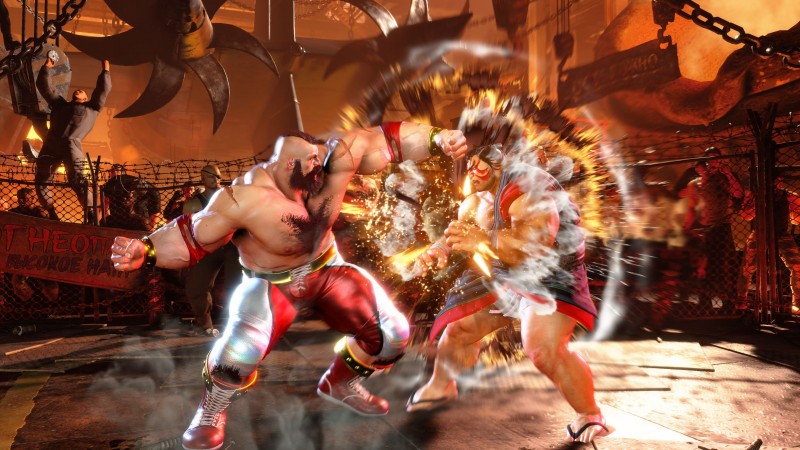
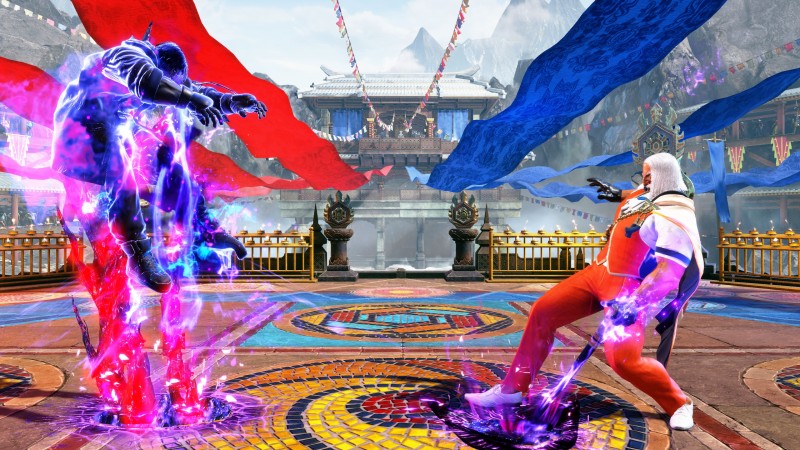
It’s no secret that Street Fighter V got off to a disastrous start, and despite years of course correction, its flawed foundation made a comeback difficult. By contrast, Street Fighter 6 is a thorough response to its predecessor’s failings, defined by well-considered central mechanics, formidable single-player offerings, and a plethora of smart decisions that make for a powerful opening punch.

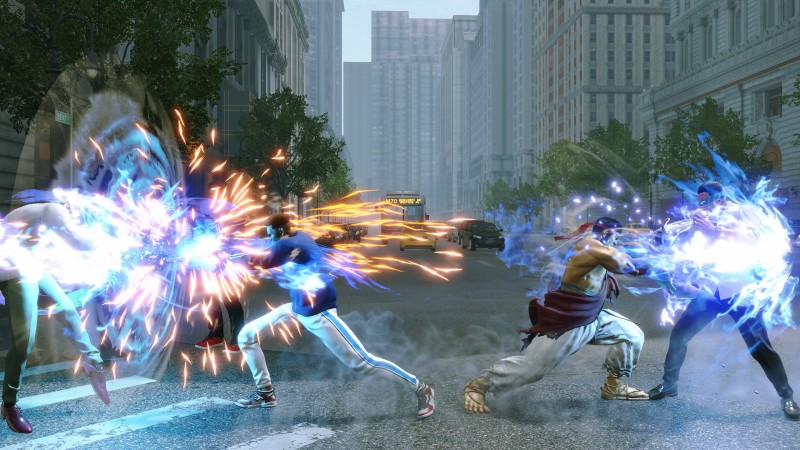
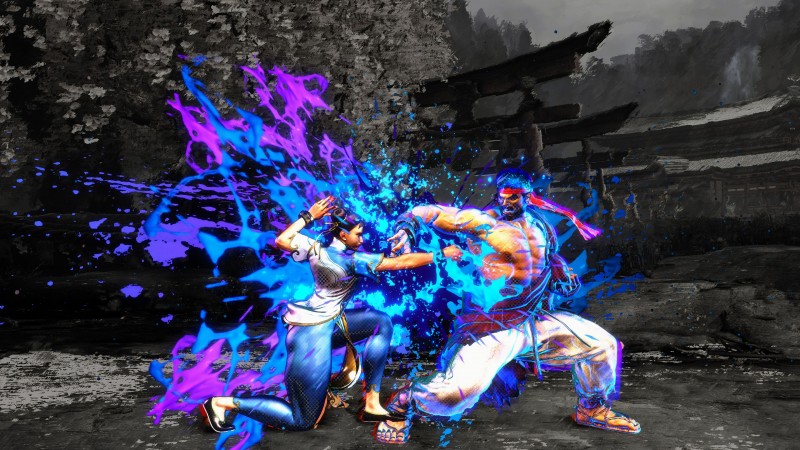
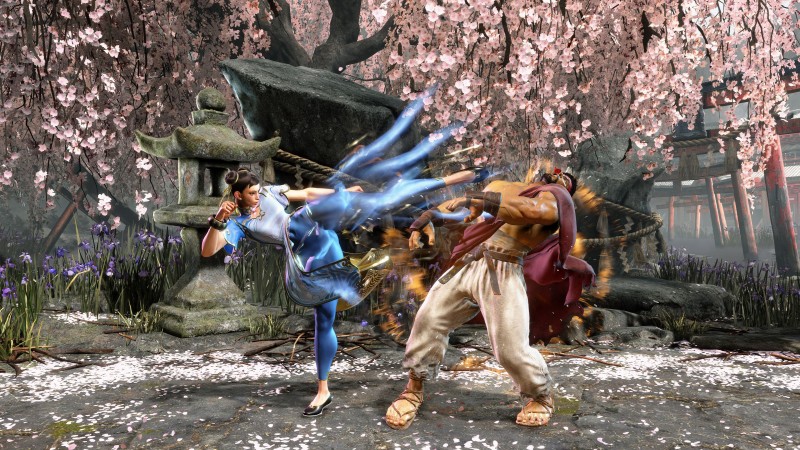
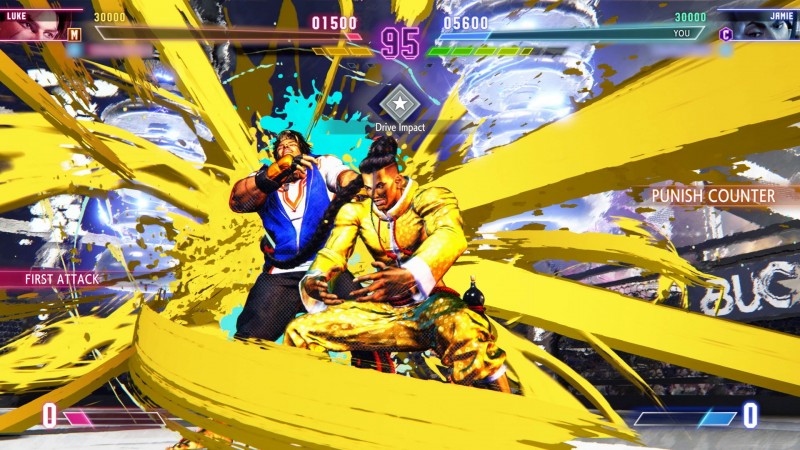
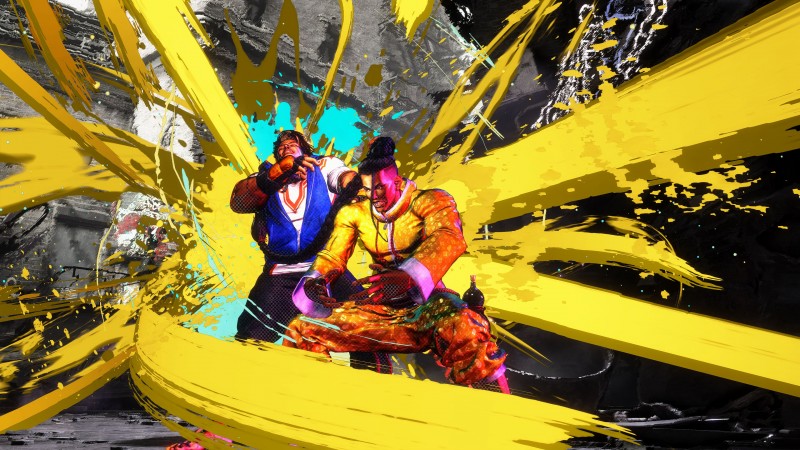
Those primarily interested in duking it out against other players have a lot to look forward to; between the snappy movement and wealth of strategic options, it’s a joy to play. The biggest addition is the new Drive System, which elegantly combines several mechanics like powered-up special attacks, cancels, and defensive maneuvers under a shared resource. This meter starts fully stocked and replenishes automatically, giving ready access to a large arsenal of options, but leaves you vulnerable when depleted, setting up a compelling risk/reward dynamic that tinges on every interaction.


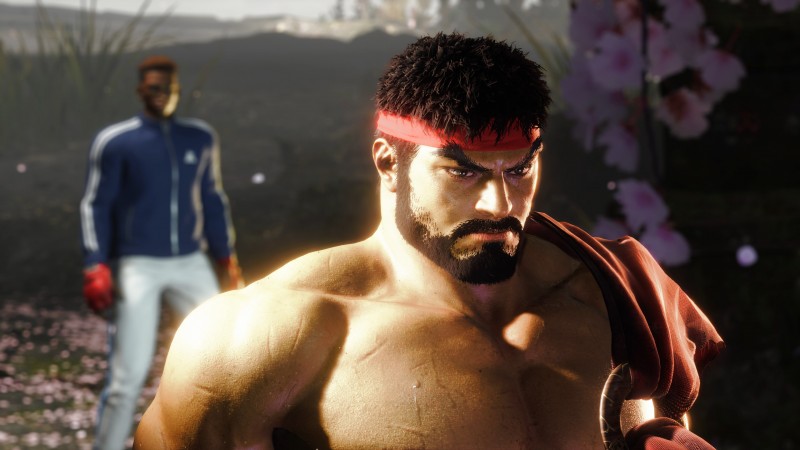
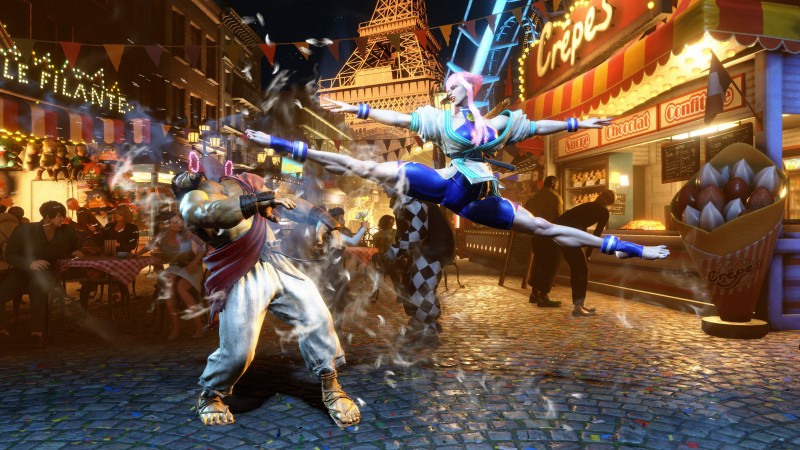
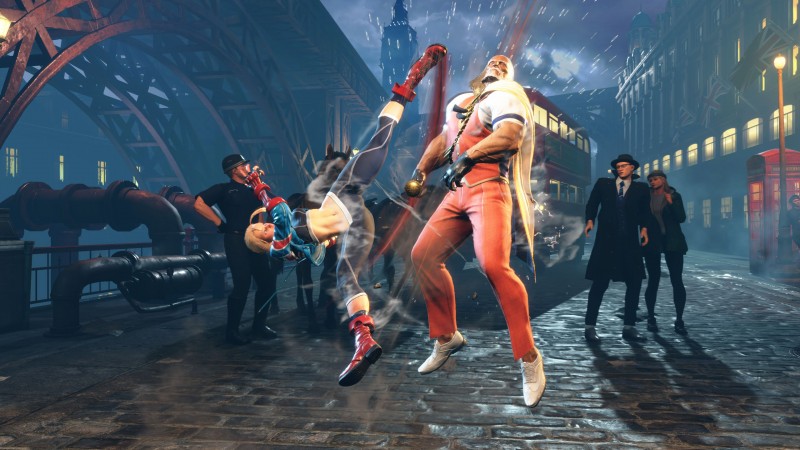
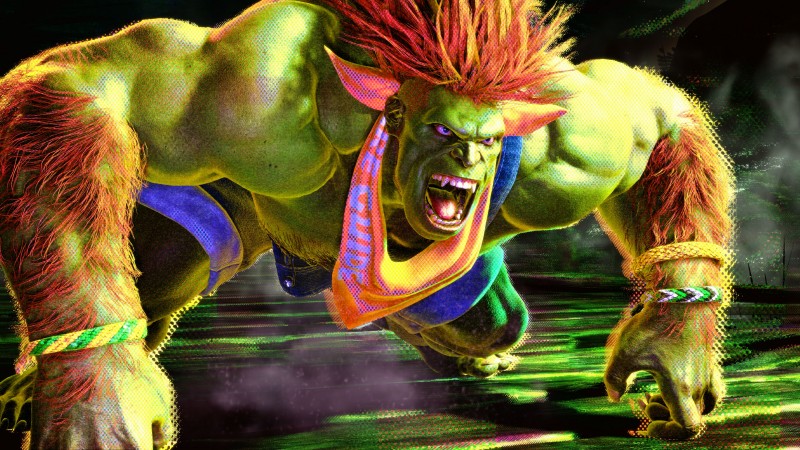
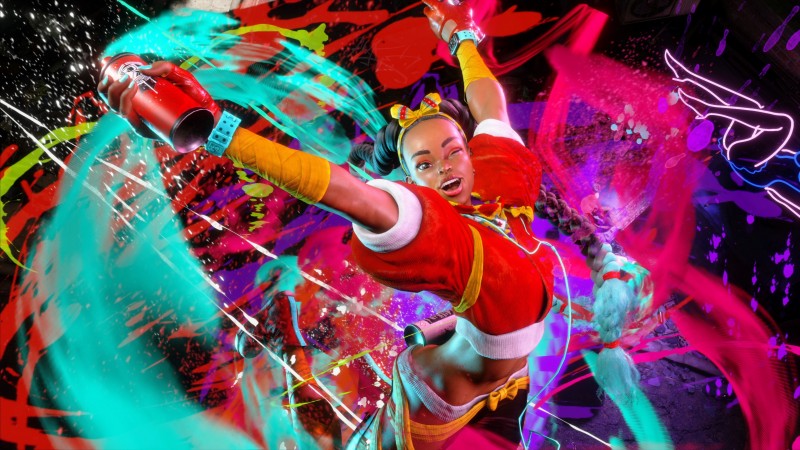
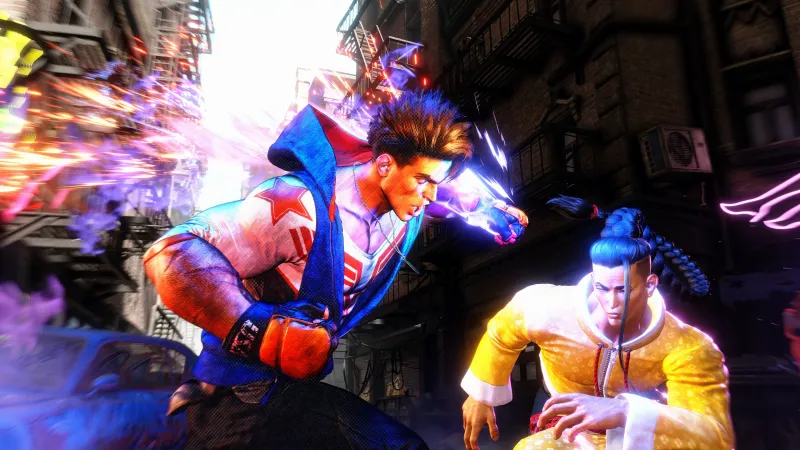
Additionally, the game’s pace feels more deliberate than Street Fighter V, creating rewarding back-and-forth exchanges allowing its more cerebral elements to shine. Specifically, the extended range of normal attacks makes careful poking battles more common, and strikes are less advantageous when blocked, meaning aggressors can’t single-mindedly run their offense. The 18-character roster is also a slam dunk, combining returning favorites with cleverly designed newcomers to deliver a wide variety of playstyles and degrees of complexity. Each has a robust move set, and almost every fighter has a unique gimmick that can transform the match.

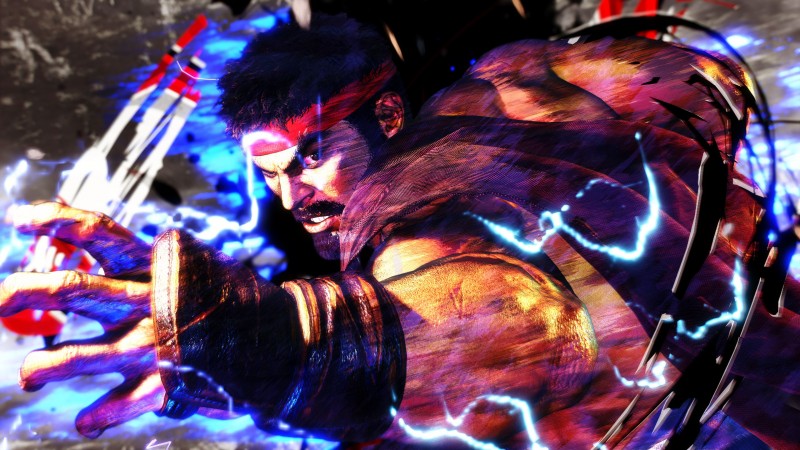
For instance, Manon is a grappler whose command grabs become more damaging every time one lands, making her an imposing momentum-based character, while Jamie is a Drunken Master-style brawler who gains new moves with each chug. Every major character archetype feels well-represented here, from zoners to rushdown characters, meaning players shouldn’t have a hard time finding someone who speaks to them. While only time will tell how the metagame shakes out, Street Fighter 6’s starting roster and core systems offer an excellent platform to build upon.

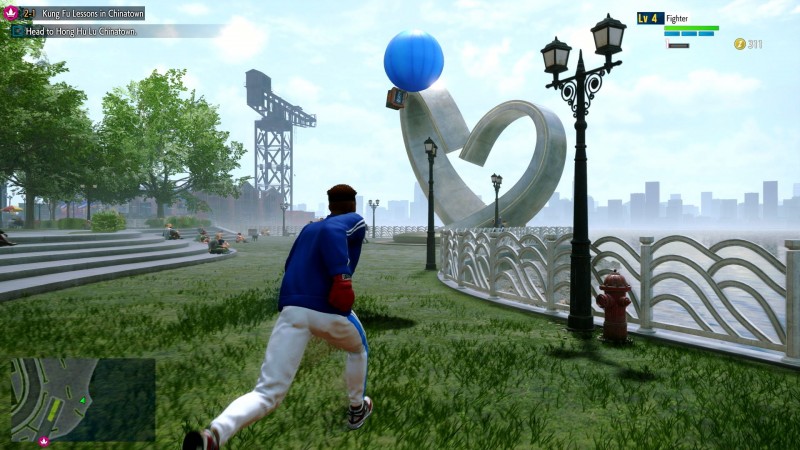
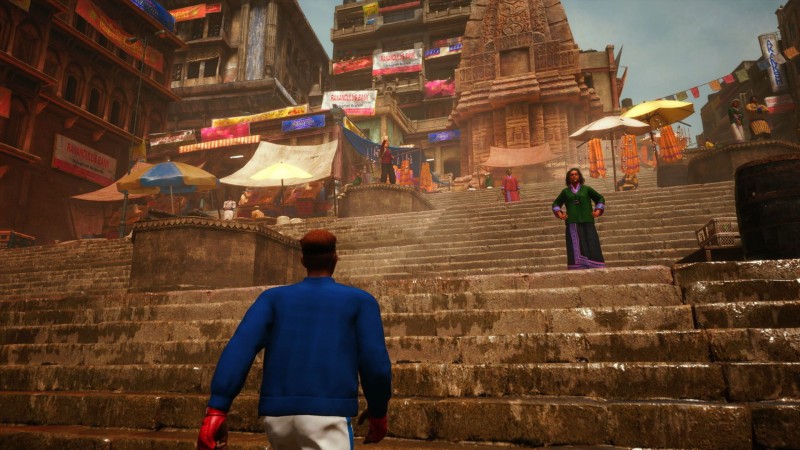
And for those less interested in playing against others, the most noteworthy mode is World Tour. This lengthy single-player story lets you explore a semi-open Metro City filled with fisticuff-loving weirdos, side quests, and RPG-lite progression. In addition to being an enjoyably strange adventure, it also successfully introduces and tutorializes some of the game’s deeper systems while offering a largely satisfying series of brawls.

Battles in World Tour are enticing thanks to foes’ unique attack patterns and how each enemy is paired with optional objectives that grant bonus rewards. Best of all, your avatar can learn abilities from the main roster, allowing you to mix the best elements of grapplers, zoners, and rushdown characters into a hilariously broken fighter. I was genuinely surprised by how much there is to this mode, and it took me more than 25 hours to reach the credits. While the World Tour is far from perfect – some fights felt overly chaotic due to how they handle being sandwiched between multiple enemies, and the overarching storytelling leaves much to be desired – it is a solid entry point for new players that will give those uninterested in testing their mettle online plenty to do.

Beyond this, an abundance of inclusions demonstrates an impressive degree of polish. There are multiple control schemes aimed at beginners, party settings, a robust training room, Arcade mode, accessibility options, and a fully realized lobby system. Tack on well-implemented rollback netcode, quick rematches, and the ability to queue up for online games from almost anywhere, and Street Fighter 6 makes it easy to get in and play.

As the series that pioneered fighting games, each new Street Fighter comes with weighty expectations. Street Fighter 6 confidently meets this hype, catering to neophytes and genre veterans by offering the most extensive array of offline offerings the franchise has ever seen alongside a flexible set of core systems and a diverse cast. Between its cohesive aesthetic, the bounty of clever features, and crisp central gameplay, it’s one of the most impressive entries the genre has seen in some time.
GI Must Play

Score: 9.5

About Game Informer's review system

Purchase
Friday, May 26, 2023

The Lord of the Rings: Gollum Review - Flawed Premise

Reviewed on: PlayStation 5
Platform: PlayStation 5, Xbox Series X/S, PlayStation 4, Xbox One, Switch, PC
Publisher: Daedalic Entertainment
Developer: Daedalic Entertainment
Release: 2021
Rating: Teen

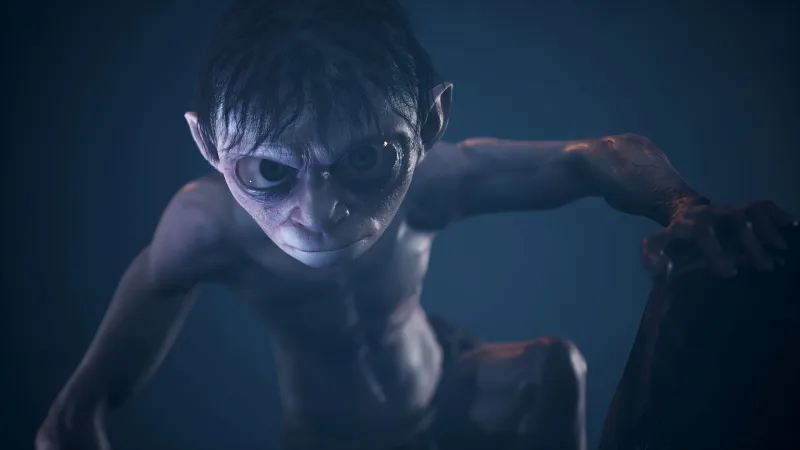
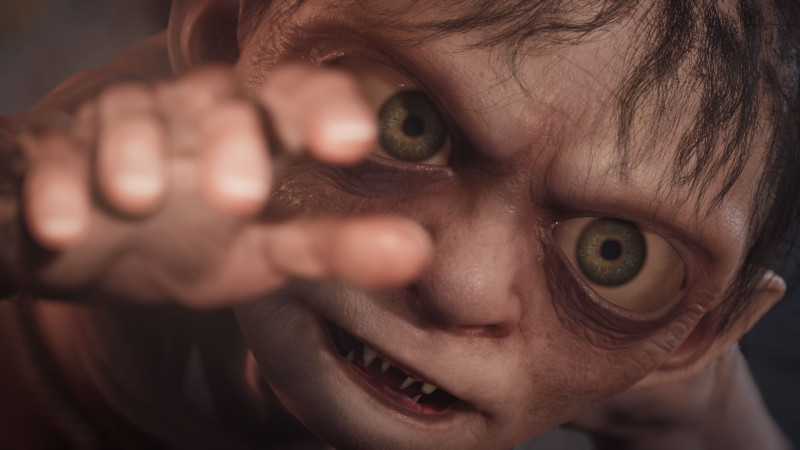
At times, an event or character can be profoundly impactful to its originating fiction, but not the right choice for a dedicated spotlight project of its own. It’s hard to think of a more potent case in point than The Lord of the Rings: Gollum, a game that fundamentally misunderstands the appeal of its source franchise, focusing on a character who, by almost any measure, is the wrong choice for a lead. That said, it’s not impossible to imagine the game that might somehow have made the unusual premise click. This is not that project; like its miserable and piteous lead, this game is best avoided at all costs.

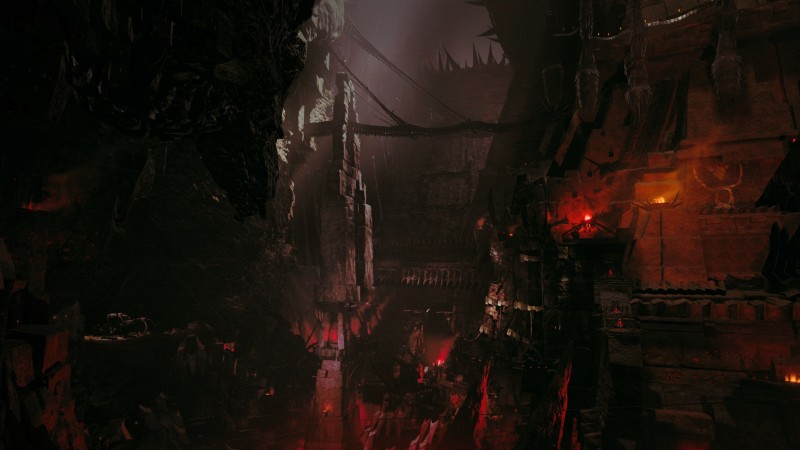
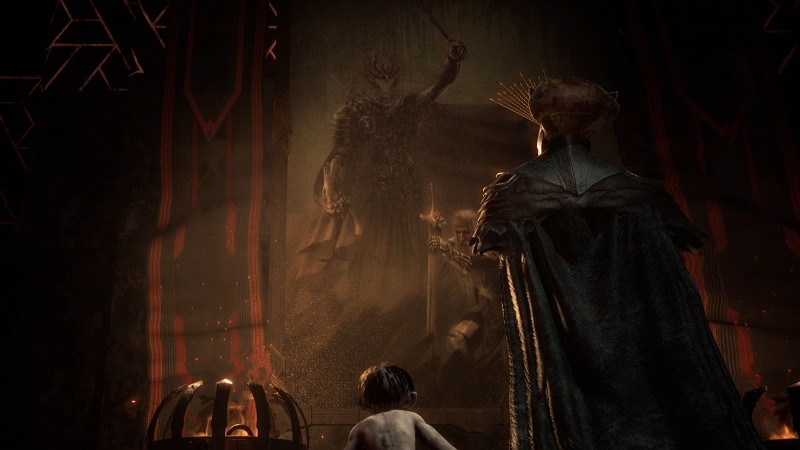
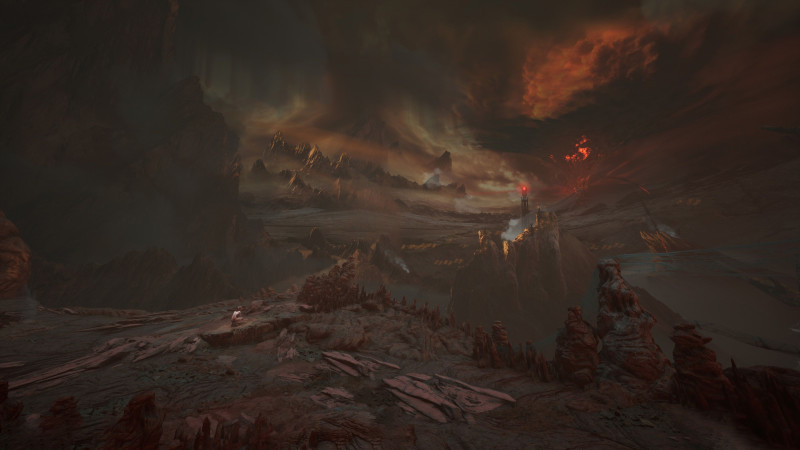
Gollum tracks the story of the titular fellow in the time period between The Hobbit and The Lord of the Rings, mostly during his slavery and misuse in Mordor and the related escape to pursue his precious ring. With its drab colors, focus on cruel and unappealing characters and chore-focused gameplay, it feels at odds with most of the core tenets and themes of Tolkien’s fiction. Even stripped of its connection to that vaunted legendarium, the storytelling is poorly paced, meandering, and often incoherent. A promising exploration of the dichotomy between the Gollum and Smeagol character initially seems compelling but is never leveraged in a meaningful way. 

Gameplay is split chiefly between old-fashioned linear traversal sequences and clumsy, uninteresting stretches of stealth. In navigation of the stages, the jumping is imprecise, stages are poorly structured to communicate where you can go, and the camera is unwieldy, or sometimes even broken, flipping entirely upside down while climbing or refusing to rotate to view the next necessary jump. I died repeatedly and frequently to jumps that should have been easy or mistakenly guessed where the next platform could be reached. The only small blessing is frequent checkpoints to soften the blow of the endless repeats.

While terrible, I longed for those platforming sequences every time the game switched to one of its plentiful stealth sequences. Unlike any modern stealth game, Gollum has no interesting tricks or tools to enrich these passages. Instead, the slippery protagonist can only glide between the shadows past immeasurably stupid guards, along paths upon which it’s hard to know whether you’ll be seen. No sense of mastery or control over the environment emerges. Again, respawns are constant. Whenever the game asked me if I wanted to reload to the last checkpoint, it was a force of will to continue.

Technical problems and poor implementation abound. Sound mixing often makes voices hard to hear. Character faces (with the exception of Gollum) are poorly animated or not at all. Onscreen figures move in perfect synchrony with one another, like something seen in early PS2 games. Textures are muddy and lack detail. More than once, the game demanded an objective that didn’t function or appear and did not respawn upon a checkpoint restart; only redoing the entire level would fix the problem.

I constantly struggled against the controls, camera, and objectives as they were presented. And nothing about the story or characters of The Lord of the Rings: Gollum offers reason to push past the frustration. As a longtime fan of Tolkien’s fiction, it’s possible that I liked the game even less for the way it seemed to misuse the source material. It’s hard to have a more damning indictment than to say that this Gollum game isn’t for fans of The Lord of the Rings, but here we are.


Score: 3.5

About Game Informer's review system

Purchase

Tuesday, May 23, 2023

After Us Review - Uncomfortable Truths

Reviewed on: PlayStation 5
Platform: PlayStation 5, Xbox Series X/S, PC
Publisher: Private Division
Developer: Piccolo
Rating: Teen

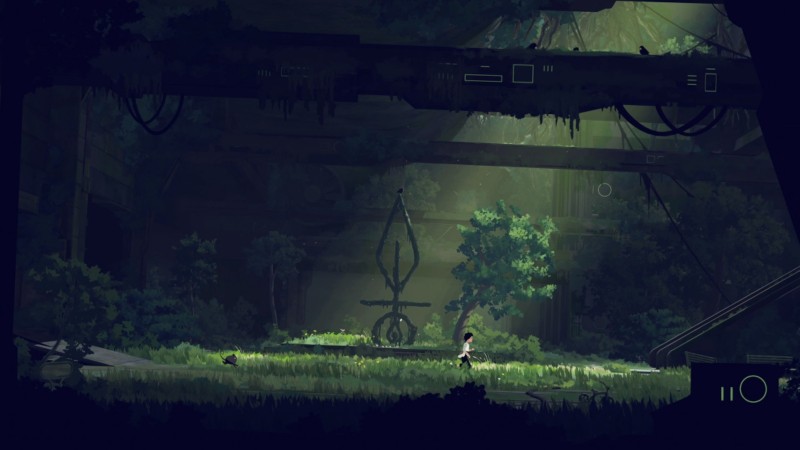
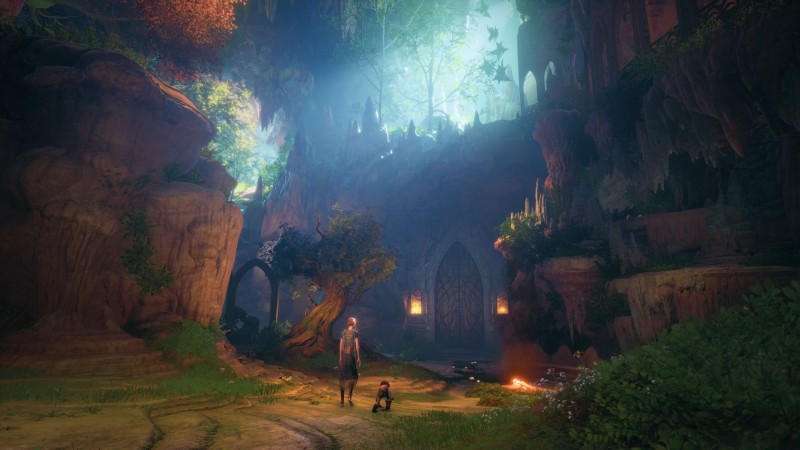
As a development team, the members of Piccolo Studio have an apparent interest in artistic interactive representations of uncomfortable realities. Their previous project, Arise: A Simple Story, was an affecting and powerful portrayal of death and heartbreak. After Us has broader ambitions, telling an allegorical tale about life after humanity and the complicated and often-devastating relationship we have always had with nature. The conclusions it leaves to the player to draw on those subjects are thematically heavy-handed but still impactful. The traversal-focused adventure that gets you there features moments of brilliance and beauty but some frequent frustrations along the way.

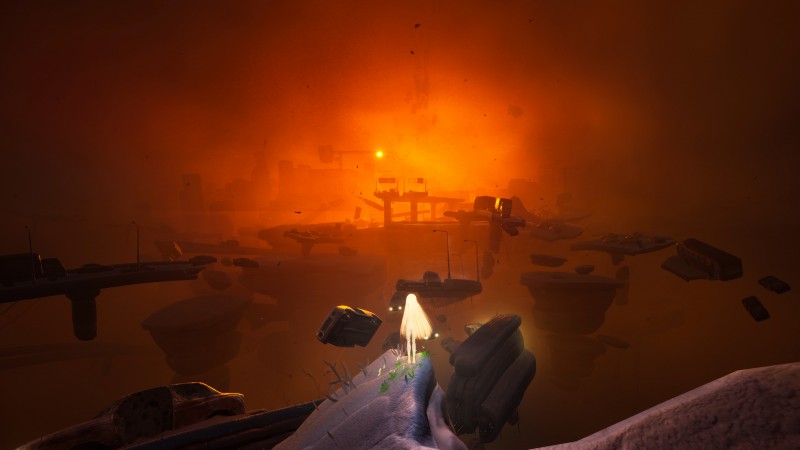
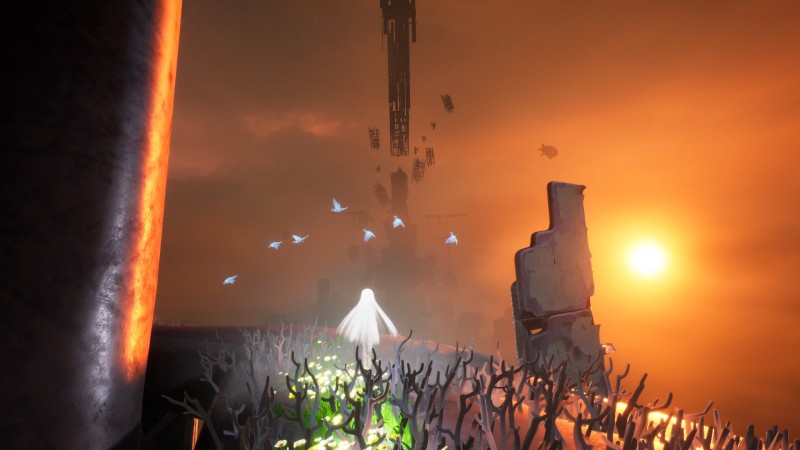
Players control a nymphlike girl who embodies the spirit of Gaia, moving through a world long left in shambles by human mishandling. Across an impressive variety of large interconnected stages filled with symbolic representations of nature’s destruction, players leap, sprint, and flit to chase down and recover the spirits of animals driven to extinction by humankind’s arrogance.

After Us’ most memorable elements are these surreal landscapes, filled with towering monuments to consumerism, piles of refuse, and towering human statues in anguish over what they’ve wrought. I looked forward to discovering each new destination. As exploration continues, the discovery of different animal spirits begins to populate each area with ghostly blue apparitions of the long-dead animals, sad and moving in equal measures.

The core gameplay of jumping and fighting back the devouring human spirits along the way fails to hold up to the surrounding visual feast. Leaps and other traversal mechanics are often imprecise, leading to too many respawns because landings are so floaty and hard to detect. The infrequent and rudimentary battles lack even the most basic abilities to lock-on or move laterally, resulting in strange retreats to gain some distance before the occasional quick turn to fling out an attack. I was eager to push past those moments and get back to exploration.


Most areas introduce clever new twists and gimmicks that help to keep the action lively. In one ruined landscape, I had to dodge between covered areas before the poisoned rain dragged me down. In another, I could teleport between abandoned televisions if they were tuned to the same image. Light puzzle solving comes into play with these new mechanics, but the solutions are rarely involved or complex.

While I was entranced by each locale I visited, each place I uncovered seemed to drag on too long. After Us is a game that could have scaled back on its scope and size significantly, and I would have felt its impact all the more. As it is, the long stages and vaguely ethereal music sometimes have a soporific effect. 

After Us poses some well-tread but timely questions about our impact on the world and its living things. However, optional discoveries throughout the game suggest that Piccolo is trying to present a slightly more ambivalent take on the subject. Some of that is best left for the player to discover for themselves. I recommend After Us strongly as a piece of visual artistry. It’s less successful as an interactive experience, but none of its problems are so glaring that it should dissuade someone from discovering its striking and haunting world.


Score: 7.5

About Game Informer's review system

Purchase
Monday, May 22, 2023

Planet Of Lana Review – Chasing Potential

Reviewed on: Xbox Series X/S
Platform: Xbox Series X/S, Xbox One, PC
Publisher: Thunderful
Developer: Wishfully
Rating: Everyone 10+

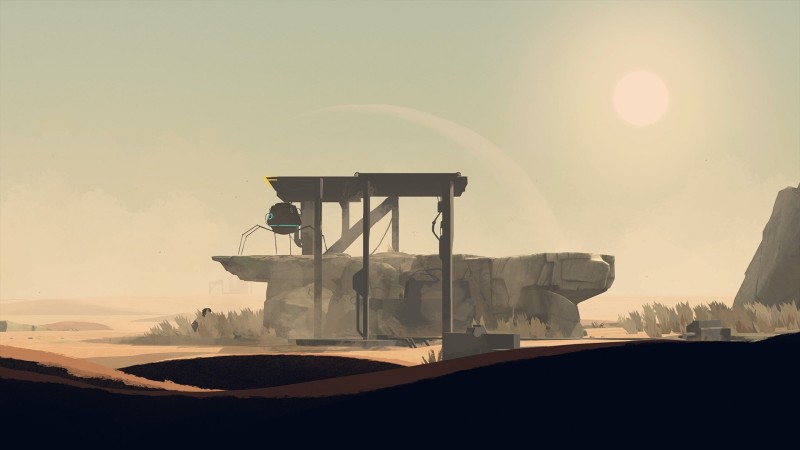
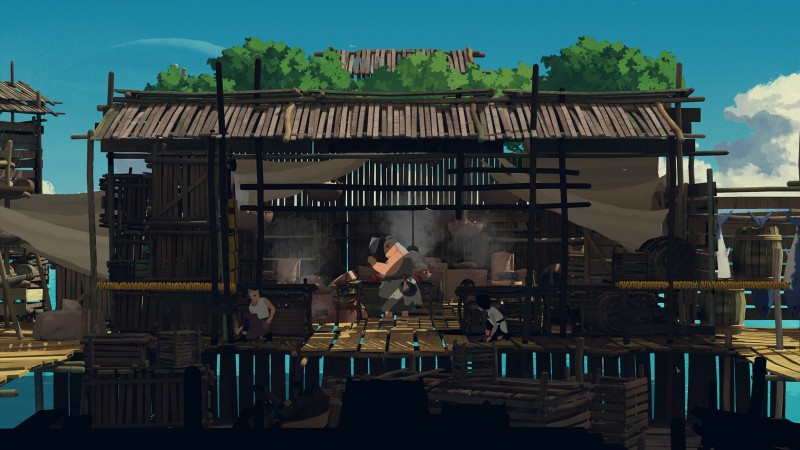
Since the release of Limbo in 2010, cinematic puzzle platformers have relied on capturing players’ attention and imagination with beautiful art directions and compelling, often enigmatic storytelling. As typically brief experiences, the moment-to-moment puzzles must hit hard with clever, memorable obstacles and not meander by rehashing familiar mechanics too often. Planet of Lana almost hits this sweet spot by boasting a gorgeous presentation, but trekking through this strange world doesn’t always inspire the same awe.  

Planet of Lana wastes little time throwing players into the fire. As the young Lana, your small village, including someone close to you, has been abducted by alien machines. It’s up to you to find and free everyone, and you’re joined by an adorable (and pettable) cat-like companion named Mui. Watching tender and somber moments between the pair is a treat because everything looks so wonderful. From painterly grassy plains to postcard-worthy beachside vistas, several snapshots are worthy of being framed as art pieces. The majestic soundtrack sits high on my list of the year’s best, with the main theme, in particular, becoming a welcomed earworm that also has intriguing narrative significance.

The game delivers an adequately entertaining tale, and it’s tough not to smile at Lana and Mui’s cute, though limited, interactions. The more exciting world-building happens along the edges, primarily through collectible, easy-to-miss fragments of an illuminating wall carving. Is this Earth or another planet? What are the machines, and where did they come from? Planet of Lana leaves some answers vague, but the intrigue helped propel me forward even if I’m still drawing my own conclusions. 


Lana’s deliberate, momentum-based movement feels fine but occasionally causes headaches, such as watching her slip over an edge after landing a big jump. Problem-solving involves the sometimes tedious task of moving objects into their correct positions and doing things in the proper order so that both characters can bypass obstacles. Mui’s superior agility means you’ll be commanding them to drop climbing ropes for Lana, activate distant switches, or lure away enemies. I just wish Mui didn’t halt after performing actions so I wouldn’t have to call them to my side constantly. Eventually, Mui and Lana can hijack animals’ minds or hack machines, respectively, to make them serve as platforms or weights for pressure-sensitive switches. These are cool abilities I wish the game utilized more often. 

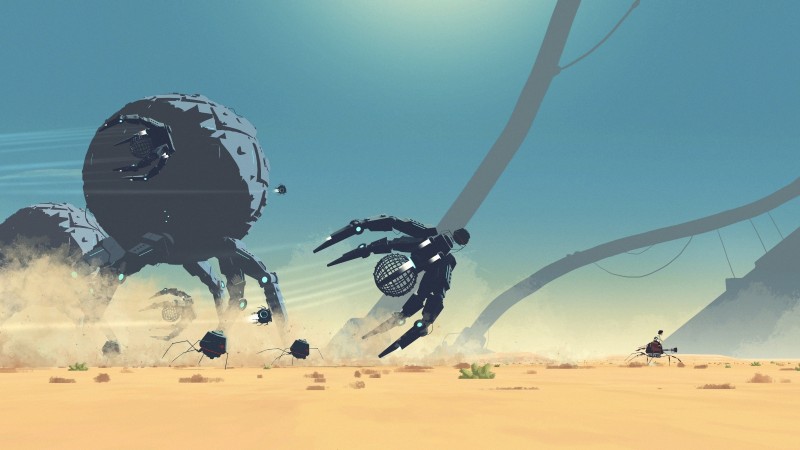
These traversal puzzles have some clever ideas, but they don’t evolve much or hit that next gear. You push objects, climb ropes, and crouch in tall grass to avoid patrolling machines for the bulk of the journey, albeit in moderately more elaborate ways. Some less recurring exercises break up this routine, such as manipulating the water level in lakes, but nothing I tackled truly wowed me, and I sometimes groaned when puzzles returned to the status quo. I solved a few obstacles on the first glace, and others can be disappointingly simple even deep into the game. Puzzle-solving may be middling, but Planet of Lana has a sprinkling of adrenaline-pumping moments. I got a kick out of a quick-time-event-driven race across the desert as your mount sprints through an armada of colossal marching machines.

While I would have liked gameplay to have more bite and variety, Planet of Lana is still an enjoyable and beautiful romp. The art direction and main jingle are likely the only things that will stick with me in the long run, but Lana and Mui’s journey is a competent rescue mission that doesn’t always soar as high as the machines pursuing them.

Score: 7.75

About Game Informer's review system

Purchase
Friday, May 19, 2023

Lego 2K Drive Review - Stud Your Engines

Lego 2K Drive

Reviewed on: PlayStation 5
Platform: PlayStation 5, Xbox Series X/S, PlayStation 4, Xbox One, Switch, PC
Publisher: 2K Games
Developer: Visual Concepts
Rating: Everyone 10+

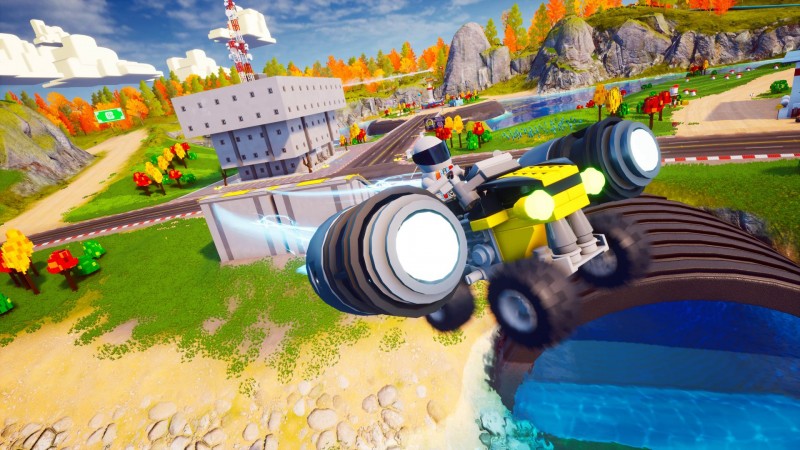
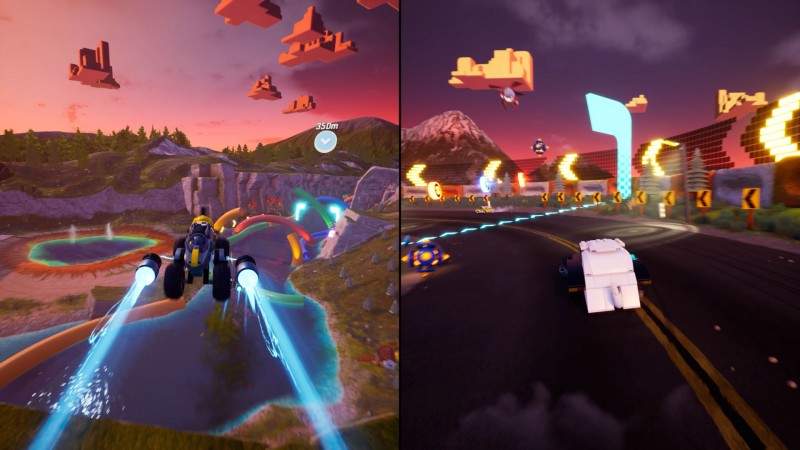
Best known for working on the publisher’s WWE and NBA games, Visual Concepts has found itself behind the wheel of 2K’s latest licensed experiment. Lego 2K Drive is a high-octane competitive racer full of destructible brick-y environments to crash through and a kid-friendly narrative full of fourth-wall-breaking fun.

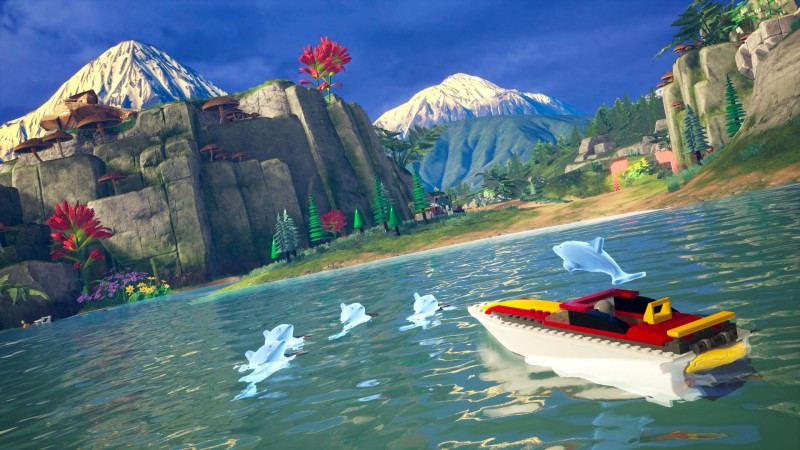
The game’s best feature is Bricklandia, the playful Lego landscape in which 2K Drive is set. It’s a world begging to be dismantled by the brunt of your screeching tires and custom boat masts. Accelerating across the open-world playmat (that a human would never want to step on) is a thrilling experience, made better by the carefully animated auto-morphing ability. As you cross different terrain, from road to off-road and on water, players automatically switch between vehicles to fit the context.

Tires and water noodles frame the world’s vistas and act as charming obstacles, and it’s this blend of real-world objects with Lego constructs that amplifies the delightful toy box atmosphere. As a budding racer dropped into this striking open world, you tackle an onslaught of revheads, claiming their flags to ascend to the honor of Sky Cup Champion. Mohawked egomaniac Shadow Z serves as your rival in this endeavor, popping up from time to time to remind you of how mean-spirited he is.

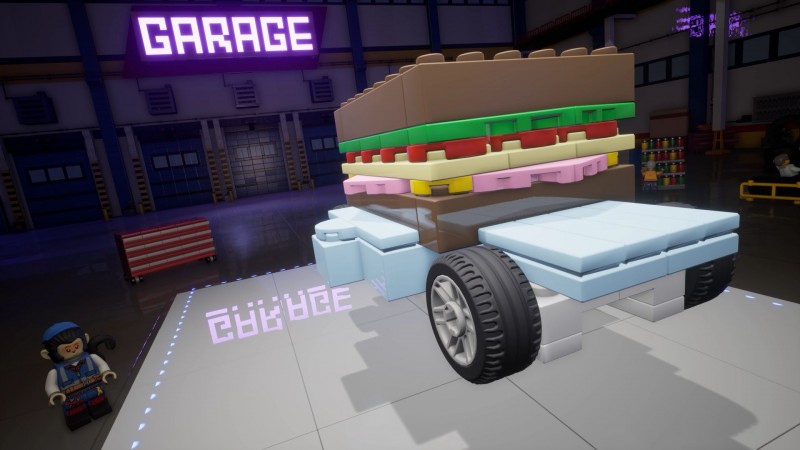
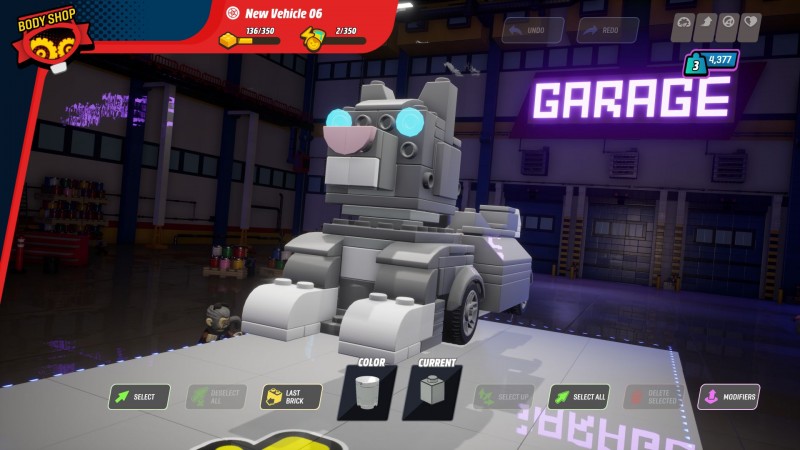
To even get close to taking him on, you must explore Bricklandia in search of rival speedsters, each with their own unique driving skills they exercise in instanced Mario Kart-style races. From an actual horse to an alien in a suit, they make for a charming ensemble and provide new cars and perks to play with, as well as Brickbux, with which you can buy new machines and parts. You can also build your own vehicles brick-by-brick at the garage, which let me create some truly cursed rides. While the building system isn’t the most intuitive, it does feel like an appropriate nod to Lego’s humble brick-building origins.

Across Bricklandia’s varied biomes, you also encounter On-The-Go Events, ambient missions that you can drop in and out of for pockets of absurd fun, such as jumping over houses or drifting through a minefield. Conquering the criteria to earn XP and resources feels like getting your license in Gran Turismo on a schoolyard sugar high.

Lego 2K Drive’s constant barrage of dialogue kept me giggling throughout, though the intensity of some missions, like the less-interesting wave-defense or NPC rescue expeditions, left me unable to focus on the jokes. This was always disappointing, given the evident talent of the writers and voice actors, who provide an effective satire of conventional racing games.

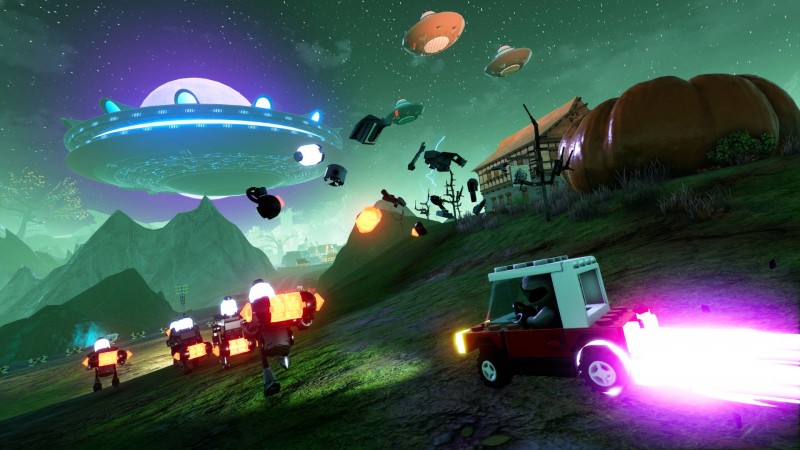
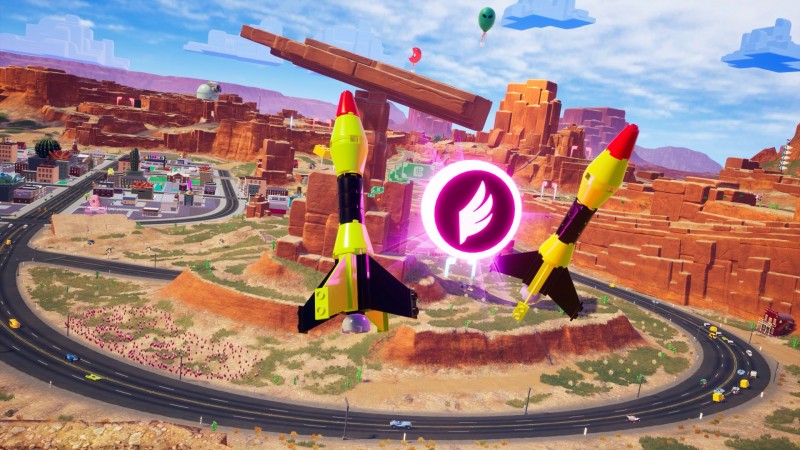
Bashing and smashing your way through the map is easy junk food fun, but the must-win races can be punishing due to some devastating pickups and brutal slow down when you veer off track. Some of the open-world missions require you to drive with dexterity and attempt deft movements while herding rockets or smashing through tiny robot invaders, which can lead to frustration, where I often felt too fast for my own good. While I relished how it got my heart pounding, I was left longing for a more low-key approach to exploration.


While it is a little buggy, another delightful surprise was Lego 2K Drive’s couch co-op, which allows you and a partner to peel through the open world together, pooling XP as you go. I found myself getting in the way of bombs or smashing into targets for my partner to make sure one of us got the top spot. Notably, this feature made the dreary defend and rescue missions much more palatable thanks to the collaborative nature of the gameplay. 

Unfortunately, the elephant in the room, or in this case, a monkey, is the game’s storefront, Unkie’s Emporium, introduced during the tutorial by its eponymous primate mechanic. Here, you can purchase premium currency with real money that can be exchanged to access cars and characters previously locked behind a costly Brickbux wall. Of course, you could earn all these items by grinding, but the temptation lingers, which is troubling for a game so clearly geared toward younger audiences. 

Lego 2K Drive builds an incredibly inviting world where speed and silliness reign supreme as you race and morph across its delightfully destructible setting. Despite some frustrating mission design and a smattering of bugs, Lego 2K Drive quickly won me over with its absurd narrative full of irreverent dialogue and moreish open-world challenges. If only the specter of microtransactions didn’t loom so large in this kid-friendly game, it would make for an even smoother ride.

Score: 8

About Game Informer's review system

Purchase