Pages

Friday, July 28, 2023

Exoprimal Review – Trojan Rex

Exoprimal review

Reviewed on: Xbox Series X/S
Platform: PlayStation 5, Xbox Series X/S, PlayStation 4, Xbox One, PC
Publisher: Capcom
Developer: Capcom
Rating: Mature

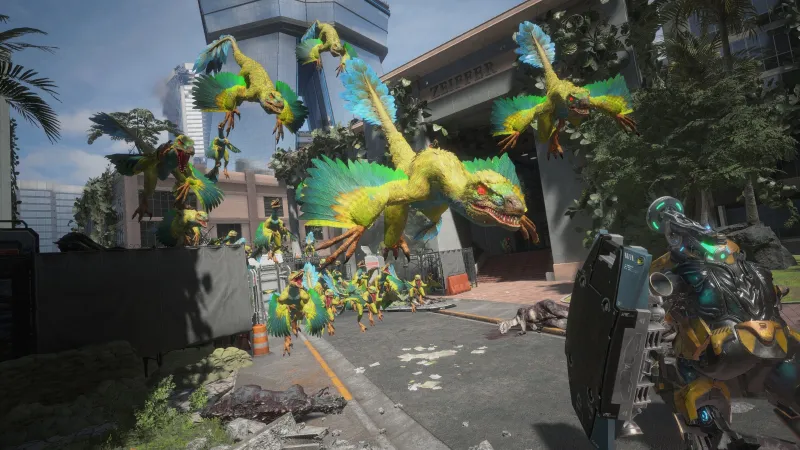
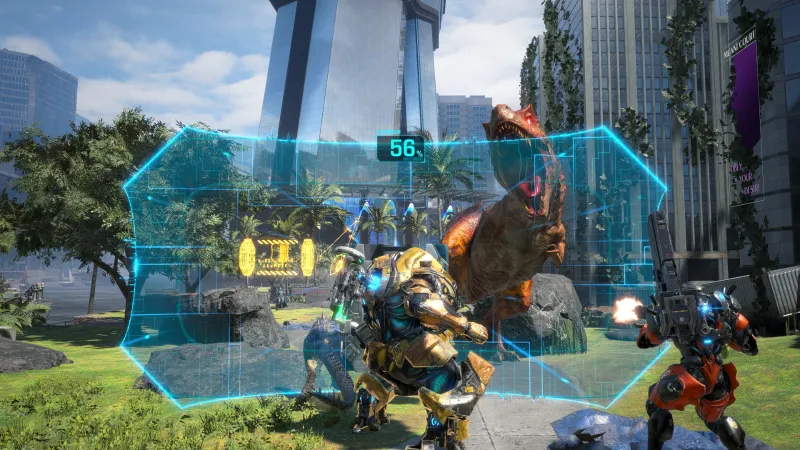
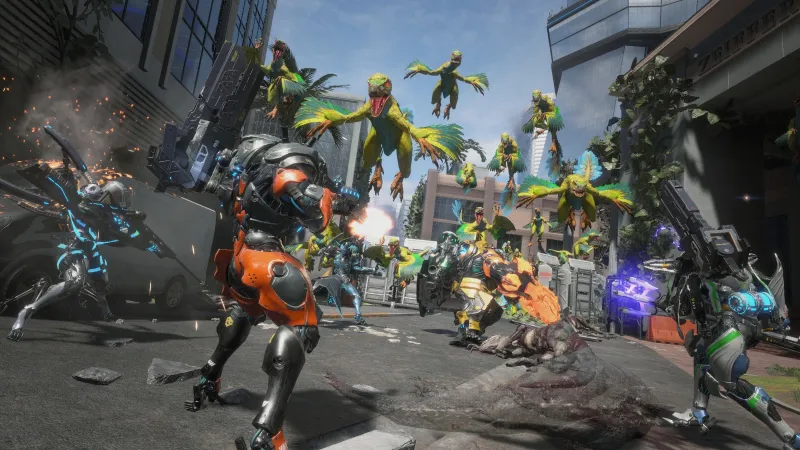
As an omnipresent robotic voice condescendingly wishes my team luck, my eyes widen in disbelief as a massive portal materializes over a city block. It spews hundreds of raptors that rain from the sky, tumbling down buildings before they sprint in our direction. It’s a jaw-dropping sight, but that awe turns to intimidation at the staggering number of adversaries thirsty for our blood. Our tank units move forward and activate their shields to create a defensive wall. A healer fills health bars to the brim. A sniper takes point on an elevated perch. All the while, my finger rests on the trigger of my grenade launcher, waiting to see the whites of my scaly enemies’ eyes before unleashing hell. 

I’ve experienced this tense situation dozens of times in Exoprimal’s cooperative wargames. Capcom uses a 5v5 hero shooter template to weave an absolutely absurd tale involving dinosaurs, parallel realities, time travel, time loops, artificial intelligence, and more dinosaurs. What appears to be a class-based multiplayer shooter winds up being a trojan horse to deliver a bonkers single-player tale. Your mileage will vary depending on what you’re here for, but this novel approach creates one of the most surprisingly enjoyable titles of the year. 

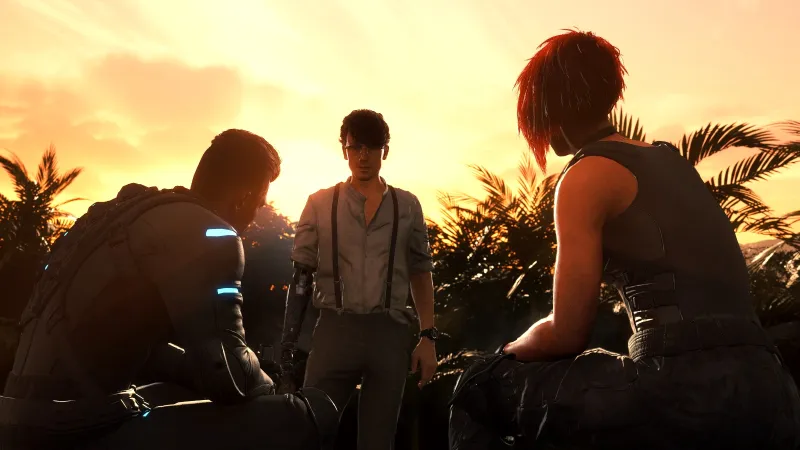
Exoprimal’s premise drew me in for its sheer silliness. In 2043, mysterious outbreaks of dinosaur swarms plague Earth. Mega-corporation Aibius’ answer is training pilots to use high-tech Exosuits (basically suped-up Iron Man suits) to fight back. A small ragtag team of these pilots crashlands over a ruined island that Aibius’ sentient A.I., Leviathan, has overtaken. For whatever reason, this machine has trapped the island in an endless time loop, replaying a fateful day three years in the past and summoning exofighters from parallel realities to engage in wargames against the dinosaurs to fuel its mysterious obsession for collecting combat data. 
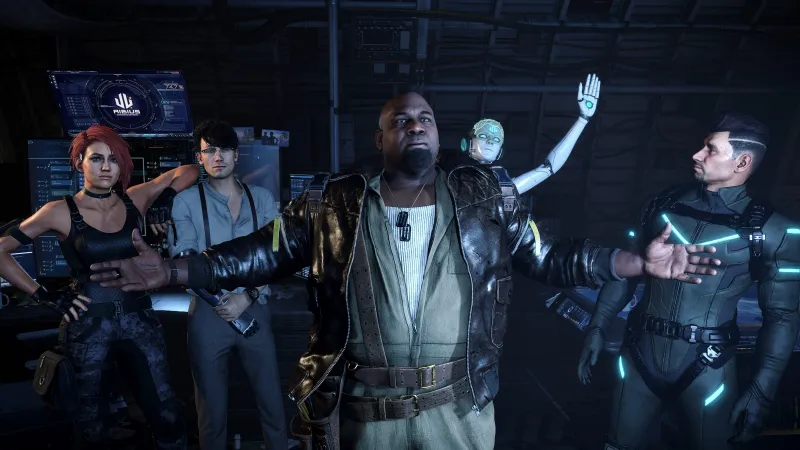
The story sounds even dumber written out, and it only gets wilder and more intricate as it unfolds. I’m a sucker for over-the-top nonsense, and the narrative manages to be on the entertaining side of that spectrum. New cutscenes excited me more than unlocking a rare cosmetic skin or weapon perk. What impresses me most is how the story is told. Completing matches unlocks new story moments on a radial flowchart called the Analysis Map. These beats, whether cinematics, audio logs, or lengthy exposition dumps, feed toward the ending at its center. The more you play, the closer you get to solving the central mysteries and seeing how this band of likable misfits escape. It’s a neat approach to storytelling in a purely multiplayer title, and, as a more casual multiplayer fan, it effectively hooked me into playing longer than I normally would in similar titles.  

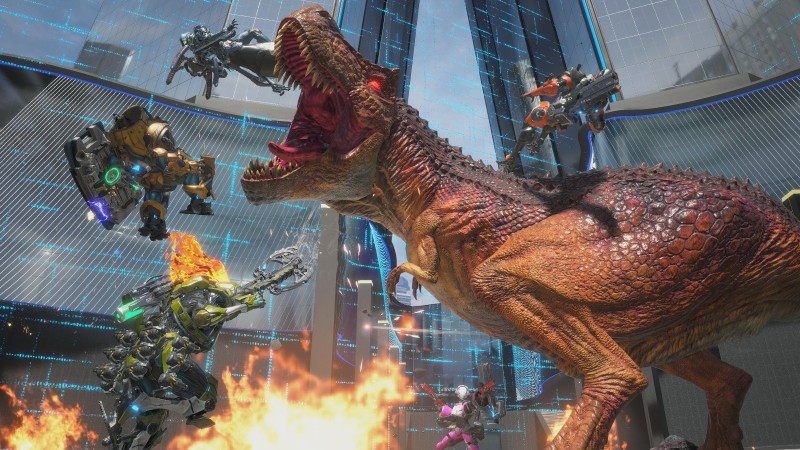
On the surface, Exoprimal is a familiar sell. Two teams of five battle it out for supremacy, suiting up in various exosuits divided by class: assault, support, and tank. My favorites included the fast, melee-focused Zepher, the heavy samurai-esque Murasame, and the electricity-wielding healer, Witchdoctor. Though not every class satisfies my playstyle, all of them are enjoyable due to how good the gameplay feels. Whether you're gunning your opponents down or slicing them apart, the action feels smooth, and the performance never skips a beat, even with hundreds of enemies on screen. Wiping out crowds of foes channels the fun power fantasy of Musou titles like Dynasty Warriors. Plus, watching dozens of dinosaurs across an evolving slate of species swarm arenas, from tiny velociraptors to giant triceratops and t-rex, always looks cool. 

Each match tasks players with completing three rounds of randomized objectives faster than the opposing team. This includes killing a certain amount of a dinosaur type, protecting checkpoints, or escorting a payload. I enjoyed the tense, tug-of-war style race that matches become, as it’s often anyone’s game, even if you’re lagging the entire match. The final round is the only one that puts you in direct contact with the other team, letting you sabotage each other’s progress during the final push. Activating a Dominator accomplishes this task best; this single-use power-up transforms one player into a mighty rampaging dino to rip through the other team. I loved using this, as I felt like a bear invading a bee’s nest; I’ll get stung, but not before tearing apart as many players as possible so my team can catch up or maintain our lead.
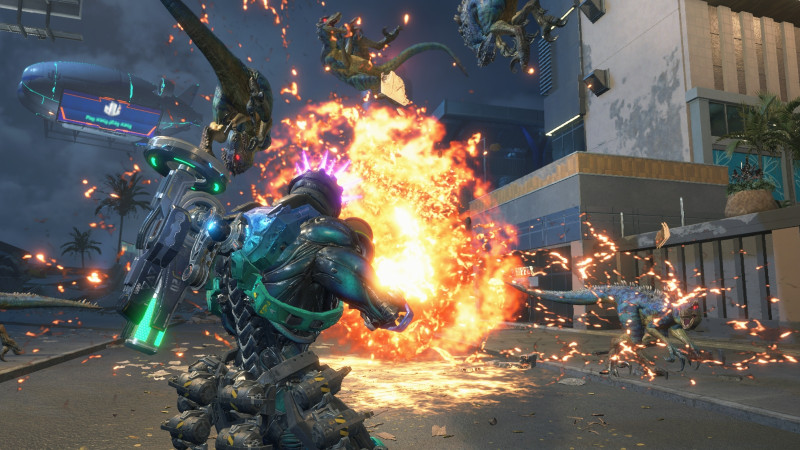
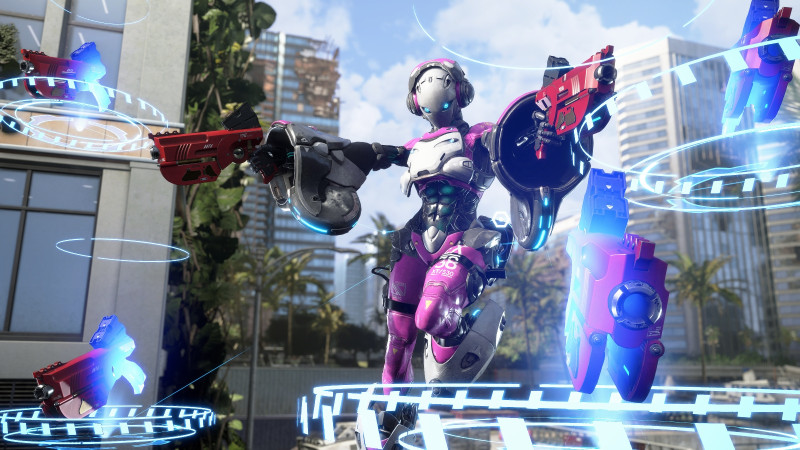
 

Though Exoprimal offers only one gameplay destination, matches begin offering more levels, objective types, and dinosaurs as the story progresses. This helps freshen up and contextualize the inherently repetitive loop of playing match after match. I also like that the game occasionally throws curveballs by introducing story-based missions. Sometimes an ally invades the game in search of data and needs your protection, for example, but the most exciting is raid-style boss battles where both teams cooperate to take down a powerful monster. With a shared pool of limited respawns and several rounds of overwhelming enemy numbers, these bouts offer a fun and challenging change of pace from standard matches.

If you’re a multiplayer diehard, Exoprimal is nowhere near as robust as comparable titles like Overwatch or Apex Legends. Though it features familiar trappings like free and paid battle passes, individual class progression, and decently customizable load-outs, there’s nothing else besides playing a wargame. There are no other permanent modes, ranked options, clans, or leaderboards, so if the story isn’t the hook, you may find it shallow. 

Exoprimal appeals more to casual players like myself, who generally prefer single-player, story-driven experiences. It truly feels like a solo adventure played alongside strangers, as it’s largely PvE, and you’re ultimately in a loop of completing missions and watching cutscenes until you reach the big finale. However, you have to play a ton of matches to finish the story (almost 60 for me), and they’re long and involved enough to make repeated runs tiresome after a few consecutive rounds. Thus, story-focused players are best playing Exoprimal in smaller doses to avoid burnout, but that also means a long wait to see how this wacky adventure wraps up. 

Capcom is trying to have its cake and eat it, too, with Exoprimal by using its story to lure more general fans while hoping the loop keeps hardcore multiplayer fans for the long haul. I’m not sure that will work; I have little motivation to return now that I’ve seen credits. But I had a fun time while it lasted. Exoprimal’s creative subversion of expectations impressed me in more ways than one, and its approach to telling a robust narrative within a multiplayer framework is an example I hope other titles study. I just hope it’s enough to keep the game from going extinct. 

Score: 8

About Game Informer's review system

Purchase

Thursday, July 27, 2023

Disney Illusion Island Review – Joy In Simplicity

Disney Illusion Island Game Informer Review Impressions Score Gameplay Metroidvania Platformer

Reviewed on: Switch
Platform: Switch
Publisher: Walt Disney Games
Developer: DLALA Studios

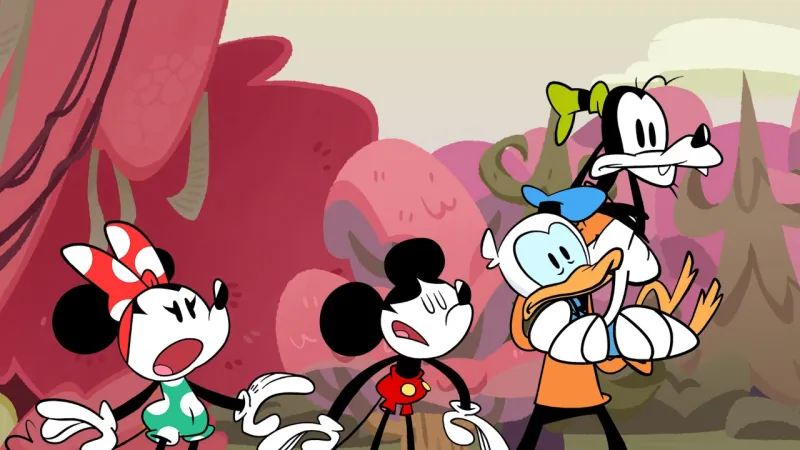
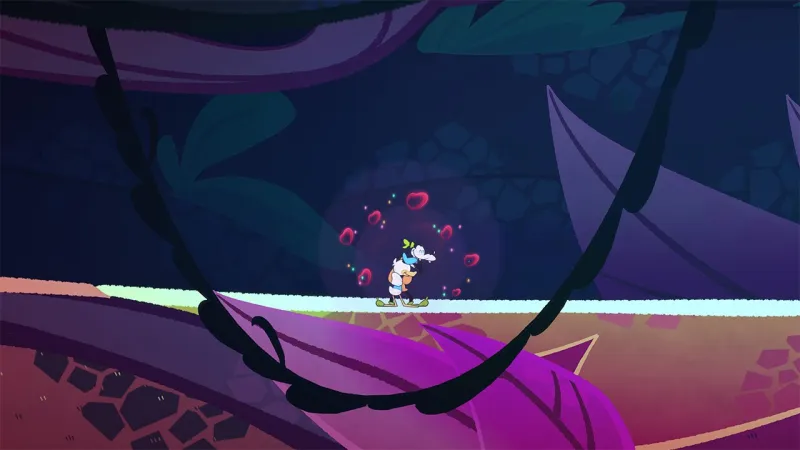
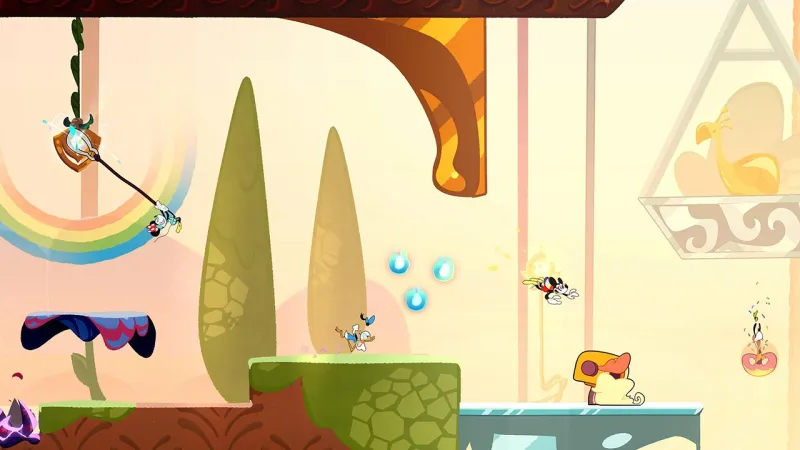
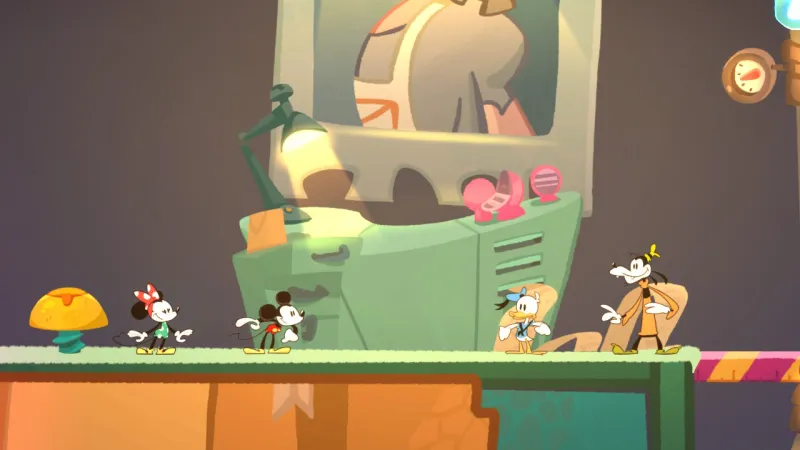
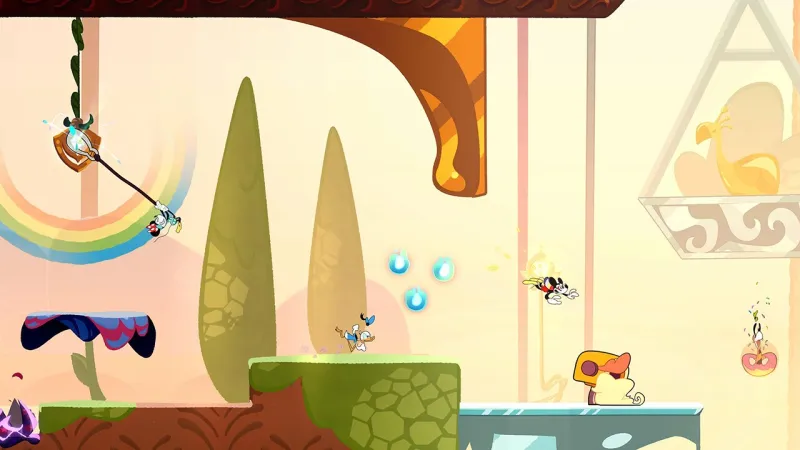
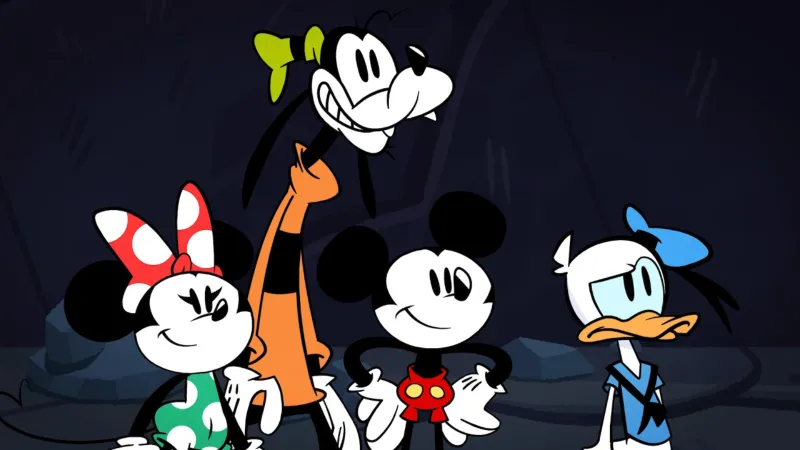
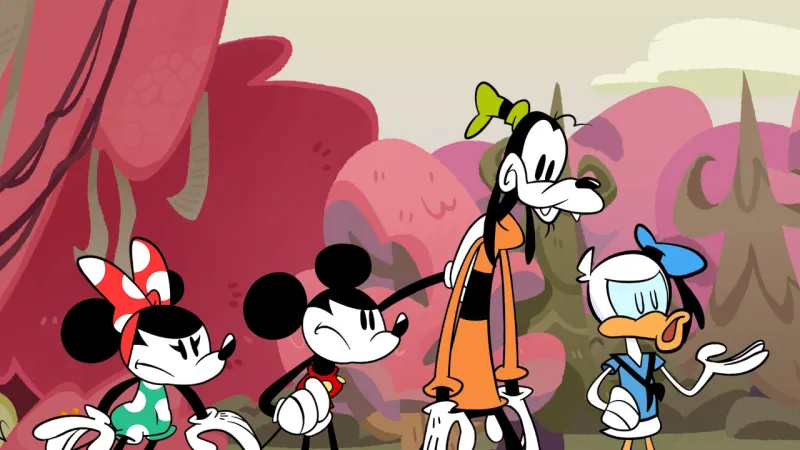
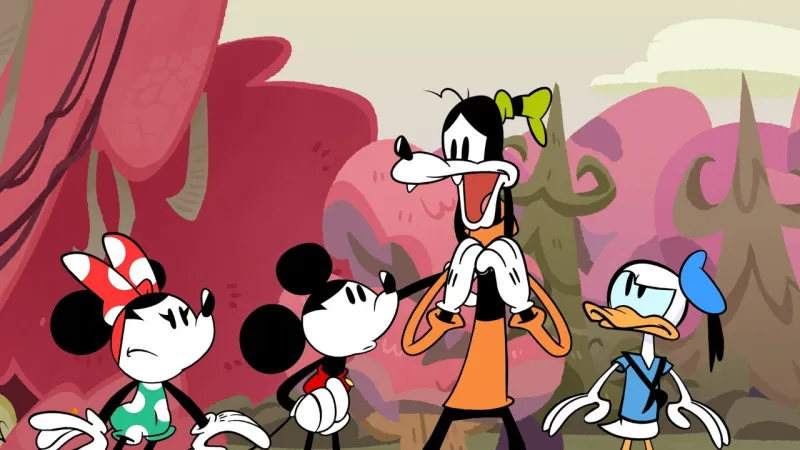
Disney Illusion Island puts Mickey and Minnie Mouse, Donald Duck, and Goofy front and center in a Metroidvania adventure, and the result is mostly successful. Where most platformers dole out fun using the adrenaline-inducing triumph of challenge, Illusion Island is instead built around the joy of movement, thanks in part to its combat-less exploration, and the delight of controlling some of the most recognizable mascots in the world. It plays a bit floaty and simple, especially for seasoned fans of the genre, and I wanted my platforming prowess pushed more, but Illusion Island is still always fun. 

The Fab Four are tricked into traveling to Monoth, an original locale created by developer Dlala Studios for Illusion Island, to save its inhabitants. To do so, they must track down three Tomes scattered around Monoth’s various biomes. After a few cutscenes that might as well be original Mickey Mouse shorts with how delightful and well-made they are, I’m bouncing Mickey over dangerous but otherwise peaceful creatures (so long as you don’t touch them) en route to my first destination. It’s a quick setup, but I also didn’t feel like I needed more – Illusion Island gets right to the platforming action.


Mickey, Minnie, Donald, and Goofy play the same. But because each is animated differently – Mickey moves like classic Mickey Mouse whereas Minnie moves confidently, with all the sass you expect, for example – each mascot feels unique. Idle animations, like my favorite, where Donald boils red like a teapot in frustration when not moving, add even more personality to these larger-than-life characters. Elsewhere, they’re brought to life by the current voice actors in fully voiced Mickey Mouse Shorts-like cinematics. The entire package makes clear that Dlala put a lot of love into making Illusion Island feel like a Disney creation and it wholeheartedly works. 

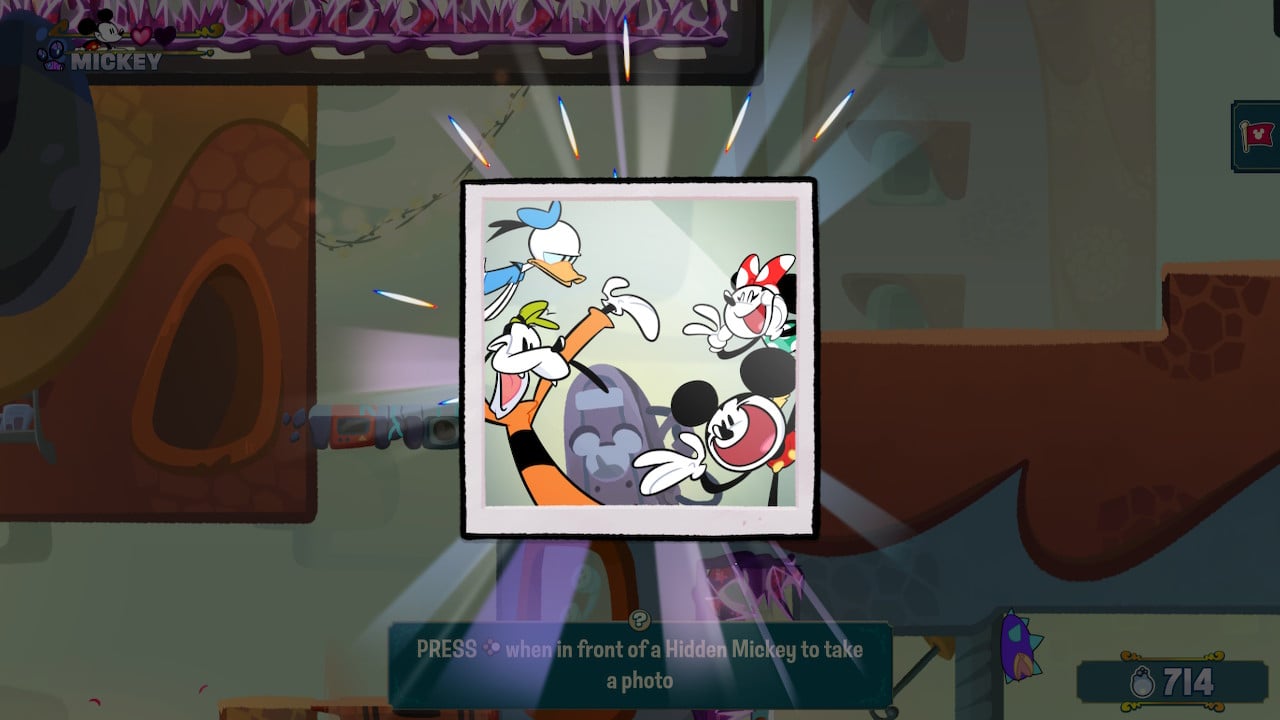
Before long, what starts as simple jogging and jumping becomes double, long, and wall jumping, widening the toolset at my disposal as I explore Monoth deeper to uncover more. And there’s plenty to discover thanks to hundreds of collectibles. Tokun cards provide quick snippets of information about Monoth’s inhabitants, while my favorite, Mickey Memorabilia, showcases classic props from Disney’s nearly 100-year history of Mickey Mouse shorts, like the infamous brooms of The Sorcerer’s Apprentice from 1940. Between those two collectibles, Glimt that unlocks permanent health boosts, and new abilities and items, there’s plenty to find long after the credits of Illusion Island (or during your primary playthrough). 

Hidden Mickeys, like those found within Disney's various theme parks, make an appearance as a collectible

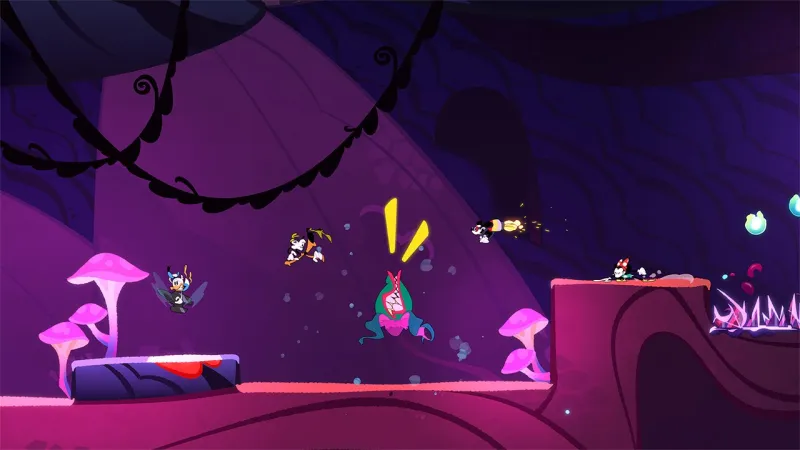
Given Illusion Island features zero combat, that healthy dose of collectibles is necessary. When faced with challenges, be it spiked creatures Mickey dares not touch or others that shoot projectiles as you run by, your only goal is avoidance – don’t touch whatever looks dangerous. However, a handful of bosses spread throughout Illusion Island’s roughly eight-hour runtime provides more of that traditional combat-like feel. While you don’t directly attack these bosses, the screen fills to become a large arena where, for example, after dodging so many attacks and jumping on specific buttons during the first fight, the boss takes damage until knocked out entirely. Every boss fight is uniquely diegetic, too, further highlighting Dlala’s attention to detail. 

Illusion Island is targeted toward children, with up to four-player co-op and options to make characters invincible and restore health on the go with a simple interaction. I wish the game also catered to more experienced players as it does to younger audiences, though. For the most part, I rarely felt challenged and while I could lower my health before each session, I wanted more organic in-game tests of my abilities.

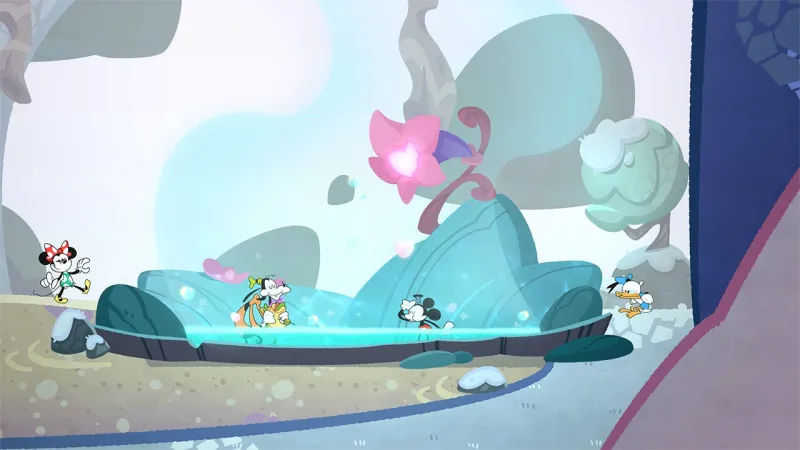
Disney Illusion Island Walt Disney Games Dlala Studios Screenshots Gameplay This is one of many healing pools scattered around Monoth to find for full health restoration

 Narratively, Illusion Island balances its younger and older audience creatively, with more physical jokes aimed at the former and more textual ones aimed at me. Almost every joke lands either way, though. Illusion Island is as comical as it is fun, which is to say it’s genuinely funny and reminiscent of the last decade of Disney’s excellent Mickey Mouse shorts – kid-friendly, but just cheeky enough. Like its mechanics, the overarching story is simple but still great and well-paced. 

No matter what I do in Illusion Island, I’m entranced with composer David Housden’s score. It’s delightful and reminiscent of the joyous music that plays throughout Disney World’s various themed lands, which makes Monoth’s different biomes feel unique in Illusion Island’s platformer theme park. Dlala is wise to push Housden’s score to the front of the audio experience because it never fails to shine and elevates the rest of the package. I love Disney music, especially its orchestral efforts, and Housden’s score feels at home in the company’s expansive catalog. 


With credits behind me, I’m excited to discover more of Monoth’s secrets and collectibles I haven’t yet found, and I’m especially thrilled to play more with my 7-year-old nephew. Illusion Island doesn’t overhaul the platformer genre, or the Metroidvania formula for that matter, but its distinctive no-combat focus on simply moving through Monoth keeps the trip amusing, brisk, and gratifying. I would have liked more challenge; this is a simple adventure that might not capture the interest of platformer enthusiasts with little to no preoccupation with Disney. But when met on its own terms, it’s hard to deny Illusion Island is a jubilant love letter to these characters and platforming.

GI Must Play

Score: 8.5

About Game Informer's review system

Purchase
Double Dragon Gaiden: Rise Of The Dragons Review – Tag Team Turmoil

Double Dragon Gaiden: Rise of the Dragons Review

Reviewed on: Switch
Platform: PlayStation 5, Xbox Series X/S, PlayStation 4, Xbox One, Switch, PC
Publisher: Modus Games
Developer: Secret Base
Rating: Everyone 10+

Double Dragon may be one of the original pillars of the beat ‘em up genre, but that foundation has weakened in modern times. Infrequent sequels of varying quality have tested Jimmy and Billy Lee’s modern relevance, but Double Dragon Gaiden does a solid job of reinventing the pair with a neat tag team mechanic. Though as enjoyable as this contemporary throwback can be, it often gets in its own way with frustrating combat design. 

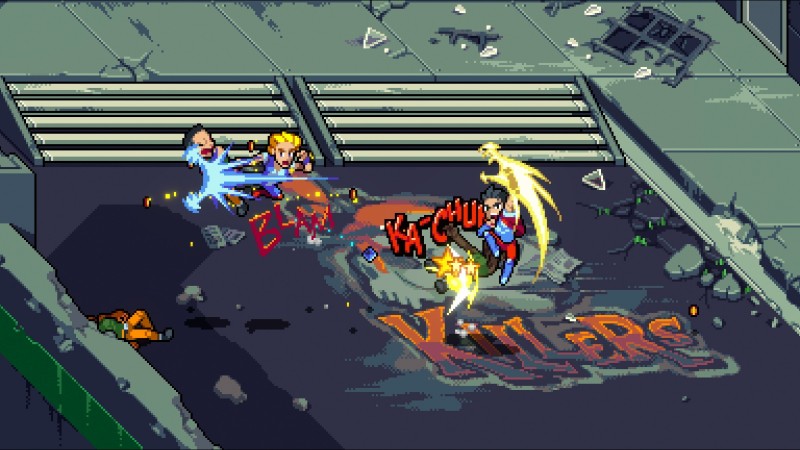
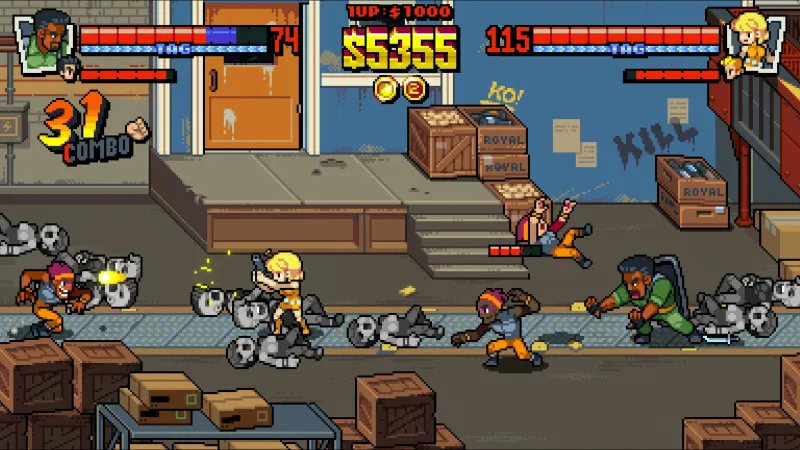
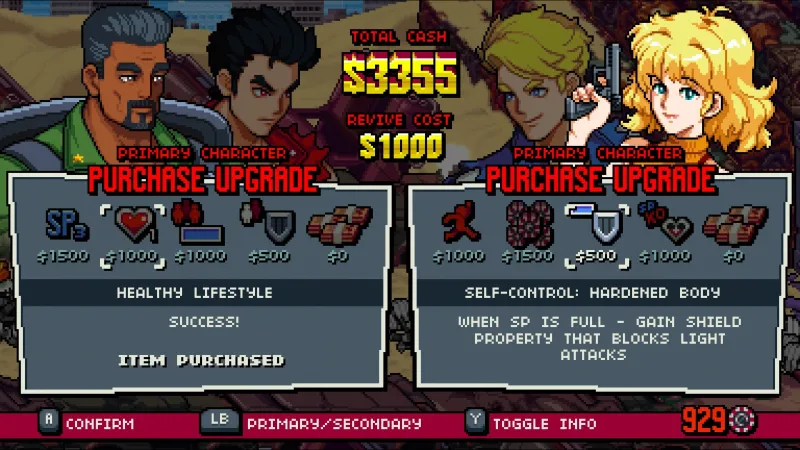
Billy and Jimmy join playable characters Marian and newcomer Uncle Matin to do what they do best: unleash flashy martial arts to clean up their gang-ridden streets. Each character offers a very different attack style. Marian’s expertise with firearms and gadgets makes her ideal for long-range combat, while Uncle Matin’s brute strength and riot shield lets him annihilate opponents up close. Even Jimmy and Billy are different, with the former being more agile and the latter hitting a little slower but harder. Jimmy became my favorite character due to his maneuverability and general well-roundedness, to the point that tagging in others felt like a downgrade. Heroes aren’t created equal; for example, some don’t have effective jump attacks, making them a pain to use against airborne threats. 

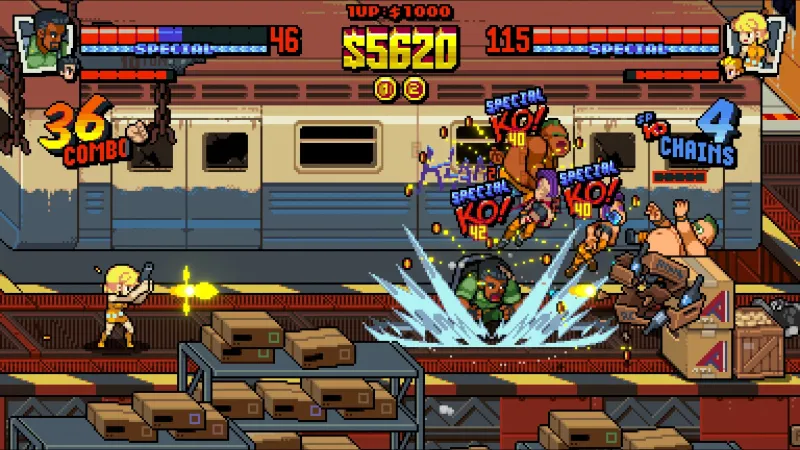
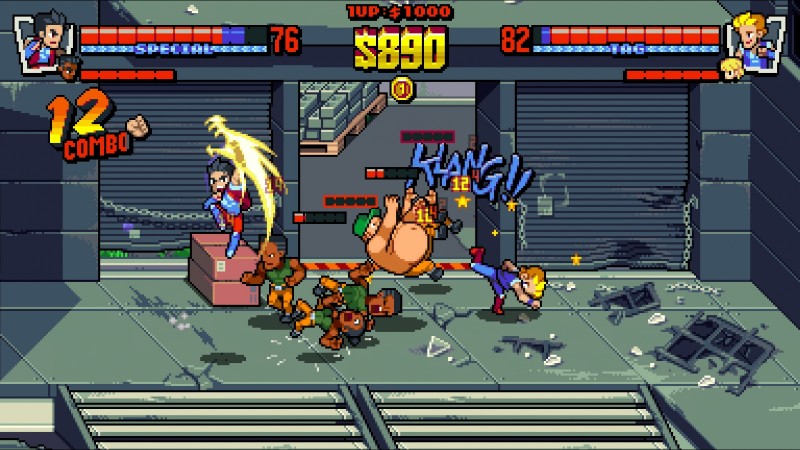
Whether you fight crime alone or alongside a friend in co-op (local only; online play arrives in a post-launch patch), you control two heroes in tag team play. Hitting a shoulder button swaps characters, and the mechanic provides a decent avenue to extend combo strings or, better yet, escape when one character gets caught by enemy offense. 

The generally adequate combat is most satisfying when I’m juggling foes until they explode into a shower of coins or using special attacks to send targets colliding into their friends. I also like how the game rewards health items for killing multiple enemies simultaneously, encouraging thoughtful crowd control and aggression. However, the game’s impressively fluid animation comes at the cost of snappiness. Attacks have an over-animated, delayed feel that takes a while to get used to. Vertical movement feels painfully slow, making dodging stage hazards such as falling rocks or random lightning strikes a frustrating exercise.

I wish picking up items and grappling didn’t share the same button. Missing a grab leaves you briefly vulnerable to attack, but this mainly occurred when I was trying to snag a weapon and was a pixel off the mark. Due to the genre's historically tricky act of lining yourself up on the same plane as your target, I ate a ton of damage from this annoying slip-up. That brings me to Double Dragon Gaiden’s biggest headache: enemies can stun-lock you into oblivion. In tight spots filled with tons of foes, getting helplessly trapped in combos can instantly drain a health bar. Tagging in a partner is the only way to break free, but there’s no invincibility window. 

Thus, I had several instances of summoning help, only for my partner to leap into a flurry of attacks and die before I even gained control. Tagging out a damaged hero only for him to perish because he didn’t leave fast enough is equally irksome. You could argue this encourages strategic tagging, but with so much going on at once, you can’t always predict who will attack next or when. Worse, enemies often attack from offscreen. Nothing’s worse than surviving a mob of tough enemies only to die from a stray bullet by a hidden gunman. The maddeningly arduous final stage encompasses all of these annoyances, especially once it pits every boss against players at once. Navigating their overwhelmingly unfair medley of debilitating special attacks made me want to chuck my controller into a wall. 


You can mitigate these hardships by adding character enhancements from a randomized selection between stages. Perks include better combo effectiveness to helpful boons, like granting full health to incoming partners after their ally dies, but there’s no guarantee you’ll get the boost you need. Collected coins buy Continues after a Game Over, but the cost raises every subsequent death, making a cheap loss feel even more devastating. Cashing out coins earns tokens spent to buy checkpoints once you run out of lives, which is their best use case since it prevents starting over from scratch. Tokens also unlock new playable characters or less appealing bonus material like digital art and music tracks. 

I do admire the evolving level of progression. You can tackle the four main stages in any order, with the first stage offering an easier journey within a single section. The next level adds one more area and raises the difficulty, sub-bosses, rewards, etc. Thus, whichever level you save for last becomes a lengthy and challenging multi-part gauntlet. Monotony is a beat ‘em up’s biggest drawback, and this is a neat remedy that inspired me to replay the game to see the full versions of the levels I chose to tackle early. 

Double Dragon Gaiden: Rise of the Dragons has some aggravating design choices that prevent it from reaching the heights of similar comebacks like TMNT or newcomers like Young Souls, but this is a respectable return for the Lee brothers. If you’re hankering to punch goons in the face, a good time can be had as long as you bring a measure of patience.

Score: 7.25

About Game Informer's review system

Purchase
Tuesday, July 25, 2023

Remnant II Review - Familiar Mechanics In New Worlds

Reviewed on: PC
Platform: PlayStation 5, Xbox Series X/S, PC
Publisher: Gearbox Publishing
Developer: Gunfire Games
Rating: Mature

The original Remnant: From the Ashes was a surprise success thanks to its Souls-inspired action combined with third-person shooting and randomized environments. The sequel is a refinement with new environments and expanded lore. I enjoyed my time with the game and its final boss and the shooting mechanics feel great, but Remnant II ultimately doesn’t do enough to separate itself from the genres and games that inspired it.

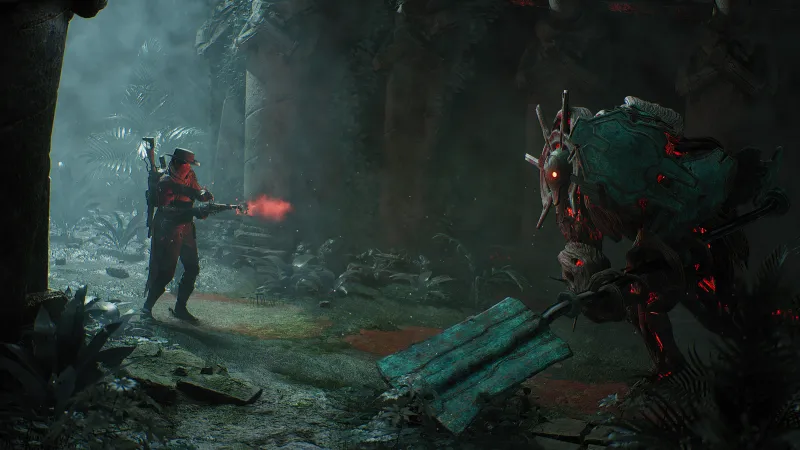
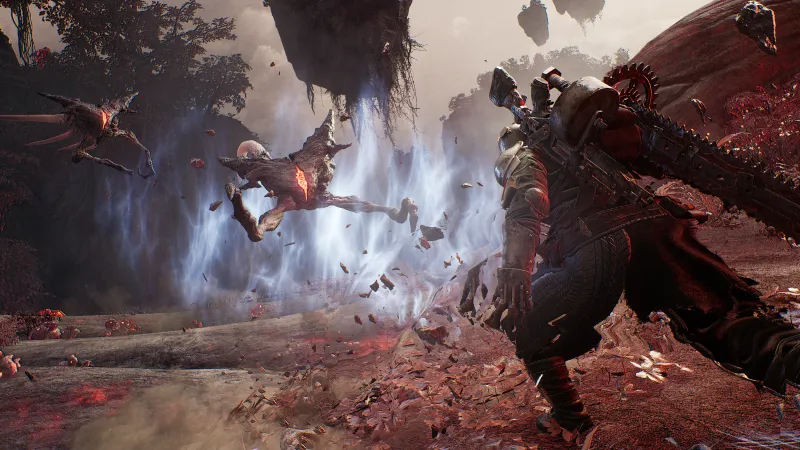
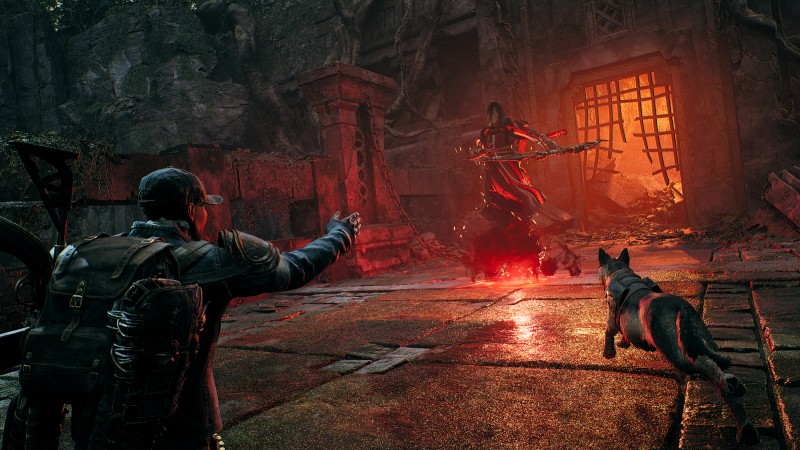
Comparing other video games to From Software’s iconic Souls series is an overused cliché, but it's be hard to talk about Remnant II without doing so. Timed dodge-rolling is your primary means of avoiding damage, fog gates separate you from bosses, and checkpoints refill your health items and reset the enemies in the environment. The good news is that all these mechanics feel great and work well. Firing off a few critical shots at the head of a boss and dodging out of the way just as a gigantic sword comes slamming to the ground is consistently exciting. And nothing beats the relief of coming across a checkpoint after an intense sprint through what felt like an endless barrage of enemies. The influences are apparent and it mostly translates well to a third-person shooter.

Some elements don’t translate as well, however, or just aren’t particularly satisfying. Being a shooter, you must face the enemy you're fighting, which means running away from a rampaging beast requires removing it from your view, which can feel unfair. The progression loop also did little to pull me in. The primary source of growth is making your weapons more powerful, but those upgrades are incremental and somewhat infrequent. You can apply traits to many elements of your character, but the statistical upgrades are minor. The items you find in the environment also have far too many variables that typically only affect very specific scenarios making the choice to not equip them easy. I played most of the game with the same weapon and armor, as switching to something else never felt like a valuable pursuit.


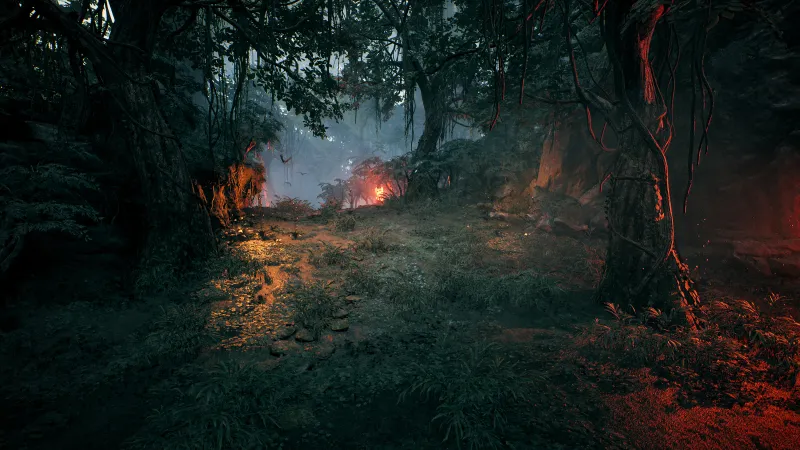
While the upgrade progression didn’t excite me, I was always eager to continue, thanks to seeing what environment I would encounter next. The lore conceit allows players to explore different dimensions, not just levels, which means one location can look like the back alleys of Victorian London, while the next can be a futuristic city loaded with robots. And every area nails the difficult-to-quantify unsettling tone without being horrific.

The world-building of each dimension invites exploration, but the moment-to-moment plot and characters did little to engage me. Its bosses, however, are exciting, scary, and challenging, but thankfully not to the point of feeling insurmountable. There are plenty of big scary monsters with swords and fire breath who will kill you repeatedly, but there are also giant cubes stomping through mazes and A.I. machines excited to test your mortality on moving trains. Every dimension feels radically different, and their guardians all present thrilling encounters.

Remnant II is most successful as a tour through a series of disparate dimensions, each contending with their own battles against the villainous Root plaguing their world. The gunplay is solid, the co-op with up to two other players works great, and the lore is fascinating (if you want to dig deep). Remnant II’s plot, characters, and progression are where it falls short, but I like its third-person shooter take on mechanics and ideas borrowed from the Souls games.

Score: 7.75

About Game Informer's review system

Purchase
Monday, July 24, 2023

Mr. Run And Jump Review - The Rewards Of Repetition

Mr. Run And Jump

Reviewed on: Switch
Platform: PlayStation 5, Xbox Series X/S, PlayStation 4, Xbox One, Switch, PC
Publisher: Atari
Developer: Graphite Lab, Heavy Horse Games
Rating: Everyone

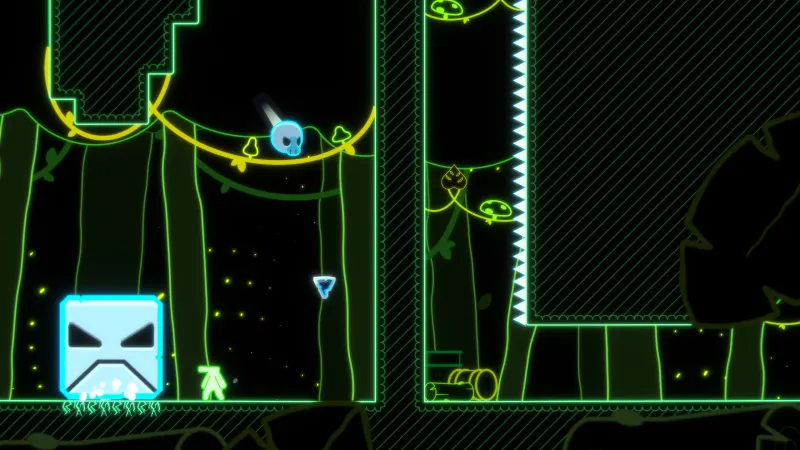
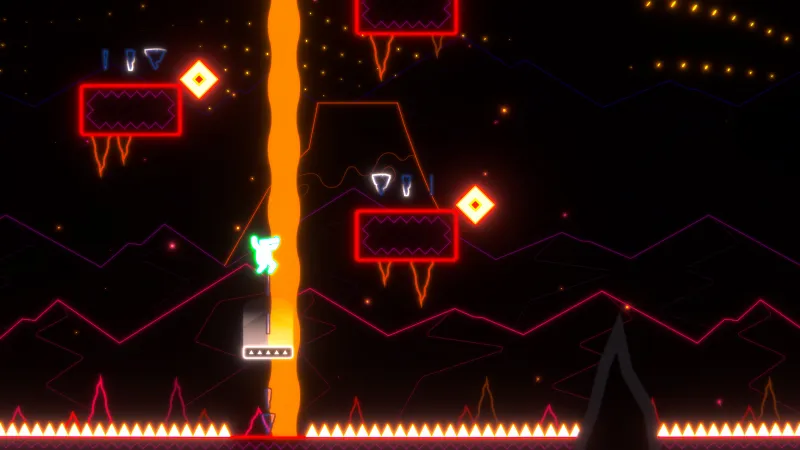
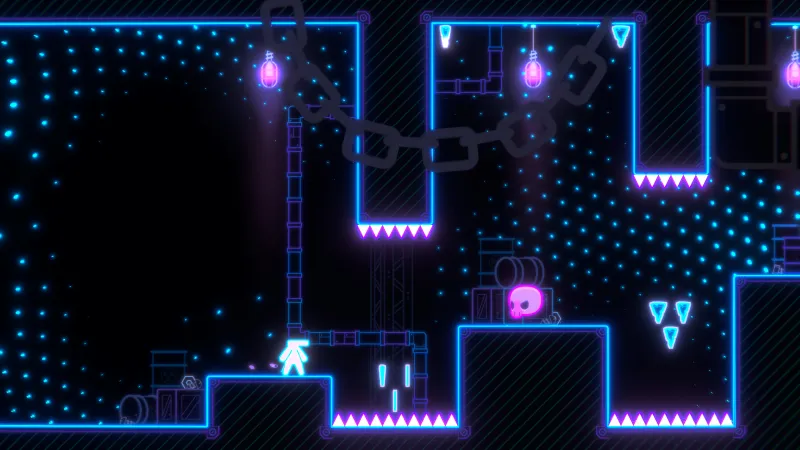
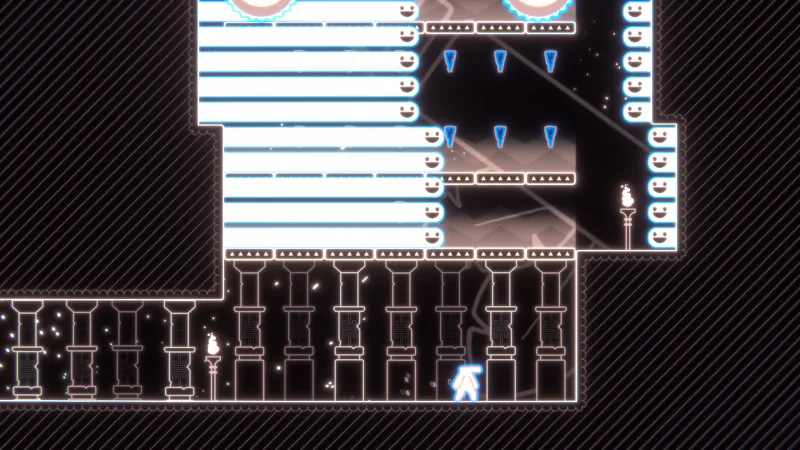
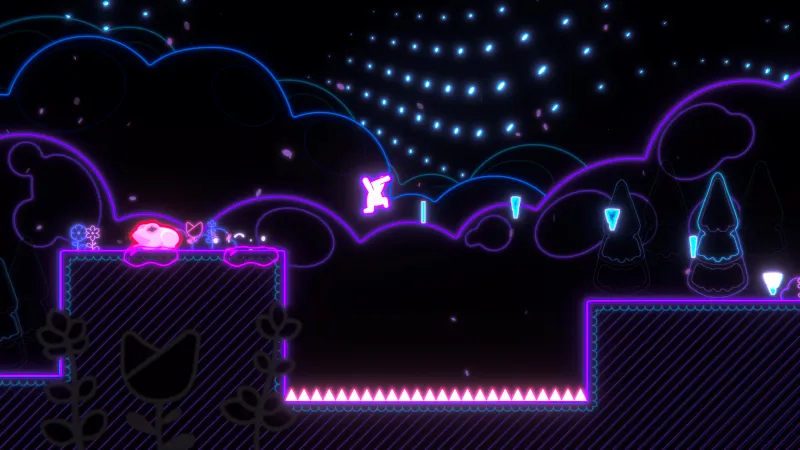
As someone who grew up primarily in the 1990s, I’ve played more than my fair share of 2D platformers. With those decades of experience, it’s no surprise that I consider myself a relatively strong platforming player. However, despite its precise controls, Mr. Run and Jump’s challenging, neon-bathed obstacle courses and hard-to-reach collectibles had me second-guess my skills at every step.

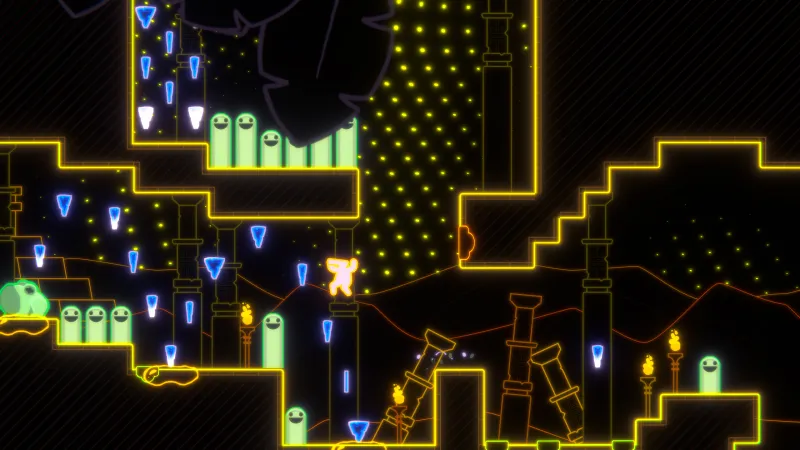
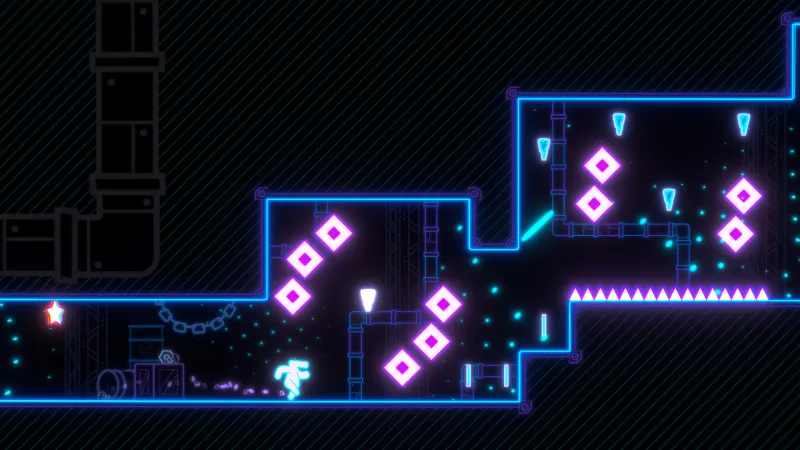
Developed initially as a homebrew Atari 2600 game, Mr. Run and Jump errs on the side of simplicity with its gameplay. The protagonist, also named Mr. Run and Jump, can perform double, long, and high jumps; roll into a ball; wall-jump; and even lunge forward mid-air. This unassuming move set works in concert, allowing players to perform intricate combinations as they navigate the game’s many difficult rooms.

Venturing deeper into the game’s 20-level main campaign, I quickly started chaining these traversal options to impressive results. Thanks to tight controls, I could roll under an obstacle and immediately perform a high jump that led directly into a wall jump, a forward lunge to gain extra distance and avoid an obstacle, and use my double jump to land on a narrow platform. When these moments happen, the experience truly sings, and I feel unstoppable. But those moments of triumph come at a cost.

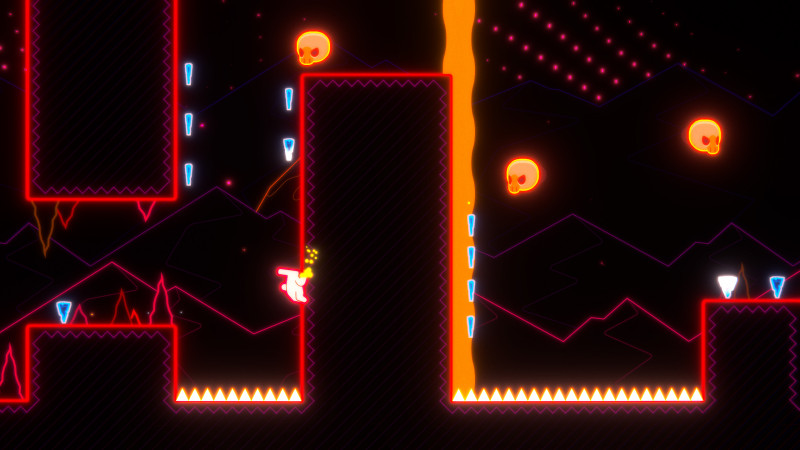
A keen mastery of every move in the hero’s arsenal is necessary to make it far in each multi-room stage. As my skills progressed, so too did the hardships. The initial walls with spikes and predictable enemies quickly gave way to impediments intentionally designed to trip you up. In subsequent worlds, I encountered enemies that dash forward the moment you land, mosquitoes that move lightning-fast in patterns, and even predators that masquerade as spikes planted in the ground and jump out to eat you if you get too close. These enemies often have predictable patterns, and learning how each one interacts with you is crucial, particularly in the game’s optional challenge rooms.

Thanks to this ever-growing gallery of enemies and the fact that you die in one hit, Mr. Run and Jump asks a lot of you. It requires you to have lightning-fast reflexes, strong improvisational skills, and the patience of a saint. In some rooms, I scratched my head, wondering how I could possibly get through the various obstacles unscathed. If you do take a hit, you instantaneously respawn at the start of the room. In some longer rooms, I found myself grunting and cursing as I failed just before completion.

In lieu of a boss fight at the end of each world, you must instead traverse The Void, a culminating series of platforming challenges with an ever-encroaching wall that ensures you don’t have much time to consider how to navigate the sequences. These Void stages bring together every element of the world to that point to deliver the biggest adrenaline rushes of the entire game. Though their hurried nature means they often fall to trial-and-error play instead of intentional platforming, nailing these fast-paced levels always exhilarated me.


After several failed attempts in any room, the game offers you an optional, temporary invincibility power-up or a mid-room checkpoint to help you get unstuck, but that only made me more determined to get through it on my own accord and experience the overwhelming thrill of my accomplishment. If you do choose to accept the help, it deactivates the collectibles, which are needed to unlock the final challenge: the maddeningly difficult five-level Dark World, which takes every aspect of the experience to the next level.

Mr. Run and Jump may look unassuming on the surface, but the challenges that await will have you screaming in frustration until they have you shouting in triumph. Though the trial-and-error style of each difficult room sometimes wore on me, after each success, I couldn’t wait to see what hurdles I needed to clear next.

Score: 8

About Game Informer's review system

Purchase

Wednesday, July 19, 2023

Pikmin 4 Review - Man’s Best Friend(s)

Reviewed on: Switch
Platform: Switch
Publisher: Nintendo
Developer: Nintendo

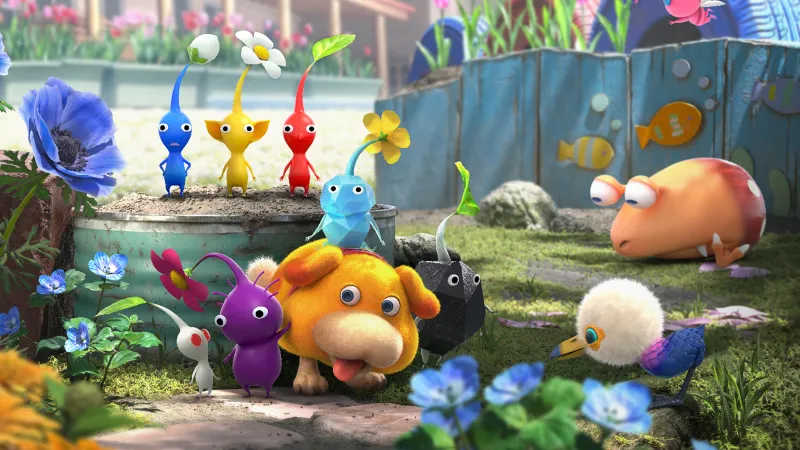
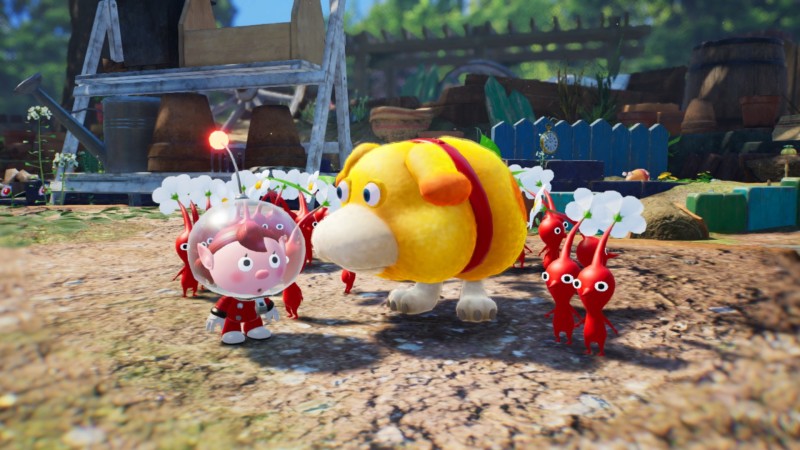
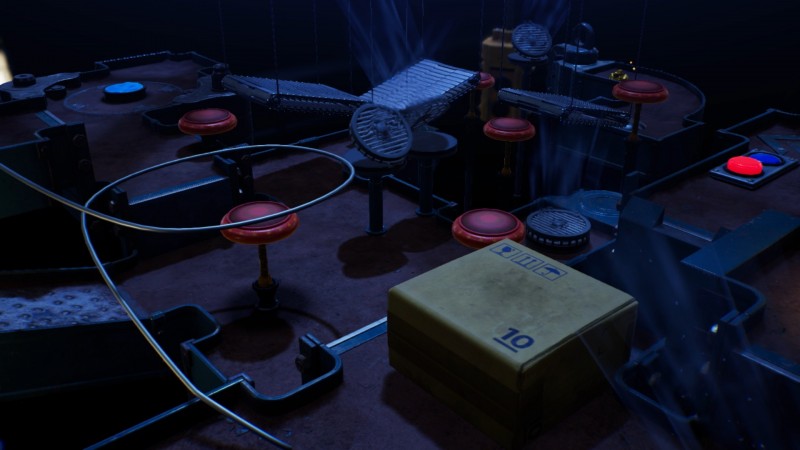
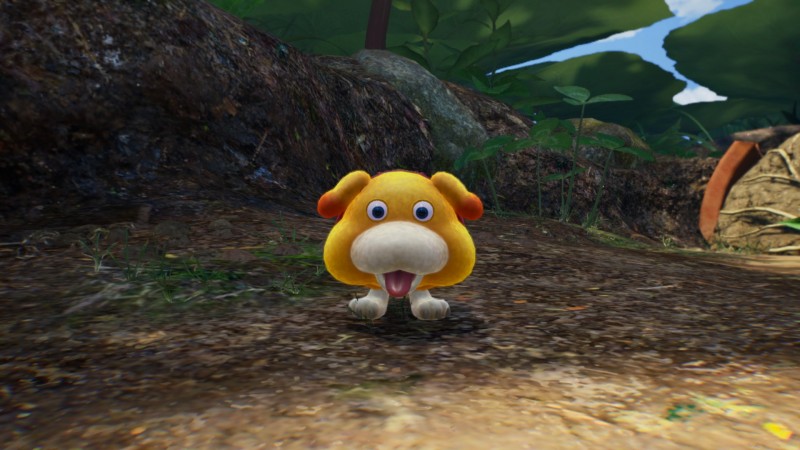
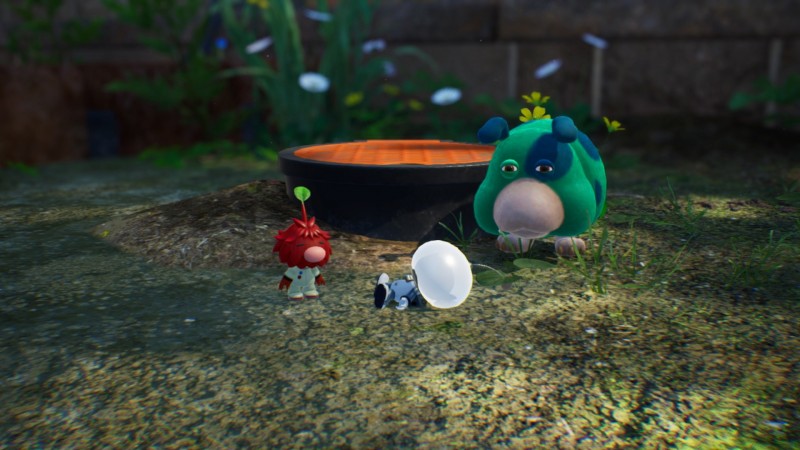
Pikmin has always held a strange spot in Nintendo’s library of games and franchises. Its creation is credited to Mario and Zelda’s dad, Shigeru Miyamoto, which means Nintendo holds it in high esteem, but it has never quite reached the cultural ubiquity of his other works. And maybe it’s unfair to compare the adorable strategy game about dragging the corpses of defeated foes into your spaceship to the iconic plumber and the Hero of Time, but Pikmin 4 might be the one that moves the series closer to those legacies. It represents a high point for Pikmin, thanks in large part to Oatchi, the helpful dog that can carry you and all your Pikmin on its back.

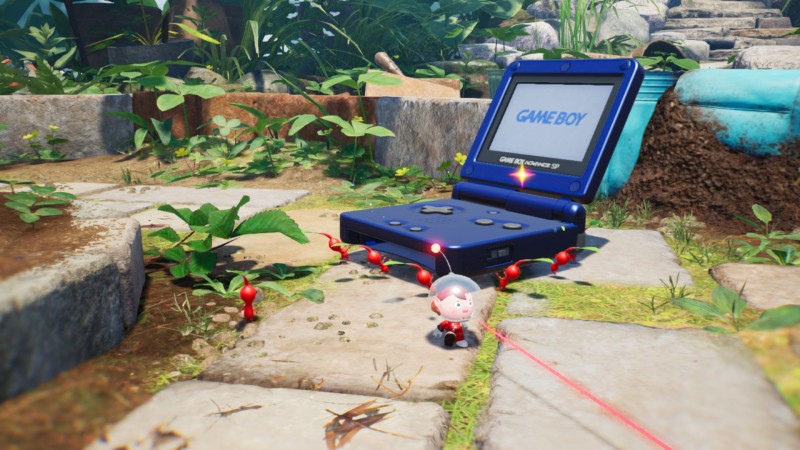
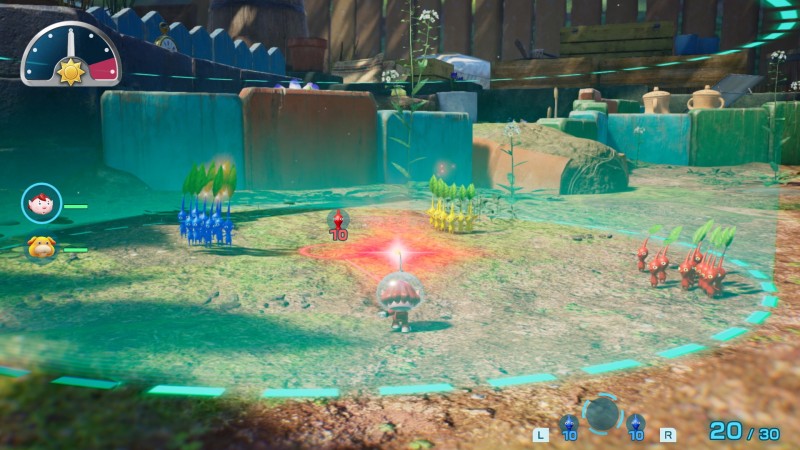
Pikmin 4 straddles that difficult line of welcoming newcomers to the series while also featuring enough references to the past that those who have been playing the series since 2001 will be charmed by returning characters and new lore. The story is not deep, to be clear: You must rescue yourself and others after crash landing on an alien planet with the help of Pikmin, but all the characters (and there are many) have unique personalities. It also leans into the, “Are we on Earth?” subtext the series has always featured more than ever, which is an element I have always enjoyed.

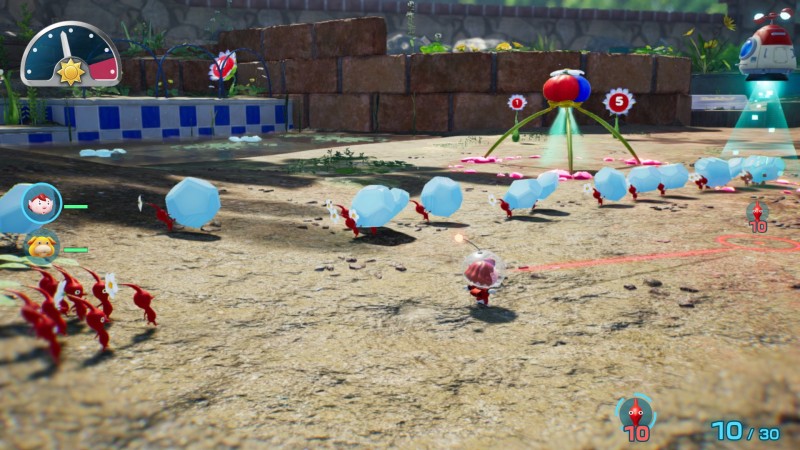
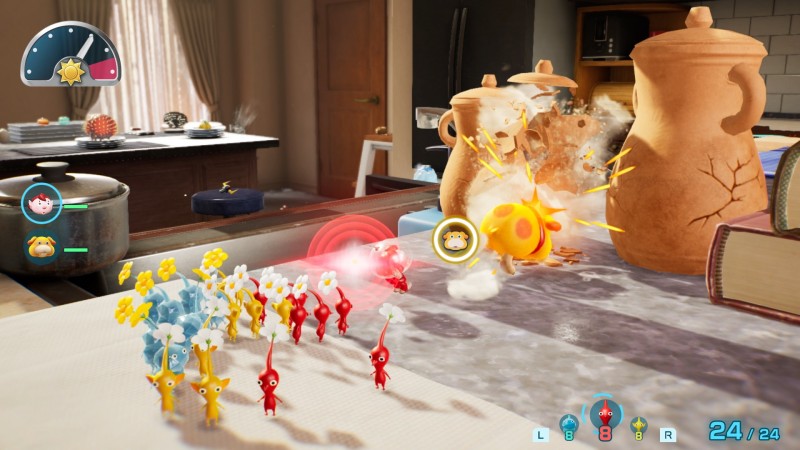
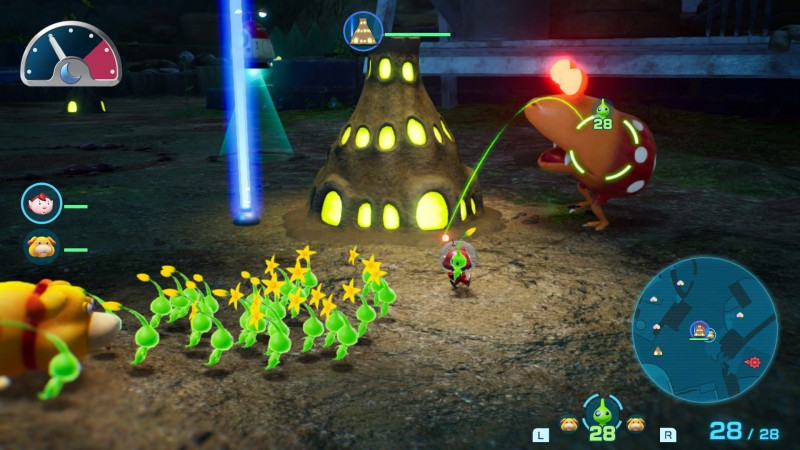
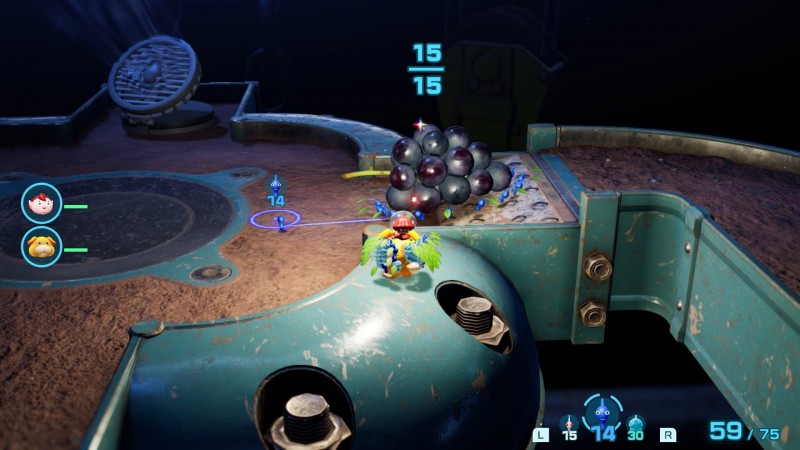
The star of the show, however, is Oatchi. He doesn’t particularly look like a dog, but he acts like one, excitedly greeting you every morning for your daily adventure, defending you from danger, and helping your Pikmin carry objects they can’t quite handle alone. In a game about managing a large group of helpful creatures, Oatchi is your fantastic assistant manager that does all the heavy lifting. His greatest strength, however, is carrying you and all your Pikmin with the press of a button. As visually interesting as it has always been to corral dozens of Pikmin and throw them at your problems, it always leads to annoying issues of them falling off bridges or getting caught on corners. Gathering all your Pikmin on Oatchi’s back eliminates this issue and makes everything so much more manageable, which lets you focus on the fun.

Finding and making new paths in the traditional Pikmin levels to expand your exploration avenues in the limited time frame is rewarding, and the locations are visually distinct, making them much easier to learn. They feel less like mazes, which I appreciate.
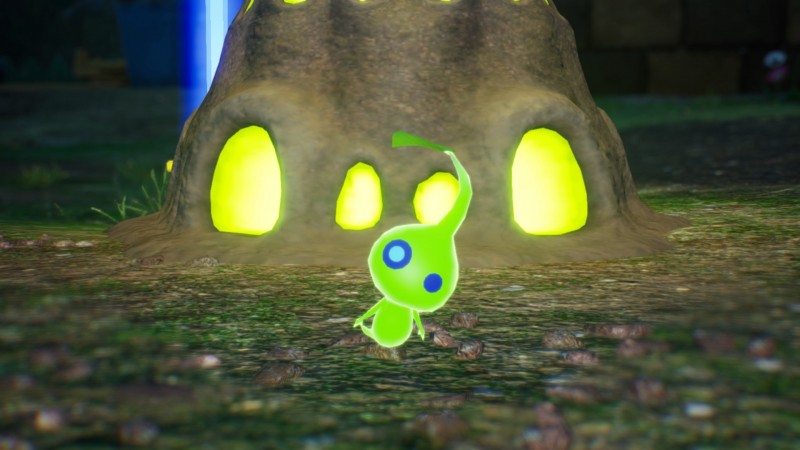
 

The addition of underground caves is another highlight. While underground, time slows for reasons that are thankfully hand-waived away with funny dialogue, and you are free to play Pikmin without fear of the clock. These sections are frequent, enjoyable, and bite-sized. They never outstay their welcome (save for the marathon finale, but I enjoyed that as a last hurrah for the game), and they encourage you to try new strategies in spaces designed to push you creatively.
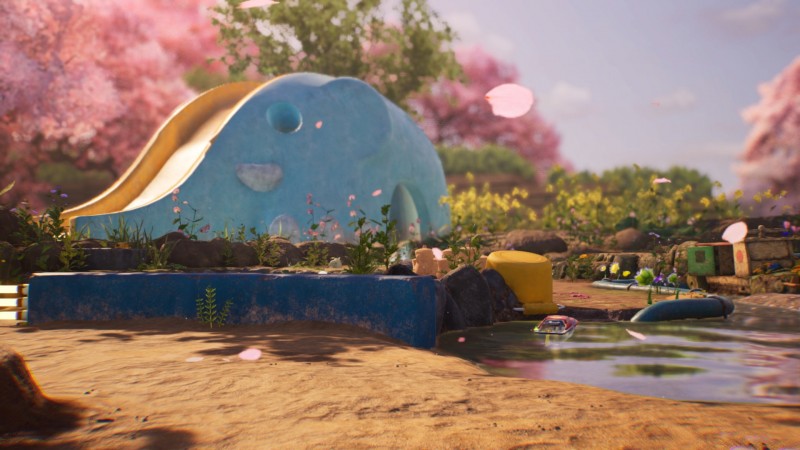
You can also venture out at night for the first time in dedicated combat sequences where you worry less about losing Pikmin while defending a home base from encroaching enemies. The night sections are repetitive but are rarely required for progress. It is the mode I engaged with the least, but I was happy to play them when I wanted a break from the typical gameplay.

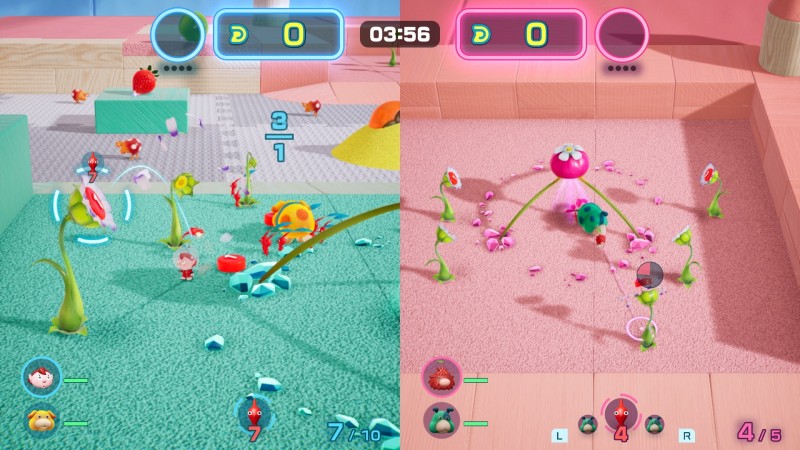
Dandori sequences mix up the action even further with enjoyable competitive scenarios against A.I. opponents and sections where you are awarded medals for collecting the most in a limited amount of time. The former sequences are exciting and often intense, and the latter does a great job of making you pine for that perfect score. I replayed many despite having already completed the minimum requirement.
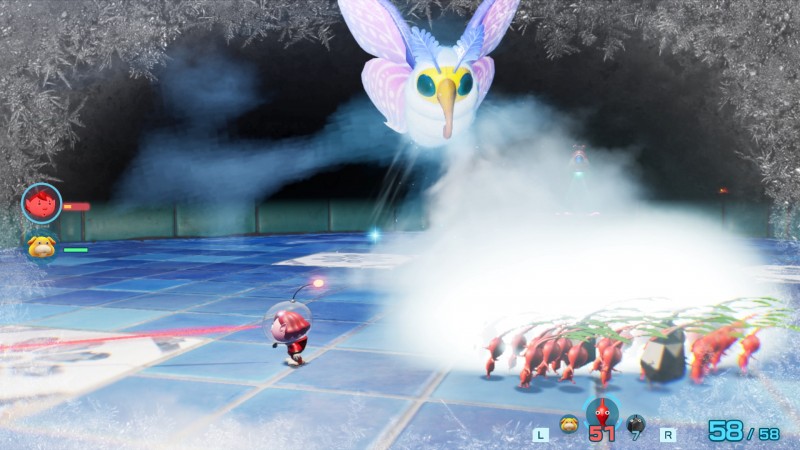
 

Oatchi, the caves, and Dandori are all excellent additions to Pikmin, but the new rewind option is arguably the one that most addressed my past frustrations. Rewind lets you roll back the clock a bit if you just need a little extra time at the end of a day or against that tough boss. Oatchi helps you take care of your Pikmin, and they are the smartest they have ever been, but I was still thankful for the rewind option, especially for some of the big challenges at the end. The mechanic is one I didn’t lean on a lot, but I was so happy I could when I needed it.
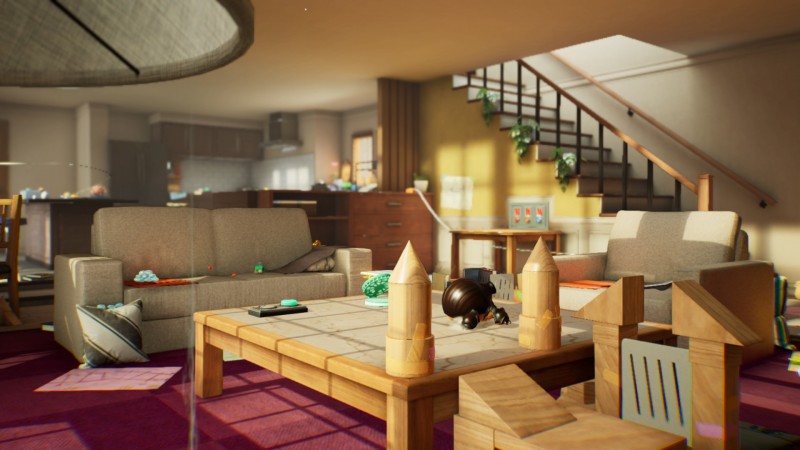
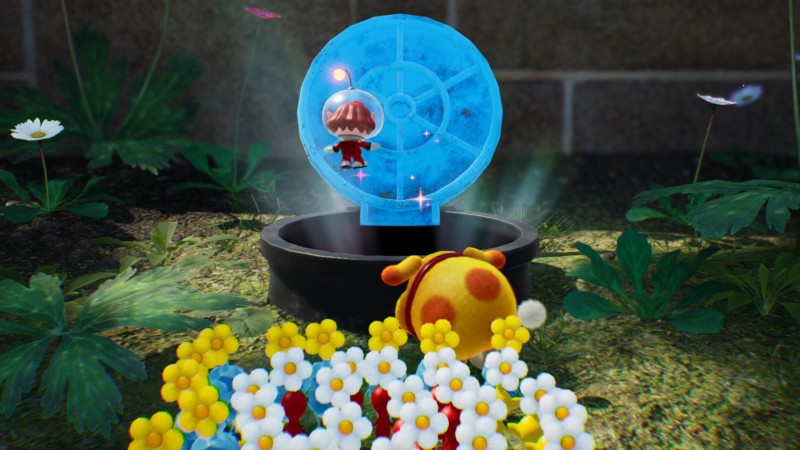
When it comes to iterating on the standard Pikmin gameplay established by the first release, Pikmin 4 is the smoothest, best-controlling, best-looking version, and all the additions are worthwhile and fun to play. The variety of tasks, which you can tackle in the order of your choice, prevents you from doing the same thing for too long, and I enjoyed saving other survivors and expanding my home base roster. Pikmin may never rise to the top of the Nintendo heap, and it’s probably unfair to expect it ever could, but the latest Pikmin is the best effort yet.

GI Must Play

Score: 9

About Game Informer's review system

Purchase