Pages

Thursday, August 31, 2023

Starfield Review - Overwhelming Scope

Starfield Screens

Reviewed on: Xbox Series X/S
Platform: Xbox Series X/S, PC
Publisher: Bethesda Softworks
Developer: Bethesda Game Studios
Rating: Mature

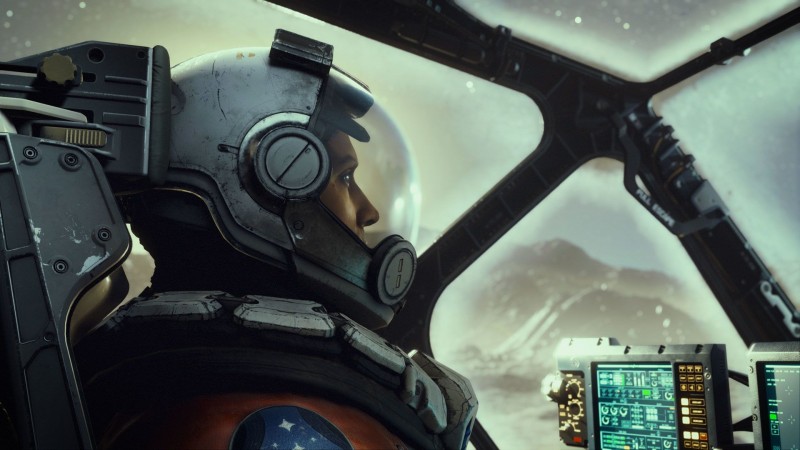
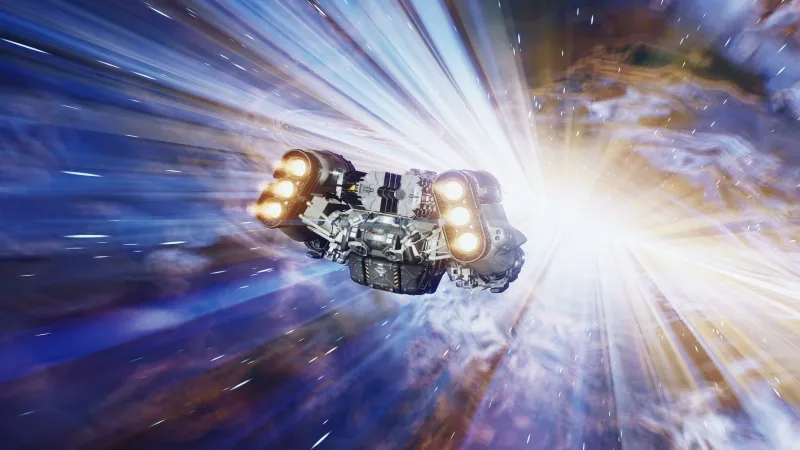
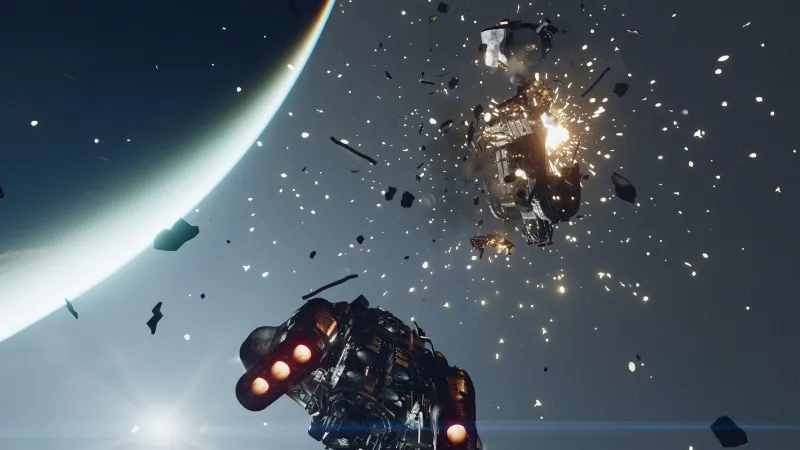
Even in the increasingly crowded marketplace of big, expansive games, Starfield stands out. Leveraging the gameplay Bethesda popularized with The Elder Scrolls and Fallout games, Starfield expands the breadth of exploration to a galaxy of solar systems, planets, and ships. It populates those environments with a rich palette of activities and missions that tap into the outer space fantasy. It’s a staggering span of content to wrap one’s head around. At times, that scope threatens to impair the focus and pacing, and moment-to-moment gameplay is not always a strong suit. But players can expect to uncover hundreds of hours of experimentation in a richly imagined sci-fi playground, and that thrill is worth experiencing.

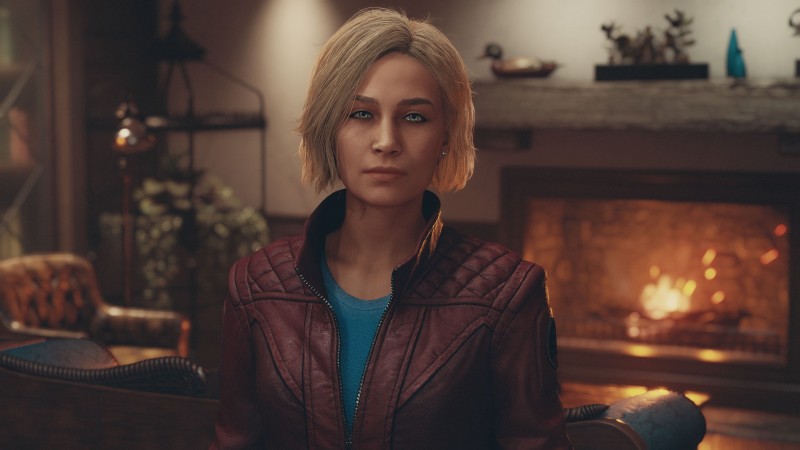
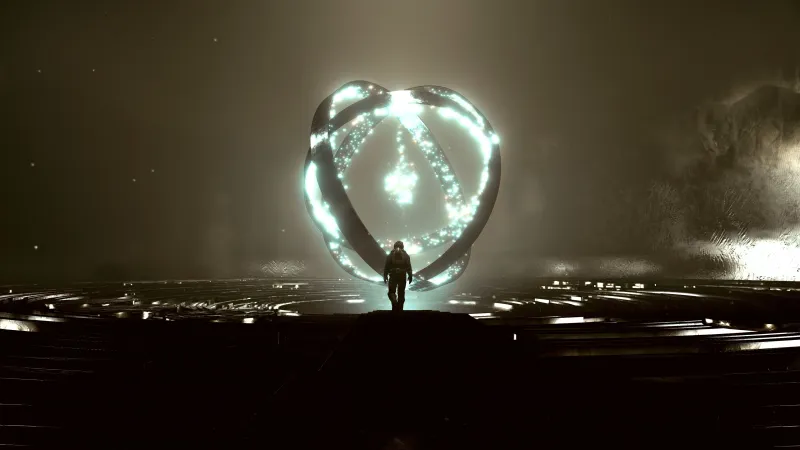
Your crafted character begins life as a space miner who inexplicably connects with an inscrutable buried artifact, granting visions of a grand cosmic mystery. That foundational event puts you in contact with a tightly-knit group of explorers working to decipher the secret. The introduction opens the door to your adventures across a vast network of human colony worlds that has sprung up after an exodus from Earth.

Character dialogue and storytelling is top-notch, with novel personalities and interactions every step of the way. The mostly independent storylines of different factions, corporations, and companions each tap into different sci-fi tropes, from being hunted by a monstrous xenoweapon alien to infiltrating a pirate fleet to being a frontier lawman on the fringes of known space. The variety of these experiences keeps things fresh, especially when you layer in additional emergent opportunities, like setting up mining outposts, surveying planets, buying and decorating a home, or pursuing a romance with one of your companions. 

Starfield is a game of endless distractions, where new mission threads and activities are constantly beckoning. I found the most enjoyment when I allowed those threads to pull me to and fro, creating a web of interactions I could flip between as I saw fit. Some activities, like visiting alien temples, hunting down merc ships, or clearing out bases of outlaws, can start to feel repetitive if taken on without a break to do other things. I also grew frustrated at the frequent ping-ponging between mission givers and destinations; even with fast travel, it felt especially egregious to be flying to an entirely different star system only to fly back to tell someone what I saw there. Nonetheless, several mission moments are standout and memorable, like a research lab shifting between different states of reality or a corporate espionage exchange in the back room of a dance club. In its best moments, I was immersed in Starfield’s unfolding tale.

The joy of exploration is a core tenet of play, and nailing that sensation is central to Starfield’s success. I loved landing on a new planet and seeing unknown megafauna wandering the plains or entering a new city and finding the seediest dive bar. Arrive in a new system and dock with a derelict space station – who knows what’s inside? Starfield is a story about both the good and the bad of humanity’s desire to reach further and uncover what’s just out of grasp, and I love that those themes weave into the flow of how players may approach the game. That engagement is only enhanced by the high quality of the presentation; this is an immaculate visual landscape filled with details juxtaposed against the grandeur of space, accentuated by a wistful, questing musical score that always nails the right mood.

I found navigating Starfield obtuse, both in moving around a giant map of stars and its U.I. and systems. Figuring out how to do basic tasks, like selling excess inventory, modifying my ship, adjusting crew assignments, or reaching a particular star system, often made me scratch my head. The constant need to enter menus to reach destinations hampers the sensation of seamless travel. I started to feel like it was a car dashboard where no button was where I expected it to be. But once I learned my way around, it was a vehicle that took me to some remarkable destinations.

Ground combat is central to the experience, and most players are likely to spend a significant chunk of time with a gun in their hand, even if they try as I did, to lean into persuasion and stealth for many encounters. I enjoyed the diversity of weapons, from laser rifles to shotguns that seemed yanked out of an old Western. Traversal is thrilling thanks to the jet boost packs you can wear on your back to leap and mantle through environments quickly. But gunplay feels stiff and mechanical, and enemies pursue unwise pathing and positioning that rarely leads to real challenge or tension. Pulling out the big guns and laying waste to a base of baddies is entertaining, but the action itself left me cold.

Shipborne space combat also plays a big role, and I love having a chance to tap into that craving. But I rarely encountered battles that clicked. I completely wiped out the enemy forces in moments, or the ships arrayed against me were way out of my league – there was little in between.

It took me a long time to fall in love with Starfield, and even after I did, certain aspects didn’t work for me. But the things I didn’t enjoy are vastly outweighed by my enthusiasm for this new, original science fiction universe, the breadth of its adventures, and the appeal of its many interwoven stories. Go in with the expectation that it will take some time to find your footing in such a vast gameplay space, and there’s a universe well worth discovering here.
  GI Must Play

Score: 8.5

About Game Informer's review system

Purchase
Monday, August 28, 2023

WrestleQuest Review – Questionable Booking

WrestleQuest Review

Reviewed on: PC
Platform: PlayStation 5, Xbox Series X/S, PlayStation 4, Xbox One, Switch, PC
Publisher: Skybound Games
Developer: Mega Cat Studios
Rating: Everyone

As a decades-long fan of pro wrestling and RPGs, WrestleQuest is my dream premise. A game that distills the best traits of classics like Chrono Trigger and Final Fantasy VI and injects them with a hefty dose of sports entertainment? Sign me up. However, what begins as a great idea on paper falls apart thanks to a botched execution that sees the game stepping on rakes any time it tries to pick up momentum.

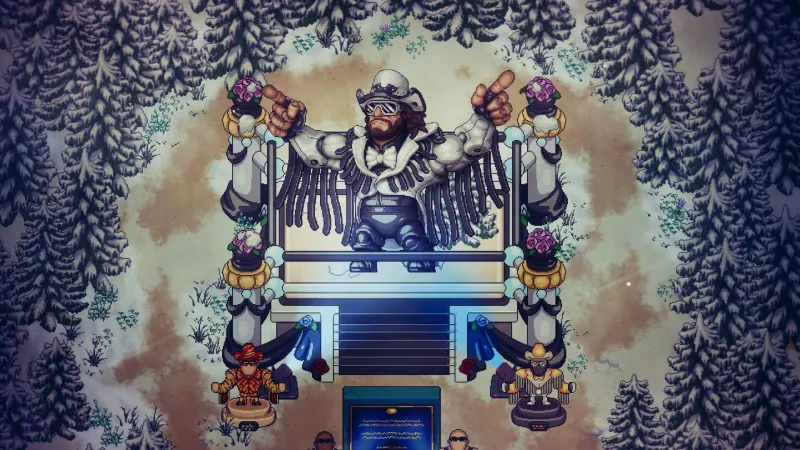
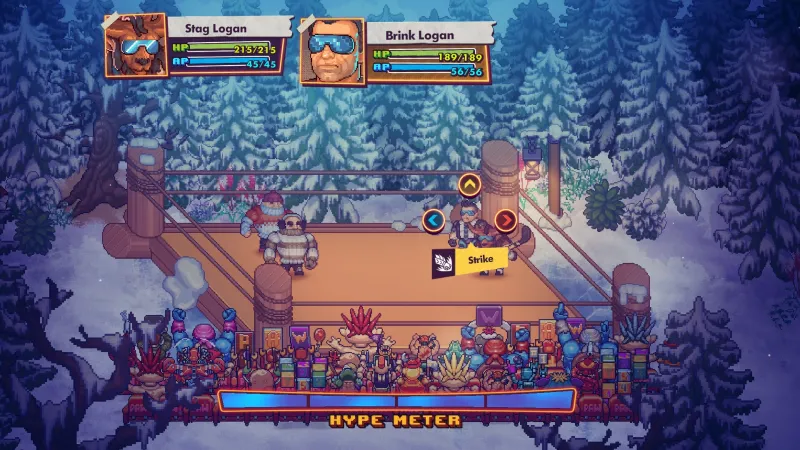
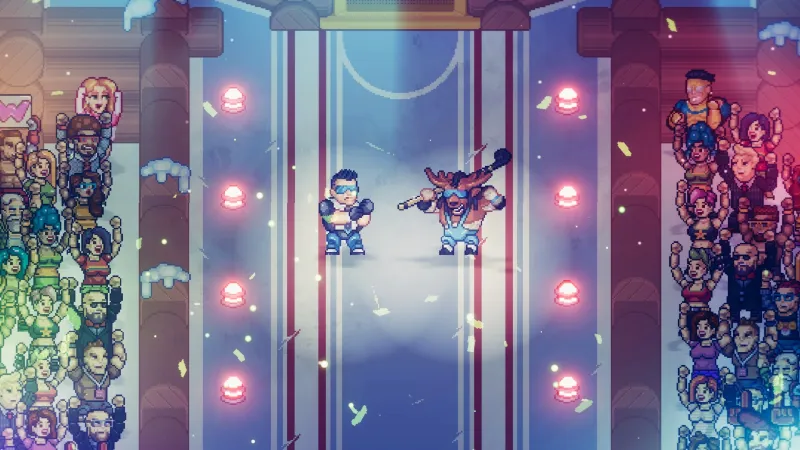
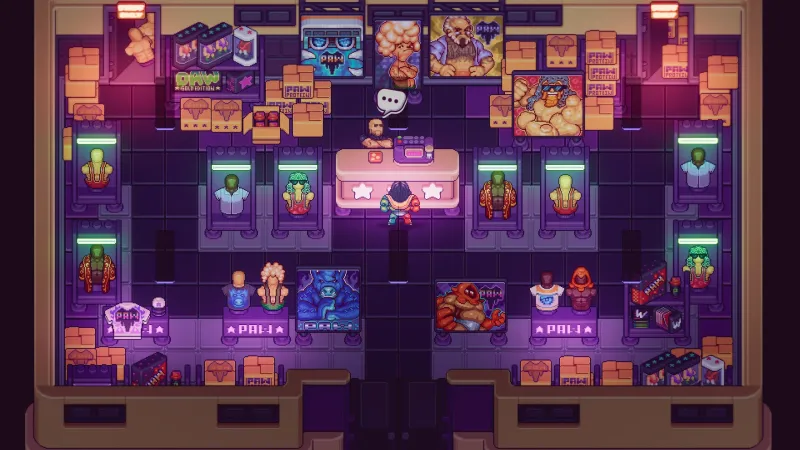
WrestleQuest unfolds in a living toy box inhabited by action figures. If you combine the whimsey of Toy Story and the wrestling-centric zaniness and world-building of shows like Ultimate Muscle, that’s a rough idea of WrestleQuest’s vibe. The presentational eye candy is my favorite element. The bright, colorful art direction, often silly character designs, and impressive animations give the game a fun personality, befitting the wacky sport it both celebrates and lampoons.   

Copious references abound for enthusiasts, including appearances from real-life stars like Jake “The Snake” Roberts, Diamond Dallas Page, Jeff Jarrett, and even personalities like Conrad Thompson. As neat as it can be to see a familiar face, other cameos are strange and feel shoehorned. Running into YouTube star Angry Joe and filmmaker Adi Shankar feels out of place and included for the sake of having notable non-wrestling celebrities. In-game billboards promoting multiple real-life wrestling podcasts and platforms also come off more as pure advertisements than fun references, clashing with the otherwise fantastical atmosphere.

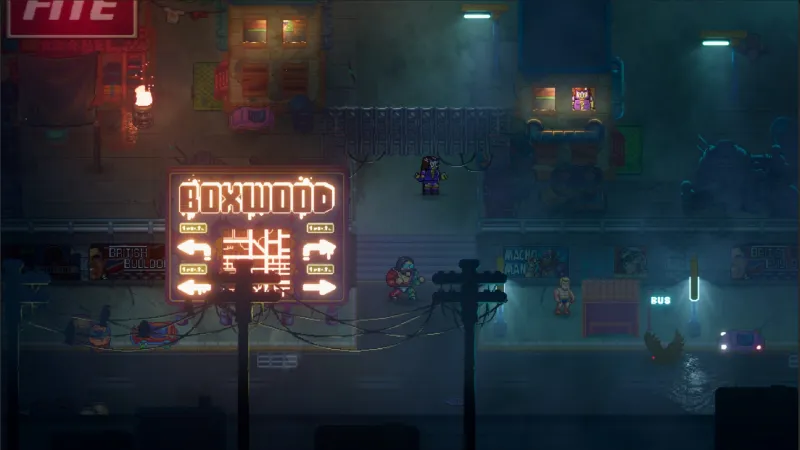
As Randy “Muchacho Man” Santos, essentially a Randy Savage tribute performer, you’re on a quest to become the biggest star in the toy box. Since he fully believes pro wrestling is legit (while everyone else knows it’s scripted), he also wants to stop a powerful promoter from turning it into pure entertainment. His journey takes him to various regions, many themed after a particular promotion or style. One region highlights ECW-style hardcore wrestling, while another parodies Canada’s Stampede Wrestling of yesteryear. Other locales, such as a futuristic sci-fi world, break this convention and feel generic and out of place as a result.

Along the way, you’ll recruit several allies, with parties regularly splitting off into their own separate stories. Expect to jump between Muchacho Man’s quest to a tale of a Hart Foundation-esque team’s climb to stardom to the story of a street-wise thug hoping to win the affection of a Transformer-style robot he just met, among other threads. Despite smiling at some references and nods, I didn’t find any of the characters interesting or engaging. The writing isn’t very funny, often relying on surface-level recognition of references. The overall narrative is not only flat but can be chaotic to follow since the game jumps between multiple stories so often. You’ll go from exploring a jungle with one group to searching for a wrestler’s lost item in a cemetery with another party to stealing cars in a crime-ridden city with yet another grouping. These jumps make for haphazard pacing and occur so often that it regularly cripples any narrative momentum a particular story thread may be building. 

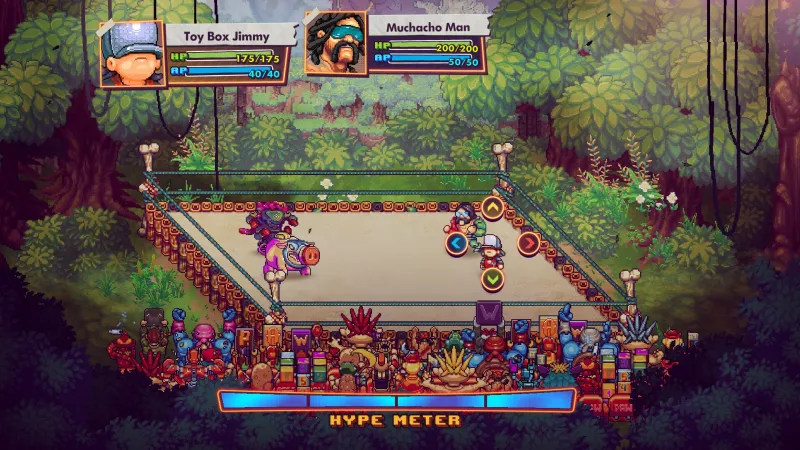
The turn-based gameplay borrows from the Mario RPG playbook, with players hitting timed button presses and other QTE-style mechanics to execute commands. Performing well builds a meter called Hype, which sways spectating fans on your side to bestow helpful bonuses like regenerating mana or damage buffs. Conversely, taking a beating swings Hype in your opponent’s favor, stacking the deck against you. Equipping managers can add additional perks, and various tag team maneuvers add a fun flair for a powerful punch. In a neat twist, downed enemy wrestlers must be pinned, with the familiar “stop the needle” pinfall minigame feeling more appropriate here than in a simulation game (though failing this revives foes with some HP)

These are cool ideas that incorporate the spirit of a wrestling match while rewarding skillful play and an evolving challenge – in theory, at least. While the gameplay is competent, the difficulty often feels all over the place. Sometimes, I’d breeze through battles only to suddenly hit rough patches where I’d barely survive a fight. The latter becomes a nightmare since you can’t flee battles (or quit/restart them), so you either have to win a fight you’re not ready for or die, reload a save, and potentially retrace quite a few steps due to the game’s questionable auto-checkpointing. You also can’t skip cutscenes, making replaying bigger encounters even more of a chore. These problems mean battles often unfold in one of two ways: as repetitive cakewalks or infuriating wars of attrition. 

Some battles force you to complete a list of objectives, often to your intentional detriment. Taking a cue from wrestling’s scripted nature, sometimes you must let yourself get beat up, release foes from pinfalls, or lose Hype to “win” an encounter. However, this puts you at the mercy of the opponent, who doesn’t always hold their end of the bargain as promptly as you would like. Intentionally losing Hype is the worst since almost everything you do adds to the meter, and there’s no “pass” option, so simply playing works against you. The only way to complete a turn without gaining Hype is to use an item, then pray your opponent finishes you off before you needlessly consume all of your precious healing goods. I hated these types of battles because the game simply doesn’t allow you to throw fights as effortlessly as it needs to, and they just aren’t fun.   

Party management feels antiquated since new allies join the group at Level 1 instead of scaling to the group’s average level. There’s also no shared experience gain, so you’ll have to throw a jobber alongside your main eventers to get them up to snuff, which basically turns them into fragile punching bags in battle. I often chose to stick with a core crew to avoid this headache, which worked most of the time. However, the game often forces you into unexpected situations where you’re stuck with a group of losers against a powerful foe, and you don’t always have the immediate freedom to prep beforehand. 


Though you can see enemies in the field and actively sneak by them (with enemy awareness meters dictating success in that area), some tight areas force a fight. Prepping for tough bouts meant backtracking to town for supplies, but locating the right stores, or anything for that matter, is a hassle since there’s no readily accessible map. Signposts in town offer the only guidance besides a vague minimap that only displays compass waypoints and nothing else. As a result, it can be easy to get lost as you explore what you think is the right path, only to hit dead ends and have to backtrack. While more acceptable for a first trip in an area, backtracking is a chore. WrestleQuest admirably tries to mix up exploration with various puzzles, like locating missing children or collecting clues to solve a murder mystery, but these generally don’t make much impression. 

Saving progress is also a problem since there are only three save slots. That’s not enough in a big RPG that regularly forces you into unfavorable party lineups and situations you may not be ready for. Saving yourself into a corner is frighteningly easy since you’re so boxed into hard battles that you’ll often want to save after even marginally difficult fights or lengthy segments between towns. Other times, you’ll be in situations where you can’t explore or grind and have to immediately enter a tough fight that, again, you weren’t anticipating and don’t have a save file set in a more explorable scenario. 

I was ready to love WrestleQuest, and some enjoyment can be found for those with the patience and fandom to fireman carry them along. But the imaginative ideas die by a thousand cuts that hold Muchacho Man and his friends back from world title contention. The game has cool ideas; it just needs more refinement and a serious reexamination of certain systems before it’s ready for the big time

Score: 5.75

About Game Informer's review system

Purchase
Sea of Stars Review - Genre Excellence

Reviewed on: PC
Platform: PlayStation 5, Xbox Series X/S, PlayStation 4, Xbox One, Switch, PC
Publisher: Sabotage
Developer: Sabotage
Rating: Everyone 10+

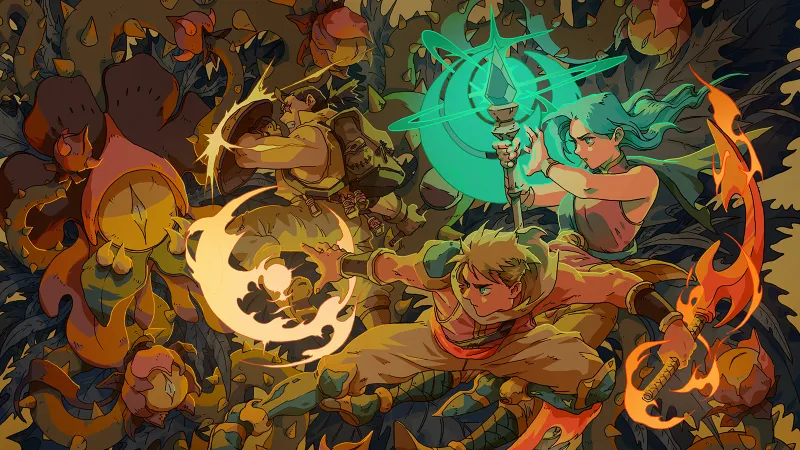
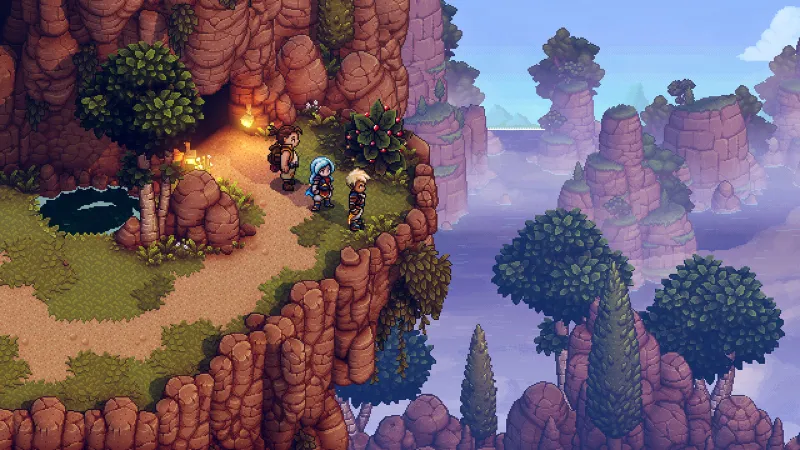
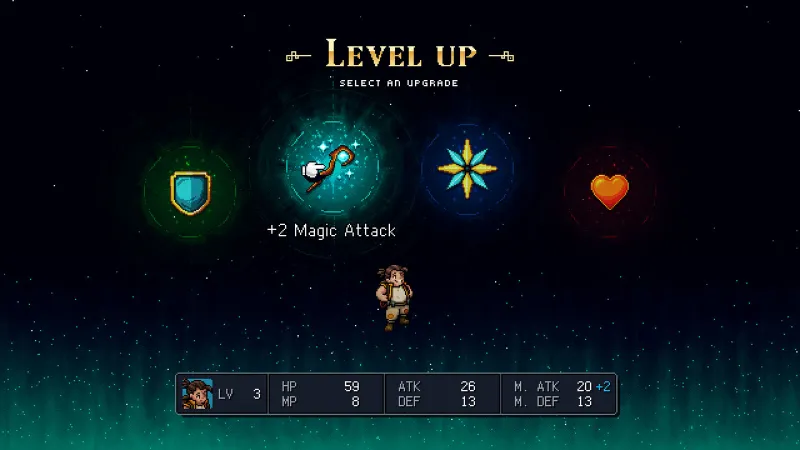
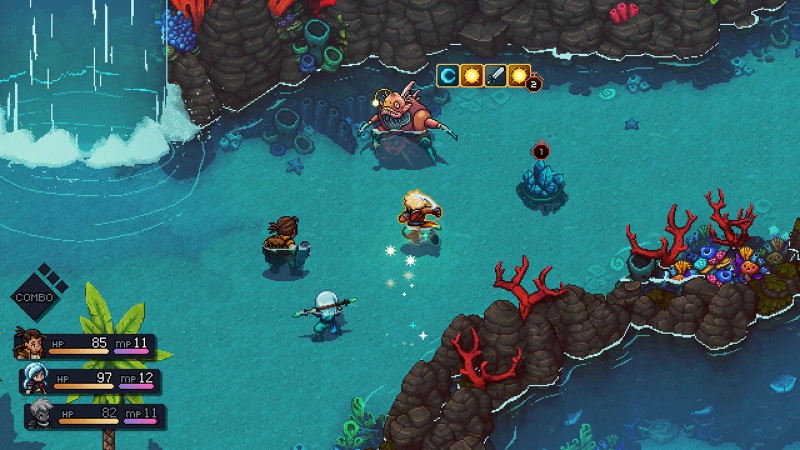
Sea of Stars is like a great genre film by a skilled director. It looks and feels familiar; you basically know what to expect and can probably even predict the major beats, but it doesn’t hinder the experience. The intention is so well-executed that I was eager to soak it all in and, in this case, swim in the stars. I dreaded Sea of Stars’ conclusion not because I feared the worst but because I didn’t want to leave the world and stop playing.

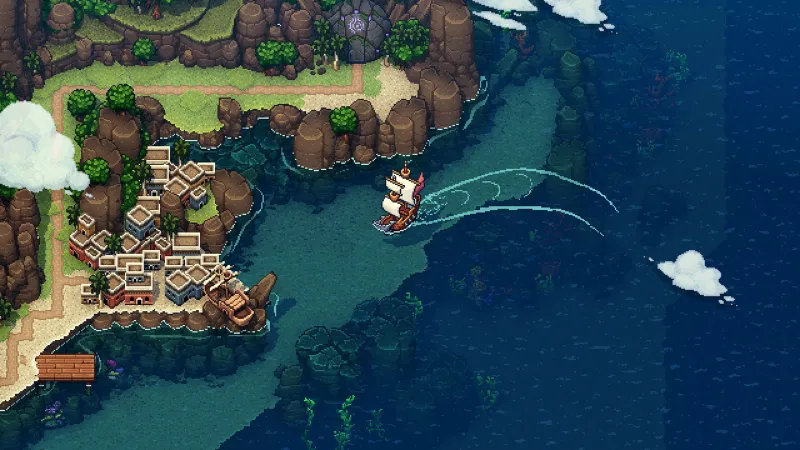
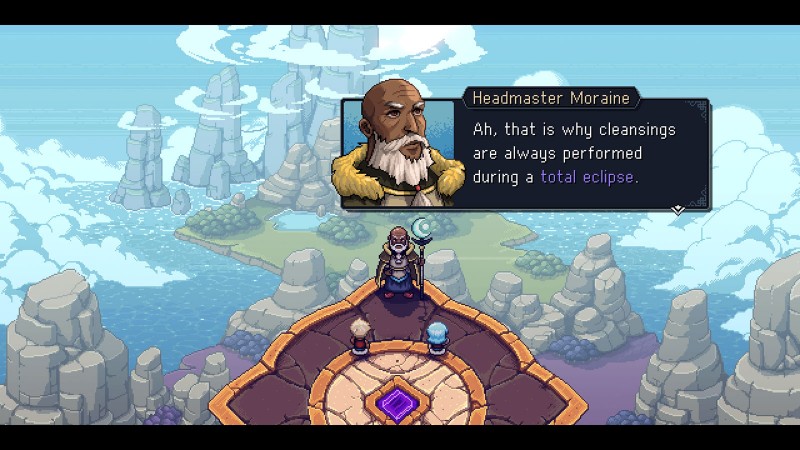
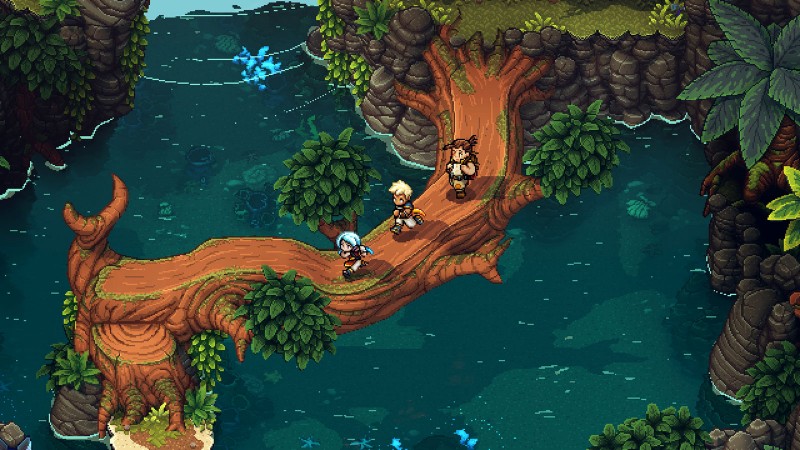
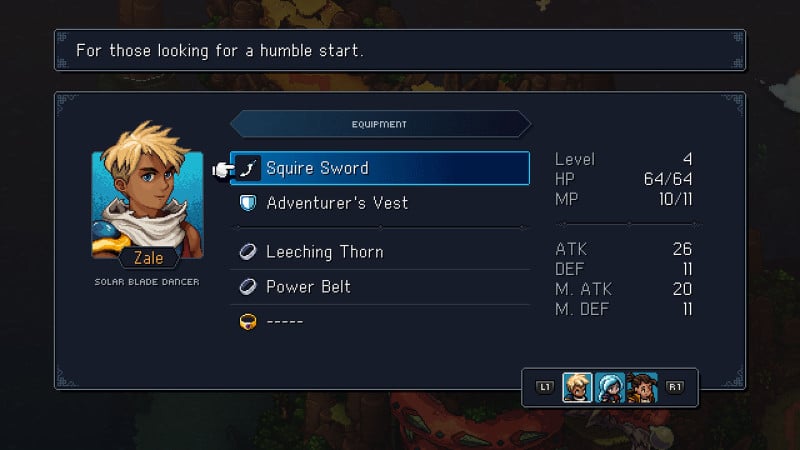
Overtly inspired by 16-bit RPG greats like Super Mario RPG and primarily Chrono Trigger, Sea of Stars is a journey about a group of friends that grows in size and experience throughout an approximately 25-hour adventure. The story centers on two Solstice Warriors, children delivered by a magical eagle instead of traditional childbirth, who can control the power of the moon and the sun. What begins as an adventure about defeating a monster doesn’t take long to turn into something bigger than everyone involved in ways that impressively feel both small and personal and epic when necessary.

Ultimately, Sea of Stars is a story about the burden of responsibility (and gods, and magic, and friendship), and it does a good job of showing all sides of the story. The villains are villains, and the heroes are heroes, but I understand where every- one is coming from. I appreciate this approach to its story and characters and admire it for feeling familiar within the genre but also playing with larger ideas about the ideology of immortals or toying with fun concepts like shared consciousness. I eagerly pursued all the optional threads and listened to every extracurricular story from Teaks, our traveling historian, which is a compliment to the game’s world-building.


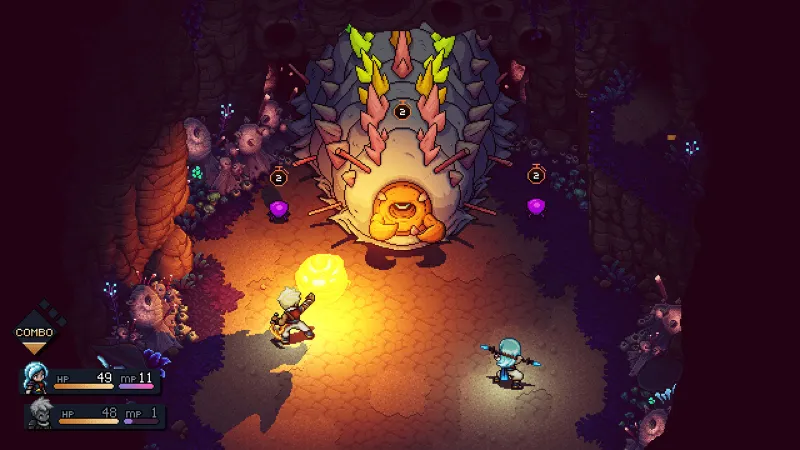
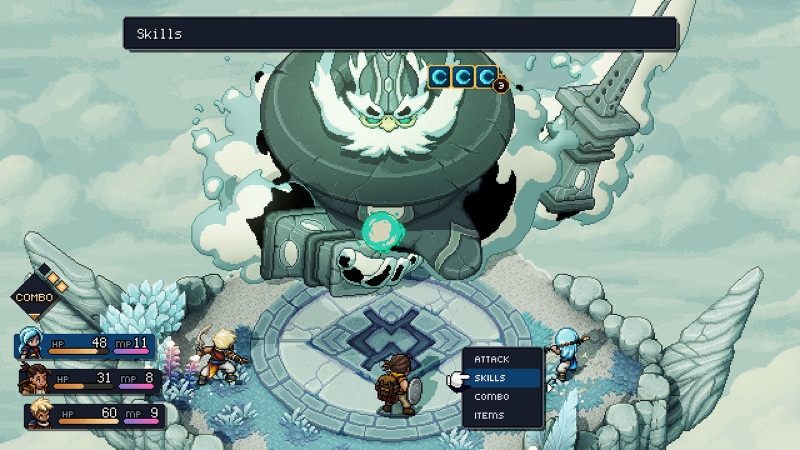
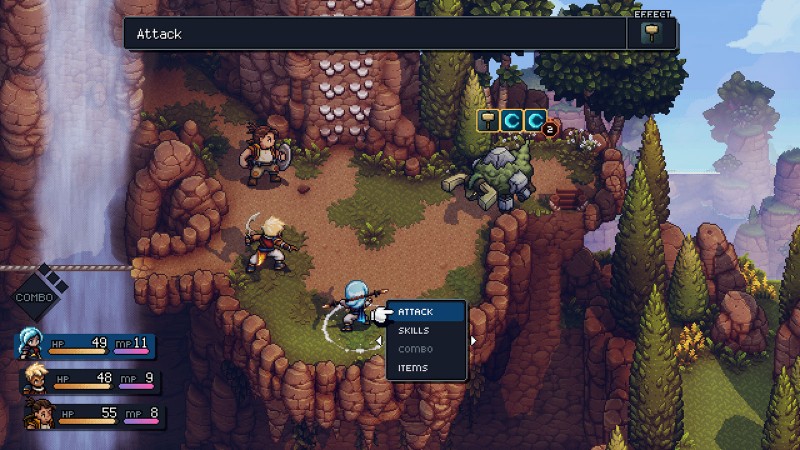
Beyond the story, which is engaging, exists a fantastic turn-based RPG. Every encounter in Sea of Stars, from the random enemies you run into while solving puzzles to the final confrontation, feels fully considered and designed. The combat encourages you to lean on special abilities and combos so you’re not just doing the same basic attack on every enemy. The combat also has timed button-press bonuses, which is the key to my RPG heart. Getting an extra few hits or taking less damage from an attack with a timed press is always a joy, and it feels particularly rewarding in Sea of Stars.

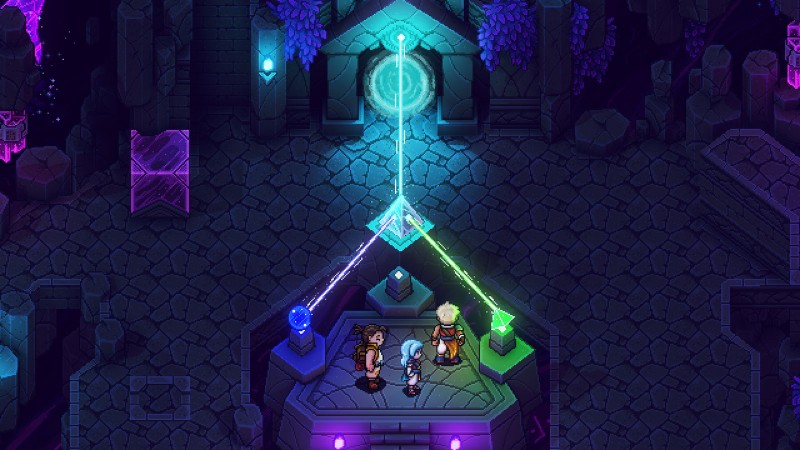
With the emphasis on special character-specific abilities, scenarios feel like puzzles but do so without leaning too much on the same solutions. It also goes out of its way not to punish you for experimenting and using everyone in your party. Sea of Stars is a game where new members join your party late in the journey, but I used and understood the fashionably tardy as much as, if not more, than the core party. It makes everyone feel essential, which is not how I typically feel about RPG party members.


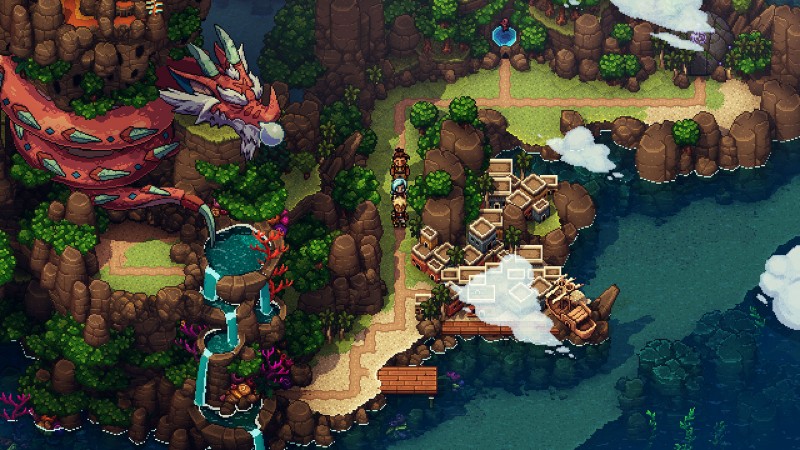
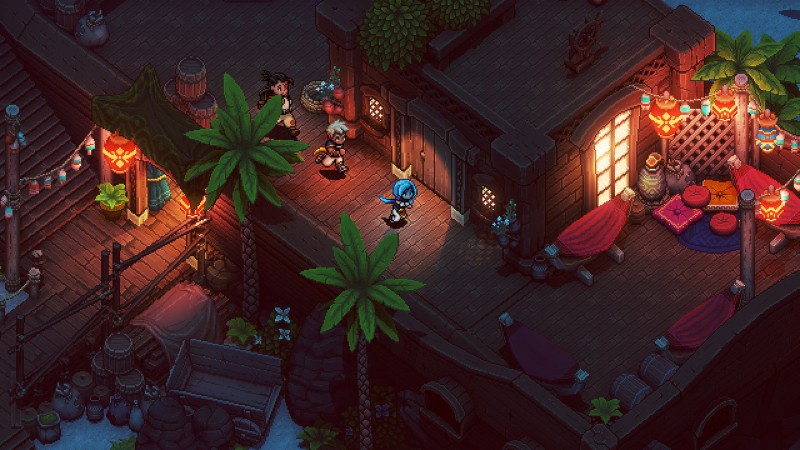
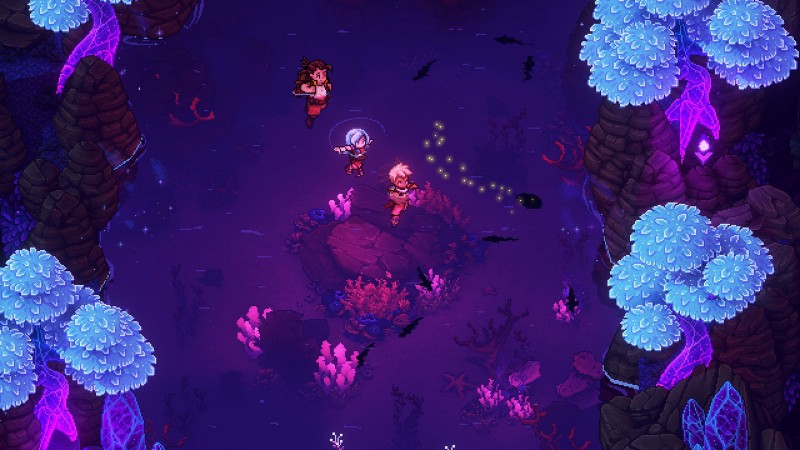
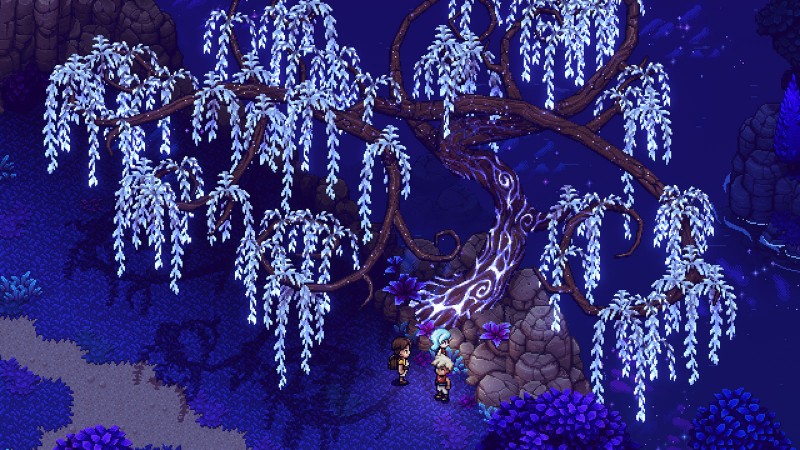
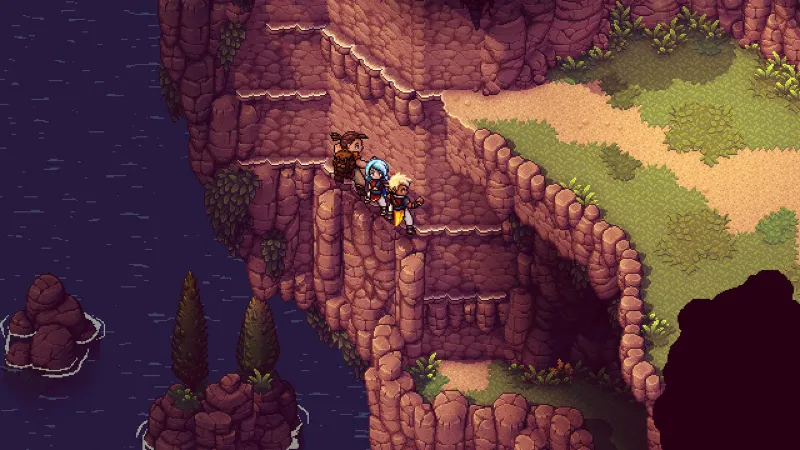
The audio and visuals also deserve highlighting. The music expertly recalls the 16-bit era; plenty of its tracks and musical cues are still looping in my head. The soundtrack does a great job of establishing specific themes early on and then playing with them in new ways later in the story. The pixel art is fantastic, with every environment brimming with detail and color. Huge-scale characters and bosses are awe-inspiring, and lighting effects (that would have been impossible on a 16-bit console) make everything feel alive. Changing the time of day, a frequent effect leveraged for solving puzzles, looks particularly impressive, and I never tired of seeing it.

Sea of Stars is a stellar throwback that appeals to fans like me who love 16-bit RPGs, but it also functions as an excellent entry point. Annoyances that hindered early games that inspired Sea of Stars are nowhere to be seen. Simple actions like moving around the world feel great, the story picks up quickly, and farming experience is effectively unnecessary. It all leads to a smooth, consistently thrilling adventure with fun combat, all in a gorgeous and inviting world.

GI Must Play

Score: 9

About Game Informer's review system

Purchase
Wednesday, August 23, 2023

Bomb Rush Cyberfunk Review – The Concept Of Love

Reviewed on: PC
Platform: Switch, PC
Publisher: Team Reptile
Developer: Team Reptile
Rating: Teen

At its core, Bomb Rush Cyberfunk wants to remind you how cool other games were. Specifically, Jet Set Radio, Jet Set Radio Future, and a tiny bit of Tony Hawk's Pro Skater. The problem is, by choosing nostalgia as its sole focus, Bomb Rush lacks an identity of its own – it only reminds me of why I'd rather play those other games instead. 

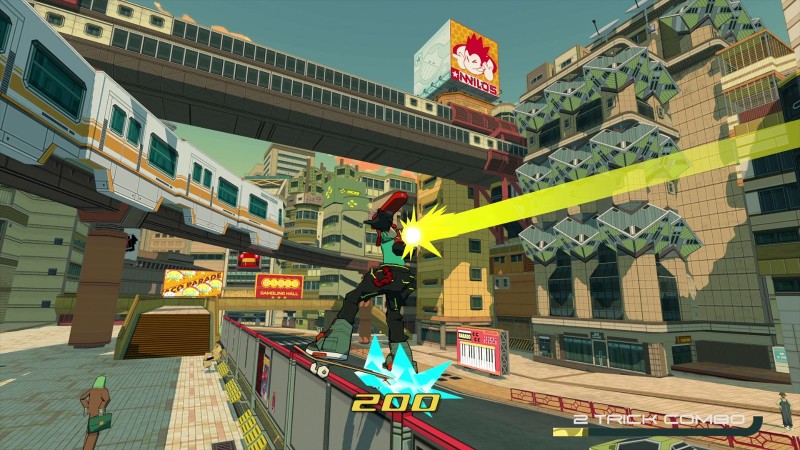
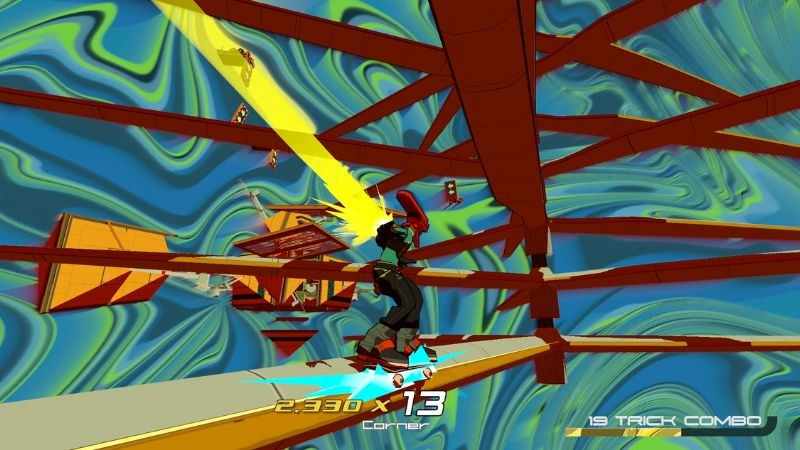
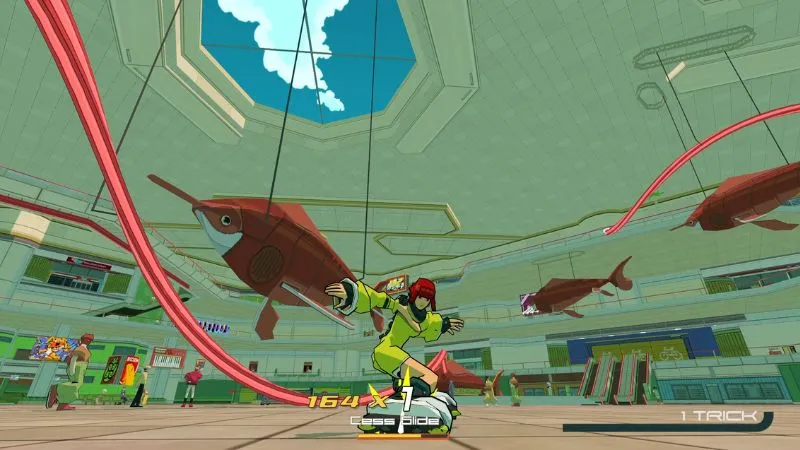
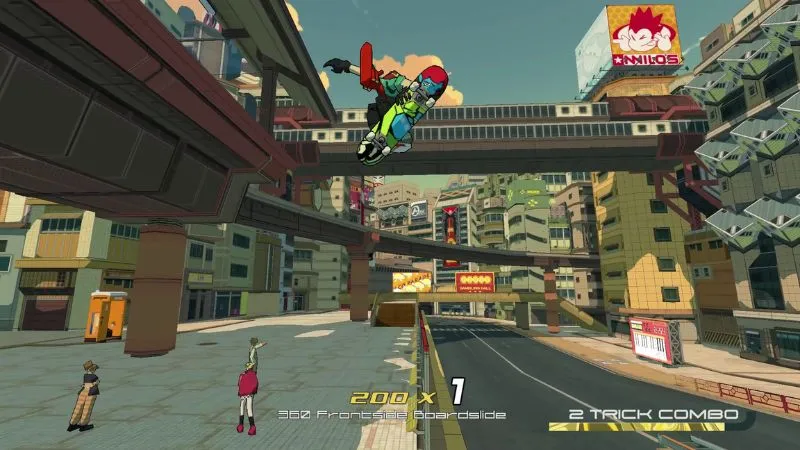
Bomb Rush attempts to right one of Sega's great crimes: the 21 years we've gone without a new Jet Set Radio game. For the uninitiated, Jet Set was an action sports series that put you in control of a gang of rollerbladers terrorizing the streets of Tokyo-to, tagging every surface flat enough to hold paint. You fought other gangs and the police for dominance over the city. Its striking cel-shaded graphics, incredible electronic soundtrack, and general finger on the pulse of late '90s and early aughts Japanese street culture still make it a standout of Sega's catalog – up there with the greats of the time, such as Rez, Seaman, and Space Channel 5.

Understanding this influence means understanding Bomb Rush. It is also an action sports game that puts you in control of a gang of rollerbladers (and skateboarders and BMX riders) terrorizing the streets of, in this case, New Amsterdam, tagging every surface flat enough to hold paint. In fact, you can just copy and paste all of the above, and it directly applies to Bomb Rush. It's either an incredibly earnest homage or a blatant copycat with few new ideas of its own. I tend to lean towards the latter.

This isn't to say there aren't areas where the game shines. Mainly, it's fun if entirely mindless. Action sports games are about momentum, and tricking through New Amsterdam's numerous levels racking up million-plus-point combos feels fluid and natural. The tagging mechanic, which stops the flow for a short drawing-based minigame, adds a bit of flare. And I liked swapping between different gang members to experiment with the skateboard and BMX tricks. 

On the other hand, it never pushes the player. The lack of a balance meter is apparent (which, to be fair, also wasn't in Jet Set Radio, but nevertheless), meaning you can grind or manual without any skill. Tricking around is fun, but after eight hours of playing, I rarely had to actually think about what I was doing on-screen by the end. This is exacerbated by the fact every level has more or less the same mission structure – tag an area, beat a rival gang in a combo contest, avoid cops or fight them with bad combat, rinse, and repeat. It's monotonous after a bit. But this is changed up in end-stage levels that serve as dream sequences that push the player's abilities, which are some of the best parts of the game.

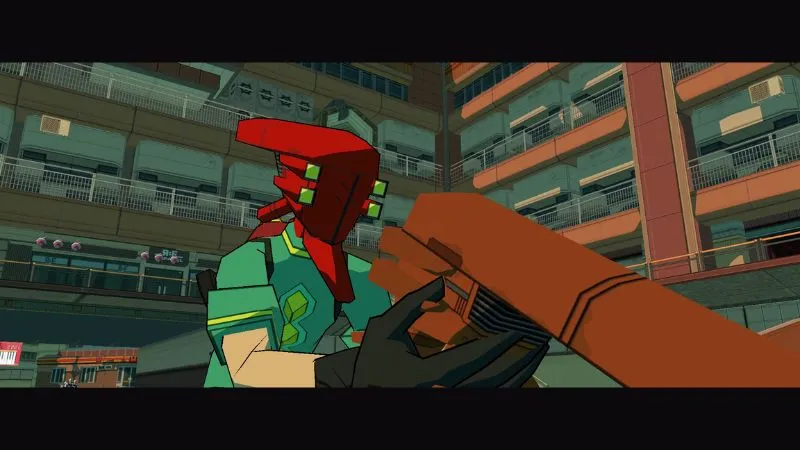
By copying Jet Set's whole aesthetic, which, thanks to cel-shading, has aged fantastically, Bomb Rush pops off the screen. Its soundtrack is great, too, though its small playlist means you'll be hearing even your favorite tracks entirely too much. Hideki Naganuma – of Jet Set fame – also has several songs here; unsurprisingly, they're rad.

But my biggest issue with Bomb Rush is just this: as of this sentence, I have used the words "Bomb Rush" and "Jet Set" an equal number of times. That's because you can't talk about Bomb Rush without talking about its inspirations. 


It seems Bomb Rush's grandest aspiration is making the player say, "Hey, wasn't Jet Set Radio cool?" And yeah, that game was cool. I love Jet Set Radio. I wish I had spent my time replaying that instead. 

I think this is a general problem with the trend of nostalgia-focused media; by being so obsessed with wanting you to remember how great something else was, it lacks an actual identity of its own. Bomb Rush doesn't feel like something new, unique, and earnest like Jet Set did when it came out 20 years ago. It feels like someone else's better ideas were recycled into a derivative and unimaginative product. Bomb Rush doesn't add anything new to the conversation. It doesn't want to make new memories – it's the guy in your friend group who's still obsessed with talking about high school. Every so often, I still boot up Jet Set Radio. I can't imagine I'll do the same for Bomb Rush.

This is a shame because there's a fun game here – it's just trapped in a hollow shell. Its final sin is having a miserable story hardly even worth bringing up. It's boring and bad; we can leave it at that. There's room for games that want to recapture some old glory – to remind you how cool games used to be – but to do that, you have to add something new to the conversation. Neon White is a great example of a game that did this right. Bomb Rush isn't interested in adding anything new. It just wants to have the same conversations we've been having for years. Jet Set Radio was cool. Go play that instead.

Score: 6

About Game Informer's review system

Purchase
Armored Core VI Fires of Rubicon Review - A Well-Oiled Machine

Reviewed on: PlayStation 5
Platform: PlayStation 5, Xbox Series X/S, PlayStation 4, Xbox One, PC
Publisher: Bandai Namco
Developer: From Software
Rating: Teen

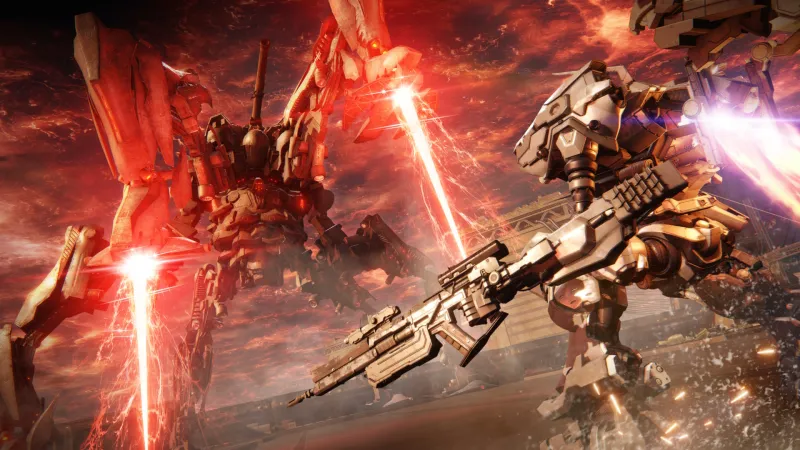
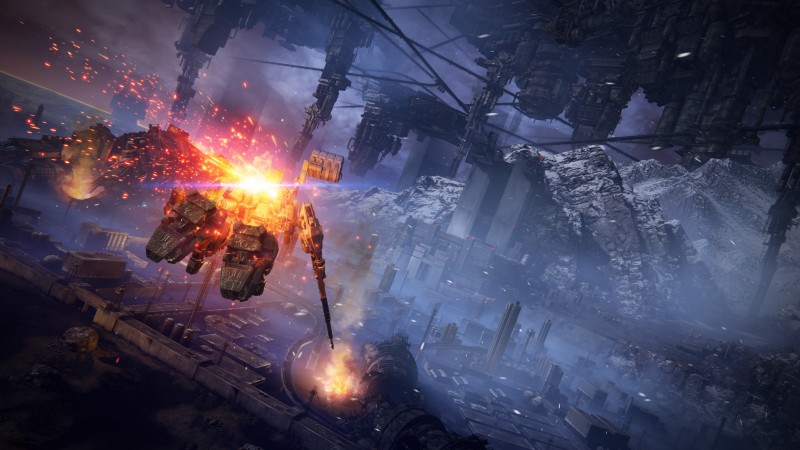
As a member of the niche mech-action genre, Armored Core has been out of commission for some time. The last entry in the series was a full 10 years ago, and since then, developer From Software’s other titles (Elden Ring, Bloodborne, etc.) have made the developer a household name. Now, the studio has returned with Armored Core VI: Fires of Rubicon (ACVI), applying many lessons from its other action games. Armored Core VI doesn’t revolutionize the mech game formula but refines it to create one of the genre's fastest, best-looking, and most approachable entries.

ACVI establishes yet another all-new universe for the series, but its narrative tropes are immediately obvious to anyone who’s played Armored Core before (or dystopian sci-fi in general). The player begins as a mercenary pilot controlled by the mysterious Handler Walter. Walter brought the mercenary to the frontier planet of Rubicon to hunt for a miraculous energy resource known as Coral, which was destroyed in an apocalyptic event. Militarized megacorporations are also after the Coral, though, so the mercenary will have to take jobs from each to gain intel and pit the factions against each other.


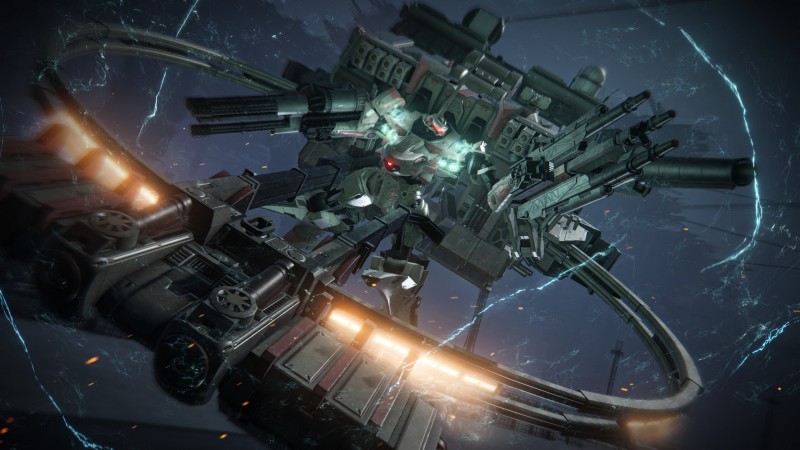
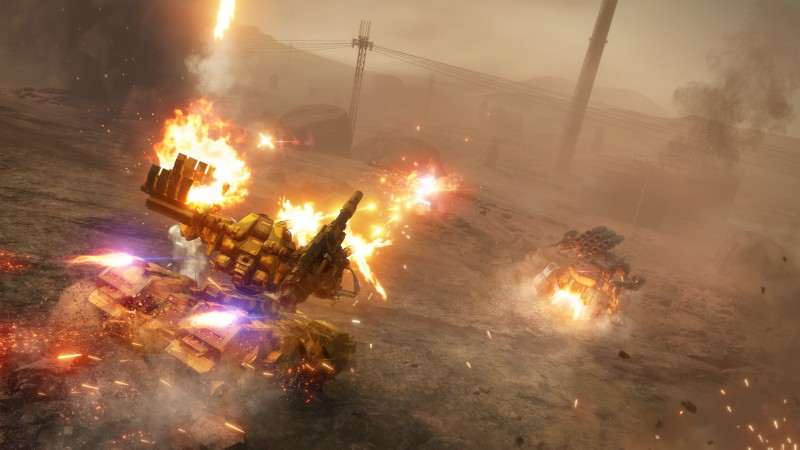
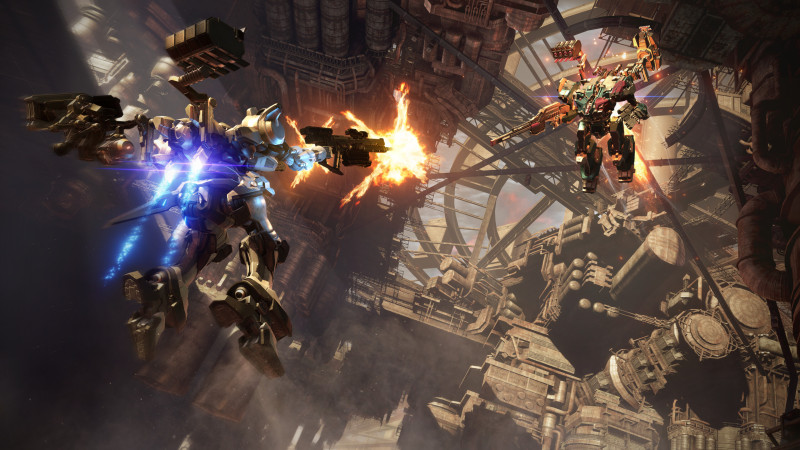
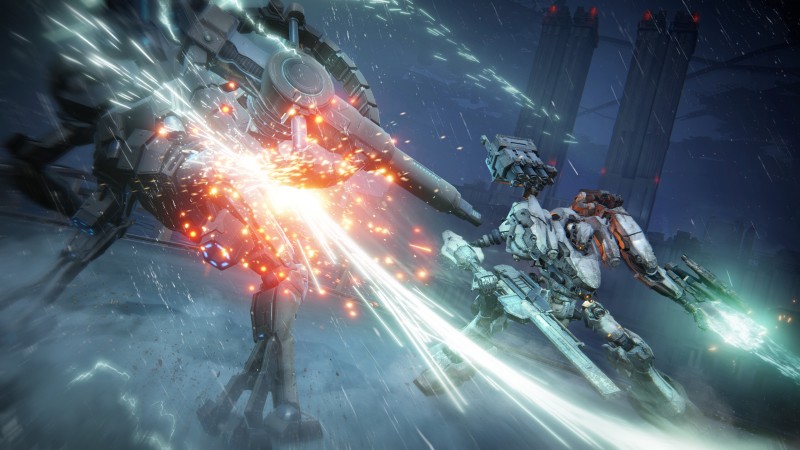
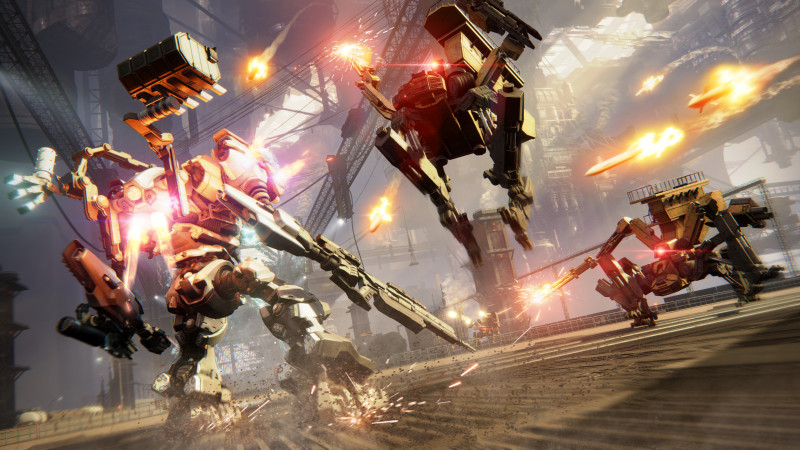
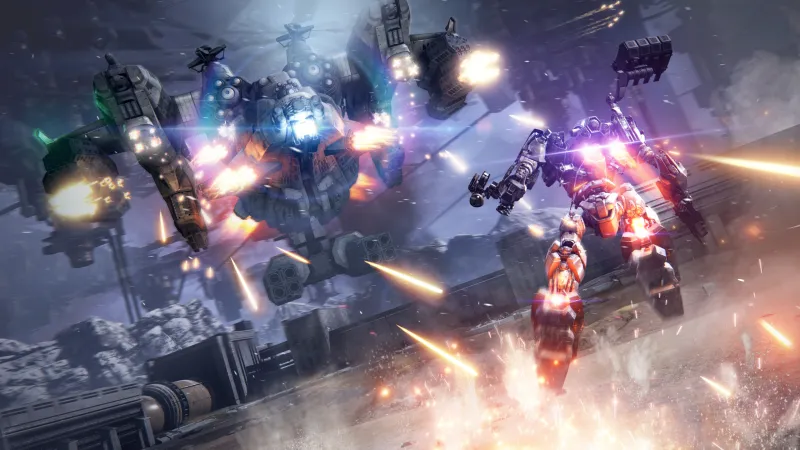
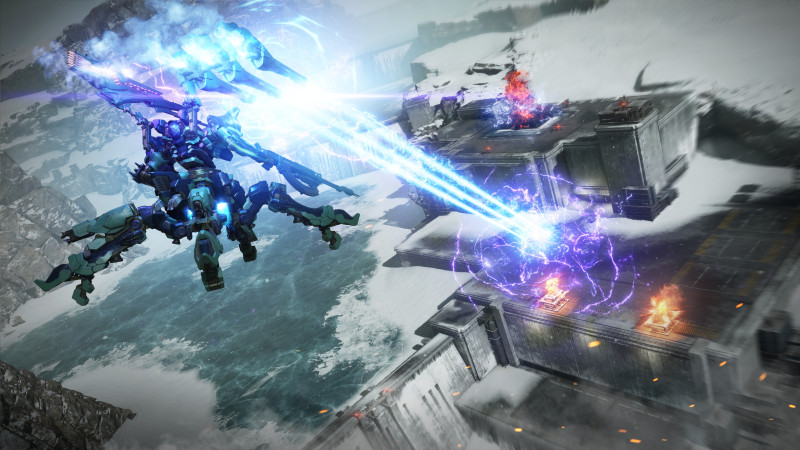
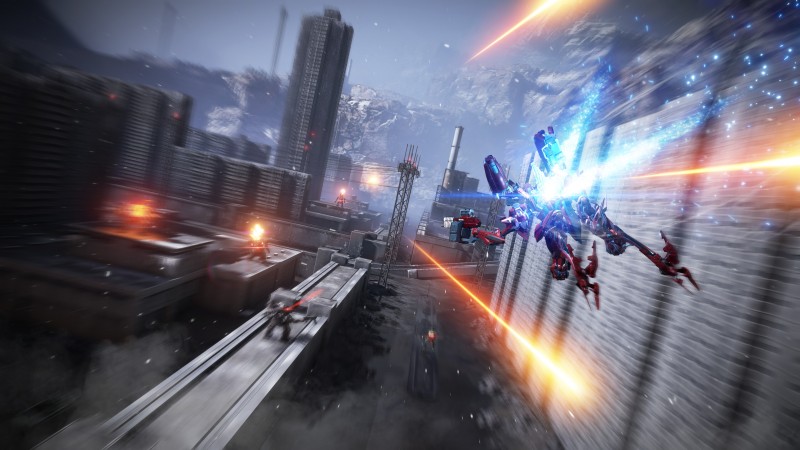
The main gameplay loop of deploying on missions, earning credits, and using them to customize your mech is as satisfying as ever, but movement and combat are the true highlights. The often-unwieldy button layouts of earlier games have been replaced with smooth, snappy controls that enable much faster gameplay. This, in turn, makes combat much more dynamic and fun as you dash and drift between hulking structures and enemies to cause large-scale destruction. Different weapons and mech parts also grant significantly different abilities, creating many potential playstyles.

Some might have expected From Software to change the Armored Core formula to resemble its recent titles, but ACVI sticks closely to the genre’s established conventions. That’s both to the benefit and detriment of the game; missions are mostly short skirmishes against cannon-fodder enemies that give you that sense of material superiority, but they’re also not very interesting.

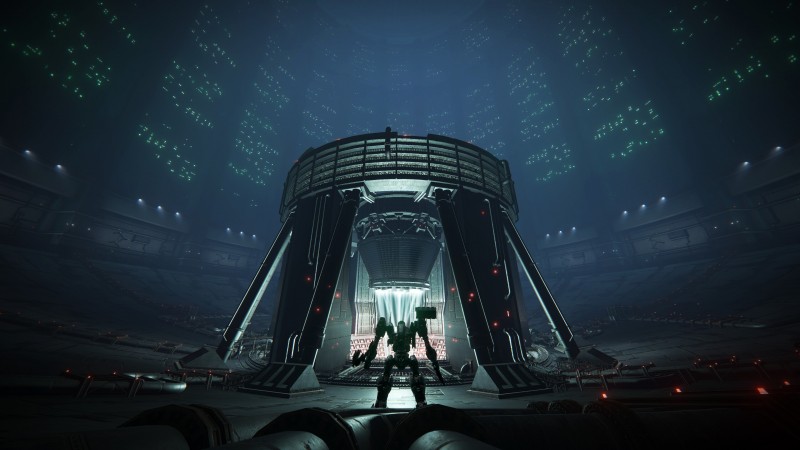
In contrast, the major bosses are where From Software’s pedigree really shows. Each of the game’s five chapters contains an almost Souls-like superweapon that tests the limits of your current build and motivates you to experiment with other parts. The sheer spectacle of these fights also emphasizes how well ACVI runs and how good it looks; by the standards of the often bland and blocky mech-action genre, this is a gorgeous game.

ACVI is also the most approachable entry in the series and, indeed, one of From Software’s most forgiving games. The debt system of previous entries is gone, and failing out of missions is no longer possible. There’s no backtracking to fight bosses repeatedly, as checkpoints are generous. The auto-lock feature also streamlines single-target battles but removes the need to aim manually. All the simplification can be a double-edged sword, especially for Armored Core veterans. This is one From Software game where most can probably agree that difficulty modes would have been welcome.

Armored Core VI is a solid return for one of From Software’s long-dormant franchises. It still carries many of the mech genre’s old contrivances, like its generic mission structure and predictable plot. However, it modernizes mech action meaningfully to introduce it to a new generation. While legacy fans may have some complaints about the “casualization” of Armored Core, I am ultimately glad the series is back and firing on all cylinders.

Score: 8.25

About Game Informer's review system

Purchase
Monday, August 21, 2023

Immortals of Aveum Review - Modern Fantasy Warfare

Immortals of Aveum First Person Shooter Fantasy Game Informer 8 Review

Reviewed on: PlayStation 5
Platform: PlayStation 5, Xbox Series X/S, PC
Publisher: EA Originals
Developer: Ascendant Studios
Rating: Mature

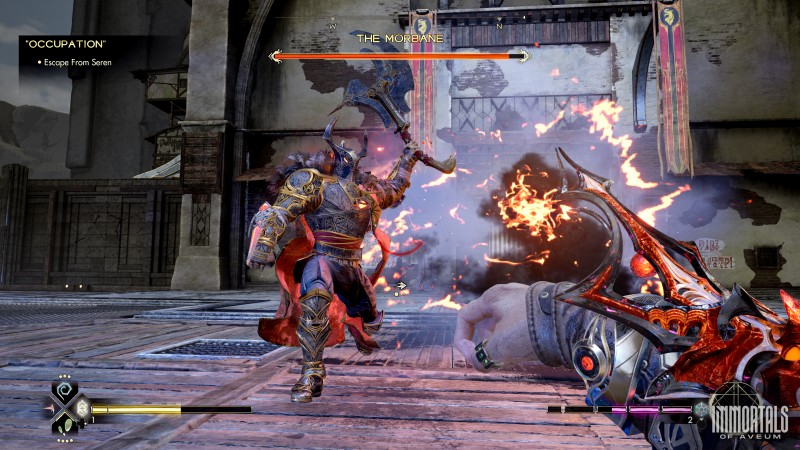
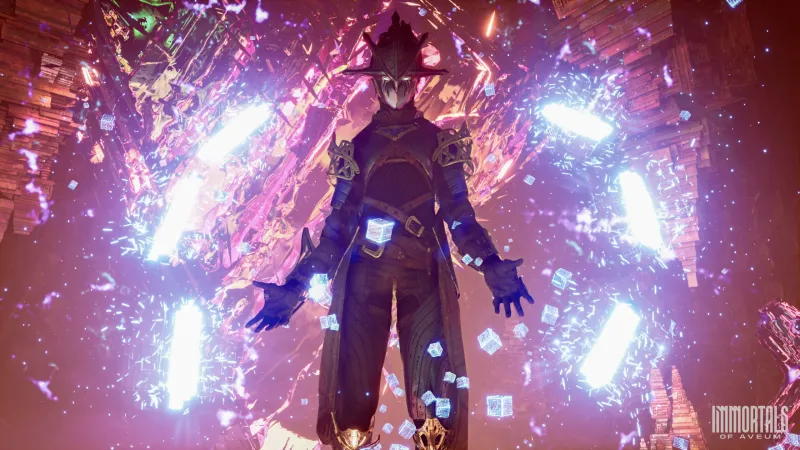
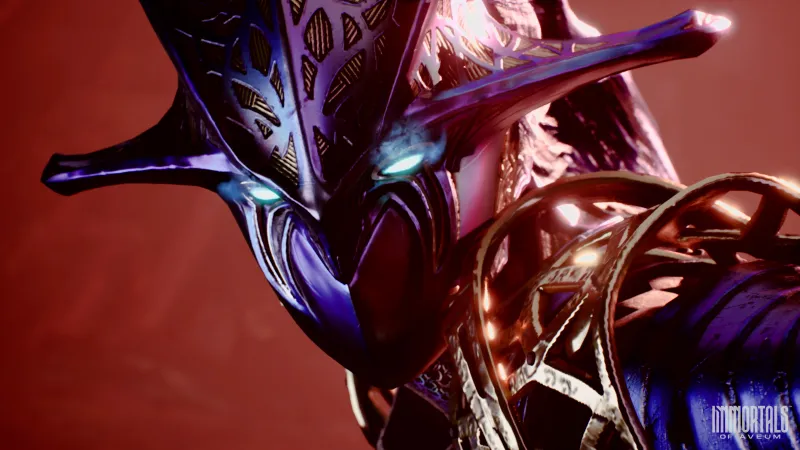
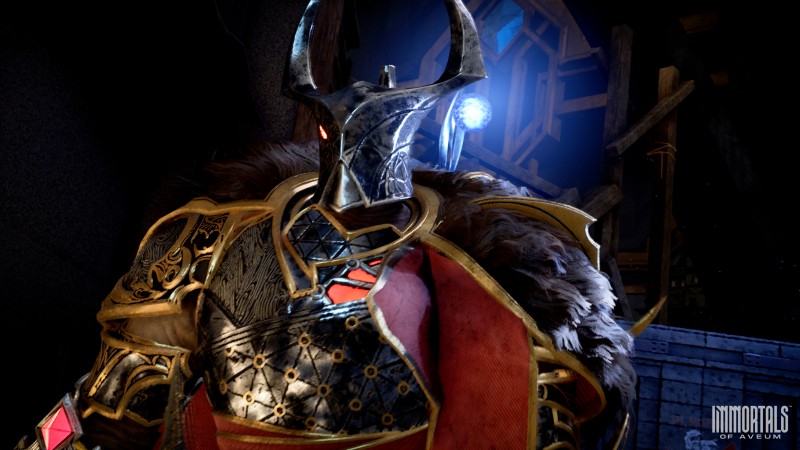
Plenty of great first-person shooters take players on globe-trotting adventures using modern military technology, to World Wars, and sometimes the moon or even hell. Immortals of Aveum carves out its own place in the broad genre of shooters by setting its first-person action in the fantasy realm of Aveum, and it’s refreshing to shoot at ax-wielding knights, magic sorcerers, dragons, and more. 

It helps that Immortals of Aveum mixes up its competent shooting with unique, puzzle-like twists to keep most encounters fresh and exploration exciting. Developer Ascendant Studios greatly emphasizes the narrative, and it’s hit or miss, depending on how well you gel with the cast’s cliche personalities. Nonetheless, I rolled credits impressed with this team’s first crack at this world and its mechanics, even if the final product could have used more polish. 


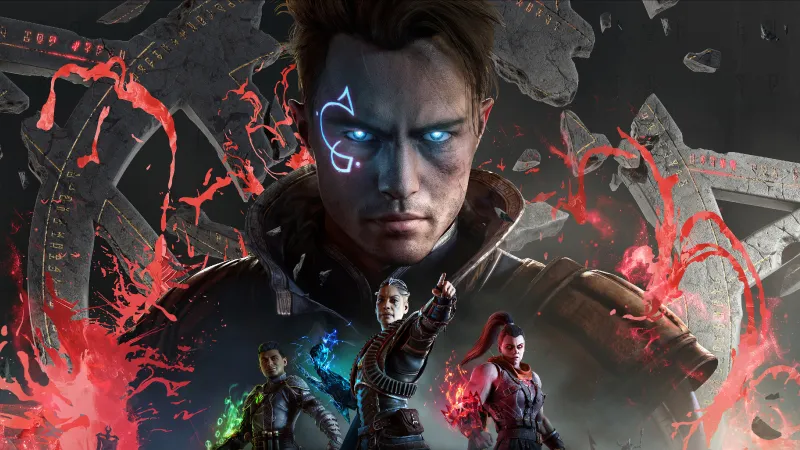
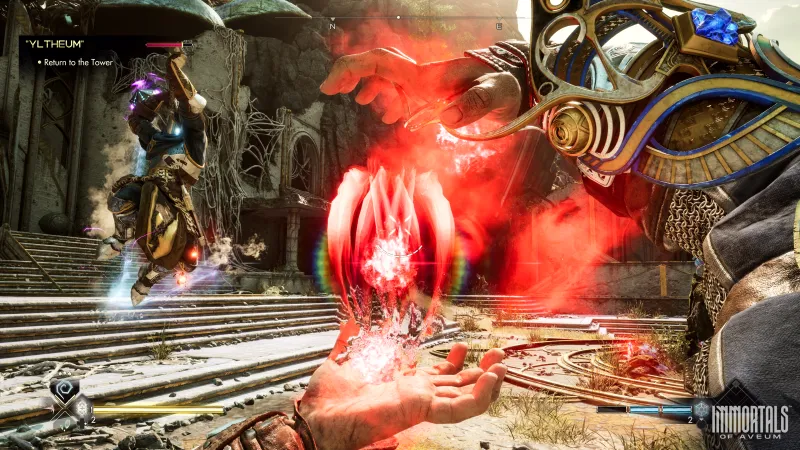
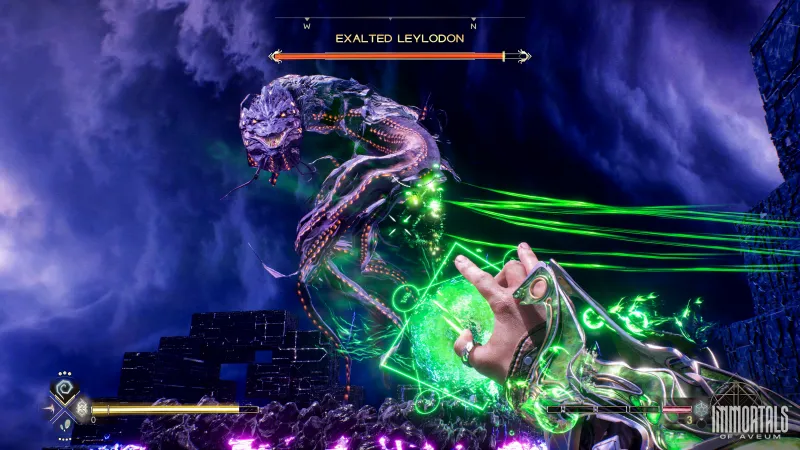
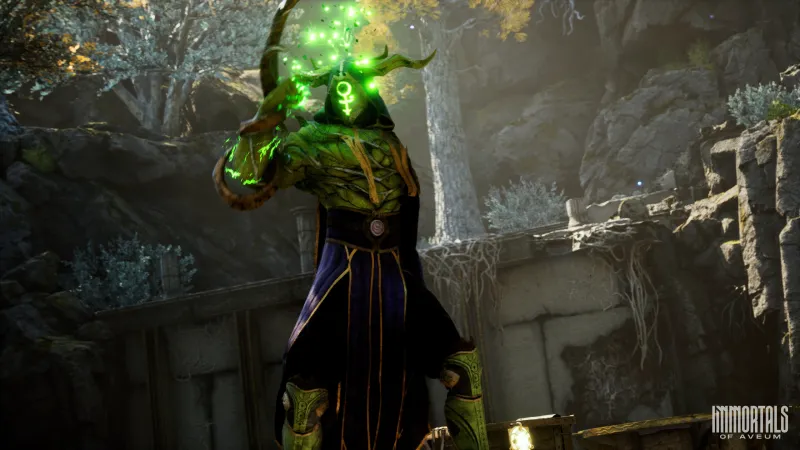
Jak is a Lightless, meaning he’s unable to use magic, but through a traumatic series of events, he becomes not just a magic-wielding Magni but eventually an Immortal, the most elite of magic users. This places him near the highest ranks of Lucium’s Lights Army, fighting in the Everwar. Jak is powerful and capable of wielding three types of magic: Force (blue), Life (green), and Chaos (red). Blue magic serves as Immortals of Aveum’s sniper or long-range rifle-type weapon, green is the machine gun of this world, and red is the shotgun. Each type of magic is more effective against specific types of enemies, adding a welcome element of strategy to every combat encounter. Jak fires magic through sigils he wears on his arms, and there are various sigils to find around Aveum, each with different stats, upgrade paths, and more. There are a few other gear pieces to find and while upgrading each is straightforward, I’d be lying if I said I was invested in these stats.

Immortals of Aveum has all the systems needed to create a build for Jak – you can focus on Fury abilities, which are special attacks that require an easy-to-find resource to use, or on enemy shield destruction, for example – from sigils to amulets to rings, arm bands, and more. But I rarely felt pushed to explore in this direction, mostly because I was getting along just fine with the gear with which I had fallen into a cadence. I didn’t mind ignoring gear, though, because the action is good regardless of what I equipped. 

Standard enemies, of which there are plenty, can be taken down however, but stronger enemies have specific shields attached to them coordinated with a type of magic in your sigils. For example, if an enemy has a blue shield up, you must use your blue magic to take it out. I love how Ascendant uses this to morph enemy-filled encounters into puzzle arenas. Immortals of Aveum is also challenging because of these mechanics and I died often. Still, I almost always knew what I did wrong, which enemy I should have targeted first, and when I should have used my special Fury abilities or even my tri-magic ultimate move. I could feel my combat competence growing with each encounter, and I used more of each arena’s platforms, grapple hook rigs, and other platforming elements to glide around areas taking out swaths of enemies. 

Immortals of Aveum First Person Shooter Fantasy Game Informer 8 Review

Outside combat, Ascendant goes to great lengths to fill its world with things to do. With light Metroidvania elements, even after rolling credits, there are plenty of places for me to revisit to find new gear, complete unique challenge rooms, and defeat remaining bosses. I’ve never seen more chests in a game, but being able to blast them open with a quick trigger pull made it easy to dip a few seconds off the beaten path to find what’s inside. Throughout the main missions and side exploration, I found gems on walls that interact with magic. If I shot a red triangle gem with red magic, it might open a door to a previously hidden chest. Many exploration-based puzzles require multi-magic shots to open new doors quickly, and Ascendant continued adding enjoyable layers to these puzzle-based mechanics throughout. 

What I especially like about Immortals of Aveum is it gives me plenty of space to breathe in between action with semi-open-world exploration, puzzles, dozens of collectibles, and more. I often strayed from the path to pull a platforming thread and see where it took me, which was often to a worthwhile reward. However, sometimes the game gave me too much space between the action. More than a few times, I’d be ordered to go to the War Room so I’d walk there and watch a cutscene. Then, I’m told to go to my quarters in the Palathon, the Lights Army’s base hub. After another cutscene there, I’d be told to walk back to the War Room for another cutscene, and I wish all of this would have been one big cutscene – walking 20 seconds in between each brought me no joy or player agency. 
I’m surprised how much I enjoyed Immortals of Aveum’s story, especially given how often it threw proper nouns in my face alongside typical hero-speak and fantasy jargon. Aveum is a fantasy realm, but its characters and world feel modern. You won’t find anything new regarding character growth and personality, and I saw where the narrative was heading from a mile away, but Immortals of Aveum’s story is saved from tropes and mundaneness with a refreshing straightforwardness in its message and politics. Sometimes an evil kingdom is a kingdom full of fascists, and it is nice to hear these characters call that out, even if, overall, its themes are muddied by pacing and cliches. 
 

I wish Immortals of Aveum had more time in the oven to cook. It runs at 60 FPS, but when the combat gets hectic, which is often, there are noticeable dips. The visuals look muddy and scratchy at times too. However, Ascendant is aware of performance issues and a day-one patch aims to address them. 

The game’s score is good fun, too, mixing a classic fantasy orchestra with 808s and other hip-hop beats to great effect. It’s the bow atop the game’s modern fantasy shooter wrapping. 

Delivering something different and unique in a genre clogged with games set in real-world wars and battles, or at least meant to emulate them, is a commendable effort and pays off here for Ascendant. Immortals of Aveum is a great first outing, mixing the fantasy genre’s vibes, storytelling, and world exploration with the gunplay of a modern shooter. Its magic action almost always feels great, except when the game’s performance turns a fun explosion of magic and colors into a muddy mess. The story, which took me 16 hours to get through, is predictable but competent enough to get Jak to the next set piece, and there’s plenty left to explore and accomplish after rolling credits that I’m excited to check out. Ascendant made a good call emphasizing exploration and combative puzzle-solving just as much as its first-person action, and Immortals of Aveum is proof this genre still has a lot of room to grow outside of the usual, expected releases.

Score: 8

About Game Informer's review system

Purchase