Pages

Wednesday, February 28, 2024

Balatro Review – A Winning Hand

Balatro Review

Reviewed on: PC
Platform: PlayStation 5, Xbox Series X/S, PlayStation 4, Xbox One, Switch, PC
Publisher: Playstack Ltd
Developer: LocalThunk
Rating: Everyone

I’m not a poker player. I’ve never learned the game, and my limited knowledge of it largely stems from pop culture osmosis, such as James Bond films and referential quips from X-Men’s Gambit. I couldn’t tell you what makes a royal flush, but I know it’s good to have it. Despite its premise and appearance, Balatro technically isn’t poker. It is, however, the first title to make me understand and enjoy the core premise of the card game. It also happens to be one of the most engrossing games of the year. 

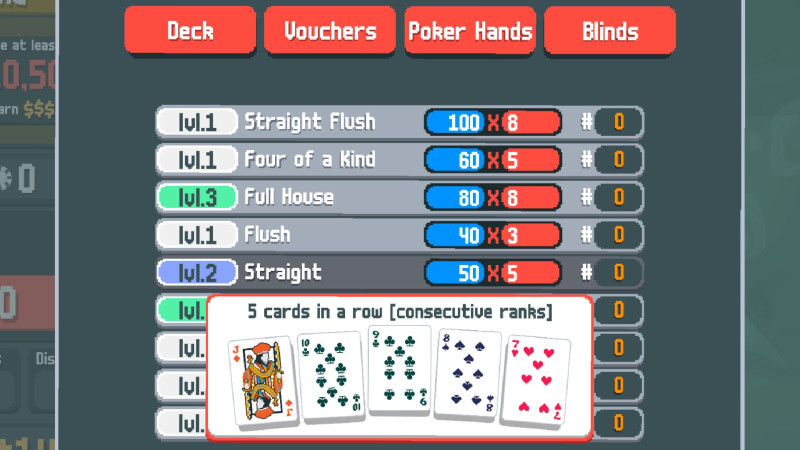
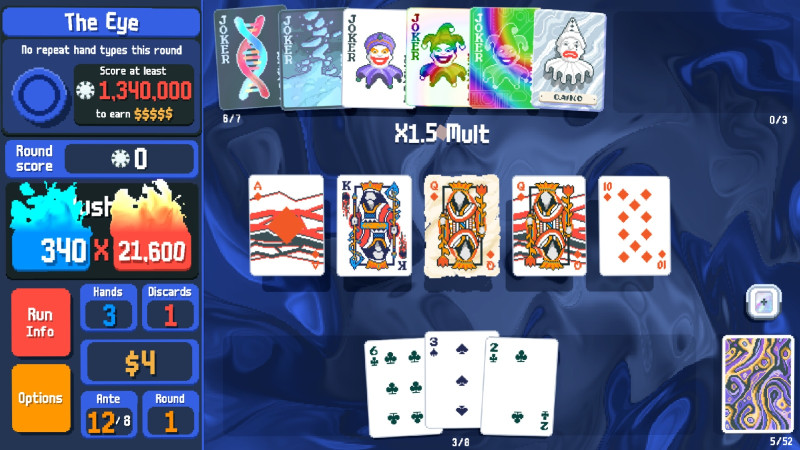
Calling Balatro a poker game would be disingenuous. You don’t even play against other opponents. It’s actually a poker-inspired roguelike deckbuilder. Over a series of rounds, you’re tasked with playing the best hand possible to score a minimum number of chips to advance to the next round. You begin with a standard 52-card deck and only draw four hands (with limited discards) to fulfill this score criteria. The most prominent poker element is learning how to assemble various types of hands, such as a Flush, Straight, or Full House. Thankfully, a helpful glossary illustrating what each type of hand looks like and their score values is just a button click away. This simple and accessible reference has allowed me to memorize poker hands for the first time, expediting my enjoyment of Balatro.

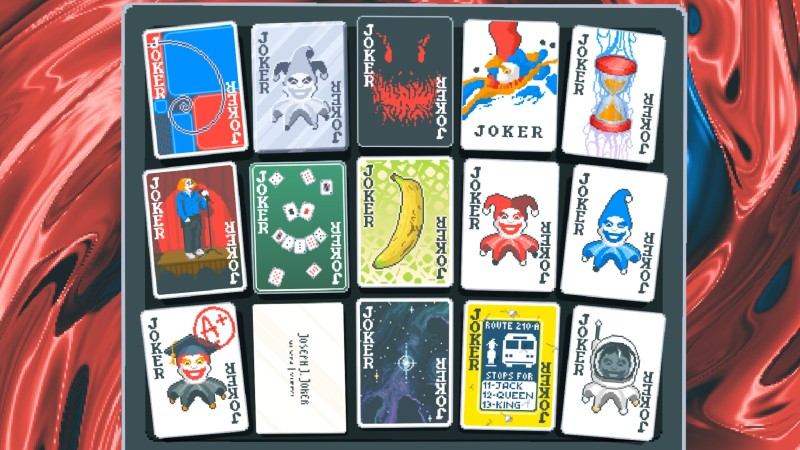
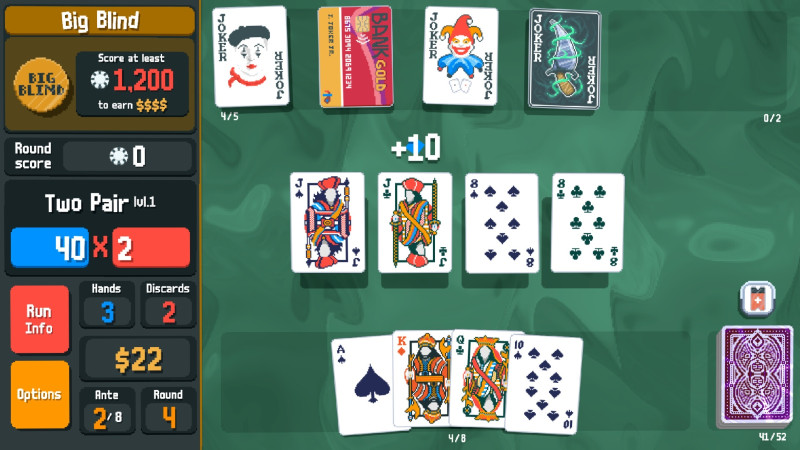
Three Blinds (basically rounds) make up an Ante, and you win a game by completing eight Antes. Lose a round, and you start from the first Ante. Balatro would be enjoyable if it simply consisted of this straightforward premise, but the magic comes in how it incorporates the roguelike genre’s satisfying power climb. You earn cash based on your performance each round, which in turn is used to purchase a variety of cards from booster packs with wacky abilities to augment your deck. Equipping up to five Joker cards, of which over 100 types exist, bestows passive effects or trigger abilities. Some add score multipliers for playing certain suits or bonus chips for not playing a face card. One of my favorites is a glitched Joker that multiplies my score by a random amount, adding a fun roulette element. Jokers dramatically alter the game in a plethora of neat ways, but it doesn’t stop there. 

Using consumables, such as Tarot, Planet, and Spectral cards, raise the score value of certain hand types, add more special effects to cards, and more. Other examples include transforming cards into gold or steel variants that reward chips or cash the longer they stay in your hand. Glass cards have a chance to shatter permanently when played but boast a score multiplier. I love weighing the benefits and downsides of every ability and how they enhance or change my existing lineup. I’m constantly evolving my strategy, even when I settle into a winning formula. Balatro never overwhelms players with too many options at once, and your strength grows at a steady pace. I also appreciate how these mechanics add whimsy and absurdity to a card game I usually associate with blank staring and financial ruin. 

The result is a wildly fun roguelike that’s hard to put down. With so many combinations of loadouts, discovering new Jokers and other cards leads to thrilling experimentation. Many effects complement each other, sometimes in unexpected ways, allowing for a variety of strategies I’m still uncovering. Balatro’s flexibility lets players try many different deckbuilding styles, whether you build a deck consisting of one or two suits or one that emphasizes face cards. I once made a deck that facilitated creating high-scoring straight flushes as often as possible. Everything feels viable with the right skill and luck. 
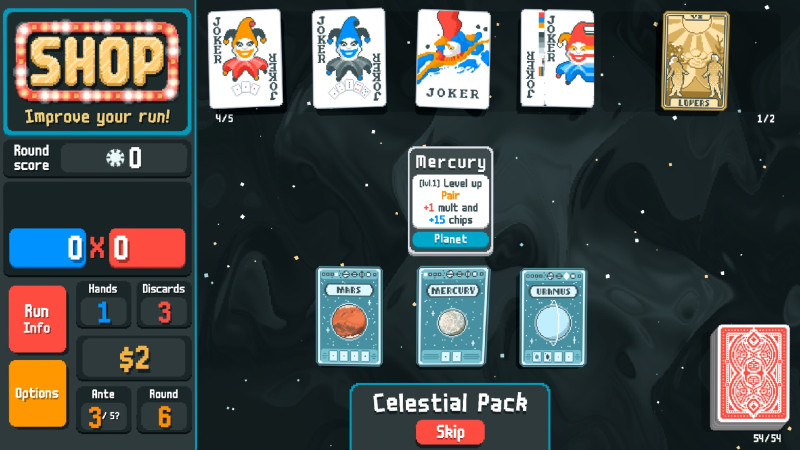
 

Balatro is almost Vampire Survivors-esque in its satisfying escalation from playing small hands for decent points to setting off several card effects in succession as multipliers rise to the hundreds, causing your score meter to catch fire NBA Jam-style. I love that building a good deck/loadout can earn me thousands of points for playing a simple Pair. Everything works together to provide constant dopamine hits. Plus, playing well and trying new cards unlocks additional decks (each with unique, beneficial traits) along with new Jokers, booster packs, and more. This mechanic incentivizes me to try out cards I was initially skeptical about, and I discover new favorites while filling an in-game database of every available card in the game. 

Completing Antes becomes progressively more challenging, especially since every third round presents a Boss Blind that saddles you with a single, debilitating effect. Perhaps diamond cards are useless, or you can only play one type of hand. More devilish boss blinds require you to win with a single hand or nullify the value/effects of every card you’ve used during the round. As tough as they can be, I enjoyed how these bouts made Balatro feel even more puzzle-like and forced me to find new solutions instead of banking on reliable tactics. Boss Blinds are randomized, limiting how much you can plan ahead, sometimes leading to devastating defeats when a boss’ stipulation perfectly counters your strategies. Losses mean starting from scratch, and as much as that often stings, I usually restart a new run immediately. Balatro’s “one more run” hook is powerful, and I’m still surprised how much time melts away while playing. 

Balatro’s other cool feature allows you to save runs, called seeds, that can be replayed or shared with others. Playing another player's seed tailors your run to match theirs, meaning you’ll encounter whatever shop and item combinations they discovered at the expense of disabling new unlocks/discoveries. In addition to shaking things up, seeds add an enjoyable social element to the game, as players can share seeds to help others beat the game and uncover rarer cards. Tack on various challenges, and Balatro dangles plenty of carrots to keep players engaged in the long run. 

Balatro is an ingenious and entertaining roguelike and one of my favorite games of the year. Playing it has become a near-obsession; everything feels perfectly designed to encourage you to keep trying because that next run could be the run of your life. Even after hours of play, I still can’t overcome Balatro’s biggest challenge: putting it down.

GI Must Play

Score: 9.5

About Game Informer's review system

Purchase

Thursday, February 22, 2024

Final Fantasy VII Rebirth Review – Cracking The Planet Wide Open

Final Fantasy VII Rebirth Game Informer Review

Reviewed on: PlayStation 5
Platform: PlayStation 5
Publisher: Square Enix
Developer: Square Enix
Rating: Teen

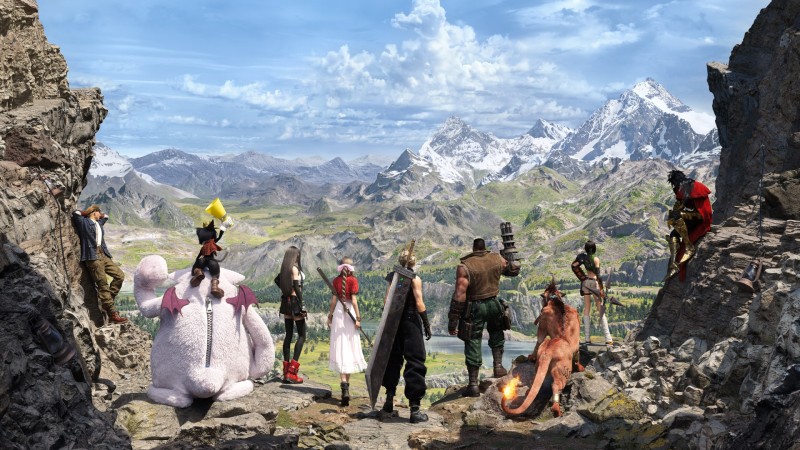
Final Fantasy VII Rebirth has quite the act to follow up – it must both live up to the sky-high expectations set by its predecessor, Final Fantasy VII Remake, and synthesize and modernize perhaps the most crucial chapter in our heroes' adventure across Gaia. While my 80 hours in Rebirth didn't quite match the overall nirvana of Remake, it's a game I struggled to put down. A few stumbling blocks, like a bloated and sometimes tedious open world and intermittently uneven pacing, threaten the highs of Rebirth. But an exciting and well-told story, with an awe-inspiring finale to boot, almost made me forget the lows. The final result is a flawed but deeply reverent love letter to one of gaming's most beloved RPGs. 

Final Fantasy VII 7 Rebirth Game Informer Review

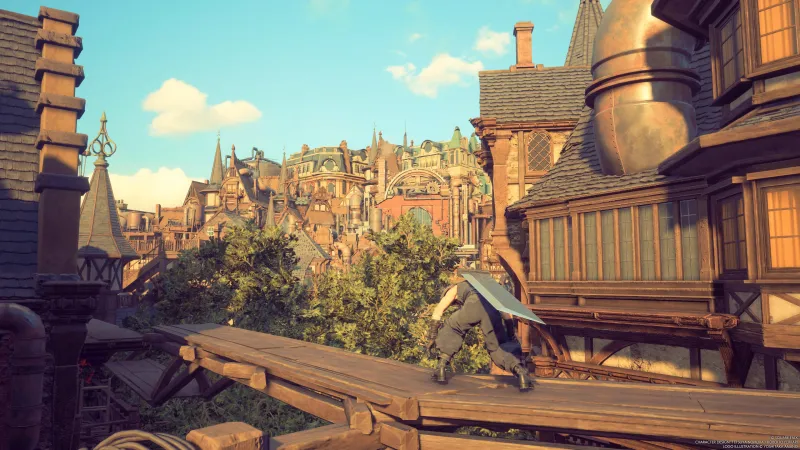
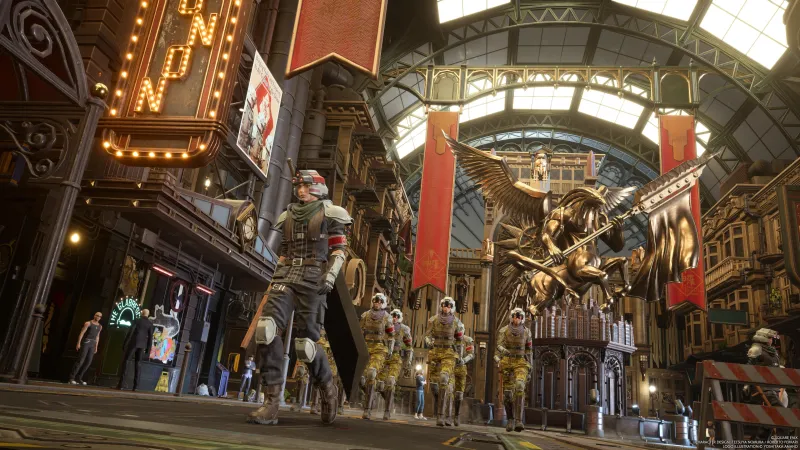
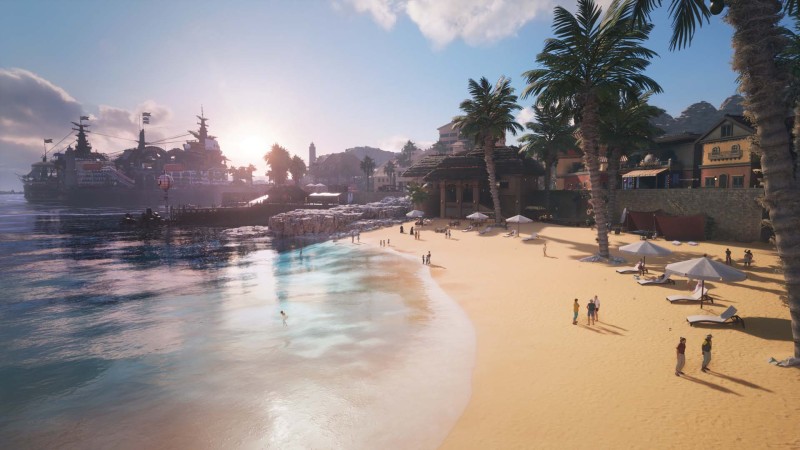
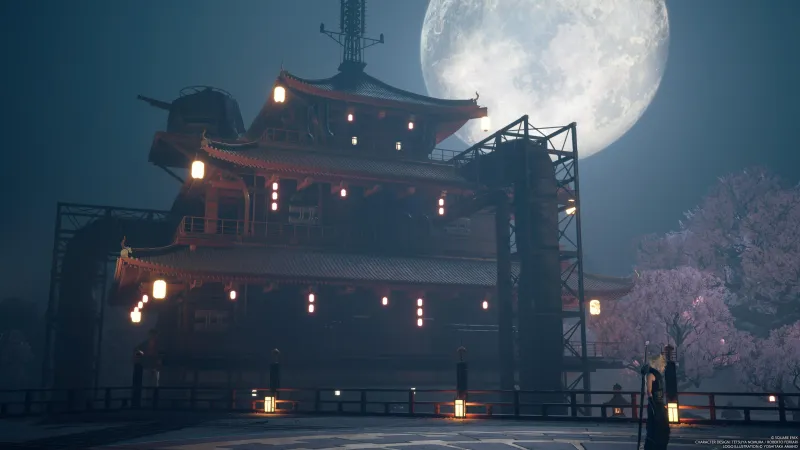
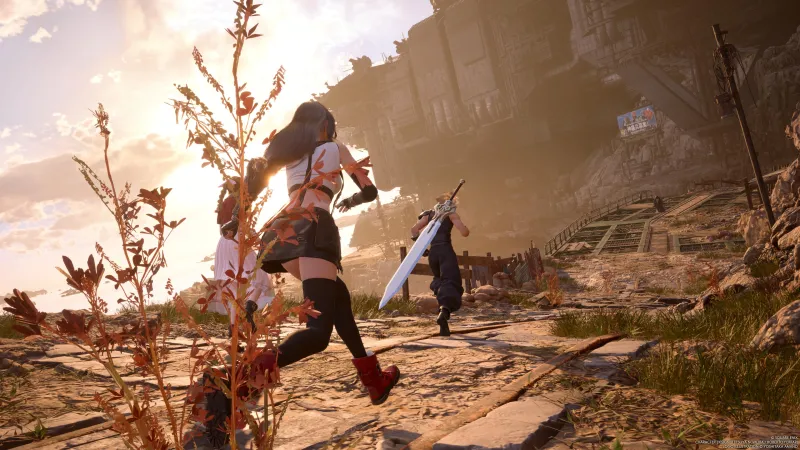
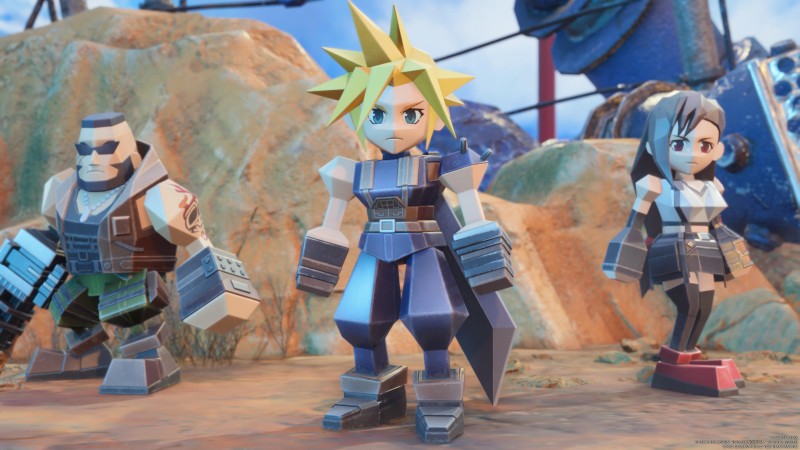
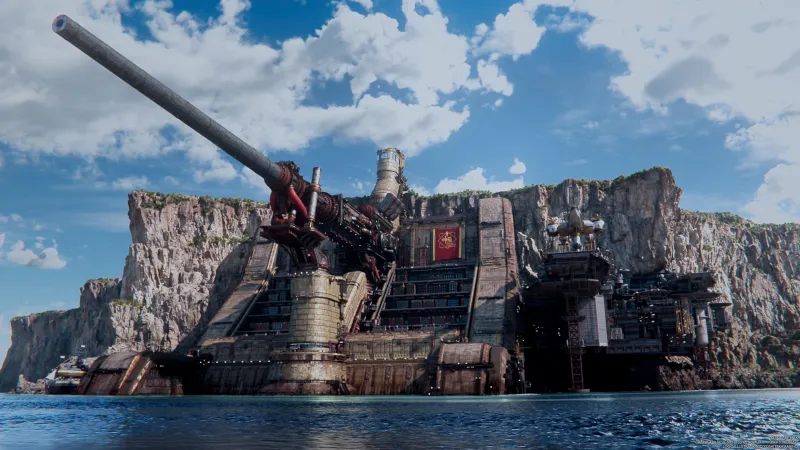
Finally out of Midgar, Cloud, Aerith, Tifa, Barret, and Red XIII embark on a continent-hopping journey to stop Sephiroth from executing his plan to destroy the planet, starting with a visit to the city of Kalm. Like Midgar before, Kalm is lovingly recreated from polygonal pathways into a fully realized town. Seeing such a familiar location through the lens of 2024 for the first time is a treat, and it's a feeling carried throughout the entire game. Junon, Cosmo Canyon, Nibelheim – iconic locations burned into my brain deliver moments of awe with each visit, and the feeling never gets old. 


Sometimes, though, asset pop-in in larger areas and unnaturally harsh lighting changes when going from inside to outside distract from that awe. And the game's performance mode, which seems to run at a stable 60 FPS, is so blurry that I stuck with the 30 FPS graphics mode. A recent patch mitigated these issues a bit, but they still persist. 

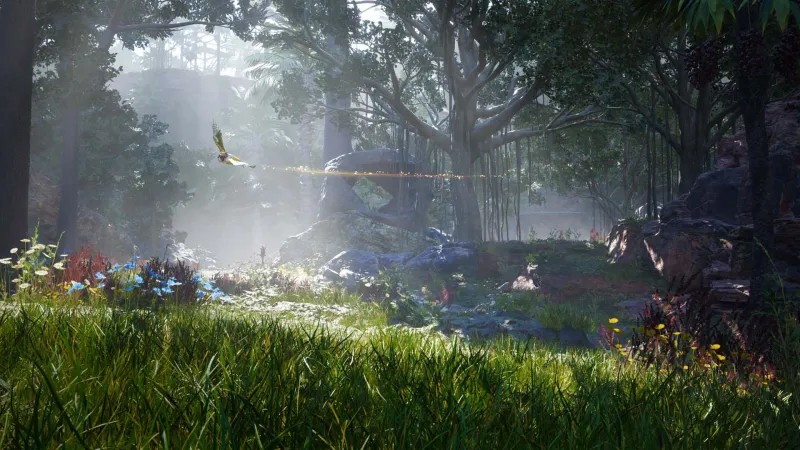
Surrounding each of these locations is a sprawling open area dotted with side quests, combat challenges, card game matches, treasure caches, intel towers, scavenger hunts, and more. While exciting at first, realizing that each open-world area in Rebirth consists of the same objectives grew more disappointing as time passed. Much of it is good fun, carried by excellent combat and strong connections to the world and lore of Final Fantasy VII, but more variety would have gone a long way to sprucing up my time outside of story content. 


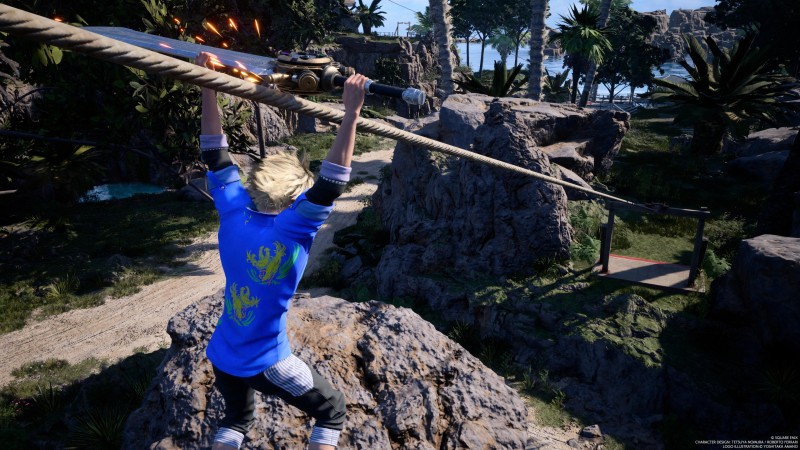
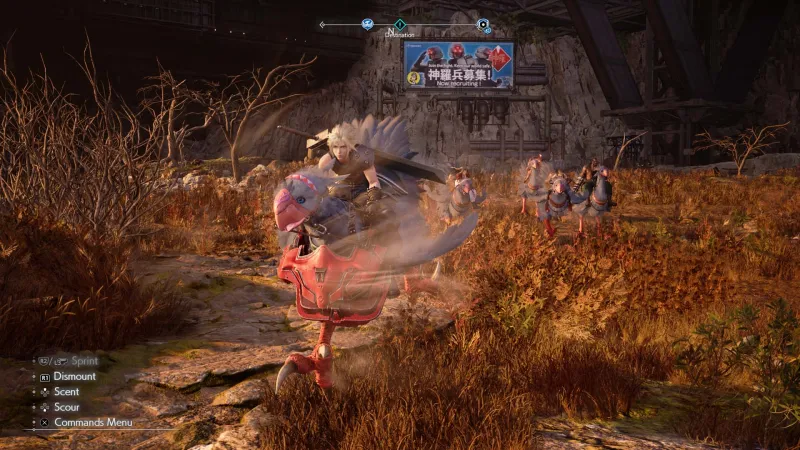
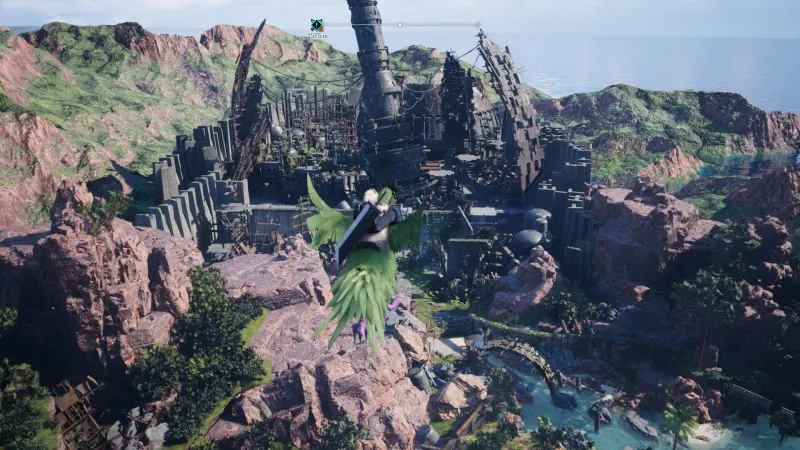
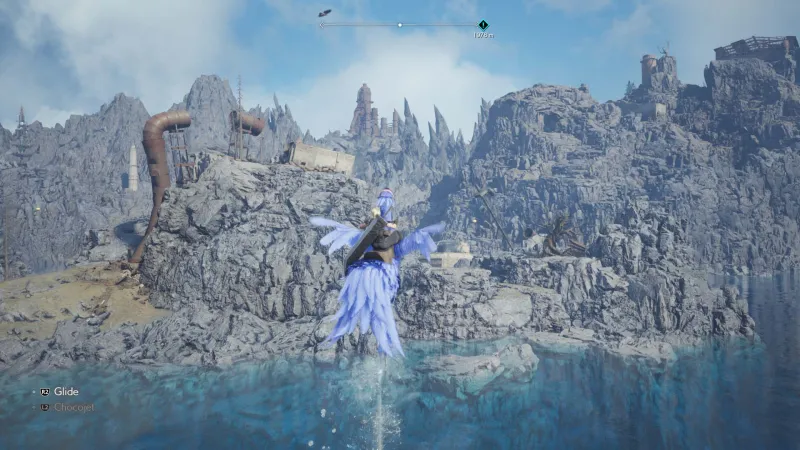
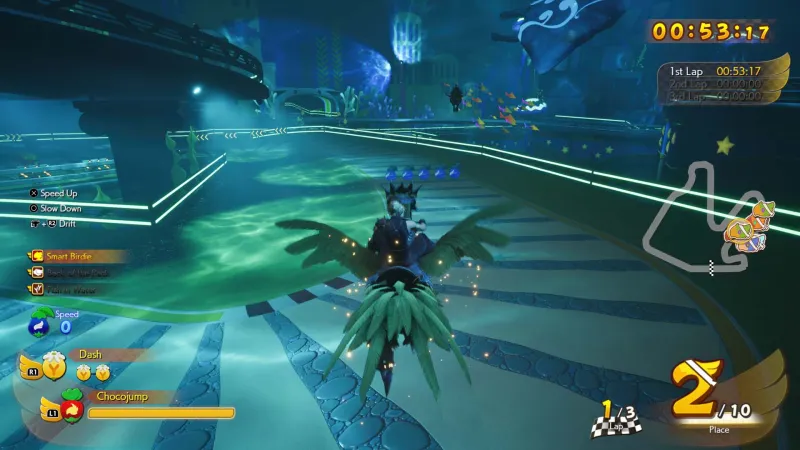
Pockets of greatness, like the fantastic Queen's Blood card game or special Summon Shrines that lead to new powerful materia, are still great even when repeated throughout the world map. And where the standard area objectives rarely stray from the formula established early on, the side quests, which range from fine and forgettable to great, sprinkled throughout each region, provide levity and a nice touch of weirdness to the world of Cloud and his friends. One even had me laughing out loud at my screen, reeling from a reality check delivered right to Red XIII. Traversing these lands can be tedious at times, especially in areas where specific Chocobo mechanics, like mushroom-hopping and wind gliding, are required, and my frustrations with Rebirth's overfilled open world peaked in these moments. 

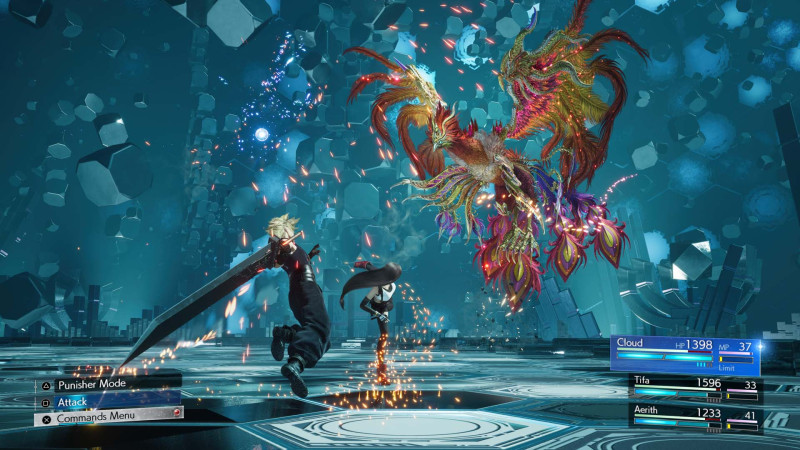
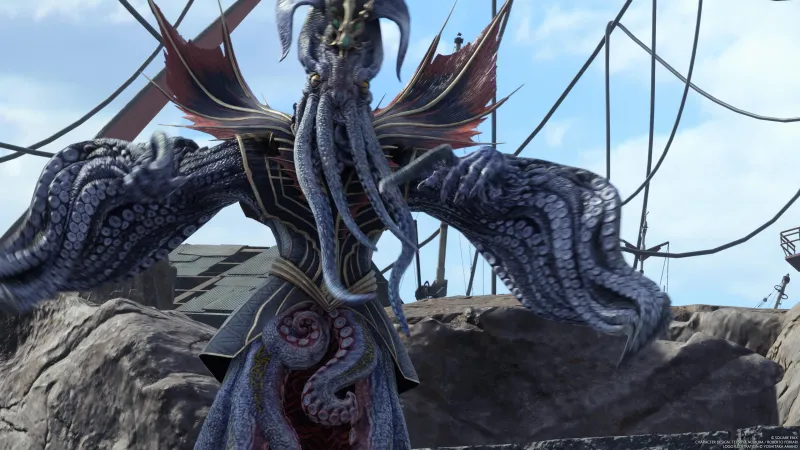
But old and new story beats, like Bugenhagen's explanation of the lifestream and the return of familiar faces from Final Fantasy VII Crisis Core, pulled me out of those dumps. Some of my favorite original Final Fantasy VII moments are given new life with beautiful visuals and expanded exposition. Fighting new foes and classic bosses with Rebirth's combat, which further builds on Remake's real-time action-strategy system, is exhilarating. Additional party members, like Red XIII, Yuffie, and Cait Sith, inject new layers of defensiveness, speed, and whimsy, respectively, to the mix, and Rebirth smartly uses the weapon proficiency bonus system and story moments to ensure none are left sitting on the bench for too long. 


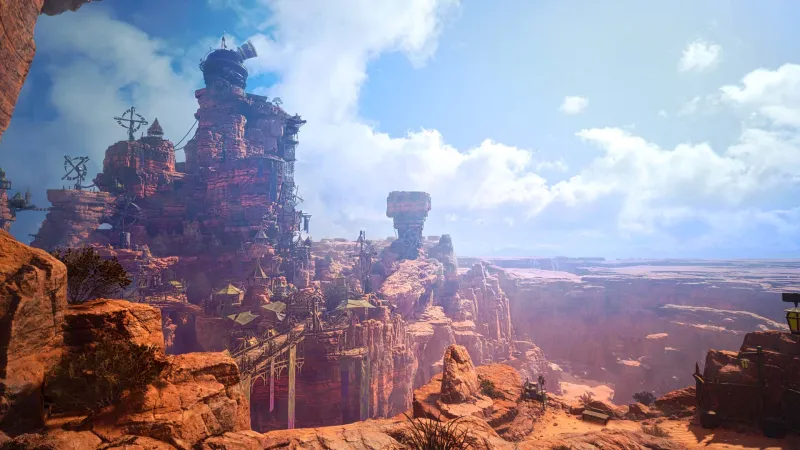
Square Enix nails almost every story beat, expanding on the lore in ways I didn't know I wanted while remaining faithful to the original narrative, but falters a few times with needlessly overstuffed chapters. One, in particular, begins with the endorphin rush of the Gold Saucer and then dumps you into a literal dustbowl with a laundry list of boring quests to complete before allowing you to continue forward, bringing the fun to an excruciating halt.

If Remake is about showing how the capitalist, villainous Shinra Electric Power Company is destroying Midgar, Rebirth is about how this company is destroying the world. Square Enix uses the game's various regions to demonstrate Shinra's effects on the planet and its people up close and personal. The Gold Saucer shines bright at night, with nearly a dozen minigames – just a fraction of the total game's shocking amount –  and collectible treasures for its patrons (and Cloud) to delight in. But the surrounding Corel region is in ruins, now a desert thanks to miniature reactors converting the region's lifestream into the energy needed to power the nightlife resort. 


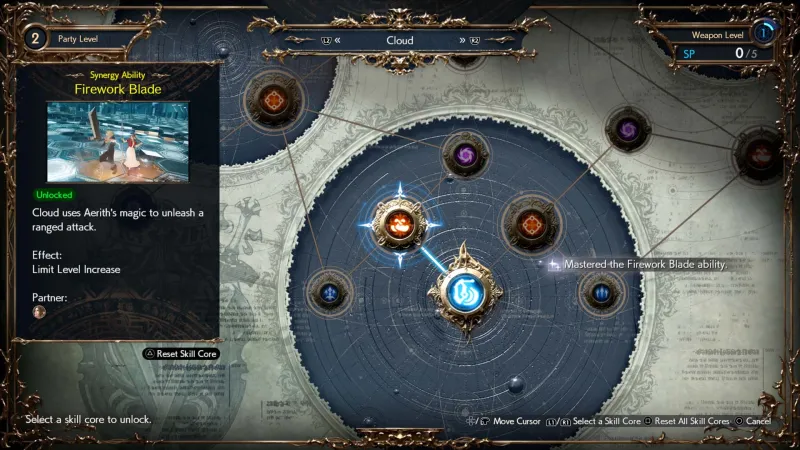
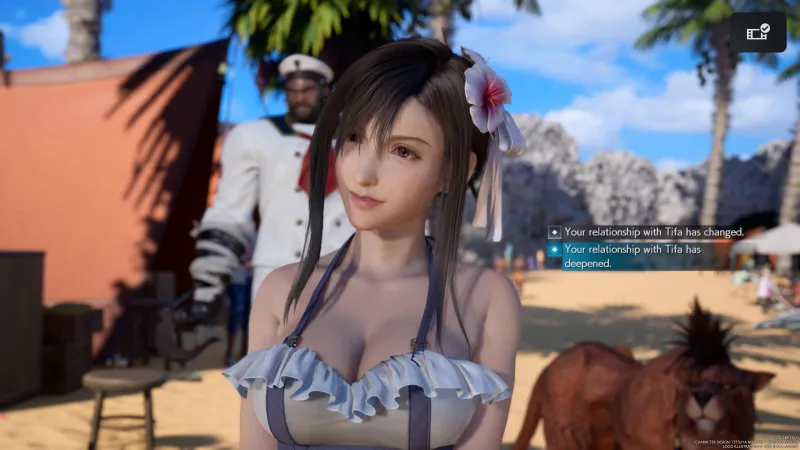
Cloud's fight to catch and stop Sephiroth takes a backseat to this commentary throughout, giving them time to work through their emotions together as most are venturing beyond where they've ever been in this world. Those discussions and growing bonds weave in and out of combat, where new Synergy Abilities provide meaningful boosts to Rebirth's action in various ways, like one that splits two Active Time Battle bars into three or another that massively increases an enemy's stagger. These abilities and other skills directly improve Cloud's standing with his party, opening opportunities for additional insight and raising a special relationship meter.

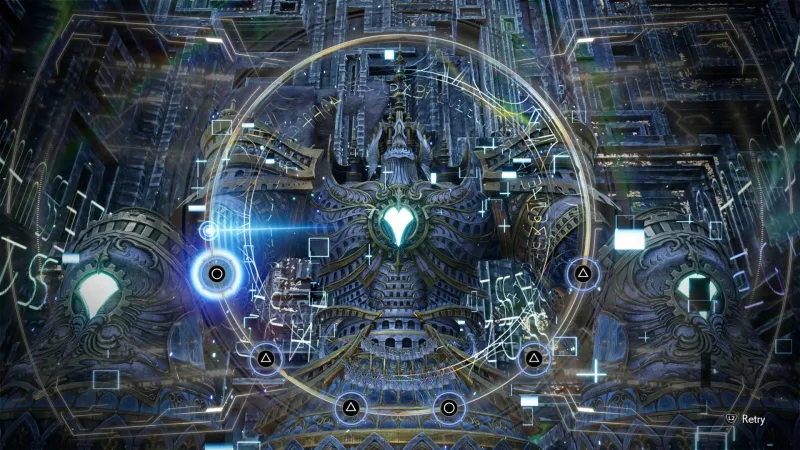
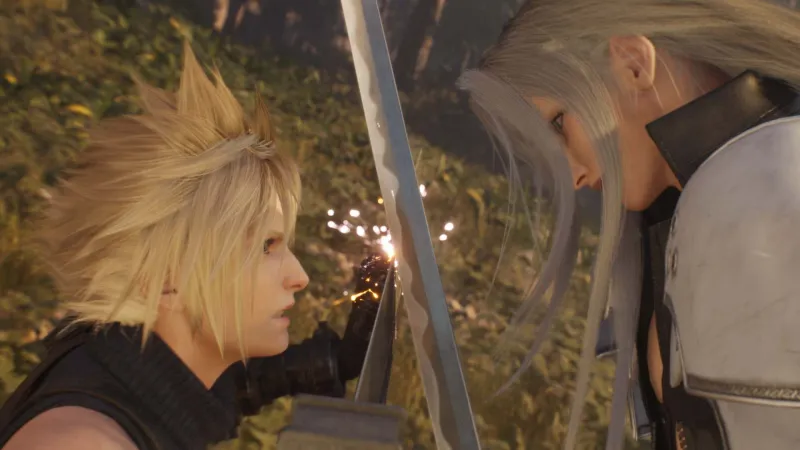
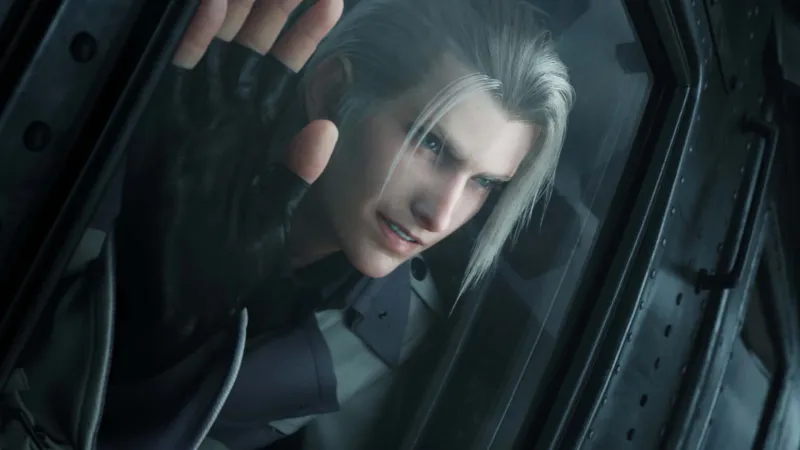
Sephiroth's sparse screentime makes each appearance by the One-Winged Angel all the more terrifying, culminating in a final act that broke my mind in the best way, both as a test of my combat abilities and my understanding of Final Fantasy VII. Square Enix already made clear to players where this game comes to a close, but the finale, which best serves fans rather than first-time players, isn't any less wondrous because of that. Rebirth's score matches the heights of this closing act and the rest of the game, with gorgeous tear-inducing arrangements, jazz-fusion bops, and an eclectic mix of new songs and old favorites.  


This sequel went wide, and while that comes with benefits, like new ways to explore this beloved world and its various sights, it also comes with drawbacks. They aren't unlike anything fans of the genre have experienced before, and playing as cherished characters certainly eases the pain, but the tedium and bloat of the open-world checklist can sometimes get in the way of where Rebirth truly shines. The best of Remake exists in Rebirth, but the various open-world areas surrounding it – the parts that make Rebirth unique from its predecessor – sometimes miss the mark.

GI Must Play

Score: 8.5

About Game Informer's review system

Purchase
Wednesday, February 21, 2024

Skull and Bones Review - Middle High Sea

Reviewed on: PlayStation 5
Platform: PlayStation 5, Xbox Series X/S, Stadia, PC
Publisher: Ubisoft
Developer: Ubisoft Singapore
Release: 2020
Rating: Mature

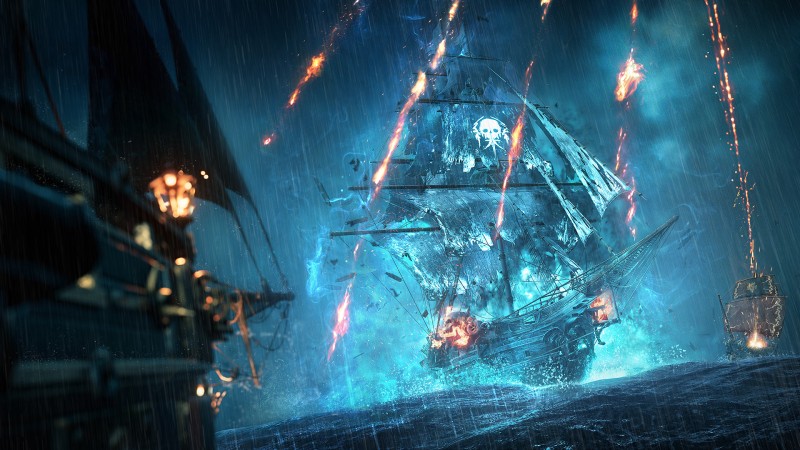
Like a ship that has changed tack countless times and delayed its arrival at port, Skull and Bones has launched far later than expected and faced trouble along the way. Even so, this pirate adventure surprised me with the breadth of its world, the richness of its commerce simulation, and an approachable and rewarding naval combat system. As a living game built around seasonal content and a growing universe, it has a ways to go to be at its best, but the bones of a quality experience are here.

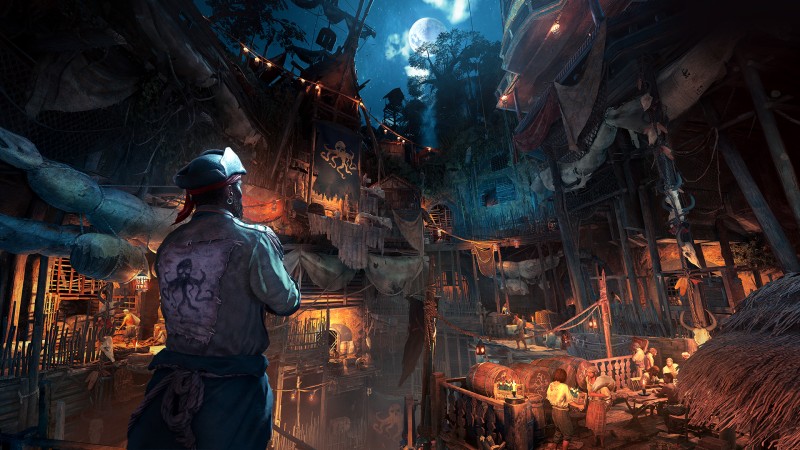
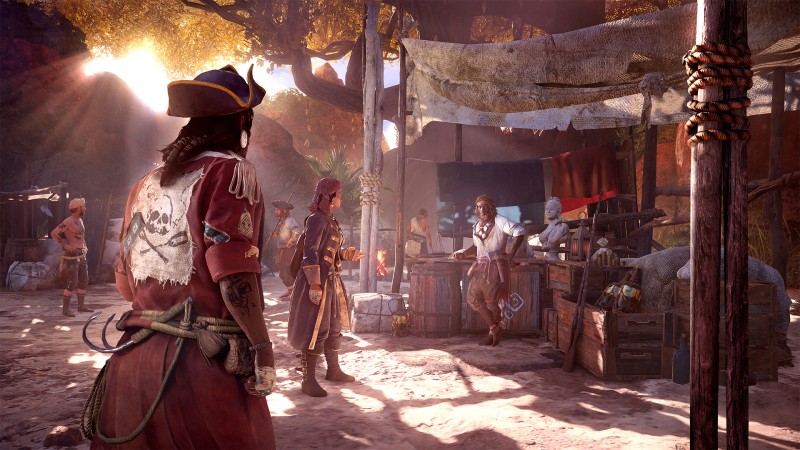
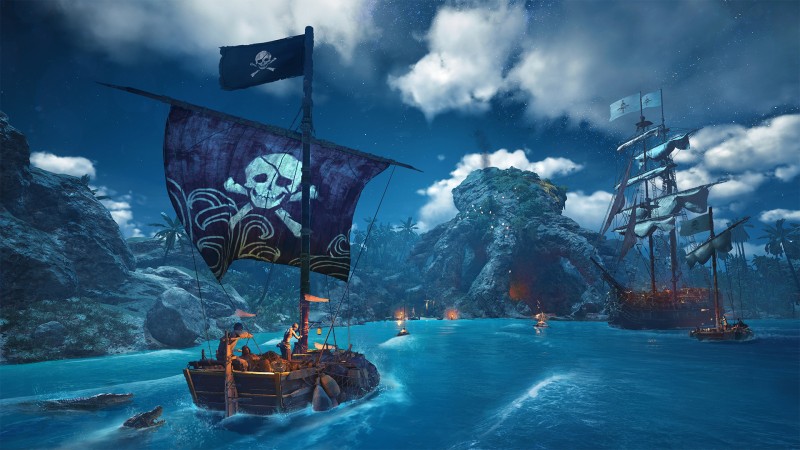
You are a treasure-hungry pirate eager for infamy as you set out across the Indian Ocean, tracking down treasure chests, plundering seaside towns, and, most prominently, battling other ships on the high seas. On-foot activity is reserved for social spaces and the most minimal of story development – the entirety of action unfolds on the water, where you develop an impressive array of ships and weaponry through your ill-gotten gains.

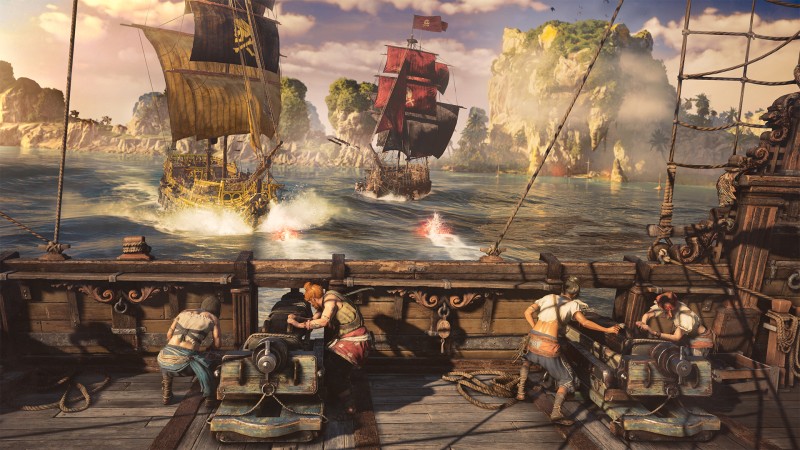
Launching where the maritime voyages of the Assassin’s Creed games left off, I enjoyed the deliberate pacing of sea exploration and movement, punctuated by the regular interruption of cannon fire and mortars. Especially in the early hours, I was often transfixed by the sights and sounds of moving across the water, listening to my crew’s sea shanties, watching for breaching whales, and using my spyglass to spot distant shipwrecks. It’s a big and beautifully crafted world of island-rich open waters and tricky narrow riverways.

Combat has just enough complexity to remain entertaining as you balance turning speed, facing, and aiming to maximize damage output while dodging or bracing against the worst attacks of your opponents. The real fun comes from building and tweaking your boat as an engine of destruction; the variety of ship builds and approaches to fighting kept me consistently interested in chasing that next upgrade. I appreciated the approach to tracking specific items and upgrades, with clear markings on the map for where to find what you want. Because of that, it becomes about whether you have enough money to buy something or a powerful enough ship to take it.

The bulk of play is PvE encounters against privateers, merchants, and corporation ships, played either solo or cooperatively. Even if the open servers allow for both structured and informal PvP, my anecdotal experience was that most players were focused on their own adventures. If they joined a battle, it was often to help out. Your mileage may vary, but I liked the mix of mostly campaign-style progression with the option to connect with other players when I wanted.

Beyond ramming and blowing up other ships, Skull and Bones’ other core pillar is commerce. Ubisoft has built a robust trading system, the most lucrative of which involves illicit rum and opium shipments. I appreciated how the game allows players to choose how much they want to engage here. The selling of commodities gathered from sunken ships is the most superficial layer, but you can also run your own manufacturing and delivery contracts for higher sums. And as you round the corner into the endgame, an entire kingpin empire opens up, letting you take over lumberyards and other factories to generate income passively.

The pirate life eventually wears out its welcome; many of the game’s most significant problems only arise after many hours of play. While it's fun in the early hours getting your bearings in an unfamiliar sea, later side and main missions become painfully repetitive. Long ocean voyages start to lose their charm, and a fast travel system that only works from port feels increasingly restrictive since you’re often eager to return to a mission giver to keep the action moving.

The freeform progression that was so welcome in the early hours also causes problems over time, as it’s too easy to be over- or under-leveled for certain content you might wish to confront, robbing many encounters of tension since the winning party is so evident from the outset.

The storytelling is incredibly sparse, led by very few core contacts, all of whose arcs are pretty one-note. And while it’s nice that you can customize the look of your pirate captain, their voiceless absence of personality feels especially ill-suited to the big personalities you expect in a classic pirate tale. 

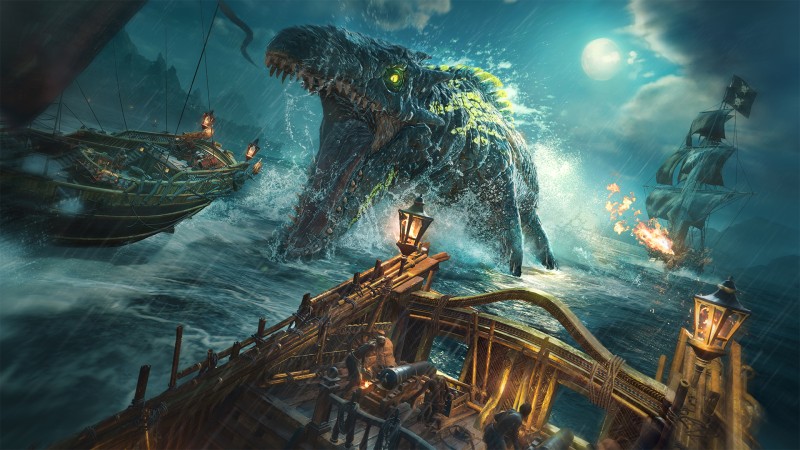
Nonetheless, the combination of building a commerce empire, sea monster hunts, engaging in late-game PvE and PvP events, and the chance to continue tweaking and building your ideal pirate ship has appeal even after the core story missions wrap up, giving me hope that longterm endgame could be entertaining. And while it’s early days, I saw potential in the larger ship team-up activities I tried out, where each ship takes on specific roles like you might see in an MMO.

Despite its long and circuitous course to arrive at port, Skull and Bones is the type of game that may change significantly in the coming months. But to evaluate it as it stands, fellow pirate enthusiasts may discover what I did – a flawed but beautifully presented historical fantasy in which one can take to the water and make a fortune, even if absolutely everything about the pirate life isn’t always pretty.


Score: 7.5

About Game Informer's review system

Purchase
Monday, February 19, 2024

Helldivers 2 Review - Bullet Heaven

Helldivers II

Reviewed on: PlayStation 5
Platform: PlayStation 5, PC
Publisher: Sony Interactive Entertainment
Developer: Arrowhead Game Studios
Rating: Mature

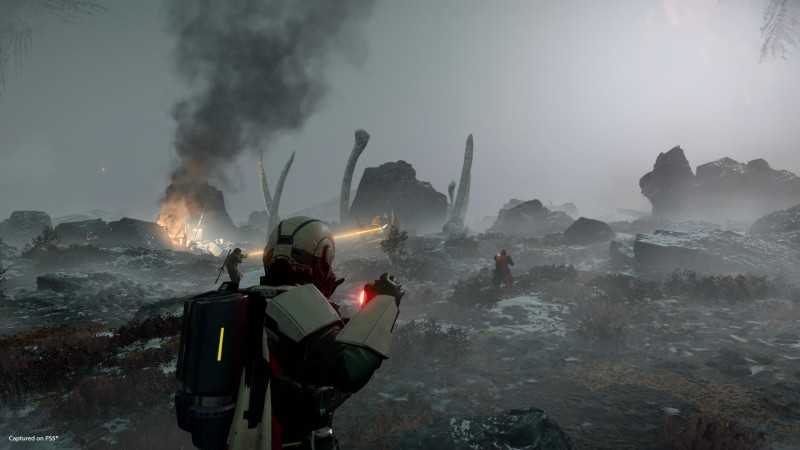
Nearly 10 years on from 2015's Helldivers, Helldivers 2 carefully adapts the simple yet exciting formula of bug-blasting with buddies for a modern audience. Arrowhead Game Studios has swapped the top-down perspective for third-person while maintaining the frenetic, ballistic loop of crash-landing on hostile planets, completing difficult missions, and extracting against all odds.

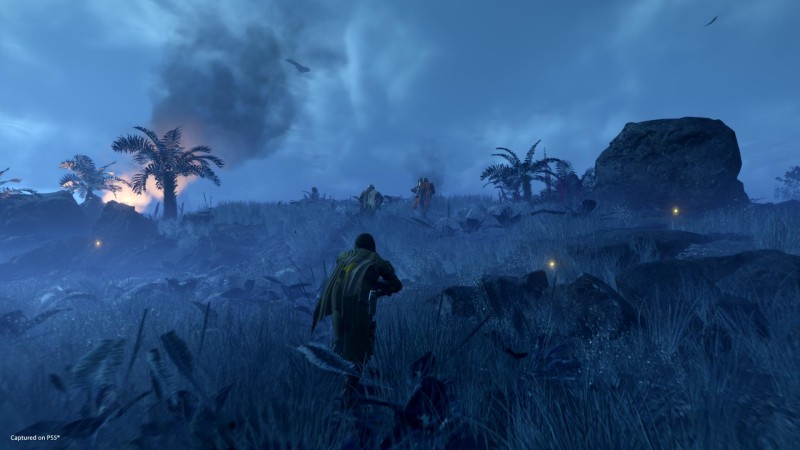
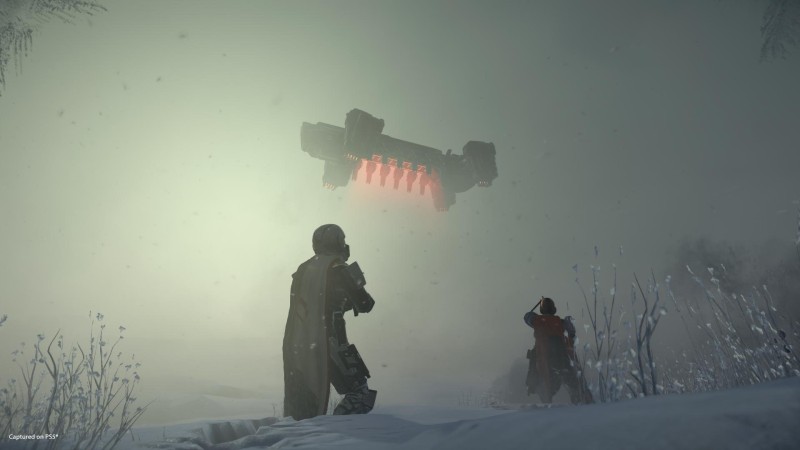
In a galaxy torn apart by war, you and your friends are Helldivers, the brainwashed protectors of Super Earth, invigorated by humorous trite aphorisms espousing patriotism and the importance of so-called democracy. Invading forces of menacing Automatons and craggy, organic Terminids threaten your way of life and have made their home on precious interstellar real estate. After earning the shining cape of “freedom” in the game's boot camp tutorial, you are set loose to tackle an impressive variety of punchy missions. Your objectives range from simple hive exterminations to complicated launch code recovery missions.

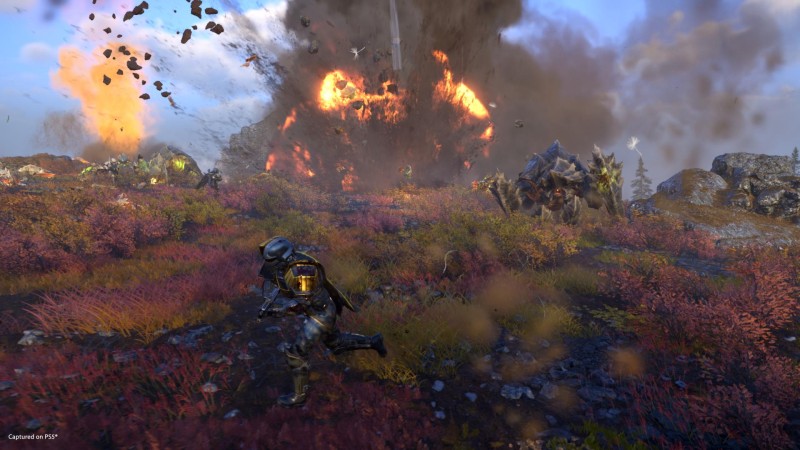
However, the exciting unpredictability of Helldivers 2 is secretly the game's best feature. Whether it's challenging terrain, wounded limbs, inclement weather, or a miscommunicated orbital strike that brutalizes your entire squad, your best-laid plans are destined to fall apart in devastating, hilarious fashion.

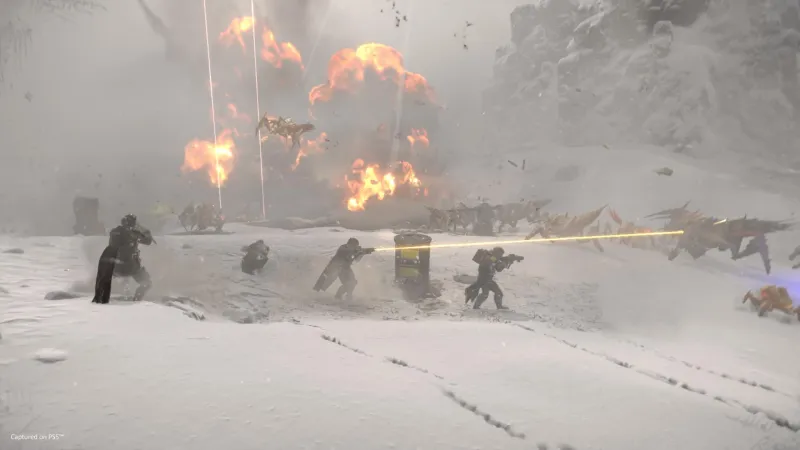
Combat in Helldivers 2 is all meat, no gristle. The movement feels fluid and reactive, whether you're sprinting to safety or comically leaping into prone to dodge the chainsaw arm of a lurching terminator. This means while you encounter similar biomes and objectives, the journey to meet your goals is always fraught with wonderful chaos. One great benefit to this system is Stratagems – abilities that can be accessed in combat by quickly inputting a sequence of D-pad button presses, like a Mortal Kombat Fatality.

After playing finger DDR, you're given a marker grenade to revive your teammates, resupply and call down offensive airstrikes, top-tier weaponry, minefields, and more. Getting the inputs wrong as bugs nip at your health induces a feverish cocktail of adrenaline and fear. However, when you do smash it in successfully and summon a shower of hellfire, saving your gunned-down compatriots, the heroism is intoxicating. Few games provide such powerful opportunities to play the hero as Helldivers 2.

The efficacy of each snappy run is dependent on who makes it off the planet and how many optional objectives you complete. Subsequently, this determines the XP, Requisition, Samples, and Medals you take home, an uncomplicated suite of resources used to develop your ship and purchase new weaponry, armor, and Stratagems. Helldivers 2 also offers free and premium battle passes and a Superstore where players can use a premium currency called 'Super Credits.' Thankfully, the paid content isn't overly intrusive and can easily be avoided as you progress through the campaign.
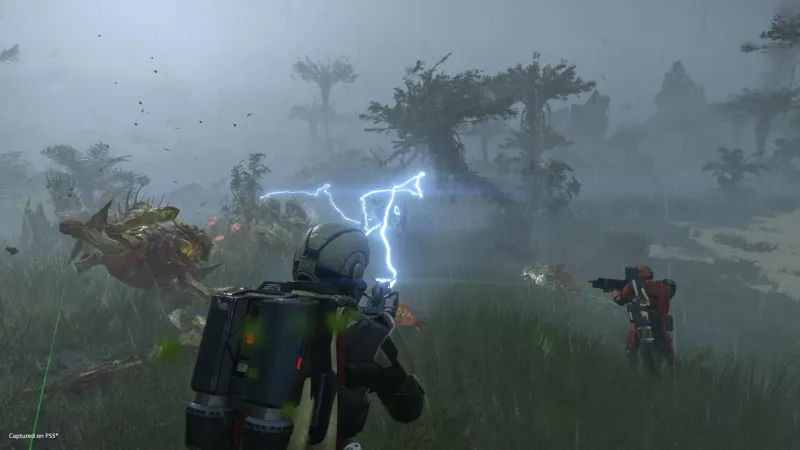
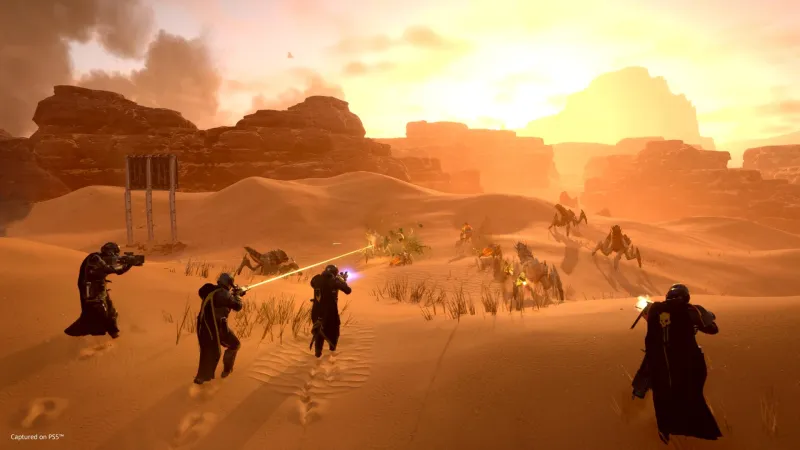
 

Helldivers 2's customizable kit makes it easy to specialize within teams; are you the ammo-carrying support act or the pyromaniac frontman dousing the battlefield in flames?  Despite my efforts, I was my team's problem child, flush with airstrikes and mines that negotiated as many spectacular escapes as they did squad wipes. There's nothing quite as humbling (or humorous) as stumbling into your own minefield during a desperate sprint to the shuttle.

Beyond its refreshingly straightforward feedback loop, even more enthralling is how your personal success impacts the overall narrative. Helldivers 2 operates on a live map, with players around the world slowly liberating quadrants of planets, their actions influenced by Major Orders passed down by central control. In an already collaborative game, this compounds the sense of community, making you feel like you're part of something bigger than even the heady emotional beats of your squad's missions.

Perhaps the biggest hurdle Helldivers 2 has to face is its own success; servers have been overrun since launch, leading to lengthy wait times and faltering progression systems. Yet, for me, the indoctrination is just too strong. I'm still compelled to wait my turn to get another taste of sweet victory in this live-service diamond in the rough.

GI Must Play

Score: 9

About Game Informer's review system

Purchase