Pages

Thursday, May 30, 2024

Minishoot' Adventures Review - A Link Between Genres

Minishoot' Adventures

Reviewed on: PC
Platform: PC
Publisher: SoulGame Studio, IndieArk
Developer: SoulGame Studio

Games inspired by The Legend of Zelda are common; after all, the long-running Nintendo franchise is among the most influential series in gaming history. Because of this, various games take the Zelda format and try to replicate it, but these homages often miss out on the magic that makes that series greater than the sum of its parts. This is particularly true in the indie space, with Zelda-inspired titles a dime a dozen, making it difficult to stand out from the crowd. Minishoot' Adventures clearly draws inspiration from Zelda – specifically A Link to the Past – but by applying the formula to the twin-stick shooter bullet-hell genre, it elevates itself to the top of the field.

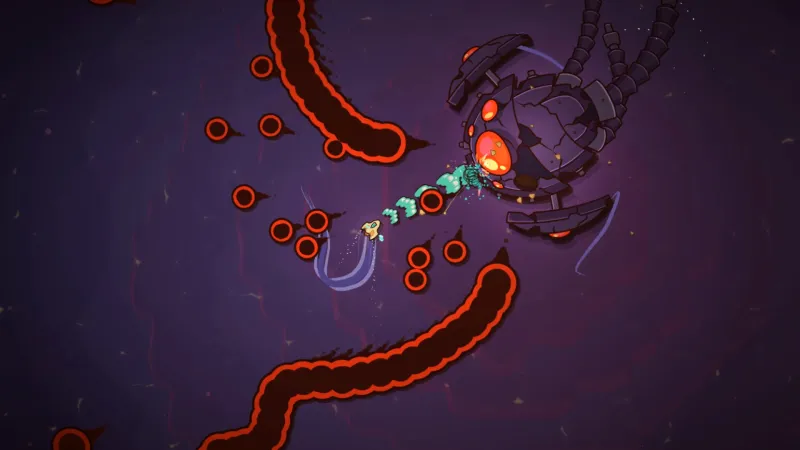
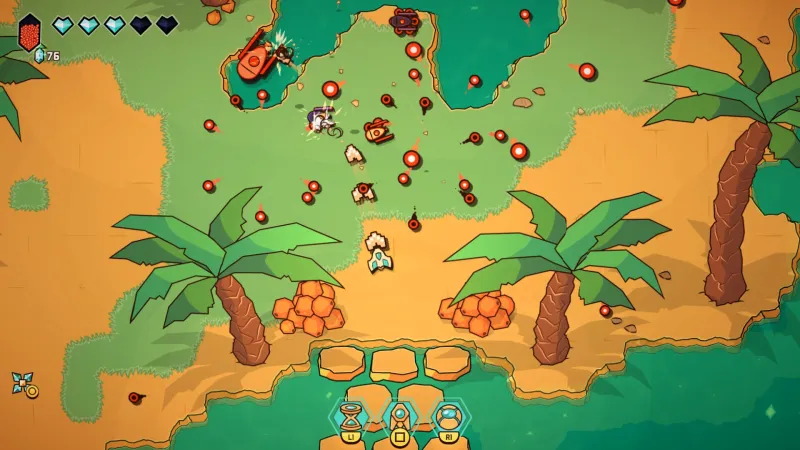
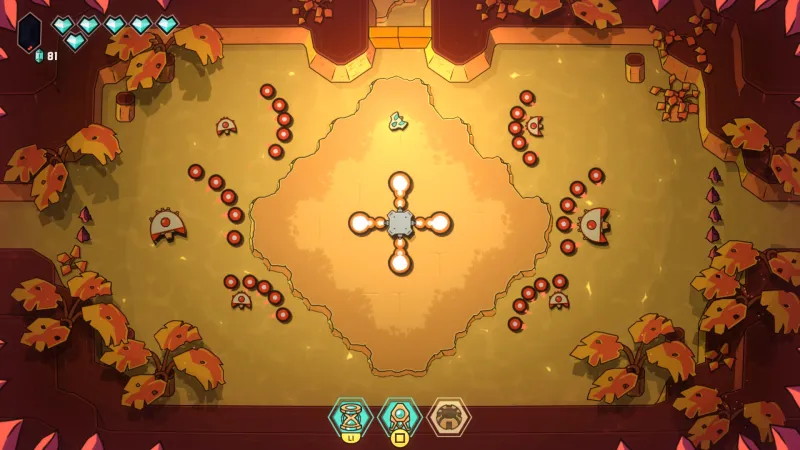
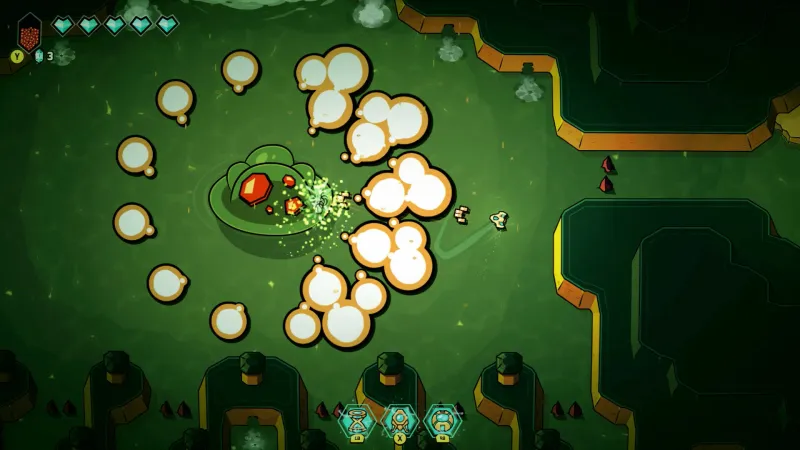
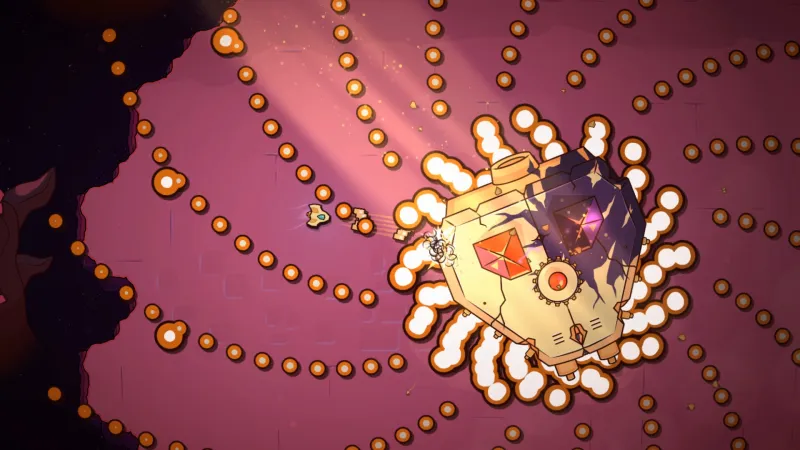
In a clever twist on the Zelda formula, Minishoot' Adventures puts you in control of a small ship exploring a corrupted world. Navigating the map feels fantastic, thanks to fluid controls, an ever-growing repertoire of moves, and a crisp, beautiful art style. During the course of your adventure, the main thrust of the gameplay is rooted in the game's compelling and finely-tuned twin-stick shooting. As you traverse from screen to screen, enemies spawn and create battle arenas. These opponents range from small ships with single-firing bullets to swarms of dive-bombing, armored menaces that leave a trail of projectiles each time they fly forward.

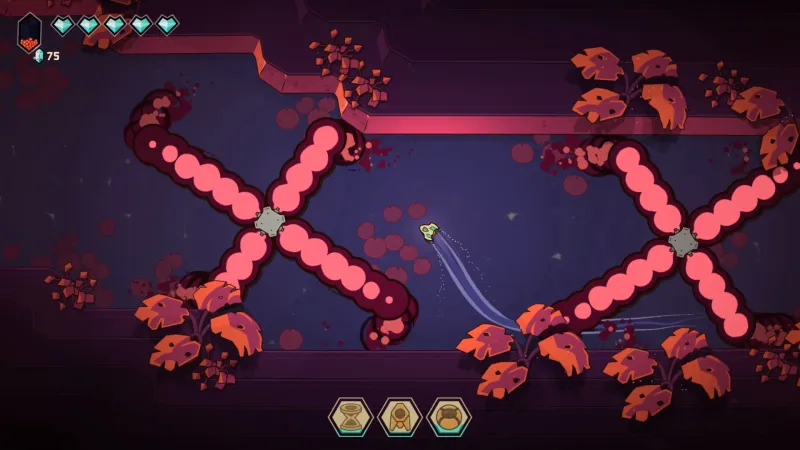
As you enter each individual battle arena, you face escalating waves of enemies. Since each biome contains distinct baddies, and the arenas present unique combinations of adversaries, I eagerly anticipated each drawn-out battle – I often moved to the next area, hoping it would trap me in and begin spawning in waves of enemies. At its most hectic, the bullets fly at you in varying patterns and sizes from different angles on the screen, but more often than not, I found myself completely mesmerized by the alluring patterns I needed to navigate to avoid taking damage. One of the things I appreciate most about Minishoot' Adventures is that while it ramps up the difficulty as you progress through the campaign, nothing ever felt unfair.

Even the bosses, who appear at the end of each dungeon and out in the world, present a stiff and engaging challenge but never made me question the fairness of the task at hand. Don't get me wrong: I died plenty during the approximately 10-hour journey, but there were only a few encounters that took me down more than a couple of times. The only downside is that on rare occasions, the camera swings out so far that it can be difficult to be as precise in my avoidance of an incoming barrage of projectiles. However, most of the time, things are perfectly framed, giving me enough space to get a good view of my surroundings while still possessing the precision to navigate the cracks between the bullets.

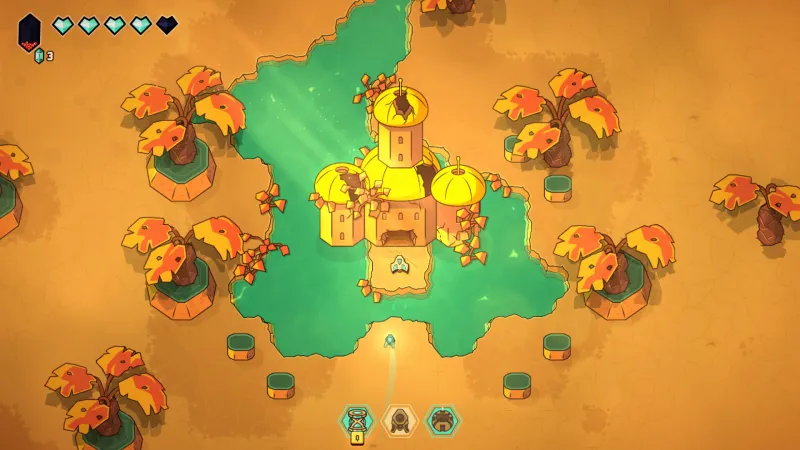
Minishoot' Adventures leverages the top-down Zelda formula to great effect. Exploring the handcrafted map for secrets kept me up late on multiple occasions. Each area flows naturally into the next, making it so I rarely got lost. Even the secret areas tucked behind walls and trees are easy enough to spot; on rare occasions, I would miss a visual cue for a secret or a puzzle solution, but it was always my own fault. There was never a time when I had to look up a solution or thought to myself, "How was I supposed to know to do that?" Everything in Minishoot' Adventures' world feels organic and rewarding.
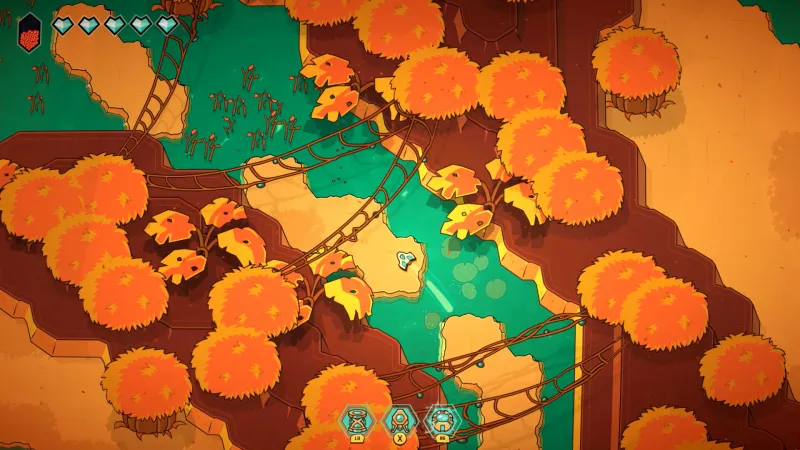
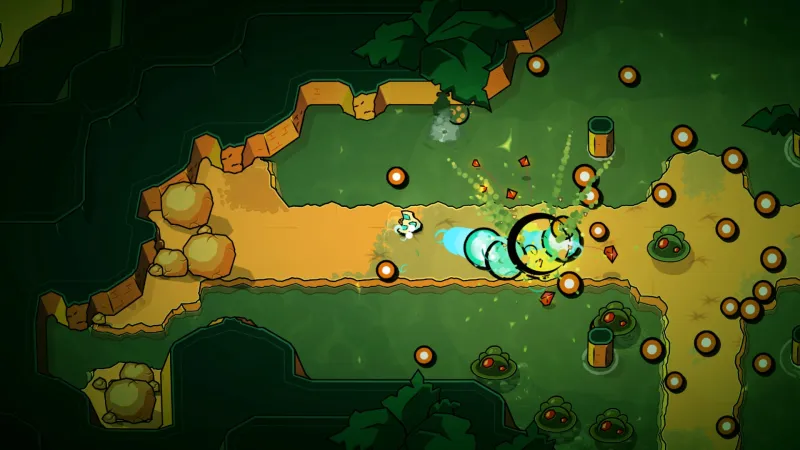
 

Developer SoulGame Studio expertly encourages exploration through a plethora of upgrades; I loved taking on race challenges (which perfectly highlight the stellar movement mechanics), but the primary driver of my desire to explore was the extensive suite of upgrades. You gain experience for each enemy you defeat, as well as for finding caches of experience-granting red gems; each time you level up, you get a skill point that can be allocated to upgrade things like your damage, firing range, movement speed, and more. The upgrades you unlock through leveling are helpful, and if an encounter ever felt too tough, I knew I could go grind nearby spawn points to gain enough experience to bump up those skills.

However, the biggest improvements arrived through modules and stranded friends you discover through dungeon completion and exploration. The friends you rescue do things like heal you, improve your guns, and even open new areas. Meanwhile, the modules are scattered throughout the overworld map or for sale at hidden shops. These modules, like one that requires less experience to level up, one that tells you when a location on the map has more secrets, and one that grants you a small chance to take no damage when you get hit, are perhaps the most valuable items I found. Every corner of Minishoot' Adventures provides you with rewards, which is why I kept saying, "Just one more area," long after I told myself I needed to step away from my PC.

Thanks to its excellent utilization of well-worn Zelda-inspired conventions and enough unique twists to differentiate it from the pack, Minishoot' Adventures delivers an outstanding bullet-hell experience with less frustration than most entries in the genre. I didn't set out to 100 percent Minishoot' Adventures, but by the time I reached the end of the the story, I had experienced everything the game has to offer, a testament to how enamored I am with this fun, twin-stick title. Minishoot' Adventures bridges the gaps between disparate genres with outstanding gameplay and thoughtful level design to deliver one of the best games I've played all year.

GI Must Play

Score: 9.25

About Game Informer's review system

Purchase
Wednesday, May 29, 2024

XDefiant Review - Defying No Tradition

XDefiant

Reviewed on: Xbox Series X/S
Platform: PlayStation 5, Xbox Series X/S, PC
Publisher: Ubisoft
Developer: Ubisoft San Francisco
Rating: Teen

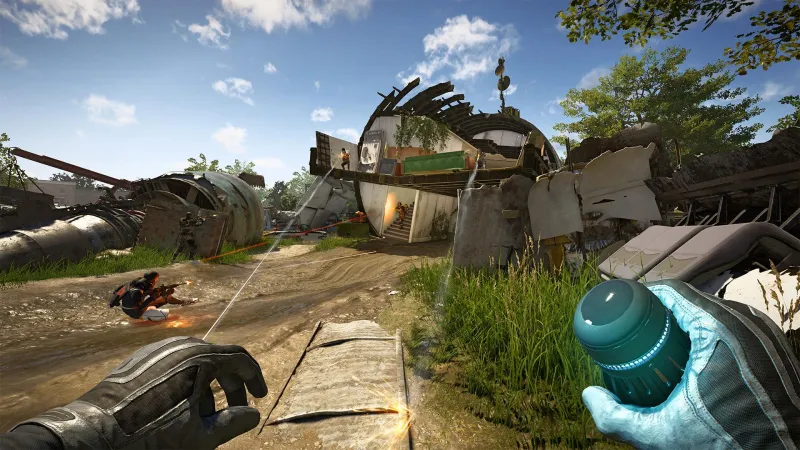
XDefiant’s core modes offer temporarily fun stabs at the competitive multiplayer arena shooter, but Ubisoft’s latest attempt at carving out a slice of the lucrative esports pie feels half-baked. Core modes like its practice mode and ranked queue are gated off by construction tape at the time of writing. This leaves a bland battle pass with head-scratching progression decisions and standard weapon-based leveling systems as the only tangible means of rewarding you for playing the game or doing well beyond an individual match. And with questionable netcode and missing mainstay features and modes, not even its interesting hero shooter-like abilities and small tweaks on the run-and-gun, low-time-to-kill formula coined by Call of Duty make me want to return to XDefiant.

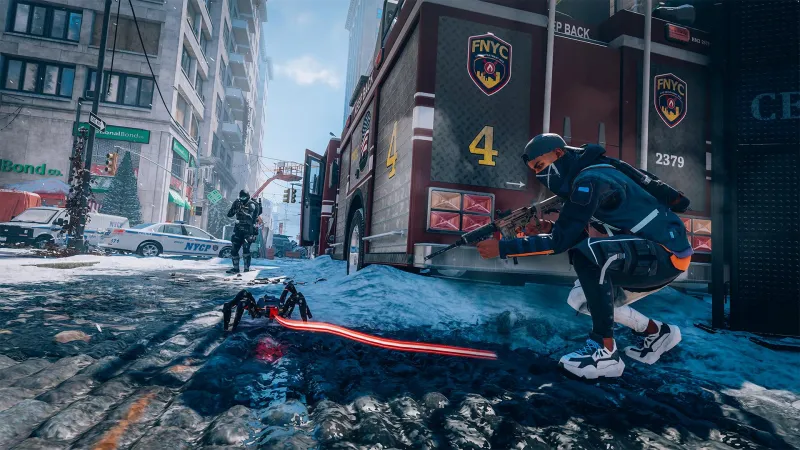
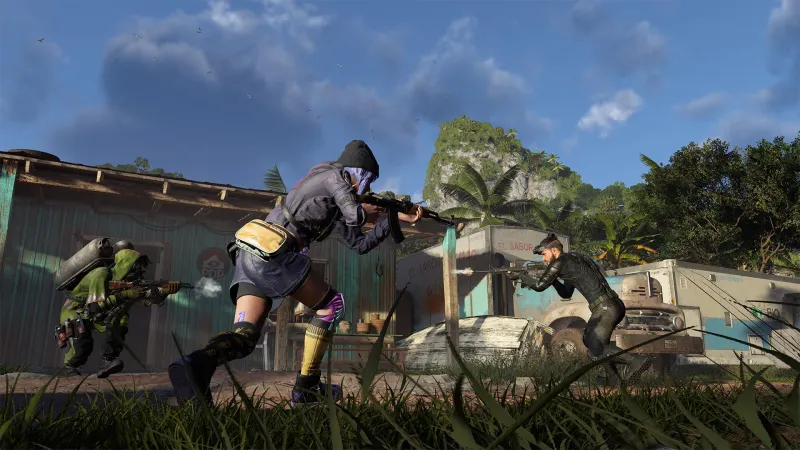
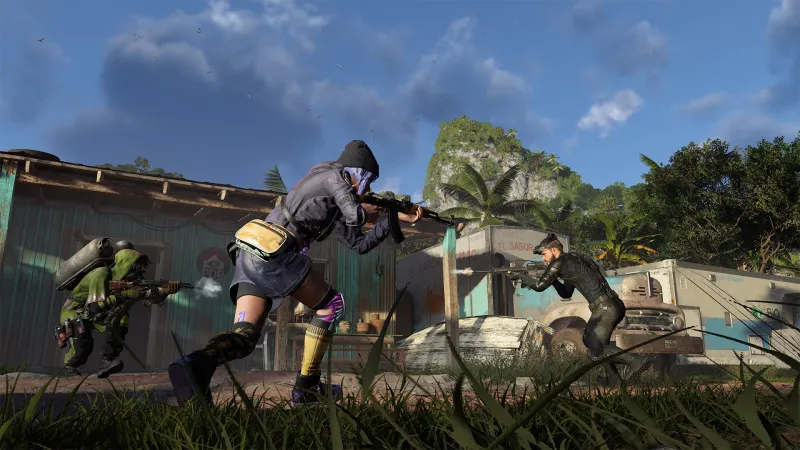
Ubisoft’s crossover shooter couldn’t have picked less interesting properties to kit-bash together. Though each of the five factions currently available in the game adds a cool approach to gameplay, they’re not exactly the superstars you think of when you hear Ubisoft. Instead, players step into the arenas as unfamiliar characters from Ded Sec (Watch Dogs), The Cleaners (The Division), Libertad (Far Cry), Echelon (Splinter Cell), or The Phantoms (Ghost Recon); there’s no Sam Fisher or Dani Rojas for you to recognize or get excited about picking because you liked their game. Each faction has three playable characters (two or more of which you need to unlock in each faction) but they have no differentiating traits between them aside from some cosmetic stuff. 

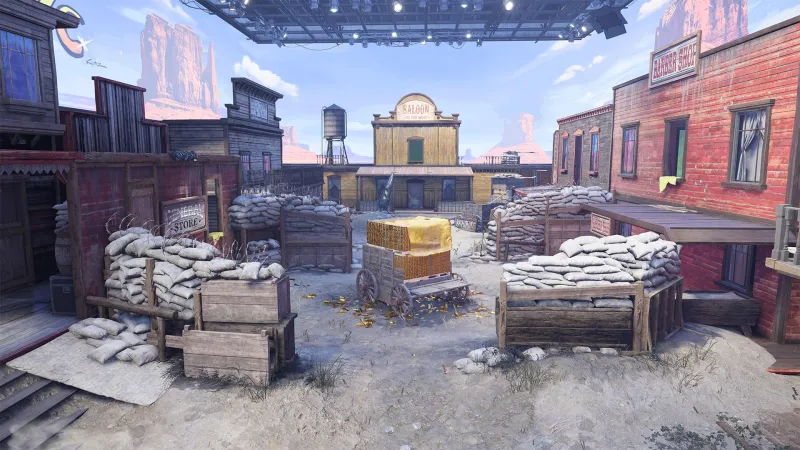
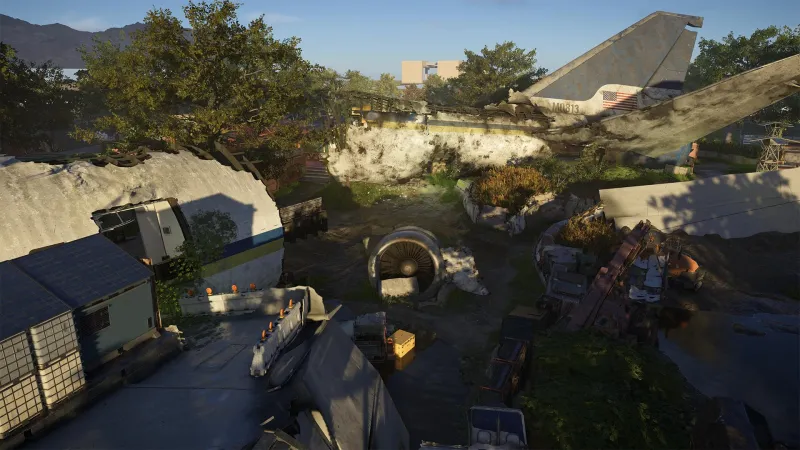
Combat is fast-paced, with a quick time-to-kill to make each shot count and almost nonexistent respawn timers constantly pushing you back out of the gate to chase down the objective and juice up that K/D ratio with its hyper-realistic arsenal of guns and devices. The standout here is XDefiant’s selection of 14 maps, each boasting plenty of cleverly laid out lanes and chokepoints, with open areas and tight corridors in different spots to encourage and reward different playstyles.


Getting enough kills in one life unlocks a cool ultra ability to help your team out in battle and stack up some extra kills or extra time on the objective. Here’s where things start to change from the familiar: Ultras, alongside a less powerful but still useful secondary ability and a helpful passive, vary based on the faction you choose. Each faction is based on an organization or group from another Ubisoft property and has its own set of specialties and abilities. You can switch between them anytime during a game, letting you adjust your strategy based on the task at hand.

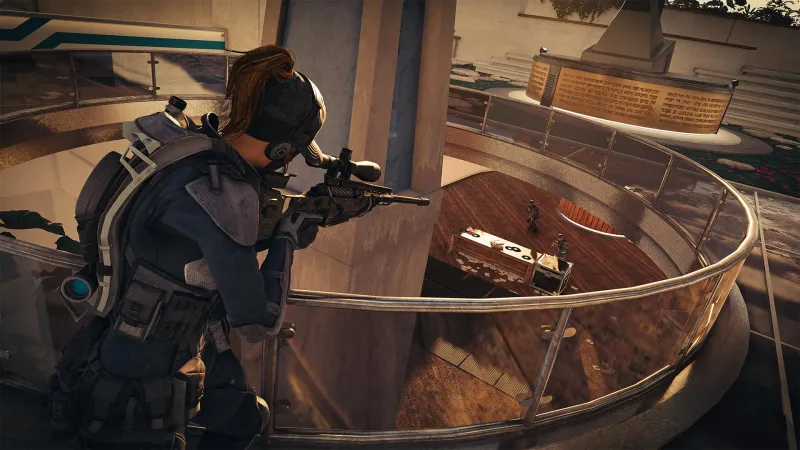
Let’s say you’re playing Domination, but the other team has a sniper in a perfect sightline to pick you and your teammates off one by one, keeping you from capturing the point. Setting up one of the Phantoms’ Mag Barriers might help absorb some sniper fire long enough for your team to grab a reliable foothold and return fire. But as tactical as these abilities can be, XDefiant’s basic setup doesn’t do enough to encourage strategic play over simply rushing the objective and trying to beat the enemy team to the draw until the score limit is reached.

That game of quickdraw doesn’t always feel right, though. XDefiant’s netcode and hit detection are way off; I can’t tell you how many times my game has registered a shot on an opposing player as a hit, only for them to kill me and the game to tell me that they had full health after I’d been downed. Even with a wired connection and the best ping in my lobby, I’ve been shot through walls as I move and even been killed while hiding behind cover that should block my entire body.

It’s barely been a week since I first installed XDefiant, but I don’t think I’d miss it from my hard drive. While the gameplay at its core is fun enough, the game is barren compared to most other shooters—including the free ones—with even bare-basic modes like team deathmatch and free-for-all or features like a ping system or skill-based matchmaking nowhere to be found. Its maps are well-made, sure, but with no rank to strive for, daily missions that ask me to commit to playing ten whole matches, and very little to look forward to in the battle pass, I don’t understand why this game would gain any traction over others beyond the fact that it's free.

Score: 6

About Game Informer's review system

Purchase
Tuesday, May 28, 2024

Killer Klowns From Outer Space: The Game Review - More Fun Than A Pie In The Face

Killer Klowns From Outer Space: The Game

Reviewed on: PC
Platform: PlayStation 5, Xbox Series X/S, PC
Publisher: Good Shepherd Entertainment
Developer: Teravision Games
Rating: Mature

It’s only a matter of time before IllFonic perfects the asymmetrical multiplayer experience. Say what you will about its previous games; each one offered entertaining tweaks to the formula, small yet clever innovations, and a seemingly better understanding of what makes this genre so compelling. Killer Klowns From Outer Space: The Game embodies all these aspects, making it one of IllFonic’s best asymmetric games yet.

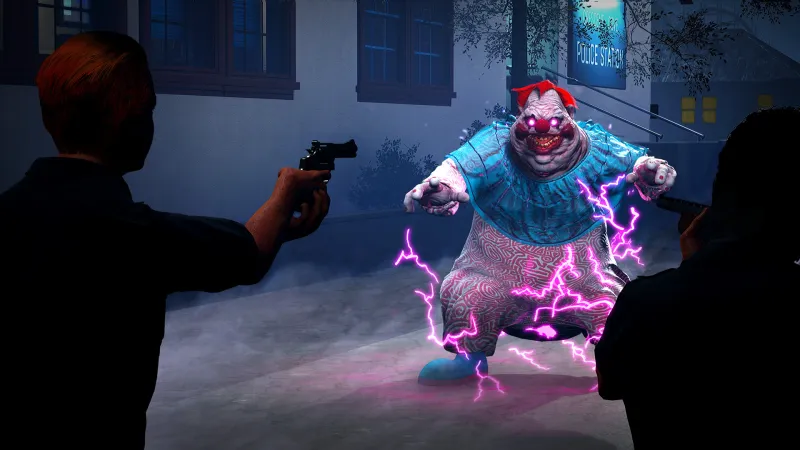
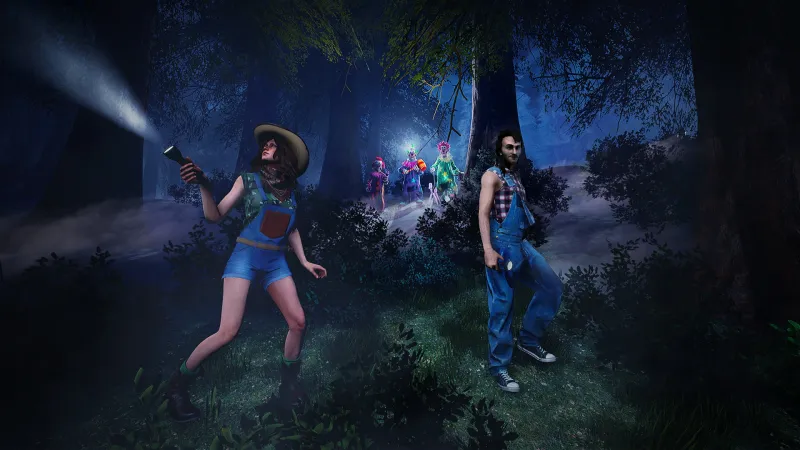
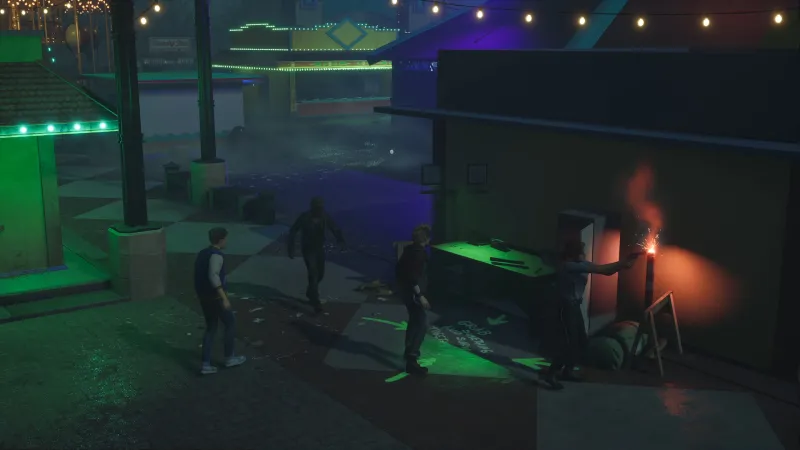
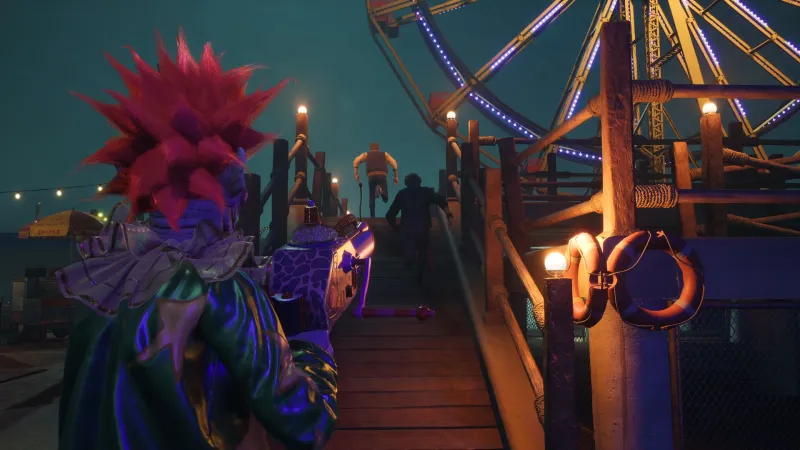
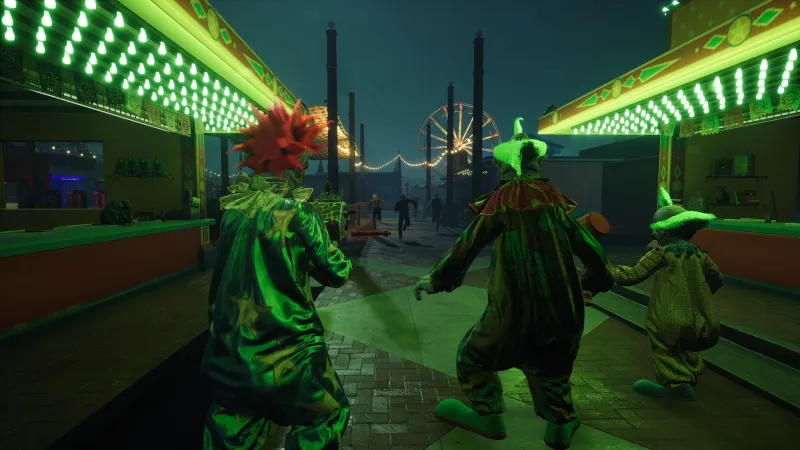
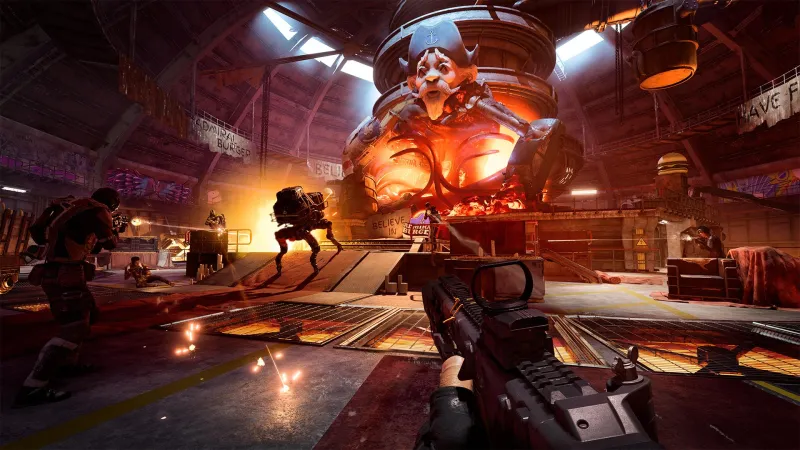
Killer Klowns From Outer Space: The Game offers a familiar gameplay loop for the genre. Seven human players must quickly locate an escape route within a given environment, find its required tools – a gas can and spark plug for a motorboat, for example – and complete a series of skill checks to finally exit the map, all while being hunted by three Klown players. Humans are chased left and right as ominous giggles fill the air. Large popcorn-spewing guns prove to be as deadly as they are silly. Conspiracy nuts relay important information via ham radios. Matches start calmly enough before devolving into a hilariously chaotic mess.  

On their own, these typical gameplay mechanics would suffice. It’s what fans would expect from this type of game. What makes Killer Klowns From Outer Space stand out is how well it balances its competing roles, which is initially expressed through their inherent differences. The humans can loot around for weapons, helpful tools (like a compass that shows where a map’s exits are), and health/stamina-based items to gain an edge over their colorful pursuers. Their smaller size allows them to be quicker on their feet, sneak through windows, and hide relatively easily after breaking a Klown’s line of sight. And while taking on a Klown solo using the right weapons is possible, being a part of a larger group allows for more team-oriented tactics during a scuffle.

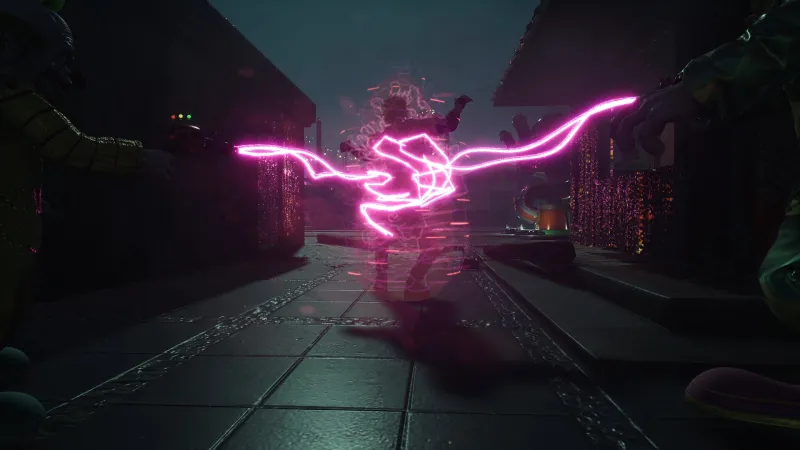
The Klowns, on the other hand, always pose an immediate threat. Not only are they usually sturdier than their human counterparts and have access to powerful abilities, but they also have time on their side; if the human players don’t escape within a 15-minute window, they’ll be caught up in an explosion dubbed the Klownpocalypse. Klown players can speed up this process by harvesting humans – i.e., zapping them with a ray gun until they’ve been encased in a cotton candy cocoon and then hooking them up to Lacky Generators scattered around the map – instead of outright killing them, ending the match prematurely.

This balancing of roles also extends to their varying objectives. The Klowns can cover exit routes with cotton candy that must be removed in order to interact with them. Humans need to take their time with most things, as failing a skill check or otherwise making noise will alert the Klowns to their whereabouts. That said, all hope isn’t lost if you’re caught out in the open, as death isn’t always permanent; humans can visit a resurrection machine, acting as a sub-objective, to bring their teammates back once per match.   

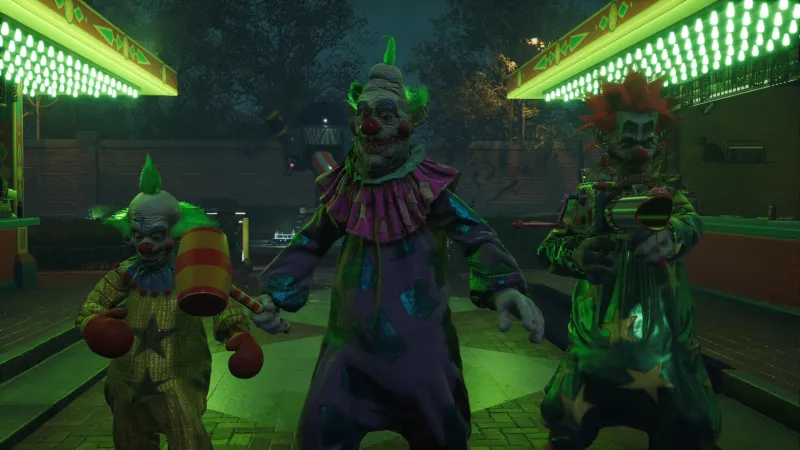
Killer Klowns From Outer Space has a ton of varied yet interconnected game mechanics that collectively succeed at keeping matches as fair as possible. I’m sure that’ll change as more players discover new strategies through prolonged play. But as of right now, no role dominates the other when playing with a full lobby, resulting in one of the most entertaining asymmetrical games I’ve ever played. It’s fun hunting down unsuspecting humans and bashing them into submission with a giant mallet. Using my particular Klown’s special abilities to close the gap on a fleeing victim is also a highlight; ramming folks with an invisible car or tracking them using a living balloon dog never gets old.

Likewise, finding new ways to elude pesky Klowns as a fleetfooted teen always got the blood pumping. Successfully completing a final skill check as the last living player while hearing the sound of big floppy shoes a few feet away is exhilarating. The same can be said of facing a Klown head-on with only one bullet left, knowing that if I missed their rubber nose (their primary weak spot), I would get a face full of deadly popcorn. And because my death was most likely brought upon by some whacky ability or weapon, I always found myself laughing at what happened over being frustrated.


The core gameplay isn’t the only appealing aspect of Killer Klowns From Outer Space. Visually, it’s a treat for movie fans as the vibrant ‘80s aesthetics permeate everything within its five well-designed maps. The humans look decent enough, especially after unlocking more cosmetic options. All five of the creepy-looking Klowns are impressive, though. It’s like they’ve been lifted right from the film the game is based on. I especially love their Klowntatities. These special finishing moves are cinematic, cutting to gamified versions of iconic moments from the movie, letting you and your foe act them out in the middle of a match.

Killer Klowns From Outer Space can be extremely entertaining at times. Unfortunately, it does have some glaring issues that keep it from reaching its true potential. There are plenty of bugs to contend with; glitching objectives, occasional crashes, and more plague what is otherwise a fun experience. 

IllFonic has announced plans to address many of the biggest issues I found while playing. However, even in its current state, aside from one bug that resulted in losing cosmetic unlock progress, the bugs I encountered weren't egregious. Still, it's worth noting that Killer Klowns from Outer Space still has plans to improve in these areas.

In its current state, Killer Klowns From Outer Space: The Game is a good asymmetrical multiplayer game. The gameplay mechanics that help balance the competitive roles reinforce the lessons IllFonic has learned over the years, while its comical nods to the film and impressive graphics showcase the respect given to the source material. If IllFonic can iron out the bugs in the coming patch and provide solid post-launch content, Killer Klowns From Outer Space could become the best this genre has to offer.

Score: 8

About Game Informer's review system

Purchase
Wednesday, May 22, 2024

Lorelei and the Laser Eyes Review - Laser-Focused Epiphany

Reviewed on: Switch
Platform: Switch, PC
Publisher: Annapurna Interactive
Developer: Simogo

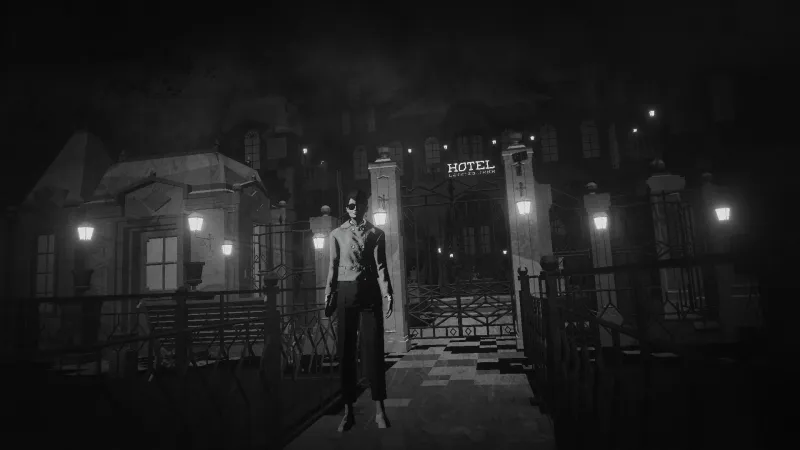
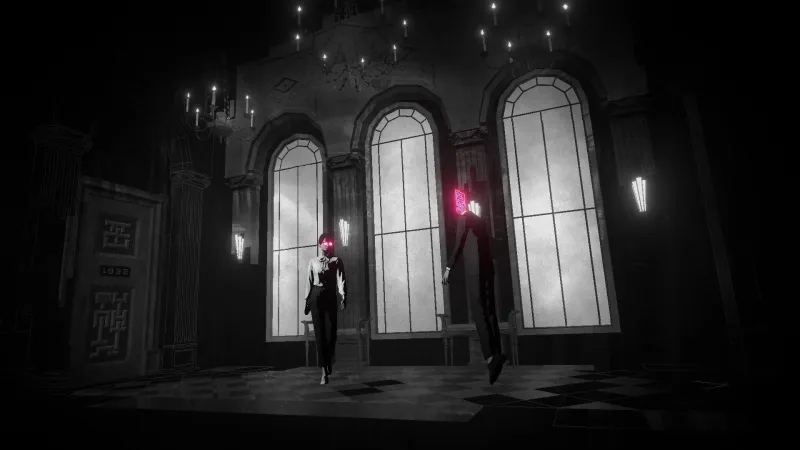
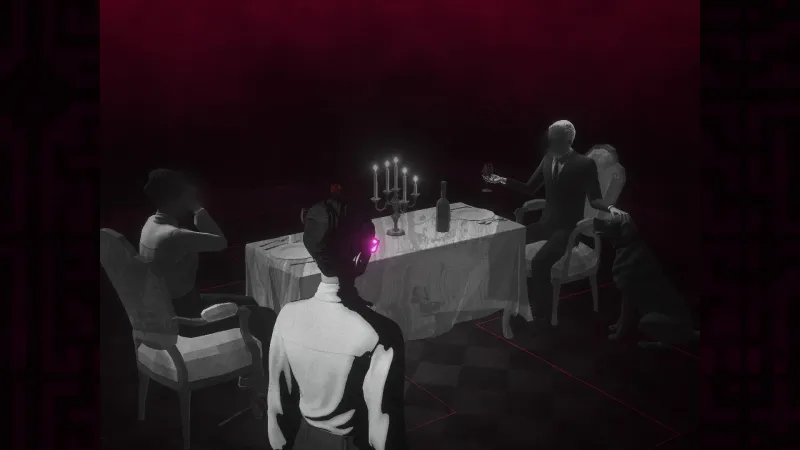
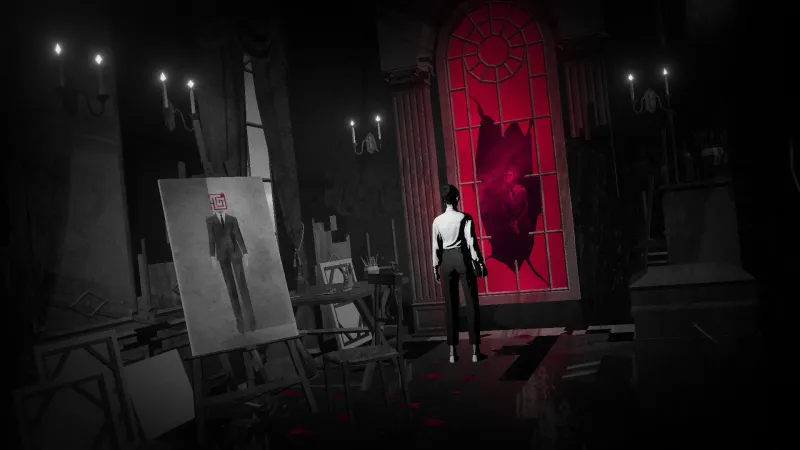
Lorelei and the Laser Eyes’ setup is bland compared to the others in the puzzle genre. You are a bespectacled woman carrying a clutch who walks with incredible poise into a mansion with little understanding of why you are there or what you are doing. The lack of context doesn’t matter, though, because the game immediately showers you with an incredible sense of mood. You may not know why you are petting the dog in the courtyard, checking every door, or reading every scrap of paper you come across initially, but you want to be there and see everything the game has to offer. And if you’re like me, it morphs from a want to a need that keeps you up entirely too late, pointing your phone’s flashlight at a piece of scrap paper already overflowing with notes incomprehensible to any outside observer.

To speak too much about the game’s story would betray its intent, but know that while initially, the plot seems amorphous, it is all leading to something, I promise. Disparate news articles, books about lunar cycles, typed monologues about the nature and purpose of art, and incomplete film scripts all paint emotion about what happened in this hotel/mansion, but its final moments surprised me at how sharply it pulled everything into focus. What begins as effective but seemingly abstract tone-setting poems all make sense in the final moments, and I was impressed by the satisfying slow burn of the narrative.

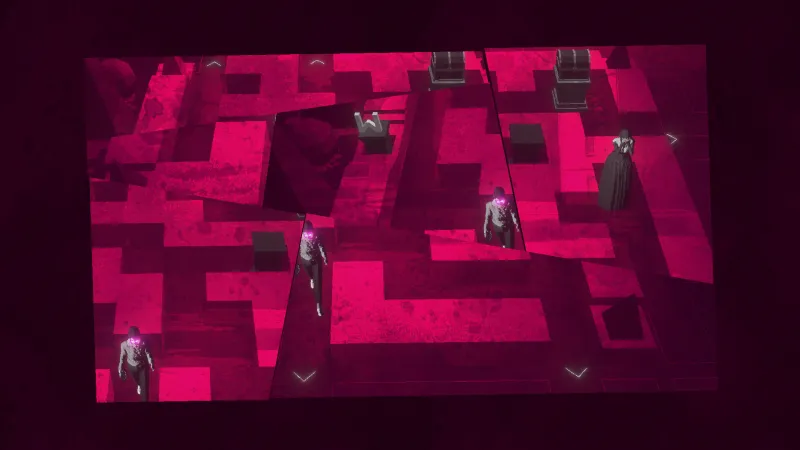
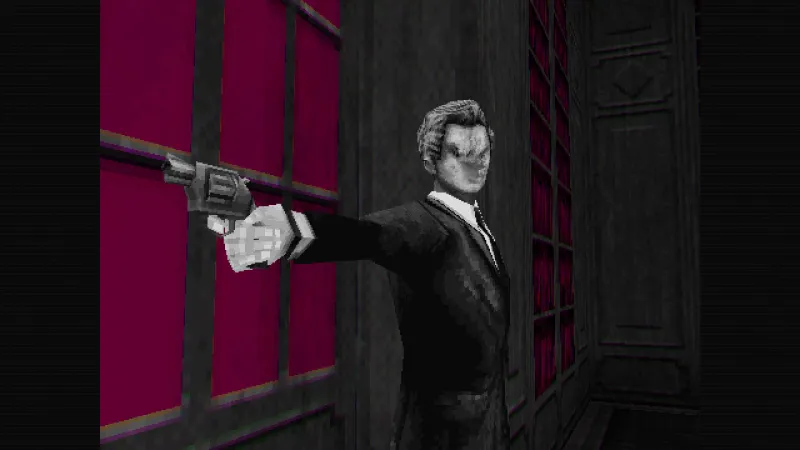
The game’s puzzles are the stars of the show, and Lorelei is overflowing with them. The ultimate goal is to explore the house and open every door, find every document, and unlock every lock. Sometimes, that involves reading to find a year that can be used to open a four-digit padlock. Sometimes, it involves entering a 32-bit horror video game and making it crash so you can take note of its error message documentation.

Like any good puzzle game, the conundrums are based on a core idea but expanded exponentially to lead you to solutions you never considered. In Lorelei’s case, it is primarily simple math. You will need a calculator (and one is provided in-game), but you won’t be doing much more than adding and subtracting and taking copious notes. The puzzles consistently made me feel smart without ever going off the deep end in a way I admired. I certainly got stuck – extremely stuck on a few occasions – but when I finally arrived at a solution, I never felt cheated by the puzzle itself.


Where I did occasionally feel cheated was when I would sometimes hit literal walls where I had parts one and three to a puzzle, but simply couldn’t find two. At least 3 hours of my approximately 20-hour playtime was spent aimlessly wandering the halls looking for anything that would help me take the next step, only to discover I had missed a prompt on a wall sconce that would open a secret passage. That moment felt less like I couldn’t decipher a secret lock as much as I never saw the lock in the first place. In those moments, I was frustrated with Lorelei and the Laser Eyes, but to its credit, I was so immediately enamored with the game that I knew I wanted to finish it from its opening moments.

I don’t know that you can consider yourself a successful puzzle game if you don’t hit at least some confusing barriers that feel impassable. Finally overcoming those hurdles is what makes the genre so compelling, and Lorelei and the Laser Eyes finds that successful balance of making you feel smart more often than it makes you feel dumb. Couple that with a mystery worth unraveling, fourth-wall-breaking commentary, and unexpected reality-bending moments sending you to bizarre places, and you are left with a fantastic puzzle game that I already wish I could play again for the first time.

GI Must Play

Score: 8.75

About Game Informer's review system

Purchase
Tuesday, May 21, 2024

Paper Mario: The Thousand-Year Door Review - Back And Forward

Reviewed on: Switch
Platform: Switch, GameCube
Publisher: Nintendo
Developer: Intelligent Systems
Rating: Everyone

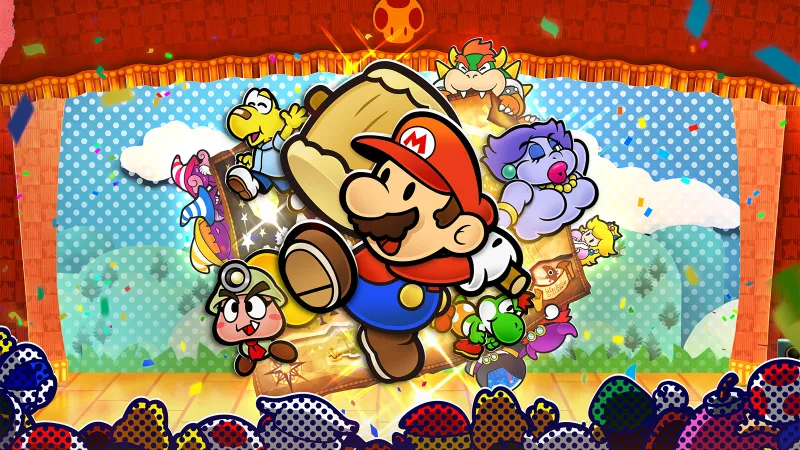
The Mario brand of RPG represents some of my favorite adventures in the genre. The comedic tone, inviting art, and active battle systems have always been highlights for me, but Thousand-Year Door was a personal blind spot. I played prior and subsequent Mario RPGs, but I skipped it when the original was released in 2004, and notably was not yet employed at Game Informer at the time. With Nintendo remastering the acclaimed RPG for Switch, I welcomed the excuse to finally play it. I am impressed by how improved the visuals and music are two decades later, and found that, for the most part, the comedy holds up. I now fully appreciate and understand Thousand-Year Door’s reputation as a classic, but it is not without its 20-year-old headaches. It arguably presents the first signs that the series would be less interested in being an RPG in the coming years and would ultimately suffer as a result.

Thousand-Year Door has always been an attractive game. Nintendo is practiced at prioritizing evergreen art styles over fidelity, and Paper Mario is a poster child of that approach. Lighting effects are the primary improvement for the Switch version, and they make a huge difference – the game looks fantastic and modern throughout. Beyond the look of the game, a number of small changes (like faster partner switching and shortcut keys) help smooth out the experience and just generally remove annoying hurdles.

Combat also remains enjoyable without much need for modernization. I am a sucker for timed-button pressing in any RPG, and I welcome it here, but I was surprised to see that the execution prompts exist throughout the whole game. I assumed they would disappear after the tutorials, and was annoyed to learn they never leave. And though necessary and tactically useful, the special abilities are time-consuming, and I would dread having to engage them. That feeling extended to the partners as well, and I used the ones whose attacks could be executed the fastest, even if they didn’t do the most damage.

Over time, the Mario RPG series has wavered between being an adventure game and an RPG, and it is here that the Paper branch of the tree started growing more in the adventure direction. Subsequent games, like 2020’s The Origami King, completely drop leveling mechanics, which is a mistake. I love having a sense of progression, and enjoyed it here even if I felt like I was going back in time to see its final hurrah.

Where the adventure game mechanics work is in the game’s worlds and characters. It is a breath of fresh air to see wholly new characters in a Mario game, especially on the occasions when they feel out of place with the Mario aesthetic. I looked forward to seeing every new location and weirdo that lived there and was never disappointed.

But further on that desire to be as much an adventure game as an RPG that Paper Mario has always struggled to reconcile, Thousand-Year Door has too much backtracking. Nearly every location in the game involves going to the end of an area to acquire an item, taking it back to someone, and then going back to where you were and redoing every fight on the way. With limited options for fast travel, the process was often tedious.


The sequences where you are not playing as Mario are similarly unexciting. Peach has fun dialogue with an AI struggling to understand emotions and enjoyable puzzles to solve, but if Bowser had been entirely excised from the game, I don’t think I would have noticed or cared. His minor payoff at the end was not worth checking in with him between every chapter.

For all the annoyances of repeating areas and slow (but engaging) combat, Thousand-Year Door is now a series highlight. It marks the first instance of where I didn’t want a Mario RPG to go (I generally prefer the Mario & Luigi direction), but the constant fourth-wall breaking, myriad colorful and unique characters, and its willingness to just be weird all lead to a joyful journey. I am grateful that this shined-up version of the GameCube classic I missed is finally available on a contemporary platform.

Score: 8.25

About Game Informer's review system

Purchase