Pages

Wednesday, June 26, 2024

Super Monkey Ball Banana Rumble Review - A Ripe Return

Super Monkey Ball Banana Rumble

Reviewed on: Switch
Platform: Switch
Publisher: Sega
Developer: Ryu Ga Gotoku Studios
Rating: Everyone

Outside of remasters and remakes, the Super Monkey Ball franchise has been dormant for a decade. At a certain point, it began feeling like AiAi and his crew of monkeys were relics of a bygone era and that Super Monkey Ball was little more than a nostalgic series that has no real place in the modern gaming landscape. Super Monkey Ball Banana Rumble disputes that assertion by delivering an experience that’s at once delightful, maddening, and rewarding, but above all else, fun.

At its best, Banana Rumble’s Adventure Mode delivers some of the top stages in Super Monkey Ball history. Particularly early on, I relished figuring out the optimal strategies to roll through the puzzle-like levels while achieving the three optional missions of collecting a set number of bananas, grabbing the golden banana, and finishing in a set time. Thanks to the new spin-dash move, I loved figuring out ways I could launch my character off ramps and lips to rocket through the goal or grab the golden banana.

The early stages best exemplify the series’ easy-to-learn, difficult-to-master hallmark. Blasting through stages in the first few worlds is intuitive and lighthearted thanks to improved physics and a better camera. Those levels are ripe for experimentation into the best ways to get through the level efficiently; on multiple occasions, I wondered if the developers intended for me to complete the stage in that manner or if I discovered some kind of secret. Those stages represent the Super Monkey Ball franchise at its absolute peak.

As you would expect, progression through Adventure Mode’s campaign brings increasingly difficult stages. Though I love trying to work my way through a difficult level, the restrictive nature of these more challenging obstacle courses often squashes my favorite aspect of this mode: experimentation. Instead of trying to find optimal paths and ways to sequence-break the levels, later stages in the game just had me fighting for survival as I desperately tried to make it to the goal.

The stages near the end of the 200-level campaign transcend Banana Rumble’s cute and colorful aesthetic to deliver pulse-pounding challenges that had me gripping my controller as tightly as I could while my character careened around corners and tempted fate with death-defying jumps. I largely enjoyed these levels, though they sometimes shined a light on the limitations of even the improved physics system, and the busier the stages got, the more noticeable the performance dips became.

If these stages ever feel too difficult, you can turn on Helper Functions, which add a ghost guide, arrows demonstrating the best path, a rewind function, and a mid-stage checkpoint. Though I used them extremely sparingly, if I ever turned them on, they immediately proved invaluable in getting past the roadblock I was stuck on.

Adventure Mode can be played with up to 4 players in co-op, but the real multiplayer experience allows for up to 16 players to compete in various party-style minigames. Players can compete in drawn-out races where rubber-banding comes not through the A.I.’s ability but rather the course being more challenging the further towards the front you are. I loved this twist on the tried-and-true formula, particularly with the various power-ups injecting extra chaos into the mix.


Meanwhile, Ba-Boom provides a fun survival-based tag variation, and Goal Rush challenges your precision and mettle as you roll down a hill, activating gates in a high-risk, high-reward blitz. The other two Battle Modes, Banana Hunt and Robot Smash, have you collecting bananas on an open map and launching into robots to deal as much damage as possible, respectively. Banana Hunt and Robot Smash were my least favorite of the bunch, but they still serve as fun side activities to Adventure Mode’s main course.

Super Monkey Ball Banana Rumble aptly demonstrates that the franchise still has something to offer in 2024 beyond nostalgia. With an eclectic mix of platforming levels and party games, Banana Rumble holds little back, offering a robust package that effectively announces the series’ true return.

Score: 8

About Game Informer's review system

Purchase
Tuesday, June 25, 2024

Still Wakes the Deep Review - I Sea Dead People

Still Wakes the Deep

Reviewed on: PC
Platform: PlayStation 5, Xbox Series X/S, PC
Publisher: Secret Mode
Developer: The Chinese Room
Rating: Mature

There’s something quite special about Still Wakes the Deep. A horror game, quintessentially Scottish through and through, with an atmosphere so tense you could hear your heart pounding as you explore areas, has the right ingredients to make for a memorable experience. Additionally, it’s made by The Chinese Room, the studio behind multi-awarded titles such as Dear Esther, Everybody’s Gone to the Rapture, and Amnesia: A Machine for Pigs. And yet despite these advantages, it still falters when it comes to the fundamental facets.

Still Wakes the Deeps puts you in the shoes of Cameron “Caz” McLeary, an engineer working aboard the Beira D oil rig, which is located somewhere in the North Sea. Caz, who’s having domestic troubles, will soon experience much worse, as what was initially thought of as a machinery malfunction leads to something darker and deadlier. His fellow workers all know that something has gone wrong, but when you’re stuck in the middle of nowhere, you don’t really know if help will ever arrive. What follows is a tightly woven, dread-inducing romp where you’re not entirely sure if anyone will survive the night. Think of it as The Thing meets Amazon’s The Rig – just replace the glowing spore pods with actual monsters, and you’re on the right track.

Right from the onset, Still Wakes the Deep immerses you in its setting thanks to a talented voice cast composed of Scottish actors. To be clear, I’m Filipino and I know next to nothing about Scotland, save for the fact that figures like William Wallace and WWE’s Drew McIntyre are from thereabouts. Despite this, I was hooked, especially when characters started churning out regional slang after slang, some in the Glaswegian dialect.

Granted, I did have a hard time understanding the thick accents and certain terms; for instance, I wondered who “Leckie” was, only to realize that it’s another word for electricity. However, this just proves the studio’s dedication to offering an authentic experience, and I appreciated having a little glimpse at a culture and dialect I’m not familiar with.

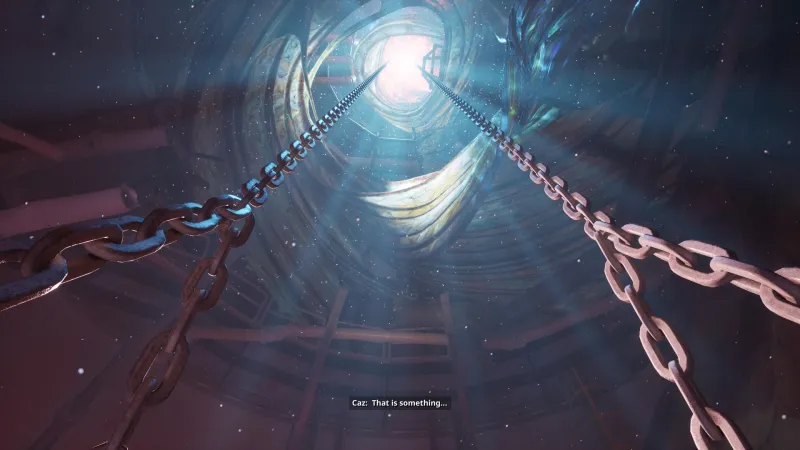
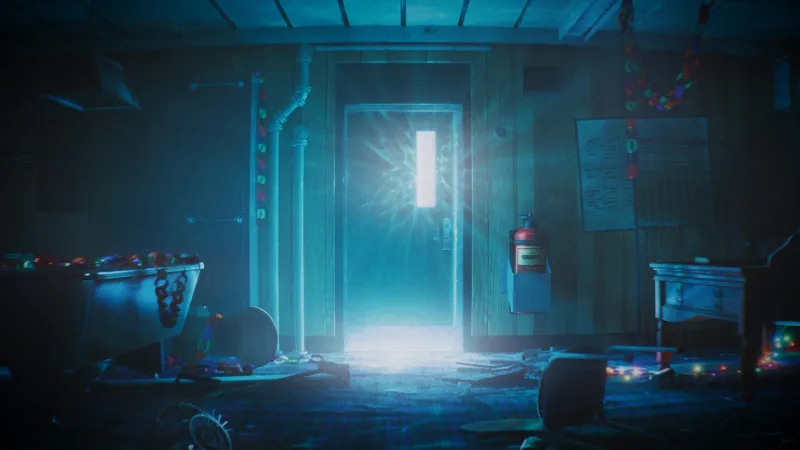
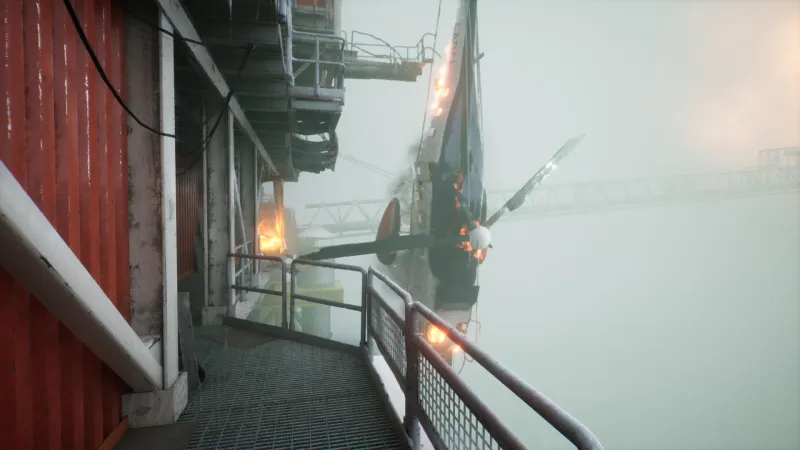
Likewise, I found the layout of the oil platform nothing short of fascinating. Yes, the facility consists of small rooms, narrow hallways, and large decks, and I mostly revisited the same areas during my playthrough. However, a certain creative flair arose when I realized how each area looked and felt different due to the events that transpired as I progressed. For instance, corridors accessible beforehand might be flooded down the line, and open doors might become barred later, covered in a mysterious pustulent growth. Interconnectivity also comes into play, especially with facility maps that point to my location as I reach new sections.

Moreover, the game has its fair share of context-sensitive interactions, such as using fire extinguishers, unscrewing ventilation shaft covers, and removing latches off contraptions. There are also several platforming sections, where you jump or shimmy across gaps or climb on ladders, with quick-time event button presses to prevent you from falling. And, yes, there are some parts where you have to swim to safety. All in all, these sections are simple, straightforward, and unchallenging to a fault, though they served as welcome respites from the core theme: body horror.

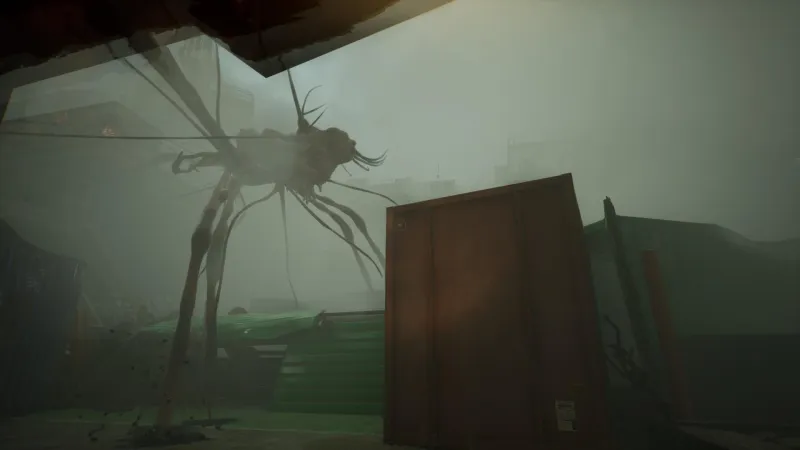
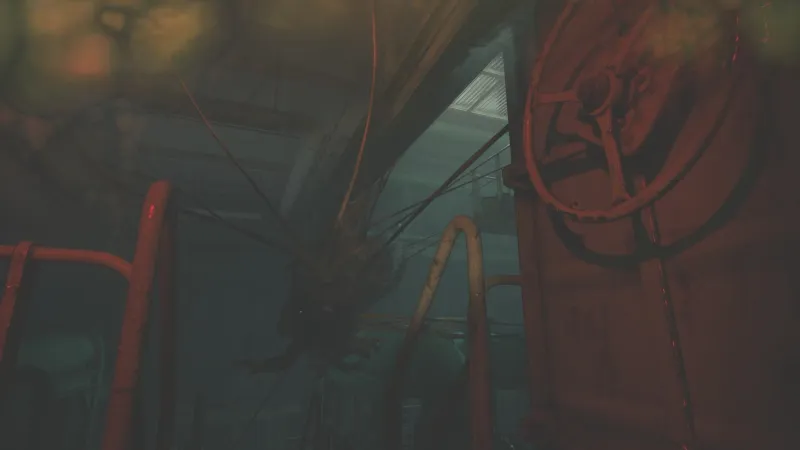
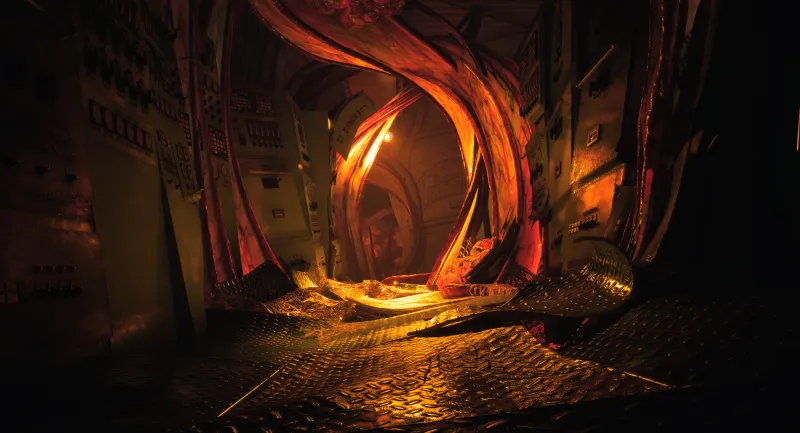
What drew me in within the first few hours of playing Still Wakes the Deep was the sense of foreboding. As mentioned earlier, the machinery malfunction on the oil rig leads to eldritch nightmares “waking from the deep.” At first, I could only see a few glimpses of what’s in store, like some red sinewy branch jutting out from the water or a vine-like object stretching across several corridors. Then, things got progressively darker, with the tense atmosphere building up thanks to spectacular shadow and lighting effects.


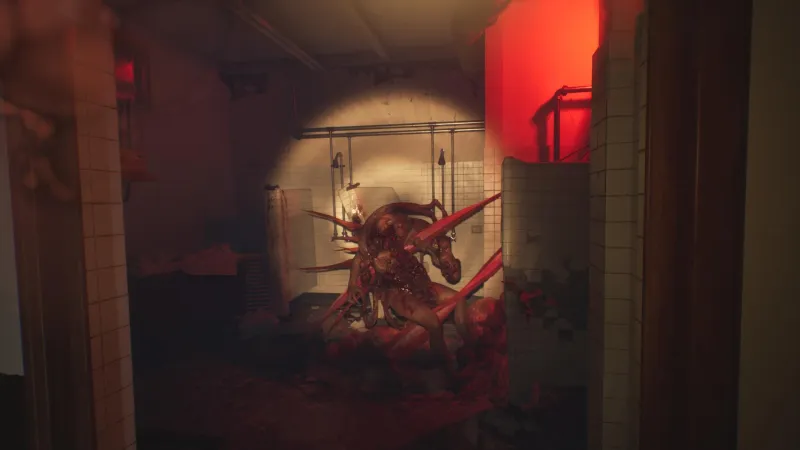
Shortly thereafter, I’d hear the pained moans of a worker begging for help and the bloodcurdling screeches of another who’s been driven mad. And then I’d see what had happened to them: words like macabre and grotesque are understatements when I saw people who’ve been smashed into fleshy blobs, faces frozen in a death scream. They have multiple limbs, clickety-clacking as they move about, all while calling out Caz’s name. One of them is actually just a big head with little arms who chases Caz all over the facility. The creature designs, as well as people who are in the throes of mutation, are gross, vile, and downright impressive to boot.

Sadly, Still Wakes the Deep botches the “survival” in “survival horror.” The single most surprising part of the game is that all these eldritch creatures, no matter how scary they look, are dumber than a bag of rocks.

Since there’s no combat or weapons, I primarily relied on stealthily making my way through rooms crawling with enemies, sometimes throwing bottles to create a distraction. If a monster so much as spotted me, all I had to do was hide underneath a desk, walkway, or pantry, and they’d be none the wiser. Those long limbs they have? They just clickety-clack; they don’t clickety-grab. Those sharp serrated teeth and gaping mouths? They won’t bite you if there’s a structure above your head. They’d see you, and then they’d forget about you after a few seconds, or they’d simply wiggle in front of you. 

Outside of chase sequences, which were few and far between, there was very little to excite me upon encountering these monsters once I realized the A.I.’s limitations. Coincidentally, blurry and spotted outlines do appear on the edges of your screen when staring at these entities and their otherworldly goop, though there are no other effects; it walks up to the line of including debilitating “sanity” mechanics, but since they aren’t actually present, it felt more like a tease.

Still Wakes the Deep is a relatively short game (I completed the campaign in under five hours). The story is strictly linear, akin to some of The Chinese Room’s other games, with no collectibles or secrets. While it’s true that the game builds on the setting, atmosphere, tension, and body horror, it flubs the most crucial aspect: the moments when you actually face the creatures. It’s like if The Thing was “from another world,” but it’s revealed to be E.T. due to how harmless it is. In the end, this romp through an infested oil rig might look slick, but it spills over and slips when it matters most.

Score: 7

About Game Informer's review system

Purchase

Luigi's Mansion 2 HD Review - Back From The Dead

Reviewed on: Switch
Platform: Switch
Publisher: Nintendo
Developer: Next Level Games
Rating: Everyone

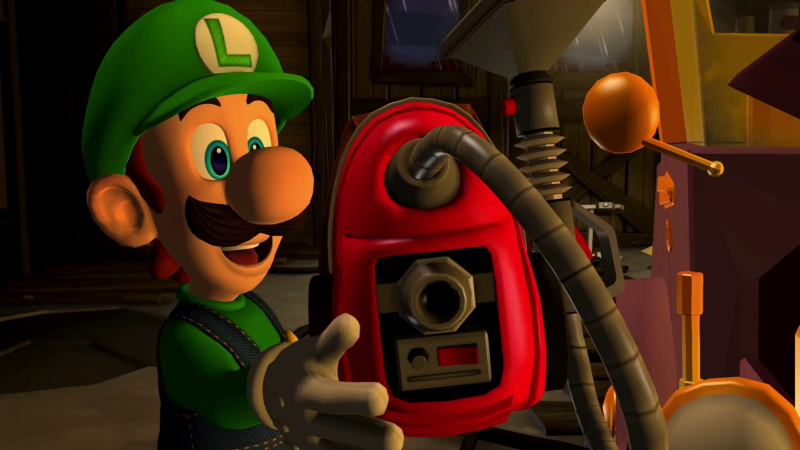
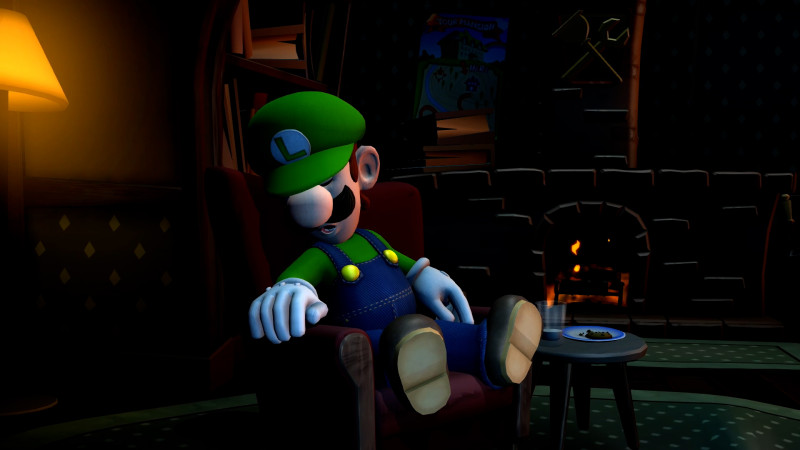
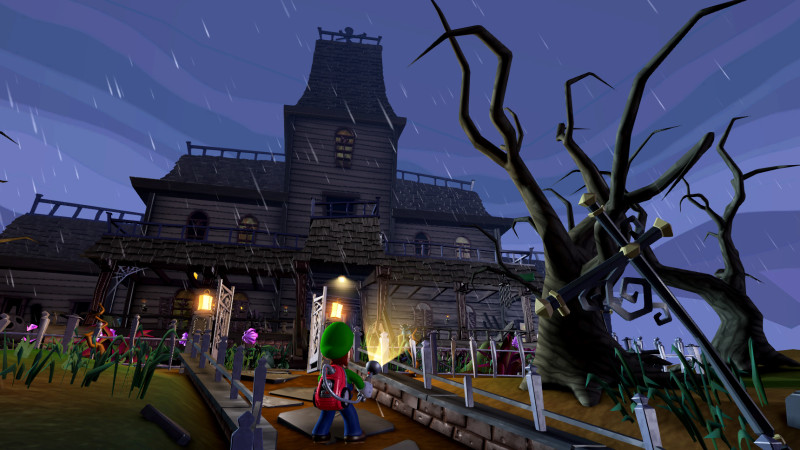
Despite kicking off Nintendo’s fourth-generation console with a starring role in Luigi’s Mansion on GameCube, Luigi's sequel always felt a little relegated. He was downgraded to the handheld platform, but it wasn’t because he delivered a bad game. The video game formerly known as Dark Moon has always maintained a positive reputation, but after the success of Luigi’s Mansion 3 on Switch, it felt like part two missed its time to shine. Thankfully, Nintendo and Next Level Games have brought it to console, and while it’s not without its formerly-a-3DS-game quirks, there’s no reason to skip this entry in the trilogy.

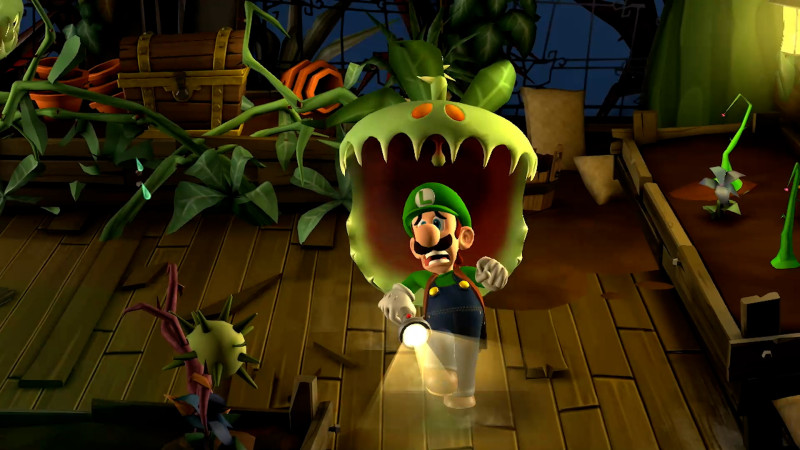
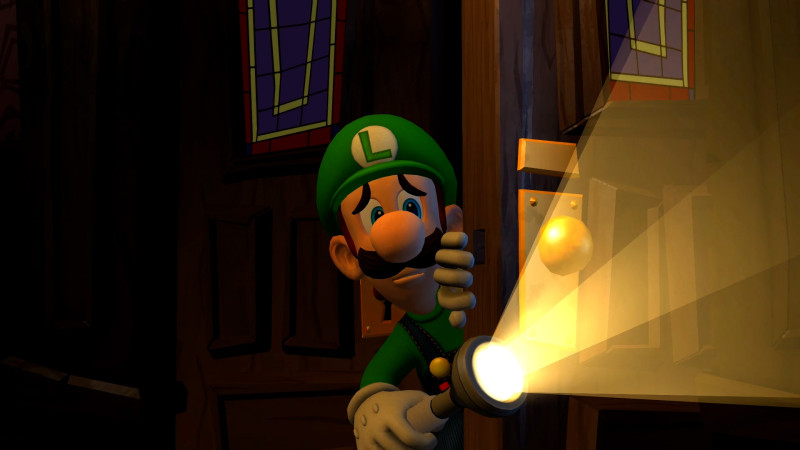
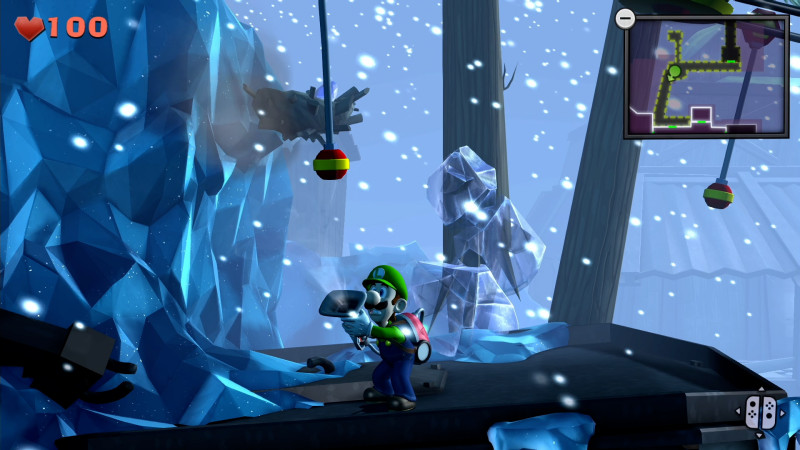
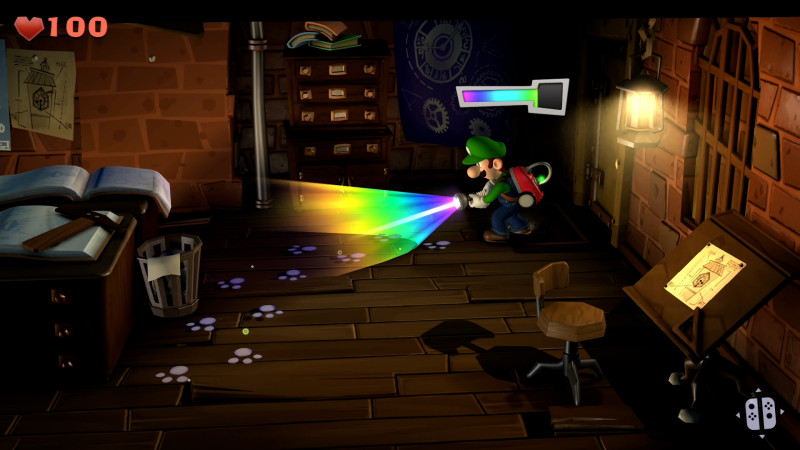
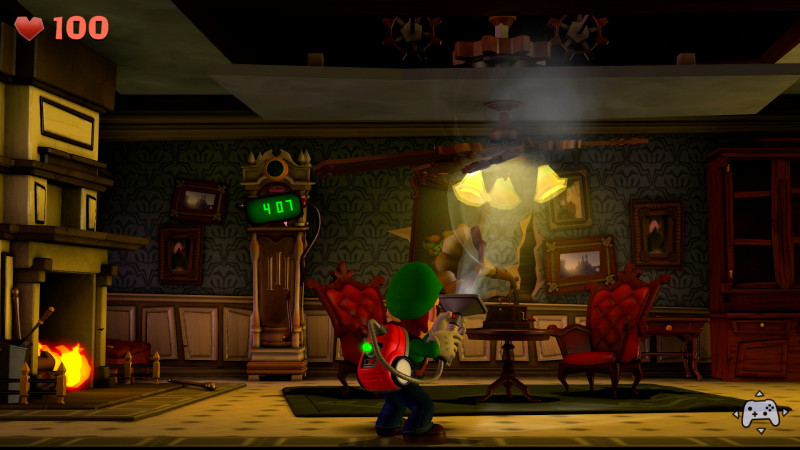
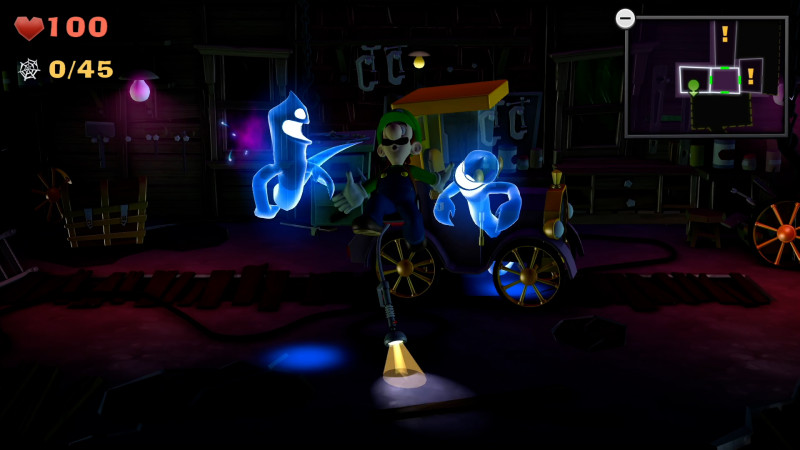
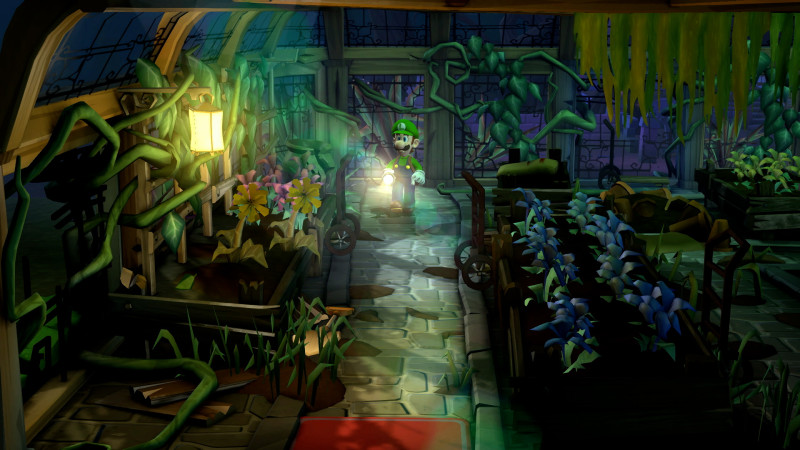
Luigi’s Mansion 2 HD looks good, but compared to recent Nintendo Switch upgrades like Metroid Prime and Paper Mario: The Thousand-Year Door, the visuals are lacking. The game has been smoothed out and looks sharp, but this is not an overhaul job. The lighting and effects are perfunctory, but the animation (which has always been a Luigi’s Mansion highlight) remains exceptional. Watching Lugi cower and shake as he sneaks around and gets surprised by ghosts is always entertaining and effective.

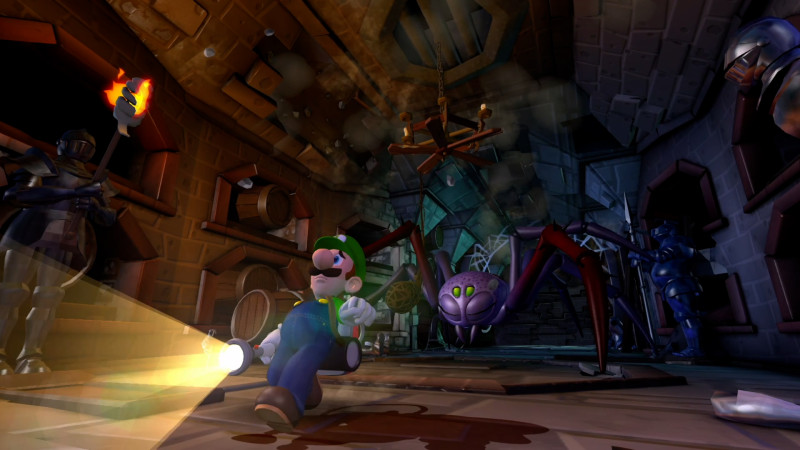
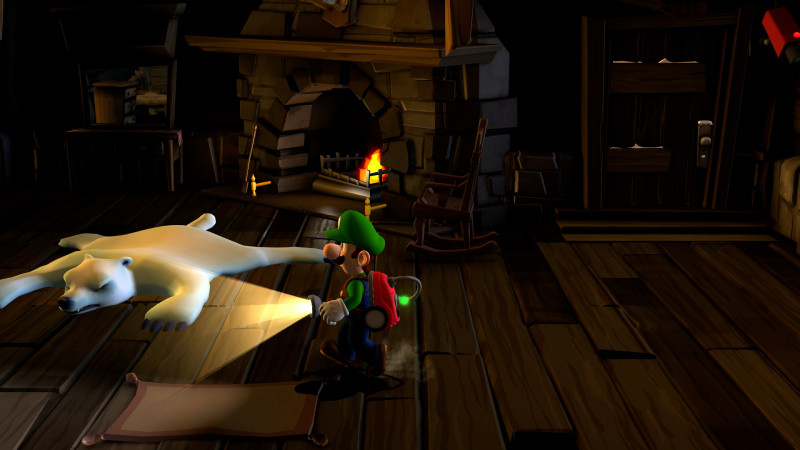
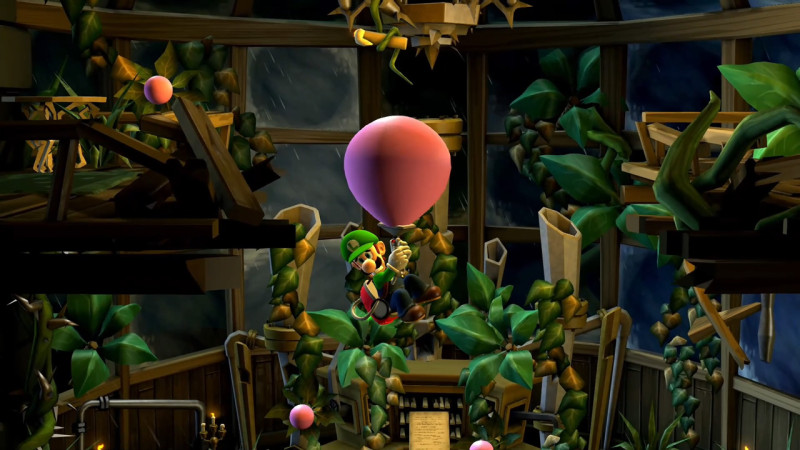
Walking around and sucking up ghosts, cobwebs, and money is a simple joy, even if I never was fully comfortable with the controls. Exploring is also frequently clever and charming. Stairways turn into ramps, hallways turn into conveyor belts, and rooms shift and grow unexpectedly. Each of the houses feels like you’re entering a new Haunted Mansion Disney ride, and I appreciate that they each have their own distinct style and themes.

Where the game reminds most of its previous platform is in its momentum – or lack thereof. Luigi’s Mansion: Dark Moon was designed to be played in short stints, so you are frequently “pixelated” out of a mansion before you’ve fully explored it. I often wanted to do more before leaving or just stay in the building to pursue the next big goal, but that choice isn’t up to the player.


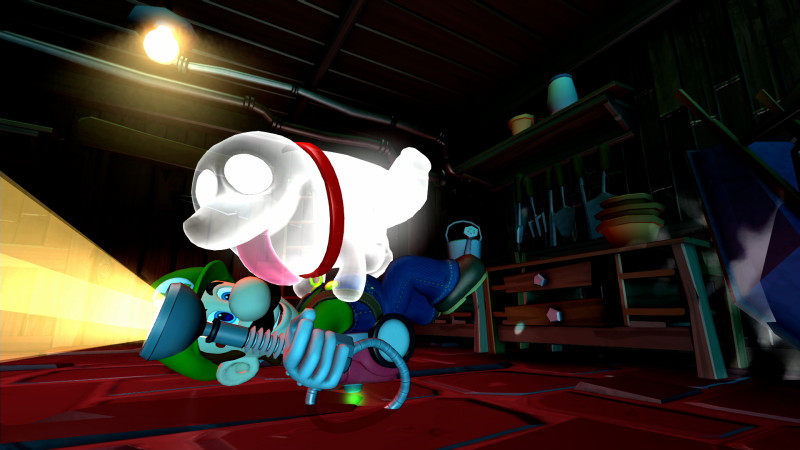
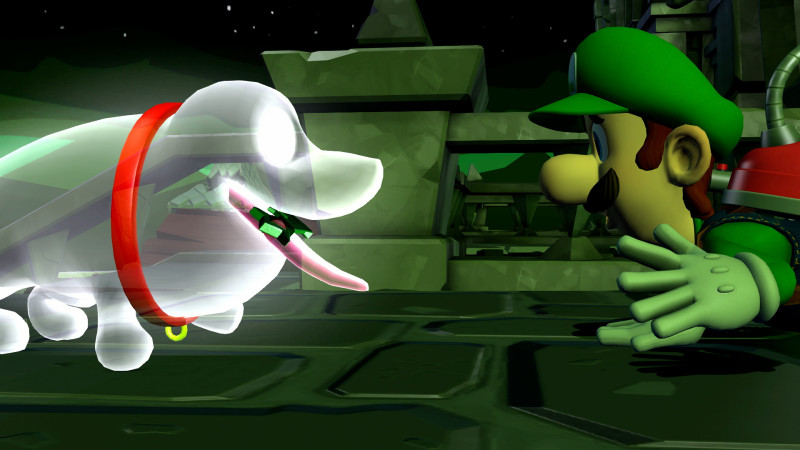
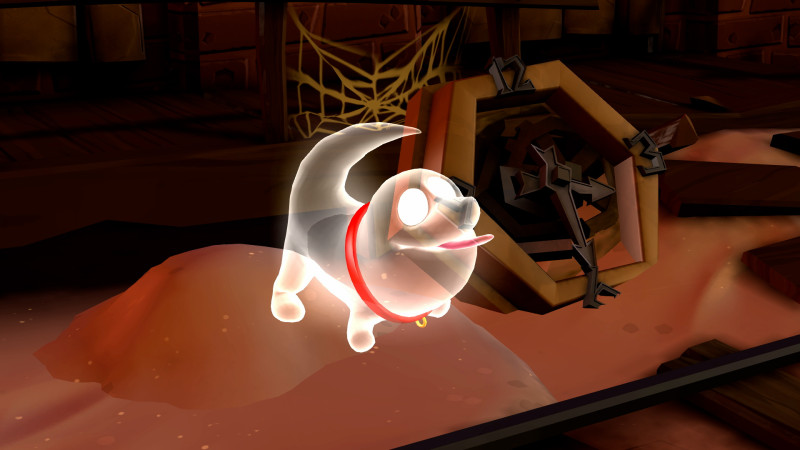
Also, as cute as Polterpup is, I didn’t enjoy the missions where I had to track him down. Each of the Mansions is labyrinthian by design, and trying to sprint through them in a winding path to find the dog just isn’t as enjoyable as taking a leisurely stroll, solving puzzles, and jumping in the air when a ghost appears out of nowhere.

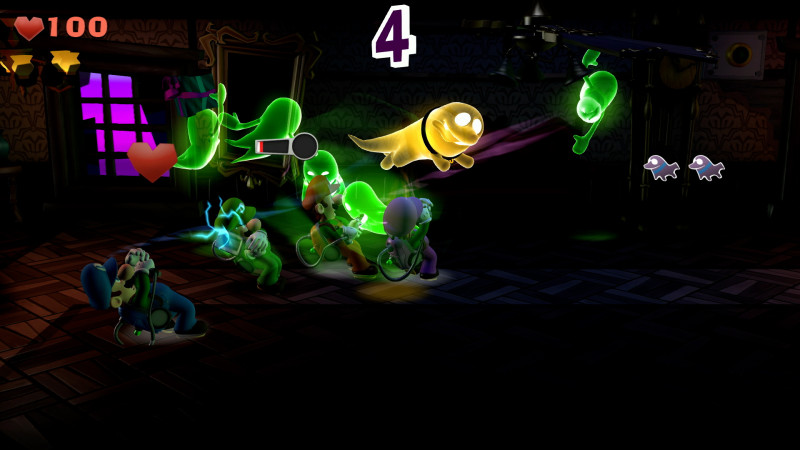
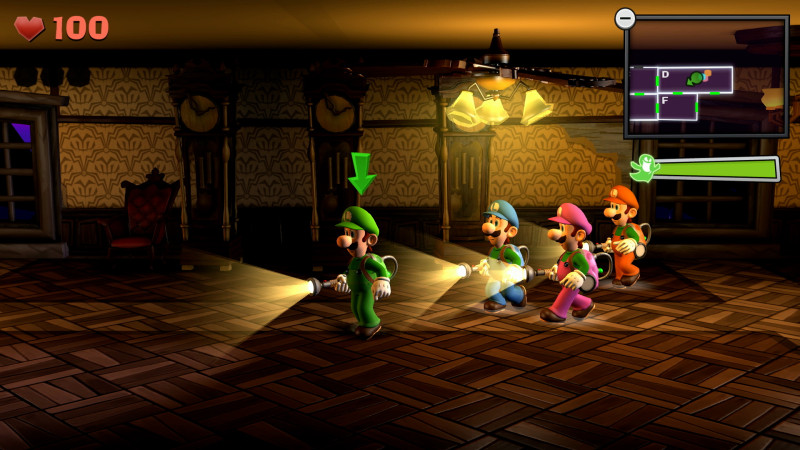
The online multiplayer ScareScraper mode returns but must be unlocked through regular play, which is annoying. I understand encouraging the player to learn the ropes before jumping online, but it’s an unnecessary hurdle when trying to rope in friends. Outside of that frustration, however, the mode is fun, and your progress feeds into your upgrades across the game as a whole. It makes you feel like you are working toward a singular goal no matter where you’re hunting ghosts. Working together as different Luigis in various Mansions is fast-paced and just the right amount of intense. Typically, I feel no shame in ignoring modes like this in comparable games, but I am glad I spent time with it here.

I am a big 3DS fan, but I am grateful to have Luigi’s Mansion 2 on the Switch. Dropping the Dark Moon subtitle and giving it a number also feels like a specific choice to make sure this game is fully recognized as part of the Luigi’s Mansion canon, which it fully deserves to be. This HD version is not a radical reinvention of the handheld game, but it’s a well-executed port of an experience that always deserved a little more.

Score: 7.75

About Game Informer's review system

Purchase
Tuesday, June 18, 2024

Elden Ring: Shadow of the Erdtree Review – An Emphatic Exclamation Point

Elden Ring: Shadow of the Erdtree review

Reviewed on: PlayStation 5
Platform: PlayStation 5, Xbox Series X/S, PlayStation 4, Xbox One, PC
Publisher: Bandai Namco
Developer: From Software
Rating: Mature

Following up Elden Ring is a gargantuan task. It’s one of my favorite games of all time, and the base adventure isn’t lacking for content, intrigue, or surprises. Shadow of the Erdtree doesn’t outclass the primary campaign but expands it, adding a fun and fascinating new zone in the Realm of Shadow. With entertaining new dungeons, a challenging fresh slate of bosses, and a smart new form of progression, Shadow of the Erdtree gives Elden Ring fans more of everything that worked in the main game and is a fantastic excuse to endure its many dangers once more. 

From Software expansions are notorious for being exceptionally more difficult than the base game. Shadow of the Erdtree is overall harder, but the degree of which will, of course, vary based on the character you’re bringing into it. Since defeating Radahn and Mohg is the only prerequisite for beginning the expansion, and because Shadow of the Erdtree requires owning the base game, players are likely using late-game or New Game + characters. For context, I began the expansion using my endgame (level 165), single playthrough character who proved to be more than ready to handle the new threats – at least for a while. 

Because of these circumstances, your character likely requires an exorbitant amount of runes to level up. From Software clearly considered this and introduced smart new progression items called Scadutree Fragments and Reverned Ash Fragments. Scattered all over the map, spending these items at checkpoints improves overall damage output and resistance: Scadutree for yourself and Reverned Ash for your Spirit Ashes (though the effect only applies in the expansion). This is a great, streamlined method of strengthening your character, and I love not relying solely on grinding to gather tens of thousands of runes just to level up once. This is also great for bolstering maxed-out Spirit Ashes, letting me roll with my favorite(s) after they peaked in the base game. These fragments won’t suddenly turn your Tarnished into an unstoppable juggernaut, but it is a noticeable, if small, difference that doesn’t throw off the game’s balancing.   

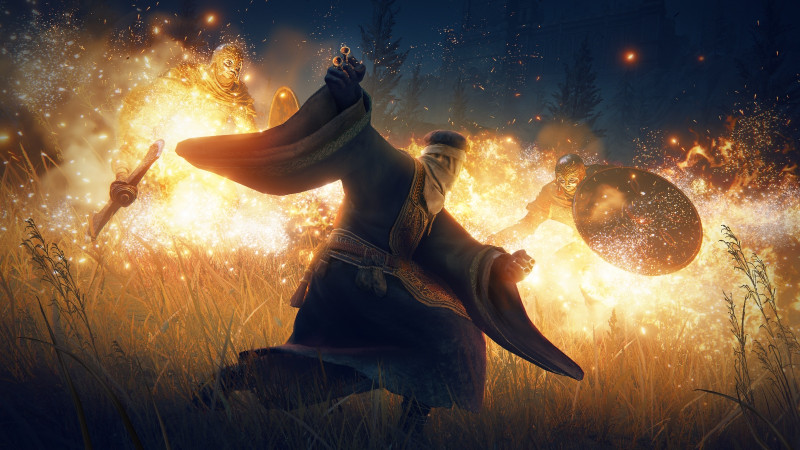
Without getting too specific, Shadow of the Erdtree also goes out of its way to provide a surplus of smithing stones to upgrade the expansion’s plethora of new weapons (which you can use in the base game). This offers a strong argument to retire old favorites in favor of using something new. During the early hours, I stubbornly clung to the loadout that brought me success in the main game. Eventually, I discovered numerous cool and powerful weapons, armor sets, spells, enchantments, and charms that compelled me to finally create new, potent loadouts. Shadow of the Erdtree encourages experimentation as much as the main game, if not more so, thanks to its roster of intimidating, grotesque, and, in some cases, outright bizarre new enemies.

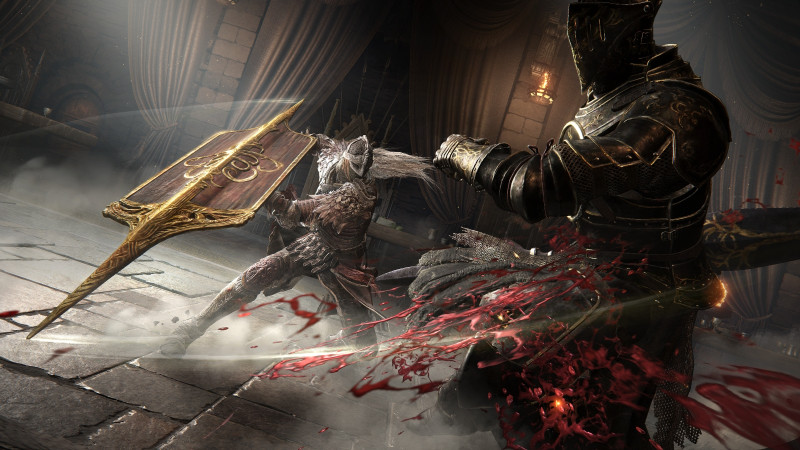
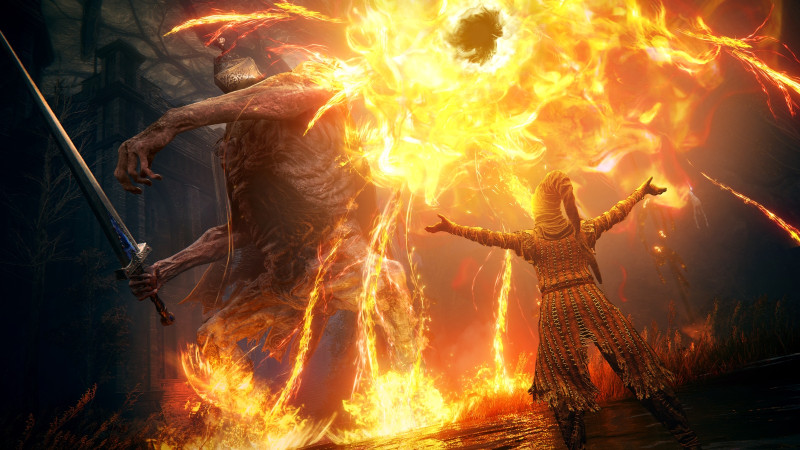
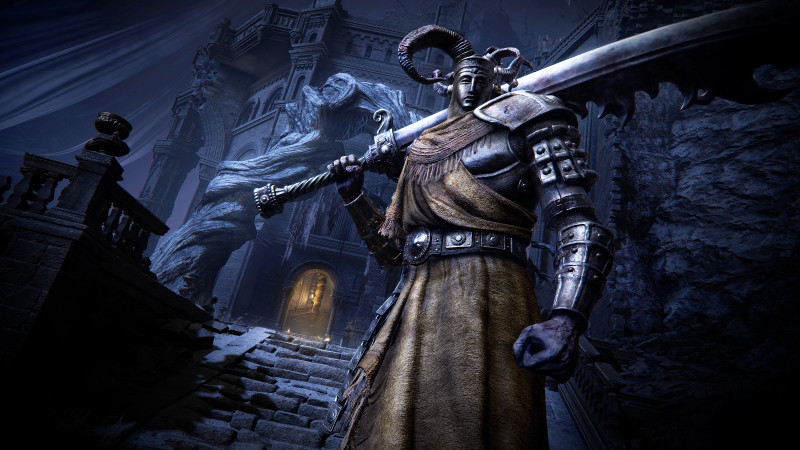
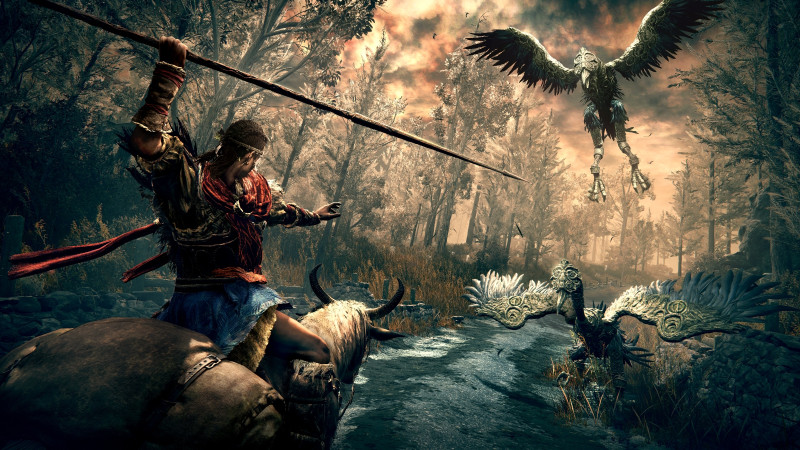
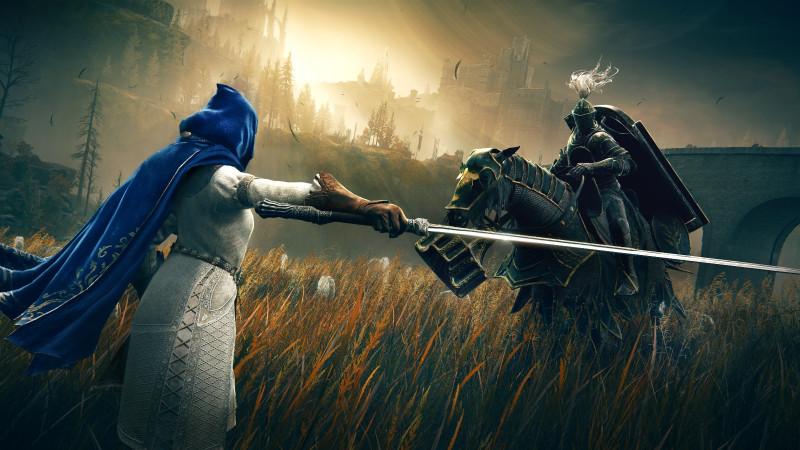
Needless to say, Shadow of the Erdtree isn’t a walk in the park. An imposing new class of armored adversaries that would probably be considered mini-bosses in the base game now roam the map as normal enemy types. They’re tough enough that I was shocked to see them respawn after spending a good amount of time and effort defeating them once. Basket-like fire giants stomping around the map may as well be wearing signs saying “Mess around and find out” due to how obscenely powerful and sturdy they are. Creative new boss encounters offer fresh – and infuriating – trials that had me yelling in agony at defeat and jumping for joy upon victory. I won’t spoil any of them, but a couple of particular foes may rival Malenia in difficulty. They’re all fun to topple, and, like the main game, the sting of defeat can often be remedied by simply moving on to someplace else. 


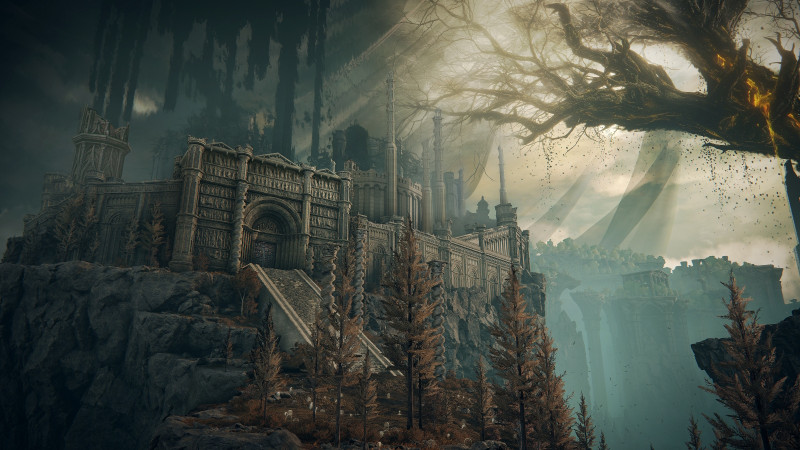
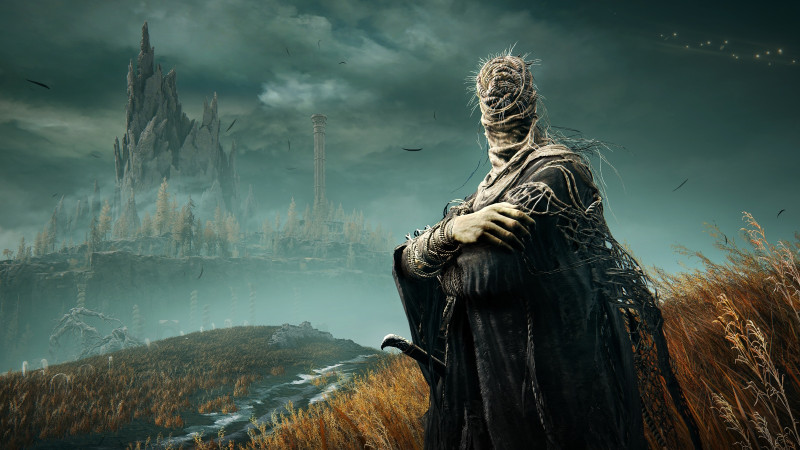
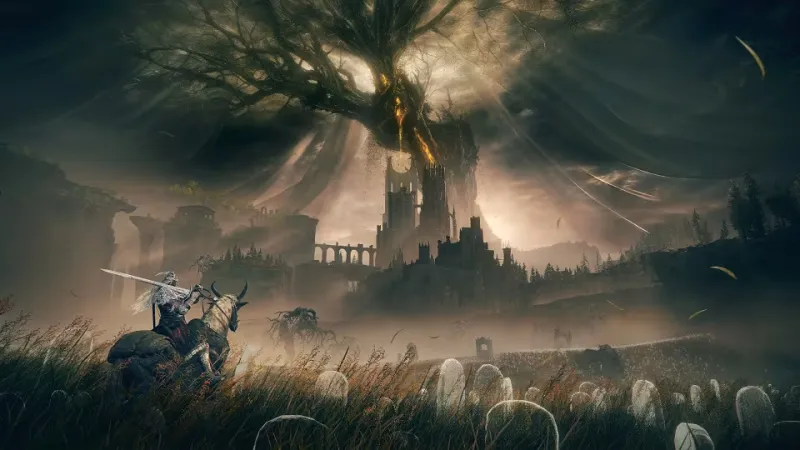
The Realm of Shadow may be smaller overall, but it’s still huge and sports several postcard-worthy locales, several of which are tricky to even reach. Don’t be surprised to go dozens of hours before un-fogging the map due to how well From Software uses the Realm of Shadow’s verticality to hide layers of crucial routes and openings. I appreciate how this layered-cake approach to world design makes exploring the Realm of Shadow feel distinctly different from roaming The Lands Between. Trekking up or down is usually the answer to most navigational conundrums, with the former often offering gorgeous views of the landscape and the latter taking players through underground pathways, revealing hidden ruins, villages, and more. Despite the increased challenge of finding where to go next, the thrill of discovery remains a powerful motivator after 40-plus hours of play, and my curiosity was usually rewarded with a cool location, a useful item, or a terrifying foe. 

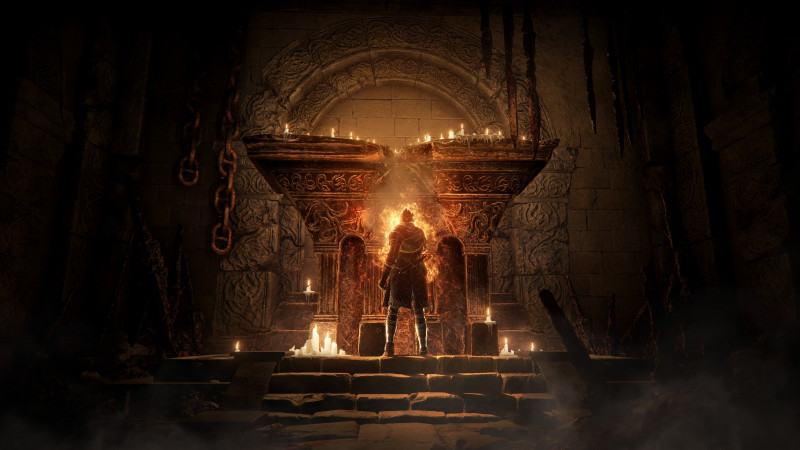
The new dungeons, including repeatable ones like smelting forges and underground gaols, beg to be thoroughly explored thanks to some clever and devious secrets, presenting more great examples of From’s exceptional level design. While it’s tough to beat mind-boggling discoveries like the underground cities in the main game, a few points of interest gave me pause to admire them and have unique visual identities. Meeting the strange and questionably trustworthy faces occupying these zones is its own treat. Even if you don’t totally understand (or care) what’s going on with Miquella and his followers, characters like a shady sorcerer soliciting favors or engaging with weirdly charitable bug warriors contribute to the expansion's head-tilting but alluring charm. 

The boring but ultimately correct shorthand to summarize Shadow of the Erdtree is that it’s more Elden Ring. The incredible sense of discovery, fantastic dungeon design, entertainingly deep combat, and intriguing lore and characters that defined From Software’s 2022 masterpiece all apply to this expansion. From Software didn’t drop the ball and make Elden Ring worse, nor do I believe it wholly topped what it had achieved before. Shadow of the Erdtree maintains a sky-high status quo, even if it loses a little magic from being a known quantity this time instead of a complete surprise. Still, Shadow of the Erdtree is one hell of a mic drop that further cements this adventure as one of the finest ever crafted.

GI Must Play

Score: 9.75

About Game Informer's review system

Purchase
Thursday, June 13, 2024

Destiny 2: The Final Shape Review - For The Guardians

Reviewed on: PlayStation 5
Platform: PlayStation 5, Xbox Series X/S, PlayStation 4, Xbox One, PC
Publisher: Bungie
Developer: Bungie
Rating: Teen

After 10 years of storytelling, the overarching saga that was introduced in the original launch of Destiny has finally concluded. With The Final Shape, Bungie ties a bow on the vast majority of its lingering plotlines and questions and sets the stage for a new direction in subsequent releases. Ahead of that, this concluding chapter is extremely satisfying, offering a rousing, heartfelt, and character-driven wrap-up that does right by what has come before. From narrative to gameplay, this is not the installment that welcomes newcomers. But for every hour (or thousands of hours) a player has invested in this adventure, the ending on offer is that much more potent.

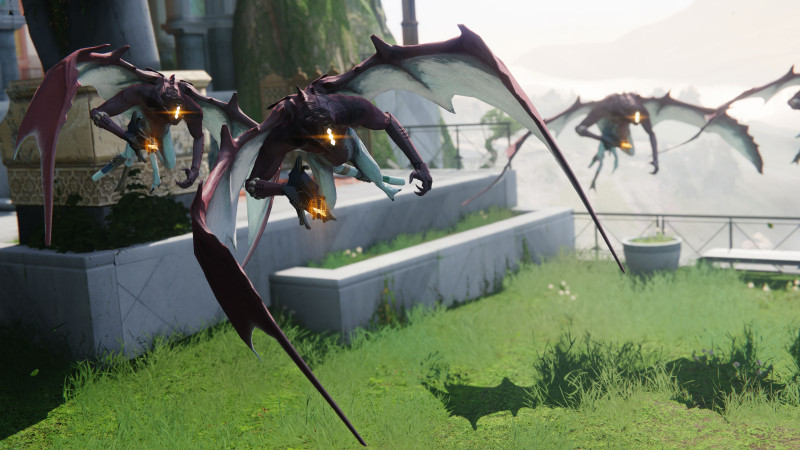
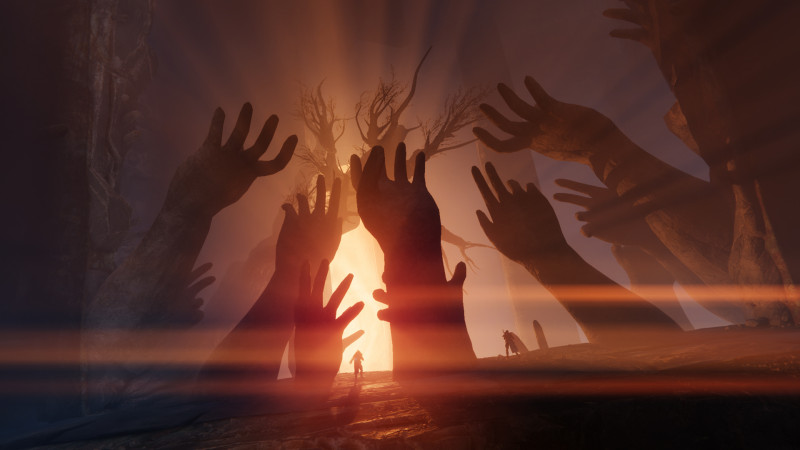
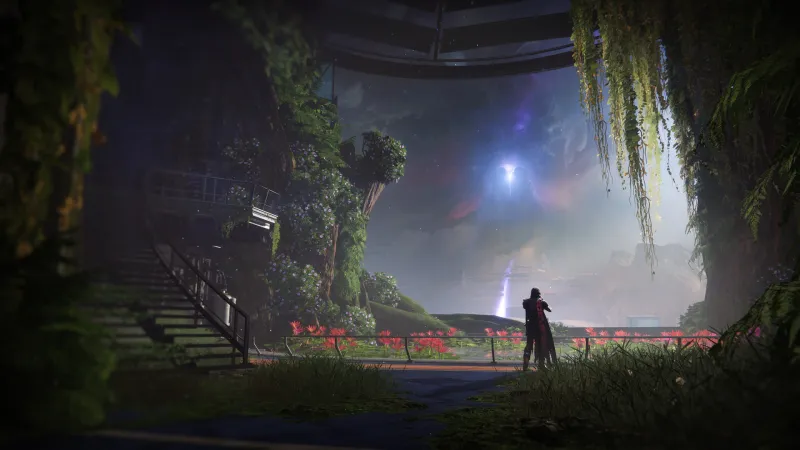
The Final Shape expansion transports Guardians into the mysterious interior of the massive spherical Traveler, a space of liminal and surreal environments halfway between real and imagined. In a decade of strong location design, this new destination is the most unusual and artistically striking, regularly nodding to places we’ve visited before and combining them with strange organic shapes like giant hands and faces carved in rock.

The campaign is set up as a non-stop journey from point A to B, with waypoints that act as moments of anguish and catharsis for the most important players in the story over the last decade. It’s the most human and relatable storytelling the franchise has yet managed.

Thanks to the delightfully dangerous Dread faction of enemies, and a number of raid-like mechanics, the missions feature a satisfying mix of intense action and gunplay while requiring careful observation. The story lands with a satisfying punch of exhilaration and emotion by weaving the raid completion and one final concluding activity together. Grand and epic storytelling demands a clever mix of bombast and poetic sensibility, and this is one of those times when a game has hit the mark.
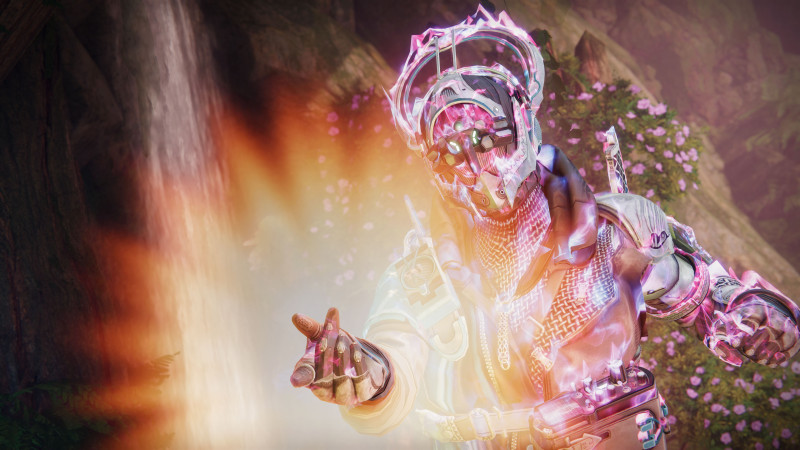
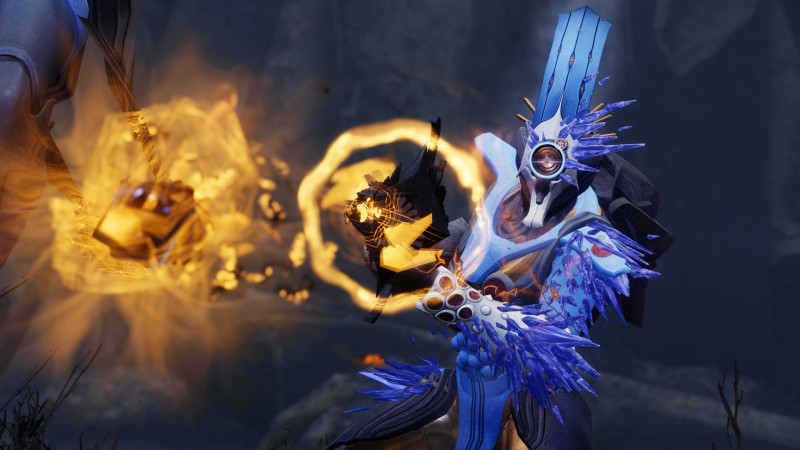
The new prismatic subclasses – alongside a range of other new abilities – make this expansion the most mechanically complex the franchise has yet dared. Build-crafting and experimentation are necessities for high-level play. Despite some efforts to simplify, the glut of currencies and interwoven progression systems has grown painfully convoluted even for veteran players. It’s hard to even imagine how a newcomer would pierce the veil and get up to speed.

Nonetheless, Bungie deserves props for trying to explain systems in-game and providing guidance on how to improve. Alongside some awesome new exotics and legendary weapons (that almost feel like exotics), players have an enormous array of options to tweak and play how they want. The sandbox is vast, and we have plenty of unique ways to play inside.

Some new systems, like the new Pathfinder system, are fascinating ideas that nonetheless remain too prescriptive, often demanding styles of play that some players aren’t interested in trying. That said, many of the new public events, matchmade activities, and post-campaign missions are fun and thoughtfully built to allow for extensive and enjoyable replay. Many of the current high-tier activities, including the new raid and certain gear chases, are extremely challenging, and should offer a meaningful mountain to climb for most endgame players for many weeks ahead.

As if to remind players that one story’s conclusion is just the start of another, The Final Shape wasted little time in launching its new episodic structure to replace seasons. The full reach and potential of that new rollout approach goes beyond the scope of this review and will stretch into future months. However, it’s enough to know that a pleasing follow-through already awaits those who smash through the saga’s ending and are ready to keep going, with new activities and rewards, like exotic class items, waiting to be chased.

Over the years, Destiny 2 has ballooned into a massive and unwieldy beast, filled with cooperative and competitive experiences, hundreds of named characters and organizations, and an often-unapproachable vernacular that can take a long time to learn to speak and play. With The Final Shape, Bungie makes no apologies for the complexity but does finally offer purposeful punctuation to mark an endpoint. Largely unencumbered by what has come before, the frontiers ahead are now open to be revealed.

  GI Must Play

Score: 9

About Game Informer's review system

Purchase