This is default featured slide 1 title

Go to Blogger edit html and find these sentences.Now replace these sentences with your own descriptions.This theme is Bloggerized by Lasantha Bandara - Premiumbloggertemplates.com.

This is default featured slide 2 title

Go to Blogger edit html and find these sentences.Now replace these sentences with your own descriptions.This theme is Bloggerized by Lasantha Bandara - Premiumbloggertemplates.com.

This is default featured slide 3 title

Go to Blogger edit html and find these sentences.Now replace these sentences with your own descriptions.This theme is Bloggerized by Lasantha Bandara - Premiumbloggertemplates.com.

This is default featured slide 4 title

Go to Blogger edit html and find these sentences.Now replace these sentences with your own descriptions.This theme is Bloggerized by Lasantha Bandara - Premiumbloggertemplates.com.

This is default featured slide 5 title

Go to Blogger edit html and find these sentences.Now replace these sentences with your own descriptions.This theme is Bloggerized by Lasantha Bandara - Premiumbloggertemplates.com.

Saturday, September 30, 2023

EA Sports FC 24 Review - Squad Overhaul

EA Sports FC 24

Reviewed on: Xbox Series X/S
Platform: PlayStation 5, Xbox Series X/S, PlayStation 4, Xbox One, Switch, PC
Publisher: EA Sports
Developer: EA Canada

Following its split with soccer's governing body, EA Sports’ FIFA series is no more, but make no mistake: EA Sports FC is a solid game with a host of welcome improvements. The bones of this longtime franchise remain sturdy and familiar, like a well-run club. The suite of changes to Ultimate Team makes for a satisfying squad overhaul, and manager and player career modes gain smaller, welcome updates. 

Gameplay remains largely the same: solid and familiar. The biggest change is the feel of the ball – it’s loose, with matches tending to have more 50/50 moments, and it’s wonderful. These loose-ball situations add to the storylines of the matches and moments. It’s empowering when cover star Erling Haaland snatches a ball acrobatically out of the air to finish a play. It all feels more true to life and purposeful. There’s a controlled chaos in these situations that makes the game a little more realistic than last year’s. I enjoyed it and the more methodical pace of games, which, in turn, makes star players stand out more. 

The new PlayStyles feature improves EA Sports FC 24’s gameplay. Players can unlock special abilities for select soccer stars to mold them to their playing style and give them an advantage. This means special animations for clean tackles, power shots taken more quickly, or wingers getting an extra sprint boost to leave defenders behind. It is satisfying to use players like Trinity Rodman, who are quick and have the ability to beat a defender with pace just like she does in real life, or ping a driven pass 30 yards to someone’s feet.


 

This is also the best the series has looked. The animations are more fluid and realistic. If you watch Haaland on TV, you’re going to notice how he kind of hops before swinging his arms, arching over, and sprinting like a human battering ram. Liverpool’s Darwin Nunez looks like a gazelle thumping quickly, powerfully, chaotically, and purposely. Their video game counterparts move similarly, which ups the realism. Even the kits, updated for this release, move more authentically as they bounce off of players. However, sometimes, the shirts bounce in a comical way, pulling you out of the immersion. Another tiny change is how authentic stadiums and crowds feel, with flags waving and crowds rowdier and louder than ever. And if you make a mistimed tackle, you watch the ref in first-person mode run to your player before deciding his fate. These little details add up in a positive way. 

EA’s most significant upgrades are in Ultimate Team with a large swath of meaningful changes, including one substantial addition: Women are now a fully integrated part of the mode. Stagnation set into the mode over the last two years thanks to a lot of the same players being featured and the fact that you had to grind countless matches to unlock players that usually aren’t as good as who you can earn by opening packs. Adding the women has reinvigorated my interest — and my playtime. 

I formed a team with Rodman and Alexandra Popp on each wing and felt nothing but glee as I rampaged down each sideline, providing crosses for Haaland and scoring wonder goals with the outside of their boots. What a great way to inject the “fantasy” into Ultimate Team in a gratifying and equitable way. 

Unlike EA’s NHL Ultimate Team mode, the women fit seamlessly and handle well against their male counterparts. Sure, not all women goalkeepers are very tall, causing a disadvantage for some shot-stopping, but I haven’t noticed it too much with my 5’ 9” Canadian goalie, and my women wingers have dominated with their pace. 

And then there are UT Evolutions. I run multiple teams in UT that are all pretty solid, but sometimes less popular leagues and teams (such as Team USA) don’t get a lot of new or powerful cards. You can make up for some of this with skill, but an 80-rated center-back is gonna have a tough time with a 90-plus striker. 

The new Evolutions aspect of UT makes it so you can upgrade your favorite players’ skills, traits, and even proficiency with their weaker foot. It’s a joy to upgrade players, and I can’t wait to keep squads competitive this way. 

Less exciting is one of the Evolutions is already behind a paywall. It’s obscene to spend 50,000 in-game coins or real money via 1,000 FC points (just under $10) on it; you just don’t earn enough unless you dump a lot of hours into the mode each week. Of course, EA wants players to spend more money for better teams. Grinding can only get you so far if lady luck is on your side. It’s an annoying aspect inherent to card-collection modes like this; it isn’t getting any better and just outright feels bad. It’s also disappointing if you have a tradeable card to upgrade, as once you begin upgrading it, you can no longer sell it. Everything feels against you unless you spend more cash, and I don’t like any part of it. Thankfully, microtransactions are only an issue in this one mode.

In spite of that, the addition of the women and Evolutions brings the fantasy of Ultimate Team to life. Players with multiple positions also don’t require a position change card to move from a striker to, say, a left-wing position and keep chemistry – which adds to their speed, shooting, or other stats – this year. This makes team building and tactics less rigid and provides a breath of fresh air. 

Lesser updates have been applied to the manager and career modes, but adding new features to both is welcome, even if neither is impressive. 

Manager mode has a new aspect where you hire coaches to make your team more proficient in a tactical vision like wing play or parking the bus on defense. But hiring coaches isn’t the most exciting feature. Sure, you can improve your midfield with the right personnel, but between managing this and my players’ stamina each week, it just doesn’t do enough to hold my interest for more than a season. When I simulated games, it seemed like my team never cared about my tactics anyway, which just made the experience flat and pointless. 

The player career is slightly more fun as you upgrade your avatar with the new PlayStyles, turning them into a bona fide superstar. But again, the experience doesn’t do enough to hold my attention. Going from FIFA to EA FC could have been a great opportunity to do even more with these modes or bring back a story mode. As such, it is nice to have these updates, but Ultimate Team boasts the greatest changes, which seems like a missed opportunity to usher in the name change. 

Sadly, Volta remains a forgettable diversion; it just doesn’t hold your attention well. It’s a messy, bad arcade version of soccer with uneven power-ups. Playing futsal and street soccer is fun, but Volta doesn’t recreate the control and pace of the real thing, instead opting for avatar customization and leveling that devolves into just being able to run fast and score ridiculous goals. 

Dropping the FIFA license doesn’t make this a better or worse game. If you’re already a fan of EA’s soccer showpiece, you’re going to enjoy the rebranded EA FC, even if every mode wasn’t transformed like Ultimate Team. And honestly, since every major soccer game has fallen off or isn't made anymore, EA’s soccer title is the best one available by default. 

It isn’t perfect, but EAFC has sucked me back into a mode I was about to give up on, has some of its slickest soccer to date, and hasn’t missed a beat in its transition to a new name. But it misses a chance to usher in its new era with something bold, deciding to remain mostly true to form. And that’s a shame. Regardless, I’ll be pinging passes with Rose Lavelle for months to come.

Score: 7.5

About Game Informer's review system

Purchase
Thursday, September 28, 2023

Cocoon Review – Molecular Mystification

Reviewed on: PC
Platform: Xbox Series X/S, Xbox One, Switch, PC
Publisher: Annapurna Interactive
Developer: Geometric Interactive

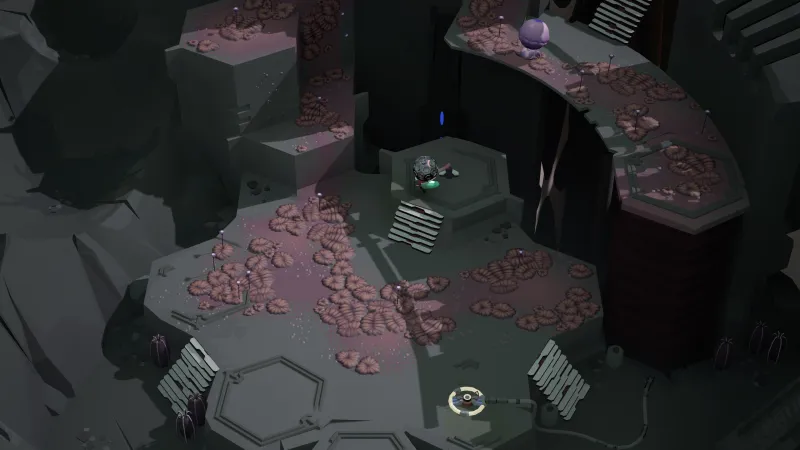
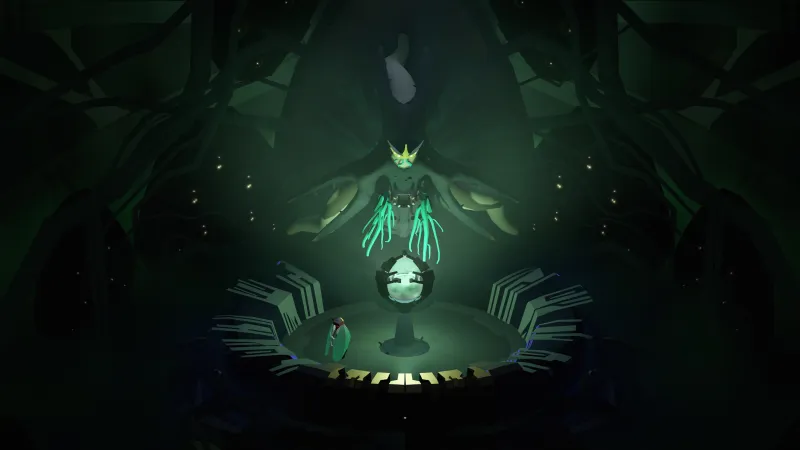
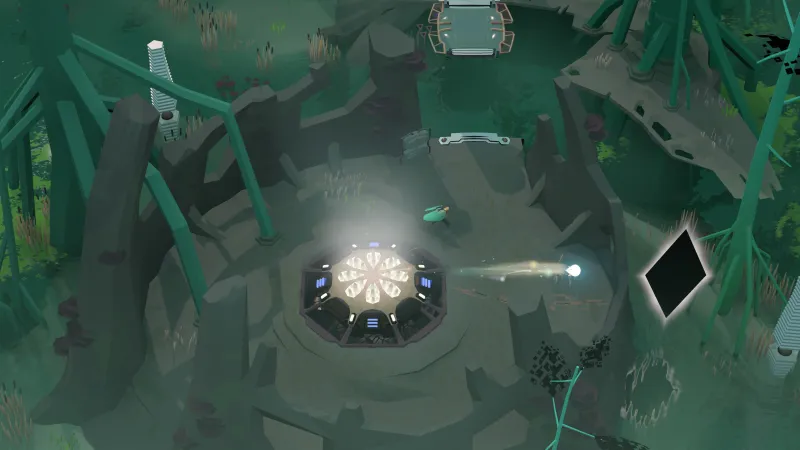
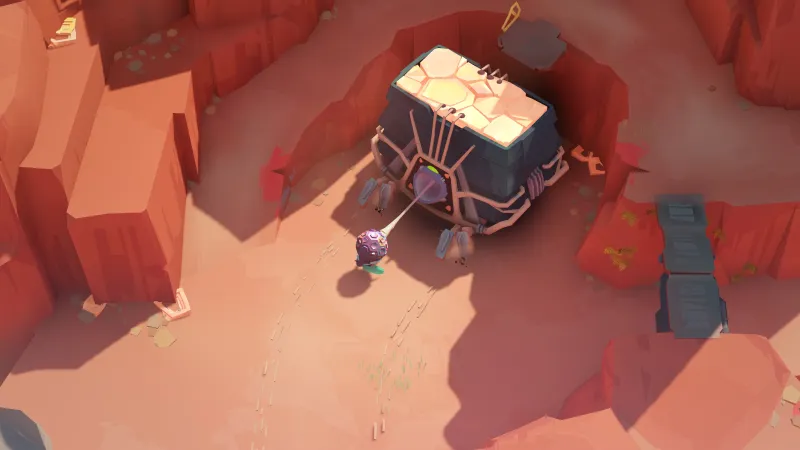
The abstract environmental puzzle game has become its own genre in recent years, with some telling stories that are strange but easy to parse and others being so opaque that the player can ascribe almost any meaning to what is transpiring on screen. On this difficult-to-define spectrum, Cocoon lands on the latter half of the scale. I basically never had any idea why I was doing what I was doing or what the larger goal was, but I didn’t mind for a moment because the puzzles scratch your brain so effectively that I was always eager to complete whatever strange task it put in front of me.

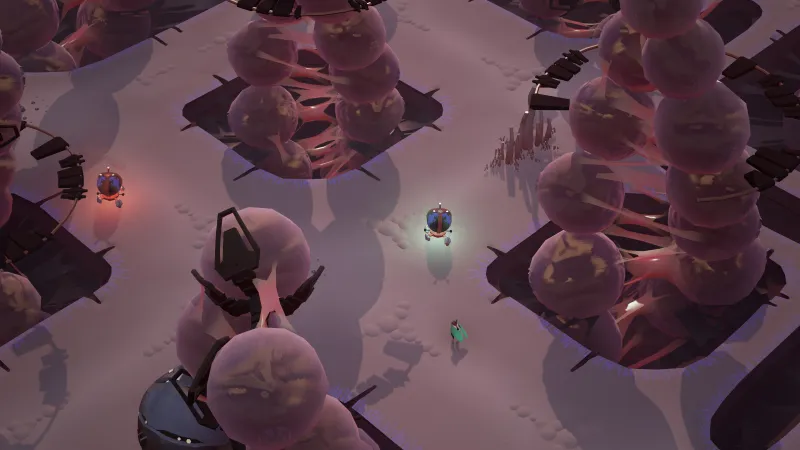
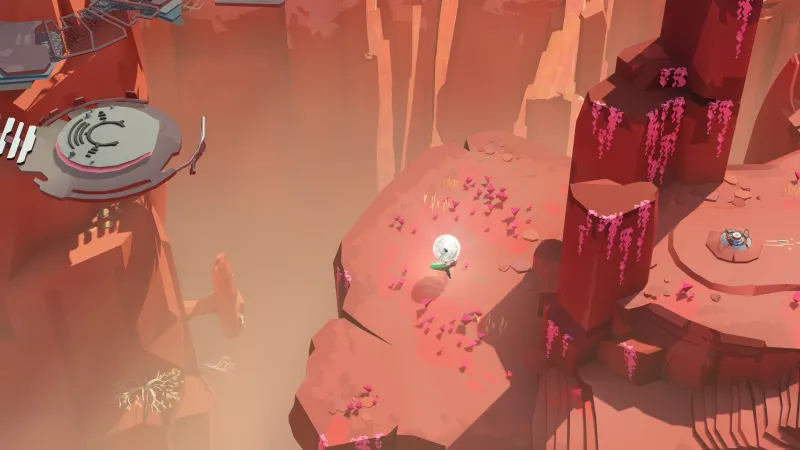
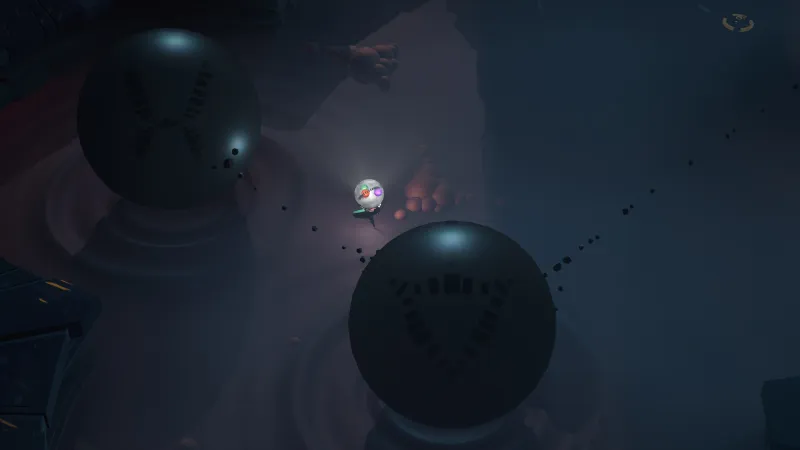
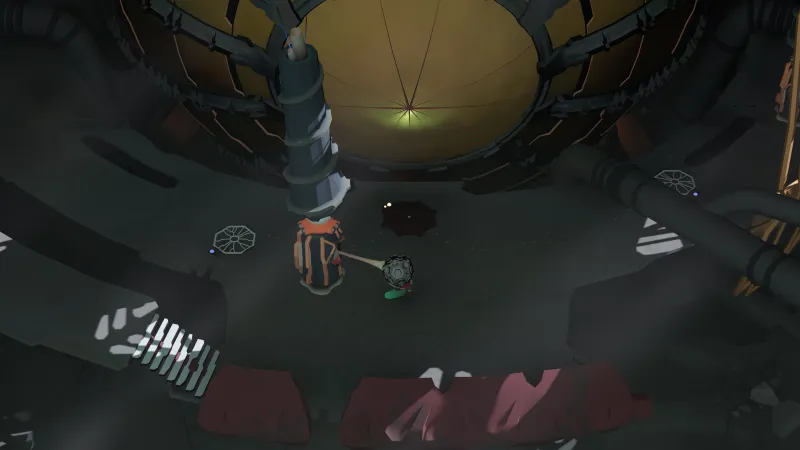
In Cocoon, you are a winged bug creature with limited flight abilities who must move marble-like globes from point to point. Simply moving the protagonist around the world feels fantastic, and engaging with the world is simple. You don’t jump or attack enemies. Every interaction is handled with one button. The fluidity of movement and simplicity of engagement leave you to fully concentrate on the puzzle task and take in the always impressive animation of the environment and various creatures that inhabit it.

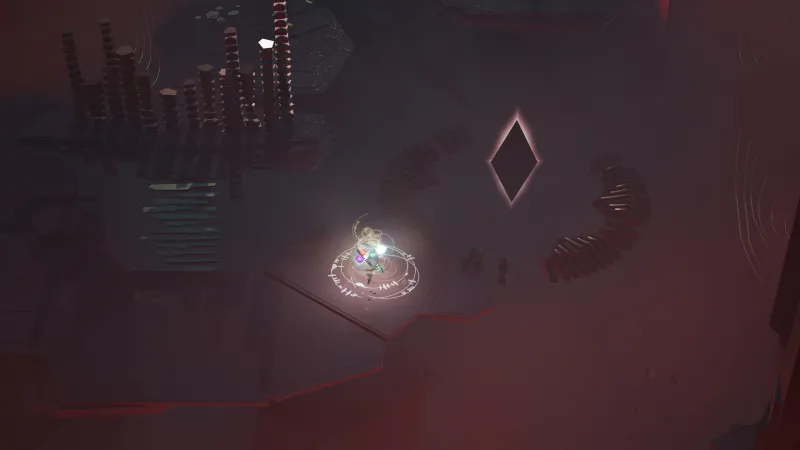
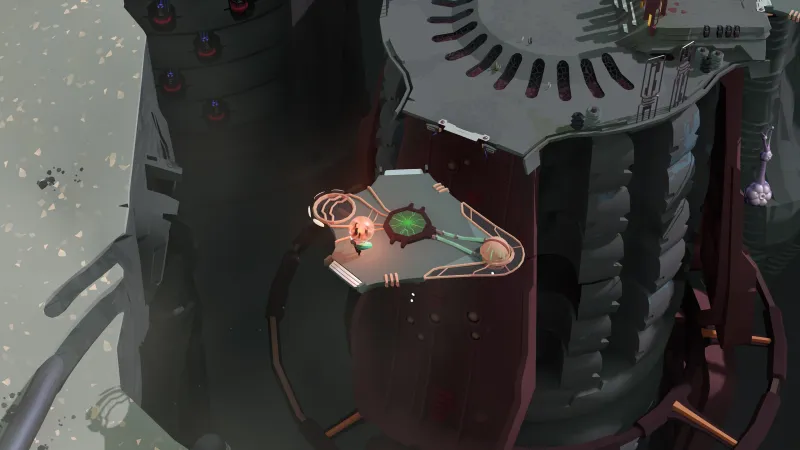
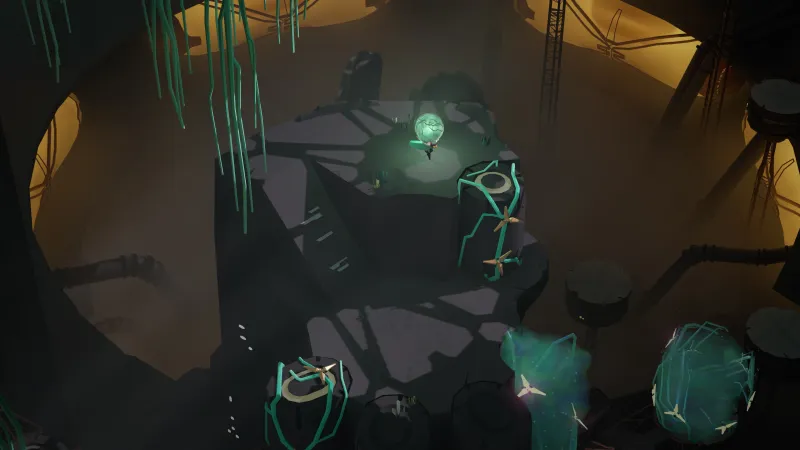
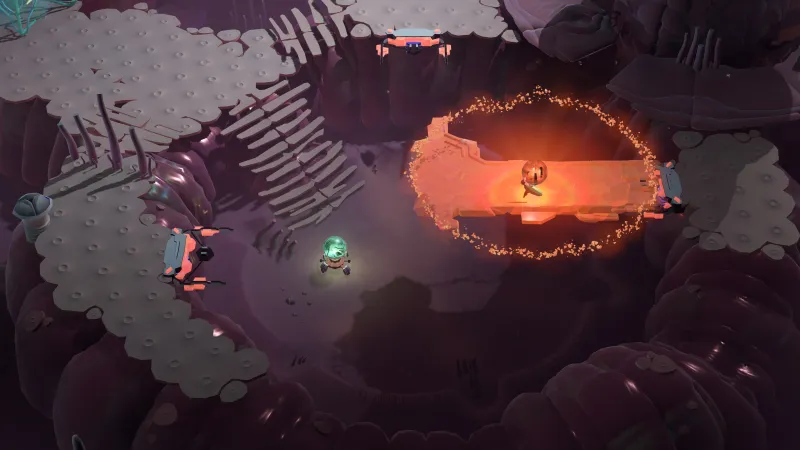
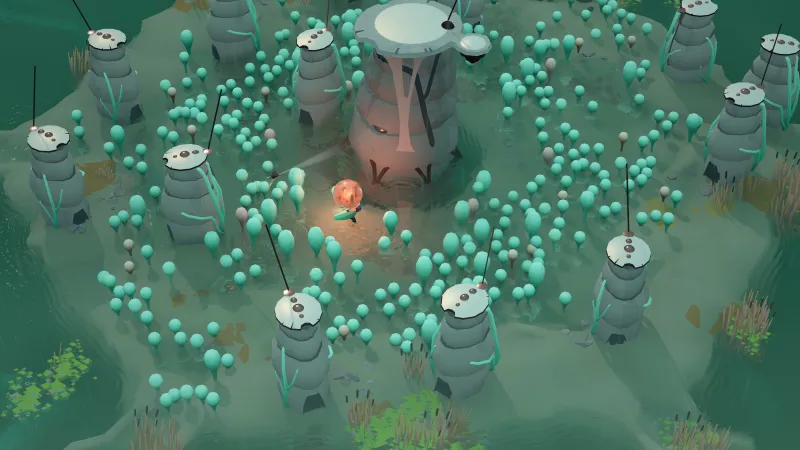
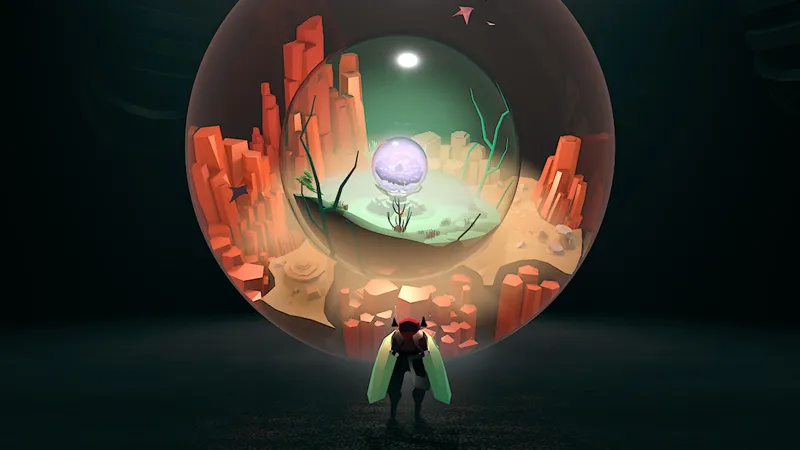
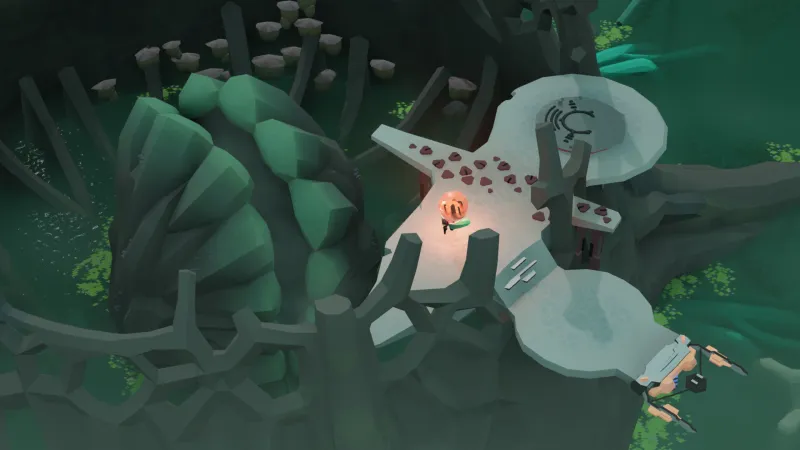
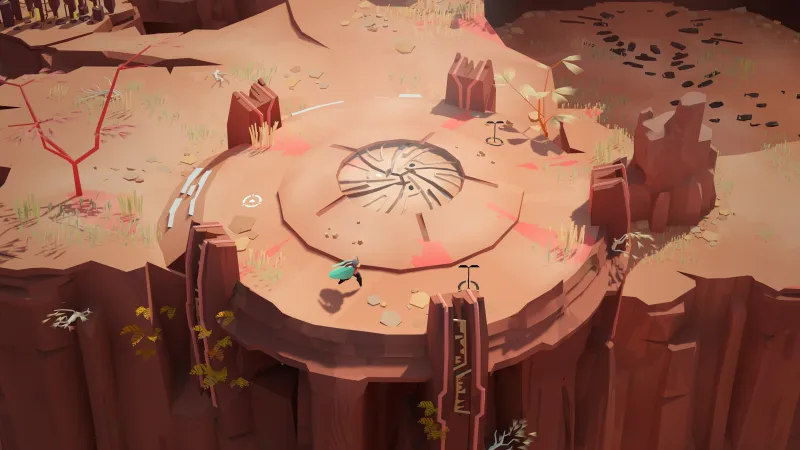
The core hook of Cocoon is the globes your character can pick up and move. Each globe contains a world within it, and the process of moving through the game and solving its puzzles involves jumping into and out of these worlds, taking advantage of the abilities they offer while you hold them. The orange globe, for example, makes certain paths appear, and the green globe lets you move up and down certain platforms. The puzzle-solving emerges from figuring out how to carry the globes you need into the correct worlds. Cocoon impressively manages this potentially brain-breaking puzzle mechanic without ever getting too complicated and making you feel like you’re climbing deeper and deeper into an ever-shrinking series of worlds.


The one frustration from this process is that solving a puzzle often builds to knowing where and how you need to position your globes and carrying them one at a time to their destination. Thankfully, it never gets too tedious, but there are a few instances where I felt I was going through a motion to finish a puzzle as opposed to arriving at a moment of brilliant catharsis.

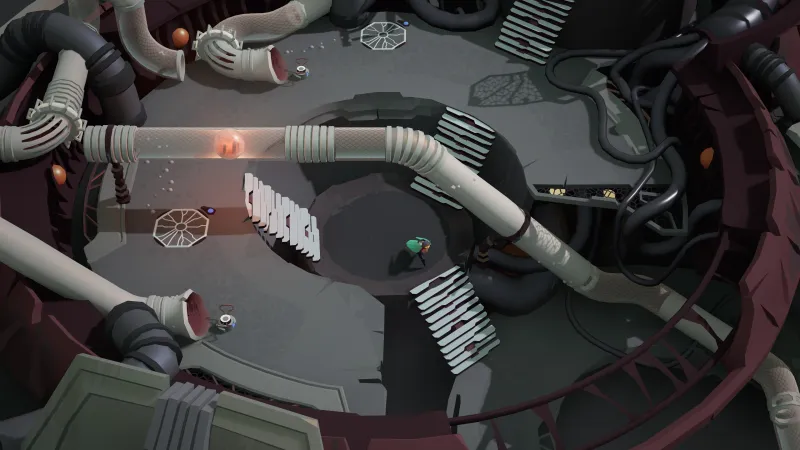
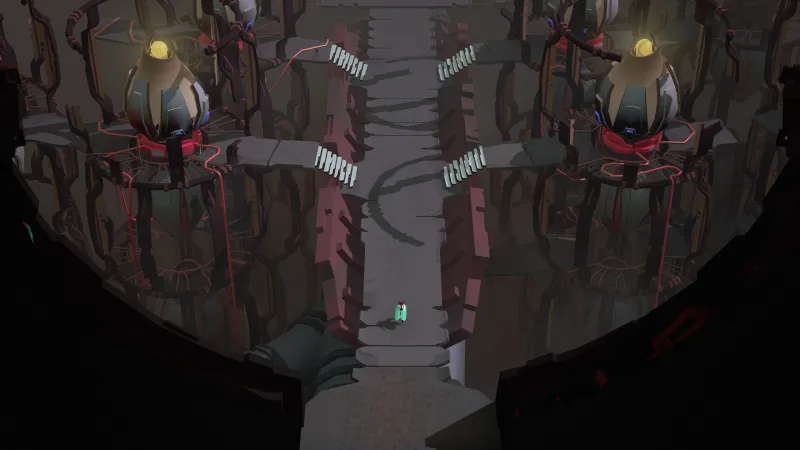
Despite the abstract art direction, which pushes you through a series of strange, seemingly organic structures, I never found myself in a position where I wasn’t sure which direction I needed to go. Environmental clues, or the occasional key that floats alongside you, help tell you which direction to head toward. I always felt like I was making progress and never banging my head against a puzzle I didn’t understand.


A few boss fights break up the puzzle-solving, and I always looked forward to meeting them. It is in these instances where the experience gets closest to resembling an action game. You’re not so much attacking an enemy in the traditional sense but rather making sure to be in the right position until they are defeated. I enjoyed the challenge of every boss encounter and breaking down how to overcome them.

Perhaps Cocoon’s biggest triumph is its pace and how well it hands out new globe-based abilities all the way up to the end. The game excels at making you an expert on how to use a specific ability to solve a puzzle and then continue to use that ability in tandem with the new ones you’ve discovered. World-hopping certainly has the potential to get over-complicated, but Cocoon shows restraint in the interest of creating a better puzzle game, and it pays off. I don’t know that I will ever fully understand what transpired during my molecular journey on Cocoon’s alien world, but its imagery and puzzles will stay with me for some time.

GI Must Play

Score: 8.75

About Game Informer's review system

Purchase
Super Bomberman R 2 Review - A Disappointing Dud

Reviewed on: Switch
Platform: PlayStation 5, Xbox Series X/S, PlayStation 4, Xbox One, Switch, PC
Publisher: Konami
Developer: Konami
Rating: Everyone 10+

Gaming franchises need to evolve to stay relevant. Whether it's expanding on certain mechanics or overhauling quality-of-life features, any great series that's been around as long as Bomberman is forced to make changes or be left in the dust. Unfortunately for Super Bomberman R 2, the changes it makes to the formula are mostly unsuccessful. While games with your friends can be thrilling, online play is hit-or-miss, and its story mode is a huge letdown. I respect Konami for trying new things with Bomberman. In this case, it just turned out to be a misfire.

First, a disclaimer. I primarily reviewed the game on the Switch. When I booted it up, however, I was taken aback by the poor graphics. Textures are notably blurry, the lighting is flat, and shadows are pixelated. The first Super Bomberman R – a launch title for the Switch – looks much better in comparison. The difference between the Switch and PlayStation 5 versions is night and day. Performance-wise, the games feel the same, but if you want decent-looking visuals, especially in the story mode, I'd recommend any non-Switch version.

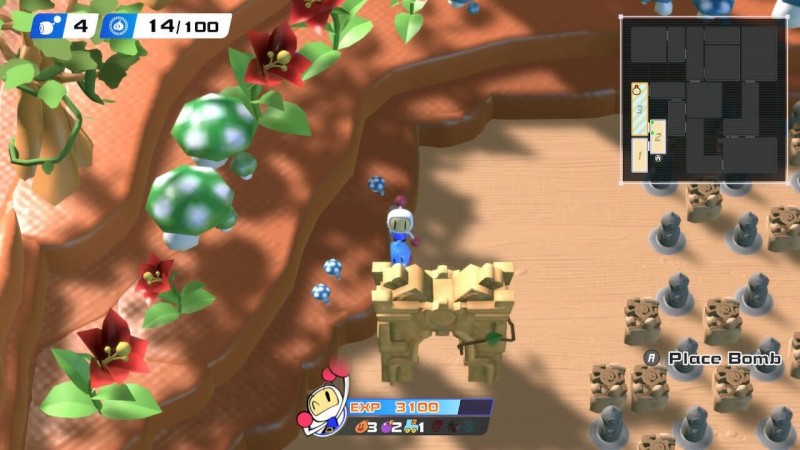
A screenshot of Super Bomberman R 2 on switch. Blocky mushrooms like those on the left are commonplace on the first planet.

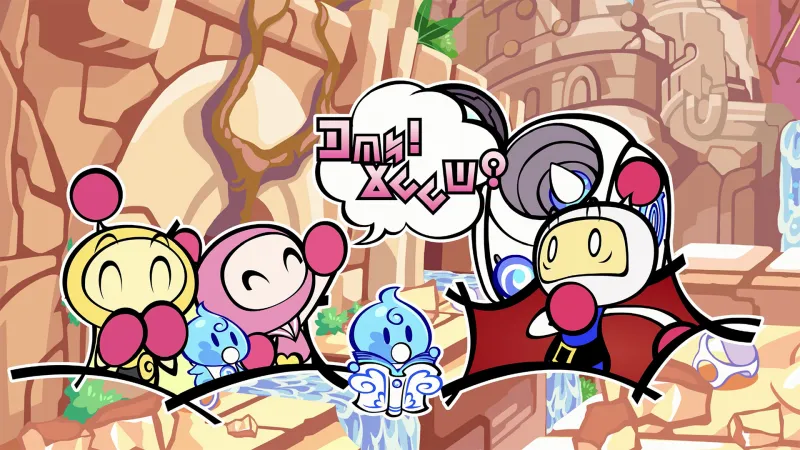
The main story is the worst part of this game. It opens with a series of cutscenes introducing the protagonist, White. He lives with the other seven Bomberman siblings, each of which is written with the explicit purpose of annoying him. The writers have done such a great job at making them annoying that I found these cutscenes excruciating, and would have skipped as many as possible if not writing a review. It doesn't help that lines are read slowly, with over-the-top performances that get old immediately. The gist of these cutscenes is that a mysterious Black Moon is attacking planets, and the Bomberman crew is off to stop them.

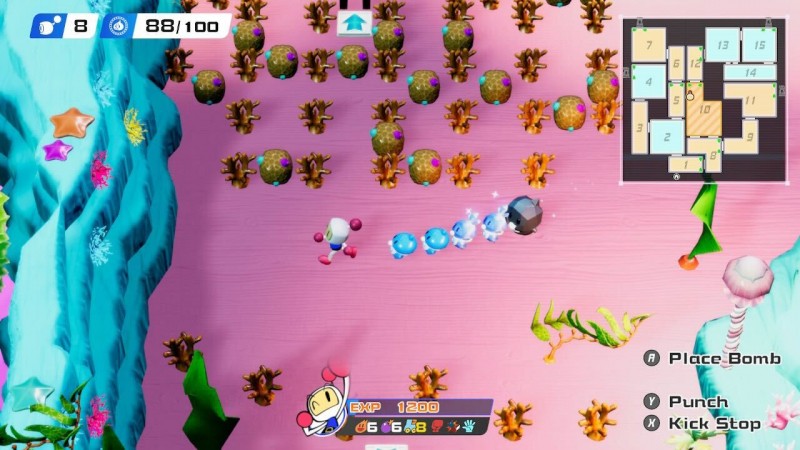
The gameplay of story mode attempts to fuse classic Bomberman gameplay with a pseudo-open-world design. As you explore three different planets, you find cute little creatures called Ellons that have the ability to power technology. Up to five can follow you, and you use them to unlock fast travel points, but they can also be killed by your bombs, so you must keep them close to avoid getting hurt. Meanwhile, your total Ellon count is used to open gates to new areas or enemy bases. The hunt for Ellons gets stale quickly for a simple reason; Bomberman's toolset is not designed for exploration.

As you destroy blocks, you level up to gain experience and unlock new powers, but most of these powers don't mesh with the design of this mode. While the abilities to punch bombs over walls and move faster are both useful, increasing your bomb's explosion size often felt like an inconvenience, rather than an upgrade. Unfortunately, you get no say in which abilities you want to upgrade, because they're automatically unlocked at certain levels.

In a party game, comically large explosions are fun, even when they result in self-destruction. If it makes you angry, you can jump right back into a new match seconds later. But in story mode, explosions kill any Ellons following you, and if you're out of lives, you must retrace your steps through areas you've already played. Because of this dissonance between player ability and world design, the bulk of the story is frustrating at worst and boring at best.

The one part of the story mode that kind of works is also Super Bomberman R 2’s main innovation – Castle Mode. Players design a base to guard their treasure, setting up walls and hazards they normally encounter out in the world. By the late-game sequences, I was happy with my base, as I'm pretty sure I constructed an area the A.I. was literally unable to access. I'm not sure if that was the intended experience, but it was a glimpse of joy amidst an otherwise annoying game mode.

You can also raid enemy bases, but there's an added level of difficulty there. Konami has translated the Bomberman siblings' irritating nature into a gameplay mechanic, and while it might seem like they're on your side during these raids, if they reach the treasure chest first, you lose. It's an odd decision that I didn't process for the first few raids, but I admire the consistency between the characters' personalities and their in-game disruption. Still, this added obstacle frustrated me more than it engaged me.

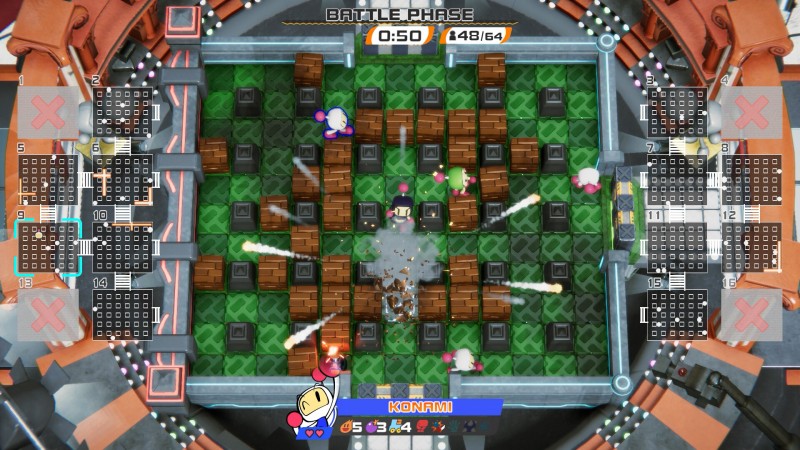
Luckily, the game is more than just its story mode. Competitive battle modes make a return as well, and you can play both locally and online. The highlight is the Battle 64 mode, which originated in the now-defunct Super Bomberman R Online. Similar to games like Tetris 99 and F-Zero 99, it pits you against 63 other players in a series of interconnected stages. As a solo player playing online, this mode was the most consistent fun I had.

A Steam Screenshot of Battle 64 mode.

It also features standard mode, crystals mode, castle mode, and more, but if you want to play online, you'll only be able to play whatever mode is available in the current window. For example, today I could only play Battle 64 mode from 8-11 AM, Standard from 1-2 PM, and Crystals from 2-3 PM. I also had some issues with encountering human players. In the Standard window, for instance, I matched with the same person three times in a row, and we were the only two people (out of the usual four) in the lobby. They were also way better than me, but I had no choice but to play them in a one-on-one battle. Despite that experience, online play can be enjoyable, but it gets repetitive being locked into a single mode for hours at a time. With a smaller player base, I understand why Konami needs to funnel them together for a better online experience, but that doesn’t make it fun in practice.

Super Bomberman R 2’s best parts are the ones carried over from older games in the series. Messing around with friends in local and online matches is still fun, and if that's all you're interested in, it's a fine enough experience. Unfortunately, that’s a small portion of the game, making it hard to recommend.

Score: 5.75

About Game Informer's review system

Purchase
Wednesday, September 27, 2023

Resident Evil 4 Separate Ways DLC Review - Go Your Own Way

Reviewed on: PlayStation 5
Platform: PlayStation 5, Xbox Series X/S, PlayStation 4, PC
Publisher: Capcom
Developer: Capcom

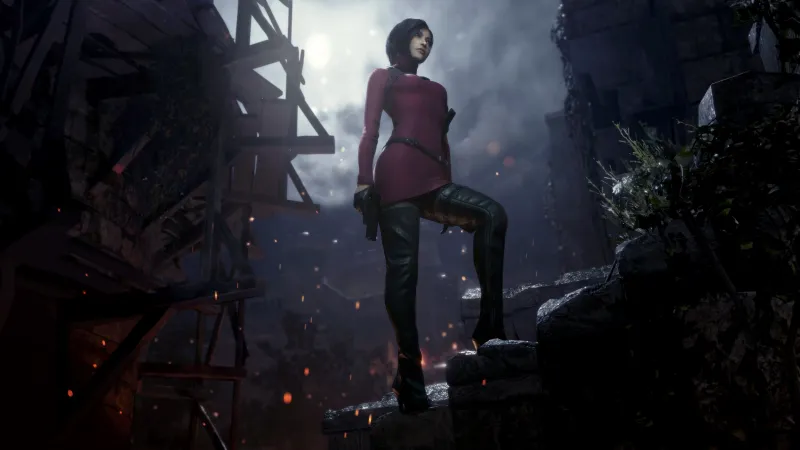
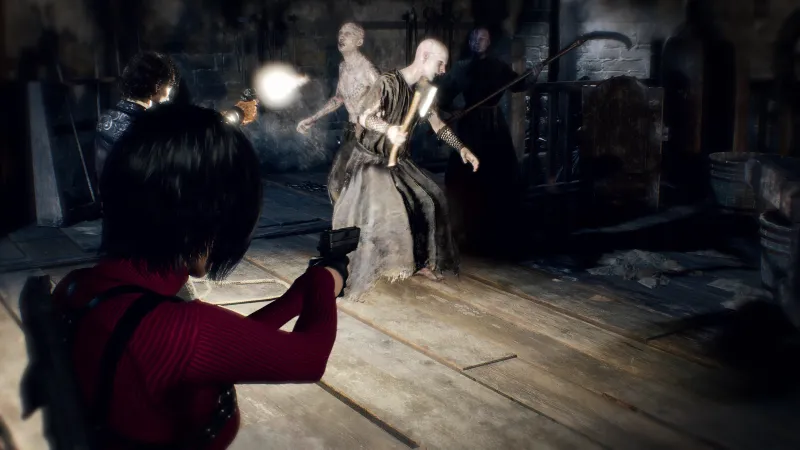
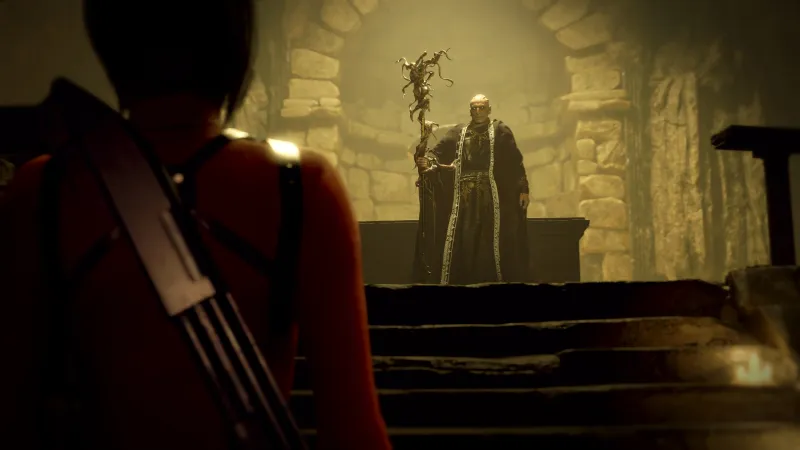
Capcom released Resident Evil 4 remake earlier this year, and despite missing some of the original’s most memorable moments, it was a deserved critical hit. It’s a fantastic, updated reimaging of Leon’s original horrific adventure through an approximation of rural Spain. Separate Ways is represents a different remake, putting players in control of Ada Wong and reexamining the expansion initially added to the PlayStation 2 version of Resident Evil 4 in 2005. The DLC lets players see the story from a new perspective, fill in some narrative gaps, learn more about Ada and Wesker, and offers new mechanics. But it mostly functions as a reminder that the Resident Evil 4 remake is a very, very good video game.

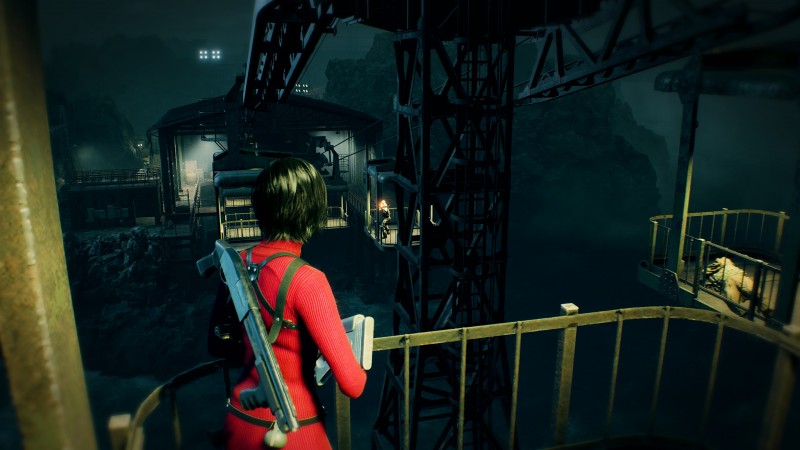
For the most part, Separate Ways plays identically to the base game. Ada uses similar weapons to Leon, carries a comparable attaché case, and is, presumably, the merchant’s only other customer. She does, however, carry a grappling hook. Alongside looking cool in cutscenes, it also lets Ada reach certain vantage points and positions Leon can’t. It doubles as both a new, fun way to move around and explains why she’s able to move through the adventure in only about six hours when, theoretically, she has the same starting and finishing line as Leon.

The best part of the grappling hook, however, is its combat functionality. Ada is able to execute melee attacks on downed enemies from a distance and can even pull shields away with an optional upgrade. The grappling hook doesn’t change Resident Evil 4’s excellent combat dramatically, but flying through the air to kick an enemy as opposed to simply walking up to them is undeniably cooler.


The other exciting advantage of Separate Ways is it adds a few sequences from the original game that didn’t make it into the remake. The giant Salazar statue chase is sadly still missing, but without spoilers, seeing the few parts that didn’t make the cut the first time finally make an appearance is thrilling. If you’re a fan of the original game and were disappointed that not every moment was recreated, Separate Ways will make you especially happy.

The best thing about Separate Ways is having the opportunity to revisit the Resident Evil 4 remake again in shortened summary form. Some additions exist, like getting to see more of Ada dealing and working with Albert Wesker, which is only teased in the main game. Learning more about their relationship is fun for longtime Resident Evil fans, and I also enjoyed spending more time with Luis, who continues to be improved over his original characterization. Separate Ways isn’t wholly unique, however. Ada has many of the same combat scenarios as Leon, and while getting to see memorable moments from a new perspective is fun, it doesn’t reexamine the story or action in an impactful way. The DLC functions as a fun extension of the main game but isn’t one to play in lieu of the primary adventure. But any excuse to play more Resident Evil 4 remake is one I am eager to attach my grappling hook to and fly toward.

Watch us play the opening hour of Resident Evil 4 remake's Separate Ways DLC.

GI Must Play

Score: 8.75

About Game Informer's review system

Purchase

Tuesday, September 26, 2023

Payday 3 Review - A Turbulent Yet Successful Heist

Payday 3

Reviewed on: PC
Platform: PlayStation 5, Xbox Series X/S, PC
Publisher: Deep Silver
Developer: Starbreeze Studios
Rating: Mature

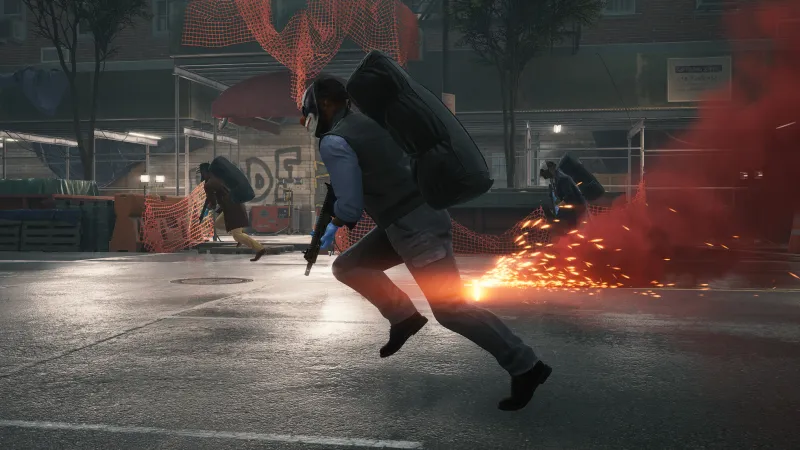
The Payday series has always entertained using a mixture of competing gameplay mechanics. Going from an engaging yet sometimes confusing heist-based simulation to a chaotic Left 4 Dead-inspired shooter, each title presented a wildly shifting mission structure that encouraged cooperative play. Payday 3 doesn't reinvent the wheel, as it offers many of the same core concepts found in the previous games. That said, some smart design choices and its fresh coat of paint help elevate it above this popular series' previous iterations. 

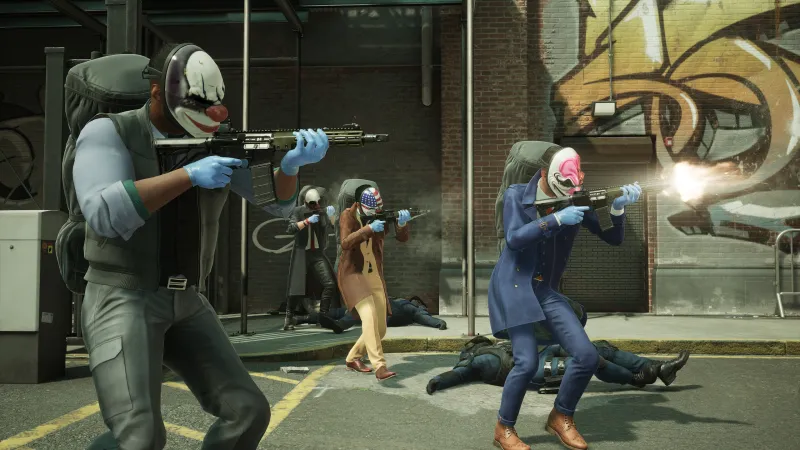
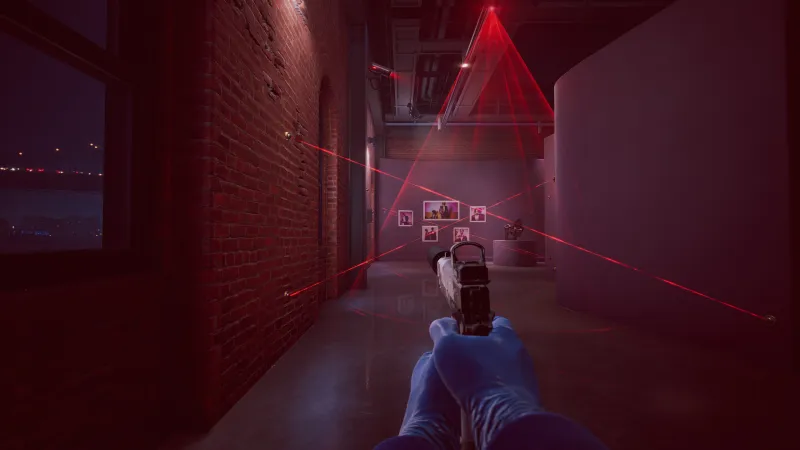
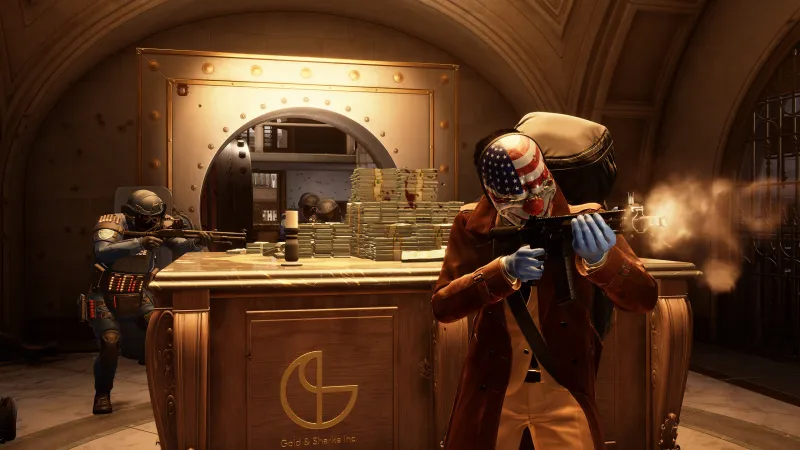
At first glance, Payday 3 might seem identical to its predecessors, especially regarding the multi-phased heists. Most start with you gathering information while posing as a "civilian," noting where the guards and cameras are. If the alarms trip or you're caught doing something illegal, a new phase begins, and your objectives change; you'll need to corral hostages while taking an alternative route to securing the loot as the police make their way to your location. Essentially, this is when all the shooting starts.
This gameplay loop will certainly be familiar to fans. What makes Payday 3 stand out, however, is how it circumvents the series' long-held difficulty issues. The previous Payday games struggled with balancing their vague objectives with touchy sim-like mechanics, often causing frustration and confusion for new and seasoned players alike. In older titles, it was bad enough when you didn't know what to do or where to go at a given moment, but having to deal with overzealous NPCs, who are alerted to your presence even when you aren't breaking the law, makes things worse. Thankfully, Payday 3 addresses this problem in several ways, most notably removing the more convoluted aspects of its heists.   


Gone are the pre-planning elements, the needlessly intricate objectives, and cumbersome hostage management systems. In their place are streamlined features that make it easier for players to understand what they need to do and have a clear means of handling a given situation. Instead of needing to yell at bystanders to get them to cooperate, the NPCs now recognize you pointing a gun at them and automatically submit. A few button presses later, and they'll either be tied up, following you, or used as a human shield – a new mechanic that comes in handy during firefights. 

Thanks to your handler, there's no need for planning (beyond learning a location's layout via repetition). She often gives suggestions to help you navigate Payday 3's labyrinthine maps. If that isn't enough, on normal difficulty, you can pull up clues pointing you toward that pesky wall safe or bank manager's computer.

When it comes to Payday 3's mission objectives, there are still plenty of things to do for players looking to take a stealthy approach. While casing a joint, you're given optional tasks ranging from stealing key cards to gain access to a room housing a building's security systems to using UV lights to identify the real version of a priceless painting. All but one of the heists have multi-layered steps that must be completed to get away clean. The difference here is that the objectives are simplified; instead of building a piece of equipment using parts scattered about a map, you pick up the bag carrying the item and drop it in the required location.

Pulling off a tough job under a hail of gunfire is exhilarating. Even more so when the crime goes unnoticed, and a crew absconds with the loot without firing a shot – a feat that can be accomplished more readily in Payday 3 thanks to these essential gameplay tweaks. Not only that, but almost everything else about Payday has also been improved. From the leveling and vendor systems – used to obtain new weapons, mods, gear, skills, and cosmetics – to the voiceovers and visuals. Even the bots have improved; they won't complete objectives but will drop supplies and enemies in a quick fashion. 


There are some rough edges to contend with. The various Cop/SWAT variants aren't always the smartest, the game has its share of bugs, and there aren't as many options for weapons early on. You get a decent long-ranged rifle early on (that you can eventually upgrade with a scope), but for a real bolt-action sniper rifle, you must wait until you hit level 43. Considering that after more than 10 hours of play and several successful heists, I could only reach level 24, reaching that prized rifle could take some time to accomplish. Still, none of these issues should prevent fans and newcomers from checking out Payday 3 once the early server issues are fully addressed; several updates have landed since launch, allowing folks to rejoin the action regularly. 

Payday 3's eight heists are as challenging as they are entertaining; the inevitable shootouts with the cops are frantic and fun, and the redefined objectives will make onboarding newer players easier than ever. At long last, Payday has become the Ocean's Eleven/Point Break hybrid its fans have always wanted it to be.

Score: 8

About Game Informer's review system

Purchase