This is default featured slide 1 title

Go to Blogger edit html and find these sentences.Now replace these sentences with your own descriptions.This theme is Bloggerized by Lasantha Bandara - Premiumbloggertemplates.com.

This is default featured slide 2 title

Go to Blogger edit html and find these sentences.Now replace these sentences with your own descriptions.This theme is Bloggerized by Lasantha Bandara - Premiumbloggertemplates.com.

This is default featured slide 3 title

Go to Blogger edit html and find these sentences.Now replace these sentences with your own descriptions.This theme is Bloggerized by Lasantha Bandara - Premiumbloggertemplates.com.

This is default featured slide 4 title

Go to Blogger edit html and find these sentences.Now replace these sentences with your own descriptions.This theme is Bloggerized by Lasantha Bandara - Premiumbloggertemplates.com.

This is default featured slide 5 title

Go to Blogger edit html and find these sentences.Now replace these sentences with your own descriptions.This theme is Bloggerized by Lasantha Bandara - Premiumbloggertemplates.com.

Wednesday, September 7, 2022

Splatoon 3 Review - Multicolored Mayhem

Splatoon 3

Reviewed on: Switch
Platform: Switch
Publisher: Nintendo
Developer: Nintendo
Rating: Everyone 10+

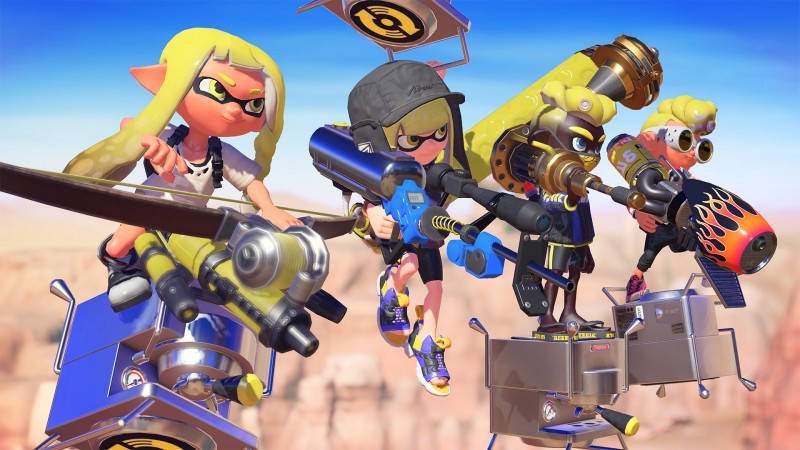
Since its debut in 2015, the Splatoon series has delivered unique, colorful gameplay cribbed by scarce launch content and disappointing time restrictions for specific modes. While post-launch content greatly bolstered both games to this point, I’ve always been disappointed by how little was initially on offer. Now on its third entry, the series may feel a bit less fresh, but Splatoon 3 remedies the series’ long-standing launch content woes while retaining all the fun that made the series such a success.

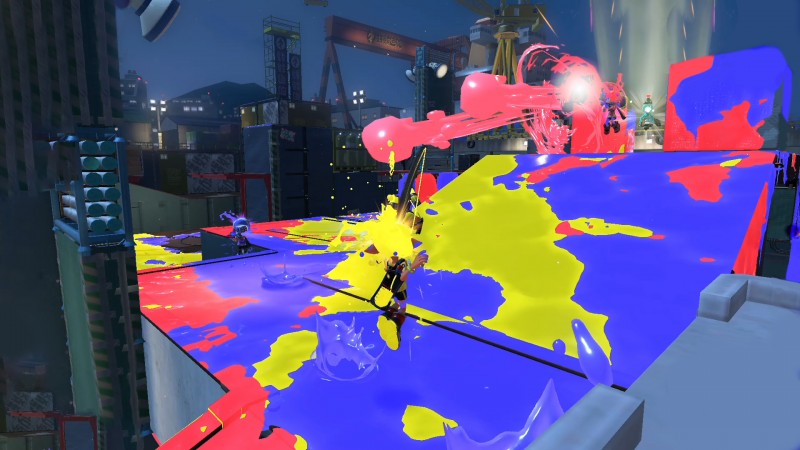
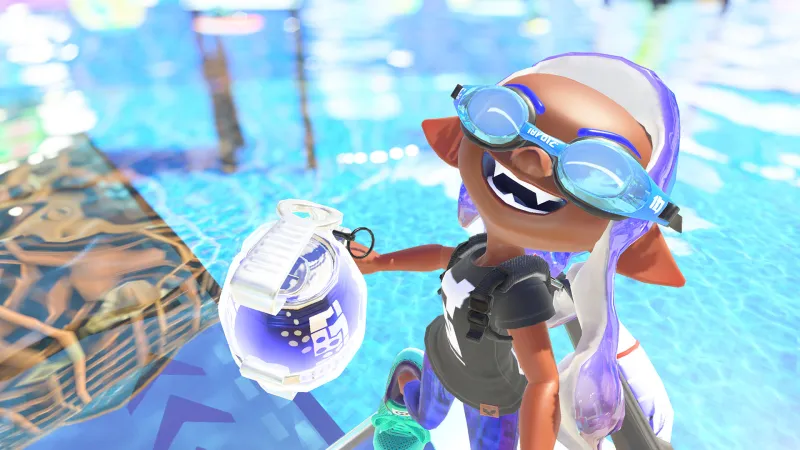
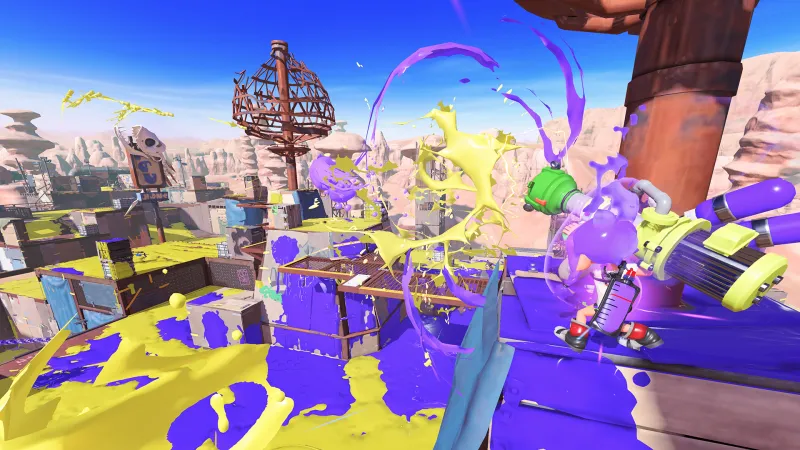
Stepping back into the stylish shoes of your custom Inkling feels great; splattering your brightly colored ink looks, feels, and sounds satisfyingly messy, particularly when you’re splatting an enemy. Few games match the smooth, intuitive mobility Splatoon gives you while submerged and cruising through a map. While Splatoon 3 provides more modes than ever, those core gameplay tenets carry over regardless of which one you play.

Splatoon’s competitive multiplayer, where two opposing teams battle to cover the map (and each other) with their color ink, is the destination for most, and that is where the added content feels most impactful. While maps unfortunately still operate on a timed rotation, the pool from which they are pulled is much deeper than previous launches; the 12 Turf War maps, consisting of both old and new stages, nearly match the launch total of the first two games combined.

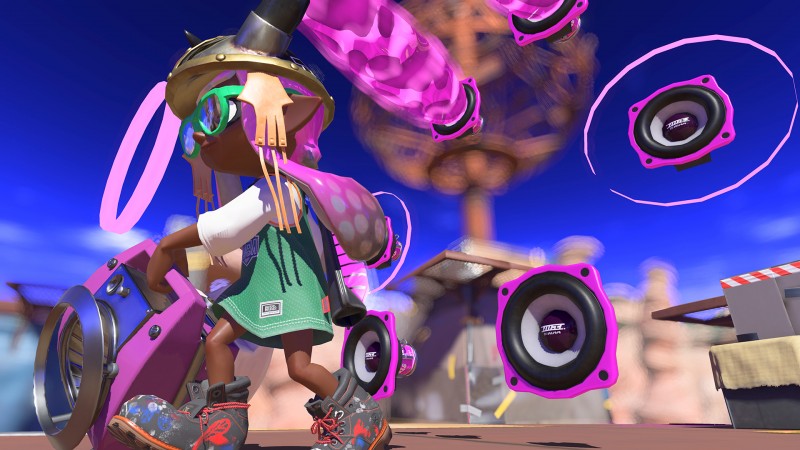
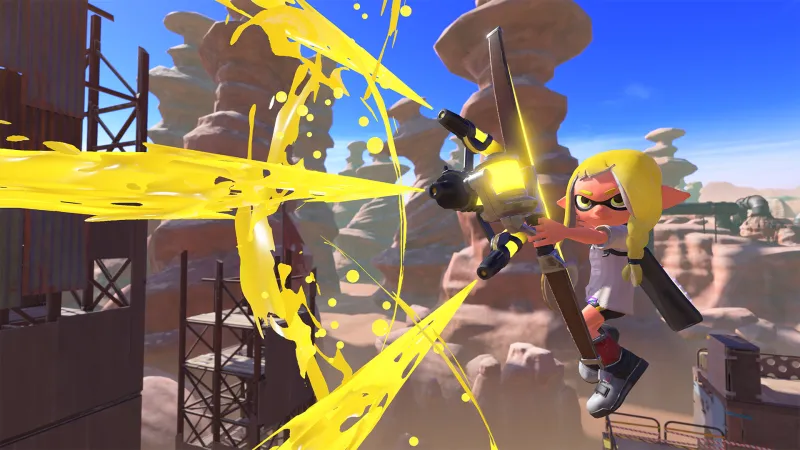
Splatoon 3 also carries forward the weapons from past games while introducing fun arsenal additions like a useful multi-target bow with rounds that explode when fully charged and the Splatana, which makes you feel like an ink-slinging ninja. Meanwhile, Splatoon 3 gives high-skill players new tools in the form of Squid Surge, a new wall-climbing burst, and Squid Roll, a shielded jump that lets you turn on a dime while swimming. Squid Surge is less valuable unless you’re climbing a tall wall, but Squid Roll, with its ability to chain together multiple moves in rapid succession, can alter the outcome of nearly any encounter if used effectively.

Much like previous games, the frantic pace of these three-minute matches makes them ideal for bite-sized gaming sessions while also appealing to those who fall into a “just one more match” mindset. The final minute, where the music ramps up and everyone tries to cover as much ground as possible (literally), remains an adrenaline rush in the race to splash more ink than the opposing team. That rush amplifies in the revamped Splatfests, which now include three distinct teams. Most of the experience remains unchanged, but the new Tricolor Turf Wars, where the four-player first-place team must defend the center position against two squads of two, shake things up. These intense matches require new strategies for everyone involved since the groups converge from opposite sides of the map.

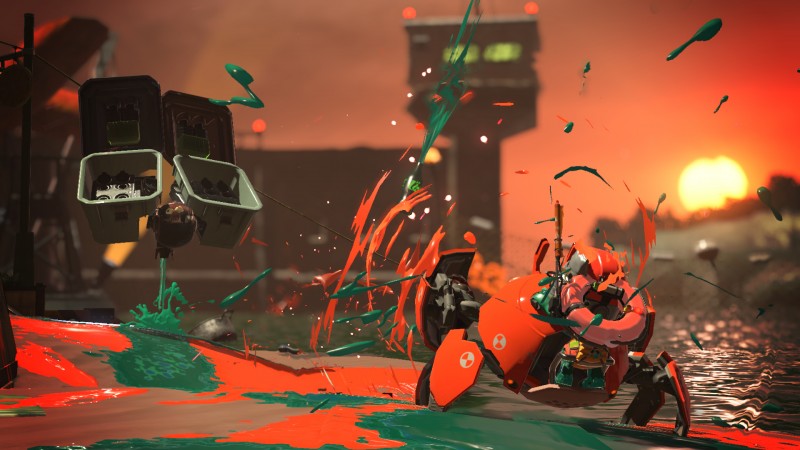
While the series is rightfully known for its competitive multiplayer, the other two main modes are also worthwhile components. Splatoon 3’s Salmon Run evolves the exciting wave-based cooperative PvE multiplayer experience by adding more bosses (all of whom require unique strategies to defeat) and the ability to throw the eggs you retrieve from them into the goal basket. Working together to defeat minions and retrieve enough eggs from fallen bosses to progress to the next round never ceases to excite. However, the biggest boon to this mode is that the arbitrary time restrictions from Splatoon 2 are gone in favor of the mode receiving the same 24/7 availability of the other pillars.
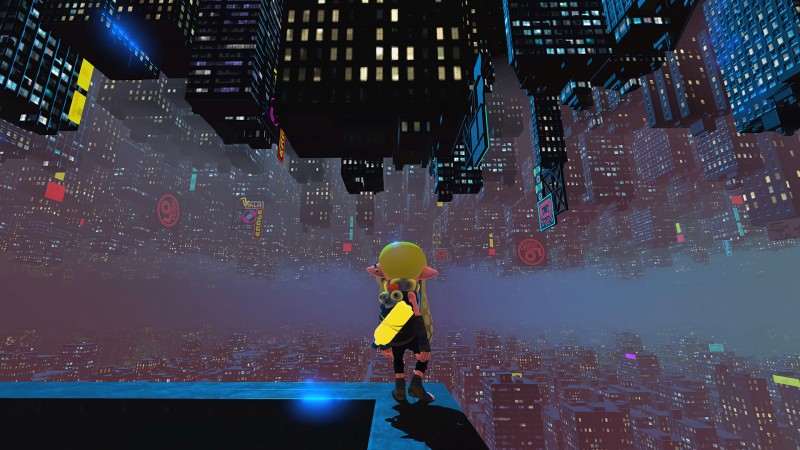
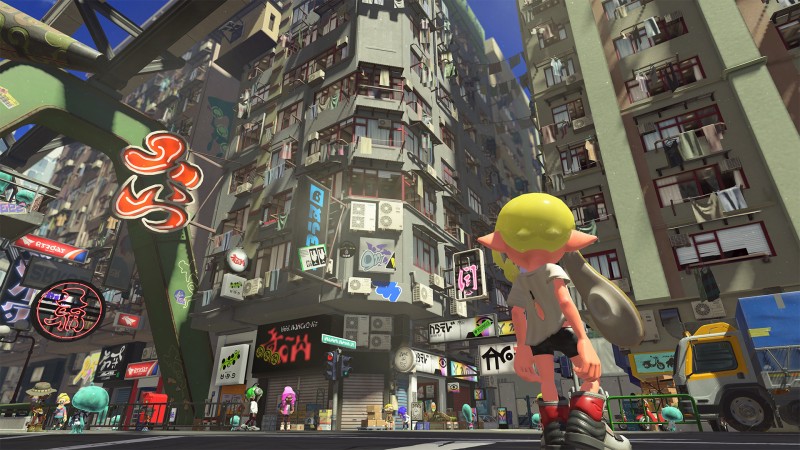
 

This iteration also continues the series’ tradition of providing enjoyable single-player missions that take advantage of the various mechanics of the franchise. Splatoon 3’s single-player Hero mode is a great way to familiarize yourself with the game’s controls, strategies, and weapons, but it’s far more than a glamorized tutorial. The story is inconsequential, but thanks to various gimmicks introduced at a rapid clip and puzzles involving your new companion, Smallfry, Hero mode’s levels present largely satisfying explorations of how the developers can stretch the core gameplay in surprising and exciting ways.

I loved missions like one where I grinded on rails while participating in a fast-paced shooting gallery or another where I navigated through an enemy-filled maze with a big twist at the end. While I loved almost all the time I spent in Hero Mode, there are a few misses, with some missions serving up more frustration than fun, and others veer too close to missions I played in Splatoon 2. The boss battles, which were among my favorite parts of past games, serve up a mixed bag, though they're mostly disappointing. The ones that do hit, though, are among the best the series has ever presented.

Splatoon 3 doesn’t reinvent the wheel, nor does it need to. Instead, it improves nearly every franchise element in sometimes small but meaningful ways. With an already-robust set of content available at launch and at least two years of free and premium content on the horizon, Splatoon 3 is simultaneously the series’ best entry to date and its most promising.

GI Must Play

Score: 8.5

About Game Informer's review system

Purchase

Wednesday, August 24, 2022

Blossom Tales II: The Minotaur Prince Review - Another Blooming Adventure

Blossom Tales II: The Minotaur Prince

Reviewed on: Switch
Platform: Switch, PC
Publisher: Playtonic Friends
Developer: Castle Pixel

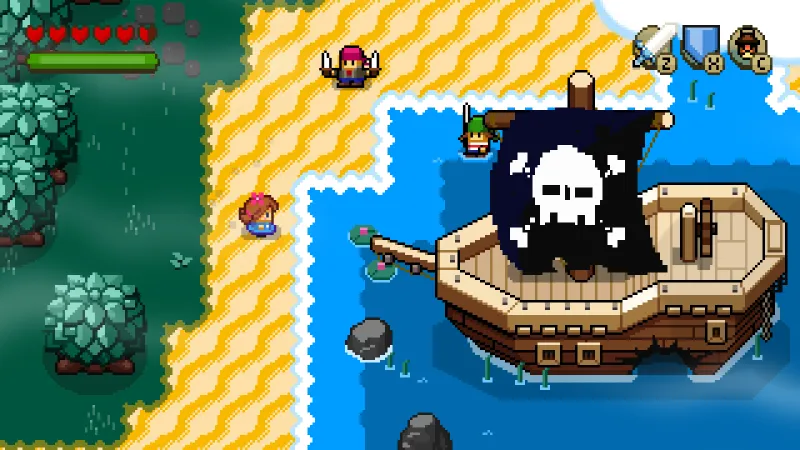
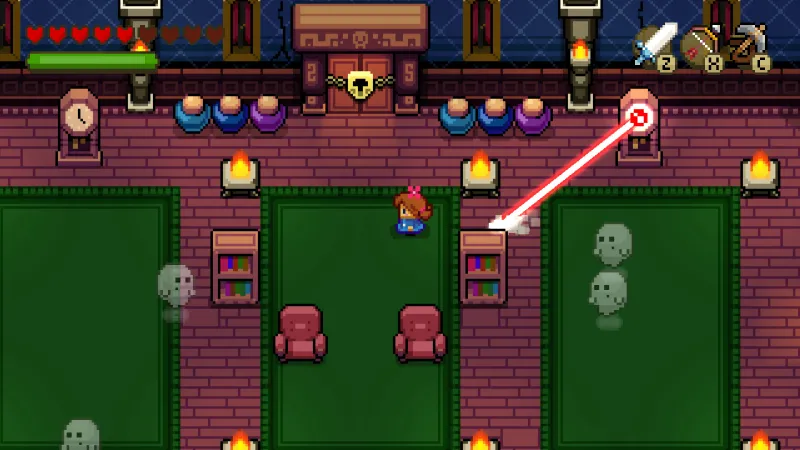
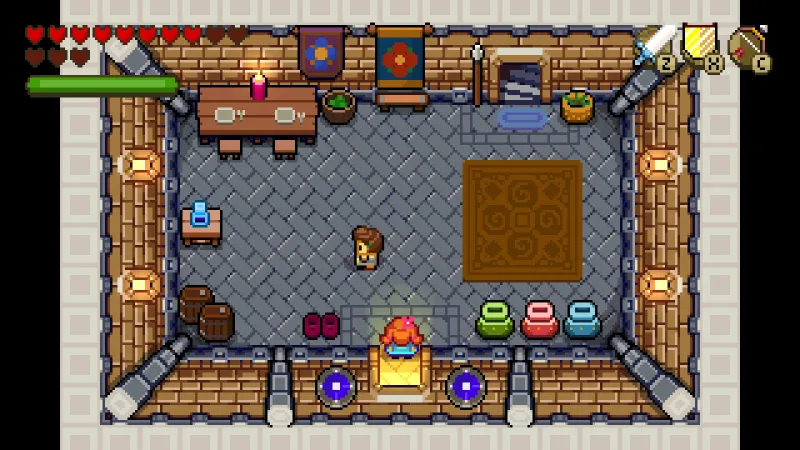
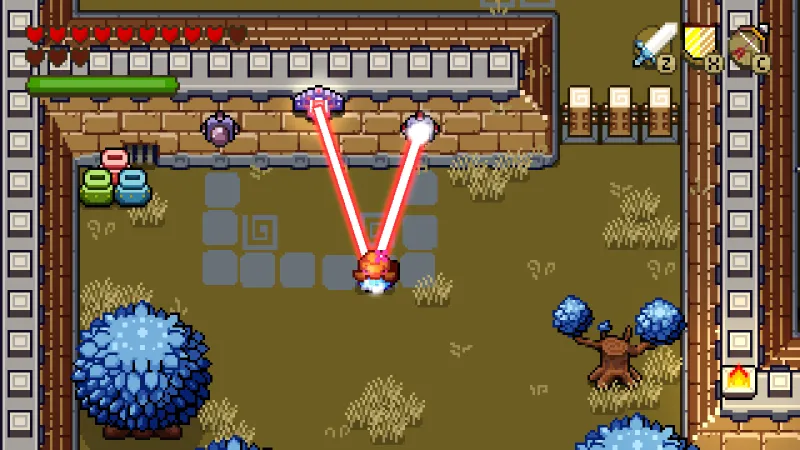
Modern homages to classic video games often go one of two ways: They either stick close to the gameplay conventions to which they are paying tribute, or they expand the original games’ styles in meaningful and innovative ways. Blossom Tales II: The Minotaur Prince, like its 2017 predecessor, is more the former than the latter, adhering closely to the classic Legend of Zelda blueprint, most notably that of A Link to the Past. Despite this lack of innovation, Blossom Tales II still manages to capture many of the acclaimed elements of what many consider to be one of the greatest video games of all time, and in the process, delivers a fun, retro-facing adventure worth embarking on.

After player-character Lily accidentally unleashes the Minotaur King, who swiftly kidnaps her brother, a new dark age looms unless she can put a stop to the monstrous mythological monarch. To do so, she must leave the comfort of Blossomdale to trek through pirate-infested swamplands, ghost-haunted mansions, and a monster-filled desert. I love how each biome presents different challenges and enemies to overcome, and the exploration often feels natural and intuitive, leading you from one screen to the next. I rarely felt lost during my playthrough, which is a testament to the design of the open world and the dungeons therein.

Unfortunately, despite my enjoyment of the exploration, I rarely felt adequately rewarded for poking around each nook and cranny. Treasure offered for completing even the most difficult caverns is often gold coins, of which I already had more than I could spend. On rare occasions, I received a heart piece to help me earn more health, but those were so rare (and you need four of them to add to your max health) that it was minimally exciting. Still, that didn’t stop me from bombing every cracked wall, collecting every item, and fishing every pond.

Blossom Tales II carries on the series’ hallmark of well-crafted dungeon experiences. Much like the world, the game’s dungeons flow well from room to room, and give you the right number of clues to progress without much frustration. While a late labyrinth is perhaps my favorite thanks to its strong mix of challenging combat and head-scratching puzzles, the dungeons feature terrific design involving minecart tracks, changing water levels, and more.

Blossom Tales II’s simple combat lacks the sophistication and smoothness of other top-down action games, but it makes up for it by giving you a wealth of items and powerups. Genre mainstays like a bow, boomerang, and bombs appear in your inventory early on, while a yo-yo that acts like a hookshot and a guitar on which you play spell-inducing songs do more than nod at the Zelda series. These items are used in interesting and satisfying ways, though I was less excited about how often I needed to pause the action and map a different item to the face buttons.


The story uses an unreliable narrator convention as it’s told to children Lily and Chrys, who also serve as the two main characters of the adventure. On occasion, the kids will fight over what they want to happen, and it’s up to you to decide what to do. Though I enjoy being able to choose what kind of enemies I needed to fight or puzzle I needed to solve on occasion, the unique storytelling model is underutilized and relegated to only minor decisions.

Blossom Tales II does little to hide its Zelda inspiration from the player. While it doesn’t reach the heights of Nintendo’s legendary franchise, it does smooth over many of the early-‘90s design conventions present in games like A Link to the Past to deliver an adventure able to be enjoyed by players of all ages and experience levels. Blossom Tales II is a better game than its predecessor, and I hope we continue to get more adventures from Lily, Chrys, and their grandpa in the future.

Score: 8.25

About Game Informer's review system

Purchase

Monday, August 22, 2022

Madden NFL 23 Review - A Short Gain To Start A New Drive

Madden NFL 23

Reviewed on: PlayStation 5
Platform: PlayStation 5, Xbox Series X/S, PlayStation 4, Xbox One, PC
Publisher: EA Sports
Developer: EA Tiburon

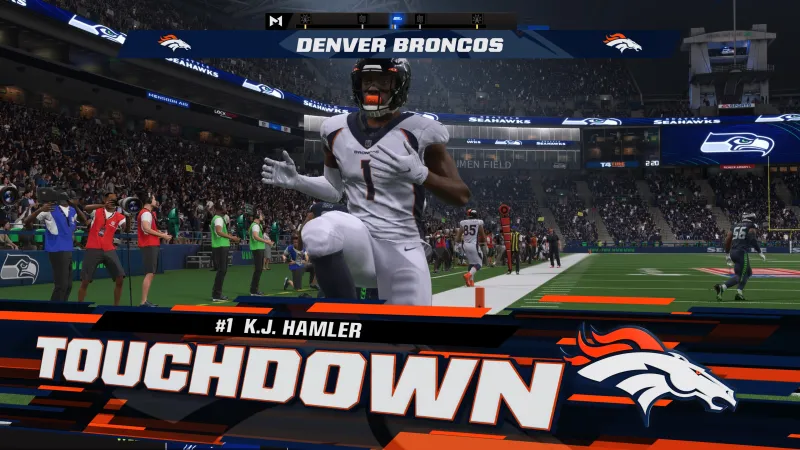
In Madden NFL 23, developer EA Tiburon focused on the fundamentals: authentic 11v11 football and cleaning up many of the bugs that plagued previous Madden iterations. The result is a small step forward for the franchise and a strong foundation to build on.

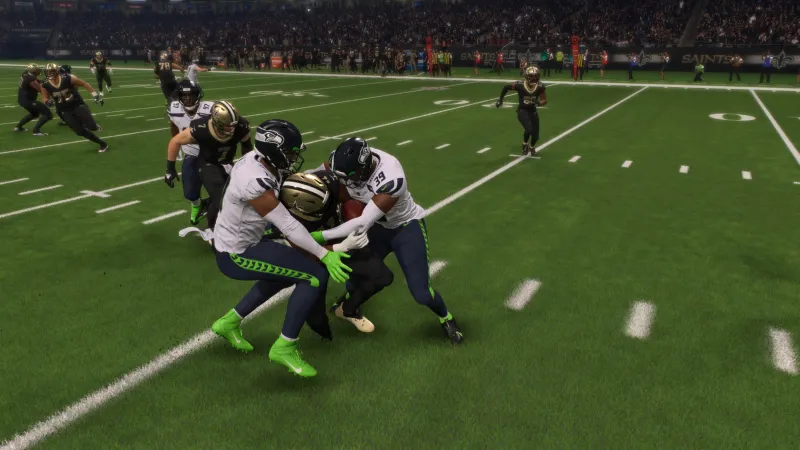
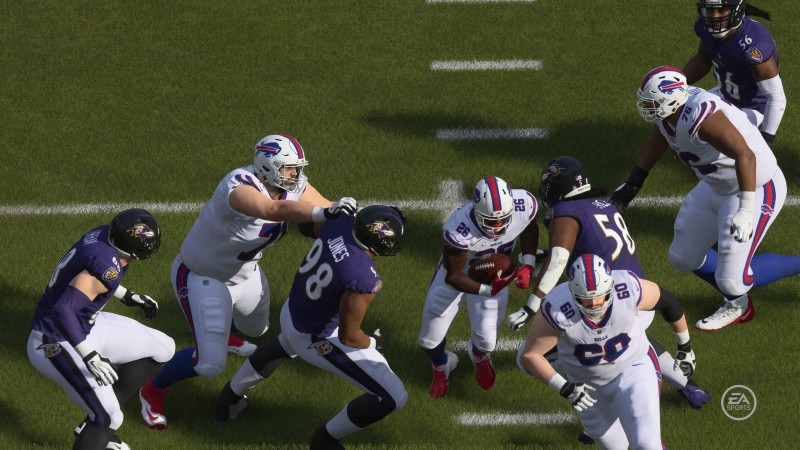
The most significant changes in Madden NFL 23 are under the surface. The team at EA calls it FieldSense, a shift to more physics-based interactions on the field. In practice, it’s a mostly positive change. Running the ball between bodies is chaotic and violent, true to the real-world game. There are occasional issues; would-be tacklers tend to slide off whoever is running the ball like they are coated in Teflon, for example. The way defenses wrap up opponents and how ball carriers fight for extra yards feels authentic, but the high frequency of fumbles on these plays needs adjustment. It’s imperfect but a solid first implementation of a system that should improve in future iterations.


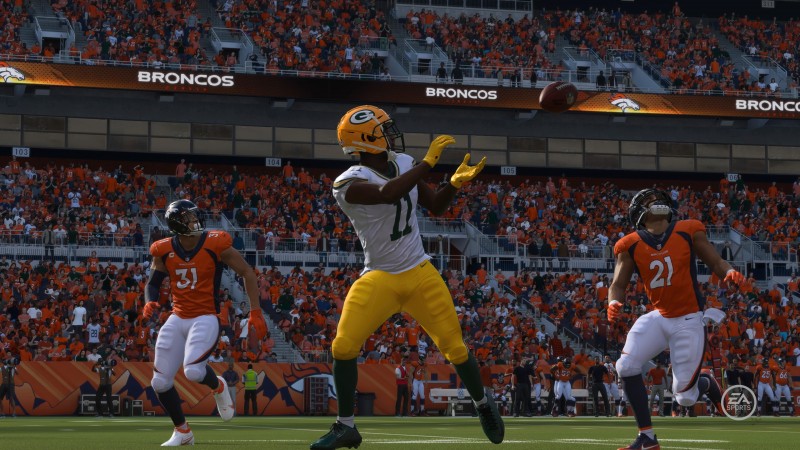
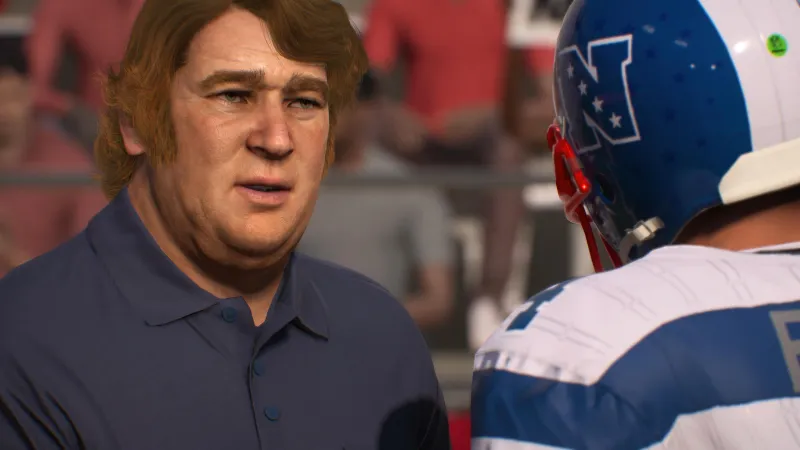
The overall presentation is a noticeable step forward. From boot up, everything is awash with the legacy of the late John Madden – a fitting tribute to the man behind the name. Updated scans of equipment and players look excellent, and the gameday presentation features more vibrant graphical overlays and cinematic camera work that feel more like an NFL broadcast. The authenticity is appealing; I skipped fewer transitions during games to enjoy the presentation.

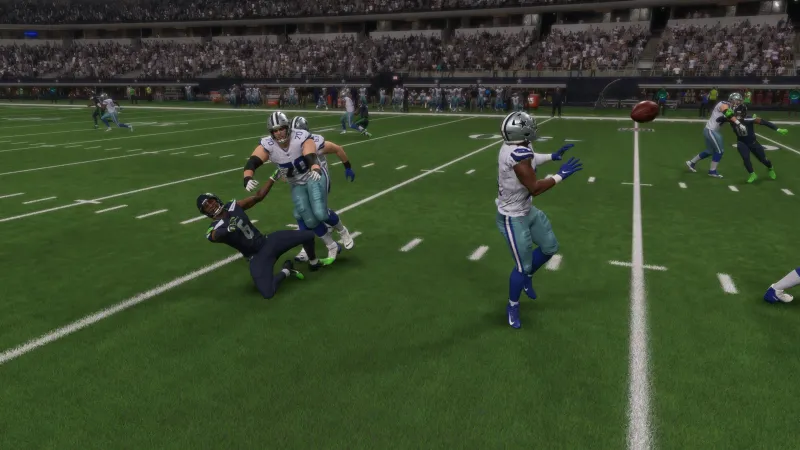
The much-ballyhooed Skill-Based Passing adds an interesting (and optional) wrinkle to throwing the football. Having a target area and aiming reticle takes a bit of getting used to, but the additional control over ball location does make a difference, especially for avoiding defenders while throwing over the middle of the field. It quickly became second nature, and I sorely missed the fine aiming controls when I went back to play a game in Madden 22. The passing meter, on the other hand, is a non-factor. Generally, my muscle memory for how long to hold a pass button lined up with perfect passes and turning the feature off or on didn’t make a noticeable impact on the field.

Connected Franchise evolved in Madden 22 with an updated scouting system and an overhauled interface. This year it’s more of a refinement. The addition of Motivations and Tags adds a nice sense of humanity to the players in the league. Motivations include the desire to play with a franchise quarterback or in a fair-weather stadium. If you have what a free agent is looking for, you may be able to attract them with a team-friendly deal. Otherwise, you may need to overpay to land your man. I worry how that will play out in competitive leagues; it won’t be clear if it creates a significant imbalance immediately, but the potential is there.

Tags are rarer and reflect a player's role and how they affect the team's dynamic as a whole. A player with a Mentor tag may not be the best on the field, but they'll accelerate the development of younger players at their position. It’s the sort of off-the-field factor that NFL GMs consider, and I enjoyed the added element when I constructed my team. When I drafted a star safety, I was immediately motivated to seek out a veteran for them to learn from, in a fun bit of roleplaying that Connected Franchise often lacks.

Face of the Franchise remains a mixed result. Playing exclusively as a quarterback, running back, or linebacker can be fun, as you are involved in every play. This year, corner, a new position for Face of the Franchise, is a worse experience. I went entire drives without having any impact on the game, and it was frustrating to miss out on goals for tackles or stopping drives because of things outside of my control.

The Madden NFL series has long had a solid gameplay foundation, maintained by small improvements year over year. Madden NFL 23 is the first iteration in a long time that rebuilds that foundation, and that’s where this year's greatest success lies. Some slippery collisions aside, the more physics-based action is a good change, and the control over ball placement from Skill-Based passing is a welcome addition. This comes at the cost of only minor updates to the core gameplay modes, but it was ultimately the right call to make, and Madden is a better game for it.

Score: 7.5

About Game Informer's review system

Purchase