This is default featured slide 1 title

Go to Blogger edit html and find these sentences.Now replace these sentences with your own descriptions.This theme is Bloggerized by Lasantha Bandara - Premiumbloggertemplates.com.

This is default featured slide 2 title

Go to Blogger edit html and find these sentences.Now replace these sentences with your own descriptions.This theme is Bloggerized by Lasantha Bandara - Premiumbloggertemplates.com.

This is default featured slide 3 title

Go to Blogger edit html and find these sentences.Now replace these sentences with your own descriptions.This theme is Bloggerized by Lasantha Bandara - Premiumbloggertemplates.com.

This is default featured slide 4 title

Go to Blogger edit html and find these sentences.Now replace these sentences with your own descriptions.This theme is Bloggerized by Lasantha Bandara - Premiumbloggertemplates.com.

This is default featured slide 5 title

Go to Blogger edit html and find these sentences.Now replace these sentences with your own descriptions.This theme is Bloggerized by Lasantha Bandara - Premiumbloggertemplates.com.

Wednesday, April 19, 2023

Advance Wars 1+2: Re-Boot Camp Review - Stronger with Age

Advance Wars 1+2: Re-Boot Camp

Reviewed on: Switch
Platform: Switch
Publisher: Nintendo
Developer: WayForward Technologies, Nintendo
Rating: Everyone 10+

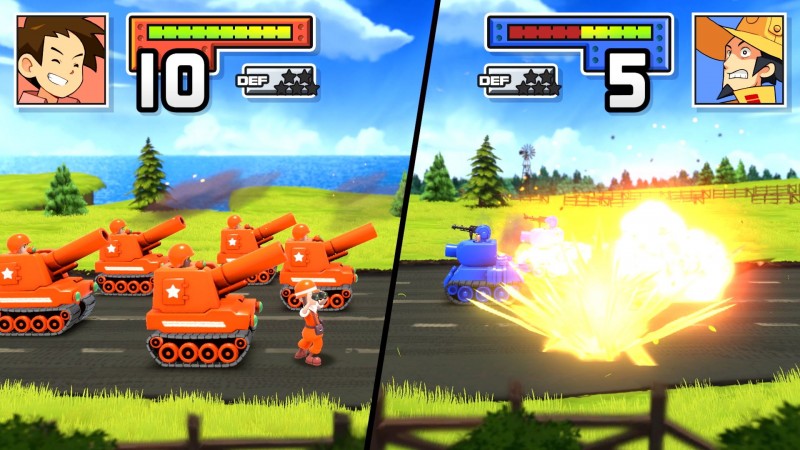
Nintendo and WayForward took a risk in bringing Advance Wars back from the scrap heap with Advance Wars 1+2: Re-Boot Camp, releasing a set of tactics-heavy games in a genre now defined by character relationships. The remakes change little from the original releases and don’t deepen the story or cast, but they don’t have to change anything. Advance Wars’ unique features are as apparent as ever. If anything, they’re made even stronger by the series’ extended absence.

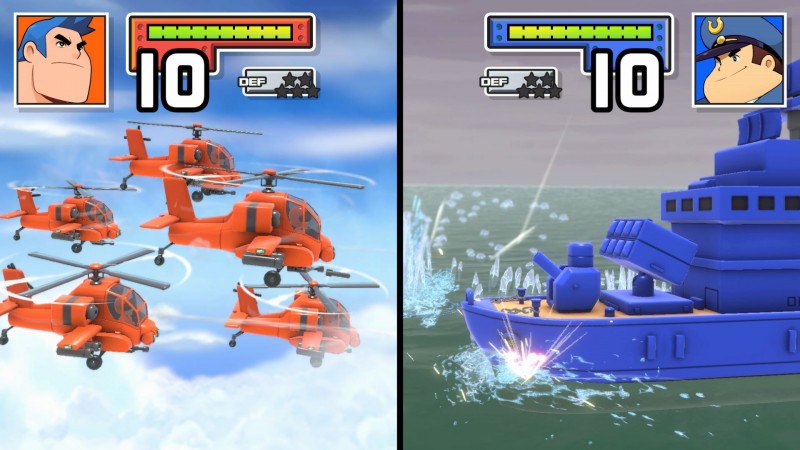
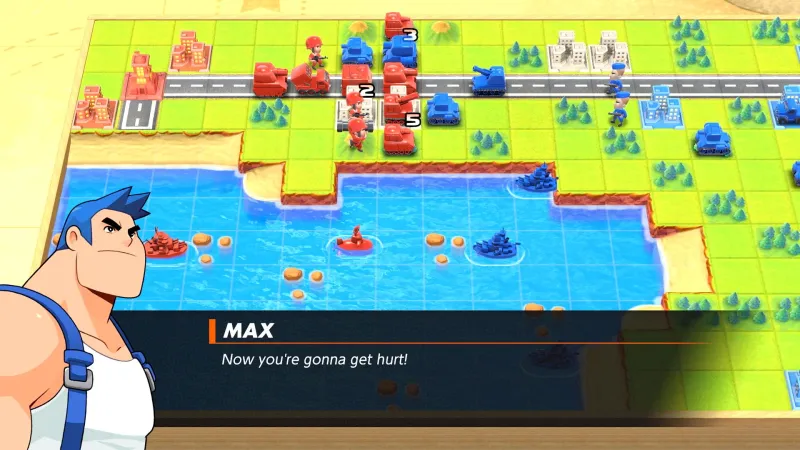
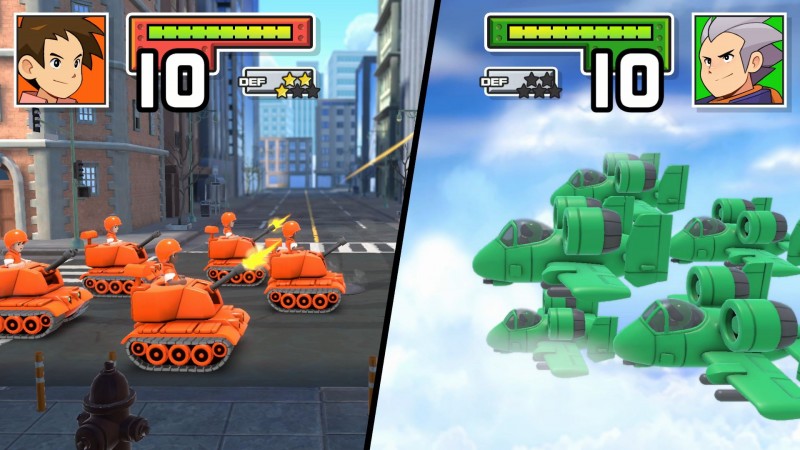
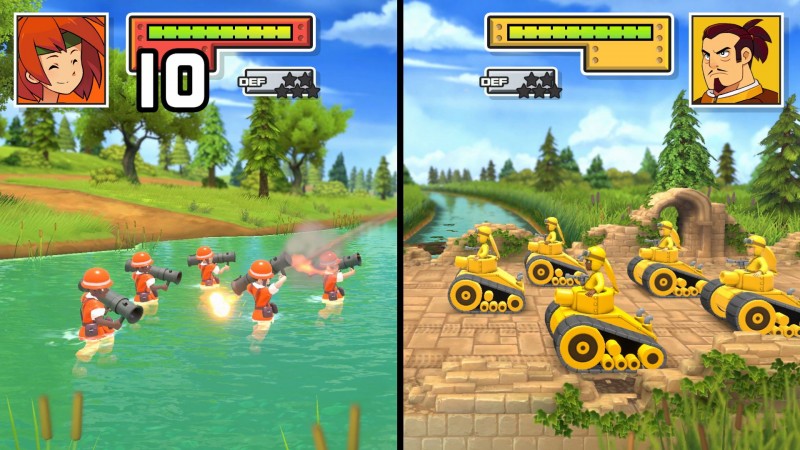
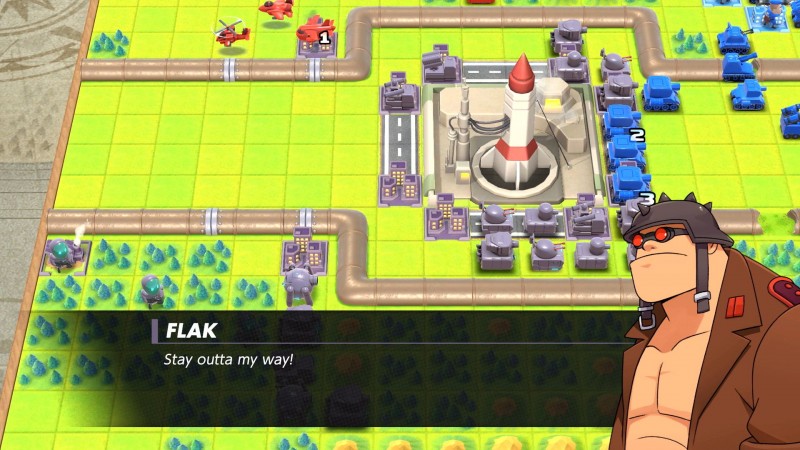
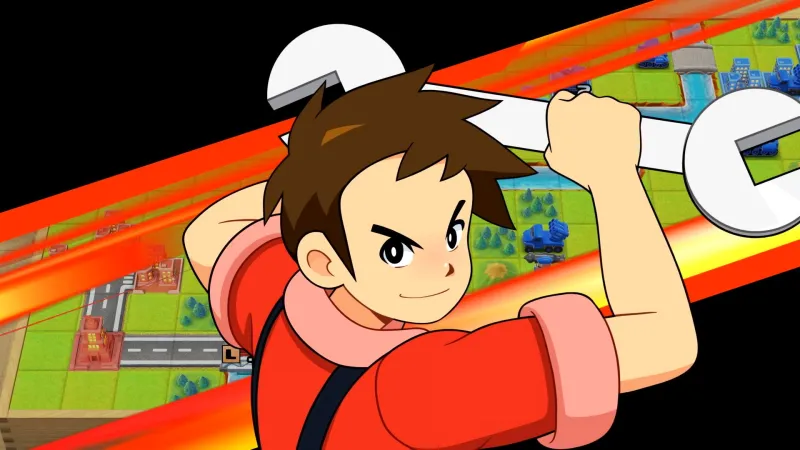
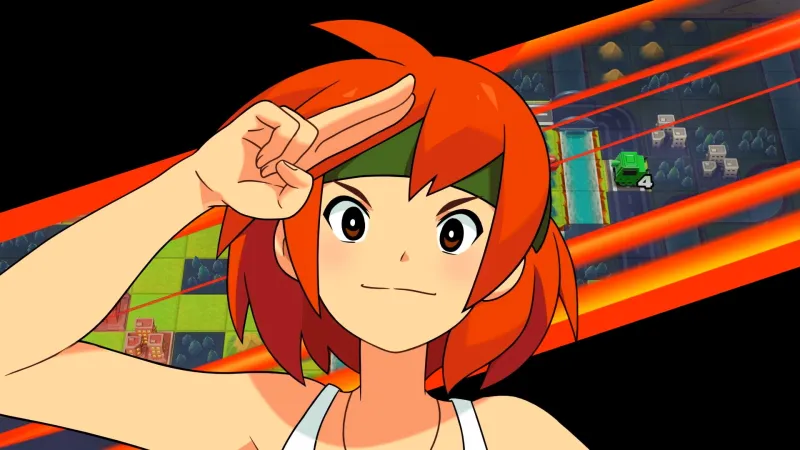
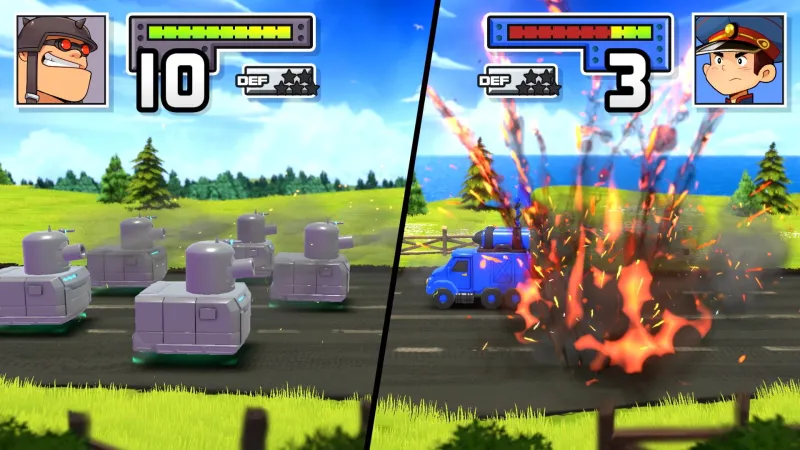
Advance Wars is light on story compared to other tactical RPGs. The nations of Wars World are on the cusp of conflict as a sinister figure manipulates them from the shadows. Your job is preventing war from breaking out by… going to war. The setup doesn’t warrant too much thought and has big Saturday morning cartoon vibes, a feeling these new updates help heighten. Re-Boot Camp features new toybox-style graphics, a remastered soundtrack, sporadic voice acting, and a slightly tweaked script that brings out the most of every character’s personality. 

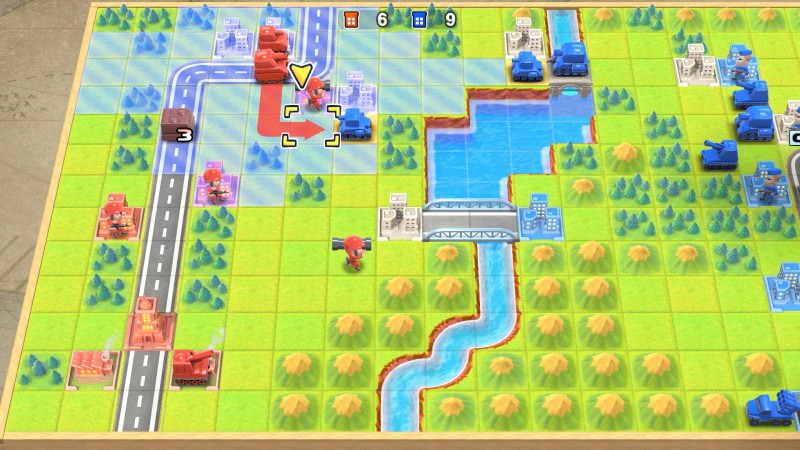
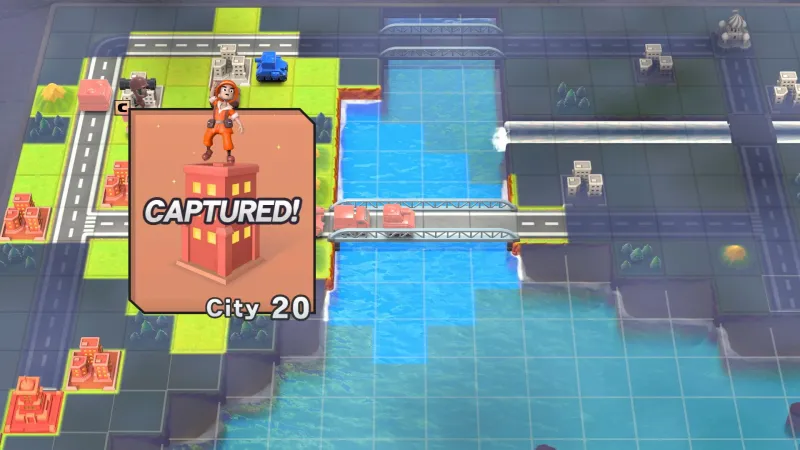
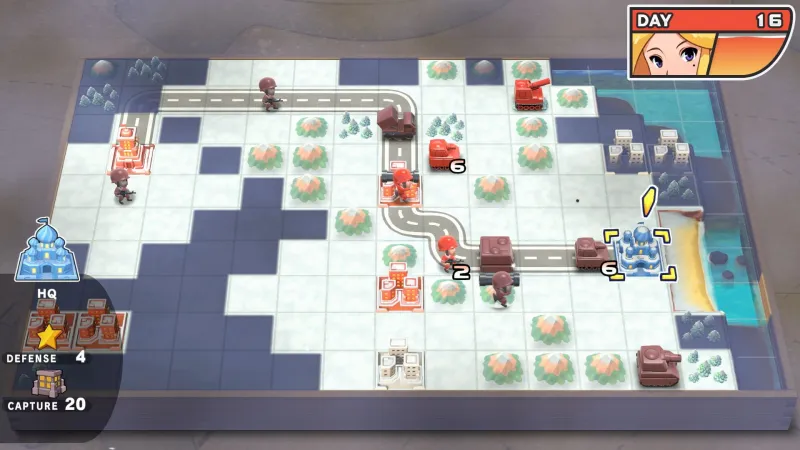
That new cartoon style also helps offset what’s otherwise a grim setup, where officers send scores of troops to die in battle without a thought for their welfare. Technically, that’s still what happens, but the new look makes each map like a game of toy soldiers, with maps even resembling a tabletop board when you zoom out. 

Advance Wars 1+2: Re-Boot Camp

What hasn’t changed is the series’ take on the genre, which, more than 20 years after the first game was released, still feels fresh and innovative. Both Advance Wars games blend traditional tactics elements, such as a rock-paper-scissors system of unit strengths and weaknesses, with features typically found in real-time strategy games. Resource and fuel management are critical in Advance Wars, for example, and controlling specific parts of a map is often essential for victory. The attention to detail is so acute that you even have to think about how tires and treads interact with terrain.

Every battle is a tense mixture of smart planning and wild improvisation, where victory feels well-earned – even if you barely manage to clear the objective. Each map has an optimal approach, but the strategic depth and variation mean you can experiment with unorthodox ideas and still earn a high ranking. 

The remakes also include a feature that lets you reset your current turn as often as you want. It’s a helpful but clunky approach to making both games more approachable. If a choice you made three turns back turns out badly, your only option is to leave the mission and start over. You can increase movement speed and remove animations to save time, but a Fire Emblem-style rewind feature would have been a more elegant solution.


The range of choices may seem overwhelming, but Advance Wars does a superb job of teaching you the basics and even some advanced strategies at a steady pace – although it does this perhaps almost too well. Most of the first game plays like an extended tutorial, where you don’t get the full range of tools at your disposal until over halfway through the campaign.

Advance Wars 2 is a stronger and more confident game, however. This time, you control different COs from every nation, so each mission requires a thoughtful new approach with their strengths and foibles in mind. It’s a brilliant exercise in iteration, with a well-designed set of new officers, clever new CO powers, and complex, sometimes uncompromising, maps that make the most of the series’ unique mechanics. 

Advance Wars 1+2: Re-Boot Camp might not include much new material, but it presents a strong case that classic games don’t always have to change to be relevant again. Sometimes, they just need a second chance.

Score: 8.5

About Game Informer's review system

Purchase

Tuesday, April 18, 2023

Tron: Identity Review - Grid-Based Decision-Making

Reviewed on: Switch
Platform: Switch, PC
Developer: Mike Bithell Games
Rating: Teen

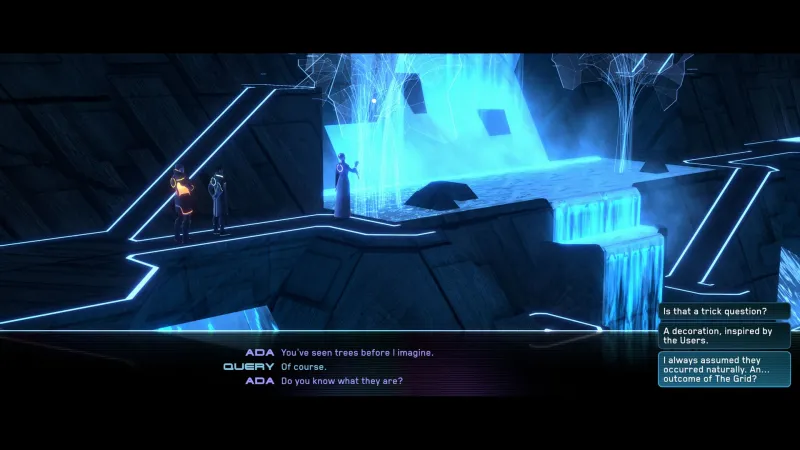
Taking established fictional universes in new directions is an idea we should all be behind. Too often, licensed games hew too close to established characters or scenarios, and those beloved fictional frameworks are never given a chance to grow. With Tron: Identity, Bithell Games takes the venerable Tron franchise and tries something entirely different – a visual novel with a light touch of puzzle gameplay. The novelty alone is worth some enthusiasm. However, despite a valiant attempt at a fresh take, this bite-sized release falls short in some key areas.

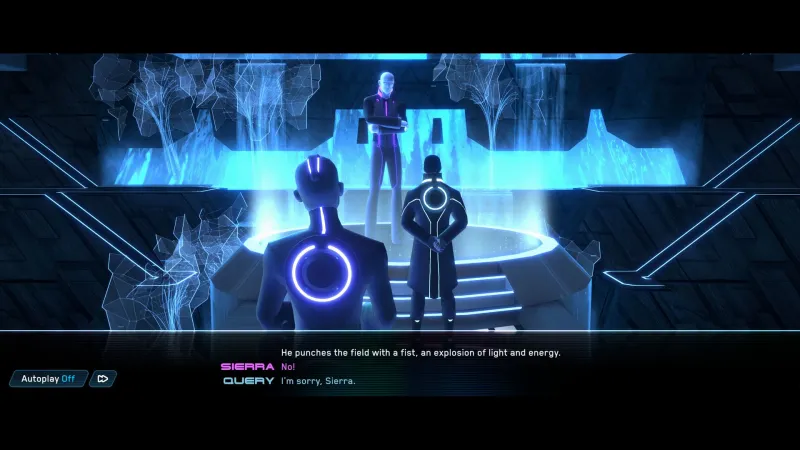
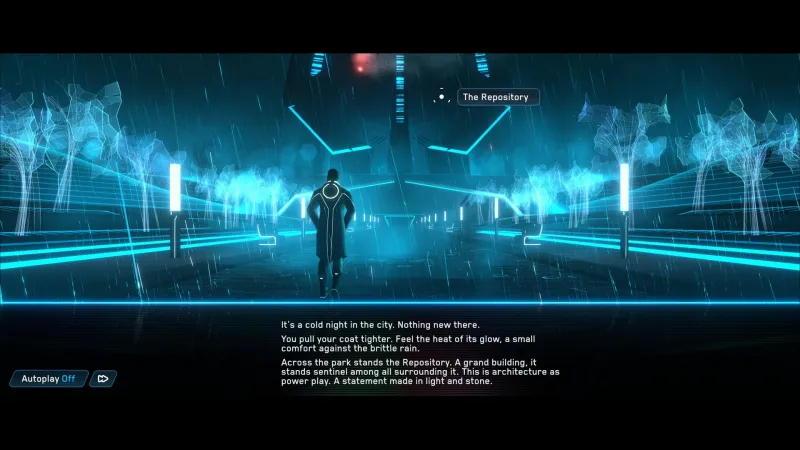
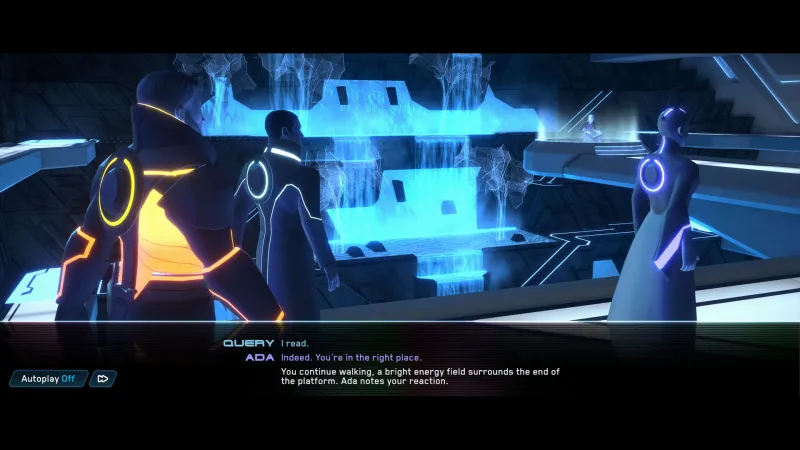
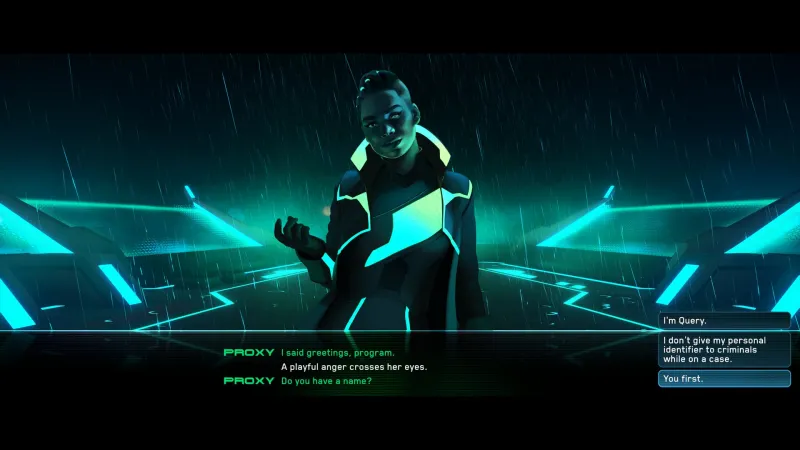
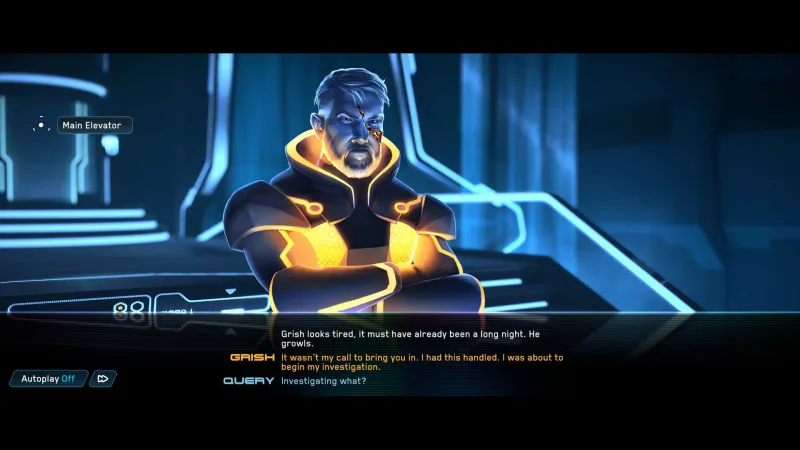
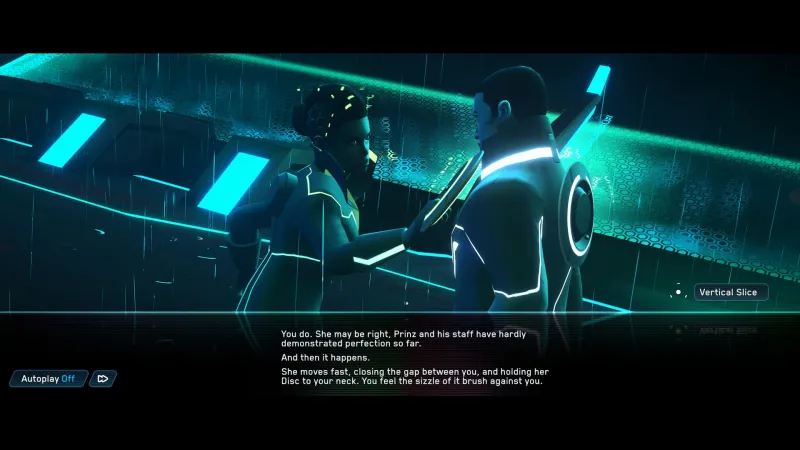
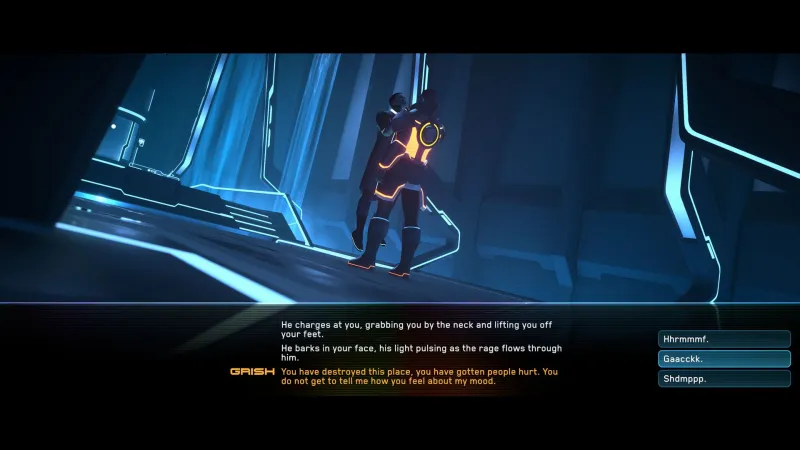
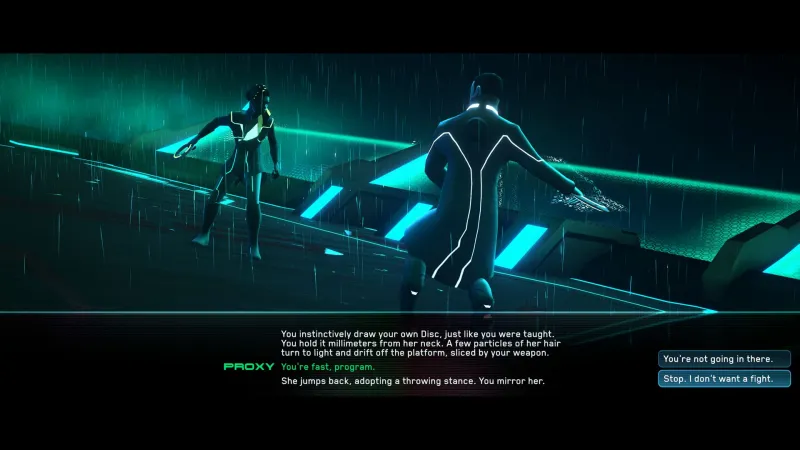
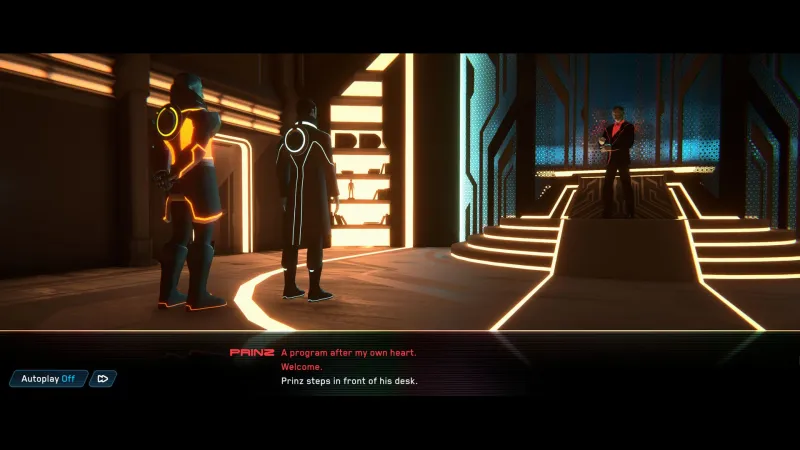
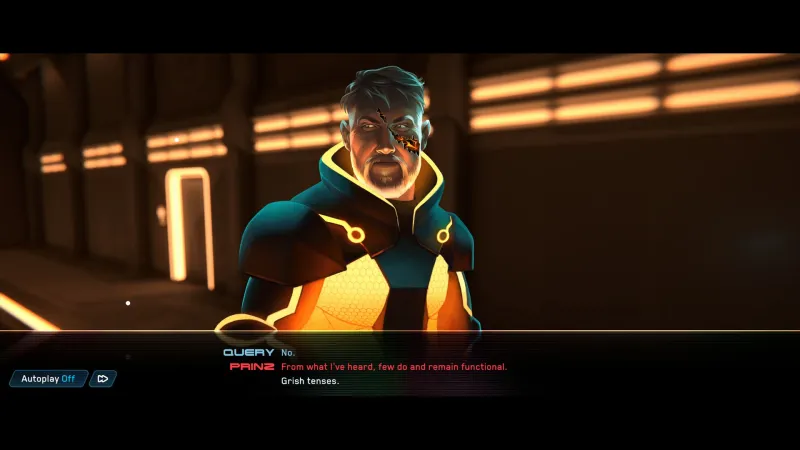
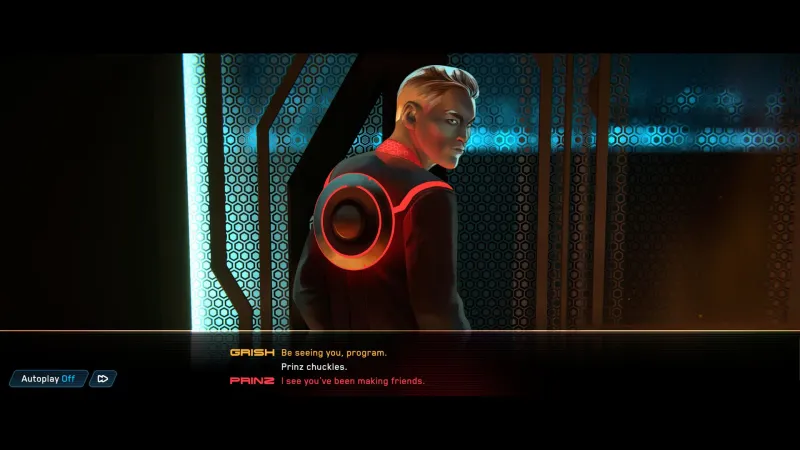
Tron: Identity is comparable to a classic noir detective story, presuming your investigator lived in a computer, wore a disc that contained his memories, and was constantly surrounded by pulsing colored lights. The entire story unfolds within an extensive repository of information on “the Grid,” and it’s up to you to solve the mystery of a strange explosion and possible theft that occurred there. Along the way, you meet a handful of other characters, or “Programs” in the vernacular, and make choices that will affect how each feels about you and how receptive they might be to your inquiry. The entire affair unfolds through written text set below art of the characters and locales within the Repository.

I like the limited scope and tight narrative constraints that are on offer. But I can’t say I ever felt like I was solving a mystery. New pieces of information dropped into my lap at regular intervals, but I never really felt like a detective putting all the pieces together. When the big picture revealed itself, it felt more like a surprising plot twist than the satisfying click of everything finally making sense.

Even so, the written descriptions and dialogue paint an atmospheric story and help create nuance around the mostly static image visuals. I enjoyed Bithell’s distinct take on the Tron world and the places the developer found to add new twists to that established fiction. I also liked the branching decision-making trees, which allow each player to craft their own take on the narrative, perhaps even with different characters who live or die by the end.

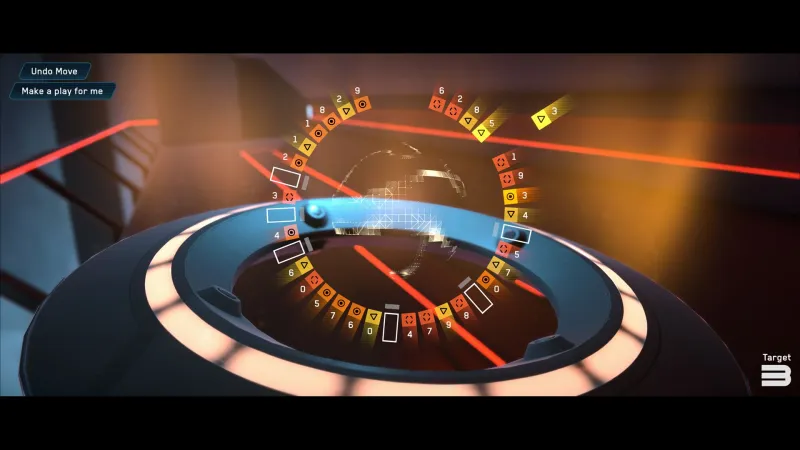
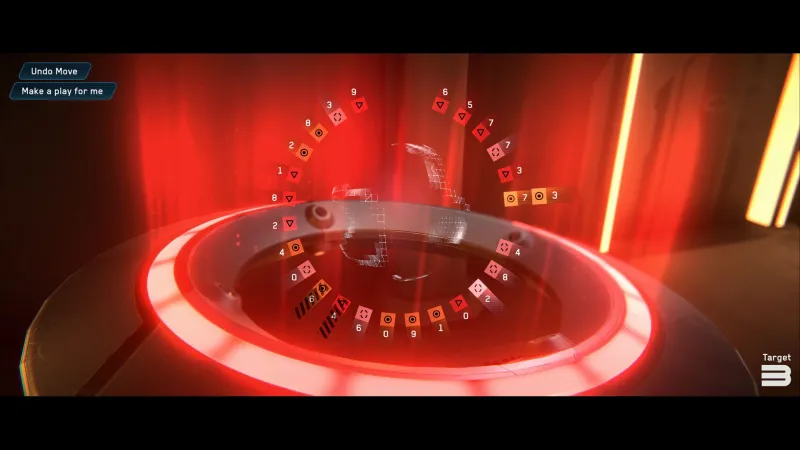
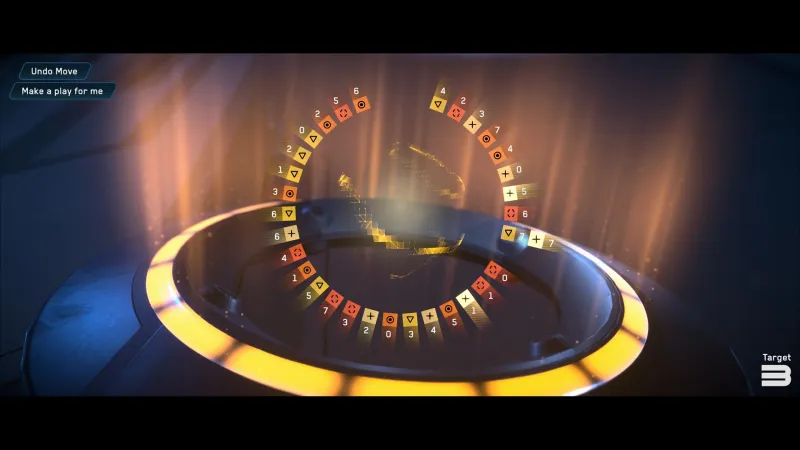
Along the way, my character has the singular ability to help clear up and clarify character memories, which recent events have inexplicably damaged. These repairs take the form of an unusual puzzle game of matching numbers and card suits in particular patterns. Players repeat variations of this puzzle structure several times over the few hours it takes to complete a playthrough. While not aggravating, I never warmed to the mechanic and usually found that trial and error was the best path to wrapping them up. On a subsequent playthrough to explore different storytelling paths, I was happy to pause and skip the puzzles entirely – an option that was wise to include, based on my experience.

Tron: Identity flirts with some pretty weighty themes across its concise playtime. Issues of fate, the meaning of memory, and purpose in the face of extinction – all of these and more are explored, primarily in connection with the game’s subtitle: identity. By the end, no matter your choices, the game doesn’t seek to offer any particular conclusive statements on those topics. But seeing diverse characters mull over these issues during a crisis is enjoyable.

While I applaud Tron: Identity’s unique structure, I never found myself drawn in and engrossed in the unfolding story. Everything feels authentic to the Tron universe, and fans like myself should appreciate new wrinkles in the setting. But even with some interesting ideas, I was ultimately a User who couldn’t manage to marshal a lot of interest in these Programs and their problems.


Score: 7

About Game Informer's review system

Purchase

Dead Island 2 Review - A Good Weekend Getaway To LA

Dead Island 2 Game Informer review gameplay let's play Dambuster Studios zombies game

Reviewed on: PlayStation 5
Platform: PlayStation 5, Xbox Series X/S, PlayStation 4, Xbox One, Stadia, PC
Publisher: Deep Silver
Developer: Dambuster Studios
Release: Spring 2015
Rating: Mature

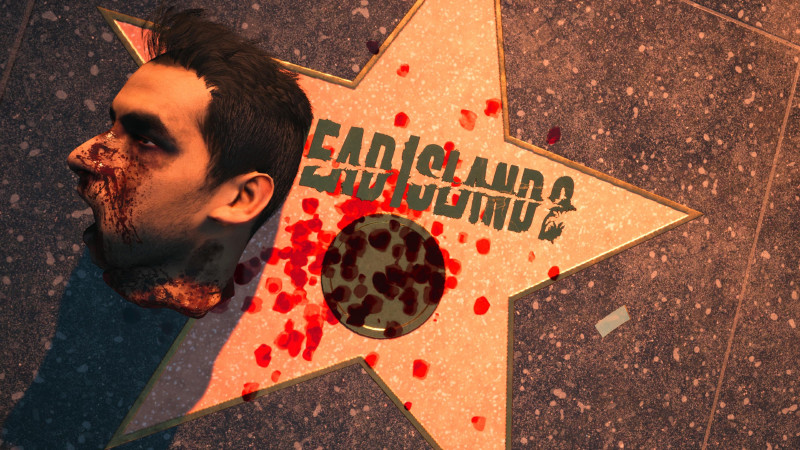
Dead Island 2 was announced just a few years after its 2011 predecessor, but the sequel has taken nearly a decade to come to life. Developer Dambuster Studios is the third studio to work on the game, using this opportunity to create its own Dead Island 2 from the ground up. While assumptions might be made about a game that’s spent this long in development, jumping from multiple teams, the final game is a worthwhile follow-up, especially for fans of the original. Dead Island 2, much like its predecessor, isn’t breaking new ground narratively, but a good hook moves you through the game’s various Los Angeles districts. The star of the show is the zombies and the gory and customizable action that happens because of them. Over 2000 zombies were mutilated, maimed, electrocuted, burned, and obliterated during my time with Dead Island 2. I rolled credits most excited about this carnage my tour through LA brought me. I only wish the rest of the game was as enamoring. 

Dead Island 2 doesn’t take long to get into the action. After a quick cutscene setting up this idealized take on Los Angeles and how it’s become a dead island of sorts, I selected Amy, one of six slayers you can play as in the game’s story. She’s a Paralympian and an agile, speed-based character. While each of the six slayers has a different personality and backstory alongside two exclusive innate abilities, I finished Dead Island 2 feeling like who I played matters little narratively. Amy would occasionally comment about how she needed to get out of Los Angeles to make it to her next running competition, but other than that, her barks and lines felt generic enough that I wasn’t concerned I was missing part of the larger Dead Island 2 narrative by not playing through the game as each survivor. 

Unlockable skill cards offer more of that variance I wanted. With 15 equipable slots, I decked out Amy to play a lot like the zombies I was fighting, utilizing their ground pounds, screams, strikes, and more against them. While some cards offer abilities usable against the undead, others are best described as perks that activate in combat, like my favorite that restored a bit of health every time I performed a perfect dodge or block. This card, coupled with the ones that let me utilize moves learned from surrounding zombies, allowed my Amy to play to her strength: agility. I was focused less on hitting hard and more on hitting a lot, but I could see how other cards would result in different approaches to combat. The cards are easy to understand and fun to collect, encouraging me to try out different ones often. This system and the weapons are where players find the most contrast between playthroughs. 


The story of Dead Island 2 takes Amy through many of the locations you’d hope to visit in Los Angeles, from Beverly Hills to movie studio lots to the Santa Monica Pier and, of course, Hollywood Boulevard. It’s not an engrossing story, and quickly takes a back seat to exploring the world and killing zombies, but it’s serviceable, sprinkled in with the kind of characters you’d expect to run into in a post-apocalyptic LA like a Hollywood A-lister or washed-up rockstar. It’s also paced nicely, rarely overstaying its welcome and letting me return to the action right when I start to miss it. But ultimately, it’s not a story that will stay long with me, even if the team is setting up more adventures with this cast.

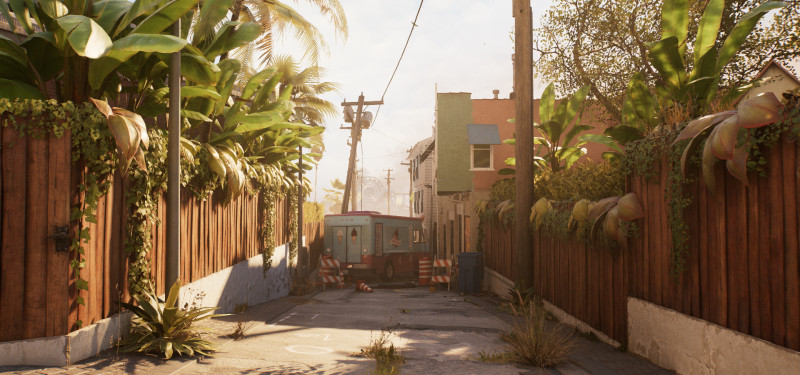
I was excited about each location whenever I visited a new one. They’re lovingly designed, almost as if you were getting the greatest hits of each locale, perfect for the touristy romp through Los Angeles that Dead Island 2 ends up being. 

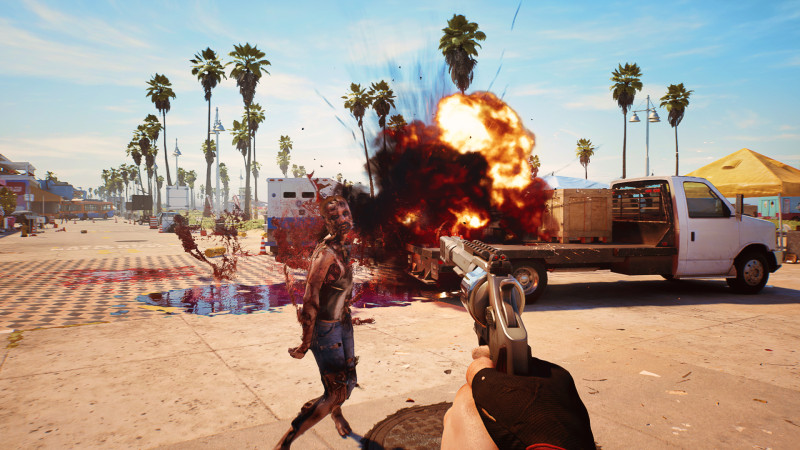
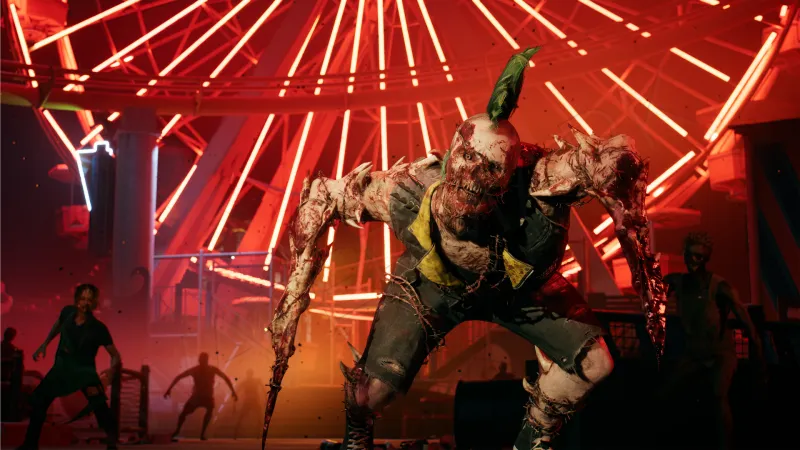
Dead Island 2’s visual design made each location even more memorable – the game’s art is stunning at times. The landscape is bright and saturated, and so much of this world is soaked in blood, gore, and end-of-the-world storytelling. Zombies, dead and alive, paint the walls of celebrity mansions, caustic guts bubble in hallways throughout famed hotels, and my hacks and slashes only color the streets redder. The extreme gore remained shocking throughout my nearly 20 hours. Literal heads rolled, arms were ripped off, and guts spilled from inside stomach cavities as I watched my weapons tear through flesh. I would have liked this action to arrive a couple of hours quicker, but once it did, it continued to escalate until the end.
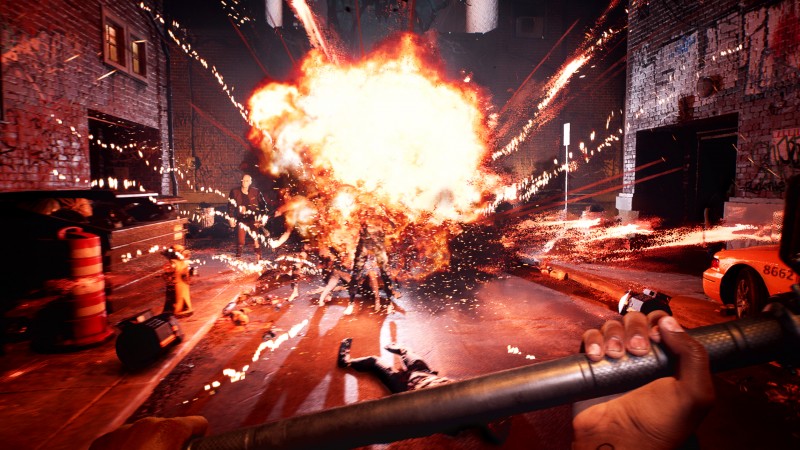
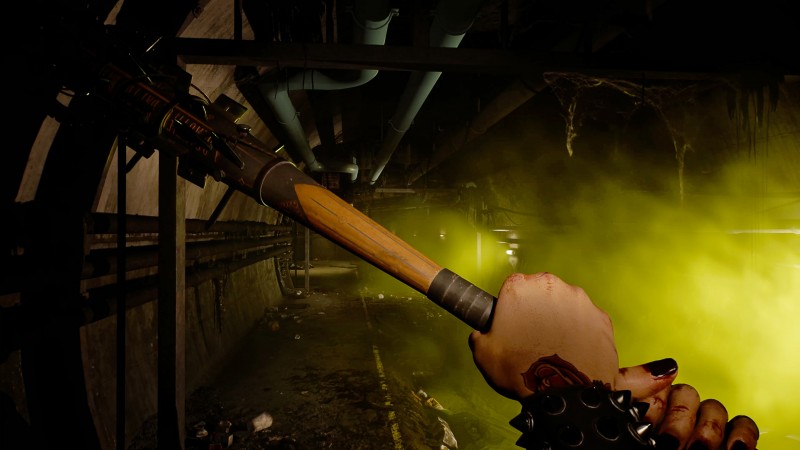
I loved how I could customize different weapons to inflict more damage on the undead. Weapons, of which there are a ton, vary in rarity and rarer weapons allow for more customization with mods and enhancements. Perks allow you to increase weapon damage, change speed, raise durability, and more, and I liked that some offered pros with cons, which forced me to think more about what I wanted a weapon to be. Adding fire, electricity, caustic acid, bleed, and other enhancements to my weapons lent itself well to the immersive sim-like nature present in much of Dead Island 2’s world, as did throwable ”curveballs” like chemical bombs and zombie-luring bait. 

Throughout Los Angeles, I found water spouts, electrical wires, gasoline spills, and other environmental cues aiding destruction.  And they’re easy to read, too. My electric wolverine claws could electrify water and the zombies within it, which gives them the persistently damaging electrified status effect. The same goes for fire and gasoline and other combos. Once the game introduced shotguns, pistols, assault rifles, and submachine guns into the mix, I had even more range in combat, both from a literal standpoint and in that I could interact with Dead Island 2’s immersive sim elements in a new way. 
Dambuster Studios uses these elements to create short and sweet puzzles to reach loot and collectibles, and most of my post-campaign enjoyment came from these. Side quests are fine, with some of the better ones leaning heavily into the caricatured version of Los Angeles I imagine most people who don’t live there, like myself, have of the city and its people to great effect. I loved killing zombies atop a cringe hype house on camera so that an influencer could show her followers what was happening here, and using movie set pyrotechnics to destroy hordes of zombies in another. These side quests, much like the main quests, shined when they moved at a brisk pace. But sometimes, areas become wave-based arenas where killing zombies becomes exhausting, especially in the latter third of the game. 

Combat is most fun in short bursts when taking down a handful of zombies. But some setpieces in the game throw dozens of zombies at you and the thrill of combat can become a chore. Immersive sim elements and Skill Card abilities help spice up these sequences, but ultimately, killing waves of zombies in the same arena gets boring quickly. This issue especially stands out often truncated by the more interesting open-area combat that happens throughout a lot of the game, especially outside of main story quests. 
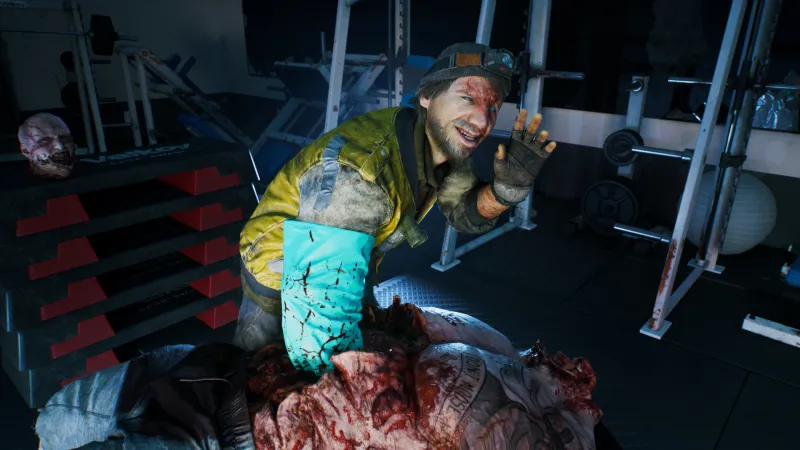
With Dead Island 2 behind me, I’m thrilled Dambuster Studios could take something we first learned about way back in 2014 and successfully bring it across the finish line with its own take on the series’ vision. Dead Island 2 plays, looks, and sounds like a B-movie horror comedy from the 1990s, and the team leans into that full bore with its systems. At the core of this game is zombie destruction, and Dead Island 2 features both plenty of systems with which to engage in it and plenty of zombies to destroy." Its serviceable story does just enough to move slayers across Los Angeles’ postcard locations at a brisk pace, and I appreciate how much side content is available within them to keep each visit entertaining. This game won’t stay with me long, but I’m not sure it was meant to. With Dead Island 2, Dambuster Studios asks little of the player – only that you enjoy a good excuse to kill zombies in increasingly gory ways for a weekend or two – and in doing so, it delivers on the promise of what this series is all about.
Score: 7.75

About Game Informer's review system

Purchase