This is default featured slide 1 title

Go to Blogger edit html and find these sentences.Now replace these sentences with your own descriptions.This theme is Bloggerized by Lasantha Bandara - Premiumbloggertemplates.com.

This is default featured slide 2 title

Go to Blogger edit html and find these sentences.Now replace these sentences with your own descriptions.This theme is Bloggerized by Lasantha Bandara - Premiumbloggertemplates.com.

This is default featured slide 3 title

Go to Blogger edit html and find these sentences.Now replace these sentences with your own descriptions.This theme is Bloggerized by Lasantha Bandara - Premiumbloggertemplates.com.

This is default featured slide 4 title

Go to Blogger edit html and find these sentences.Now replace these sentences with your own descriptions.This theme is Bloggerized by Lasantha Bandara - Premiumbloggertemplates.com.

This is default featured slide 5 title

Go to Blogger edit html and find these sentences.Now replace these sentences with your own descriptions.This theme is Bloggerized by Lasantha Bandara - Premiumbloggertemplates.com.

Monday, July 17, 2023

Viewfinder Review - Short And Smart

Reviewed on: PlayStation 5
Platform: PlayStation 5, PC
Publisher: Thunderful
Developer: Sad Owl Studios

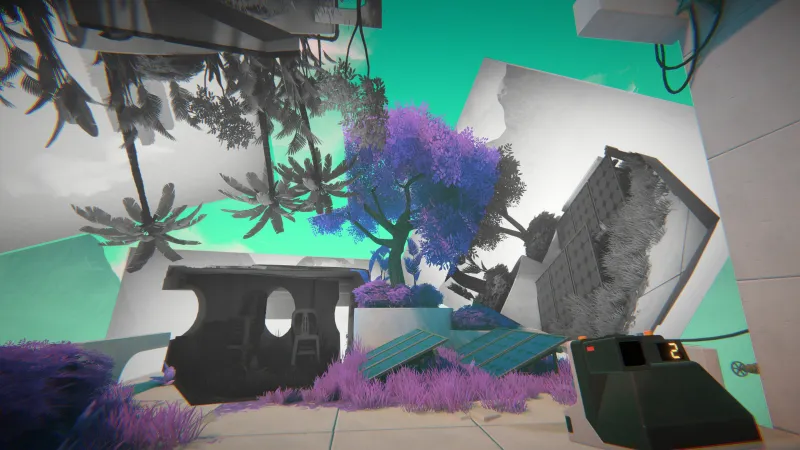
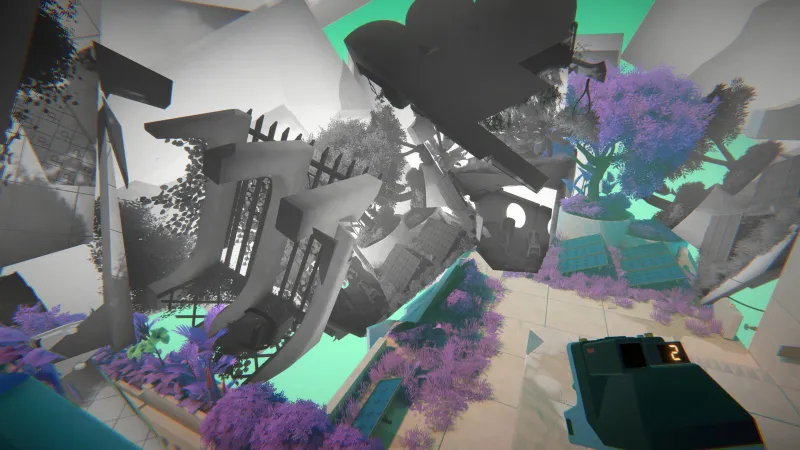
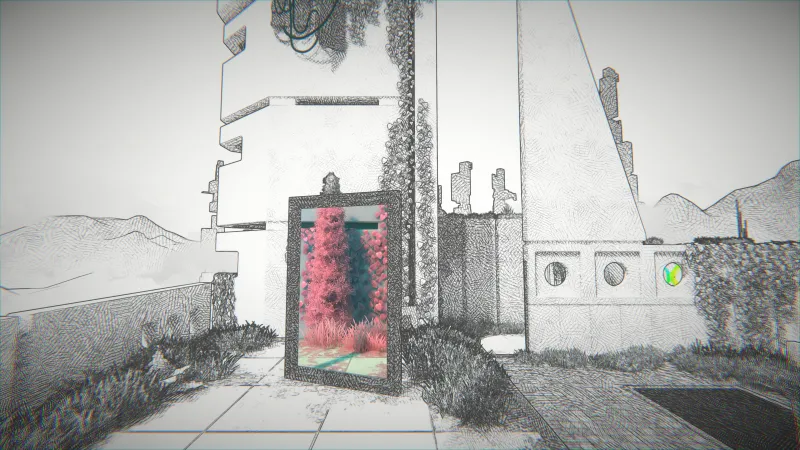
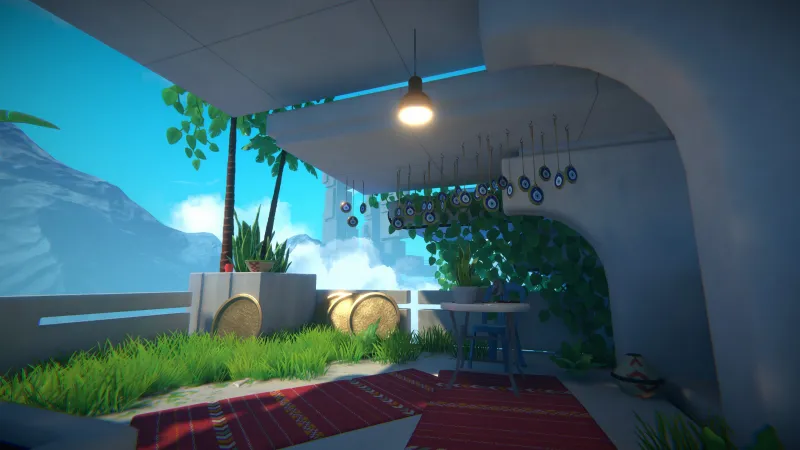
Viewfinder is all about playing with your perception and giving you the tools to do so yourself. It belongs to the difficult-to-define sub-genre of video games popularized by Portal, where you have access to a mind-blowing ability in order to solve puzzles. The danger with giving the player these kinds of god tools to get them to their destination is sometimes the well of creativity can run dry by the end, or it all just gets so complicated that the fun disappears. Viewfinder thankfully falls into neither of these traps, presenting a series of engaging puzzles that frequently ask you to rethink what you’ve learned in ways that never get so complicated to become frustrating.

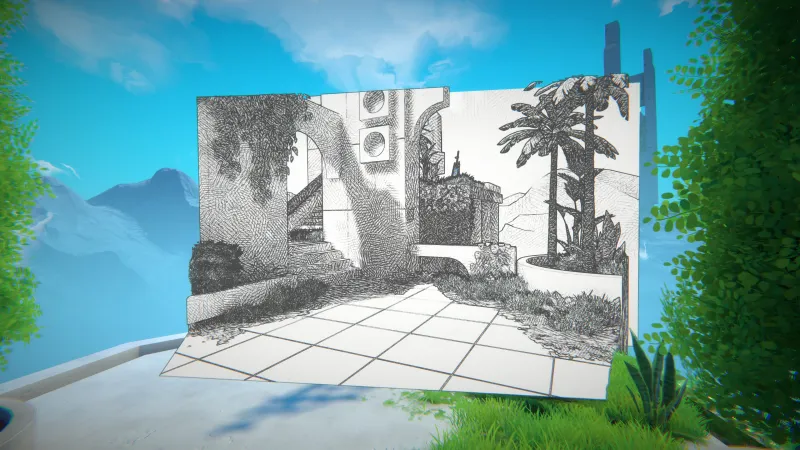
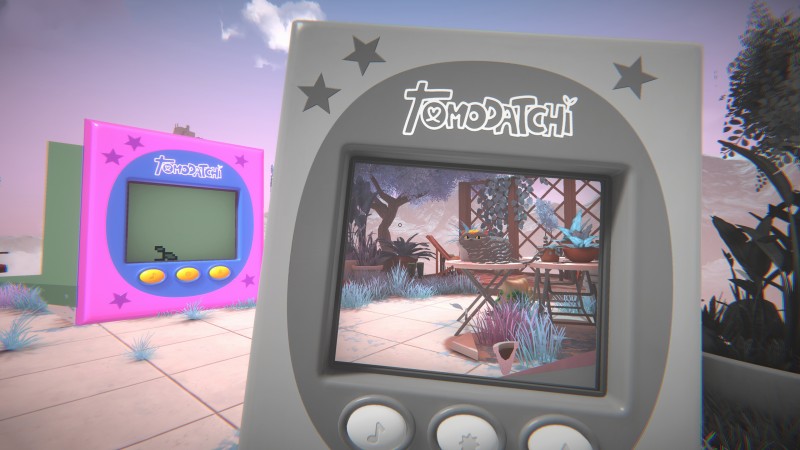
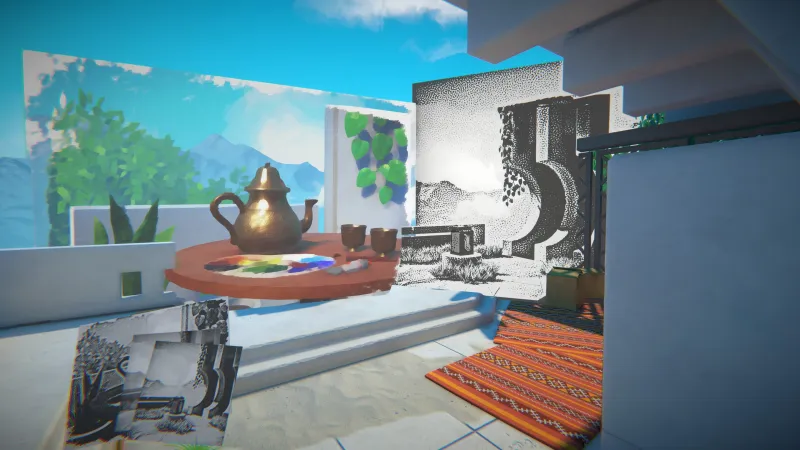
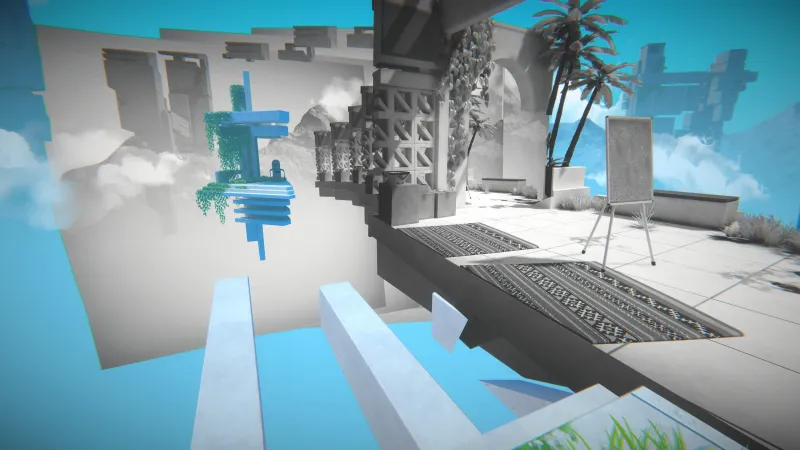
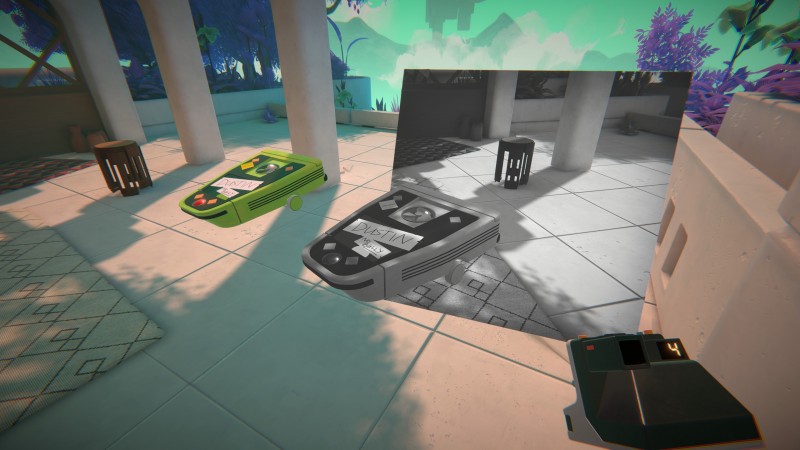
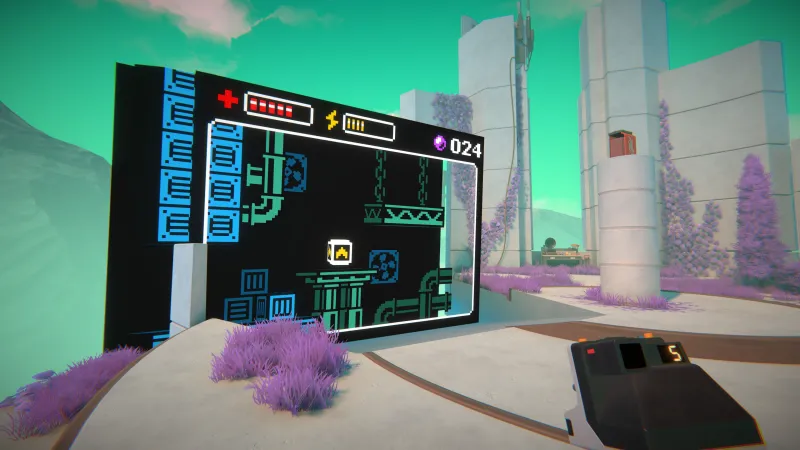
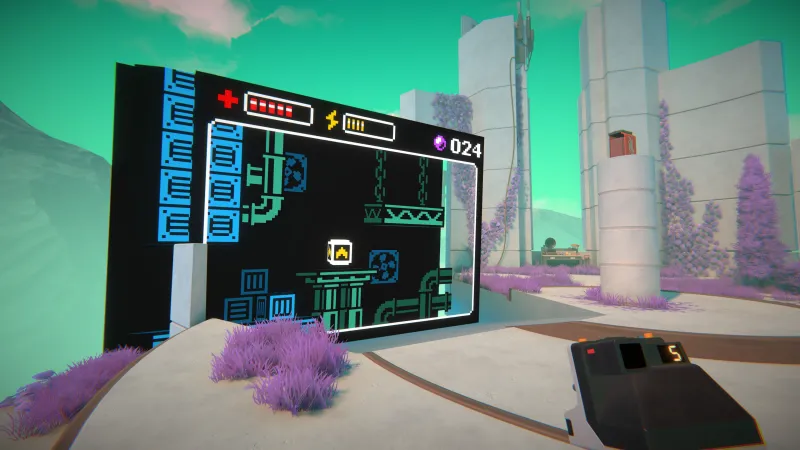
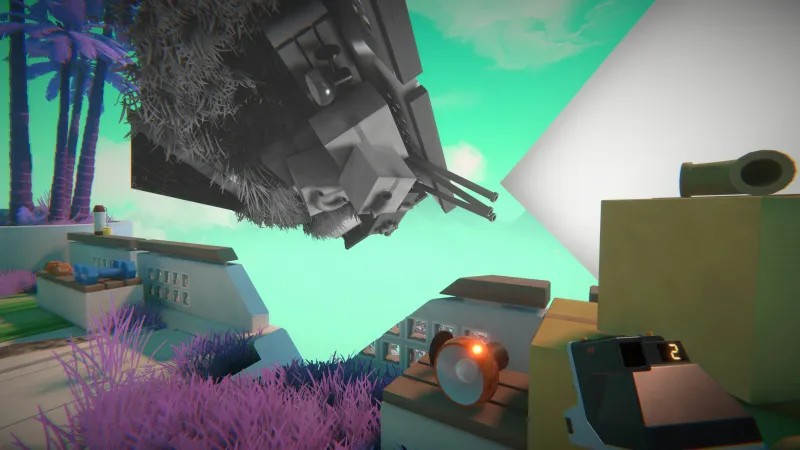
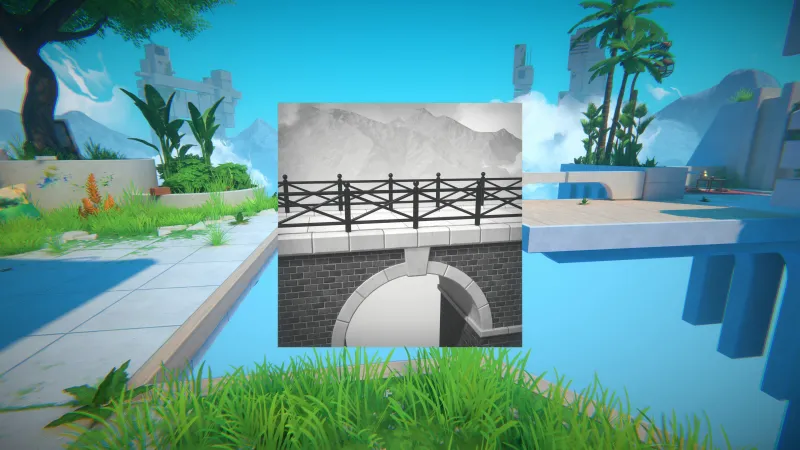
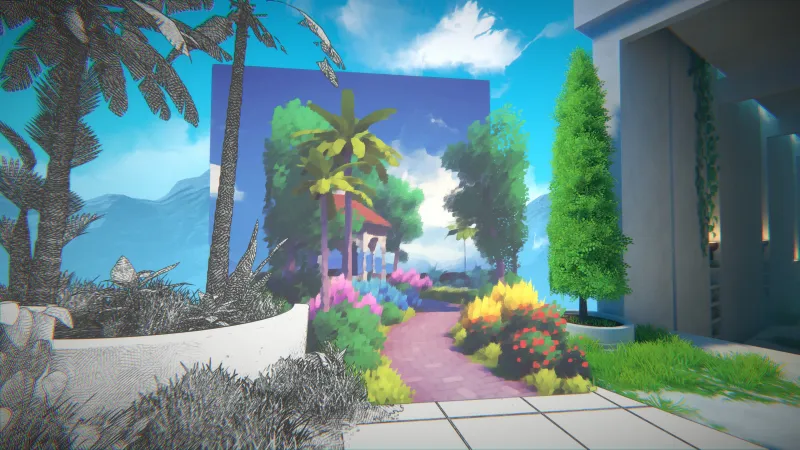
The core puzzle mechanic of Viewfinder is immediately visually fascinating. By superimposing a photograph over the environment, you essentially bring what you see in the photo into the location you’re standing in. Its most straightforward application is using a picture of a bridge to place a walkable path between two platforms. Impressively, Viewfinder moves past that simple implementation quickly to create more interesting puzzles before even leaving the first collection of levels.

Viewfinder also does a good job of ramping up the abilities. Early puzzles amount to finding photographs in the environment and using them to progress, but it doesn’t take long for you to start using stationary cameras to take photos, a photocopier to multiply needed objects, and eventually getting a camera to take pictures of anything you want. It never lingers on the same mechanic for too long and introduces new ideas up to even the final level.

The final puzzle is the only timed puzzle in the game, but it forces you to take everything you learned up to that point and implement it quickly to get to the end in time. I usually abhor timers in puzzle games like this, but its implementation here was exciting and made me feel like I was breaking the game to arrive at solutions quickly and ended up being a highlight of the whole experience.

Several optional, more difficult  puzzles litter the experience, and one of the highest compliments I can offer is that I willingly completed each one. I wanted to see what creative new ways the tools could be used in more challenging scenarios, and I was not disappointed.

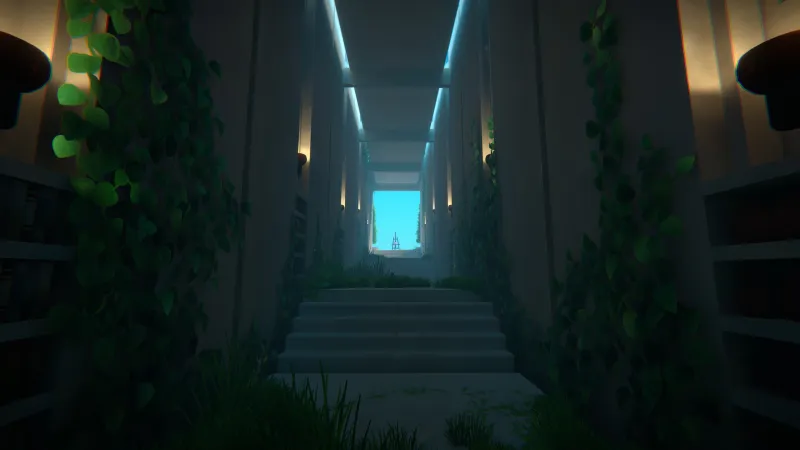
 

Behind all the creative puzzles and perception-bending gameplay does exist a story about a world struggling with a climate crisis and a potential cure that may exist inside of wherever you are. Conversation recordings are found in nearly every level, as well as a handler who speaks to you occasionally, and an ethereal cat named Cait who witnesses and compliments your progression. I ultimately liked its simple narrative conclusion but did engage much with the characters or their interpersonal relationships. It didn’t help that sometimes recordings would play while my handler or Cait was talking to me, which made parsing what was happening (or had happened in the past) difficult to figure out. Ultimately, I am glad a small narrative exists to help contextualize what was happening, but the highlight here is the gameplay and puzzle design.

The entirety of Viewfinder, including completing its optional puzzles, only takes a few hours, but its brevity is a strength. The game has no unnecessary fat where you use familiar solutions to solve slight variations of puzzles you’ve already completed. Every level feels like it is trying out a new idea based on the core concept making it a consistently novel experience throughout.

GI Must Play

Score: 8.25

About Game Informer's review system

Purchase

Wednesday, July 12, 2023

Dave the Diver Review - A Refreshing Departure

Reviewed on: PC
Platform: PC
Developer: MINTROCKET

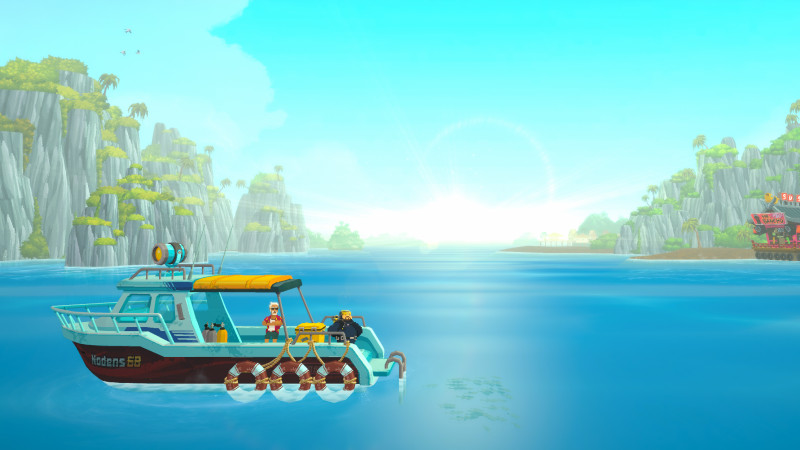
Like a beautiful and unusual fish that has suddenly risen to the surface, Dave the Diver is an unexpected surprise. Juggling two core systems that work in tandem, it’s a game that excels as both an exploration experience and as a management sim and does so in ways that are intuitive and easy to pick up. However, the real triumph is a focus on novelty at every turn, with a near-constant supply of sudden twists, activities, and ways to engage with the game, resulting in a joyful and approachable adventure that is hard to put down.

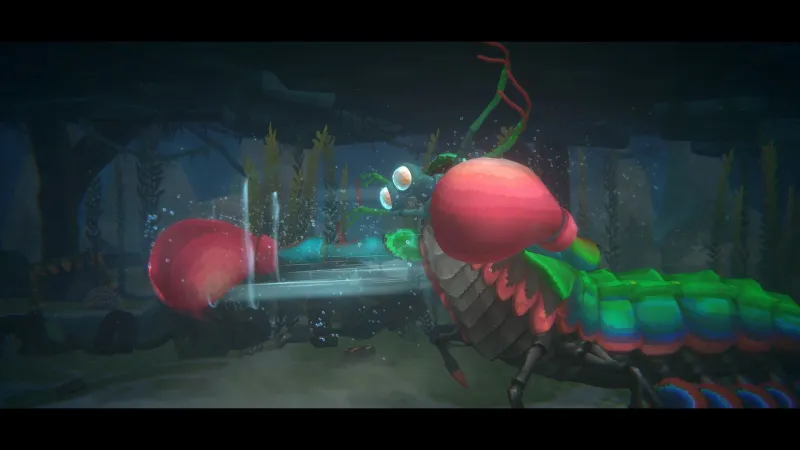
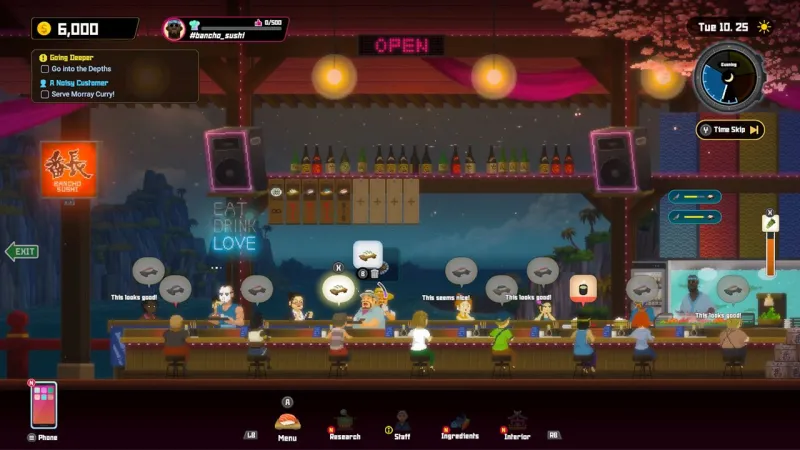
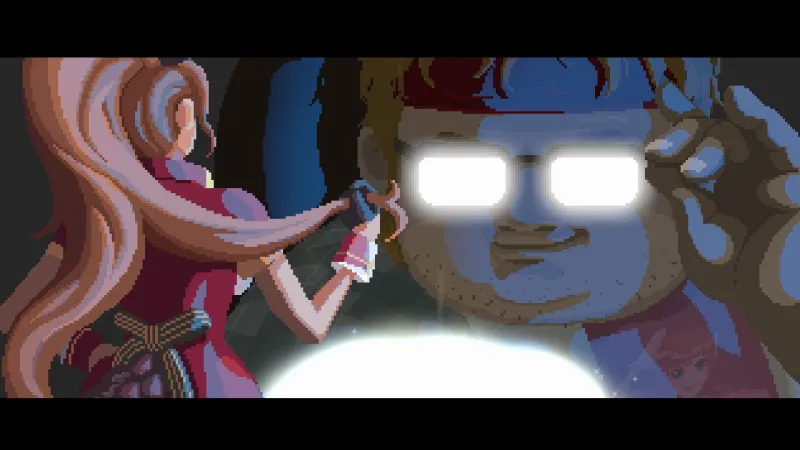
Dave is a scuba diver, summoned to a strange blue hole in the ocean filled with all manner of marine life. He’s there to help capture seafood for a local sushi restaurant and its eccentric but expert chef, and he’s soon drawn into the management of the business to an equal depth as his sea explorations. As those underwater investigations swim ever further from the surface, new fantastical elements enter the equation, from sea people to prehistoric creatures, keeping players guessing on both the story and gameplay front.

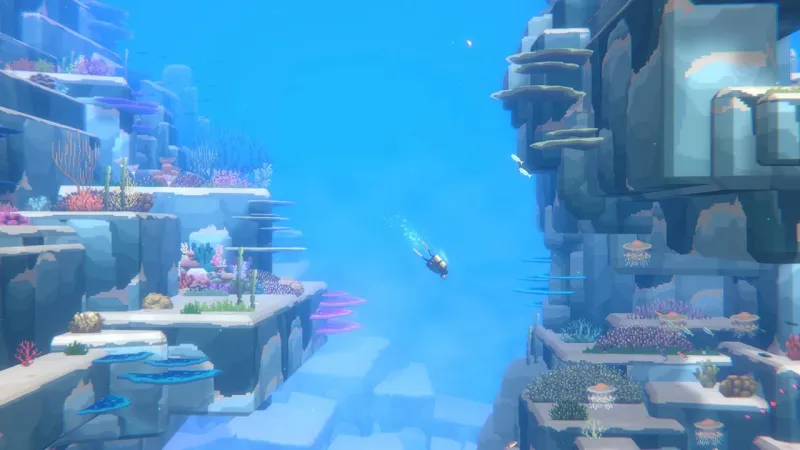
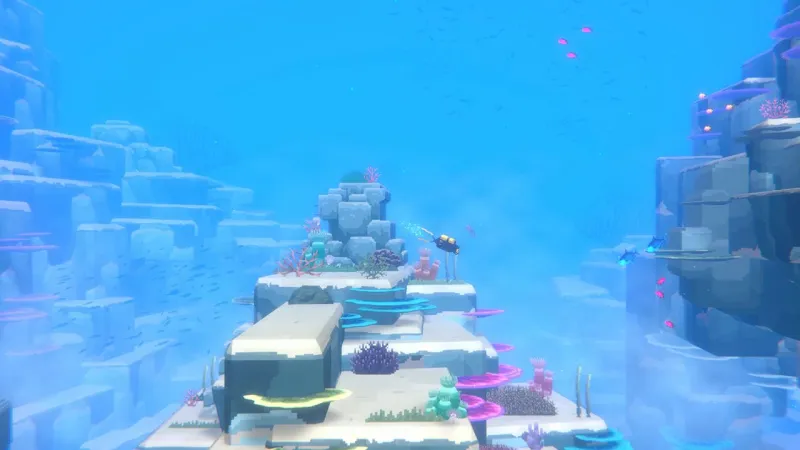
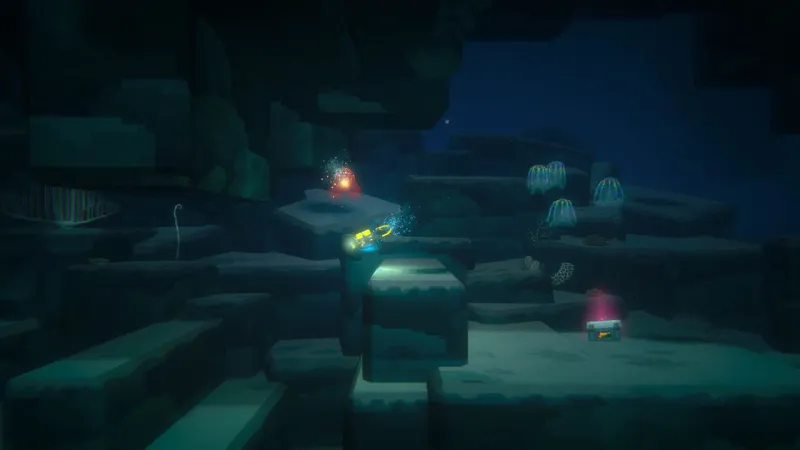
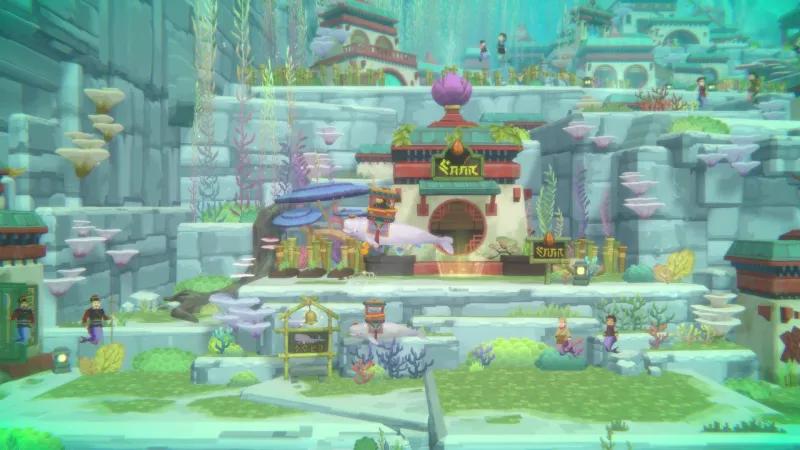
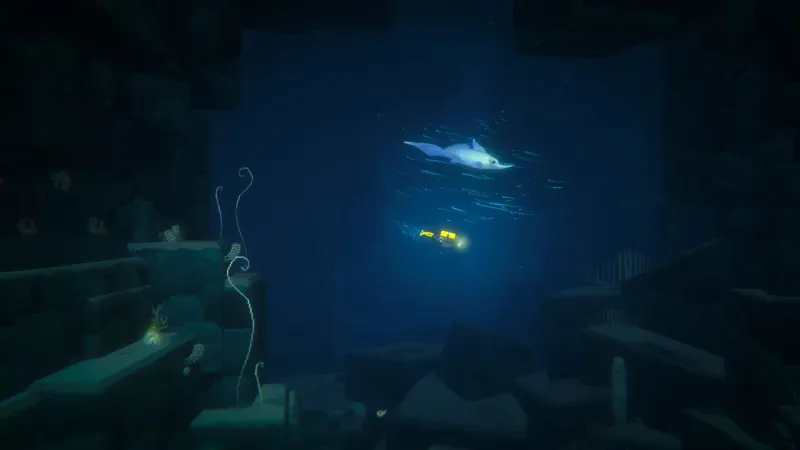
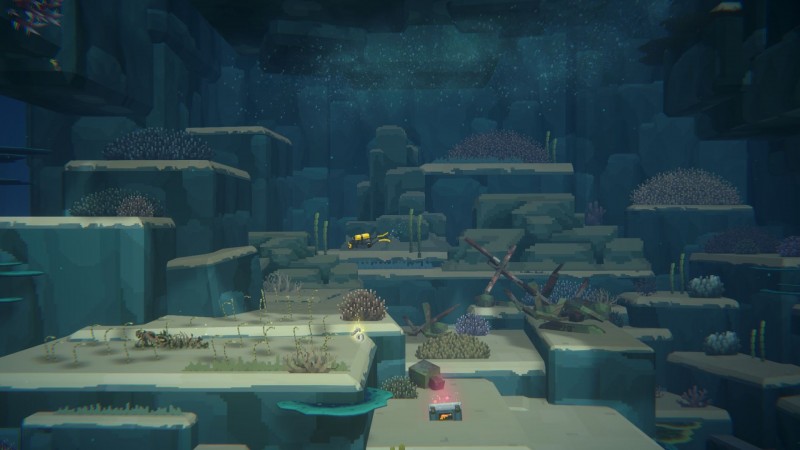
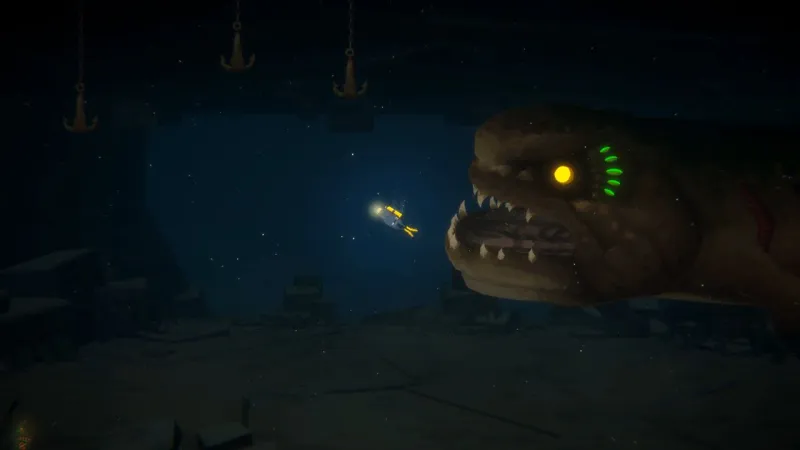
The underwater dives are uncomplicated but gorgeous, leveraging a pixel-art aesthetic to present a considerable variety of undersea life and a constantly shifting landscape of cliffs, chasms, and tunnels. With guns, harpoons, nets, and more, Dave must snag the tastiest morsels to bring back to the restaurant while monitoring his air tank, avoiding hostile species, and gathering additional supplies. The simple aiming and shooting are enjoyable, and the gradual upgrade of equipment provides a rewarding sense of progression. But the search for new sights and locales drives the fun.

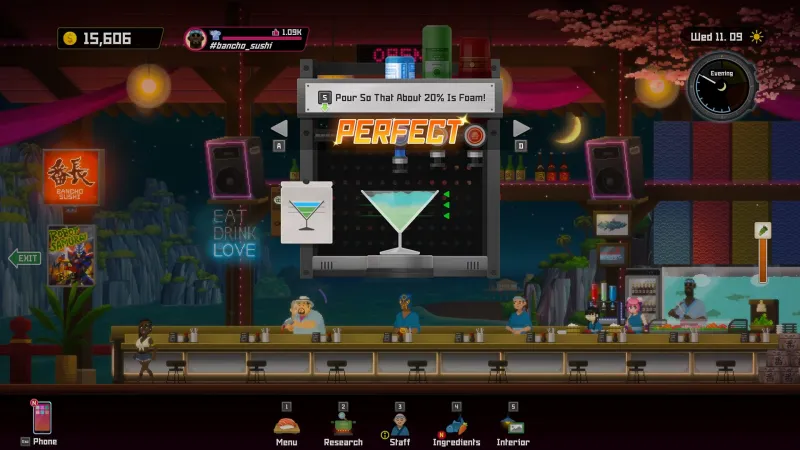
Back above water, Dave is wrangled into serving duties behind the sushi counter amid an offbeat cast of characters, many of whom drive home a theme that people are often more and better than they appear at first glance. Setting menu items, hiring and training staff, and pouring drinks give way to more activities, like running a farm and fish hatchery, competing in reality food competitions, and fleeing pirate boats to protect ancient relics – most with an attached mini-game or interactive component.

The continual layering of these small but rewarding systems transforms Dave the Diver into something exceptional. The flip back and forth between diving action and sushi restaurant management is engaging but might become rote were it not for the constant influx of other new ideas to keep things fresh. Taking wildlife photos, halting invasive fish species, building new weapons, cataloging discovered creatures – everything works together to push the adventure forward while remaining forgiving enough in complexity that a player never feels overwhelmed.

Dave is a charming hero, affable and guileless but capable, kind, and eager to help his friends. As the story grows more outlandish, the bosses ever bigger and more unbelievable, and the story sillier, the grounded and likable lead kept me smiling. A few late-game activities, including some stealth and light beam puzzles, don’t completely hit the mark, but by that point, the investment is high, and it’s easy to push ahead to the end.

You might question whether a sushi restaurant management sim crossed with underwater diving is your cup of tea, but that would be missing the point. Dave the Diver is a unique and memorable vacation away from expectations, and it’s the very fact that you don’t usually play games like this that makes it so satisfying.

 
GI Must Play

Score: 8.75

About Game Informer's review system

Purchase

Oxenfree II: Lost Signals Review - A Sequel Worth The Wait

Oxenfree II: Lost Signals review game informer gameplay score

Reviewed on: PC
Platform: PlayStation 5, PlayStation 4, Switch, PC, Mac, iOS
Publisher: Netflix
Developer: Night School Studio
Rating: Teen

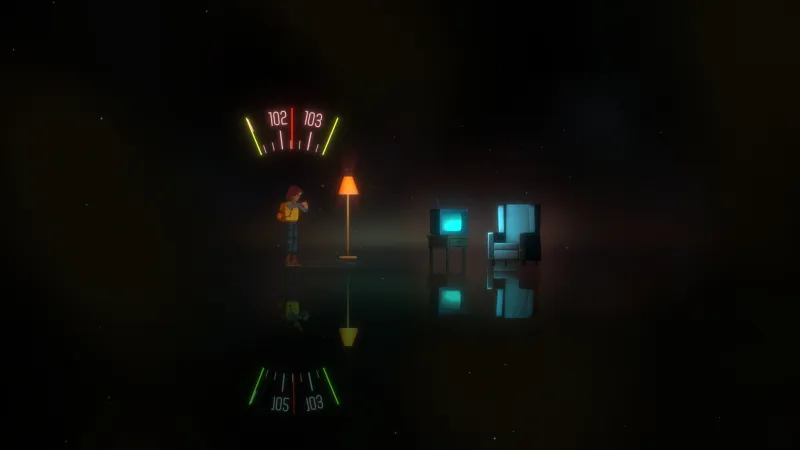
Oxenfree II: Lost Signals delivers what I have wanted out of a sequel seven years after the first game's release. Although its overarching A-to-C narrative feels like it is missing a “B” in the journey, I’m impressed with most of what Oxenfree II accomplishes. It brings back the original's simple but charming radio mechanics, adds a walkie-talkie that expands the world around protagonist Riley, and, most importantly, features incredibly well-written and believable characters. While Oxenfree II’s paranormal events are spooky and cold, the cast is warm, bright, and complex, and the entire package feels like an ‘80s summer romp.

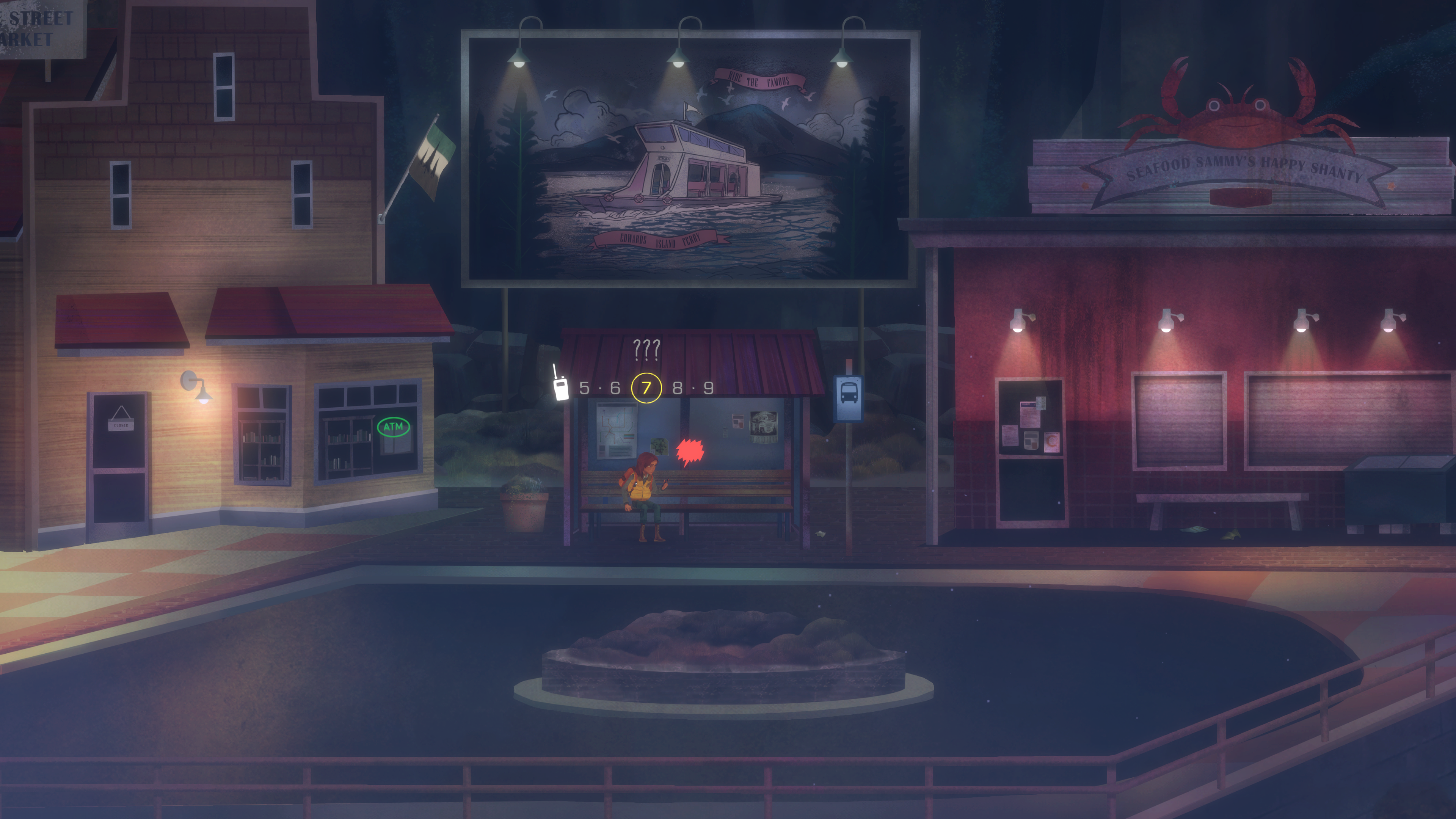
If Oxenfree, developed by Netflix-owned Night School Studio, is about teenagers in the idealized 1980s popularized by Hollywood with series like Netflix’s own Stranger Things, then Oxenfree II is about the lesser-seen adults dealing with their mess afterward. Set five years after the original game, Riley arrives in her hometown of Camena for day one of a new environmental research job. She grew up here and left for reasons you discover in the story, only to find herself returning as a 30-something-year-old for work. 

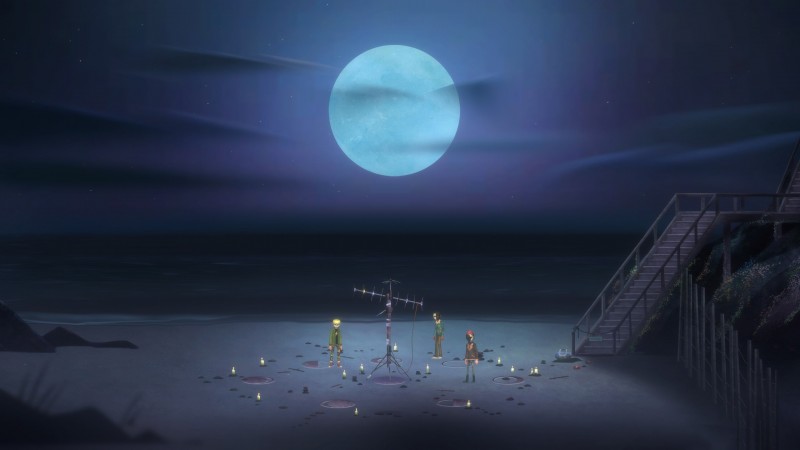
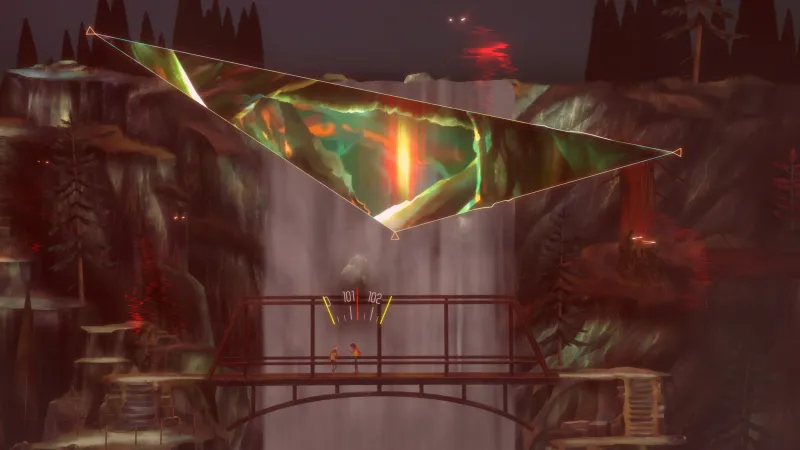
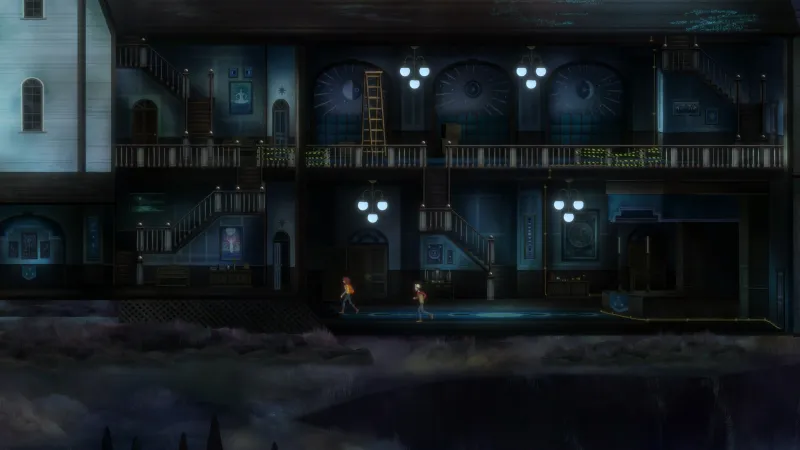
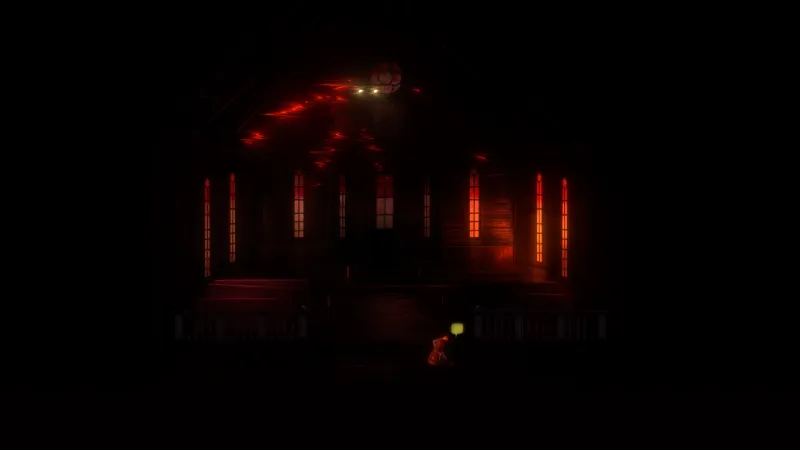
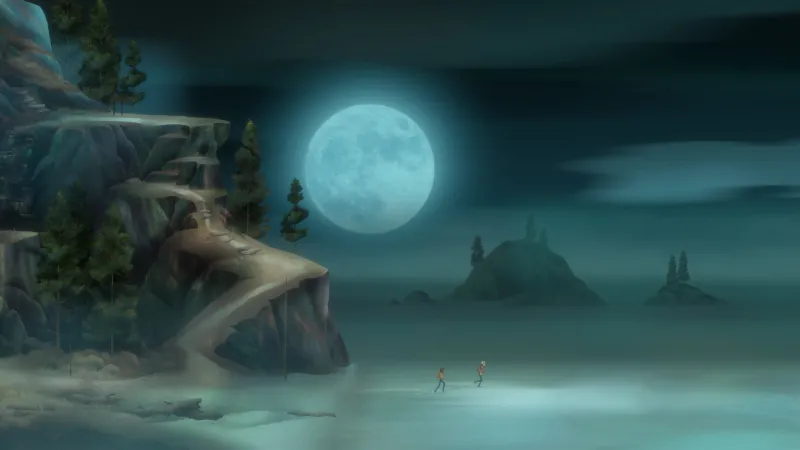
She soon meets Evelyn, a coworker working 20 miles away who shows her the ropes, and Jacob, her now-colleague. After placing a transmitter high on the island, things go awry quickly, and a familiar triangular prism appears over the sky of Oxenfree’s Edwards Island, visible in the distance of Camena. And this isn’t good, so Riley and Jacob set off to end it. As the duo explores more of Camena, trekking through abandoned mines and caves, climbing up cliff sides, and sprinting across moonlit beaches, they discover a cult, angsty teenagers stubborn in their decisions, ghostly apparitions, some familiar faces, and more. I thoroughly enjoy every hike to the following transmitter location because it always leads to more dialogue between Riley, Jacob, and the various people of Camena that Riley can talk to using a walkie-talkie. 

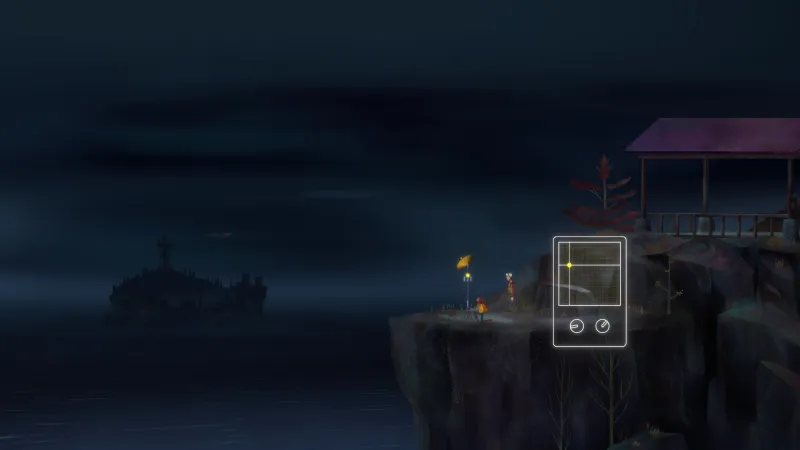
Mechanically, Oxenfree II plays just like its predecessor. You explore an island; pick dialogue options that paint the protagonist as sarcastic, kind, or cold; and solve simple puzzles using a radio. The walkie-talkie is technically a new mechanic, but it’s mostly just another avenue for dialogue. I don’t mind the lack of mechanic innovation in the sequel, but if Oxenfree’s heavy focus on narrative and light gameplay turn you off, this game might do the same. Just be wary when quitting the game, as terrible checkpointing without a clear save function caused me to replay several sections, dampening my excitement from playing them the first time.  


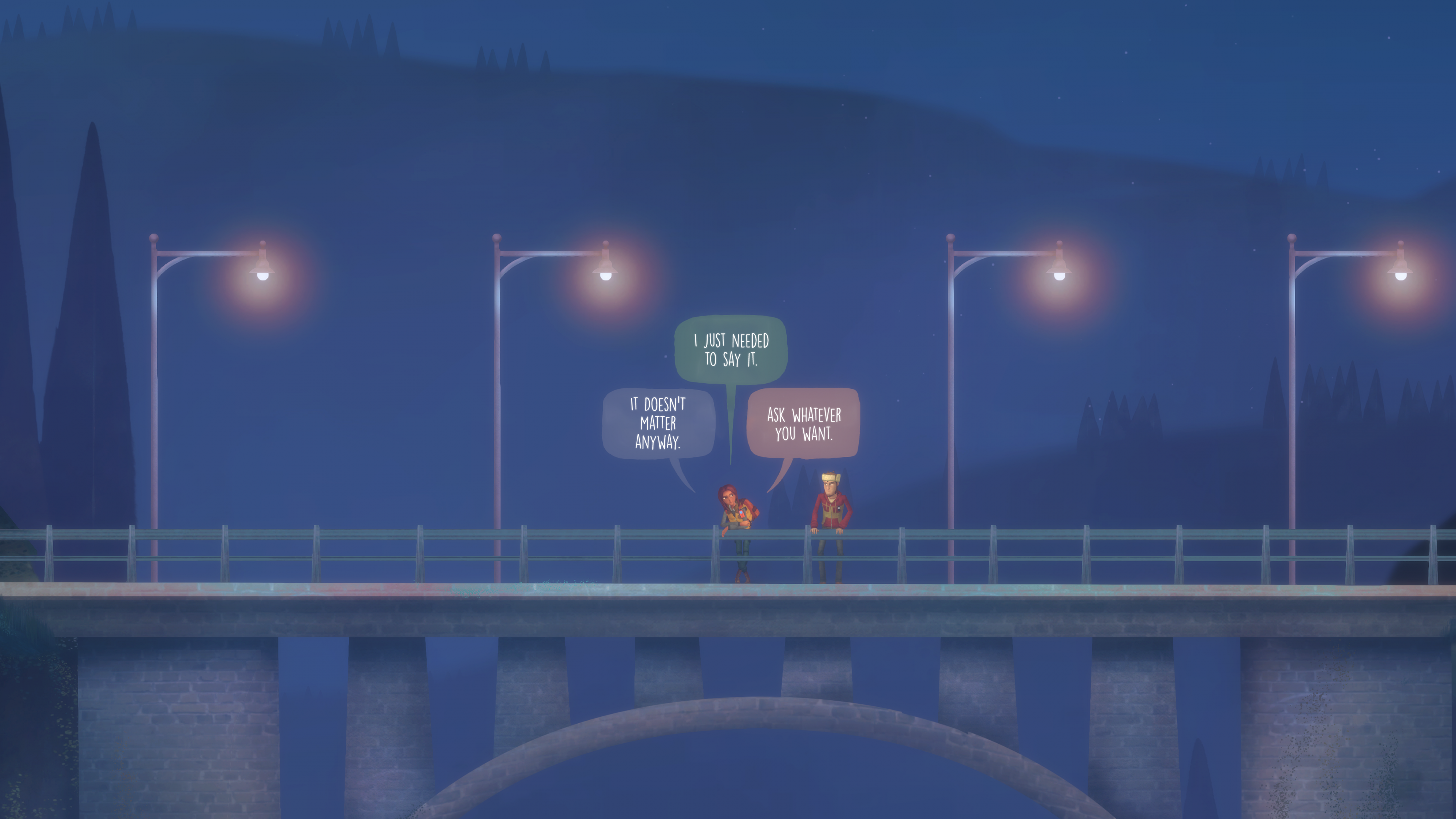
I can’t express enough how much I enjoy the conversations between every character. Not only are they well-written, filled with romanticized language designed to get you in your feelings, but the voice cast delivers sincerity in every line. Riley and Jacob are the clear standouts, and learning at the end that it’s possible not to befriend Jacob in the game was bewildering. Jacob feels intrinsically tied to the story as the light guiding Riley through the night’s mysterious journey and her mind’s attempted takedown of who she is at her core. In more ways than one, Oxenfree II is a story of discovery: of the paranormal, spooky plans conceived by desperate teenagers, and who these characters want to be after the night’s events.

I especially love Oxenfree II’s more mature tone and story because it bucks the trend of adults who think they know what’s best for teenagers. Instead, it lets players decide how Riley and Jacob treat them, and that freedom leads to some surprising twists. These excellent conversations and twists are the highlight of the narrative experience for me, but the overarching story falls somewhat flat, not because I don’t enjoy what it has to say, but because it feels rushed, almost as if it’s missing a second act. Oxenfree II feels methodically slow and then, all at once, desperate to end, and it’s jarring. 

Oxenfree II doesn’t shake up what its predecessor did in 2016, but it delivers more of the excellent writing and charm I expect from Night School Studio. While it's light on gameplay beyond traversal, it’s done in service of the characters. After 10 hours with this cast, I want more, but I’m happy with where this story ends and how my choices shaped that ending. Despite bad checkpointing and a swift rush to the end after an overly long setup, this return feels earned and essential, with a message that resonates far more than Oxenfree's. With Oxenfree II behind me, I’m thrilled Night School Studio delivered something special more than seven years away from this world.

Score: 8

About Game Informer's review system

Purchase