This is default featured slide 1 title

Go to Blogger edit html and find these sentences.Now replace these sentences with your own descriptions.This theme is Bloggerized by Lasantha Bandara - Premiumbloggertemplates.com.

This is default featured slide 2 title

Go to Blogger edit html and find these sentences.Now replace these sentences with your own descriptions.This theme is Bloggerized by Lasantha Bandara - Premiumbloggertemplates.com.

This is default featured slide 3 title

Go to Blogger edit html and find these sentences.Now replace these sentences with your own descriptions.This theme is Bloggerized by Lasantha Bandara - Premiumbloggertemplates.com.

This is default featured slide 4 title

Go to Blogger edit html and find these sentences.Now replace these sentences with your own descriptions.This theme is Bloggerized by Lasantha Bandara - Premiumbloggertemplates.com.

This is default featured slide 5 title

Go to Blogger edit html and find these sentences.Now replace these sentences with your own descriptions.This theme is Bloggerized by Lasantha Bandara - Premiumbloggertemplates.com.

Monday, November 6, 2023

Like A Dragon Gaiden: The Man Who Erased His Name Review – Bridging The Gap

Like A Dragon Gaiden: The Man Who Erased His Name

Reviewed on: PC
Platform: PlayStation 5, Xbox Series X/S, PlayStation 4, Xbox One, PC
Publisher: Sega
Developer: Ryu Ga Gotoku Studios
Rating: Mature

As far as pitches go, Like a Dragon Gaiden: The Man Who Erased His Name, the next game in what used to be called the Yakuza series, is hard to beat: Find out what happened to series protagonist Kiryu Kazuma between Yakuza 6: The Song of Life and Yakuza: Like a Dragon. The former ended with Kiryu faking his death to keep his adopted family of orphans safe. The idea was his story was over – he was moving on to the next chapter of his life. Developer Ryu Ga Gotoku Studio pitched it as such. Until the latter, when he showed back up, playing a large part in a game that was supposed to, and somewhat did, launch new series protagonist Ichiban Kasuga into the limelight. For the most part, Gaiden is an interesting bridge between those two games – even if it doesn't always go as deep into Kiryu's character as I hoped.

As it turns out, Kiryu was a secret agent for all those years. Following the events of Yakuza 6, Kiryu, now called Joryu, made a deal with the Daidoji, a secret organization with its hands seemingly in every part of Japan – from the underworld to the upper echelons of the government. Because the Daidoji helped stage Kiryu's death, he's now the group's errand boy, acting as muscle by beating the holy hell out of anyone he's instructed to. Until he gets involved in a hodgepodge of various conspiracies that ultimately lead to him helping disband the Omi and Tojo yakuza groups – a plot point Like a Dragon players may remember.  

Gaiden's story is in line with the quality we've come to expect from RGG's titles, which is to say, it's very well-told and gripping. I like the noir slant on what is often fantastical crime dramas, and Daidoji's role in Japan makes it easy to buy into the plot's more spectacular moments. And I especially like the way the back third of the game mixes in with Like a Dragon, even having you play through some of the events of that game. Hilariously, though, despite going to great pains to remind the player over and over that Kiryu is dead, just about everyone sees through his disguise; no one buys this Joryu front. Kiryu, always a lovable idiot, commits to the bit to the very end, but you spend large swaths of the game listening to the same conversations about how people thought Kiryu died and Kiryu telling them he doesn't know what they're talking about – he's Joryu.
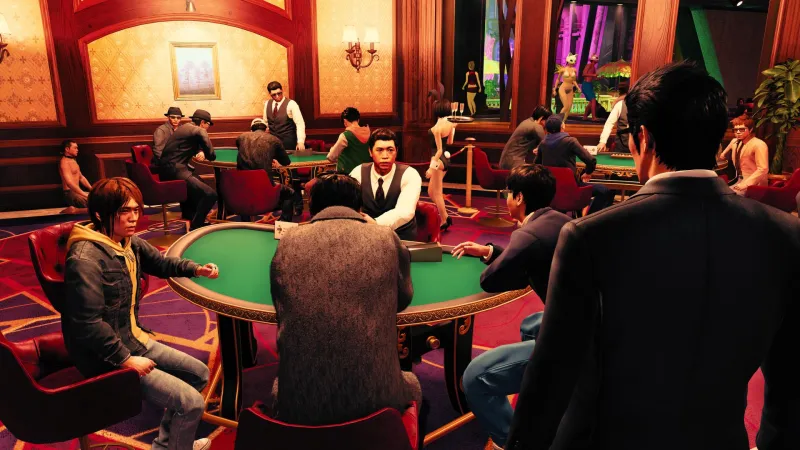
 

Where the story falters is being a satisfying bridge between Yakuza 6 and Like a Dragon. On one hand, I now know what Kiryu was up to – spy stuff. On the other hand, the reason he faked his death in the first place often feels like an afterthought. There are conversations gesturing towards Kiryu's adopted family, but we don't get a ton of time to examine the psychological impacts his staged death has had on him as a character; I never really got the sense that he was filled with sorrow or regret for having lived a life that got him to this point. That is until the ending, which is one of the best and most affecting in the entire series, but it would've been nice to see more of that paid off throughout the game rather than backloaded. 

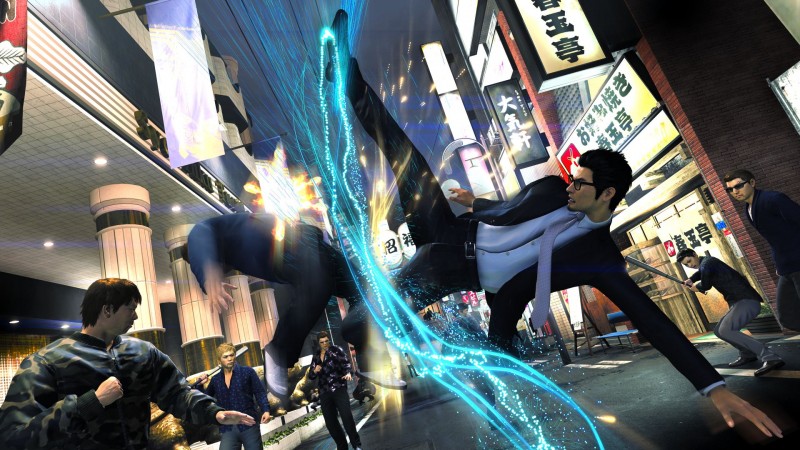
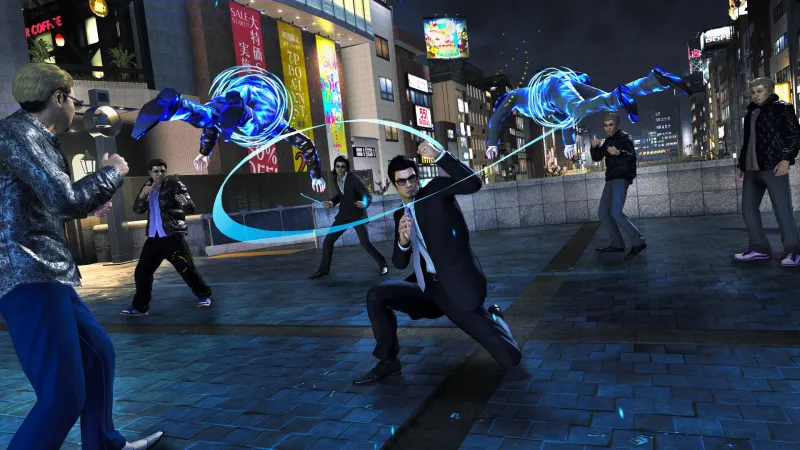
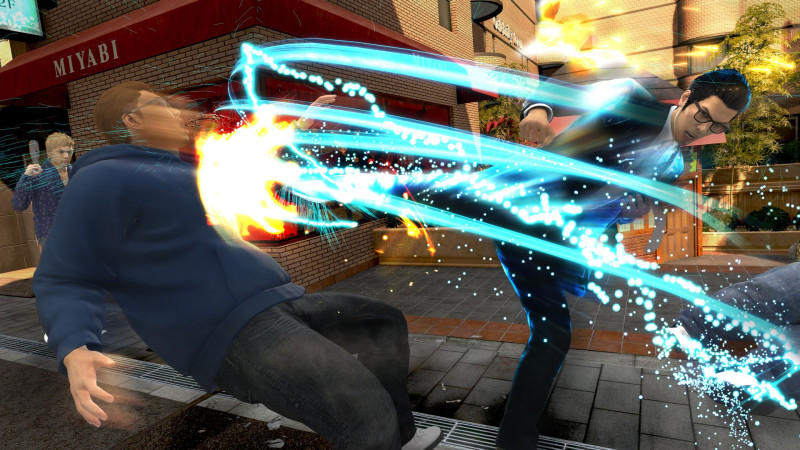
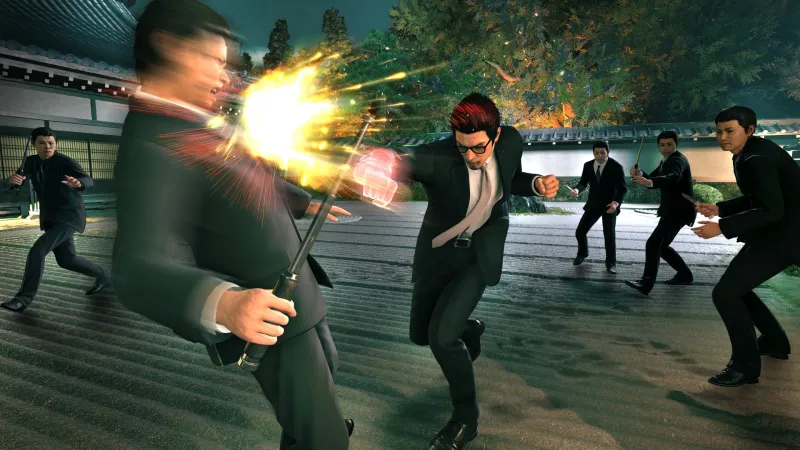
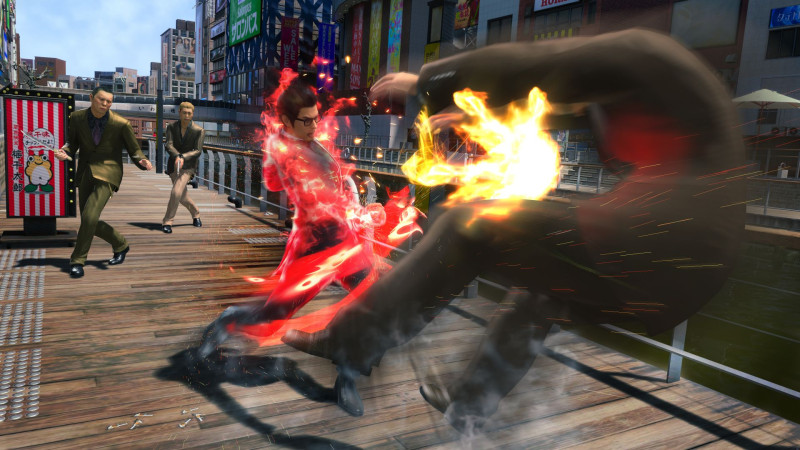
Gaiden returns to the series' trademark brawler combat, and it has satisfying twists on the formula in line with Kiryu's new job. There are two fighting styles: Yakuza and Agent. Yakuza plays similarly to other RGG games – you punch, kick, and beat up anything in your way. Agent is a faster but weaker combat stance, but with the addition of cool spy tools. – including an exploding cigarette, drones, and a cord that can tie up enemies. I like swapping between the two fighting styles. For example, starting with the Agent style to tie up and throw enemies around was great for crowd control and building up my special meter to unleash heavy attacks. After thinning the herd, I'd often switch to the Yakuza style to focus my powerful attacks on stronger enemies. It's a layer of strategy I don't feel like many other RGG games have had, which are often fun but mindless.
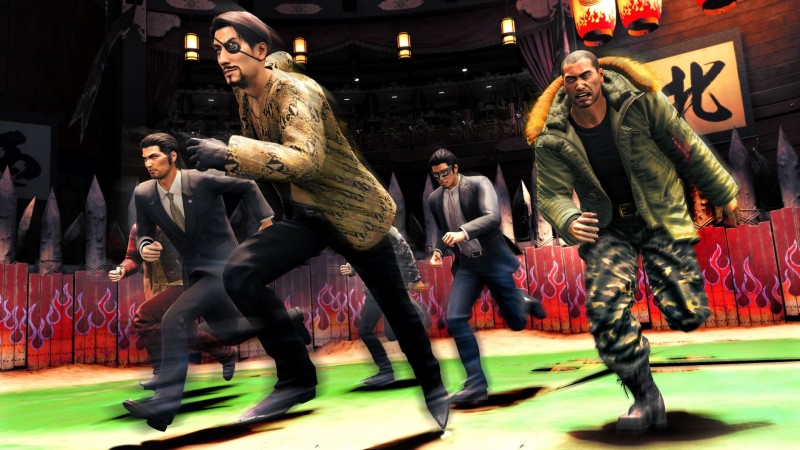
Like A Dragon Gaiden: The Man Who Erased His Name

One last welcome change to the overall formula is how substories play out. At the risk of alienating the Yakuza fanbase, I've never been a fan of the wacky side stories in these games; I always want to keep the dramatic main story going. But the series often forced these diversions down your throat by making them automatically trigger out in the open world; it's no exaggeration to say that in older games, this could happen five or six times on a short walk to an objective, depending on your route. Gaiden introduces Akame, a new character who is sort of like Kiryu's manager. Most substories are now accessed through her rather than stumbled upon in the open world. It's a small touch, but one I welcomed with my entire heart. 

At only 14 to 15 hours, Gaiden is a fun, comparatively short return to the world of Kiryu "Joryu" Kazuma. By the time credits roll, Gaiden neatly establishes Kiryu's role in the next mainline game, Like a Dragon: Infinite Wealth, and since that game's out in a few months, the brief taste gave me plenty to be excited for. I wish the story were more interested in exploring who Kiryu is now that he's forced into this double life, but as a thin bridge between games, Gaiden is a neat one. And I'll always appreciate an excuse to hit the streets and the thugs therein with my favorite dummy.

Score: 8

About Game Informer's review system

Purchase
Friday, November 3, 2023

RoboCop: Rogue City Review – Serving The Public Trust

Reviewed on: PlayStation 5
Platform: PlayStation 5, Xbox Series X/S, Switch, PC
Publisher: Nacon
Developer: Teyon
Rating: Mature

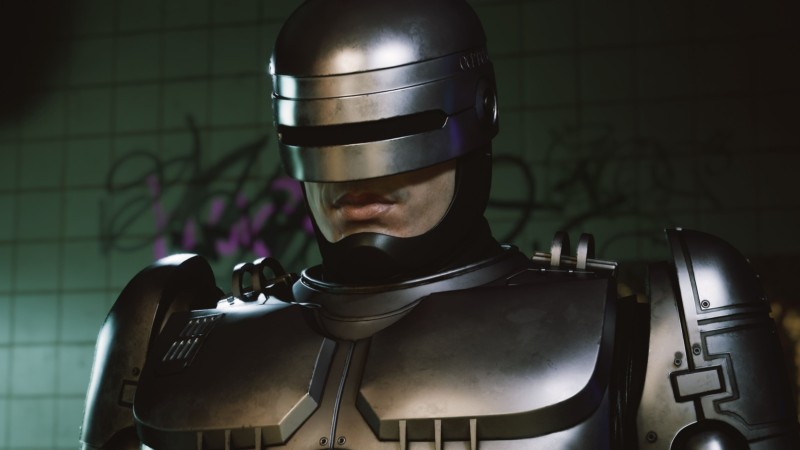
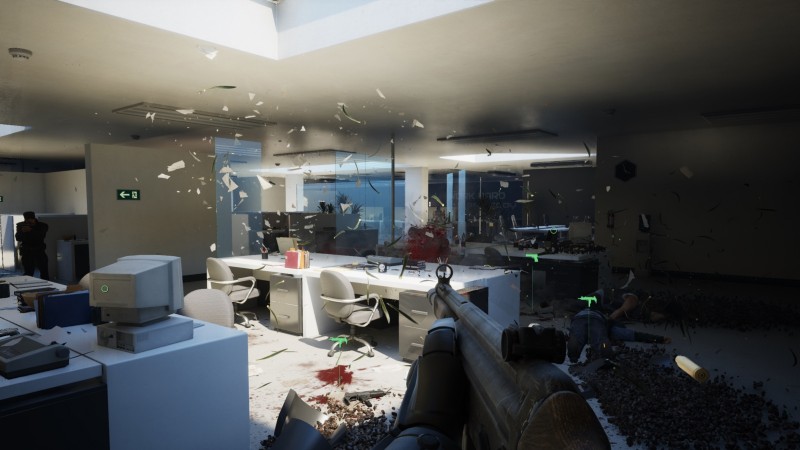
RoboCop: Rogue City is likely the best game the action hero has ever starred in. That bar isn’t tough to hurdle, but the adventure delivers plenty of thrills for fans to be excited about. This narrative-driven first-person shooter has a loving reverence for the films and a good understanding of its protagonist, swinging for the fences with a lengthy original story, fun references, and plenty of enjoyably cheesy humor. Unfortunately, like the franchise’s vision of Detroit, Rogue City is very rough around the edges, resulting in a flawed hero but one that’s ultimately entertaining to patrol with. 

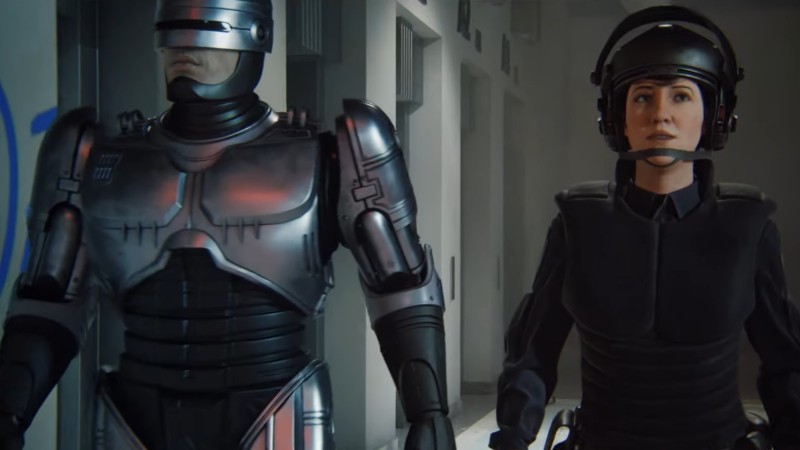
Set between the events of RoboCop 2 and 3, the titular cyborg, formerly known as Alex Murphy finds himself pulled in all directions. A mysterious figure known as “The New Guy” has arrived to rally Detroit's top gangs to wreak havoc for an unknown sinister purpose. The police department is pressed under the thumb of Omni Consumer Products’ (OCP) supremely unlikable corporate stooge Max Becker, who views RoboCop and the police as ineffective relics of the past. Myriad of smaller threads vie for RoboCop’s attention, such as a snooping journalist seeking your aid in exposing OCP secrets, therapy sessions with a doctor looking to learn what makes you tick, and a new rookie partner who’s also an OCP informant among others.

By and large, the game does a good job of tying these threads into an entertaining and cohesive story full of twists and turns. Although the 20-hour adventure overstays its welcome by the last act with several red herrings and false endings, Rogue City is a better RoboCop 3 than the movie RoboCop 3. It’s fun to hear actor Peter Weller reprise his role as RoboCop, and while the other performances are decent at best, the character models and animations are as robotic as RoboCop himself. Lip-syncing is especially bad, and it outright breaks in several scenes, giving everyone the appearance of communicating via telepathy. 

Roaming the explorable police station between missions or open hubs such as downtown leads to side missions that place RoboCop in bizarre, entertaining scenarios with Detroit’s finest weirdos. Whether solving a murder on a sunscreen commercial set, clearing boombox-blasting hooligans away from a storefront, or doing the “Robot Dance” at the request of a child, you could tell me these tasks are just thinly veiled vehicles for RoboCop to deliver delightfully dopey one-liners, and I would be okay with that. Rogue City doesn’t take itself totally seriously, capturing the first film's dark satire and the sequels' campy goofiness that, while not always hitting the mark, manage to work in a fun way. 

Choice-driven dialogue presents opportunities to present yourself as a strict enforcer who obeys the law no matter what or a more empathetic, nuanced hero. Some choices do a good job of capturing the drama of RoboCop, a black-and-white do-gooder confronting moral shades of grey, like choosing to support one of two morally questionable mayoral candidates or committing illegal corporate espionage for supposed public good. Decisions steer the story and characters in different ways that funnel into multiple endings that feel adequately paid off, like helping an unhoused drug addict and informant find self-value or the journalist deciding whether or not to expose your technical struggles. 

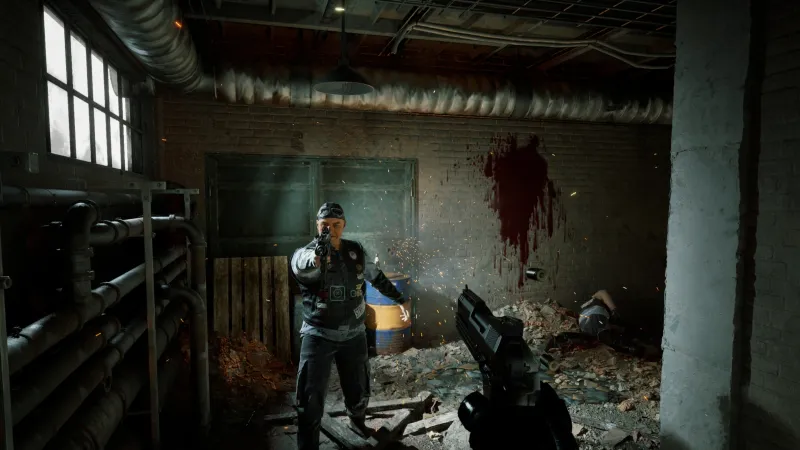
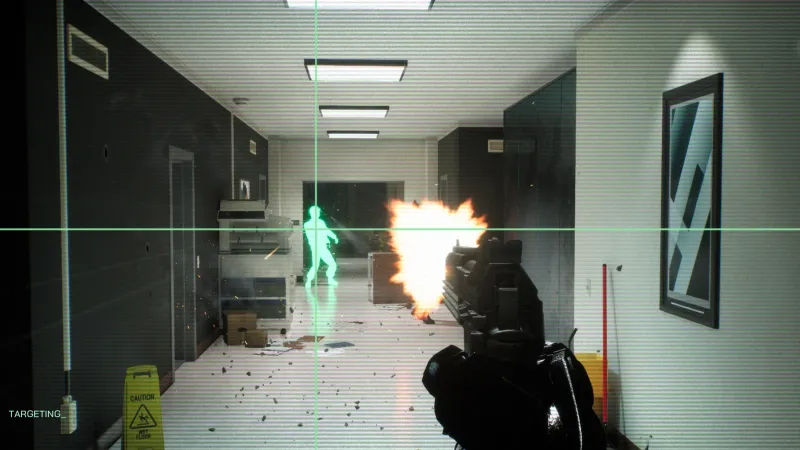
Fighting crime often involves powerfully marching down corridors and back alleys to mow down scores of idiot thugs as they unleash hails of bullets at you. Rogue City succeeds in making you feel like the human tank RoboCop is. You can’t duck or take cover and don’t need to; he’s durable enough to absorb dozens of bullets, and I loved popping off headshots while confidently marching through incoming fire as targets panicked in disbelief. Other times, I got a kick out of grabbing foes and flinging them across rooms. I felt powerful but not invincible; in tougher firefights, which usually means higher enemy numbers and more powerful artillery, rationing a small inventory of health packs became a challenging trial. This rings most true during big boss battles against familiar RoboCop adversaries, which veer into unfair territory due to their fast and relentless offense versus your comparatively limited mobility. 

In addition to RoboCop’s signature sidearm, which sports unlimited ammo, the weapon arsenal is by-the-numbers and hit-and-miss in terms of the punch they pack. Automatic weapons feel good, but shotguns and sniper rifles pale in comparison. Enemy A.I. is also dumb as rocks. Foes often stand in place, inconsistently go for cover, get snagged in geometry, or, in rare instances, kill each other. I laughed out loud watching two motorcycle-riding goons accidentally collide with each other during one confrontation. 

Still, the action delivers solid thrills in a basic meat-and-potatoes way. Everything works just well enough to provide a good time. Plus, several environments are highly destructible, adding spectacle to battles. Rogue City may not fully deliver in terms of polish or ambition, but it provides a potent, if repetitive, satisfaction in blasting goons as they explode into gory showers of blood, limbs, and brains. 

Earning skill points to slot into various traits, such as Combat, Armor, Engineering, and Deduction, add unique perks that spice up combat and exploration. My favorite perks include buffing my armor to the point that some bullets ricochet off, killing their senders. An engineering perk let me brute force my way into safes I’d otherwise have to find combinations for. One neat combat perk let me perform trick shots off certain surfaces to eliminate targets behind cover. Various chipboards of increasing complexity, in which you create paths to passive perks by slotting different nodes while avoiding hitting debuffs, help improve general performance, but re-slotting nodes into every new board became a tiresome exercise.


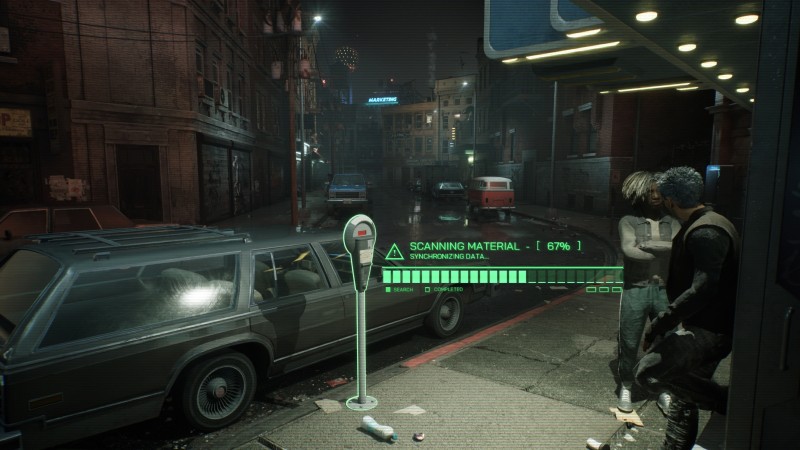
Outside of battle, you engage in detective work by scanning crime scenes for clues, collecting evidence, and questioning suspects. The process is streamlined – just scan highlighted objects until RoboCop and pals make a breakthrough, like opening a new dialogue option for interrogations – but these segments are nice breaks that mix up the gameplay while highlighting the character’s less-murdery talents. 

RoboCop’s recurring glitches are a primary plot device, but technical bugs became a real hindrance for the game. Enemies have a habit of sinking into floors or phasing through walls, complicating combat encounters. Cutscenes sometimes have pixelated transitions from scene to scene, and texture pop-in abounds. Bad audio mixing means some characters speak way too loudly while others sound normal. The game failed to recognize when I fulfilled an objective a couple of times, forcing me to reload a save and play the section again. Late game, certain guns fired automatically before I pulled the trigger, wasting ammo. 

Hopefully, updates will stamp out these issues because RoboCop: Rogue City provides a respectable adventure that feels like a long-lost shooter of the early 2010s in mostly good ways. Admittedly, the license carries the game through its rougher patches; if you’re not a RoboCop fan, the adventure may feel dated or buggy compared to other shooters. But as a B-tier love letter to the tin man in blue, Rogue City is a nice return to the limelight for Alex Murphy.

Score: 7.5

About Game Informer's review system

Purchase
Wednesday, November 1, 2023

WarioWare: Move It! Review - Back To Form

WarioWare: Move It!

Reviewed on: Switch
Platform: Switch
Publisher: Nintendo
Developer: Nintendo

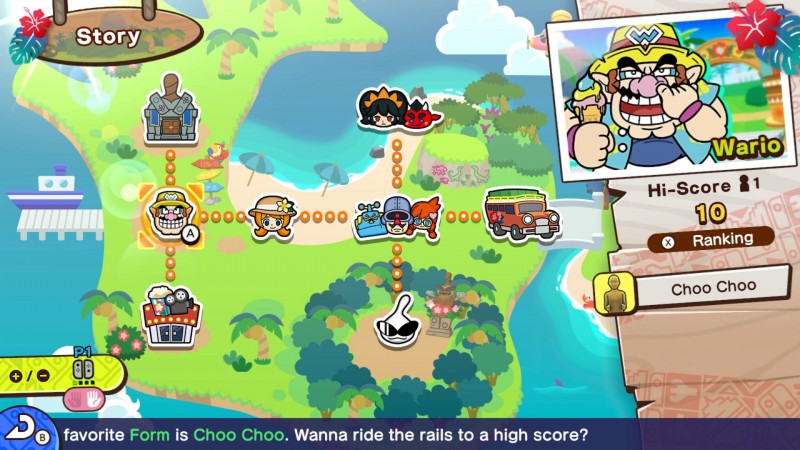
Ever since its first title 20 years ago, the WarioWare franchise has shapeshifted to take advantage of the capabilities and gimmicks of whatever the current Nintendo platform was. But the first entry on Switch, Get It Together, bucked that trend, putting you in control of the actual cast of characters in platforming-style microgames instead of taking advantage of the Switch’s unique traits. WarioWare: Move It aligns more with the traditional WarioWare experience, resulting in a better overall collection.

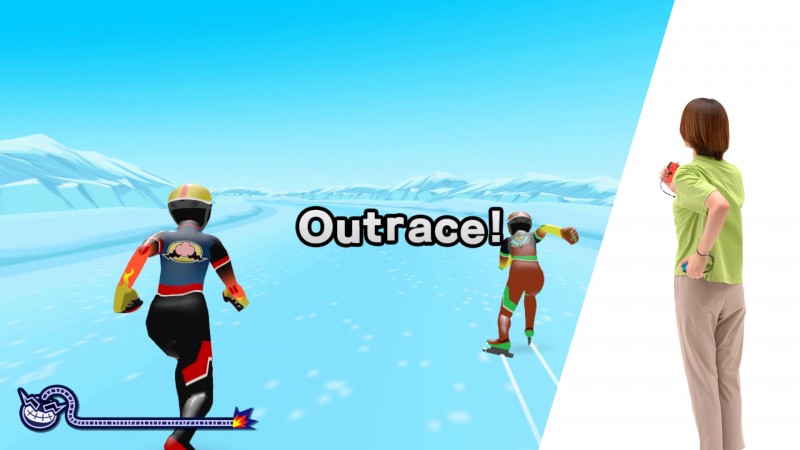
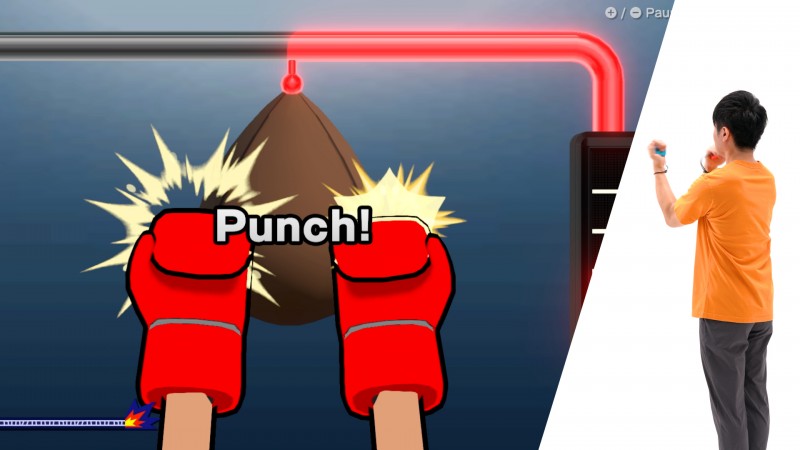
Move It takes the core tenants of the WarioWare franchise and cranks them up to 11. Players must learn various forms using two individual Joy-Con controllers, then complete rapid-fire microgames – three-to-five-second minigames that rely on your on-the-fly reactions to complete. As you progress through a session, the difficulty of each game and the speed at which they fly at you increases, creating an ever more frantic experience.

First Things First

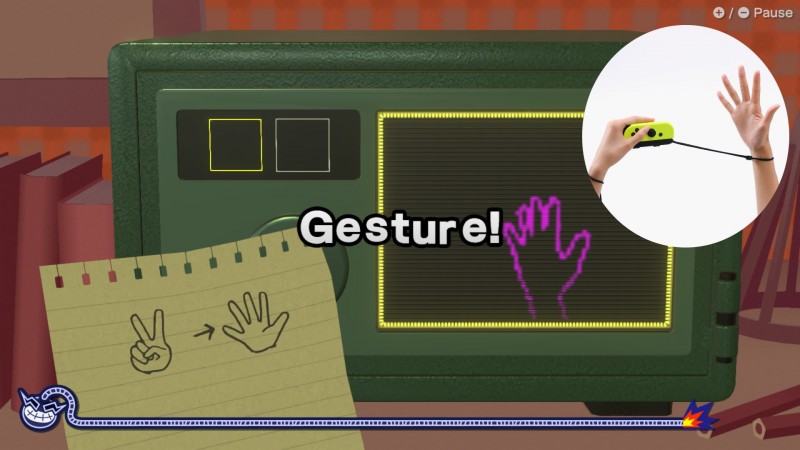
WarioWare: Move It lets you play through various microgames using two Joy-Con controllers. If you’re like me, you haven’t used the Joy-Con wrist straps since you opened your Switch. That means the first thing you will need to do is find the wrist straps for your Joy-Cons, as several forms and microgames require them for specific actions.

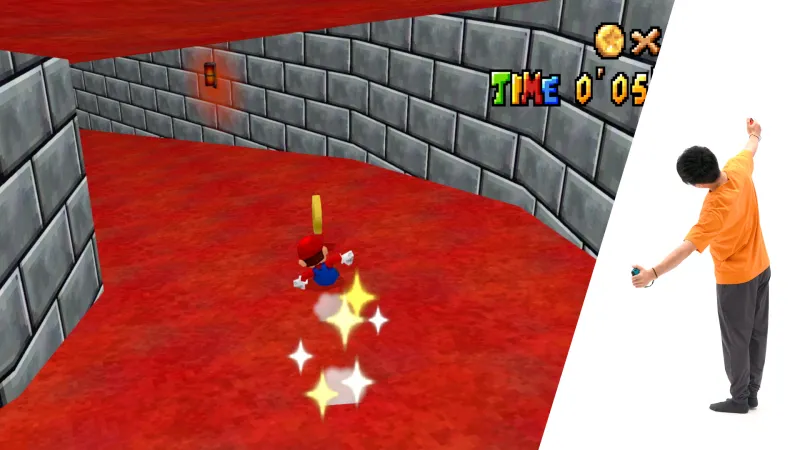
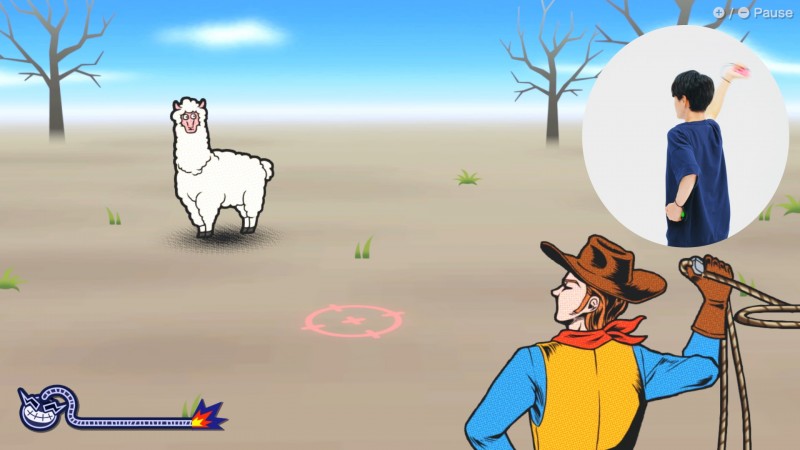
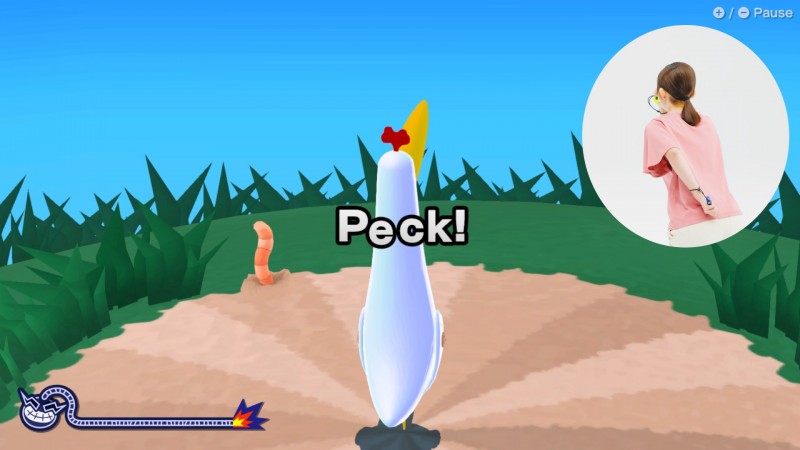
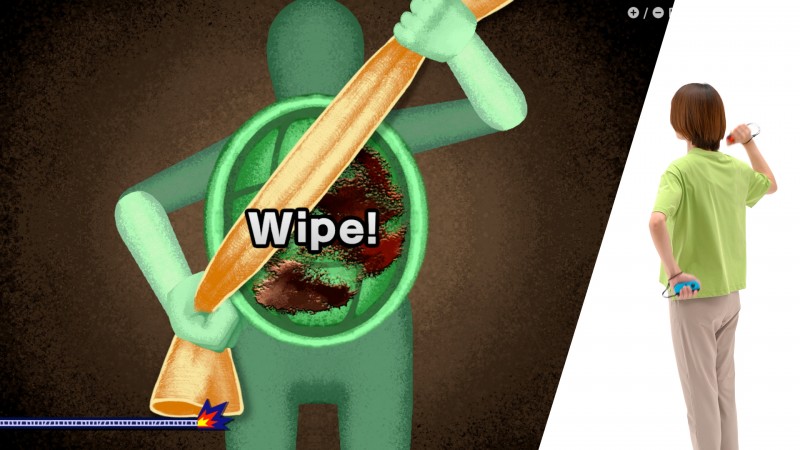
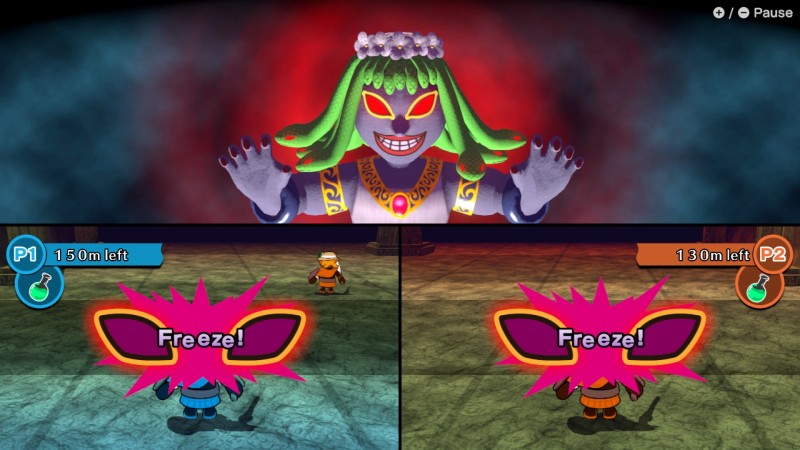
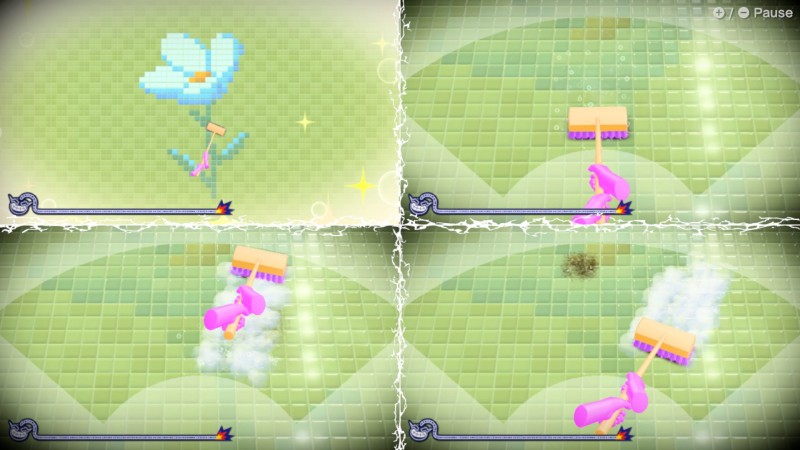
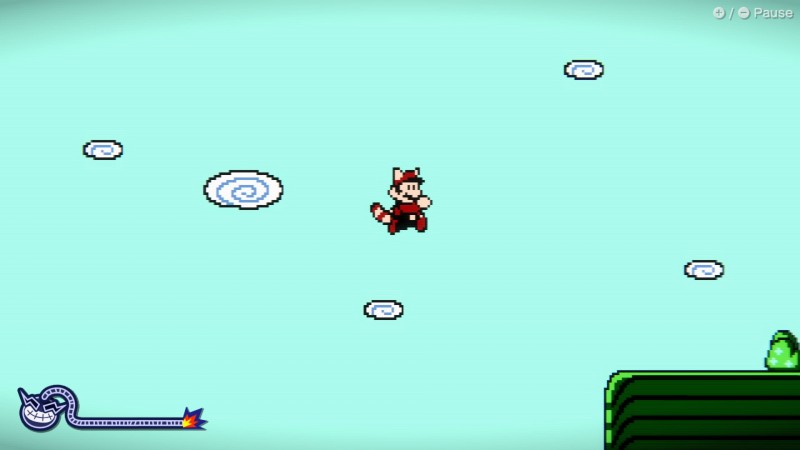
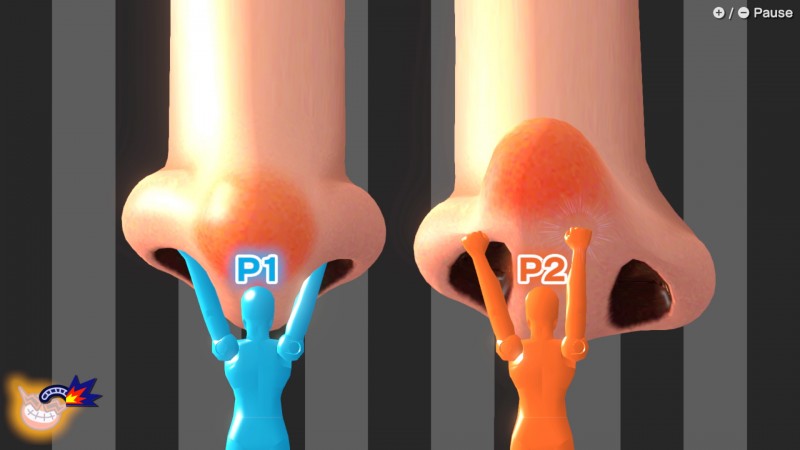
I love the diversity of microgames on display. One second, I’m holding my arms out, clanking drinks with people at a party, then a moment later, I’m holding my Joy-Cons like an umbrella to protect a woman from getting soaked in a rainstorm before raising my arms to pick a giant nose. The irreverent humor fans have come to expect is in full effect with Move It, as is the creativity.

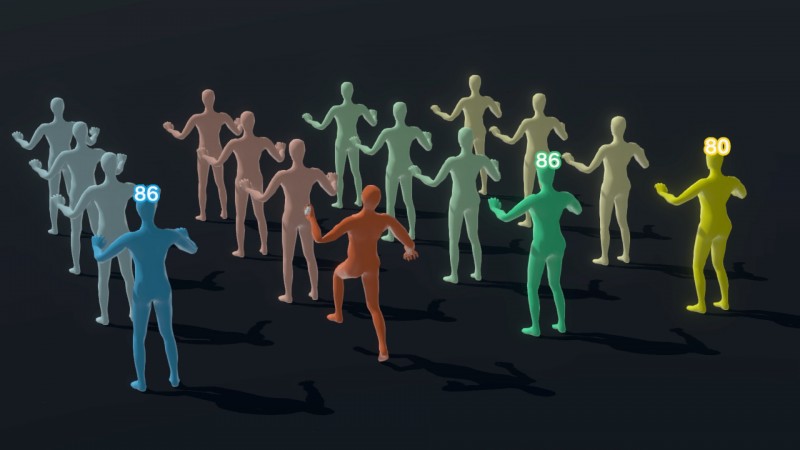
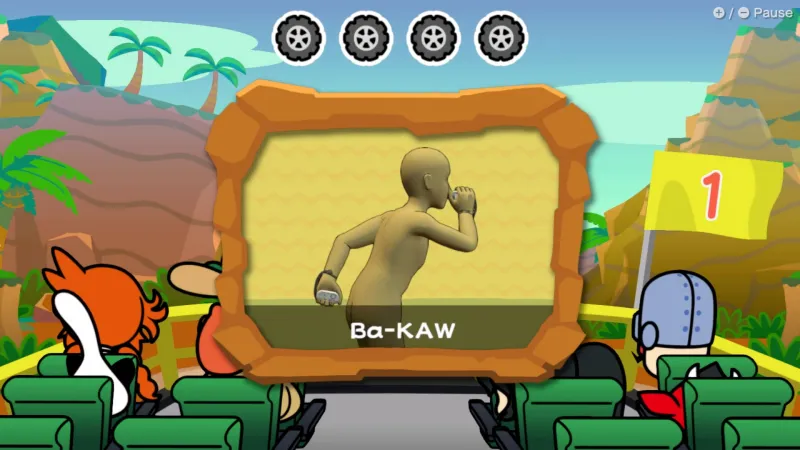
The forms allow you to properly position yourself for the upcoming minigame, but some are less developed than others. The “Hand Model” pose is confusing, as you must drop one Joy-Con, then move the other to the now-empty hand to pull off gestures with the other hand; even after completing the story mode, I still struggled to position myself correctly for this form in time thanks to the rapid-fire structure. It’s disappointing this form is so complicated to set up since several of my favorite microgames are a part of it. Another one, “Ba-KAW,” has you pose like a chicken and features the broadest mix of excellent and frustrating games. However, my least favorite activity is a long-form boss level that involves flipping steaks; I failed multiple times because it doesn’t consistently register unless you make overly exaggerated motions timed to when the meat is moving by you on a conveyor belt.


Thankfully, Move It’s library is full of oddball games I consistently looked forward to. On multiple occasions, I smirked or outright said, “That was so cool,” after experiencing a novel microgame for the first time. However, a few of them don’t quite land, as imprecise motion controls lead to frustrating failures, while others aren’t descriptive enough for you to reasonably understand what you need to do in the short window you have to do it. Thankfully, if you run out of hearts, you can continue by performing a “Sacred Pose,” which is essentially a goofy version of a yoga stance, to earn a continue.

Working through the hundreds of microgames is fun, but as always, it’s better with friends. WarioWare: Move It harkens back to one of the better entries in the series, the motion-controlled WarioWare: Smooth Moves for Wii. That entry was one of my go-to party games, and I had similar hopes for Move It.

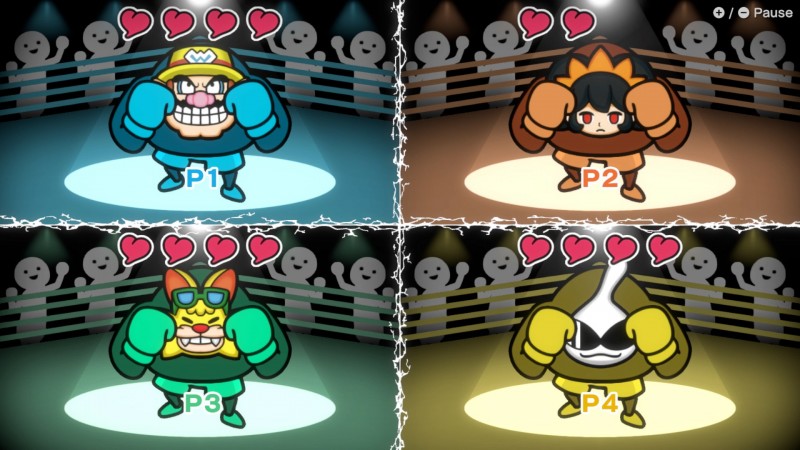
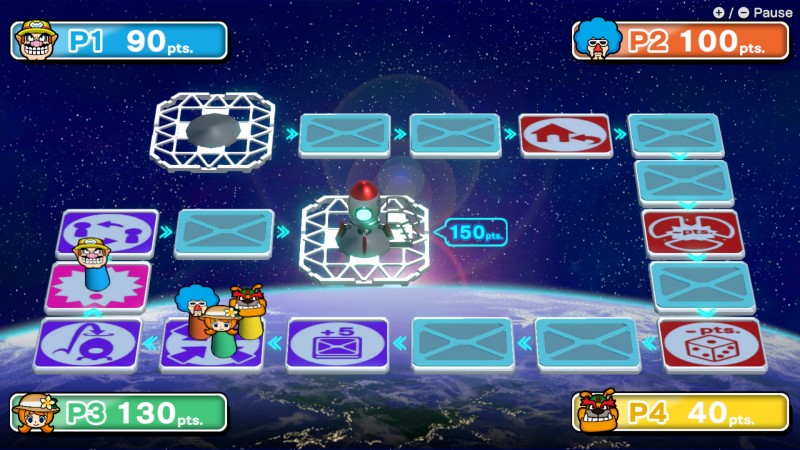
However, due to a couple of complicated forms and accuracy issues with some of the microgames, the core mode of Move It is a harder sell than its Wii predecessor, particularly for casual players. Thankfully, the multiplayer-focused Party Mode lets you perform simpler poses involving one Joy-Con at a slower pace in fun competitions. It’s silly and operates on the honor system, but my favorite involves completing microgames with added challenges like sitting on the floor or puffing out your cheeks while you play. Another puts you in the context of a board game, where winning microgames earns you dice rolls. These side modes are great for laughs and are the go-to way to play Move It in a group setting.

Following Get It Together and Game & Wario, Move It is the WarioWare game I’ve been waiting for over the last 15 years, and it mostly delivers. The motion-controlled madness gives you plenty of fun and novel experiences, even if a few stinkers are in the mix. Regardless of those, WarioWare: Move It’s catalog is full of microgames I look forward to revisiting for months to come.

Score: 8.25

About Game Informer's review system

Purchase