This is default featured slide 1 title

Go to Blogger edit html and find these sentences.Now replace these sentences with your own descriptions.This theme is Bloggerized by Lasantha Bandara - Premiumbloggertemplates.com.

This is default featured slide 2 title

Go to Blogger edit html and find these sentences.Now replace these sentences with your own descriptions.This theme is Bloggerized by Lasantha Bandara - Premiumbloggertemplates.com.

This is default featured slide 3 title

Go to Blogger edit html and find these sentences.Now replace these sentences with your own descriptions.This theme is Bloggerized by Lasantha Bandara - Premiumbloggertemplates.com.

This is default featured slide 4 title

Go to Blogger edit html and find these sentences.Now replace these sentences with your own descriptions.This theme is Bloggerized by Lasantha Bandara - Premiumbloggertemplates.com.

This is default featured slide 5 title

Go to Blogger edit html and find these sentences.Now replace these sentences with your own descriptions.This theme is Bloggerized by Lasantha Bandara - Premiumbloggertemplates.com.

Thursday, April 11, 2024

Botany Manor Review – In Bloom

Botany Manor review

Reviewed on: Xbox Series X/S
Platform: Xbox Series X/S, Xbox One, Switch, PC
Publisher: Whitethorn Digital
Developer: Balloon Studios
Rating: Everyone

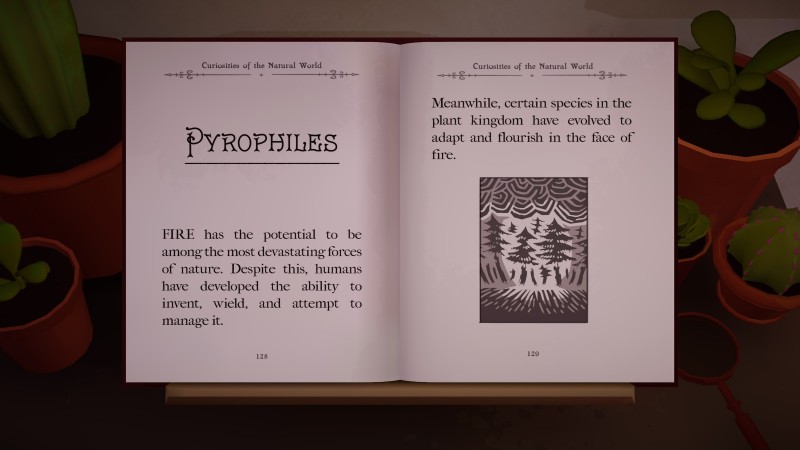
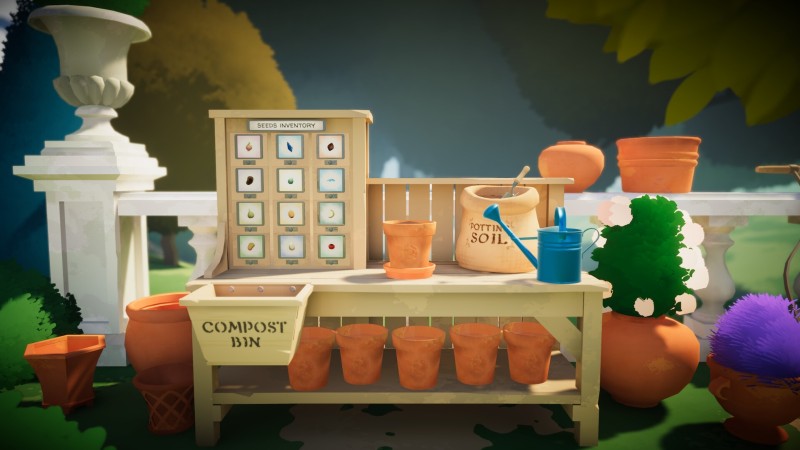
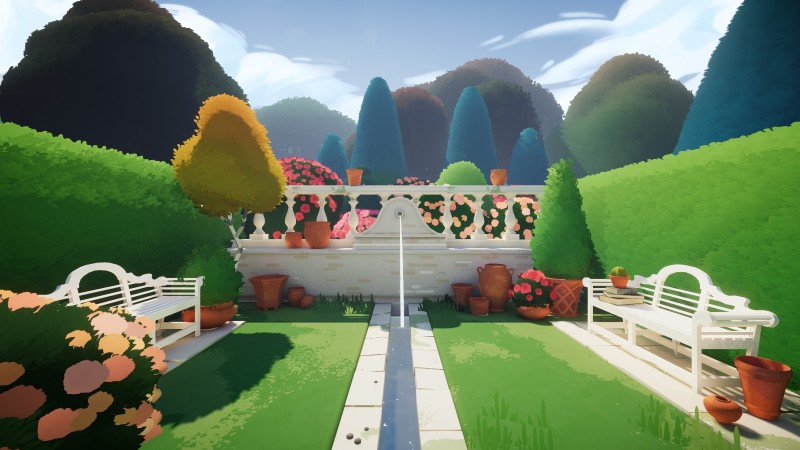
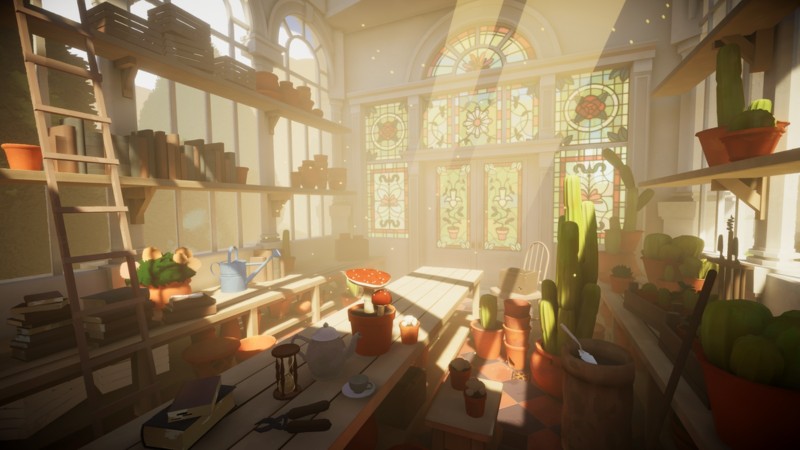
I’ve never had much of a green thumb. For years, I largely believed growing a plant required little more than burying a seed in the dirt, pouring water, and letting the sun handle the heavy lifting. Botany Manor asks players to perform those crucial first steps before challenging them to deduce the additional methods necessary to make their seedlings blossom. As I explored the beautiful grounds of a mysterious manor in search of answers, clever puzzle-solving and a serene atmosphere made these scientific exploits a delight.  

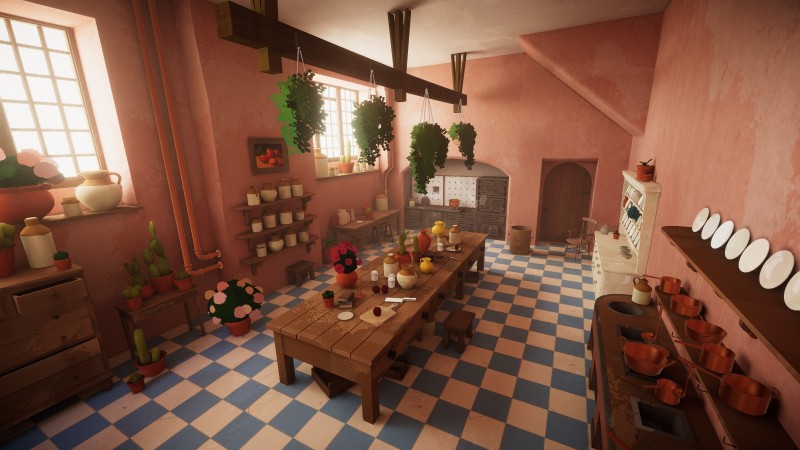
Botany Manor unfolds in Victorian England circa 1890, with players controlling passionate botanist Arabella Green. She returns home to a massive 16th-century manor after a lengthy absence to finish her botany book, which requires discovering the methods to grow various flowers. A colorful, inviting presentation, combined with a relaxing ambient soundtrack with sparse, playful melodies, makes this process a joy.

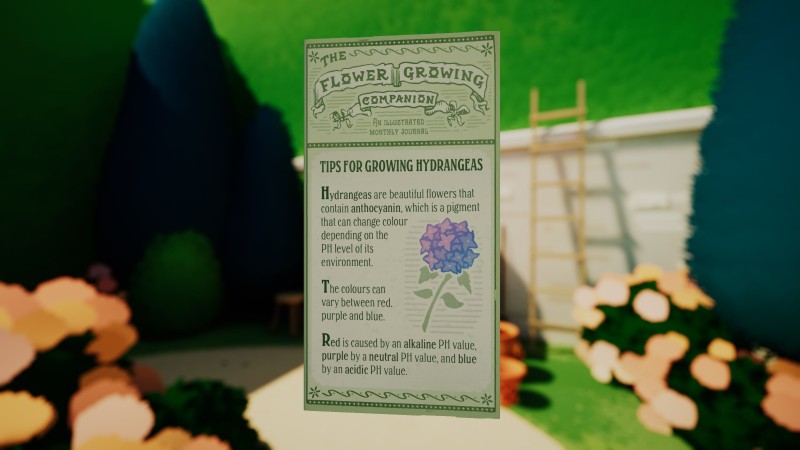
Getting these exotic plants to grow, such as a flower that only blooms during lightning storms or one that requires extreme heat to sprout, involves exploring rooms to find telltale clues to success. One flower may only grow in a specific temperature based on its native location; finding this info requires reading a letter from a friend tipping off the seeds’ origin while cross-referencing a chart that lists the temperatures of various regions. Nearly everything you see matters, be it a seemingly irrelevant nursery rhyme or devices like a camera or a Morse code telegraph, and connecting the dots is an entertaining exercise of creative and critical thinking. Unlocking more sections of the manor by finding keys comes at a good pace, as you don’t linger in areas for too long but stay long enough to get an intimate sense of their layout. 

Increasingly elaborate exercises – such as using seeds to lure birds, opening a hidden medieval chamber, and scaling a supposedly haunted tower to open windows to create specific air currents – make each puzzle fresh and unique. I always looked forward to seeing what activities the next plant would bring, and none of them felt like duds. Whenever I got stuck (which wasn’t often), the answer was always right in front of me. I just needed to re-frame my interpretation of the information given, which led to exciting logical and imaginative epiphanies. I excitedly exclaimed, “Oh!” when I made a breakthrough several times. The reward of watching a plant grow into a parade of lilypads or snaking vines of bioluminescent bulbs is a treat. 

I like that a flower’s page displays the requisite number of clues needed to solve it, which helps keep thoughts organized since you can simultaneously chip away at multiple flowers. By slotting all of the correct pieces of evidence, the game notifies players they have everything necessary to deduce the solution, cutting down guesswork. My only gripe is that you can’t inspect these clues in the menu. If you need to reexamine something, you must return to its location. While the menu thankfully displays the location of each clue, and unlocking shortcuts helps expedite trips through the manor, there can be an inconvenient amount of running around to simply re-check the wording of a document or stare at a painting again. 

 

Scouring documents and keepsakes also reveals an overarching story of Arabella’s struggle to obtain knowledge and recognition for her chosen field in the male-dominated academic society of the time. Without uttering a word of dialogue, Botany Manor does a good job fleshing out Arabella’s personality and persistence, adding context and stakes to everything you do. The puzzles are entertaining enough, but knowing each breakthrough helps Arabella push against that glass ceiling makes them all the sweeter.

Botany Manor is a blissful, smart, and creatively conceived puzzle adventure. It’s just challenging enough to be engaging without veering into stressful territory, and its whimsical elements add fun, fantastical touches. I don’t think it made me better at gardening, but unearthing its appeal was satisfying.

GI Must Play

Score: 8.75

About Game Informer's review system

Purchase

Friday, March 29, 2024

Open Roads Review – Stuck In First Gear

Open Roads Team February Release Date Preview Event Gameplay Impressions Thoughts

Reviewed on: PC
Platform: PlayStation 5, Xbox Series X/S, PlayStation 4, Xbox One, Switch, PC
Publisher: Annapurna Interactive
Developer: Open Roads Team

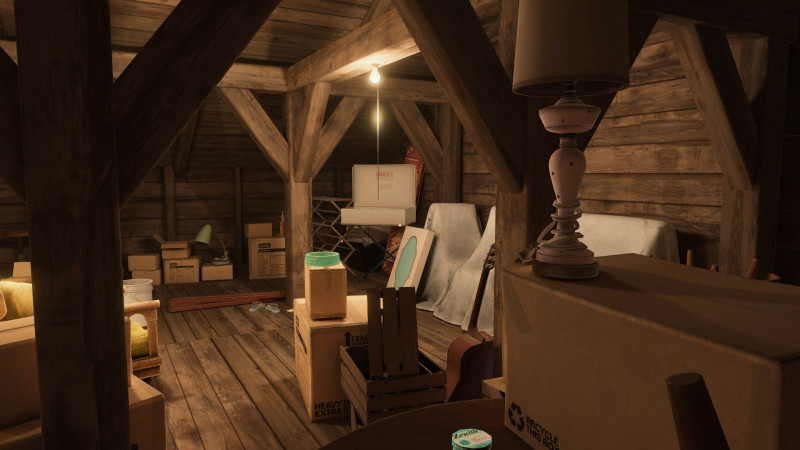
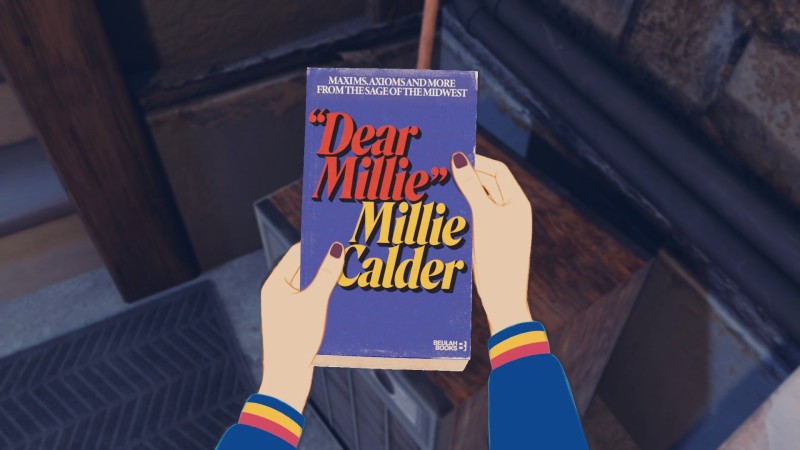
Tess and her mother, Opal, have a lot on their plates. In addition to losing their grandmother/mother, they must quickly move out of her now-foreclosed home. Tess is graduating high school and is conflicted over whether to go to college or pursue her personal web design business. Opal is cross at her sister August’s refusal to help with the move. She also finds herself playing the “bad cop” in the complicated relationship between Tess and her father. And if that wasn’tenough, they also discover a secret surrounding their grandmother that could change everything they thought they knew about their family. Compelled to learn more, Tess and Opal embark on a road trip to learn the truth. I was as captivated by the mystery as the characters at the start, but this road trip peters out after a few miles. 

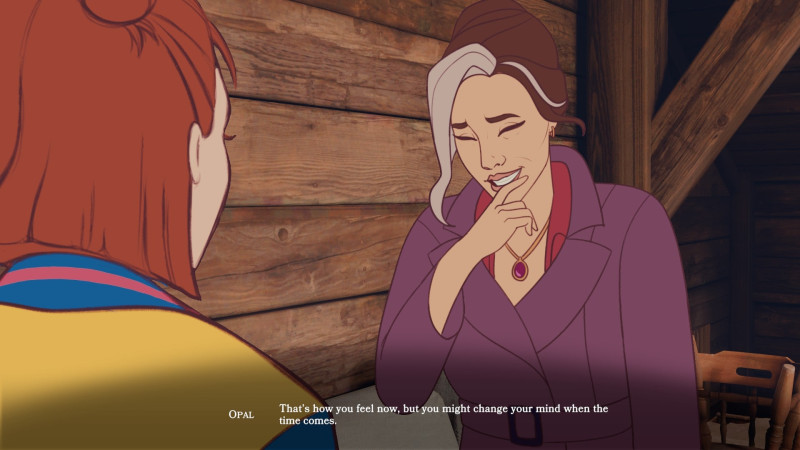
Open Roads’ hooks are initially enticing, and strong performances from the lead actresses – Kaitlyn Dever (Tess) and Keri Russell (Opal) – drive the story forward. Open Road’s art direction is also a highlight, with Opal and Tess depicted as 2D hand-drawn characters against 3D environments. It gives a fitting, distinct look, but the lack of lip sync and limited facial animations sometimes diminish the weight of more emotional line deliveries. 

Players control Tess, and despite the premise, sitting in the car and chatting with Opal only accounts for less than half of the adventure. The rest of the game unfolds as a first-person adventure more in line with The Open Roads Team’s first title, Gone Home, in that you explore a few densely detailed environments to inspect objects for clues. I enjoy the personal hand-crafted touches of these items (such as the team member’s actual handwriting on notes) and how they immersed me in 2003 Michigan without the need for words. Playing on PC, controller support feels hit and miss as the camera sometimes snaps to odd angles after inspecting items. 

Open Roads’ laid-back atmosphere means no problem ever evolves beyond finding the right object to advance the plot, looking for keys to open doors, or finding alternative routes into areas. I hesitate to call any obstacles true puzzles, as solutions boil down to picking up everything until you find what you need. Some items prompt Tess to call Opal over to have a discussion about it, which can lead to some humorous or serious anecdotes. More often, however, an ashtray or cup is just an ashtray or cup. 


The story is king here, but its initial intrigue gradually loses steam. The central mystery results in an underwhelming revelation, and the resolutions of other threads are largely left up in the air. Even Tess and Opal’s relationship doesn’t evolve much. By design, dialogue choices don’t meaningfully alter the story’s trajectory or Opal’s view of you. You may elicit a particularly terse response, but nothing Tess says, nor the big reveals, changes the overall dynamic of their contentious but loving relationship in a significant way. The result is a story with stakes that feel lower and less impactful than I initially expected, and while it has good moments, it left me wanting more. 

With a brief runtime of a couple of hours, Open Roads is a respectable tale that sometimes feels ready to hit that higher narrative gear before easing off the gas again. Although visually pleasing and well-acted, the emotional impact is muted. While I didn’t mind sitting shotgun as Opal and Tess had lighthearted debates over the semantics of trailer vs. mobile homes and reminisced about old flames, it’s not a road trip that will stick with me for the long haul.

Score: 7

About Game Informer's review system

Purchase

Thursday, March 28, 2024

Pepper Grinder Review - Short And Spicy

Reviewed on: Switch
Platform: Switch, PC
Publisher: Devolver Digital
Developer: Ahr Ech

Sometimes, all it takes to get started on a great game is to come up with a compelling mechanic, and Pepper Grinder is a prime example. The titular grinder is as powerful as it is versatile, able to drill through the ground and power all sorts of wacky devices. The difficulty curve can be choppy, and ends more quickly than it should, but that core mechanic builds a sturdy foundation that kept me entertained from start to finish. 

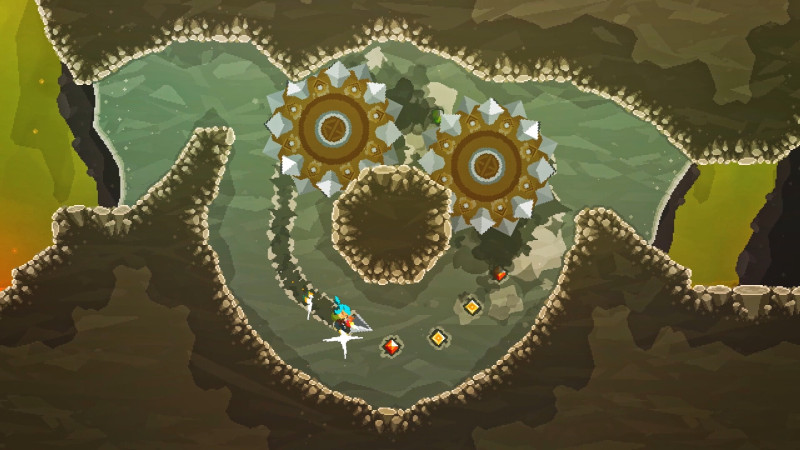
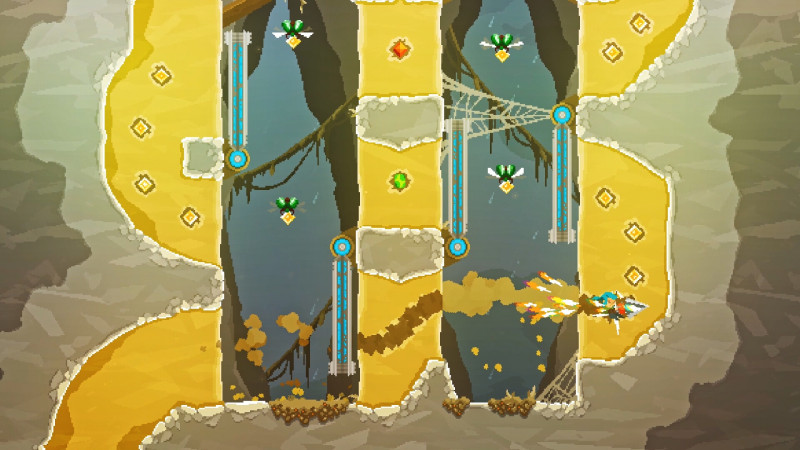
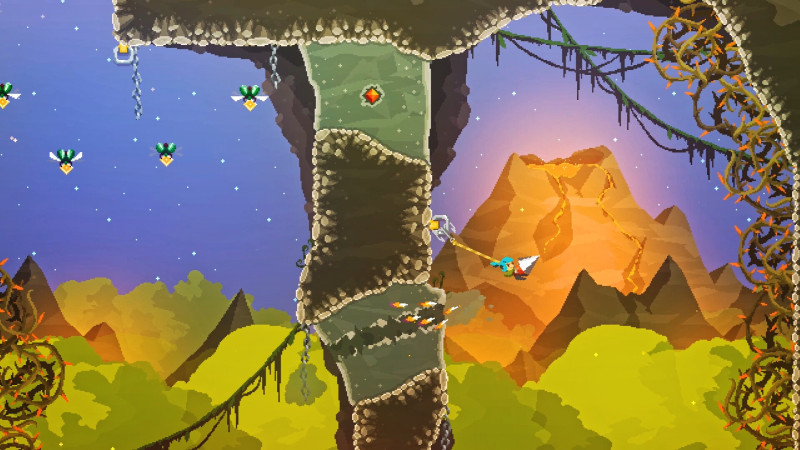
That core mechanic is, of course, the Grinder, a conical drilling device protagonist Pepper uses to burrow through terrain, spin switches, and defeat enemies. Level design is consistently clever, and I won't spoil anything, but I was impressed by the number of uses the team found for a device that could easily get old quickly. That said, while popping in and out of dirt patches, swinging on grappling hooks, and boosting over gaps is fun, it's not as easy as it looks.

Don't let Pepper Grinder's pixel art and cheery exterior fool you – this game can get tough, particularly in its platforming challenges. Some jumps need to be boosted at just the right time, and if you're not ready for a certain grapple point to appear, you plummet to your death. The hardest levels are Pepper Grinder's boss stages, thrilling battles that make creative use of the game's mechanics. Because bosses have large health bars, these are tests of endurance, but despite that, they manage to maintain the game's blisteringly fast pace. The arenas and the bosses themselves also look fantastic, showcasing developer Ahr Ech's talent for pixel art at the highest degree.

While I enjoy being challenged, the difficulty sometimes frustrated me with its inconsistency, with one level killing me repeatedly and the next one flying by without harming me once. Dying against a tough boss was never an issue because their difficulty is well-forecasted and fitting, but some levels have difficult jump sequences or waves of enemies right before a checkpoint, which annoyed me when I had to try again and again. While there are a few reasons this can happen, it's at least partially a symptom of the game's length; including fewer levels makes it harder to smooth out the difficulty curve, resulting in spikes like this. 

I've alluded to it a few times, but Pepper Grinder is a surprisingly short experience. It only took me three and a half hours to complete the main story and then another half hour or so to go back and collect enough coins to play the locked levels I'd skipped over. I don't mind short games, but rolling credits on this one caught me off guard. There are plenty of ideas and mechanics that could have easily been expanded, and by extending the earlier part of the game, the difficulty spikes near the end likely wouldn't be as frustrating.

That said, I do appreciate its efficiency. Ahr Ech had an idea for a platforming mechanic and iterated on it just enough to complete a story – there's not a wasted moment in the entire playthrough, and that's more than a lot of games can say. Pepper Grinder is a well-cooked meal – I just wish the portion was bigger.

And there are ways to spend more time with the game after defeating the final boss. In addition to a time attack mode, completionists will be glad to see five collectible skull coins in each level, though they're worth collecting for more casual players, too. With 10, you can access a locked level in each world, and they're some of the most enjoyable levels in the entire game, sometimes even introducing completely new mechanics. Skull coins can also be used to unlock hair and clothing colors, but I wish they were separate – it feels odd to choose between playing more of the game and changing my hair color. I recommend prioritizing level unlocks, but I won't blame you for springing for the pink hair.

Pepper Grinder is an innovative indie experience, packed with tense battles, fluid platforming, and eye-catching visual design. While its short runtime left me wanting more, I'm happy with what it is: a bright action platformer that's anything but a grind.

Score: 8

About Game Informer's review system

Purchase