This is default featured slide 1 title

Go to Blogger edit html and find these sentences.Now replace these sentences with your own descriptions.This theme is Bloggerized by Lasantha Bandara - Premiumbloggertemplates.com.

This is default featured slide 2 title

Go to Blogger edit html and find these sentences.Now replace these sentences with your own descriptions.This theme is Bloggerized by Lasantha Bandara - Premiumbloggertemplates.com.

This is default featured slide 3 title

Go to Blogger edit html and find these sentences.Now replace these sentences with your own descriptions.This theme is Bloggerized by Lasantha Bandara - Premiumbloggertemplates.com.

This is default featured slide 4 title

Go to Blogger edit html and find these sentences.Now replace these sentences with your own descriptions.This theme is Bloggerized by Lasantha Bandara - Premiumbloggertemplates.com.

This is default featured slide 5 title

Go to Blogger edit html and find these sentences.Now replace these sentences with your own descriptions.This theme is Bloggerized by Lasantha Bandara - Premiumbloggertemplates.com.

Tuesday, May 21, 2024

Senua's Saga: Hellblade II Review – Conquering Old Demons

Reviewed on: Xbox Series X/S
Platform: Xbox Series X/S, PC
Publisher: Xbox Game Studios
Developer: Ninja Theory
Rating: Mature

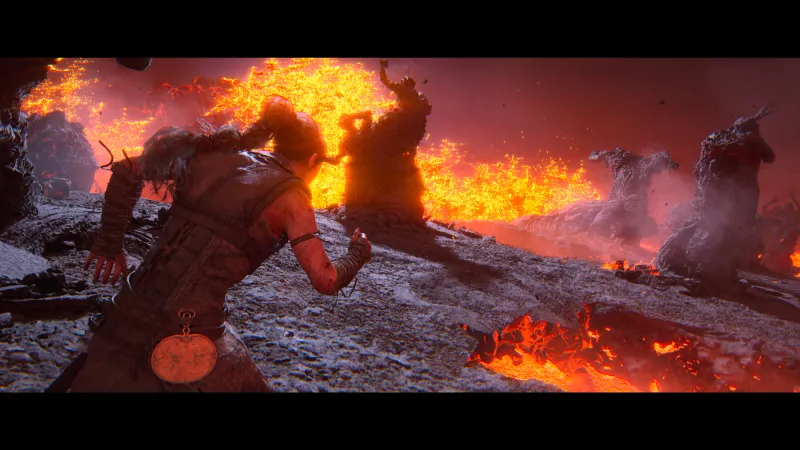
Hellblade: Senua’s Sacrifice didn’t need a sequel. It had a clear story to tell, and it told it well with an artful (and tactful) execution of its mental health themes and a strong conclusion. But Senua’s Saga: Hellblade II builds a great case for itself by using the titular warrior’s growth to help not only herself but, for the first time, others around her, shining her in a fascinating new light. Refined gameplay and a jaw-dropping presentation make for a more wholly satisfying sophomore outing.

Since the first game’s conclusion, Senua’s a little older, a little wiser, and has more confidence in herself. Although the psychosis-induced voices in her head still pepper her every thought (headphones are highly recommended due to the fantastic and effective 3D audio), she’s largely embraced and accepted them. This time, the voices factor less directly into gameplay and are largely used as an effective storytelling flourish: audible manifestations of her innermost thoughts and anxieties. 

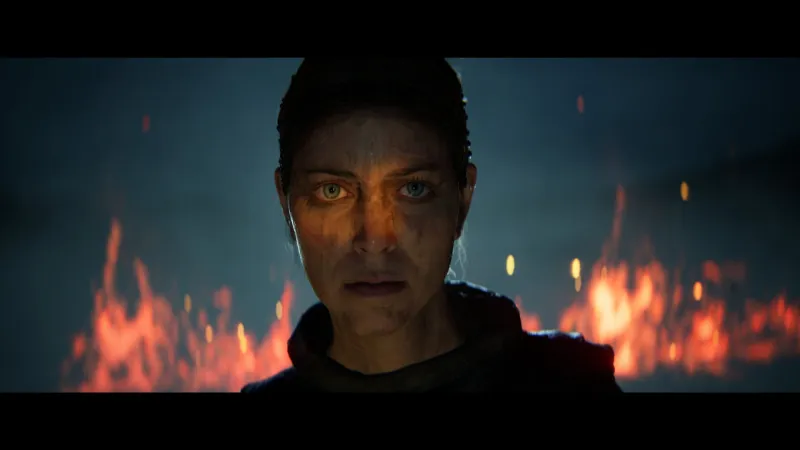
Senua’s journey takes her to a new land to put an end to the slavers that ravaged her homeland. As that story evolves into something far grander and fantastical, I enjoyed the new emphasis on companionship. Melina Jurgens delivers another phenomenal performance as Senua, and she’s backed by an equally impressive supporting cast. Seeing Senua interact and travel with a small cast of likable and interesting allies and use the lessons learned from her struggles to help them overcome their own darkness is rewarding. Not only does it feel like satisfying growth, but her relatable fears of leading them astray add a nice dimension to her already compelling character. Watching Senua combat old demons as they rear their heads again is also a realistic and refreshing portrayal of the constant battle that is mental health; her triumph in the first game wasn’t, and shouldn’t be, a one-time victory. 

The adventure feels more digestible and coherent from a mainstream sense as she tackles an exciting and disturbing pantheon of deadly giants. The first game told a small, intimate story, but this tale feels closer to an epic without losing its pensive element. With a roughly seven-hour runtime, the story wisely doesn’t overstay its welcome and, like the first game, feels focused. You’re here for a good, emotional time, not a long one. 

However, now that Senua has companions to banter with, the voices she hears have an unfortunate habit of speaking up over crucial dialogue. From an artistic standpoint, and I say this as someone who has never experienced psychosis, trying to tune them out to concentrate on a conversation helped me empathize with Senua’s day-to-day experience. But as a game, the voices’ constant chatter did prove a genuine hindrance when I wanted to listen to someone else. When the game does try to separate the two, it occasionally creates an awkward conversation cadence with strange, ill-fitting pauses during talks to fit in a flurry of inner voice dialogue.

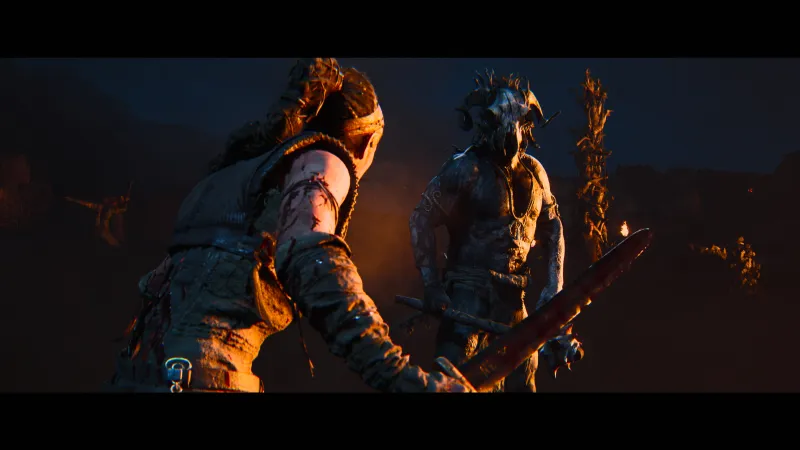
The intimate one-on-one combat encounters remain largely the same but with a dazzling visual and cinematic upgrade, minus some old annoyances. Enemies no longer blindside you from off-screen, meaning the action stays in front of you at all times. Sword duels remain a repetitive but entertaining dance of dodging powerful swings and nailing satisfying parries to fill a time-slowing focus meter that, once unleashed, allows Senua to briefly execute an unimpeded assault. While I enjoyed cutting down equally armed foes, the game admirably mixes up the enemy variety with challenging threats that scurry on their hands erratically or, most annoyingly, spew fire. Dodging the latter’s flame-based offense proved visually tricky to evade, so I often cheesed them and other nuisances by activating my focus to quickly drop them as soon as they took the field. Ninja Theory thankfully axed the first game’s creeping permadeath penalty, so dying here has no consequence, and you’re quickly thrown back into the action. 
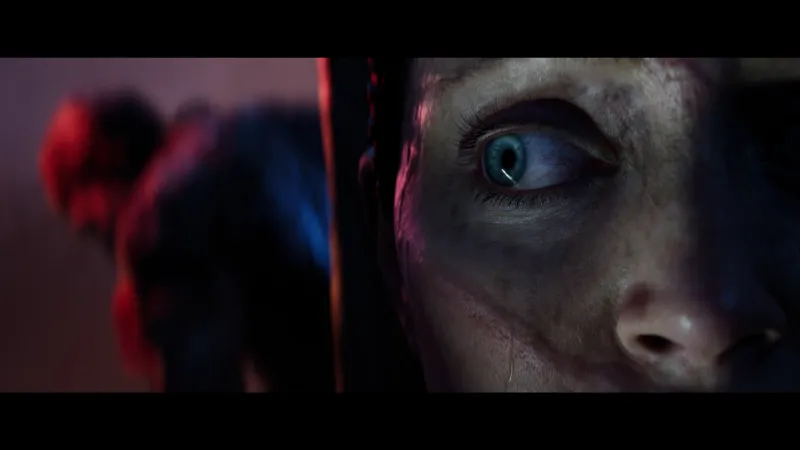
 

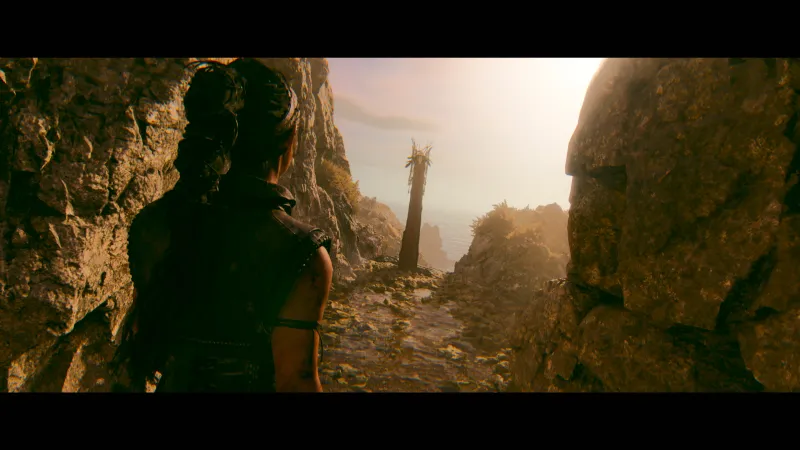
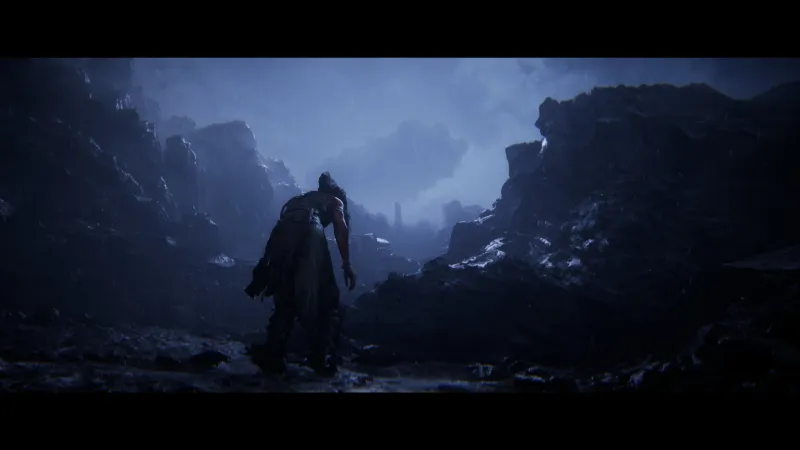
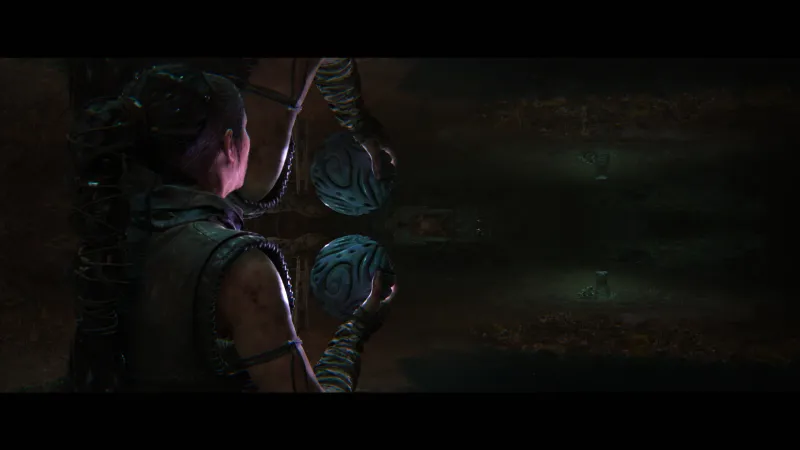
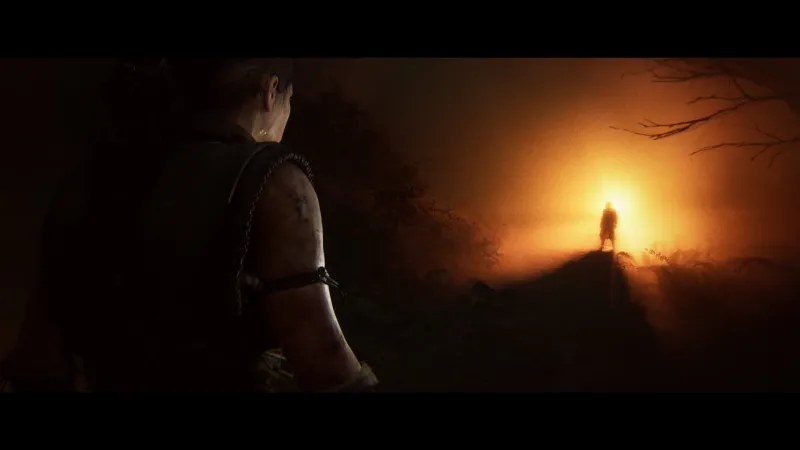
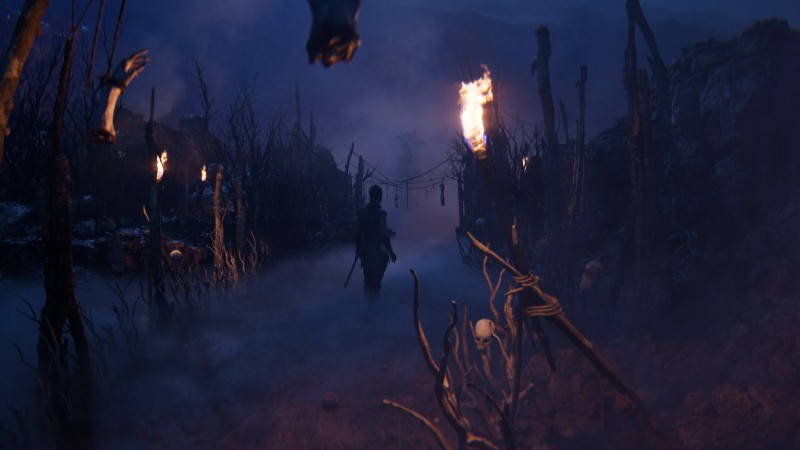
Taking down threats leads to seamless and varied transitions to the next foe, making fights feel like an interactive cinematic in the most complimentary way. This is just a microcosm of the game’s incredible production values; Hellblade II is arguably the most beautiful game I’ve ever played. From fantastic, subtle facial animations to the superb lighting of its idyllic landscapes and the nightmarish designs of the Norse adversaries, Hellblade II is one of the few titles that truly looks next-gen. Best of all, the presumed increase in budget doesn’t result in a mere increase in fidelity. The creative artistic touches of the first game remain intact and dialed to eleven, with mind-bending kaleidoscopic effects and dreamlike lighting and visuals. Hellblade II isn’t just technically impressive; it’s genuinely alluring to stare at as an art piece. 

Exploring this stunning world is also more fun, thanks to the increased puzzle variety. The perspective-based “spot the sigil in the environment” riddles, which were enjoyable but overused in the last game, are dramatically reduced in number and spread more evenly throughout the adventure. Other challenges, such as solving illumination puzzles to navigate a dark, terror-filled cave or building paths using world-shifting magic, are adequately entertaining and make for a more well-rounded journey. Venturing beyond the generally linear paths to uncover secret totems or mystical trees that spin fragmented yarns is fun, even if the idea conceptually clashes with the otherwise narrative-focused treks. It’s tough to focus on a given conversation when I’m anxious to break away and inspect every nearby surface for a hidden path. 

Senua’s Saga: Hellblade II’s conclusion ends on another strong note, and despite my initial reservations about continuing Senua’s story, I walked away happy to see her conquer new monsters, both literal and metaphorical. I’m pleased Ninja Theory avoided the temptation to blow up this formula into something far bigger than needed – this isn’t Xbox’s God of War; it’s a better Hellblade. The first game is a famous example of not needing to be fun in the traditional sense to be engaging. This sequel sprinkles more broadly appealing thrills while retaining the thoughtful storytelling and artistry few triple-A games possess.

GI Must Play

Score: 9

About Game Informer's review system

Purchase
Thursday, May 16, 2024

Please Fix The Road Review - Clever Construction

Please Fix The Road

Reviewed on: Switch
Platform: PlayStation 5, Xbox Series X/S, PlayStation 4, Xbox One, Switch, PC
Publisher: Arielek
Developer: Arielek
Rating: Everyone

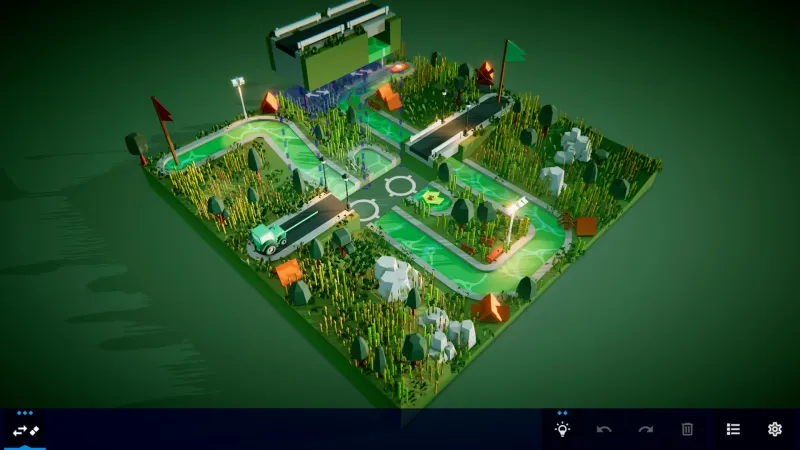
Some games provide you with abstract titles that don't fully explain the breadth of the tasks you will be required to complete to reach the end. Please Fix The Road does not suffer from that problem. As you play through 160 bite-sized puzzles, each one simply asks you to do exactly what this game's title says: fix the road, path, sidewalk, or river so that vehicles and animals can reach their destination. But despite the simple premise and casual demeanor, developer Arielek offers no shortage of clever twists on the core concept and, in the process, kept me guessing at what challenges I would face next.

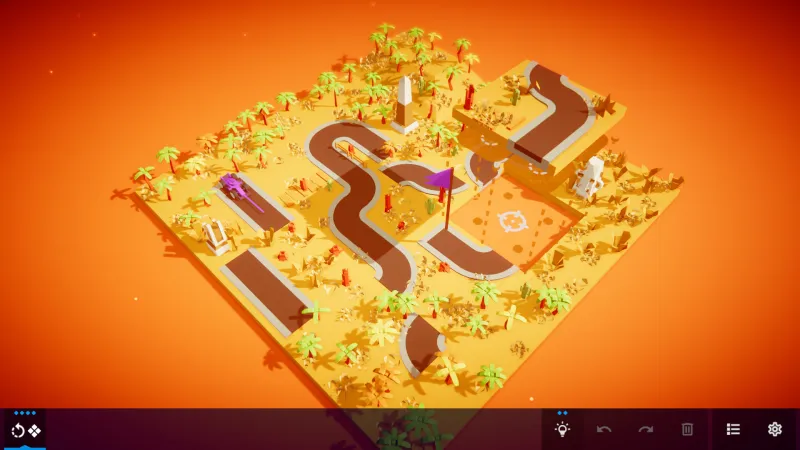
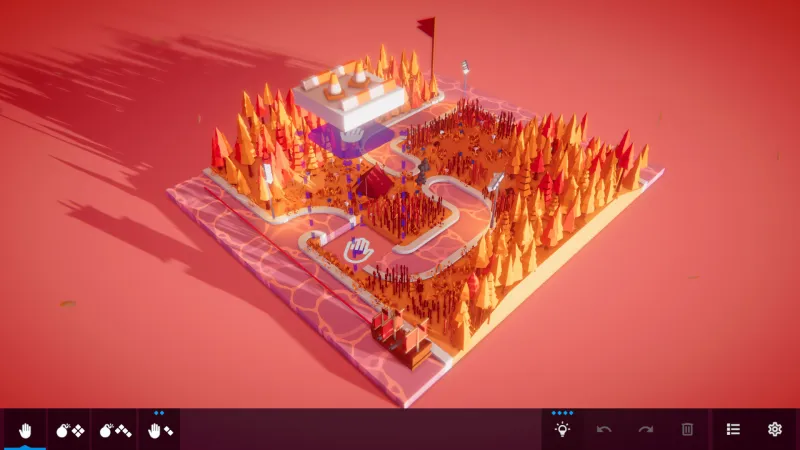
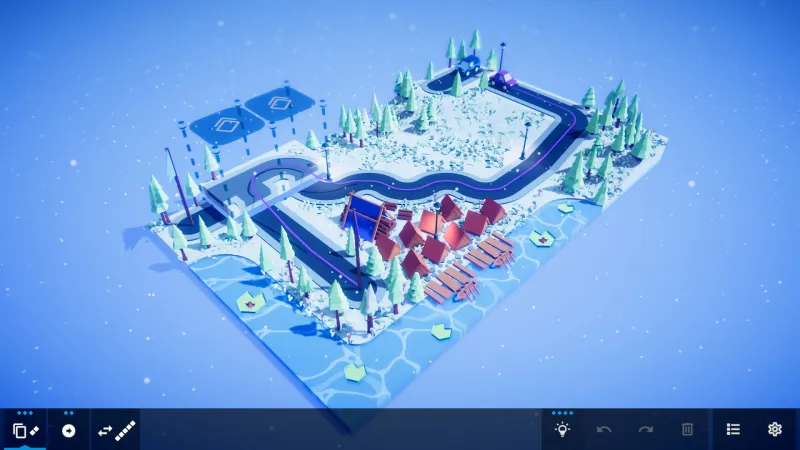
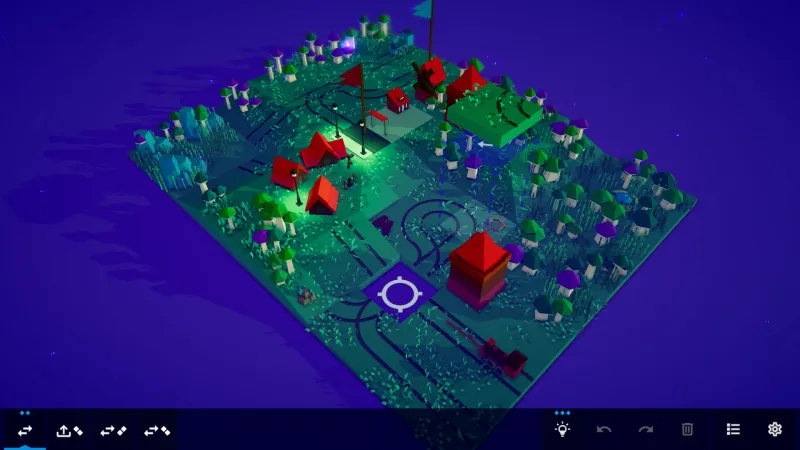
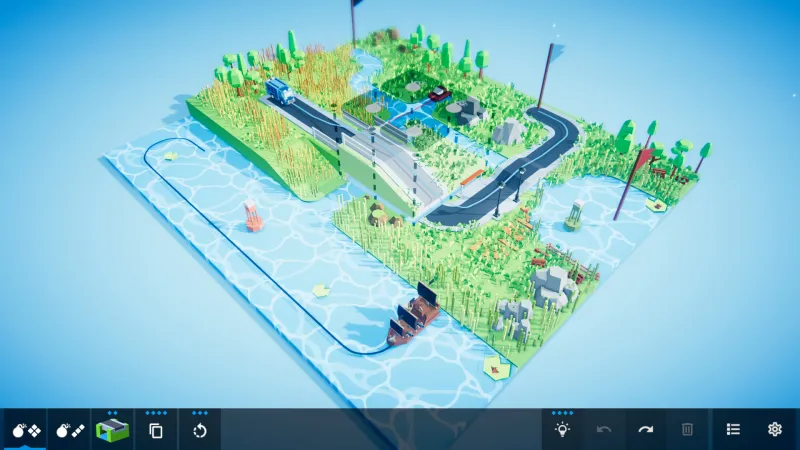
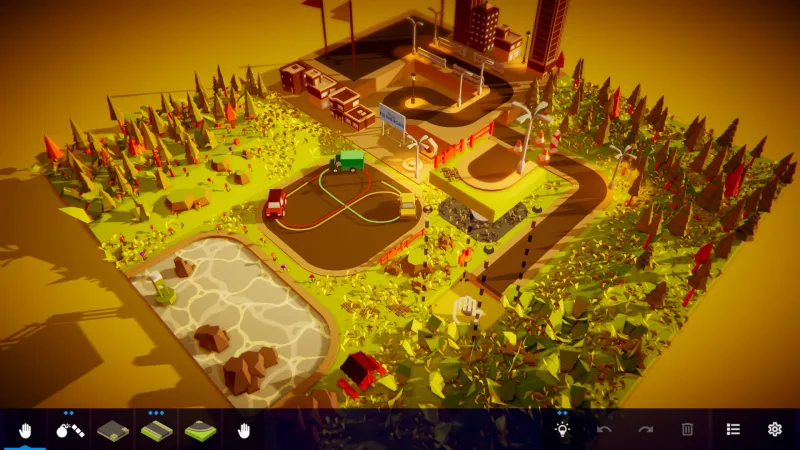
Each puzzle presents a small, charmingly rendered plot of land with at least one broken road. In the lower-left corner, you have designated moves you must make to solve the puzzle. While I initially found this dictation of moves in a specific order restrictive and counter to the more casual experience I expected, it ultimately pushed me towards some incredibly rewarding moments as I likely solved the puzzle exactly as the developer intended. Additionally, it provides breadcrumbs toward the solution; on multiple occasions, I wondered why a certain move was required in a level, only to learn that I was overlooking an important aspect of the puzzle.


What starts as a puzzle game where you simply plug the provided tiles where they logically fit quickly escalates to one where you must blow up, rearrange, swap, copy, and rotate entire blocks of land to get characters from point A to point B. Usually, problems are solvable within a couple of minutes; I found some solutions instantaneously. For others, I stared at them for several minutes on end while attempting different solutions. As I reached puzzles numbered in the 80s, 90s, and into the hundreds, that trial-and-error element came more into play as the developer threw increasingly complex puzzles my way.

Thankfully, since the action unfolds on a move-by-move basis, Please Fix The Road gives players an undo button that backtracks to the last action you performed. This is particularly helpful for experimentation. On occasion, when I got stuck, I enjoyed using the hint button, which doles out step-by-step hints but not full-on solutions; if I'm stuck on a particular step, I can receive a hint from the developers about the correct first move I should make. It's helpful without the game just playing itself, even as it completes early moves on your behalf.

It is somewhat frustrating to have the hints play out in sequential order, regardless of any correct moves I had already made; it doesn't matter if I got the first three moves right; the hint mechanic is going to undo all my moves and show me the first move that I already made for the first hint. Thankfully, the vast majority of the time, I relied solely on my own puzzle-solving skills. Some of the puzzles later in the game had me staring in bewilderment at what my first move should be, which can be frustrating but ultimately satisfying once I cracked the code.

The levels are not only well-balanced but well-paced. For each stage that took me longer than normal, an easier puzzle was often right around the corner to help rebuild my confidence. This constant ebb-and-flowing kept me on my toes without killing the momentum I built up as I worked through the many challenges on offer. Completing each puzzle grants extra satisfaction thanks to the fun animations accompanying each solution; from the charming art style, relaxing soundscapes, and gorgeously animated transitions between puzzles, Please Fix The Road's minimalist design conventions appeal to the senses in wonderful ways.

Though the gimmick eventually wears thin and the complexity sometimes outpaces the simple concept by the time you reach the puzzles in the triple digits, Please Fix The Road shows that creativity and clever puzzle design are more important than a robust toolset or wide-ranging player freedom. It delivers a tight, curated puzzle-solving experience that hooks you from the very first puzzle and, through steadily evolving mechanics, delivers satisfaction around every turn.

Score: 8

About Game Informer's review system

Purchase
Friday, May 10, 2024

Indika Review – Rewarding Faith

Indika Review

Reviewed on: PC
Platform: PlayStation 5, Xbox Series X/S, PC
Publisher: 11 Bit Studios
Developer: Odd Meter
Rating: Mature

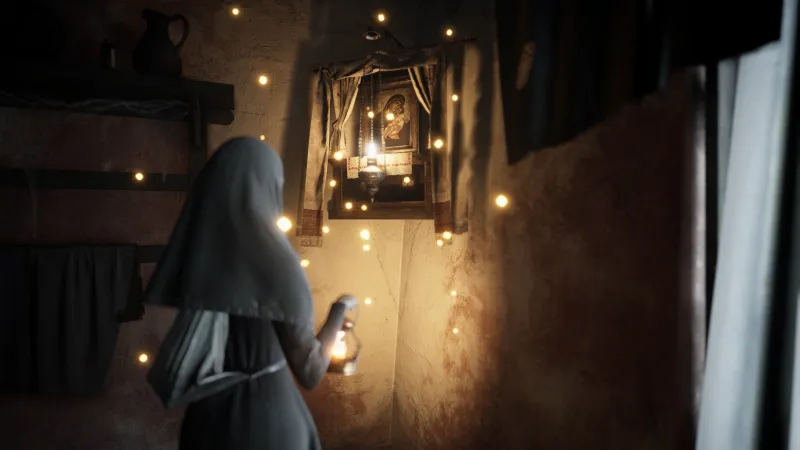
Indika is bizarre, surprising, and captivating. It made me question its reality almost as often as its titular protagonist, a young nun tormented by the Devil, doubts her faith. This odd adventure from its aptly named developer Odd Meter may lack some design polish, but the fascinating tale at its core instilled enough faith in me to see it through to the end. 

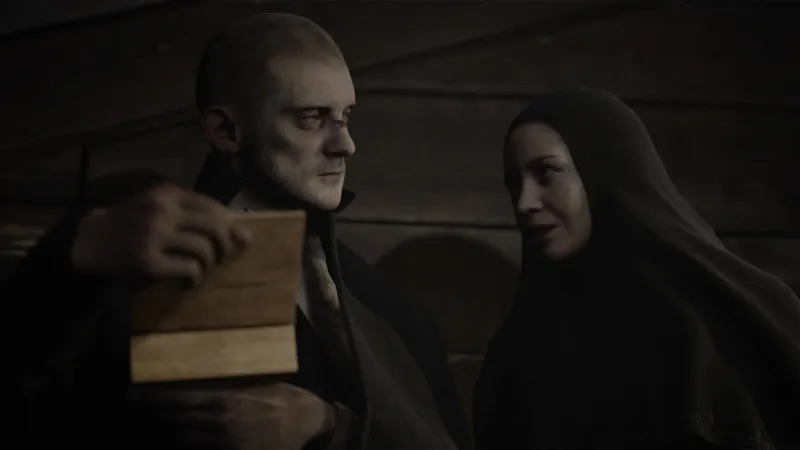
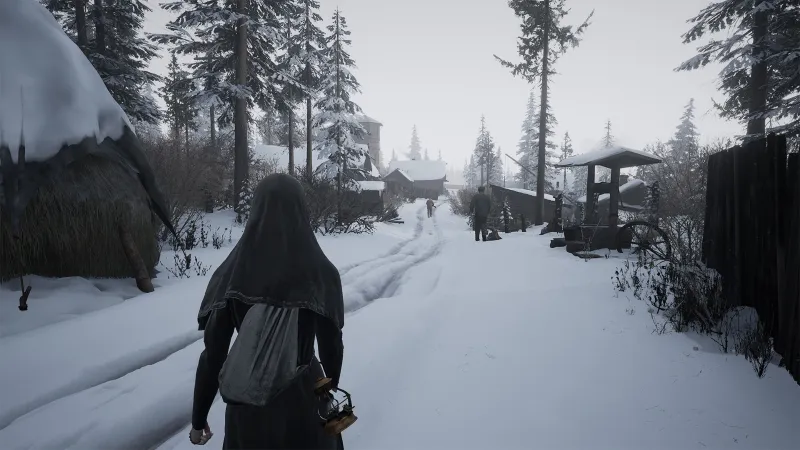
The game unfolds in early 19th-century Russia. Indika is treated as an outcast at her monastery, and, for some reason, she’s regularly taunted by the voice of Satan himself. The story doesn’t delve into how this sacrilegious relationship began, and that’s fine. The Devil is more of a storytelling device; a symbol of Indika’s desire to be a good person, contrasted by her growing skepticism and pragmatism in the church’s rigid viewpoints on morality and sin. This conflict comes to a head when Indika finds herself in an unlikely partnership with Ilya, an escaped prisoner with his own strong religious beliefs. 

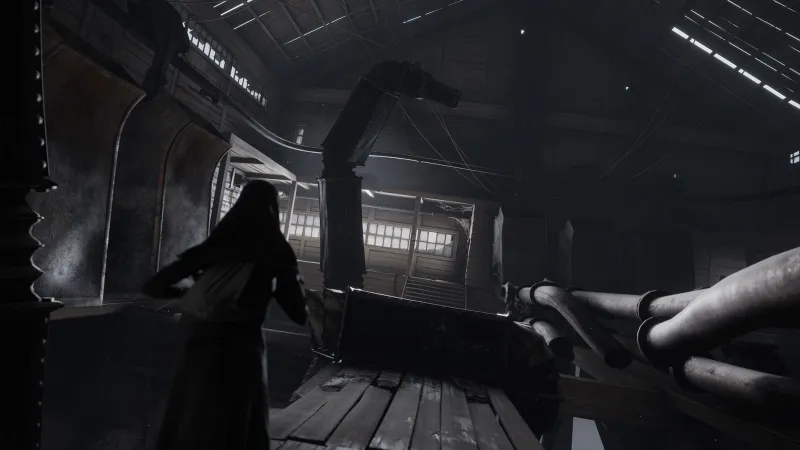
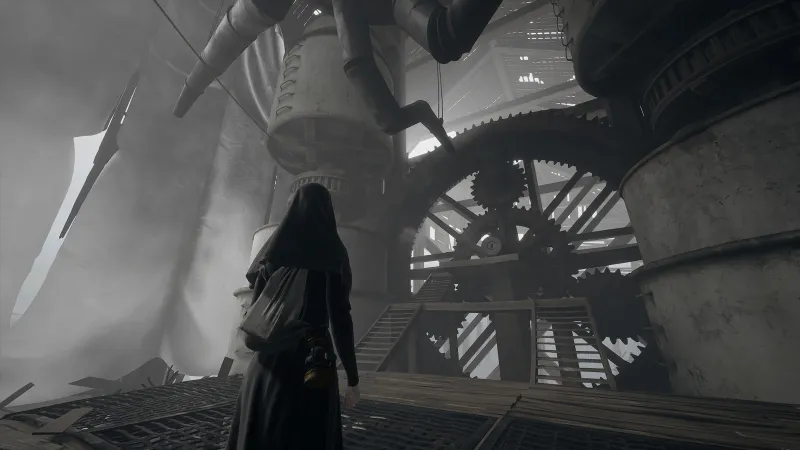
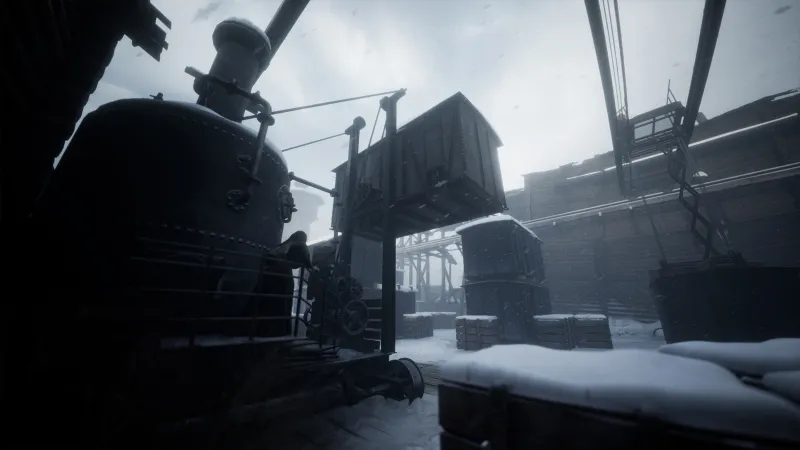
As the pair bond over seeking a divine cure for their respective ailments – Indika’s demonic presence and IIya’s wounded arm – the third-person adventure sees them trek through locations such as deserted factories and frozen wilds. Along the way, players solve environmental puzzles and, on very rare occasions, evade threats. The obstacles themselves are respectably designed and varied, often centered on Indika inexplicably operating heavy machinery like a lift to move and stack giant cans or manipulating the massive gears of an industrial elevator. Less enjoyable moments, such as fleeing a pursuing wolf in an annoying trial-and-error escape sequence, appear rarely, thankfully. 

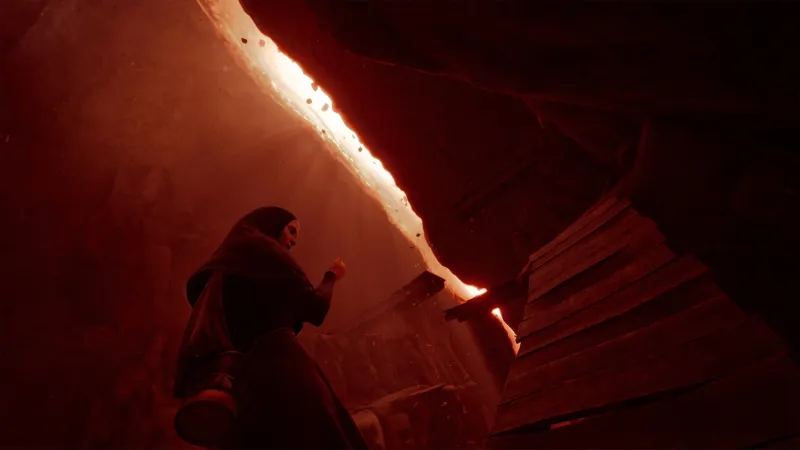
The gameplay becomes most interesting when the Devil’s influence overwhelms Indika to the point the world around her turns hellish red, and the environment is ripped apart into a distorted version of itself. This leads to relatively simple but thematically interesting navigation puzzles as players switch between this hellscape and reality by hitting a “pray” button to find the proper path. These are neat segments that I wish occurred more often than the small handful of times they do.  

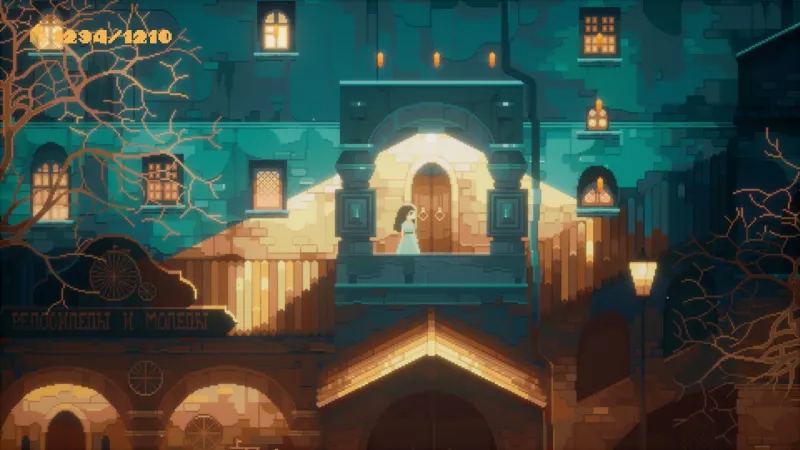
Poking around environments leads to hidden collectibles, from religious artifacts to “indecent” publications, that reward points, which manifest as literal giant pixelated gems that appear in front of Indika. This bizarre visual flourish is a wild contrast to the otherwise realistic art direction, and these points level up Indika via a two-pronged skill tree of point modifiers (themed on ideas like Shame, Guilt, and Repentance) that impact the story less literally than it appears. 


This is just an example of Indika’s strangeness. Overt video game-y elements such as quirky, chiptune melodies and flashbacks that unfold as playable 16-bit platforming sequences are sprinkled throughout the experience. Whether or not this approach has any thematic significance is unclear (perhaps symbolizing the comparative simplicity of Indika’s childhood), but, at the very least, it gives Indika a surreal and playful charm.

Everything in the game, from the strange people you meet to the weird camera angles to its wild intro cutscene I won’t spoil, gives the game a potent dose of absurdity that oddly works. Indika feels like a black comedy at points, and perhaps that’s the intent. It swings for the fences, and that delightful boldness is combined with poignant commentary about the struggle of maintaining unwavering faith in a harsh, unjust world. Indika’s engaging and, at times, emotional personal journey of self-discovery pulled me to a powerful conclusion that, like most everything else, leaves its interpretation up to the player. 

The result is an adventure that feels thoughtfully conceived, humorous, and depressing all at once, as well as “off” in the right ways. Indika is one of the year’s most affecting and memorable adventures, and its themes will stick with me as I continue to ponder their meanings.

GI Must Play

Score: 8.75

About Game Informer's review system

Purchase