This is default featured slide 1 title

Go to Blogger edit html and find these sentences.Now replace these sentences with your own descriptions.This theme is Bloggerized by Lasantha Bandara - Premiumbloggertemplates.com.

This is default featured slide 2 title

Go to Blogger edit html and find these sentences.Now replace these sentences with your own descriptions.This theme is Bloggerized by Lasantha Bandara - Premiumbloggertemplates.com.

This is default featured slide 3 title

Go to Blogger edit html and find these sentences.Now replace these sentences with your own descriptions.This theme is Bloggerized by Lasantha Bandara - Premiumbloggertemplates.com.

This is default featured slide 4 title

Go to Blogger edit html and find these sentences.Now replace these sentences with your own descriptions.This theme is Bloggerized by Lasantha Bandara - Premiumbloggertemplates.com.

This is default featured slide 5 title

Go to Blogger edit html and find these sentences.Now replace these sentences with your own descriptions.This theme is Bloggerized by Lasantha Bandara - Premiumbloggertemplates.com.

Wednesday, June 12, 2024

Shin Megami Tensei V: Vengeance Review - Misery Loves Company

Reviewed on: PC
Platform: PlayStation 5, Xbox Series X/S, PlayStation 4, Xbox One, Switch, PC
Publisher: Sega
Developer: Atlus
Rating: Mature

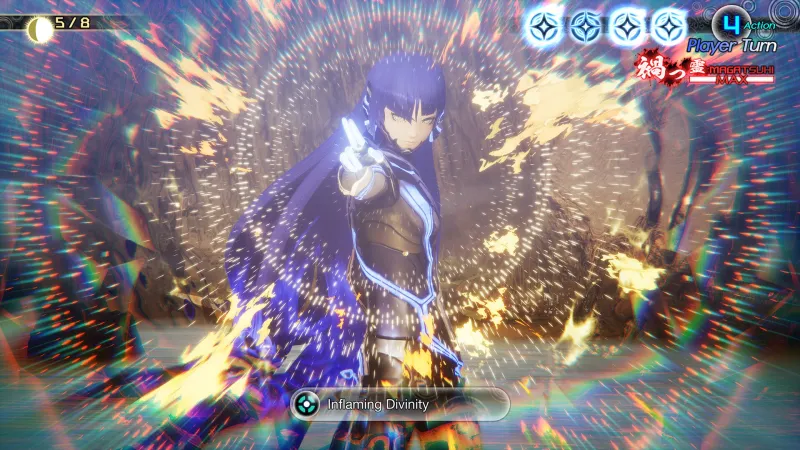
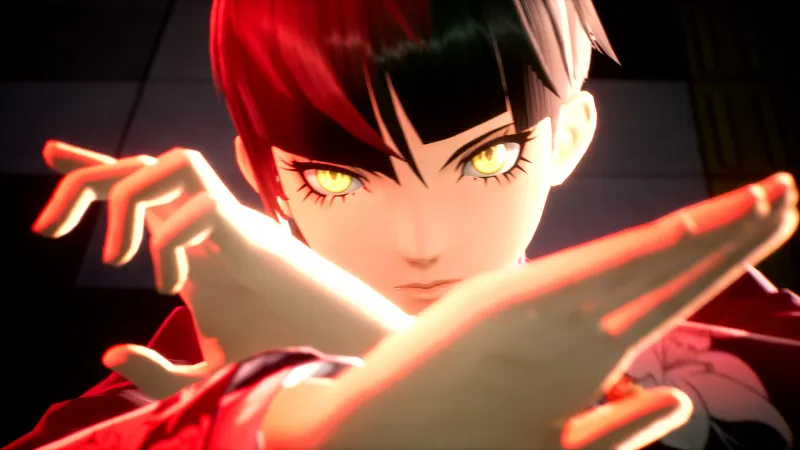
Despite being a flagship franchise, Atlus has never shied away from taking risks and experimenting with Shin Megami Tensei. Even without taking spinoffs like Persona or Devil Summoner into consideration, the “core” series has taken new forms and reinvented itself over multiple decades and platforms. 2021’s Shin Megami Tensei V was a prime example, both respecting its oppressive, hardcore roots while embracing Atlus’ evolving audience and conventional shifts in games as a whole. It only makes sense that in revisiting such a recent title, Atlus has done far more than produce a simple port with some bonuses. Shin Megami Tensei V: Vengeance is aptly titled; it’s an act of defiance against convention, criticism, and maybe even its own reputation.

SMT V was a big deal for the series, its HD debut after previously moving from the PlayStation 2 to the 3DS. It was a novel combination of post-apocalyptic doom and gloom with colorful superhero action. As the “Nabohino,” a powerful fusion of human and synthetic demon, players traversed the sand dunes of a long-dead Tokyo, fighting for control of the future in the aftermath of a war between Heaven and Hell. While some found the story lonely with a distinct lack of supporting characters, I found SMT’s recurring theme of a lone human fighting a hopeless battle in a world already lost more resonant than ever in the middle of a pandemic.

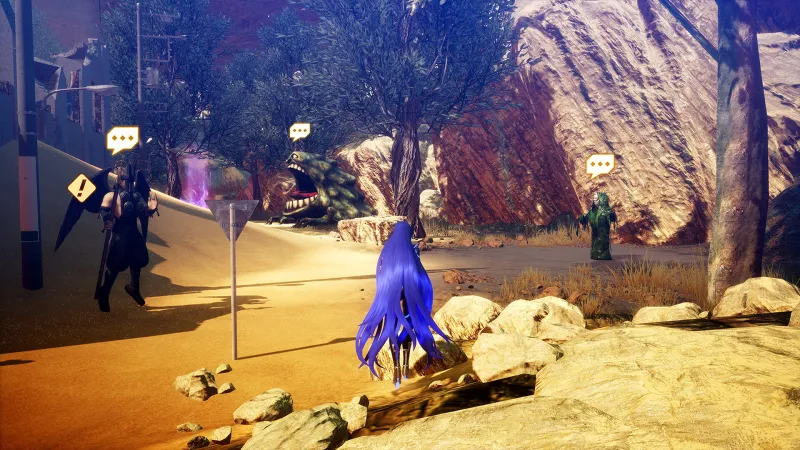
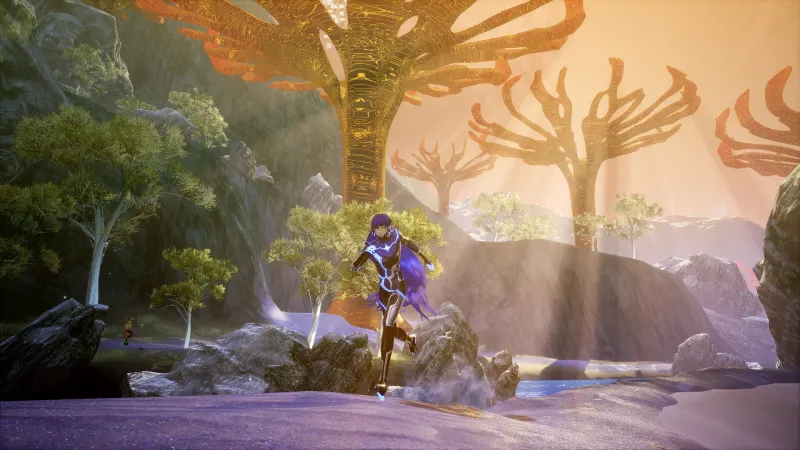
On the surface, SMT V: Vengeance is a home run without any extra effort. The original game being a Switch exclusive meant it arrived with inevitable technical compromises. Vengeance is still on the Switch, but its multiplatform debut means every inch of its world is out in full force. This game is as colorful as it is dour, juxtaposing multicultural religious imagery with post-apocalyptic destruction. Simply being able to dash across the shining dunes of Da’at (formerly Tokyo) without the frame rate sputtering is worth the price of admission.

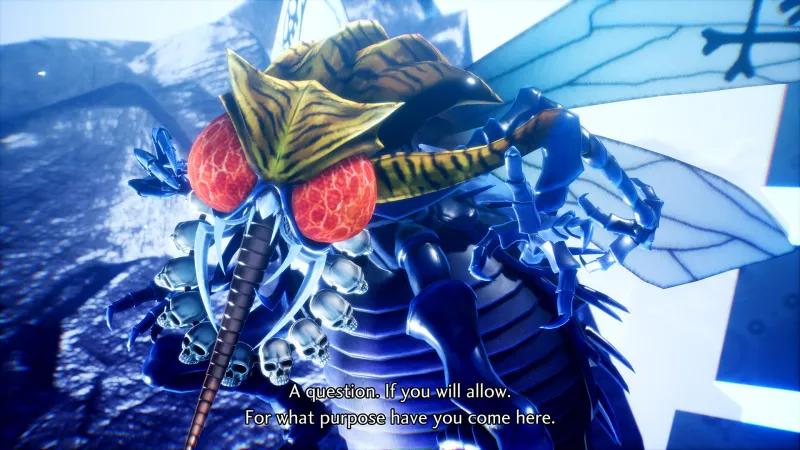
But there’s so much more to Vengeance than a touch-up under the hood. Rather than being a sequel in the style of SMT IV: Apocalypse or a pseudo spinoff like SMT: If, Vengeance offers a totally new campaign scenario. Nearly the entire story is completely retold, using the original premise as a springboard to leap into a scenario with new central characters, antagonists, and entirely different endings. On top of that is a massive amount of retooling, with changes and adjustments that range from quality-of-life tweaks to brand-new features entirely. Vengeance is almost a whole new game that treats the original as a rough draft. “Almost” is a keyword here, because the original scenario is also selectable at the beginning, so you can still experience the original story while enjoying the new features and adjustments.
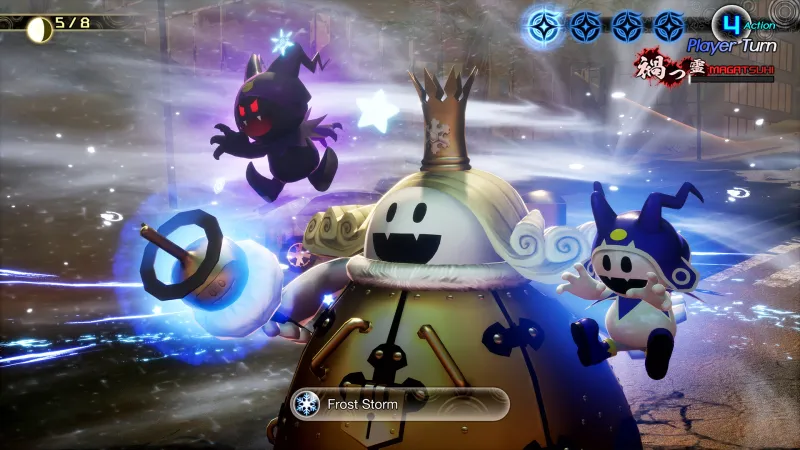
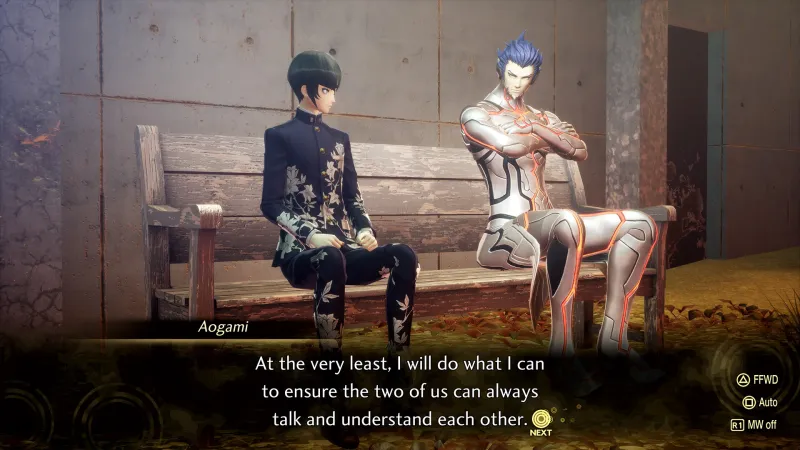
 

In many ways, the new scenario feels like a direct response to problems players had with SMT V the first time around. As a returning player and a longtime fan of the series in general, it’s a bizarre setup with an impressive level of self-awareness. Moments occur when the story appears to change from the original in a direct and crowd-pleasing way, only for it to yank the rug out from you violently, twisting the twist to make it even more unpleasant than before. While I didn’t agree with the criticisms that led to this new campaign in the first place, having a whole new story to dig into that toyed with my previous knowledge was a lot of fun.

The new character was intriguing and added a lot to the scenario, and getting more of the returning cast admittedly fleshed out the plot more. I did find having them playable to be kind of silly, as using a team full of my own demons was always more productive anyway.

This remixed approach could be confusing to a newcomer. Luckily, Vengeance accounts for that too, and the choice of which version to pursue is presented in-game in a way that’s practically seamless. It simply feels like yet another option in a game and series full of choices that impact where the narrative goes. There isn’t special attention drawn to it, nor does it feel like an awkward attempt to replace or undermine the original. It’s just more SMT V to dive into, which for an already jam-packed RPG full of narrative agency and monster-collecting action, is more food on the table for the feast. And it was a hell of a feast to begin with.

GI Must Play

Score: 9

About Game Informer's review system

Purchase
Wednesday, June 5, 2024

Hauntii Review – Life After Death

Hauntii Review

Reviewed on: PlayStation 5
Platform: PlayStation 5, Xbox Series X/S, PlayStation 4, Xbox One, Switch, PC
Publisher: Firestoke Games
Developer: Moonloop Games
Rating: Everyone

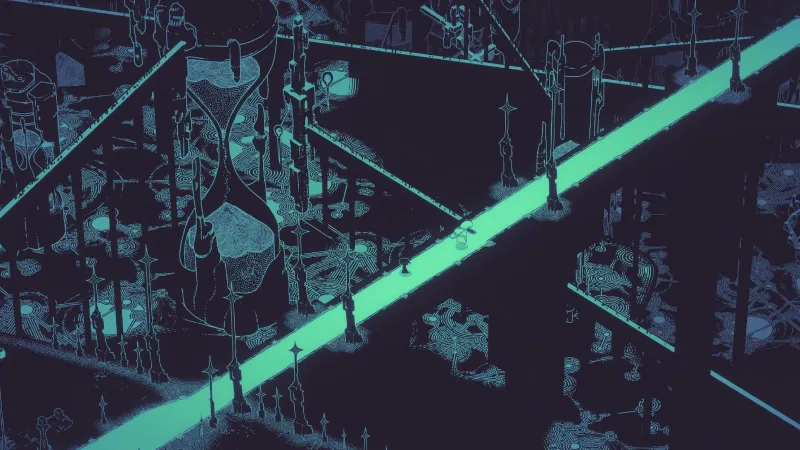
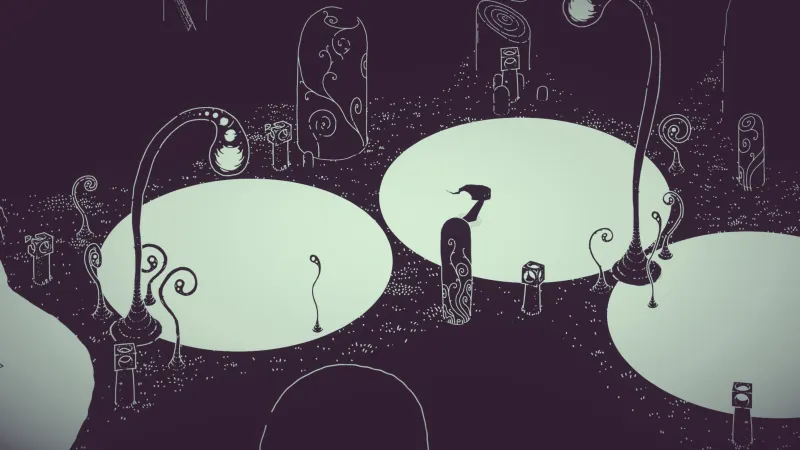
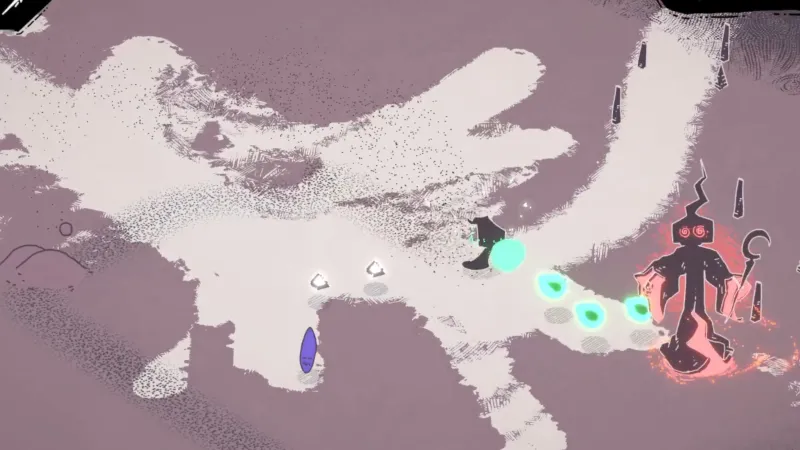
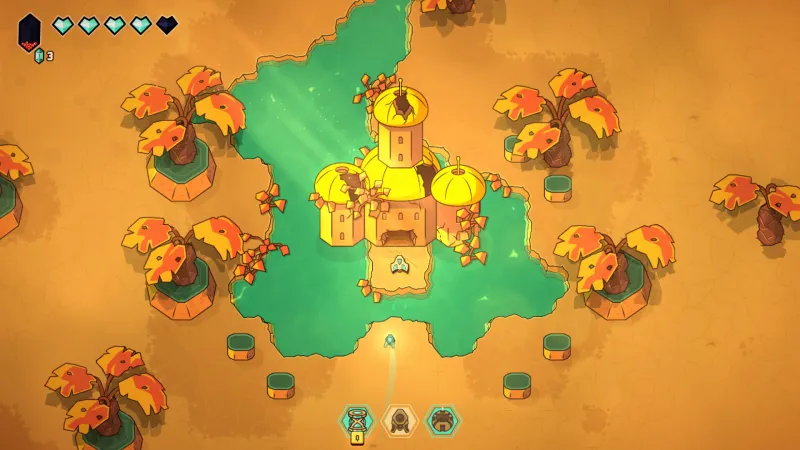
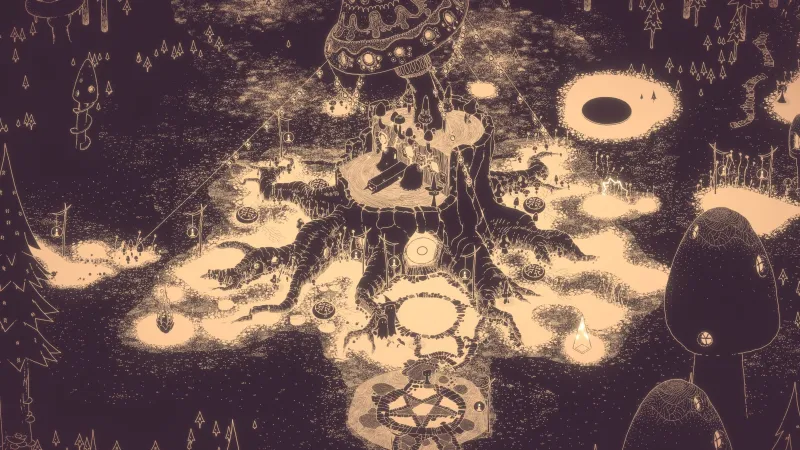
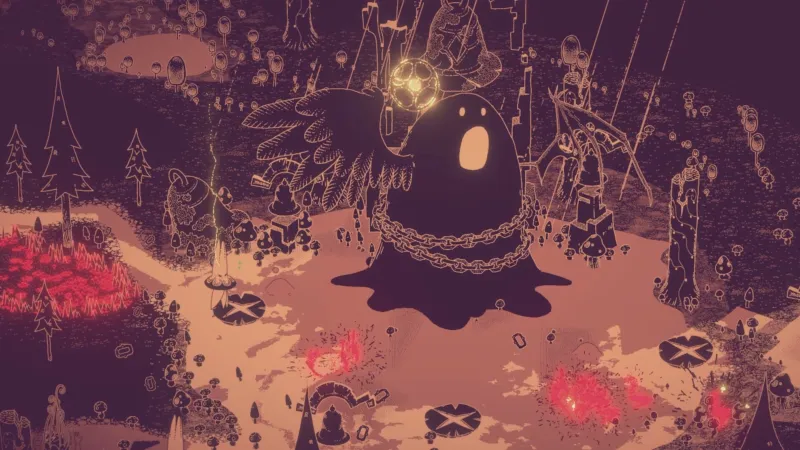
Hauntii drew me in immediately thanks to its striking illustrated art direction and enchanting jazz noir soundtrack. A powerful opening sees the protagonist, an adorable ghost who recently died, attempting to ascend to a heavenly plane hand in hand with an angel-like guardian, only to be shackled and pulled back to the depths of Eternity. It’s an emotionally effective moment, and while the gameplay doesn’t always prove as captivating, it provides enough thrills to propel through an eye-popping journey through the afterlife.

As the ghost seeks to reunite with his winged companion, the game takes players across beautifully designed biomes in the realm of Eternity. From a dense forest village to my favorite locale, a bustling amusement park, I can’t stress enough how cool the game’s two-toned line art looks, especially in motion. Backing the visuals is a superb soundtrack that ranks among my favorites of the year. It bounces from sparse piano melodies and saxophone-fueled lo-fi beats to uplifting grandiose scores that effectively stir emotion. 

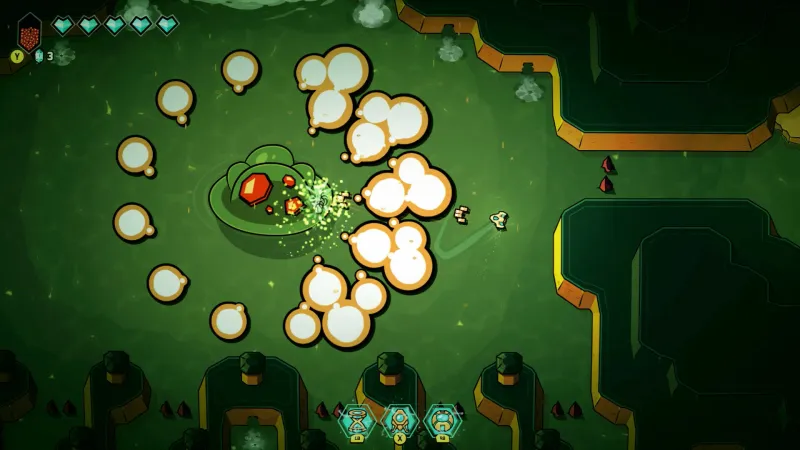
Despite its serenity, Hauntii is an action game at heart and plays like a top-down twin-stick shooter. In addition to the simple thrill of blasting foes with spectral energy by aiming the right stick, shooting objects lets you “haunt” them and utilize their unique abilities. Possessing other enemies can aid in the sometimes challenging combat encounters thanks to the superior firepower they can pack. Sure, I could rely on my own might, but it’s far more satisfying and effective to obliterate foes as a bomb-spewing flower bulb or take down aerial threats with a firework-blasting theme park employee. 

Hauntii routinely pushes players to rely on possession to overcome tough bouts that sometimes feature upwards of a dozen enemies firing bullet hell-style projectile spreads. The moment-to-moment blasting wears thin after a while, but creative boss encounters add interesting wrinkles. My favorite includes possessing a bomb-laden rollercoaster to drive through a trap-laden track to reach a towering monster. 

Other haunting interactions are less involved and more bespoke, like capturing a tree to shake currency and health from its branches. In that sense, Hauntii reminds me of Super Mario Odyssey, as some objects had no practical use but provided humorous, novel interactions. Other, more creative possessions let you manipulate the level design and navigation, such as raising platforms to create elevated pathways or inhabiting cosmic sand whales to navigate a turbulent vortex. 


Each area contains a number of hidden stars to collect, used for upgrading your number of hearts, shooting ammunition, and how often you can use the evade dash. They also unlock simple yet effective vignettes revealing a core memory of the ghost’s former life. Gathering these stars channels the satisfying scavenger hunt of 3D Mario games. Some stars lie in obscure corners, while others must be earned by completing basic side quests or performing hidden challenges, like clearing an area of threats. You don’t need them all, thankfully, as these aren’t always the most exciting tasks, and some repeat, like timed races and finding a lost dog. 

Exploring is also dampened by the deliberate movement speed, which is a notch slower than I’d like. Since most zones are expansive and require multiple visits, I often mashed the dash button to expedite travel. The elaborate art design and isometric viewing angles can also make navigating certain pathways, namely elevated ones, a tricky and sometimes irritating proposition due to the perspective. I could also do without collecting various but identical currencies to unlock different hats that, while cute, I wish you could remove instead of just switching to another. 

Though Hauntii offers simplistic shooter pleasure, my favorite moments didn’t involve blowing targets to smithereens. The voice-less story of the ghost gradually regaining precious memories only to be faced with surrendering them to crossover touched me at points. I enjoyed interacting with the kooky, amusing ghosts, like a paranoid scientist concocting hair-brained schemes to capture your angel friend like a Team Rocket villain. I never tired of soaking in the swelling musical score as the camera panned out to reveal a jaw-dropping backdrop. The beautiful ending sequence stands out as a highlight of the year. Hauntii transforms the understandable anxiety and fear surrounding death into an alluring and comforting reflection of the joy of life.

Score: 8.25

About Game Informer's review system

Purchase
Thursday, May 30, 2024

Minishoot' Adventures Review - A Link Between Genres

Minishoot' Adventures

Reviewed on: PC
Platform: PC
Publisher: SoulGame Studio, IndieArk
Developer: SoulGame Studio

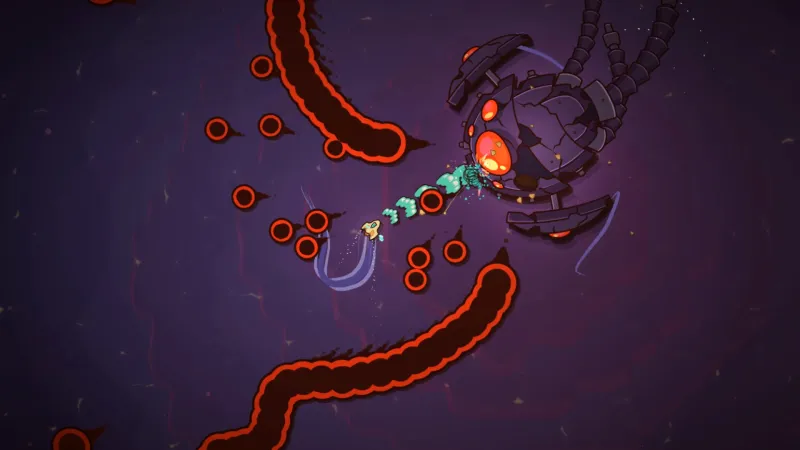
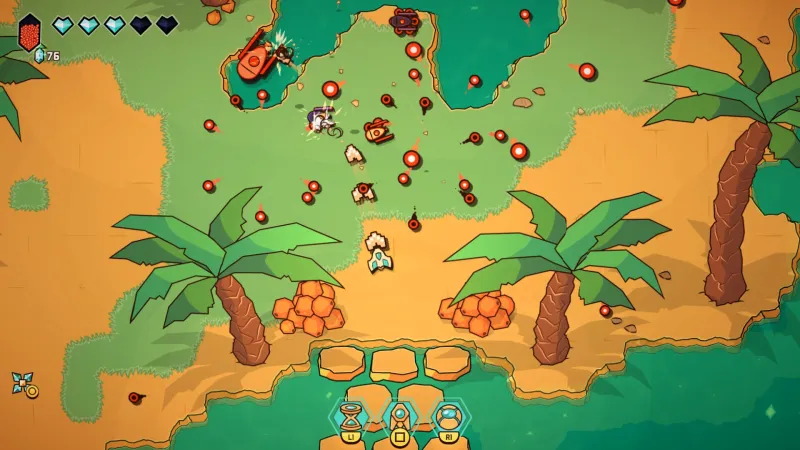
Games inspired by The Legend of Zelda are common; after all, the long-running Nintendo franchise is among the most influential series in gaming history. Because of this, various games take the Zelda format and try to replicate it, but these homages often miss out on the magic that makes that series greater than the sum of its parts. This is particularly true in the indie space, with Zelda-inspired titles a dime a dozen, making it difficult to stand out from the crowd. Minishoot' Adventures clearly draws inspiration from Zelda – specifically A Link to the Past – but by applying the formula to the twin-stick shooter bullet-hell genre, it elevates itself to the top of the field.

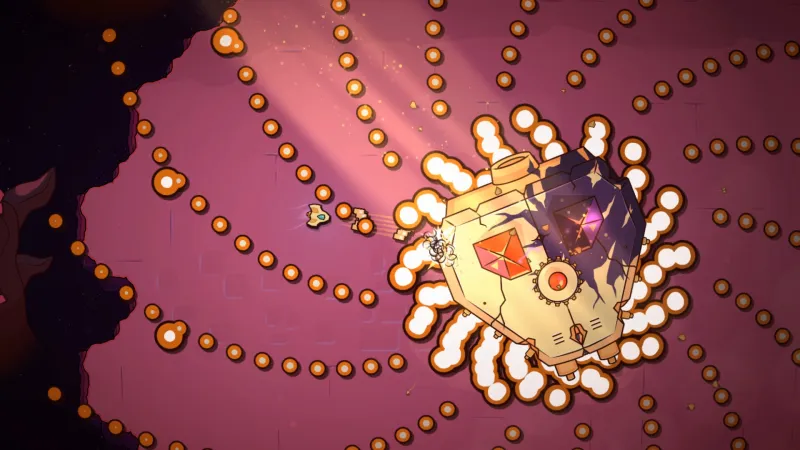
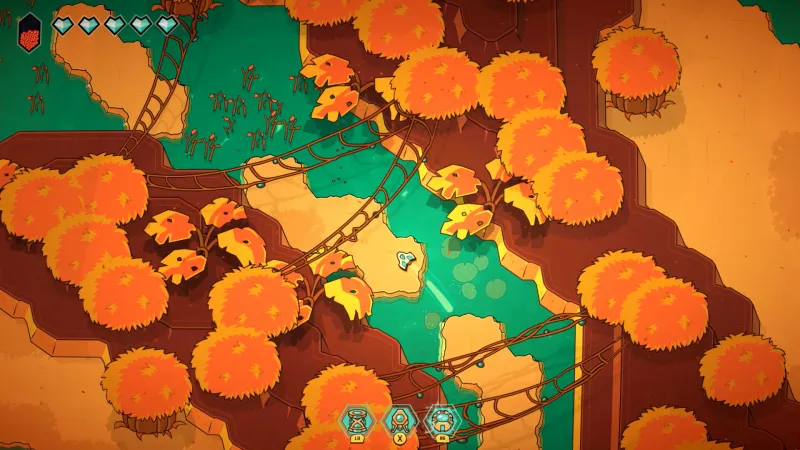
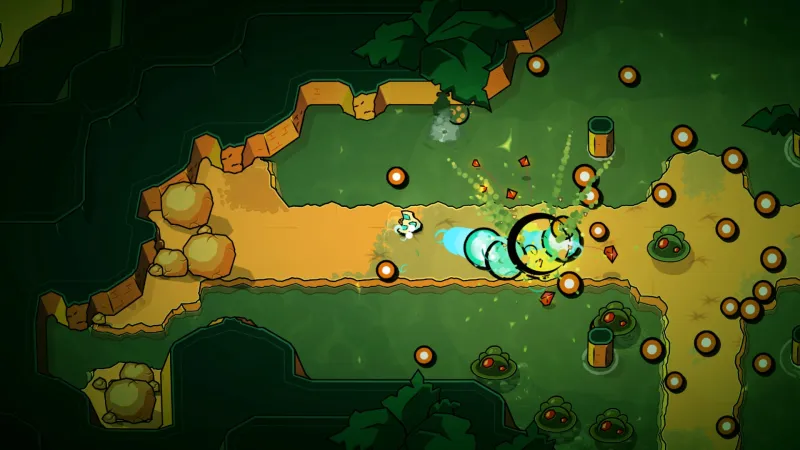
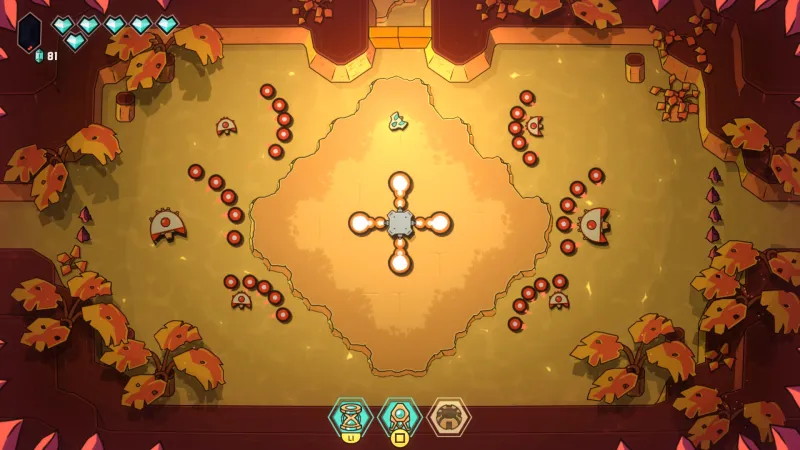
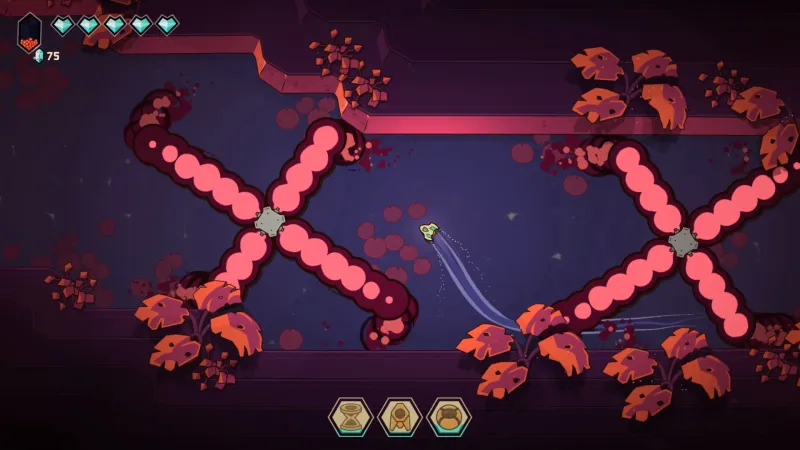
In a clever twist on the Zelda formula, Minishoot' Adventures puts you in control of a small ship exploring a corrupted world. Navigating the map feels fantastic, thanks to fluid controls, an ever-growing repertoire of moves, and a crisp, beautiful art style. During the course of your adventure, the main thrust of the gameplay is rooted in the game's compelling and finely-tuned twin-stick shooting. As you traverse from screen to screen, enemies spawn and create battle arenas. These opponents range from small ships with single-firing bullets to swarms of dive-bombing, armored menaces that leave a trail of projectiles each time they fly forward.

As you enter each individual battle arena, you face escalating waves of enemies. Since each biome contains distinct baddies, and the arenas present unique combinations of adversaries, I eagerly anticipated each drawn-out battle – I often moved to the next area, hoping it would trap me in and begin spawning in waves of enemies. At its most hectic, the bullets fly at you in varying patterns and sizes from different angles on the screen, but more often than not, I found myself completely mesmerized by the alluring patterns I needed to navigate to avoid taking damage. One of the things I appreciate most about Minishoot' Adventures is that while it ramps up the difficulty as you progress through the campaign, nothing ever felt unfair.

Even the bosses, who appear at the end of each dungeon and out in the world, present a stiff and engaging challenge but never made me question the fairness of the task at hand. Don't get me wrong: I died plenty during the approximately 10-hour journey, but there were only a few encounters that took me down more than a couple of times. The only downside is that on rare occasions, the camera swings out so far that it can be difficult to be as precise in my avoidance of an incoming barrage of projectiles. However, most of the time, things are perfectly framed, giving me enough space to get a good view of my surroundings while still possessing the precision to navigate the cracks between the bullets.

Minishoot' Adventures leverages the top-down Zelda formula to great effect. Exploring the handcrafted map for secrets kept me up late on multiple occasions. Each area flows naturally into the next, making it so I rarely got lost. Even the secret areas tucked behind walls and trees are easy enough to spot; on rare occasions, I would miss a visual cue for a secret or a puzzle solution, but it was always my own fault. There was never a time when I had to look up a solution or thought to myself, "How was I supposed to know to do that?" Everything in Minishoot' Adventures' world feels organic and rewarding.


Developer SoulGame Studio expertly encourages exploration through a plethora of upgrades; I loved taking on race challenges (which perfectly highlight the stellar movement mechanics), but the primary driver of my desire to explore was the extensive suite of upgrades. You gain experience for each enemy you defeat, as well as for finding caches of experience-granting red gems; each time you level up, you get a skill point that can be allocated to upgrade things like your damage, firing range, movement speed, and more. The upgrades you unlock through leveling are helpful, and if an encounter ever felt too tough, I knew I could go grind nearby spawn points to gain enough experience to bump up those skills.

However, the biggest improvements arrived through modules and stranded friends you discover through dungeon completion and exploration. The friends you rescue do things like heal you, improve your guns, and even open new areas. Meanwhile, the modules are scattered throughout the overworld map or for sale at hidden shops. These modules, like one that requires less experience to level up, one that tells you when a location on the map has more secrets, and one that grants you a small chance to take no damage when you get hit, are perhaps the most valuable items I found. Every corner of Minishoot' Adventures provides you with rewards, which is why I kept saying, "Just one more area," long after I told myself I needed to step away from my PC.

Thanks to its excellent utilization of well-worn Zelda-inspired conventions and enough unique twists to differentiate it from the pack, Minishoot' Adventures delivers an outstanding bullet-hell experience with less frustration than most entries in the genre. I didn't set out to 100 percent Minishoot' Adventures, but by the time I reached the end of the the story, I had experienced everything the game has to offer, a testament to how enamored I am with this fun, twin-stick title. Minishoot' Adventures bridges the gaps between disparate genres with outstanding gameplay and thoughtful level design to deliver one of the best games I've played all year.

GI Must Play

Score: 9.25

About Game Informer's review system

Purchase