
This is default featured slide 1 title

Go to Blogger edit html and find these sentences.Now replace these sentences with your own descriptions.This theme is Bloggerized by Lasantha Bandara - Premiumbloggertemplates.com.

This is default featured slide 2 title

Go to Blogger edit html and find these sentences.Now replace these sentences with your own descriptions.This theme is Bloggerized by Lasantha Bandara - Premiumbloggertemplates.com.

This is default featured slide 3 title

Go to Blogger edit html and find these sentences.Now replace these sentences with your own descriptions.This theme is Bloggerized by Lasantha Bandara - Premiumbloggertemplates.com.

This is default featured slide 4 title

Go to Blogger edit html and find these sentences.Now replace these sentences with your own descriptions.This theme is Bloggerized by Lasantha Bandara - Premiumbloggertemplates.com.

This is default featured slide 5 title

Go to Blogger edit html and find these sentences.Now replace these sentences with your own descriptions.This theme is Bloggerized by Lasantha Bandara - Premiumbloggertemplates.com.

Wednesday, November 4, 2020

Yakuza: Like A Dragon Review – A New Hero Takes His Turn

Publisher: Sega
Developer: Ryu Ga Gotoku Studios
Release: 2020
Rating: Mature
Reviewed on: Xbox Series X/S
Also on: PlayStation 5, PlayStation 4, Xbox One, PC

Yakuza 6 marked the end of protagonist Kazuma Kiryu’s journey, leaving us with a single question: “What now?” For years, players had explored Japan with Kiryu, becoming attached to the character as well as the template that his games inhabited. Ryu Ga Gotoku Studio could have simply dropped a new face in Kamurocho and called it a day, but that’s not what happened. In Yakuza: Like a Dragon, the studio raised eyebrows by scrapping the traditional arcade-brawler combat and replacing it with turn-based RPG-inspired battles. And while there is a new face to the action, he’s accompanied throughout his adventure in Yokohama with a rotating troupe of like-minded heroes. It’s a pivot that could have ended in disaster. Fortunately, Like a Dragon’s bold gamble pays off, leading to one of the best entries to date.

Ichiban Kasuga had some big slip-on loafers to fill. Kiryu’s stoicism and determination were a natural fit for the criminal underworld he orbited, but his charm and willingness to help people with their problems won audiences over. Kasuga is no Kiryu, and that’s kind of the point. This new hero is impulsive, hotheaded, and a bit of a goofball. At the beginning of his adventure, Kasuga shares his enthusiasm for the Dragon Quest series with an underling. He sees himself as a hero, even if his abilities don’t initially line up with his aspirations. Kasuga’s willingness to help is weaponized against him, leading to him taking the fall (and an 18-year prison sentence) for a murder.

Click here to watch embedded media

We don’t know much about Kasuga at first, which ends up being one of the most refreshing things that Like a Dragon offers. Without the weight of half a dozen or so games and their associated histories on his shoulders, Kasuga is a blank slate for this new Yokohama adventure. Kasuga certainly has goals and motivations – figuring out why his father figure in the Tojo Clan betrayed him is chief among them – but the fact that he’s such a small figure in this world creates an exhilarating feeling of freedom. This new hero doesn’t have established relationships in this new town, so the first few hours are filled with simple things like finding work. What could be a boring slog cleverly leans into the RPG systems that underpin the entire experience.

Like a Dragon isn’t just a superficial take on RPGs; it holds a satisfying amount of depth, including the various jobs that characters can take. You begin as a bat-swinging hero, but you can also swap to several other roles, such as a chef, musician, or break dancer. Each role acquires new abilities as they’re leveled up, like the chef using an area-of-effect flambé technique or the musician strumming a tune that heals the party. The jobs and the overall attacks are pretty silly, which is suitably on brand. Changing these jobs is simple, though it requires a quick stop at the employment agency – a nice reminder that, as goofy as it all can be, it’s grounded in its own sense of reality.

I was a little put off by the turn-based combat at first, but I quickly warmed up to it. Returning players will notice some familiar animations, including some bike-swinging action when characters come across those props in the field. Well-timed button presses grant additional damage or mitigate enemy attacks, which helped me stay engaged during battles. As Kasuga establishes himself in the town, other characters join in on the action. That allows for a lot more depth and specialization. I enjoyed having a couple of bruisers soften up my targets while the others focused on debuffing enemies or providing heals when needed. I especially loved the Poundmates, which are essentially Like a Dragon’s version of summons. These are supremely stupid, and they often are rewards for engaging in the myriad substories. I won’t spoil too much, but I will say that having a group of low-level yakuza thugs attacked by crawfish is one of the less bizarre options available. When you’re appropriately leveled, random battles resolve themselves as quickly as they would in previous games, but larger boss encounters have strategic elements that reward planning and patience.

There is a large criminal conspiracy at play here – it’s a Yakuza game, after all – but it doesn’t feel as needlessly complicated as some of the intrigue has been in the other entries. Keeping track of the important figures isn’t quite as overwhelming, most likely because Kasuga isn’t privy to a lot of what’s going on. I loved the way the story gradually comes to light, too. Kasuga and his friends learn much about Yokohama’s criminal underworld by working various jobs throughout the city; he’s learning about the town and its people at the same time we are, which is a refreshing approach.

Click image thumbnails to view larger version


It wouldn’t be a Yakuza game without an abundance of side activities, and Like a Dragon delivers here, too. If you’re not having fun with the current task at hand or want a break from the story, several lengthy side activities or pursuits are around to occupy your time. Yokohama is home to several great diversions, including a Mario Kart-like Dragon Karting series, complete with racing rivals, powerups, and tiered tournaments. I spent much of my time in the oddly engaging management sim, where you hire people to run a variety of different businesses to increase profits, and then take on investors in board-room battles. It’s similar in spirit to the cabaret management or baseball simming in previous entries, and it’s a fun way to make a lot of money for upgrades and consumables.

Like a Dragon is a departure from the games that came before it, but I found those changes to be revitalizing. As much as I enjoyed the Yakuza formula, it was definitely a formula. Like a Dragon has enough familiar elements to make it feel like, at its heart, it’s a Yakuza game. All the while, I fully appreciated how much of a new identity this entry is establishing. Here’s hoping this is the first step in yet another great journey for the series.   

Score: 9.25

Summary: It’s a new direction for the series, but Like a Dragon captures the essence of what came before while setting out on its own journey.

Concept: Shake up the Yakuza formula by introducing a new protagonist, moving the action to Yokohama, and – most notably – shifting from traditional brawling action to turn-based RPG-style combat.

Graphics: Yokohama is a vast and dazzling place to explore, with plenty of visual details to soak in. Some of its less-prominent residents tend to look a little strange, but the major players look great.

Sound: Battles are juiced by an energetic soundtrack, which also adds dramatic tension and intrigue when needed. Voice acting continues to impress, whether you’re playing in English or Japanese.

Playability: You do everything from beating up low-level thugs to running a successful business empire during your time with Like a Dragon, and the controls are uniformly up to the challenge. Figuring out some of the systems can be tricky at first, but persistence pay

Entertainment: It’s a new direction for the series, but Like a Dragon captures the essence of what came before while setting out on its own journey.

Replay: Moderately high
Click to Purchase

Tuesday, November 3, 2020

Visage Review — Awesome Apprehension

Publisher: SadSquare Studio
Developer: SadSquare Studio
Rating: Teen
Reviewed on: PC
Also on: PlayStation 4, Xbox One

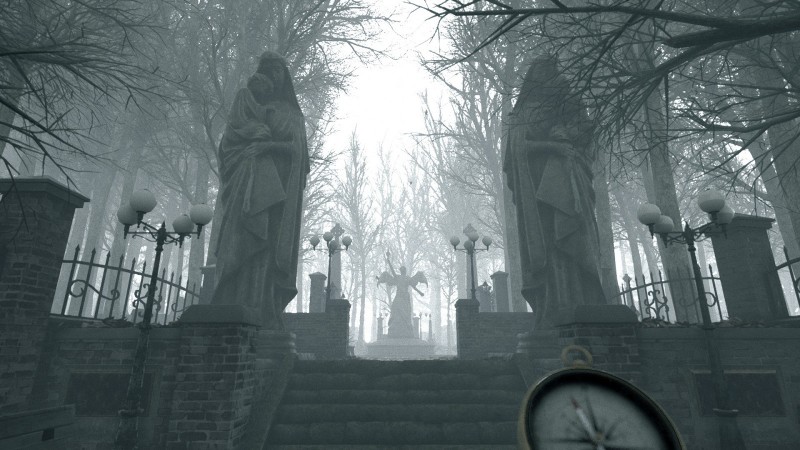
SadSquare Studio’s Kickstarter-fueled Visage starts with a bang and never lets go, ratcheting up tension and delicious dread. For fans of horror games, Visage is a nightmare that you can’t miss; it’s the scariest game I’ve ever played. Through effective use of a chilling atmosphere, rising apprehension, and just the right amount of shocks and surprises, Visage is the haunted house from hell that scares your socks off. While the game suffers from poor inventory implementation and some of those indie “jank” bugs where you might get stuck in an environment or fall through the world, those annoyances can't shake the fact that Visage does terror incredibly well.

Click here to watch embedded media

You begin the game in a house without a real sense of what is happening or any real goals. The hands-off approach toward discovering it’s many mysteries could be off-putting for those looking for guidance, but wandering the haunted halls without instruction is extremely effective as it builds up from flickering lights to shuffling spectral aberrations. It surprised me that after many hours of play I would still find excuses to explore well-lit segments of the house instead of heading down to the basement, even though I had already spent tons of time down there. A testament to the game's strength is that even a mundane laundry room or TV nook can induce trepidation. From a beguiling cat clock to an incessant radio that loves to turn itself on, there’s enough disturbing flavor in the normal objects you find in the house.  Is there something in the dark there with you? The answer is ... sometimes. And that question kept me on edge, always. Then, things get weird. The walls begin to ebb away, impossible designs and architecture appear, and new worlds open up. 

Click image thumbnails to view larger version


Visage is a journey into the psychological realm as well as the real, and you may find yourself transported to lost treehouses, grim cemeteries, psychiatric facilities, or even a supermarket during your explorations in the house. By doing so, you learn the tragic and terrifying stories of others who have lived in the cursed location. Each “chapter” is tied to a character and has its own puzzles, and they are thematically incredible journeys through both the real and the surreal. A camera identifies hidden threats and secrets during the panic of a flash as the only light source; mirrors take you to the depths of the bizarre; or the eyes are always watching you as you scramble from misshapen bodies in the hospital hallways. Each arc tells a tale with satisfying and horrible endings that convey the world that you’ve stumbled on. It’s not a happy one, and every environment and chapter keeps you buzzed with equal parts adrenaline and fright as you open each door and solve each challenge.

Along the way, light sources and pills keep your sanity high. Consumables are ostensibly limited resources, and you’re encouraged to be sparing with your sanity-restoring stock as the house messes with your mind by slamming doors, shutting off lights, or meddling with electronics. Let your sanity slide too far, and you’re likely to get a visit from something much worse than some muffled footsteps or a fleeting face. Using items the way you want is often a huge pain when interacting with the environment. Attempting to set candles down, arrange your inventory, or do just anything with your items is often an exercise of battling the controls.

Visage creates a palpable playground for fans of horror to revel in, tapping into different flavors of fear to create an unsettling experience. All too often, genre titles fall back on repetitive jump scares and shock value, but Visage lets the house burn into your brain and leaves you questioning every decision to open a door or descend a staircase.

Score: 8.75

Summary: Explore a truly terrifying haunted house.

Concept: Discover the horrible secrets of a haunted house in sanity-sapping survival horror

Graphics: Effective use of lighting and environments keep the tension sky high

Sound: Screams, laughter, shuffling creaks and disturbing noises abound, setting an appropriately spooky stage

Playability: Visage demands the ability to forgive its awful inventory management and to enjoy a good scare

Entertainment: Visage admirably succeeds at building dread and capitalizing on that investment with compelling stories and chilling situations. This is the scariest game I’ve ever played

Replay: Moderate

Click to Purchase

Thursday, October 29, 2020

The Dark Pictures Anthology: Little Hope Review – Inconsistent Magic

Publisher: Bandai Namco
Developer: Supermassive Games
Rating: Mature
Reviewed on: PlayStation 4
Also on: Xbox One, PC

Witchcraft. Doppelgangers. Cenobite-like demons. Evil children. Inescapable fog. Supermassive Games loves to combine horror tropes and create its own spin on them for one big, spine-tingling adventure. It’s part of the studio’s identity and what made Until Dawn such a hit. I always look forward to seeing how the team is going to subvert my expectations. Little Hope is the second standalone entry in Supermassive’s Dark Pictures Anthology, and though it is a step up from Man of Medan, it still falters as much as it succeeds. Little Hope tells a fascinating tale, but lackluster gameplay, predictable scares, and performance issues hold it back from greatness.

This story is completely self-contained, so you don’t need to play Man of Medan to understand it. This fresh break allows Supermassive to explore a new setting, characters, and horror subgenres. For Little Hope, you’re introduced to a New England town of the same name. It has an eerie past connected to the 17th-century witch trials, along with a family from the 1970s that experienced tragedy. When a bus carrying a professor and his group of college students crashes in Little Hope during a detour, you realize more is going on than meets the eye. Not only is a fog preventing you from leaving, but your group also appears connected to the town’s dark history. The new setting immediately pulled me in; not only is it creepy from the start, but the intrigue that holds the mystery together is powerful.

That being said, getting to the story’s best moments takes time and patience. Little Hope is a slow burn, meaning you have a lot of downtime just walking down a foggy path with few clues and boring dialogue. You occasionally go into the sewers, a church, or a factory, but the winding road is the main destination. The journey would probably be more enjoyable if I found the characters intriguing, but it was hard to care about any of them. The problem is they feel more like one-dimensional reactions to a situation rather than being unique people with needs and motivations. It was hard to get a sense of any of them beyond the few traits listed about them when you start the game.

Though the present-day ensemble is uninteresting, their doppelgangers from the past are a different story. They pull you back into their time period to experience the crazy accusations and fear of witchcraft that ran rampant. I loved the tension of these moments, as you see paranoia manifest you begin to question who is to blame for how things unfold (which becomes a big choice you make). It all culminates in a fantastic twist that I won’t spoil, but it is cleverly done and made me approach my second playthrough in a different and exciting way. Changing your decisions on subsequent runs also leads to new scenes and situations, like whether characters proudly show off their relationship, or what form a creature takes. 

Click image thumbnails to view larger version


I wish the overall gameplay of Little Hope provided the same excitement. Despite having some of the best creature design Supermassive has ever done, Little Hope still can’t capitalize on its terrors. The game tries to unnerve you, attempting its share of jump scares, but they are too predictable and over-the-top to work. Addressing complaints from Man of Medan, Supermassive made some improvements with better indicators for when QTEs are coming, and you can now press a button to walk faster through environments. However, item selection is still finicky, and I had to contend with technical issues like freezes and glitches, especially in co-op.

Speaking of co-op, I had a much better experience playing by myself than I did with someone else – the opposite of my experience with Man of Medan. The story lends itself better to solo play, as co-op allows only certain players to see specific scenes, which makes it difficult to piece together the whole story. Also, if your co-op buddy finishes up their area first when you’re split up, the story moves ahead without giving you time to inspect everything. I experienced crashes, dialogue cutting out, and disconnects, despite both my co-op buddy and I having solid connections. I hope this aspect of the game gets improved after launch, because it gets in the way of following and appreciating the narrative.  

Little Hope is inconsistent, like a witch-in-training still learning how to fully weave a spell. It sets up its story well and keeps you guessing, but the execution is lacking. It needs more variety and interesting things for your characters to do. The action comes too late, and by then, you’re already nodding off. However, seeing the fantastic ending makes putting up with those boring moments a little more bearable.

Score: 7.5

Summary: Little Hope tells a fascinating tale, but lackluster gameplay, predictable scares, and performance issues hold it back from greatness.

Concept: Keep your group alive as you explore a small fictional town with a horrific past connected to the 17th-century witch trials

Graphics: The creepy creature design is a highlight, but the character models look like wax figures, lacking realistic facial expressions and reactions

Sound: Outside of a few awkward deliveries, the voice acting is well-done, especially considering the New England accents required. The eerie sounds and tense music heighten moments, adding to the suspense

Playability: Some technical hiccups break immersion, especially while playing co-op. But having better indications for when QTEs are coming is a welcome change

Entertainment: Little Hope tells a hell of a story punctuated by a great twist. Too bad the overall gameplay and exploration don’t hold the same allure, bringing down the experience

Replay: Moderate

Click to Purchase