This is default featured slide 1 title

Go to Blogger edit html and find these sentences.Now replace these sentences with your own descriptions.This theme is Bloggerized by Lasantha Bandara - Premiumbloggertemplates.com.

This is default featured slide 2 title

Go to Blogger edit html and find these sentences.Now replace these sentences with your own descriptions.This theme is Bloggerized by Lasantha Bandara - Premiumbloggertemplates.com.

This is default featured slide 3 title

Go to Blogger edit html and find these sentences.Now replace these sentences with your own descriptions.This theme is Bloggerized by Lasantha Bandara - Premiumbloggertemplates.com.

This is default featured slide 4 title

Go to Blogger edit html and find these sentences.Now replace these sentences with your own descriptions.This theme is Bloggerized by Lasantha Bandara - Premiumbloggertemplates.com.

This is default featured slide 5 title

Go to Blogger edit html and find these sentences.Now replace these sentences with your own descriptions.This theme is Bloggerized by Lasantha Bandara - Premiumbloggertemplates.com.

Wednesday, August 10, 2022

Cult of the Lamb Review - Follow The Leader

Reviewed on: PC
Platform: PlayStation 5, Xbox Series X/S, PlayStation 4, Switch, PC
Publisher: Devolver Digital
Developer: Massive Monster
Rating: Teen

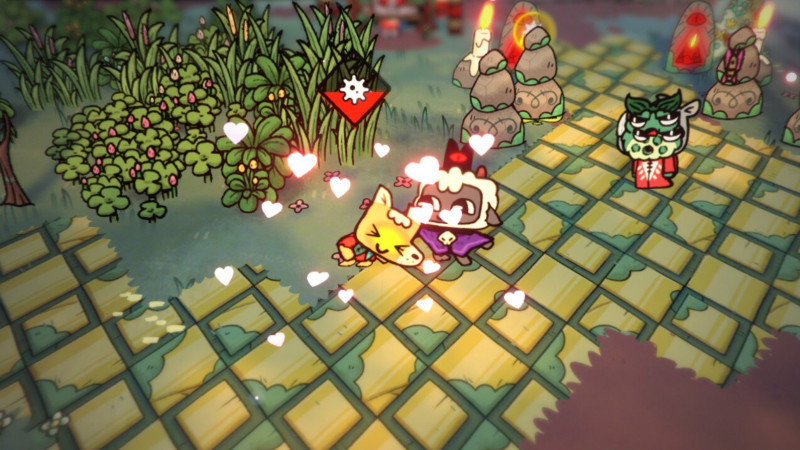
I loved Animal Crossing: New Horizons back in 2020, but its premise wasn’t enough to keep me engaged over time. Designing my island and keeping all of the villagers on it happy was thoroughly enjoyable, but after a few dozen hours, I craved a new type of gameplay to coincide with what I was doing each day. Cult of the Lamb, a mish-mash of adorably cute animals, critters, and creatures and macabre cult-isms, remedies that issue with an expansive action-combat dungeon system. I only wish its base building provided the same kind of satisfaction its combat does. When I wanted to focus on designing a cult aesthetically, I found the game pushing my hand towards focusing on resource management, chipping away at the fun I was having otherwise. Building your cult from the ground up and designing its headquarters is fun, but you’re soon pushed into using your cult as a means of manufacturing in-game currencies and resources, and this sometimes gets in the way of actually making my cult feel like home. 

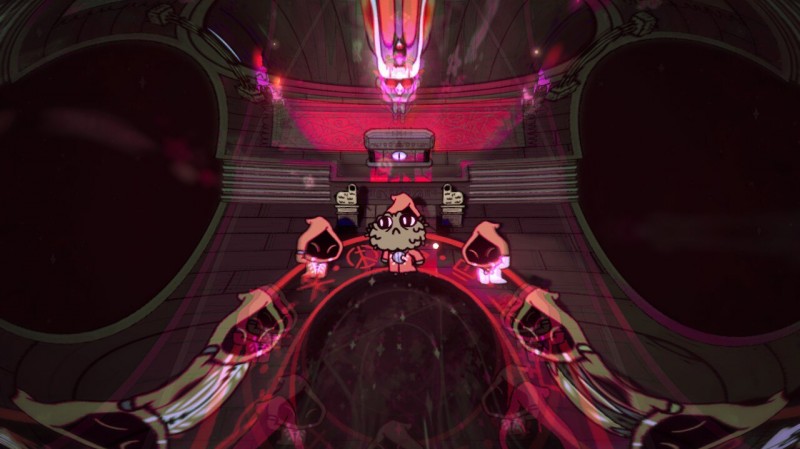
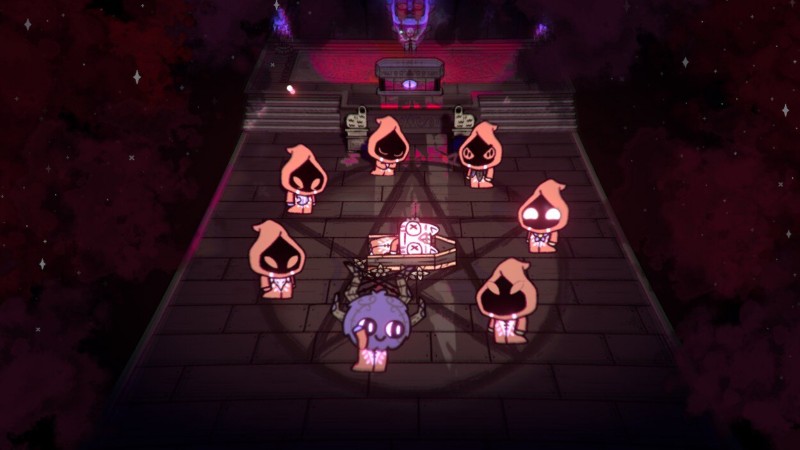
Cult of the Lamb’s premise is simple – you’re a lamb sacrificed to four gods. However, upon death, you discover a fifth god, one the others locked away. They grant you a second lease on life; all you need to do to obtain it is start a cult in their name. And that’s where my journey in Cult of the Lamb began. Nearly 20 hours later, I rolled credits with a cult of more than 20 followers of The Pearl programmed to keep me, their leader, happy, powerful, and stocked with everything I needed. The story that fueled my time in Cult of the Lamb was enough to keep me going, but it takes a back seat to everything else in the game. There’s lore to glean from run-ins with the gods you encounter mid-dungeon, and NPCs will reveal some backstory too, but gameplay comes first here. And for good reason. 
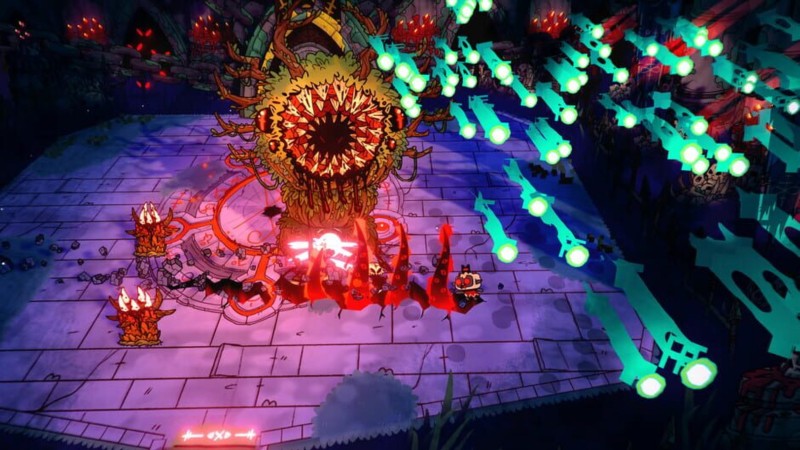
 

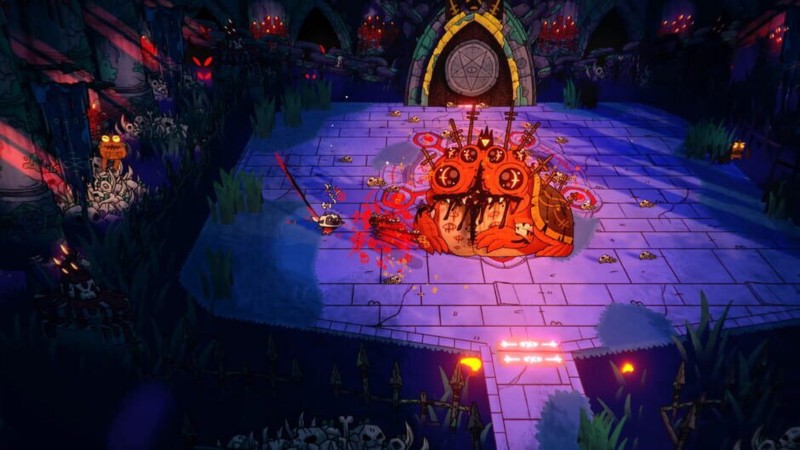
Combat is slick and crunchy, with each attack carrying weight as you battle through randomly arranged dungeons. One room might be jam-packed with skeletons, spiders, killer caterpillars, and cloaked assassins. Using my lamb’s dodge roll, I can escape incoming projectiles and dagger slashes and then counter with my blade, which also has the chance to heal me upon killing an enemy. I close out the dungeon using combo-heavy claws against a boss, relying on the weapon’s randomly-assigned necrotic ability to fling dead enemies back at the boss as projectiles. 

Weapons, like the rooms I found them in, appear at random, keeping combat fresh. Curses, magic-like attacks that typically amount to a projectile or close-combat area-of-effect damage, are random too, but I relied on them a lot less to succeed in the game’s four main dungeons. Curses have limited use because they require Fervor dropped by enemies to use. However, by the end of the game, between pick-up tarot cards that grant special bonuses and other lamb-specific traits, I seldom worried about running out of curses. But I also rarely even used curses, finding them to be more disruptive than not to my flow state; I instead relied on standard attacks and my dodge roll for success in battle. 

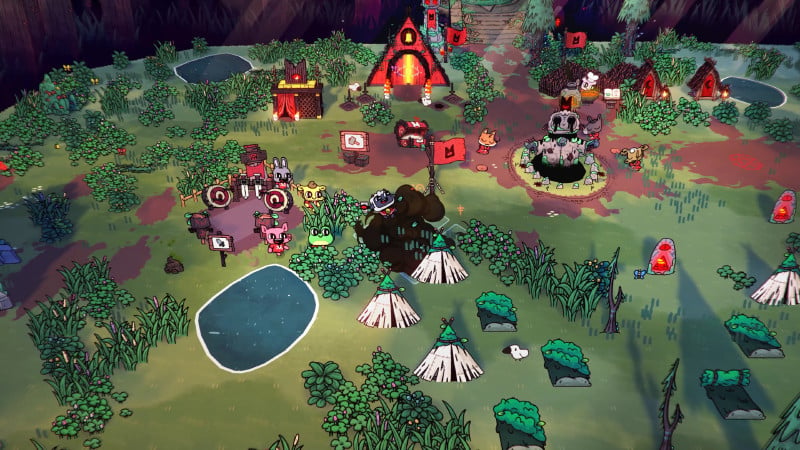
I also had to hone in on the progression of my base, which is where my followers worship and work for me, all to make my lamb stronger so that my next dungeon run, or crusade as it’s dubbed in-game, would be easier. My base began small, with just a shrine for collecting worship devotion and a temple for performing cult-strengthening sermons and beneficial-but-risky rituals. Over time, I learned that my base required much more to succeed. Everything builds on each other, and each system works because of another system happening in-game, so I began to view my cult as a machine whose purpose was to worship, empower, and strengthen me more than as a place to express my inner cult designer. The importance of resource management, as well as the stress of managing cult members’ happiness by keeping them fed, completing their quests, and ensuring their loyalty, often stole the time out of each in-game day. This left little time to make my cult aesthetically pleasing, something I would have liked. 
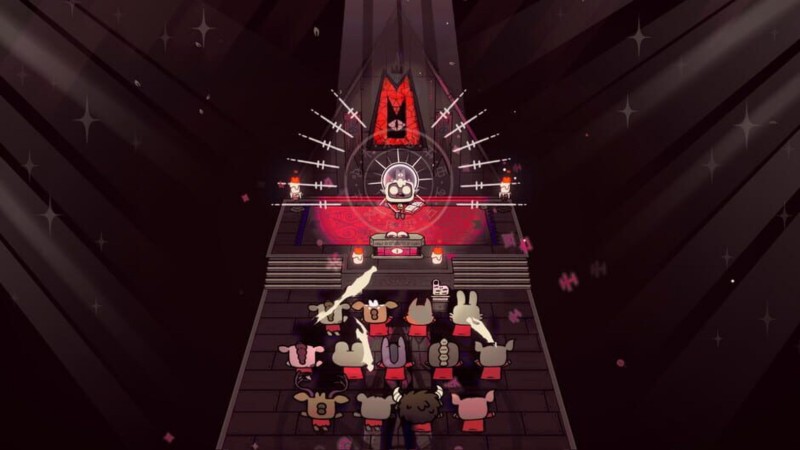
 

And that was fine – it’s clearly what developer Massive Monster intended of these mechanics – but with so many cosmetic items thrown into the formula, I was disappointed by how rarely I was afforded the time to focus on them. I wanted to make my cult look and feel like mine, but the pull of resource management often got in the way. 

I began the game by naming each follower, designing them to look like one of my dogs, cat, or even my friends. But, after about a dozen hours, I was less engrossed with the simulation aspect of it all, opting to stick with default follower designs, and more focused on completing the next dungeon and upgrading the next building in my cult. That said, running through dungeons and improving my cult compound was satisfying, and I found plenty of enjoyment in Cult of the Lamb as a result, even when I felt more like a ruthless boss than a leader. 

In the post-game cleanup, I’m only now engaging with the aesthetic-serving aspects of Cult of the Lamb. I’m finally making my cult feel like mine and not one I’m sure every other player will at some point make to cultivate as many resources as possible. I only wished I had felt this earlier in my 19-hour journey. Still, everything I did leading up to it, from the fast-paced dungeon combat that never grew stale to the factory-like base building that nailed the stress of resource management, was enough and then some to keep me engaged and indoctrinated.

Score: 8

About Game Informer's review system

Purchase

Thursday, August 4, 2022

Recipe For Disaster Review - An Appetizing Restaurant-Management Sim

Recipe for Disaster

Reviewed on: PC
Platform: PC
Publisher: Kasedo Games
Developer: Dapper Penguin Studios

Wisdom from those who have tried opening a restaurant informs you that it isn’t the easiest way to make money. If Recipe for Disaster is any indication, running a successful eatery is a challenging, trial-and-error affair with plenty of stress and frustration, but one that, once mastered, offers excitement and gratification to balance it all out.

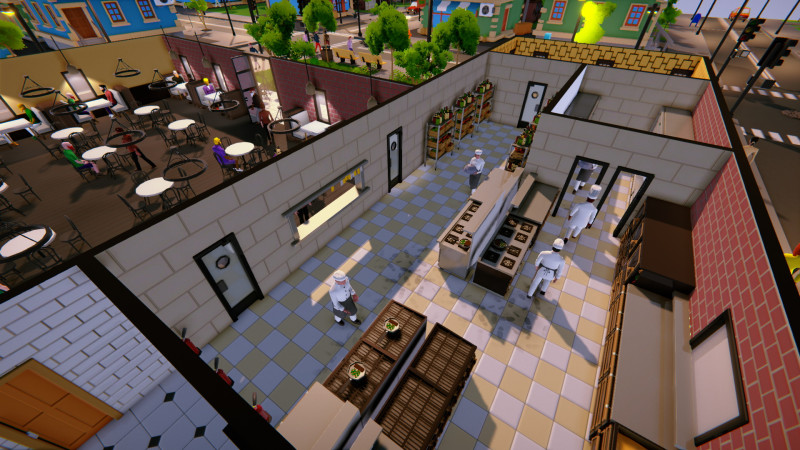
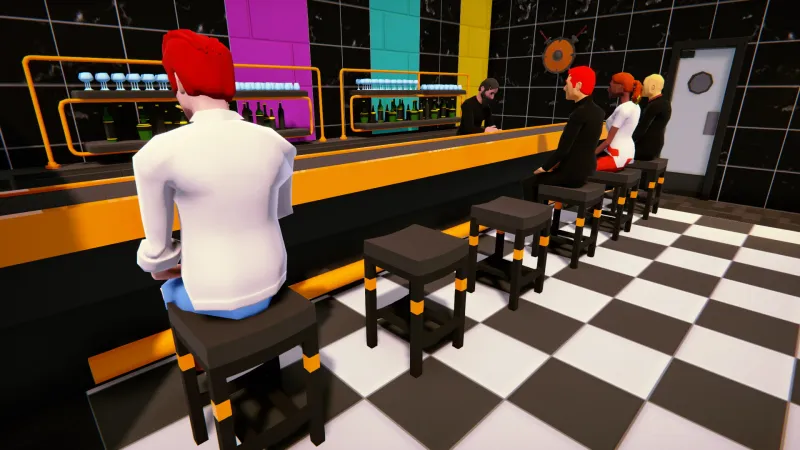
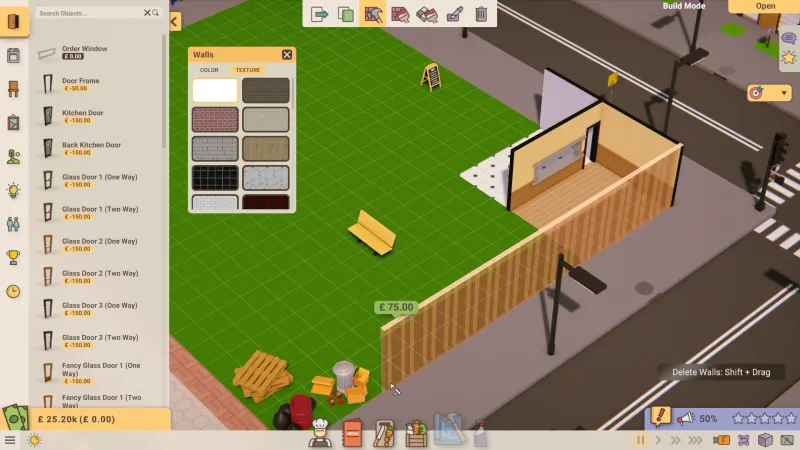
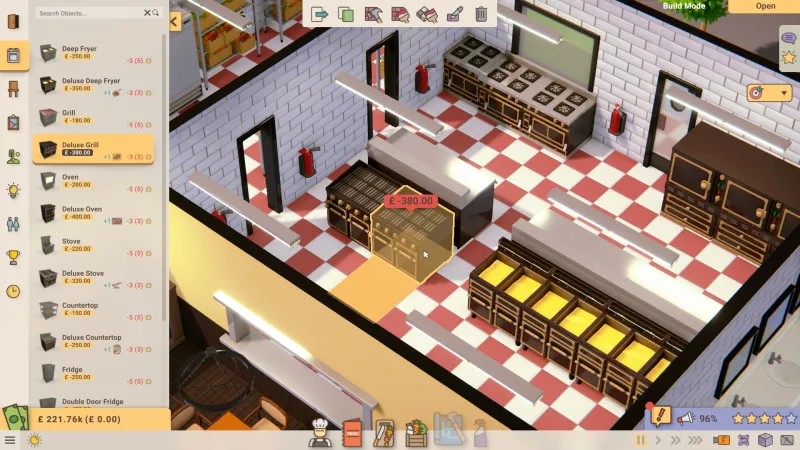
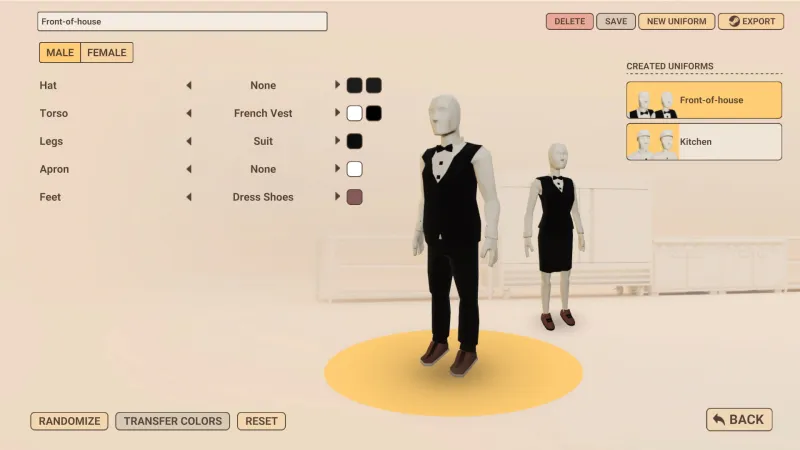
In this restaurant-management sim, you manage staff, monitor your business, and work to ensure your lights stay on. Hiring the right employees to develop a balanced team composition and designing a functional and visually appealing restaurant are important, but this game goes deeper with its management tools. I particularly love how you can drill into the menu, even allowing you to create your own recipes.

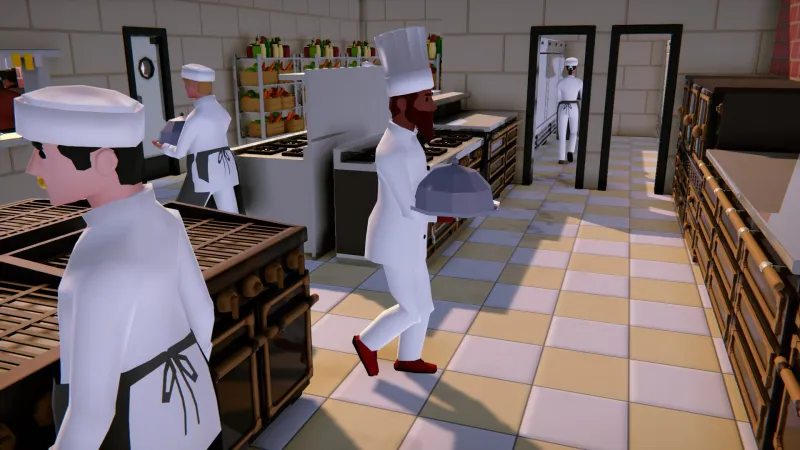
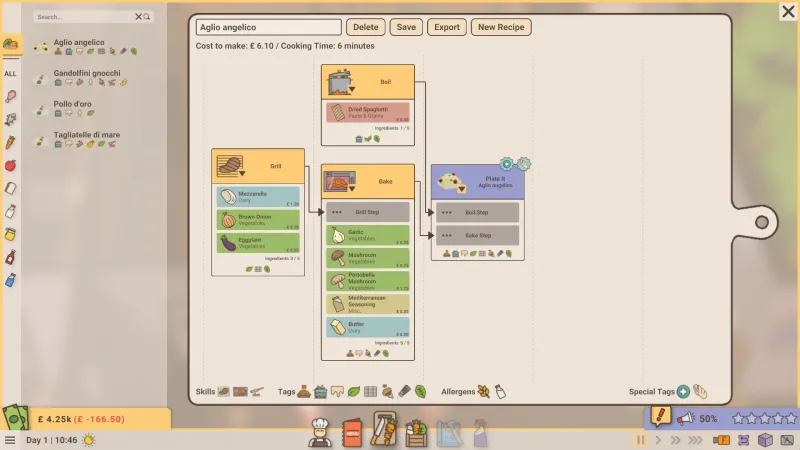
Through its intuitive creation tool, Recipe for Disaster allows you to concoct your own mouth-watering recipes. Using sequential columns, you can instruct your kitchen staff on how to prepare your latest dish. I like that this isn’t a simple step-by-step layout; instead, you can have different tasks going simultaneously. Each ingredient or process you put in a recipe adds to the time it takes to cook, meaning that your chef will be pulled away for longer, and those appliances are inaccessible to anyone else. On multiple occasions, I grew overly ambitious with my dishes; it caused my kitchen to fall behind on their orders, and the restaurant crumbled as a result.


In fact, much of Recipe for Disaster operates on a delicate balancing act that had me weighing risks and rewards before opening the doors each day. Do I add a second grill to my kitchen to help with efficiency but start the day in debt? Would my dining room benefit from a couple of extra tables, or would that just inundate my kitchen staff with too many orders? Should I hire an amazing grill master with a bit of an ego and risk him walking out or annoying the rest of the staff? I loved walking the razor’s edge with every choice.

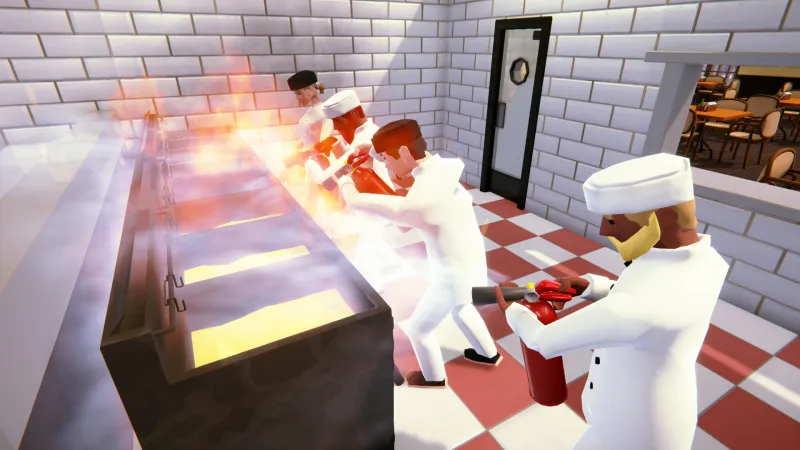
Of course, things fell apart on multiple occasions thanks to overconfidence or miscalculated risks. From an over-ambitious hiring plan to a poorly designed dining room, these instances are all frustrating since they can result in game overs, but I appreciate how each failure let me walk away with lessons on how to address different problems that crop up. These situations also allow for memorable, emergent stories to develop, like when a health inspector arrived just as my kitchen caught on fire or when a restaurant critic came in during rush hour while my entire staff was on the brink of quitting.

Unfortunately, the baked-in stress of managing a restaurant amplifies when employees sometimes stand around doing nothing when there’s work to be done or when the simulation incorrectly says an area isn’t accessible, leaving me unable to realize my dream designs fully. On multiple occasions, someone came into the building looking for a job, only to never return after I hired them. Thankfully, these unintended hardships are minor inconveniences in the grand scheme of this restaurant sim.

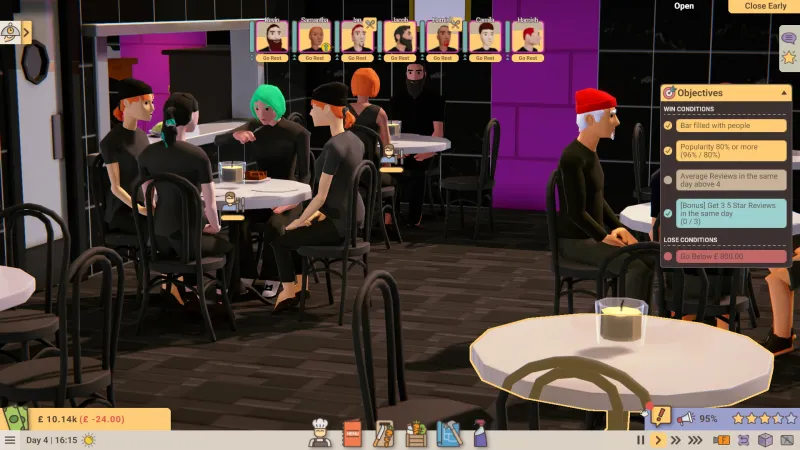
The number of things that can go wrong during any given day is remarkable, but if you strike the right balance, the resulting satisfaction as your leveled-up staff executes your perfect plan is astounding. Watching my team effortlessly handle a bus full of people and a line out the door never failed to make me smile, and by monitoring the in-game notifications and myriad meters, I could ensure my business continued operating like a well-oiled machine. While the main presentation is clean and streamlined, with icons that accurately and efficiently convey their meaning, the user interface is often overwhelming, thanks to the sheer volume of information it needs to communicate.

Whether you’re playing the goal-based scenarios or the open-ended sandbox mode, I still can’t stop thinking of ways to design a perfect dining hall. Though the frustration of failure sometimes got the better of me, I often couldn’t wait to get back in front of Recipe for Disaster to play through several more days of this enthralling restaurant simulation.

GI Must Play

Score: 8.5

About Game Informer's review system

Purchase

Two Point Campus Review – Making The Grade

two point campus review

Reviewed on: PC
Platform: PlayStation 5, Xbox Series X/S, PlayStation 4, Xbox One, Switch, PC
Publisher: SEGA Europe
Developer: Two Point Studios
Rating: Teen

As a kid who grew up with little money, I’ve always loved the fantasy tycoon games realize: the possibility of cashing in on whimsical business schemes like theme parks, restaurants, and aquariums. It’s always been satisfying to start with an empty plot of land and then build the foundation of a business atop it, customizing small details like paint colors, furniture layouts, and walking paths along the way. 

But the genre’s bubble gum aesthetics often mask a darker side – one prioritizing profit over people. More recent big-budget entries forego subtlety altogether, cashing in on oppressive industries like prisons, drug manufacturing, and even cartel operations. I’m sure those games are fun in their own right, but I’m not interested in engaging in the fantasy of generating capital from those systems.

This is why Two Point Campus, the follow-up to the popular business management sim Two Point Hospital, feels so refreshing. You aim to invest in massive universities and specialized colleges to attract students worldwide, but you have to put people first if you want to turn a profit. 

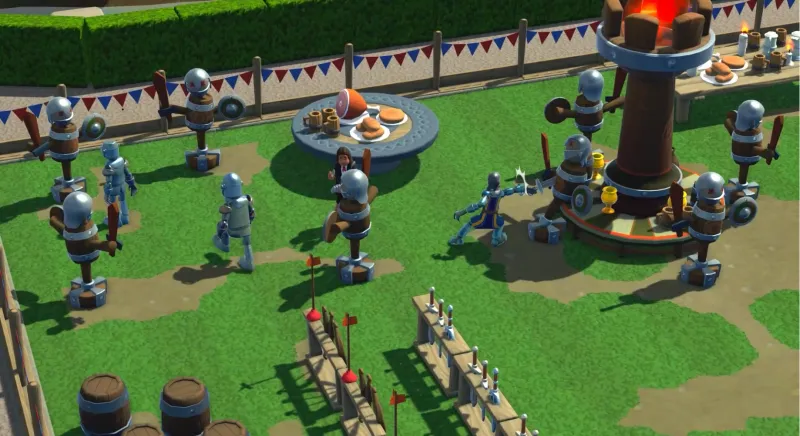
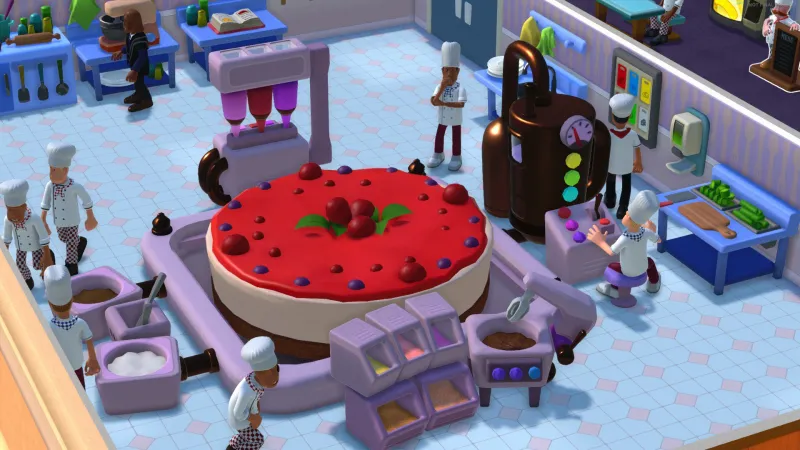
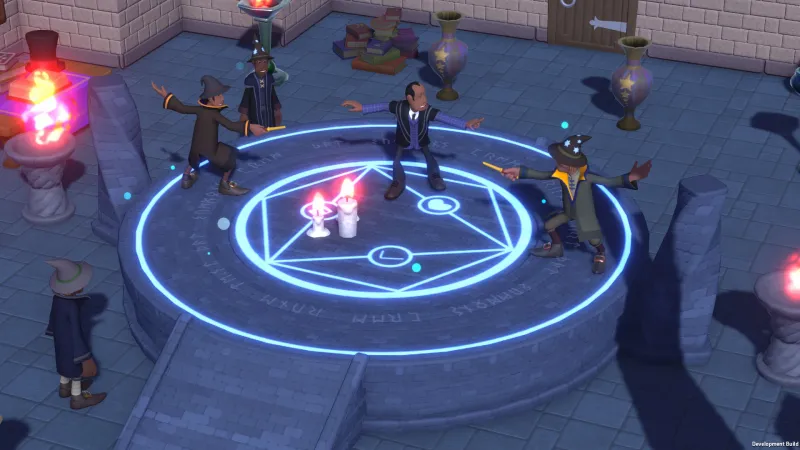
Between screening qualified professors, hiring janitorial staff to maintain the premises, and expanding the interior and exterior of your campus, you’ll invest in, well, less-than-normal curricula. No, there aren’t mathematics courses or language electives in this game. Instead, campuses host classes focused on ridiculous topics like chivalry and knighthood, wizardry, and how to be a spy agent. Even typical subjects like gastronomy or athletics are exaggerated, featuring conspicuous draws like car-sized hamburgers and cheese-based sports. Two Point is full of surprises and even more laughs, and I love discovering its clever twists on academia throughout its 12-level campaign. 

However, don’t be fooled by this whimsical portrayal of college life. There are plenty of challenges on campus that require a strategic mind to overcome. Every student has specific traits and personalities, and they’ll drop out if you don’t satisfy their needs. The only way to reach the campus ratings you need to succeed is to develop an environment ripe for education, which includes managing systems like hygiene, hunger, entertainment, social interaction, campus attractiveness, and in some cases, external factors like extreme temperatures. 

two point campus review

Some students might be great at studying but lower your school’s rating with poor hygiene if you don’t install ample shower rooms and bathrooms. Others might drop the campus’ average grade but can become relatively low-maintenance tenants with a tutoring course or more stimulation via a music concert or jousting tournament. The same principle applies to faculty. Highly skilled staff come at a price, namely a salary, but they’ll also need on-site comforts like break rooms to blow off steam. As you fulfill these requests, you’ll unlock Kudosh, the in-game currency required to purchase new decorations and amenities. 

But therein lies the challenge of Two Point Campus. All these programs require money, and there’s only so much room in the budget. If you’re flippant with renovation approvals, you’ll be out of funds quickly, especially at campuses with a high-maintenance student body. In the case of an empty wallet, you can borrow loans, but it’s easy to get into hot water fast with interest payments. This balancing act is sometimes frustrating but is an effective gameplay loop and is one of the main reasons I love playing Two Point Campus. If you’re feeling overwhelmed, you can change the game’s speed or outright pause, giving you time to solve problems or simply focus on designing without the pressure of the in-game calendar. 


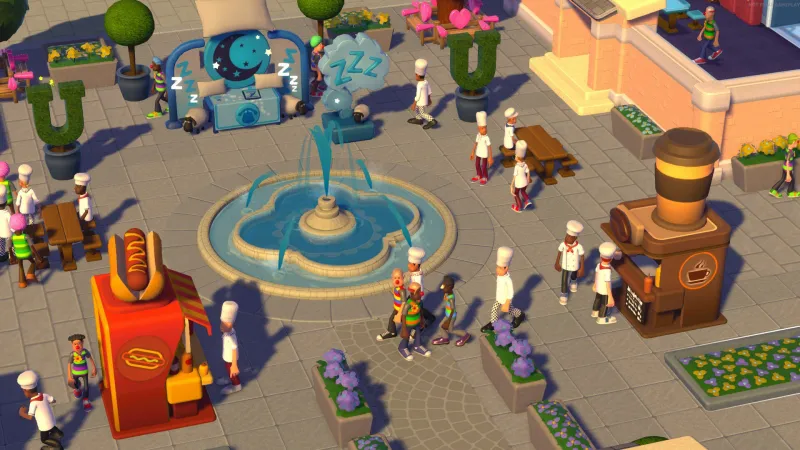
Two Point Campus features robust creation tools, allowing me to design most things to my desired specifications – inside and outside. I especially love the new pathing tools since I prefer to build food parks and gardens outside my academics. However, sometimes I wish I had more flexibility in placing decorative items like plants or rugs without worrying about colliding with other objects. It’d be great to stack smaller assets atop larger ones like desks and tables, too. 

Despite its bleak inspirations – privatized education – Two Point Campus never feels callous. It’s more ideological than anything else, depicting a world where businesses and people flourish together. Profit and expansion are undoubtedly crucial to the experience, but you can only achieve those goals by cultivating a top-tier environment for students. This isn’t to say Two Point Campus shies away from low-hanging fruit; its signature British humor is at its best when poking fun at students and faculty. But ultimately, Two Point Campus is a deeply-engaging management sim that doesn’t force you to punch down, and it’s more enjoyable for it.

GI Must Play

Score: 8.5

About Game Informer's review system

Purchase