This is default featured slide 1 title

Go to Blogger edit html and find these sentences.Now replace these sentences with your own descriptions.This theme is Bloggerized by Lasantha Bandara - Premiumbloggertemplates.com.

This is default featured slide 2 title

Go to Blogger edit html and find these sentences.Now replace these sentences with your own descriptions.This theme is Bloggerized by Lasantha Bandara - Premiumbloggertemplates.com.

This is default featured slide 3 title

Go to Blogger edit html and find these sentences.Now replace these sentences with your own descriptions.This theme is Bloggerized by Lasantha Bandara - Premiumbloggertemplates.com.

This is default featured slide 4 title

Go to Blogger edit html and find these sentences.Now replace these sentences with your own descriptions.This theme is Bloggerized by Lasantha Bandara - Premiumbloggertemplates.com.

This is default featured slide 5 title

Go to Blogger edit html and find these sentences.Now replace these sentences with your own descriptions.This theme is Bloggerized by Lasantha Bandara - Premiumbloggertemplates.com.

Thursday, May 11, 2023

The Legend of Zelda: Tears of the Kingdom Review - Such Great Heights

Reviewed on: Switch
Platform: Switch
Publisher: Nintendo
Developer: Nintendo
Rating: Everyone 10+

The Legend of Zelda: Tears of the Kingdom is battling impossible expectations. The Legend of Zelda: Breath of the Wild represented a radical and successful reinvention of The Legend of Zelda – a series considered by many to be the apex of game design. Despite its numerous changes to Zelda’s formula, Breath of the Wild was a massive success and its legacy only grows stronger with time.

To give Breath of the Wild a direct sequel (a rarity in Zelda canon) is a dangerous prospect. The resulting game lacks the admittedly difficult-to-recreate, undeniable impact and newness of the prior game. Instead, it gives players a chance to revisit the world through a completely new lens with new abilities for a brilliant adventure providing players a staggering amount of agency in how they approach nearly every gameplay instance.

Tears of the Kingdom mostly takes place on the ground in Breath of the Wild’s Hyrule, but it doesn't feel like a retread. New traversal options that change how you explore the world combine with the passage of time to make this Hyrule different, like visiting the town you grew up in after being away for many years. You have a good idea of where things are, but they are different and exciting to explore when you get there. That balance of novel and familiar on the ground is well-executed, and the islands in the sky create wholly new, substantial areas to explore. Figuring out how to leap from island to island in the sky is consistently thrilling, and exploring Hyrule’s caves is dark and intimidating, creating potent exploration options to suit your mood.

Link's new abilities are the main draw of Tears of the Kingdom. Fuse, which lets you combine weapons, shields, items, and more, rewards experimentation and impressively makes every single item in the game – every rock lying on the ground, every plant you pick up, every Zonai technology-infused shield – have some value. It makes the act of collecting even more fun because you can ask yourself stupid questions like, “What if I attached an acorn to a bladed staff?” and arrive at answers.
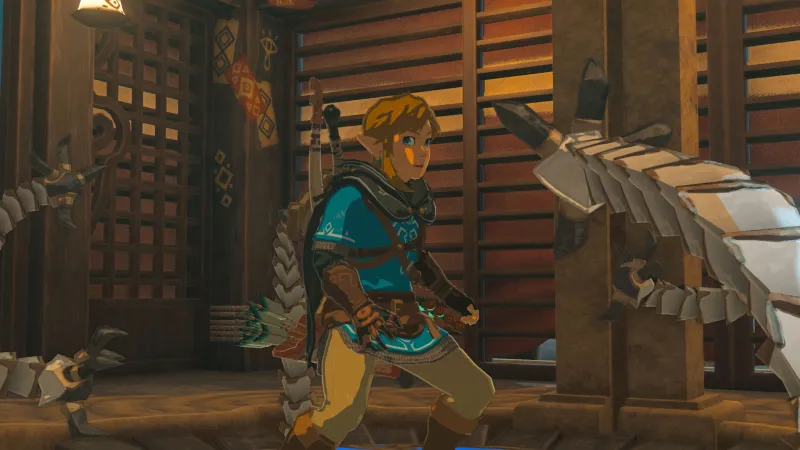
Item degradation makes a return, which is a system I appreciate for making everything I pick up become something I actually use. Quality-of-life improvements also make managing your various tools much easier, and Fuse means you can collect and combine more weapons if you just hate the idea of leaving things behind.

Ascend, allowing Link to move through any ceiling within a certain distance, is impressive in its implementation and practicality. It’s one of the abilities that radically changes how you move through the sometimes familiar world. Recall, which makes objects in the world move backward in time, frequently had me questioning if something would work, only to discover that, yes, it absolutely works in joyful ways.

The king of the abilities, and frankly the king of Tears of the Kingdom, is Ultrahand. The simplified pitch is it allows Link to connect objects. I was intimidated by the new mechanic when it was introduced, and the controls do take some getting used to, but it did not take long for me to become Hyrule’s number one combination contractor and engineer, and I relished the title.
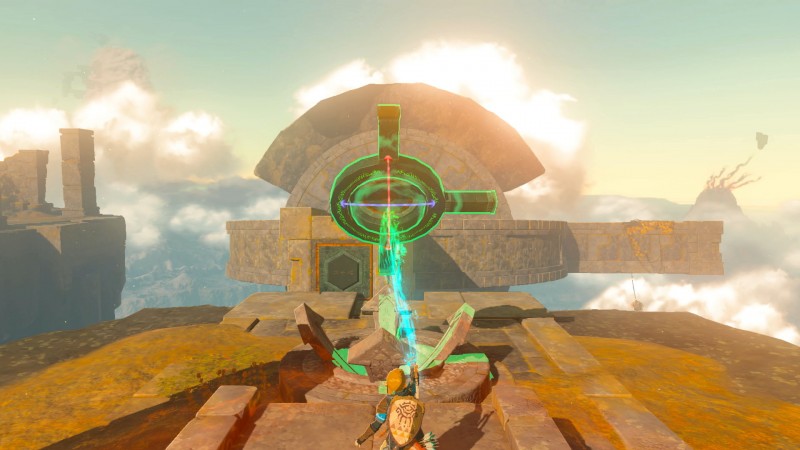
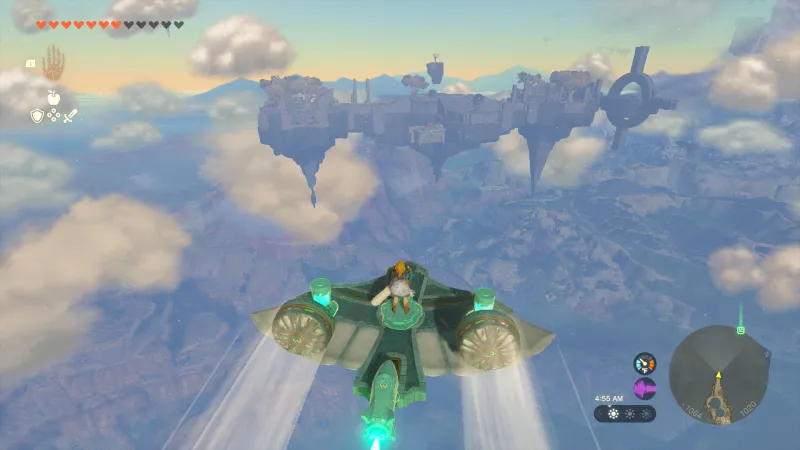
Combining objects to solve simple puzzles to creating complicated flying contraptions with a series of fans, rockets, and batteries is a delight without ever making you spend too much time on any one project. Tears of the Kingdom recognizes what you are trying to make in nearly every instance, which means simple acts like attaching a steering wheel to a platform with four tires works with little fuss. But it also accounts for much more complicated builds, and I was frequently surprised at what I could quickly create and implement into puzzle solving.

Ultrahand is the rare mechanic that sneaks into your brain and makes you contemplate it while outside of the game. The highest compliment I can give is that I dreamed about Ultrahand, rotating pillars and attaching them to boxes in my sleeping brain the same way I saw orange and blue circles in my dreams when I first played Portal. It is Tears of the Kingdom’s most significant achievement.
The Legend of Zelda: Tears of the Kingdom

The adventure is full of other highlights, as well. The story begins with an engaging conceit and only builds to an excellent conclusion. It also doesn't repeat a big narrative issue of the first game: Where was Zelda the whole time? Thankfully, the story knows it's a sequel and acknowledges what came before. You can check in on characters and locations of the past to see how they have changed. The story does not step too far out of the bounds of what we have come to expect from a Zelda plot, but I liked the turns it took, and I was eager to see where it was going.

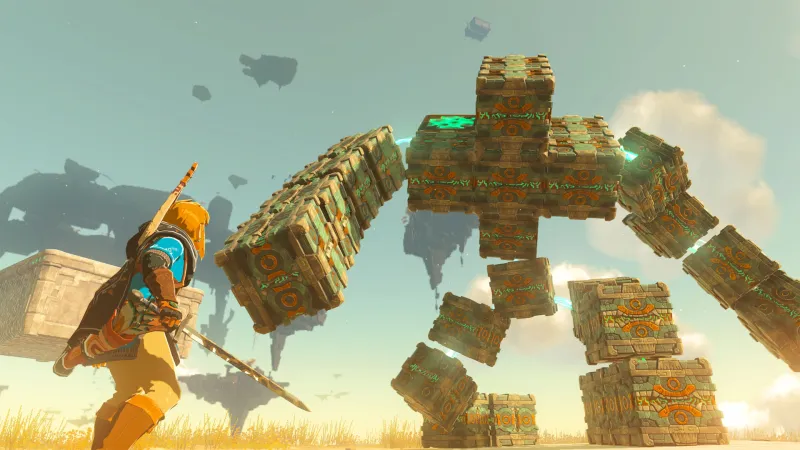
Structurally, Tears of the Kingdom is familiar with combat working functionally the same. New Shrines that are fun to solve and reward fast-travel locations litter the map, and there are a few traditional Zelda dungeons. The new dungeons are simplified but don't sacrifice puzzle design while being easier to understand. The new dungeons also have great bosses. I appreciated that they are more varied and allow you to lean on recently learned, specific abilities to claim victory.
Video game sequels are often iterative on what came before them. It looks a little better, plays a little smoother, retains important mechanics while introducing new ones, and continues the story. Tears of the Kingdom checks most of these boxes, but getting rid of the Runes from the first game and giving players new ones to use in exploring a familiar but undeniably new world is ingenious. Nearly every encounter, whether puzzle, traversal, or combat, must be reconsidered. It makes you think in new ways. I didn’t get the same goosebumps exploring Hyrule as I did in the past, but I did experience new emotions both on a granular level from solving individual puzzles and on a larger scale by going back to one of my favorite video game locations. They say you can never go home again, but I adored returning to Hyrule with all new tools.

GI Must Play

Score: 9.75

About Game Informer's review system

Purchase
Monday, May 8, 2023

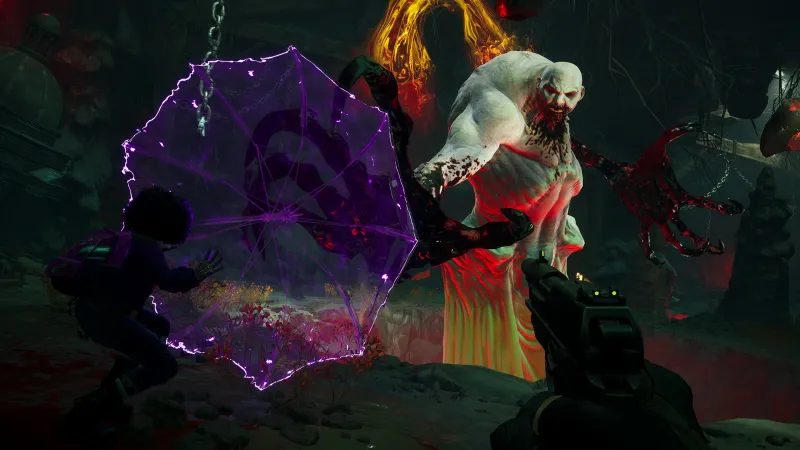
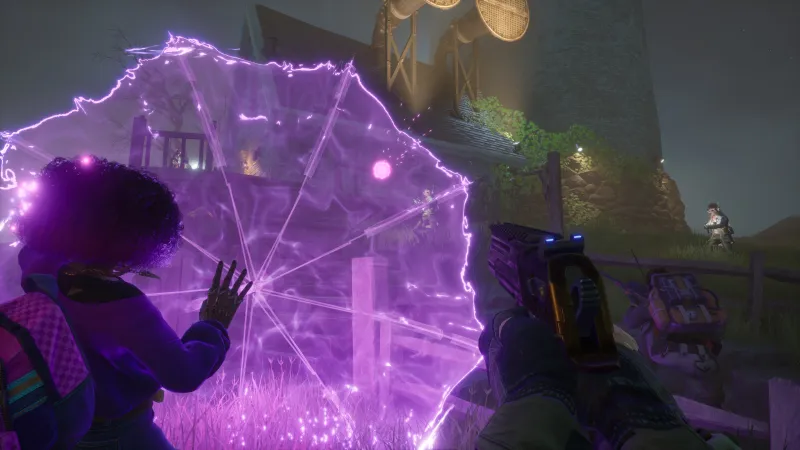
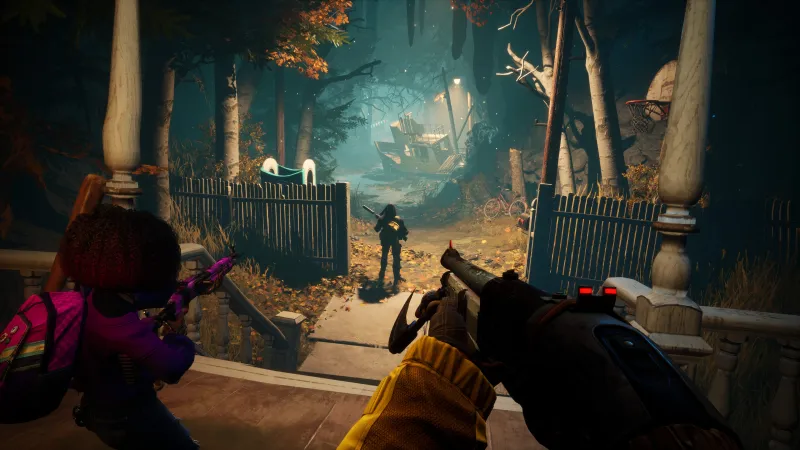
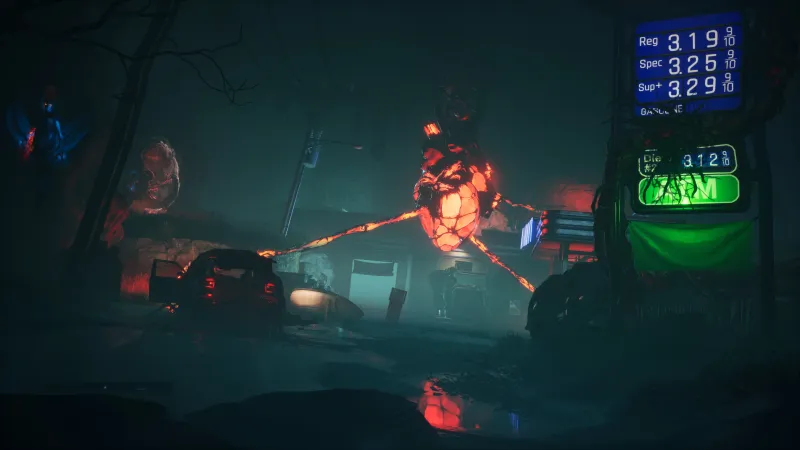
Redfall Review – A Life-Draining Trip To New England

redfall review

Reviewed on: PC
Platform: Xbox Series X/S, PC
Publisher: Bethesda Softworks
Developer: Arkane Studios
Rating: Mature

Redfall is my biggest disappointment of 2023. As a massive fan of developer Arkane Studios’ previous work, from Dishonored through Deathloop, my expectations were high for the company’s new release. However, this vampire-hunting first-person shooter is messy, plagued with technical flaws and head-scratching design decisions counterintuitive to the game itself. The result is an often-bland experience, made frustrating by occasional glimpses of potential, and it’s sucked the life out of me. 

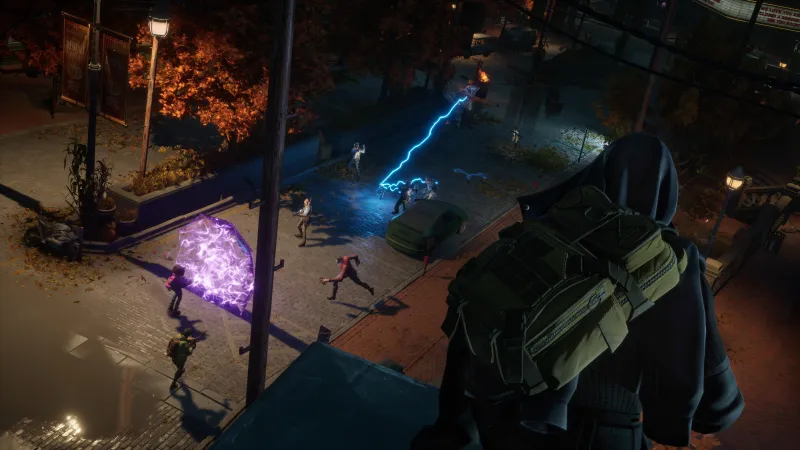
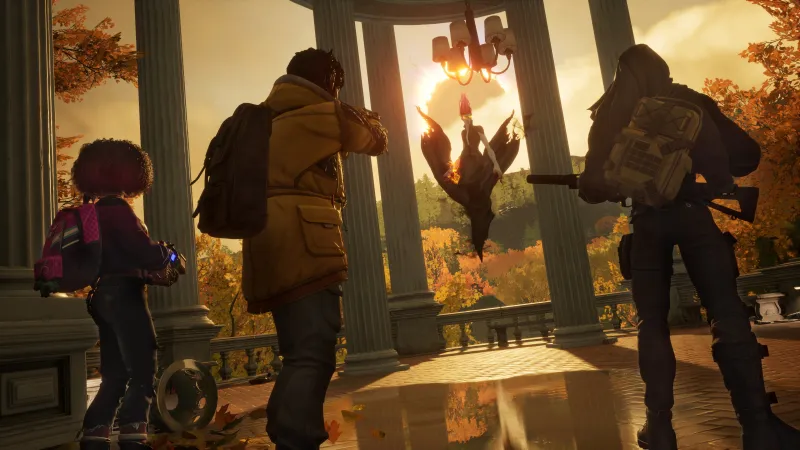
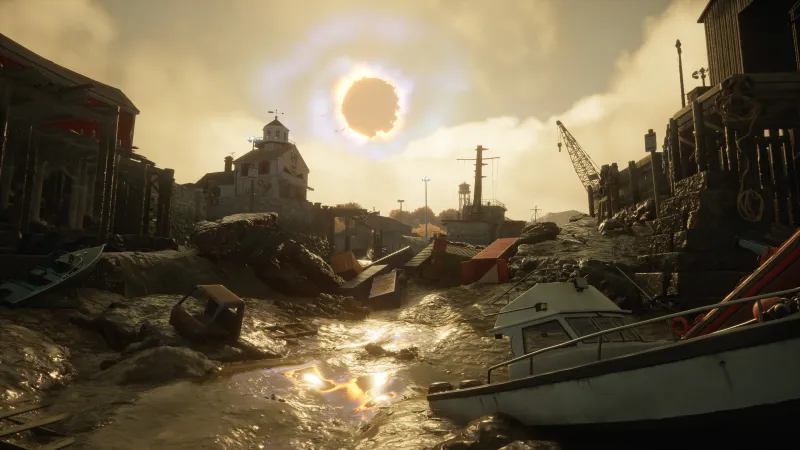
The fictional harbor town of Redfall, Massachusetts, is overrun with vampires and their cultic worshippers. Your goal as one of four unique protagonists is to restore the haunted region to its former state. Standing in your way are the Vampire Gods, a wealthy group of scientists-turned-monsters whose backstories never impacted me despite the campaign’s surface-level attempts. That’s about as much as the introduction gives you before throwing you into the action.


After completing Redfall’s introduction, you conduct story and side missions from a centralized base of operations. The first few hours of the narrative follow The Hollow Man, a mysterious entity proselytizing from the town’s radio signals. The Hollow Man seems to have been everywhere you go, and his presence is unnerving. This stretch features Redfall’s best missions and locations, which require you to explore a dilapidated mansion and its gruesome past, fight a powerful enemy at a cliffside lighthouse in a lightning storm, and rescue hostages from a boatyard that The Hollow Man’s followers control. Unfortunately, the game tries to replicate its early hours throughout its remainder; hard-to-follow story revelations, repeating side activities, and a second, less-interesting map leave it feeling hollow and formulaic. Lastly, Arkane presents the Vampire Gods’ storyline via flashbacks in which you stand in an abandoned space watching vaguely humanoid ghosts speak to each other. The result is largely forgettable. 

On a positive note, I like the four launch protagonists: Remi and her robotic companion Bribón; a teleporting cryptozoologist named Devinder; Jacob, who is a marksman with a psychic eye; and Layla, a biomedical engineer who inherited telekinetic powers after a medical trial gone wrong. Each character has unique skills you can upgrade via a straightforward-but-sufficient skill tree, but with only three total abilities per character, you won’t use them nearly as much as your firearms. The experience could’ve been more interesting if I could pick and choose from the game’s 12 abilities to carve my playstyle, but sadly you must select one character and their pre-determined skillset for the entire game. 

Redfall’s shooting mechanics and armory of weapons are serviceable, with the heavy-hitting stake launcher and ultra-violet raygun – which petrifies vampires – being the highlights. You’ll discover new weapons as you explore the world and complete missions, each slotting somewhere into the rudimentary tiered-loot system. Despite guns having randomized perks, like increased damage to petrified vampires, I didn’t pay much attention to them because the loot system recycles the same dozen or so weapons repeatedly, with slightly higher stats each time. Notably, it does the same with enemy vampire types, too. I’d often fight the same kind of vampire frequently, but my character would remark that it was a new vampire simply because it had a different name. 

Looking at the world of Redfall, I become sad by its wasted potential. For every great location, there are a handful of forgettable ones. The result is an empty-feeling game with several puzzling problems, like a lack of proper stealth takedowns, a tedious quest and waypoint system, and the inability to pause gameplay in single-player mode. Rampant technical issues hinder brighter moments, including frequent server crashes during multiplayer, inputs failing to work, broken animations, and numerous other bugs that make playing Redfall a frustrating experience. For a game about fighting the undead, Redfall feels soulless in all the wrong ways.

Score: 5

About Game Informer's review system

Purchase
Darkest Dungeon II Review - Worth The Stress

Darkest Dungeon II

Reviewed on: PC
Platform: PC
Publisher: Red Hook Studios
Developer: Red Hook Studios

Darkest Dungeon II is cruel. A simple miscalculation or bad luck can ruin your two-to-three-hour expedition before the chapter’s final boss. There are no checkpoints; if your party dies, it’s time to start fresh from the very beginning. Only some unlocked upgrades stay with you. When you have to make tough choices all the time while keeping in mind various systems, this can (and will) be frustrating and nerve-racking. At the same time, Darkest Dungeon II is the most cathartic and rewarding experience since the original in 2016.

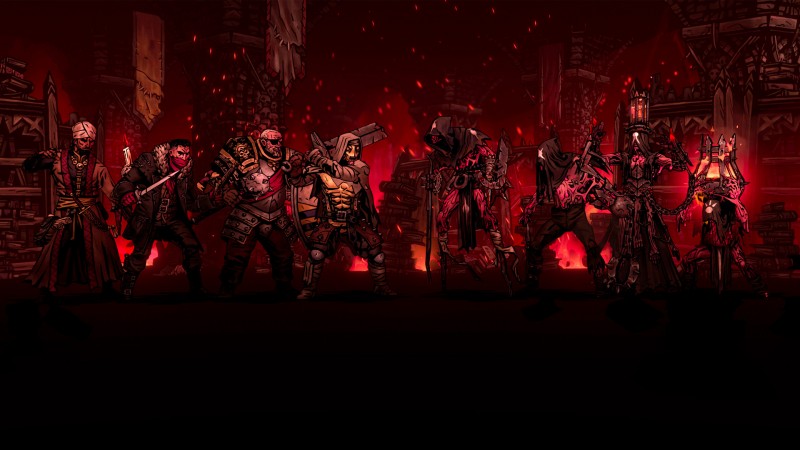
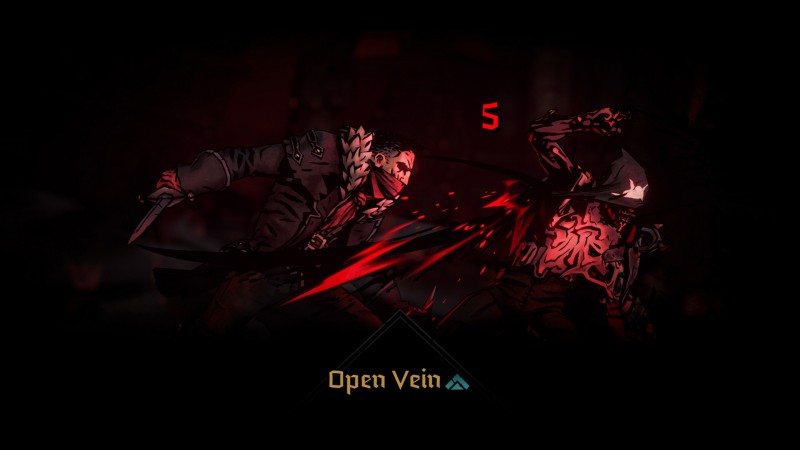
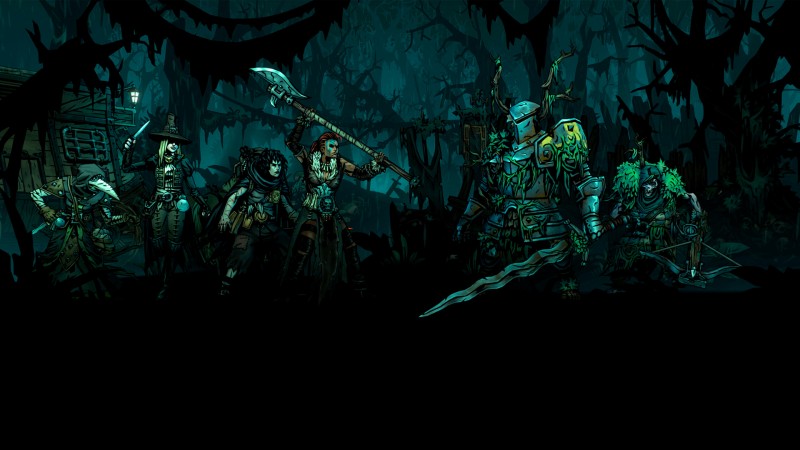
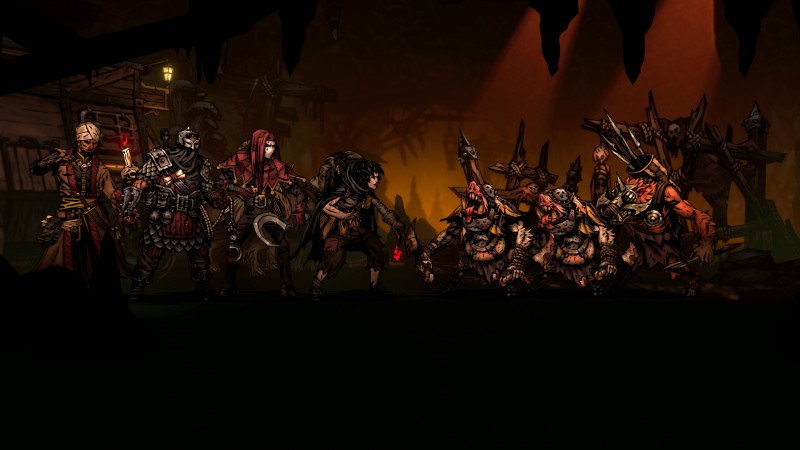
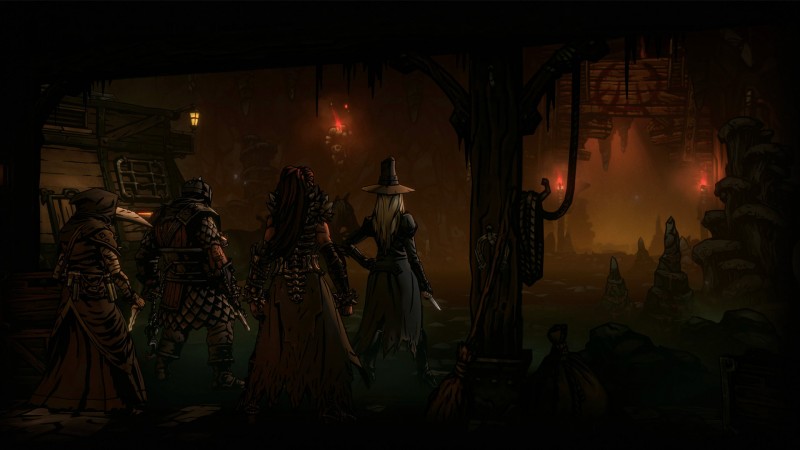
Much like its predecessor, you create a party of four distinct heroes who must survive exciting turn-based battles with a focus on position, synergy, and a certain degree of luck. Your attacks have a range of possible damage points they can deal, plus there are buffs and debuffs that give you the chance of missing your shot or earning a critical hit, among other outcomes.

The combat system is hard to master but incredibly satisfying. As you get to know your cast, you dive into the thrilling experience of learning who goes well with whom, in what position, and against which creatures. I spent hours experimenting with the best combinations for my playstyle, trying out new things every time. The battles feel like puzzles, making you feel great when you succeed with your party in one piece. But they can also frustrate you when you deal one less point of damage than you need and receive an unexpected counterattack.

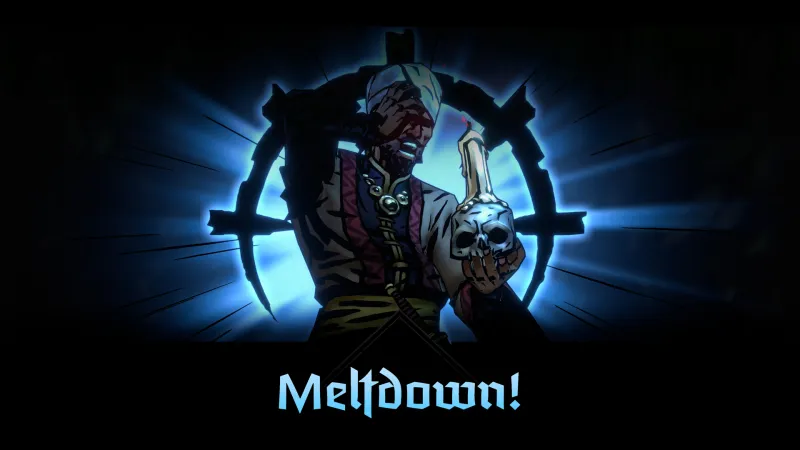
Things get more complicated when you add the stress system, the signature core mechanic of the series. When their white gauge is complete, your hero can have a meltdown, losing most of their HP. They can also earn a positive outcome and heal up, though it’s less common. If a single meltdown in a difficult encounter can ruin your whole expedition, imagine what it feels like to have five in a row in the same battle. It’s a disheartening feeling that should make you stop playing immediately, yet there I was, so angry and fascinated at the same time, willing to try again one more time. This game sunk its hooks into me that deeply.


A new affinity system will show how well your party gets along with each other. This quickly gets tense when you realize that all your small decisions can turn your heroes against themselves, adding negative effects to specific skills. Having to change your complete strategy is both infuriating and a tremendous challenge, one that made me feel fulfilled when I defied the odds and overcame it. Fortunately, this mechanic can also make your heroes good teammates, adding combo attacks and other astonishing surprises.

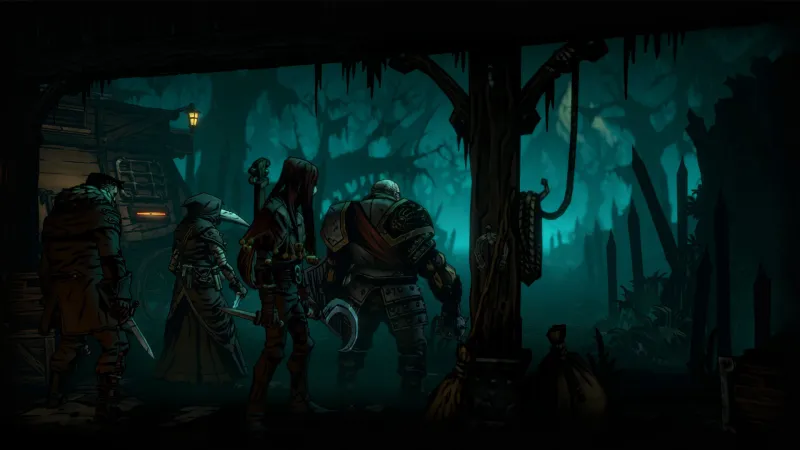
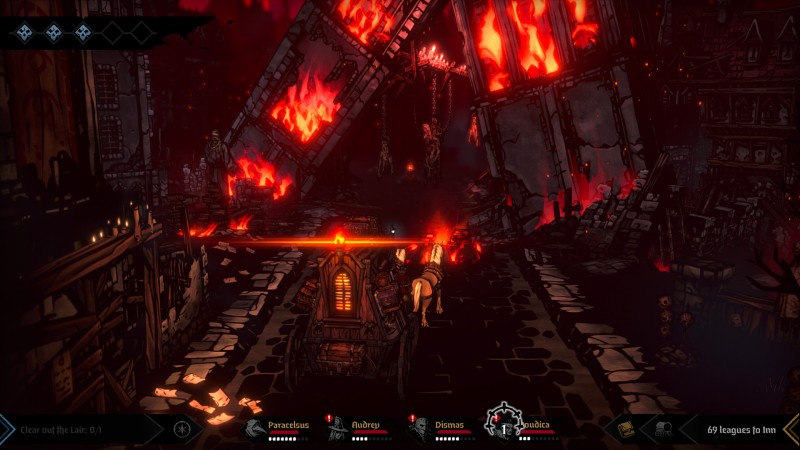
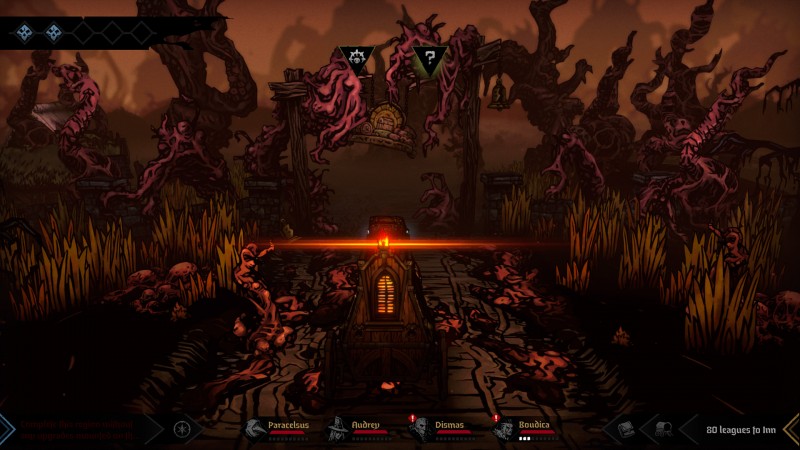
Apart from fighting, you explore disturbing but beautifully designed regions before reaching the final boss of your expedition. You travel in a Stagecoach, a vehicle that can get damaged by hazardous roads, adding unwanted battles. You also get to choose which path to take, sometimes knowing what to expect and others being completely in the dark.

Darkest Dungeon II

All these mechanics create an experience I simply can’t get enough of. Even now, 40 hours in, I still want to get back again to refine my team and unlock the rest of the items and upgrades. While some journeys are blatantly unfair, there’s also a remarkable achievement in finding balance in something that should be completely chaotic. I wish there were more shortcuts to ease the pain of failing a three-hour run at the end and having to start again. And more user-friendly items in the early stages, which can be extremely overwhelming and will likely deter players, would go a long way.

When I found myself shouting in relief and frenetically raising my fist in the air after a hard battle ends in my favor, I can’t deny the following fact: Darkest Dungeon II is a harsh but fantastic game whose white-knuckled battles and hazard-filled exploration will trap you for hours. If you’re willing to make the needed sacrifices, it’s a journey well worth taking.

Score: 8.5

About Game Informer's review system

Purchase