This is default featured slide 1 title

Go to Blogger edit html and find these sentences.Now replace these sentences with your own descriptions.This theme is Bloggerized by Lasantha Bandara - Premiumbloggertemplates.com.

This is default featured slide 2 title

Go to Blogger edit html and find these sentences.Now replace these sentences with your own descriptions.This theme is Bloggerized by Lasantha Bandara - Premiumbloggertemplates.com.

This is default featured slide 3 title

Go to Blogger edit html and find these sentences.Now replace these sentences with your own descriptions.This theme is Bloggerized by Lasantha Bandara - Premiumbloggertemplates.com.

This is default featured slide 4 title

Go to Blogger edit html and find these sentences.Now replace these sentences with your own descriptions.This theme is Bloggerized by Lasantha Bandara - Premiumbloggertemplates.com.

This is default featured slide 5 title

Go to Blogger edit html and find these sentences.Now replace these sentences with your own descriptions.This theme is Bloggerized by Lasantha Bandara - Premiumbloggertemplates.com.

Monday, May 22, 2023

Planet Of Lana Review – Chasing Potential

Reviewed on: Xbox Series X/S
Platform: Xbox Series X/S, Xbox One, PC
Publisher: Thunderful
Developer: Wishfully
Rating: Everyone 10+

Since the release of Limbo in 2010, cinematic puzzle platformers have relied on capturing players’ attention and imagination with beautiful art directions and compelling, often enigmatic storytelling. As typically brief experiences, the moment-to-moment puzzles must hit hard with clever, memorable obstacles and not meander by rehashing familiar mechanics too often. Planet of Lana almost hits this sweet spot by boasting a gorgeous presentation, but trekking through this strange world doesn’t always inspire the same awe.  

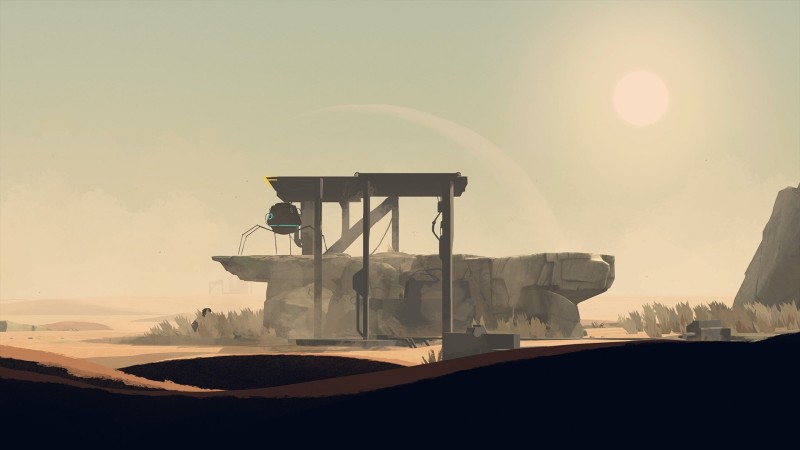
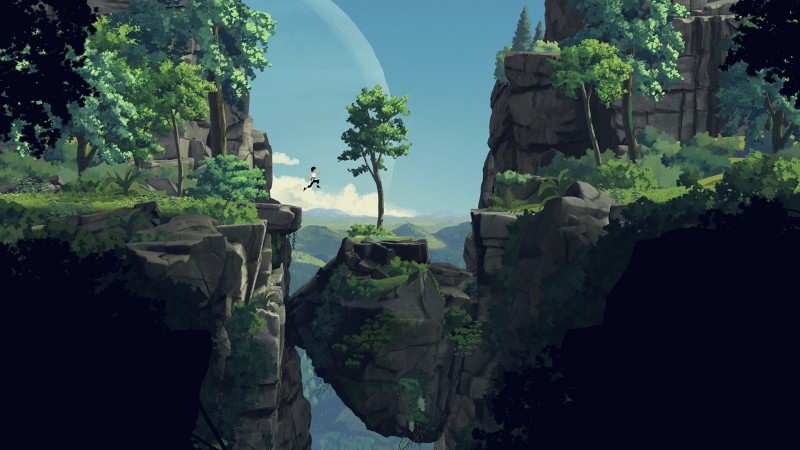
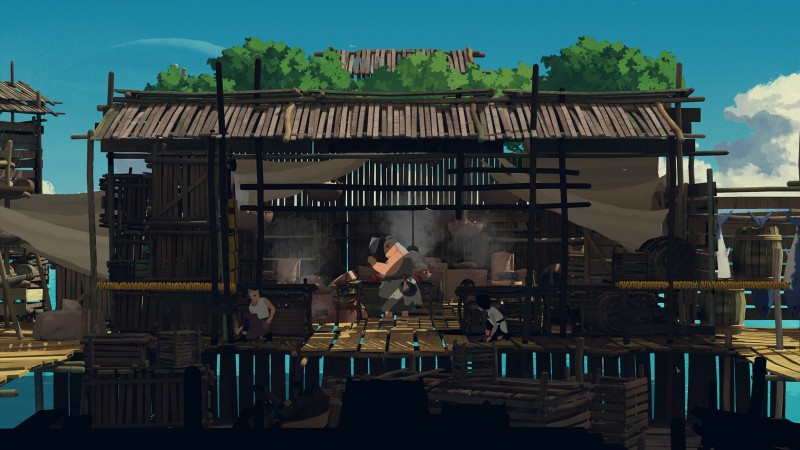
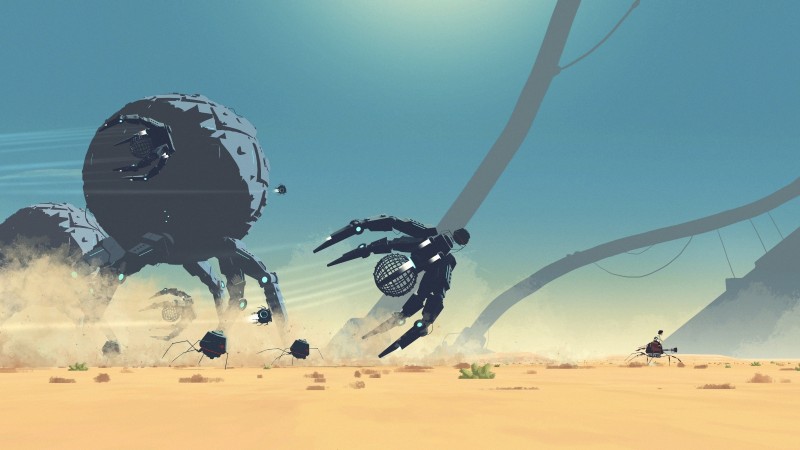
Planet of Lana wastes little time throwing players into the fire. As the young Lana, your small village, including someone close to you, has been abducted by alien machines. It’s up to you to find and free everyone, and you’re joined by an adorable (and pettable) cat-like companion named Mui. Watching tender and somber moments between the pair is a treat because everything looks so wonderful. From painterly grassy plains to postcard-worthy beachside vistas, several snapshots are worthy of being framed as art pieces. The majestic soundtrack sits high on my list of the year’s best, with the main theme, in particular, becoming a welcomed earworm that also has intriguing narrative significance.

The game delivers an adequately entertaining tale, and it’s tough not to smile at Lana and Mui’s cute, though limited, interactions. The more exciting world-building happens along the edges, primarily through collectible, easy-to-miss fragments of an illuminating wall carving. Is this Earth or another planet? What are the machines, and where did they come from? Planet of Lana leaves some answers vague, but the intrigue helped propel me forward even if I’m still drawing my own conclusions. 
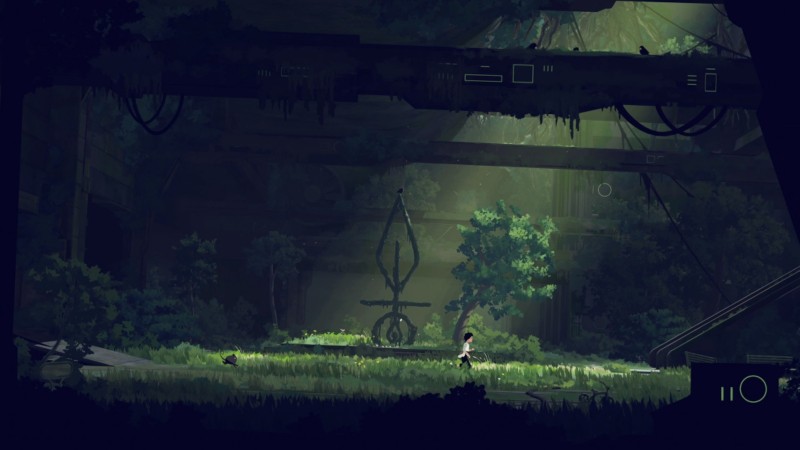
 

Lana’s deliberate, momentum-based movement feels fine but occasionally causes headaches, such as watching her slip over an edge after landing a big jump. Problem-solving involves the sometimes tedious task of moving objects into their correct positions and doing things in the proper order so that both characters can bypass obstacles. Mui’s superior agility means you’ll be commanding them to drop climbing ropes for Lana, activate distant switches, or lure away enemies. I just wish Mui didn’t halt after performing actions so I wouldn’t have to call them to my side constantly. Eventually, Mui and Lana can hijack animals’ minds or hack machines, respectively, to make them serve as platforms or weights for pressure-sensitive switches. These are cool abilities I wish the game utilized more often. 

These traversal puzzles have some clever ideas, but they don’t evolve much or hit that next gear. You push objects, climb ropes, and crouch in tall grass to avoid patrolling machines for the bulk of the journey, albeit in moderately more elaborate ways. Some less recurring exercises break up this routine, such as manipulating the water level in lakes, but nothing I tackled truly wowed me, and I sometimes groaned when puzzles returned to the status quo. I solved a few obstacles on the first glace, and others can be disappointingly simple even deep into the game. Puzzle-solving may be middling, but Planet of Lana has a sprinkling of adrenaline-pumping moments. I got a kick out of a quick-time-event-driven race across the desert as your mount sprints through an armada of colossal marching machines.

While I would have liked gameplay to have more bite and variety, Planet of Lana is still an enjoyable and beautiful romp. The art direction and main jingle are likely the only things that will stick with me in the long run, but Lana and Mui’s journey is a competent rescue mission that doesn’t always soar as high as the machines pursuing them.

Score: 7.75

About Game Informer's review system

Purchase
Friday, May 19, 2023

Lego 2K Drive Review - Stud Your Engines

Lego 2K Drive

Reviewed on: PlayStation 5
Platform: PlayStation 5, Xbox Series X/S, PlayStation 4, Xbox One, Switch, PC
Publisher: 2K Games
Developer: Visual Concepts
Rating: Everyone 10+

Best known for working on the publisher’s WWE and NBA games, Visual Concepts has found itself behind the wheel of 2K’s latest licensed experiment. Lego 2K Drive is a high-octane competitive racer full of destructible brick-y environments to crash through and a kid-friendly narrative full of fourth-wall-breaking fun.

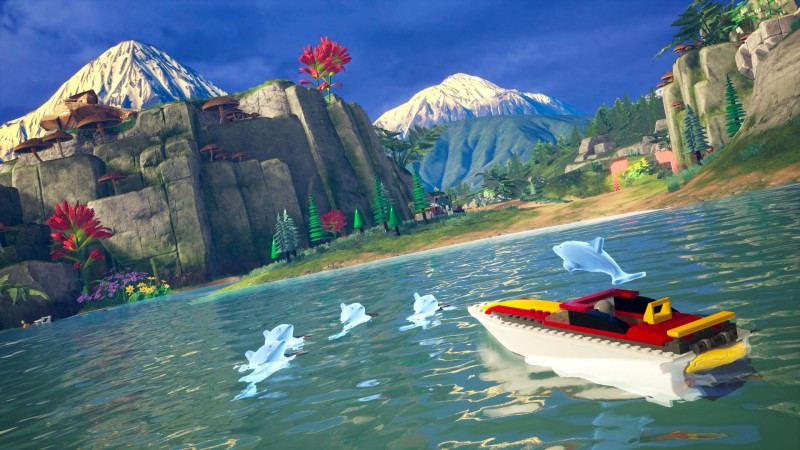
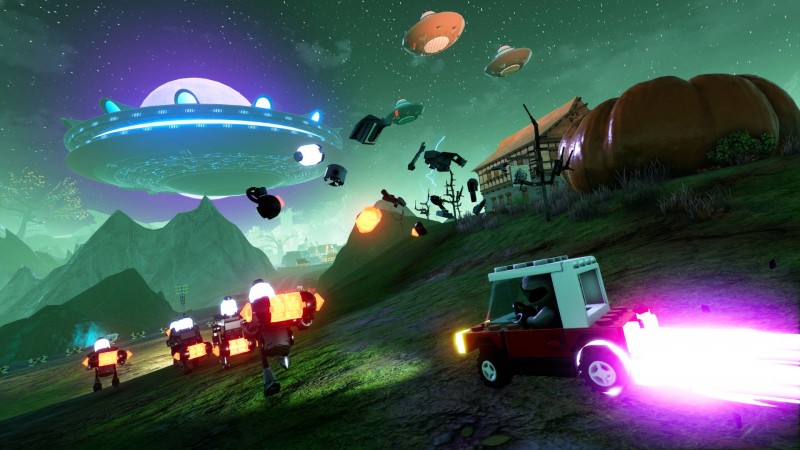
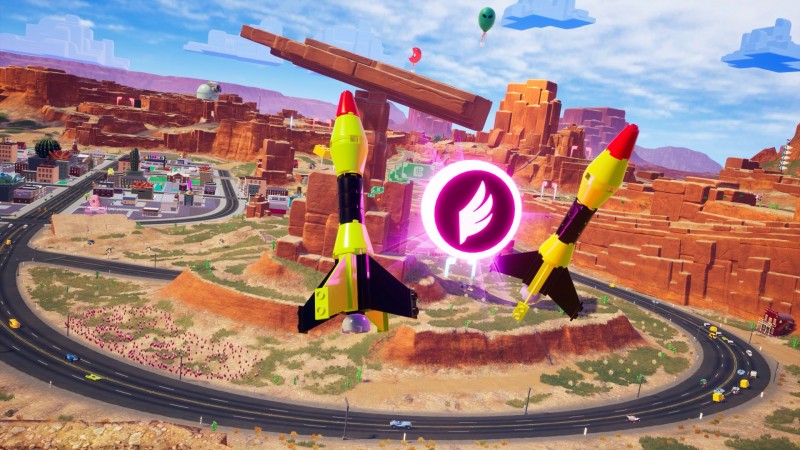
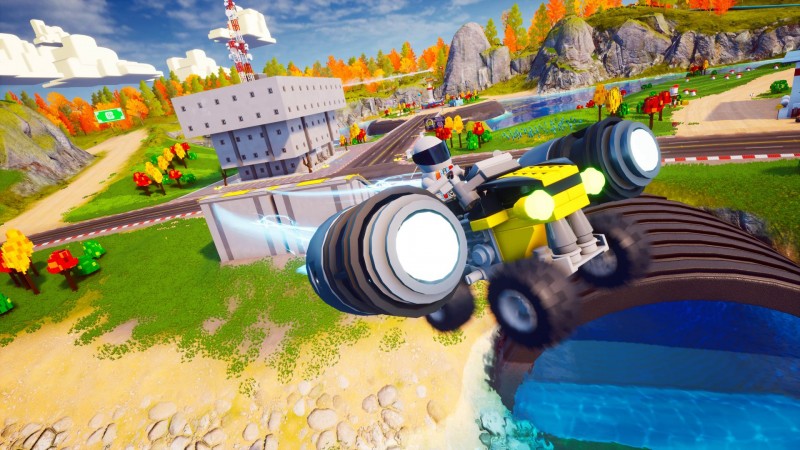
The game’s best feature is Bricklandia, the playful Lego landscape in which 2K Drive is set. It’s a world begging to be dismantled by the brunt of your screeching tires and custom boat masts. Accelerating across the open-world playmat (that a human would never want to step on) is a thrilling experience, made better by the carefully animated auto-morphing ability. As you cross different terrain, from road to off-road and on water, players automatically switch between vehicles to fit the context.

Tires and water noodles frame the world’s vistas and act as charming obstacles, and it’s this blend of real-world objects with Lego constructs that amplifies the delightful toy box atmosphere. As a budding racer dropped into this striking open world, you tackle an onslaught of revheads, claiming their flags to ascend to the honor of Sky Cup Champion. Mohawked egomaniac Shadow Z serves as your rival in this endeavor, popping up from time to time to remind you of how mean-spirited he is.

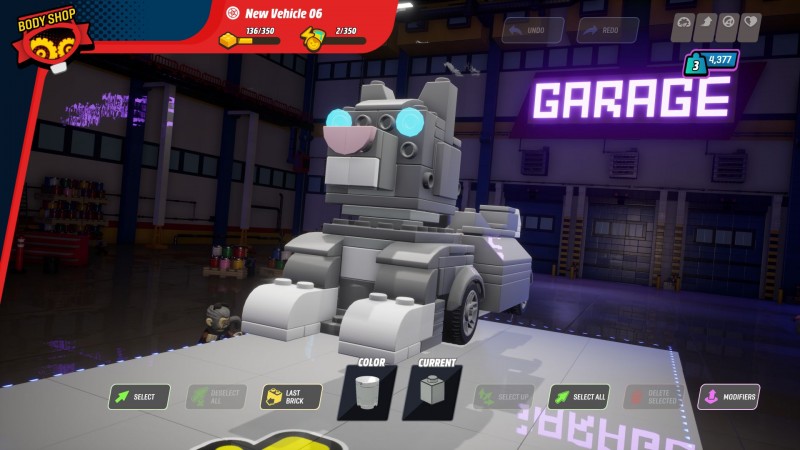
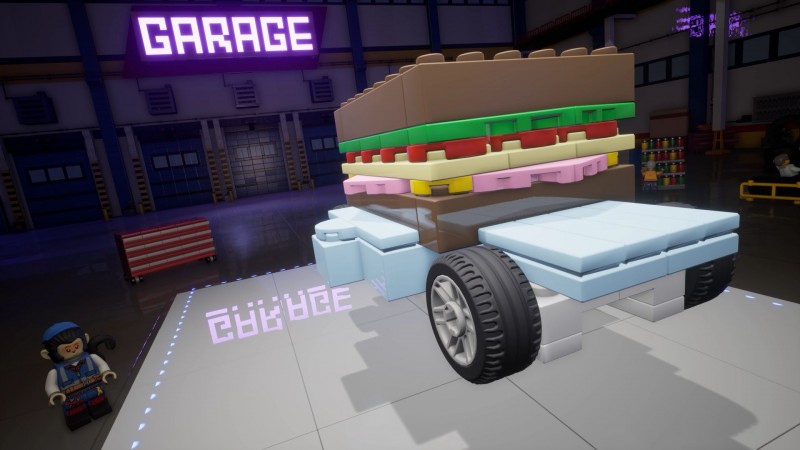
To even get close to taking him on, you must explore Bricklandia in search of rival speedsters, each with their own unique driving skills they exercise in instanced Mario Kart-style races. From an actual horse to an alien in a suit, they make for a charming ensemble and provide new cars and perks to play with, as well as Brickbux, with which you can buy new machines and parts. You can also build your own vehicles brick-by-brick at the garage, which let me create some truly cursed rides. While the building system isn’t the most intuitive, it does feel like an appropriate nod to Lego’s humble brick-building origins.

Across Bricklandia’s varied biomes, you also encounter On-The-Go Events, ambient missions that you can drop in and out of for pockets of absurd fun, such as jumping over houses or drifting through a minefield. Conquering the criteria to earn XP and resources feels like getting your license in Gran Turismo on a schoolyard sugar high.

Lego 2K Drive’s constant barrage of dialogue kept me giggling throughout, though the intensity of some missions, like the less-interesting wave-defense or NPC rescue expeditions, left me unable to focus on the jokes. This was always disappointing, given the evident talent of the writers and voice actors, who provide an effective satire of conventional racing games.

Bashing and smashing your way through the map is easy junk food fun, but the must-win races can be punishing due to some devastating pickups and brutal slow down when you veer off track. Some of the open-world missions require you to drive with dexterity and attempt deft movements while herding rockets or smashing through tiny robot invaders, which can lead to frustration, where I often felt too fast for my own good. While I relished how it got my heart pounding, I was left longing for a more low-key approach to exploration.


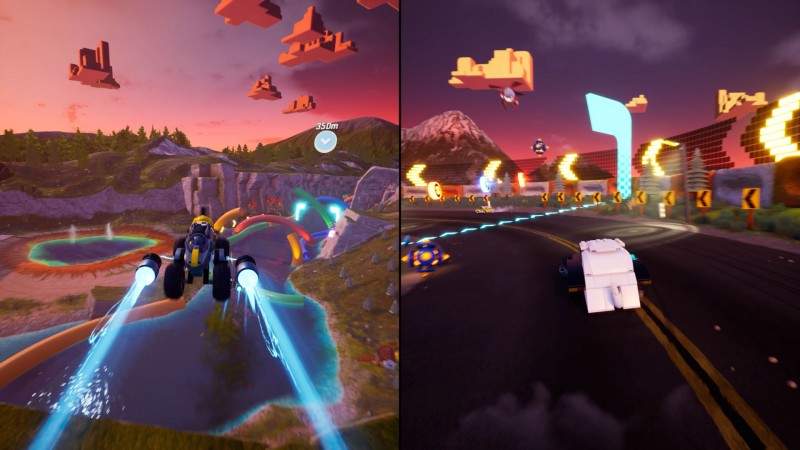
While it is a little buggy, another delightful surprise was Lego 2K Drive’s couch co-op, which allows you and a partner to peel through the open world together, pooling XP as you go. I found myself getting in the way of bombs or smashing into targets for my partner to make sure one of us got the top spot. Notably, this feature made the dreary defend and rescue missions much more palatable thanks to the collaborative nature of the gameplay. 

Unfortunately, the elephant in the room, or in this case, a monkey, is the game’s storefront, Unkie’s Emporium, introduced during the tutorial by its eponymous primate mechanic. Here, you can purchase premium currency with real money that can be exchanged to access cars and characters previously locked behind a costly Brickbux wall. Of course, you could earn all these items by grinding, but the temptation lingers, which is troubling for a game so clearly geared toward younger audiences. 

Lego 2K Drive builds an incredibly inviting world where speed and silliness reign supreme as you race and morph across its delightfully destructible setting. Despite some frustrating mission design and a smattering of bugs, Lego 2K Drive quickly won me over with its absurd narrative full of irreverent dialogue and moreish open-world challenges. If only the specter of microtransactions didn’t loom so large in this kid-friendly game, it would make for an even smoother ride.

Score: 8

About Game Informer's review system

Purchase
Monday, May 15, 2023

Humanity Review - Becoming A People Person

Humanity puzzle game review game informer

Reviewed on: PlayStation 5
Platform: PlayStation 5, PlayStation VR2, PlayStation 4, PlayStation VR, PC
Publisher: Enhance Games
Developer: Tha LTD
Release: 2020

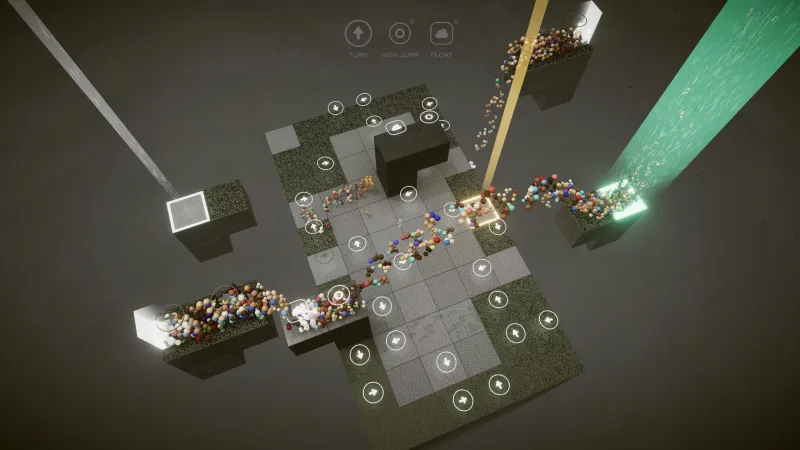
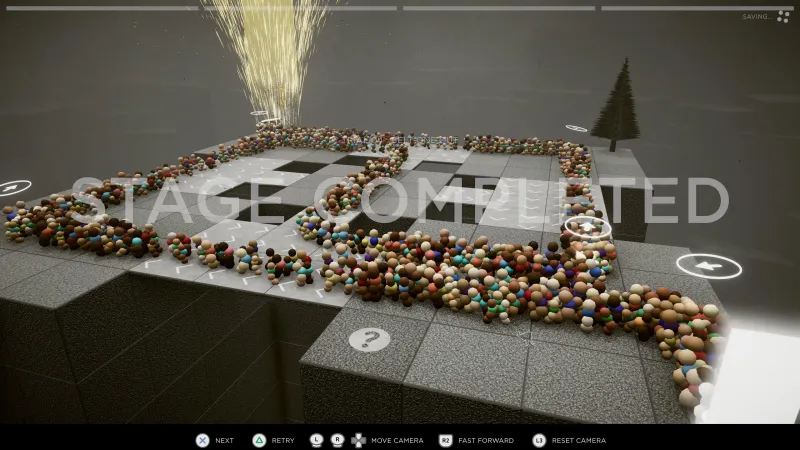
Playing god is a familiar feeling for many video game genres, like action titles where your character is unstoppable or sims where you control everything. Roleplaying a god is rarely something I feel while playing puzzle games, but Humanity provides it in new and surprising ways. The unique style of puzzle solving uses directional signs and commands to guide droves of miniature people to an endpoint. The puzzles start simple, but Humanity builds on this core system throughout its 100-plus stages in exciting and challenging ways, pushing me to my limit while telling a heartfelt story about human nature. 

Humanity is an immediately striking game. Its visual style is minimalistic, focusing squarely on the 3D puzzle area. But soft and beautiful backgrounds spotlight my actions as I guide colorful hordes of humans across various challenges. I begin with one simple command: a direction. I place it on the ground, and when the line of humans crosses it, they follow that direction. My journey through Humanity introduces me to plenty more commands, like ones to pause actions completely, jump, and use lightsaber-like weapons and guns to take out the enemy – The Others – that sometimes work to stop my progress. These new commands keep Humanity’s puzzles feeling fresh, and it was especially interesting to see how developer Tha Ltd used challenges to change my perception of how a command can be used.

I often felt there was no way Humanity could up the ante as I marveled at my solution after spending more than 30 minutes on the most complex trials. But each time I doubt its ability to be even more challenging, Humanity introduces another wrinkle to its puzzle rules. And each time, I go from, “There’s just no way I can figure this out,” to feeling omnipotent 30 minutes later. 

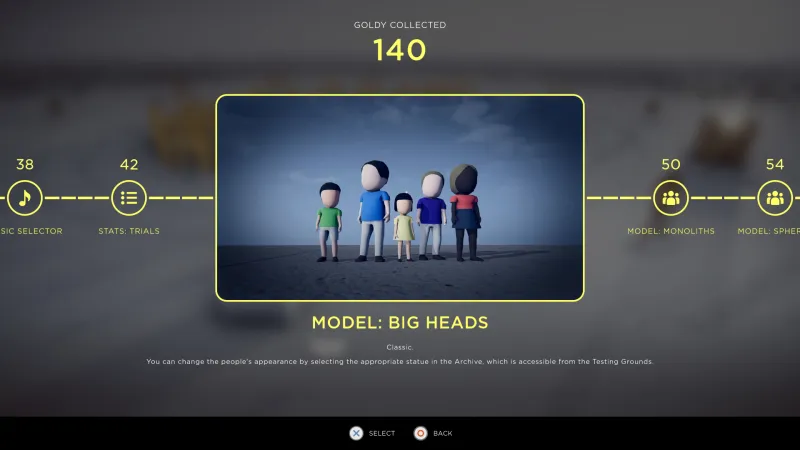
Humanity is peaceful and relaxing on its surface, which is often the case, but it is a challenging game. That is, if you don’t want to use Humanity’s built-in solution videos. However, these don’t show you how to pick up the optional Goldy humans in each level, which unlock cosmetic changes for your humans and details like in-depth stats about your efforts.


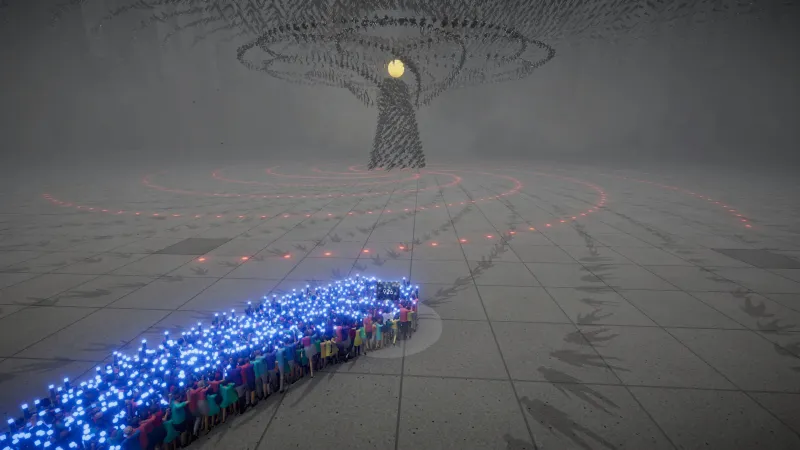
These videos make it clear Tha Ltd wants all its players to experience the storytelling at play in it. Tetris Effect studio, Enhance, publishes Humanity, and like Tetris Effect, Humanity does more than provide satisfying puzzles. It serves up puzzles with a surprisingly human narrative about our nature as a society, how we can work together to progress, and how we’re all more connected than not. It’s sweet and simple but effective, especially after guiding thousands of humans across challenges toward the light. 

Despite providing solution videos, there are moments when Humanity feels like a chore to play. Because some puzzles have solutions that take minutes to play out as lines of humans walk in real-time toward the end, Humanity allows you to speed up what’s happening on screen by pressing R2. This doubles the speed, but when a solution takes minutes to achieve, I’m still waiting a while. And because I often had to restart puzzles from the beginning to see if a new command would fix what prevented my humans from progressing each time, I waited a lot.  

With trial restarts, you can keep your commands from the previous attempt, which helps dampen this issue, but waiting through all of your other commands to see if a new one at the very end solves the puzzle gets boring; in the back third of the game, I often grabbed my phone while holding R2, waiting to see if a new command works. Critically, the satisfaction I feel when successfully solving a puzzle always overrides the frustrations I have while solving it. 

Humanity features a level creator and a way to try out other players’ creations. While these seem like worthwhile efforts to continue the puzzle fun, I’m not creative enough to make my own. And after playing through Tha Ltd’s handcrafted levels in the story, I am well satisfied – enough that I don’t have the urge to dive too deep into someone else’s puzzles. But level creation might provide the additional, longer-lasting fun someone else might want from this game. 

Humanity strikes a delicate balance between challenging me at every turn and allowing me to feel like the god its narrative props me up to be. It’s an imaginative experience that provides a rush I imagine computer programmers feel when dozens of commands and lines of code finally work together to create a desired outcome. Its puzzles come wrapped in a beautiful package, from its minimalist visuals to its excellent clicky electronic beats. And best of all, these elements work together to emphasize a simple but effective message about what it means to be human and why life’s most intricate puzzles are easiest to solve when we work together.

Score: 8.5

About Game Informer's review system

Purchase