This is default featured slide 1 title

Go to Blogger edit html and find these sentences.Now replace these sentences with your own descriptions.This theme is Bloggerized by Lasantha Bandara - Premiumbloggertemplates.com.

This is default featured slide 2 title

Go to Blogger edit html and find these sentences.Now replace these sentences with your own descriptions.This theme is Bloggerized by Lasantha Bandara - Premiumbloggertemplates.com.

This is default featured slide 3 title

Go to Blogger edit html and find these sentences.Now replace these sentences with your own descriptions.This theme is Bloggerized by Lasantha Bandara - Premiumbloggertemplates.com.

This is default featured slide 4 title

Go to Blogger edit html and find these sentences.Now replace these sentences with your own descriptions.This theme is Bloggerized by Lasantha Bandara - Premiumbloggertemplates.com.

This is default featured slide 5 title

Go to Blogger edit html and find these sentences.Now replace these sentences with your own descriptions.This theme is Bloggerized by Lasantha Bandara - Premiumbloggertemplates.com.

Sunday, April 21, 2024

Eiyuden Chronicle: Hundred Heroes Review - An Old Star Rises

Eiyuden Chronicle: Hundred Heroes

Reviewed on: PC
Platform: PlayStation 5, Xbox Series X/S, Xbox One, PC
Publisher: 505 Games
Developer: Rabbit and Bear Studios
Rating: Everyone 10+

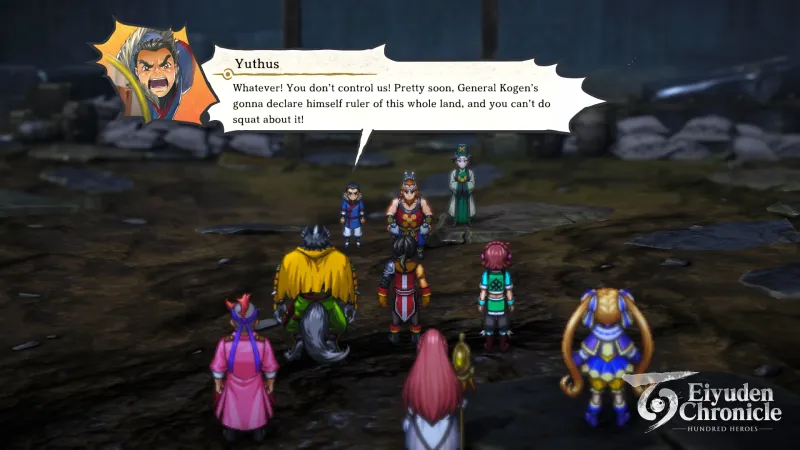
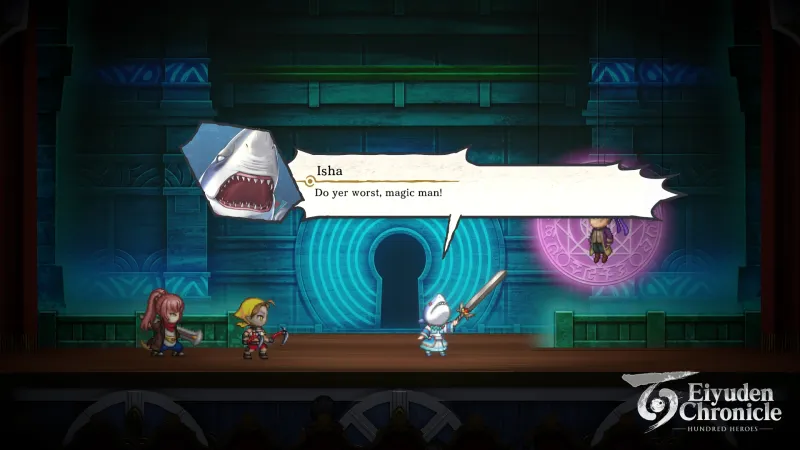
“Don’t judge a book by its cover.” A small child dressed as legally distinct Sailor Moon chirped this trite little phrase at me about an hour into Rabbit and Bear’s Suikoden successor Eiyuden Chronicle: Hundred Heroes. I’m not sure when I realized the adage applies to Hundred Heroes itself as much as it did to whatever the child was talking about. It might’ve been after I met a cleric whose vices included violence and foul language; but whenever it was, it encouraged me to overlook the misgivings Hundred Heroes’ poor first impressions raised in me, and there were plenty. Hundred Heroes adheres a bit too closely to outdated design conventions, but the strength of its writing and characters makes up for its short-sightedness.

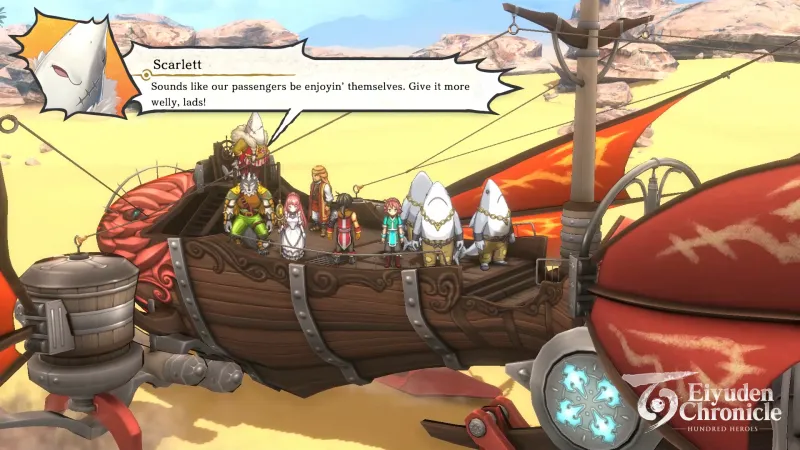
Rabbit and Bear were serious when they promised a modern Suikoden-like. You play as Nowa, a member of the Eltisweiss Watch mercenary corps devoted to keeping the peace. What starts as a piddling series of errands for nearby villages soon turns into something more serious as Nowa and the Watch get drawn into conflicts that threaten their beliefs and the entire world. Also, like Suikoden, Hundred Heroes divides its time between world exploration, where you pick up quests and new characters, battles, and dungeon crawling, the latter of which is basically an excuse for more battles.
Eiyuden Chronicle: Hundred Heroes

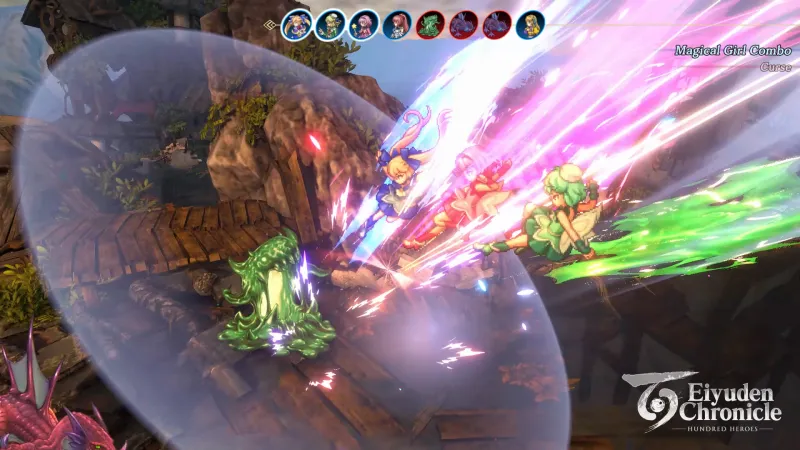
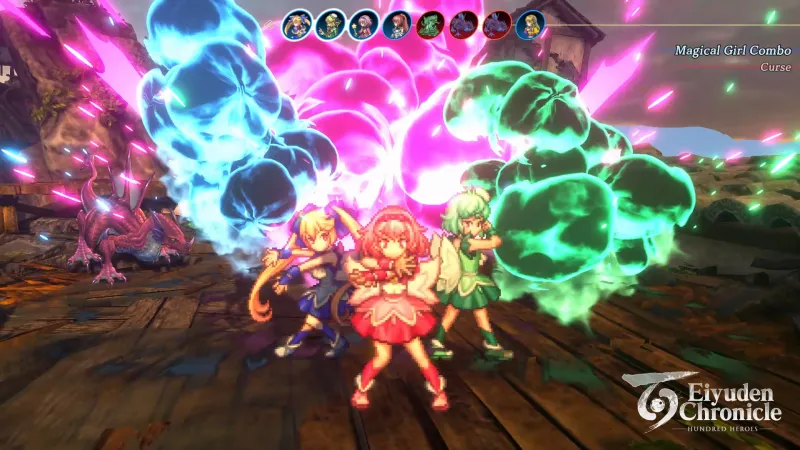
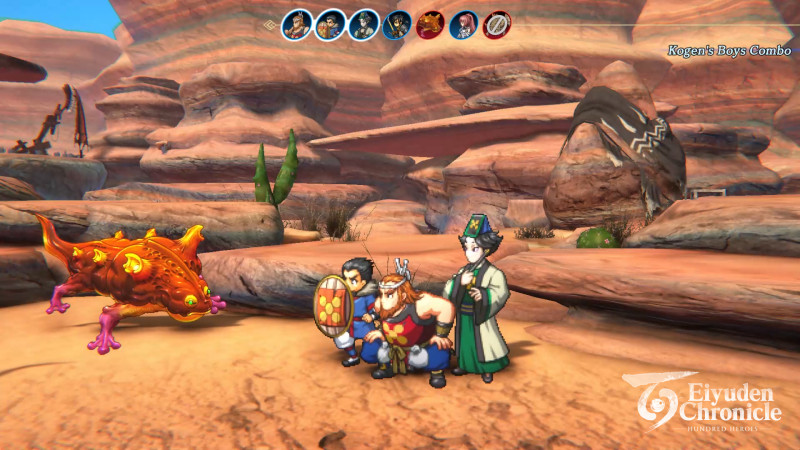
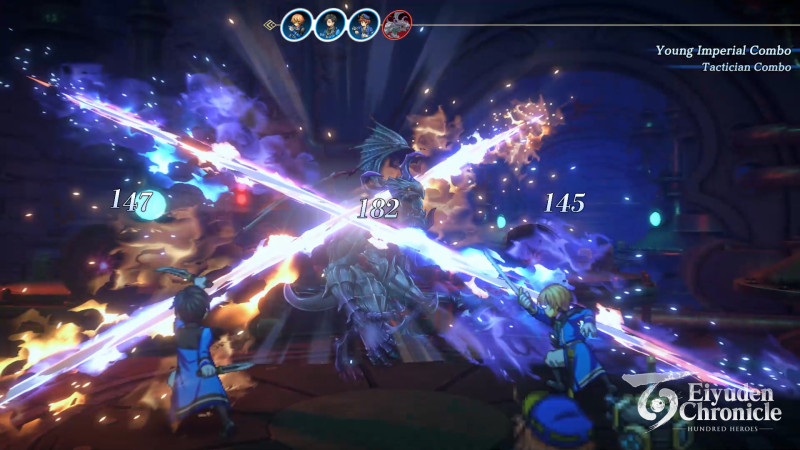
Hundred Heroes also sticks pretty close to Suikoden 2’s combat with a few refreshing expansions. Your team includes up to six active characters with skills you can augment with runes, which grant different abilities and buffs, and each character gets several rune slots that allow for extensive customization. The system is satisfying in itself but comes into its own once you start linking character attacks and forming unique combos.

As the name suggests, recruiting the game’s 100-plus heroes plays a big role. Some join automatically, but the more interesting ones have a quest associated with them that gives a bit more insight into their personality and place in the world. They often play a minor role in the story after that, but their detailed sprite animations and voiced lines still make them feel like part of the story and not an afterthought.

The setup sounds too familiar, but despite writer Yoshitaka Murayama drawing clear inspiration from his previous works, Hundred Heroes never feels derivative and eventually surpasses its source material. It owes much of its personality to that strong cast of brilliantly written characters and a willingness to embrace humor and the ridiculous as a way to cut deeper with its serious themes of autonomy and equity.
Eiyuden Chronicle: Hundred Heroes

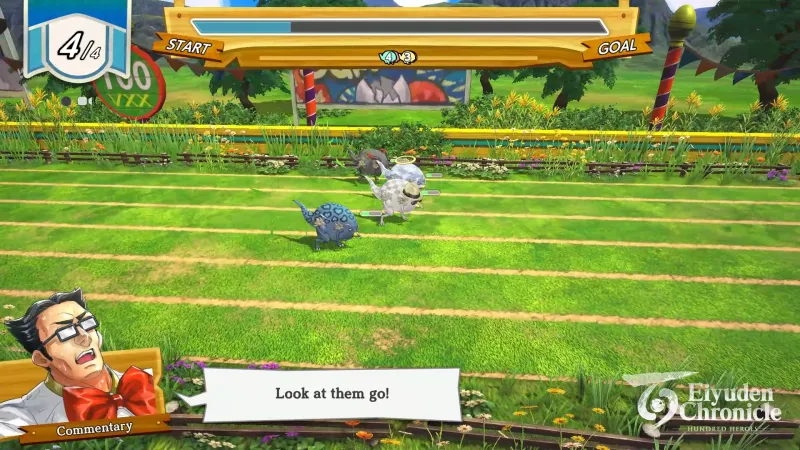
They also save Hundred Heroes from itself. Slow traversal, an empty world map, and tedious dungeons make Hundred Heroes more frustrating than it should be, but the promise of a new character vignette or more plot advancement was always enough to keep me pressing forward.

Hundred Heroes expands Suikoden’s base-building feature with new guilds and groups for your party members to form. At a glance, that seems like busywork, and it is. But it also represents something deeper. Your castle is a microcosm of Hundred Heroes’ themes, a small society of people who look, act, and think nothing alike but who respect each other and fight for the right to live freely, without hate.

In battle, a robust AI system lets you program commands and let your party deal with weaker enemies based on how you’ve customized their runes. Boss fights are just complex enough that they demand your full attention, though, thanks in some part to the gimmick feature. These live up to their name, for better and worse, such as making you guess where an enemy will move or forcing you to attack a specific object. They’re a nice change of pace at first but quickly outstay their welcome.
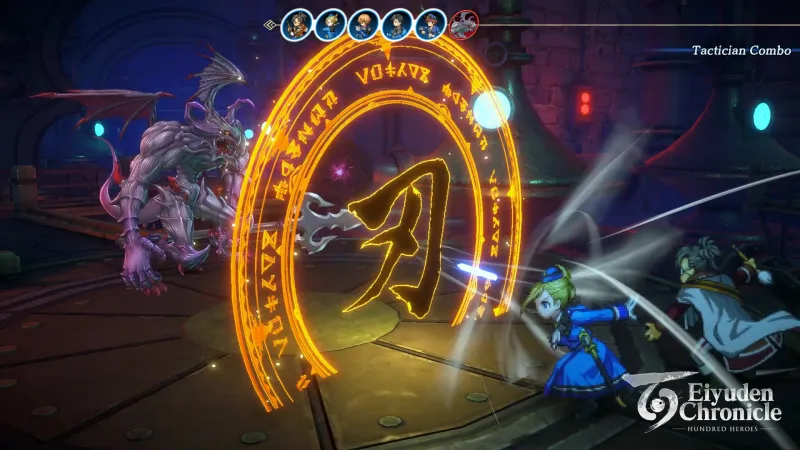
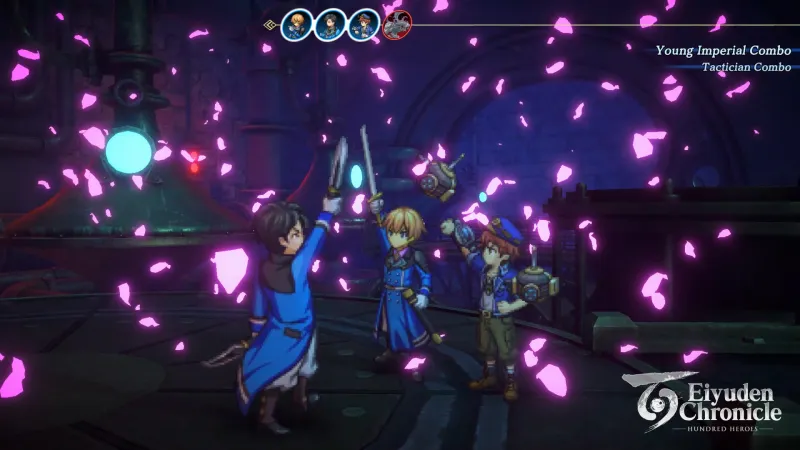
 

Eiyuden Chronicle: Hundred Heroes is a good reminder of why the RPG genre left some parts of its Golden Age behind. It’s also a testimony to what makes the genre special and the power of good storytelling to move and inspire. Admittedly, rigid adherence to archaic structures makes those first impressions tough to look past, but a creative battle system, extensive party customization, and top-notch writing make up for the retro jank.

Score: 8

About Game Informer's review system

Purchase

Wednesday, April 17, 2024

Children of the Sun Review - Spot On

Reviewed on: PC
Platform: PC
Publisher: Devolver Digital
Developer: René Rother

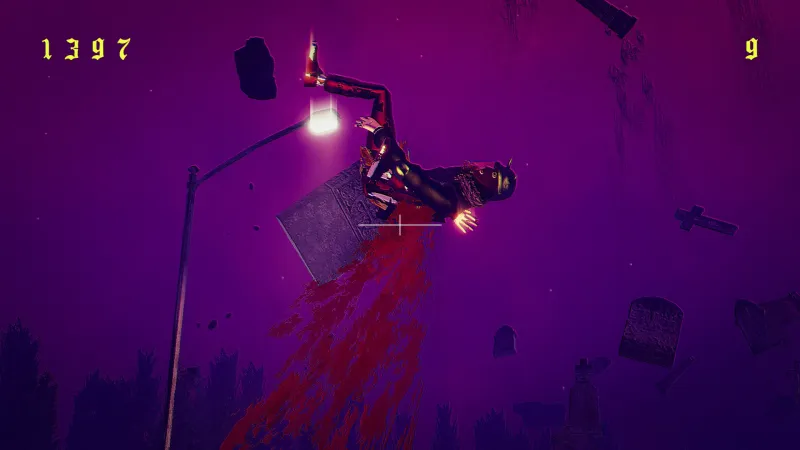
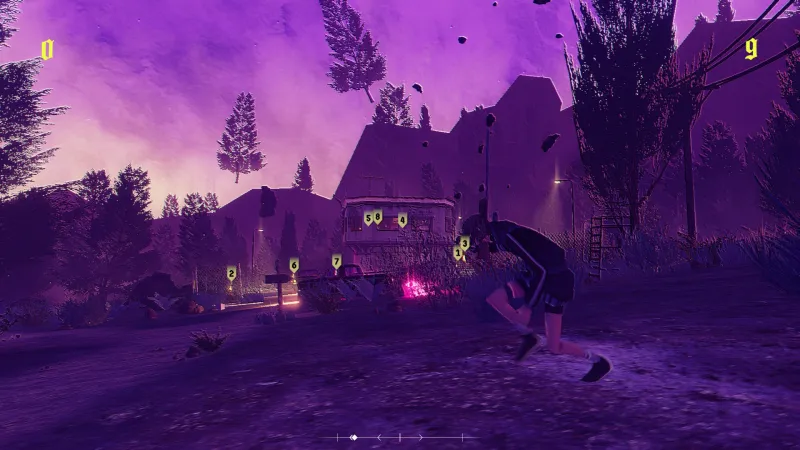
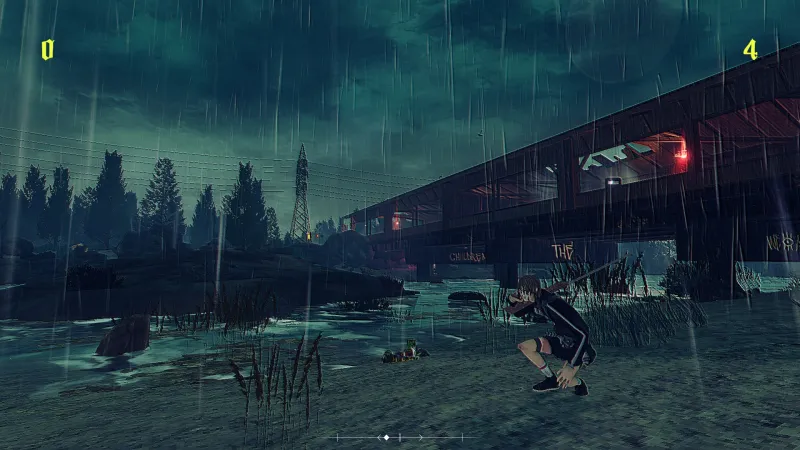
Children of the Sun is hellbent on occupying your mind. During the six hours it took me to hit credits, I was engrossed in mastering its simple, yet wonderfully executed central mechanic. At first, taking down dozens of cultists with just one bullet was a fun gimmick to tinker with. As time passed, I became obsessed with pushing the tools at my disposal to their limits, repeatedly using people as target practice until I had concocted a satisfactory murder plan.

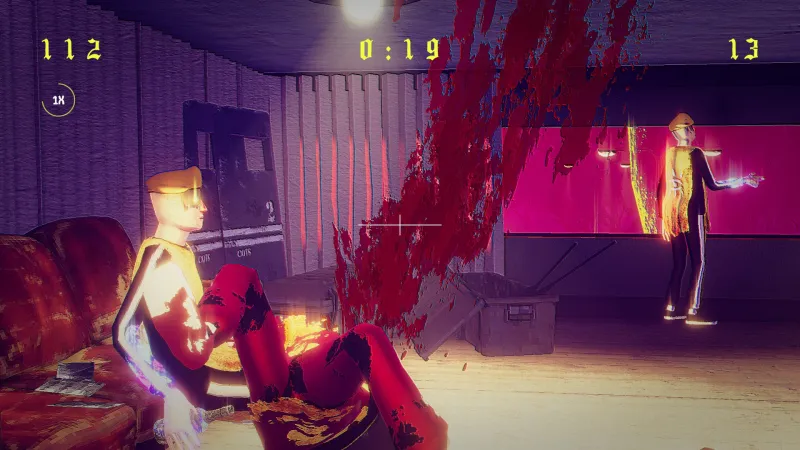
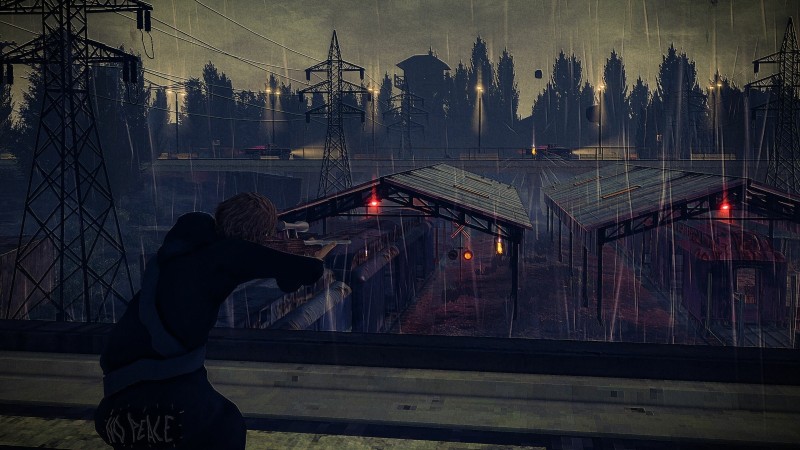
Introduced as a puzzle shooter, Children of the Sun has you incarnating a young woman who lost her family after getting involved with the eerie namesake cult. Using just one bullet of your sniper rifle, you plunge through over 20 levels by connecting kills until you take everybody down in one swift sequence. As you make progress, the foundation gains complexity with special foes that require different strategies, as well as a handful of abilities around the bullet itself.

It's easy to see the influences from the likes of Killer7, Sniper Elite, and the latter Hitman games. But there are echoes of Ghost Trick: Phantom Detective as well, infusing inanimate objects with a paranormal force to interact with the environment, and people's bodies, to your advantage.

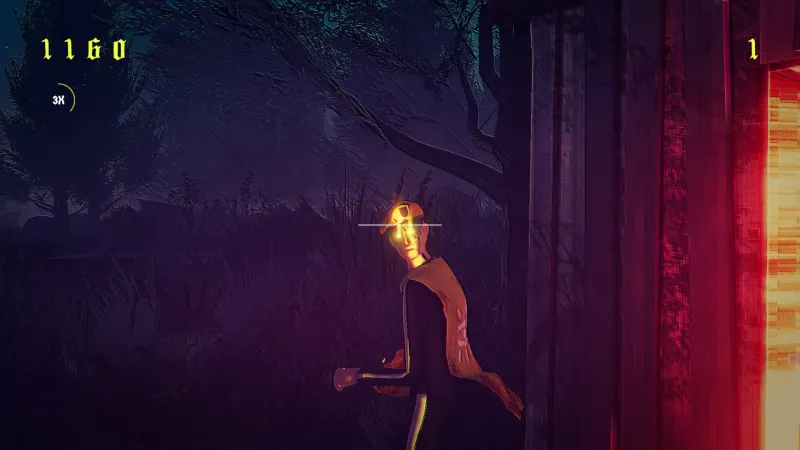
At the start of a level, you only get a narrow view of the whole map, so to speak. Ideally, you want to tag every single cultist before pulling the trigger, so you can plan ahead of time – similar to scanning a room in Hotline Miami before kicking down the door. More often than not, you first need to kill a few of them just to tag others or get a better view at the far end of an area. It makes for a compelling exploratory phase that doesn't frustrate but rather encourages you to fail until you've gathered all the visual information you need.

Time slows down when you're moving the bullet. It also completely stops once you hit a target. This gives you some breathing room, and a chance to gain a different perspective. You can shoot birds to gain altitude or gas tanks to find an angle that allows you to continue chaining down targets, for example. Yet, you're rewarded via a scoring system for executing a killing with style and aggressiveness. It works as the perfect contrast to the exploratory phase, forcing you to see whether your plan can be executed swiftly or if you need another strategy. There's a leaderboard at the end of each level that incentivizes you to push for this cruel finesse, as well as vague clues for challenges to uncover.


The macabre tone of Children of the Sun pairs well with its human gamification. Shooting an arm gives you 25 points. Shooting a groin rewards 50 points instead. The over-the-top violence turns gratuitous after seeing the words "I Just Killed a Man, Now I'm Horny" before playing a Pac-Man-style minigame during a special level. The abrasive tone never comes off as mere window dressing for the sake of shock value but rather thrives in its repulsiveness.

Both the visual and sound design work make for a haunting sensorial stimulation. There were times when I felt underwater, zip-zapping from one corner of an ocean to the next as the bullet pierced head after head, like waves colliding against each other. The effect of a late-game ability, which allows you to increase the speed of a shot, sounds like an electric guitar distorted to the brim with effect pedals.

Children of the Sun is a prime example of an experience born from a straightforward premise and then iterated for the right amount of time before it loses its charm. On occasion, the central mechanic can't keep up with itself – I missed more than a few finicky shots that should have landed, forcing a retry. But once you successfully execute a strategy and finish a level, the satisfaction is unmatched. You then seek to replicate the feeling during subsequent hunts, completely alienated from the messiness of your actions as you chase a higher score.

GI Must Play

Score: 9

About Game Informer's review system

Purchase

Thursday, April 11, 2024

Botany Manor Review – In Bloom

Botany Manor review

Reviewed on: Xbox Series X/S
Platform: Xbox Series X/S, Xbox One, Switch, PC
Publisher: Whitethorn Digital
Developer: Balloon Studios
Rating: Everyone

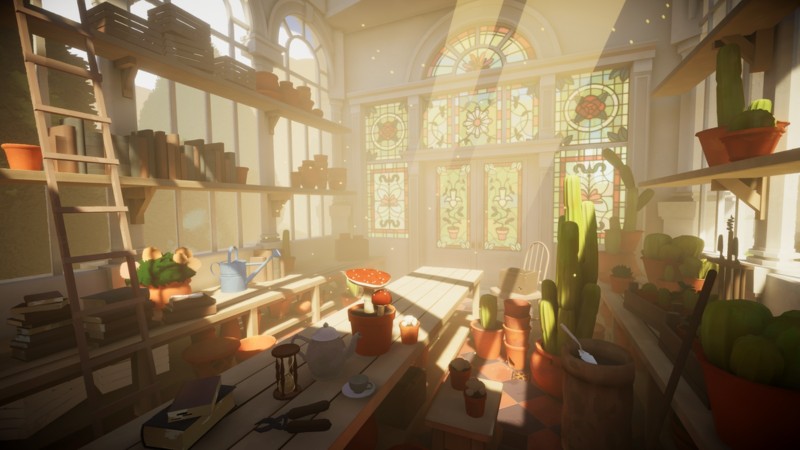
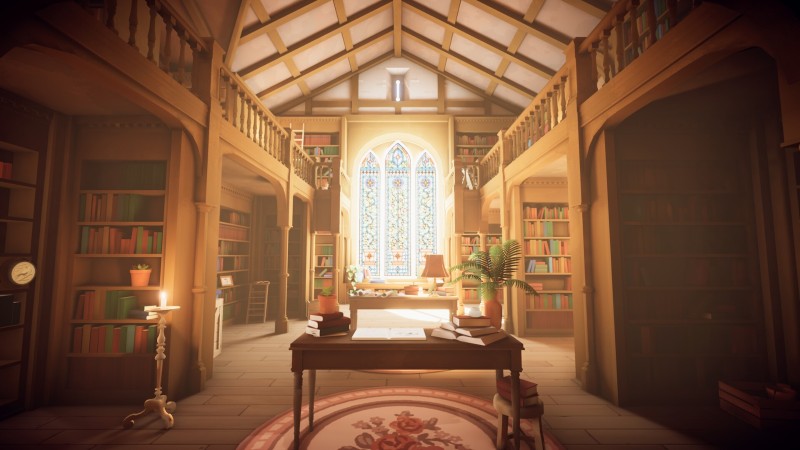
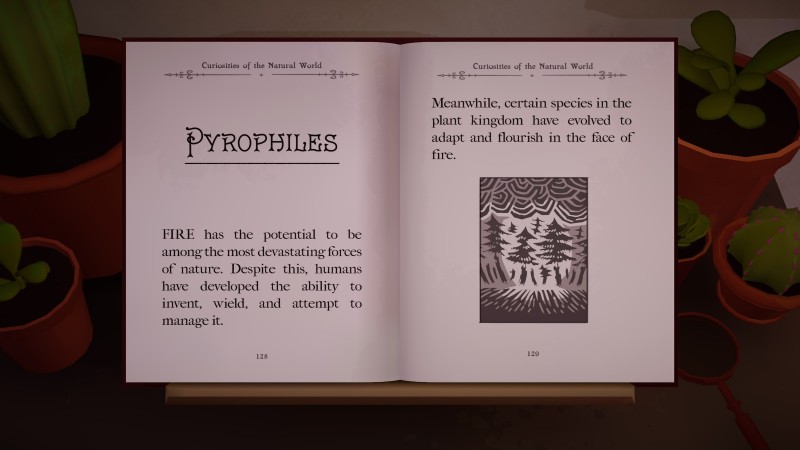
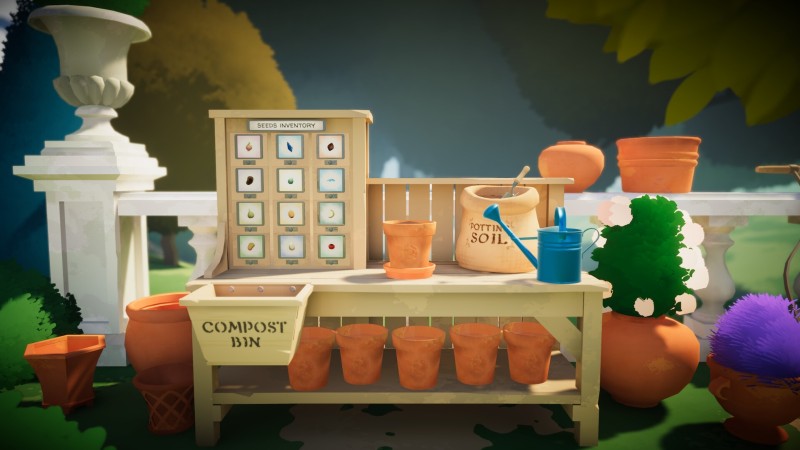
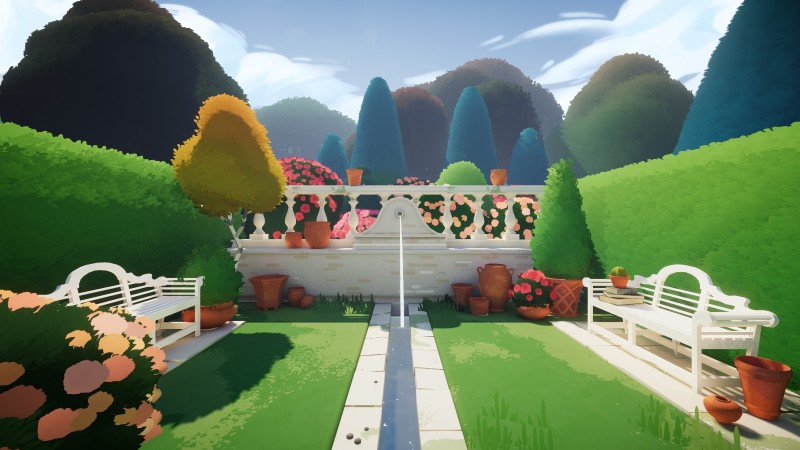
I’ve never had much of a green thumb. For years, I largely believed growing a plant required little more than burying a seed in the dirt, pouring water, and letting the sun handle the heavy lifting. Botany Manor asks players to perform those crucial first steps before challenging them to deduce the additional methods necessary to make their seedlings blossom. As I explored the beautiful grounds of a mysterious manor in search of answers, clever puzzle-solving and a serene atmosphere made these scientific exploits a delight.  

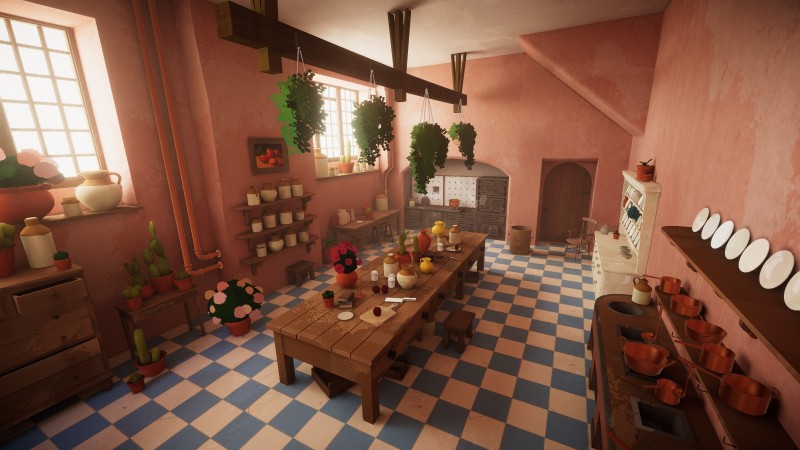
Botany Manor unfolds in Victorian England circa 1890, with players controlling passionate botanist Arabella Green. She returns home to a massive 16th-century manor after a lengthy absence to finish her botany book, which requires discovering the methods to grow various flowers. A colorful, inviting presentation, combined with a relaxing ambient soundtrack with sparse, playful melodies, makes this process a joy.

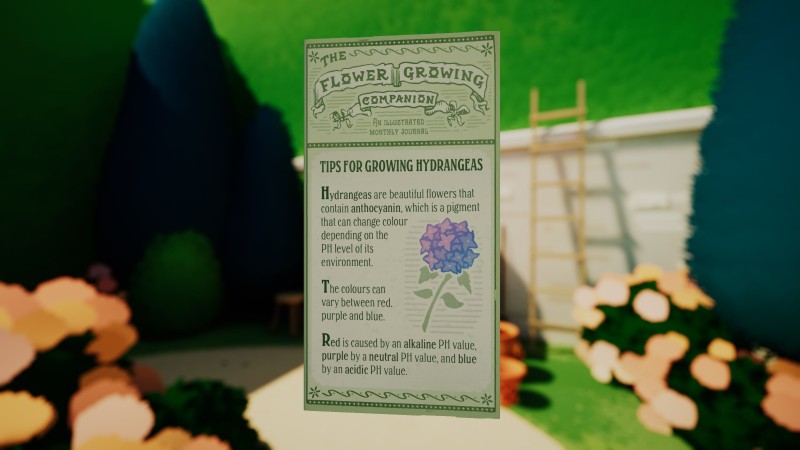
Getting these exotic plants to grow, such as a flower that only blooms during lightning storms or one that requires extreme heat to sprout, involves exploring rooms to find telltale clues to success. One flower may only grow in a specific temperature based on its native location; finding this info requires reading a letter from a friend tipping off the seeds’ origin while cross-referencing a chart that lists the temperatures of various regions. Nearly everything you see matters, be it a seemingly irrelevant nursery rhyme or devices like a camera or a Morse code telegraph, and connecting the dots is an entertaining exercise of creative and critical thinking. Unlocking more sections of the manor by finding keys comes at a good pace, as you don’t linger in areas for too long but stay long enough to get an intimate sense of their layout. 

Increasingly elaborate exercises – such as using seeds to lure birds, opening a hidden medieval chamber, and scaling a supposedly haunted tower to open windows to create specific air currents – make each puzzle fresh and unique. I always looked forward to seeing what activities the next plant would bring, and none of them felt like duds. Whenever I got stuck (which wasn’t often), the answer was always right in front of me. I just needed to re-frame my interpretation of the information given, which led to exciting logical and imaginative epiphanies. I excitedly exclaimed, “Oh!” when I made a breakthrough several times. The reward of watching a plant grow into a parade of lilypads or snaking vines of bioluminescent bulbs is a treat. 

I like that a flower’s page displays the requisite number of clues needed to solve it, which helps keep thoughts organized since you can simultaneously chip away at multiple flowers. By slotting all of the correct pieces of evidence, the game notifies players they have everything necessary to deduce the solution, cutting down guesswork. My only gripe is that you can’t inspect these clues in the menu. If you need to reexamine something, you must return to its location. While the menu thankfully displays the location of each clue, and unlocking shortcuts helps expedite trips through the manor, there can be an inconvenient amount of running around to simply re-check the wording of a document or stare at a painting again. 


Scouring documents and keepsakes also reveals an overarching story of Arabella’s struggle to obtain knowledge and recognition for her chosen field in the male-dominated academic society of the time. Without uttering a word of dialogue, Botany Manor does a good job fleshing out Arabella’s personality and persistence, adding context and stakes to everything you do. The puzzles are entertaining enough, but knowing each breakthrough helps Arabella push against that glass ceiling makes them all the sweeter.

Botany Manor is a blissful, smart, and creatively conceived puzzle adventure. It’s just challenging enough to be engaging without veering into stressful territory, and its whimsical elements add fun, fantastical touches. I don’t think it made me better at gardening, but unearthing its appeal was satisfying.

GI Must Play

Score: 8.75

About Game Informer's review system

Purchase