This is default featured slide 1 title

Go to Blogger edit html and find these sentences.Now replace these sentences with your own descriptions.This theme is Bloggerized by Lasantha Bandara - Premiumbloggertemplates.com.

This is default featured slide 2 title

Go to Blogger edit html and find these sentences.Now replace these sentences with your own descriptions.This theme is Bloggerized by Lasantha Bandara - Premiumbloggertemplates.com.

This is default featured slide 3 title

Go to Blogger edit html and find these sentences.Now replace these sentences with your own descriptions.This theme is Bloggerized by Lasantha Bandara - Premiumbloggertemplates.com.

This is default featured slide 4 title

Go to Blogger edit html and find these sentences.Now replace these sentences with your own descriptions.This theme is Bloggerized by Lasantha Bandara - Premiumbloggertemplates.com.

This is default featured slide 5 title

Go to Blogger edit html and find these sentences.Now replace these sentences with your own descriptions.This theme is Bloggerized by Lasantha Bandara - Premiumbloggertemplates.com.

Friday, December 2, 2022

Marvel's Midnight Suns – Super-Powered Strategy

Reviewed on: PC
Platform: PlayStation 5, Xbox Series X/S, PlayStation 4, Xbox One, Switch, PC
Publisher: 2K Games
Developer: Firaxis Games
Rating: Teen

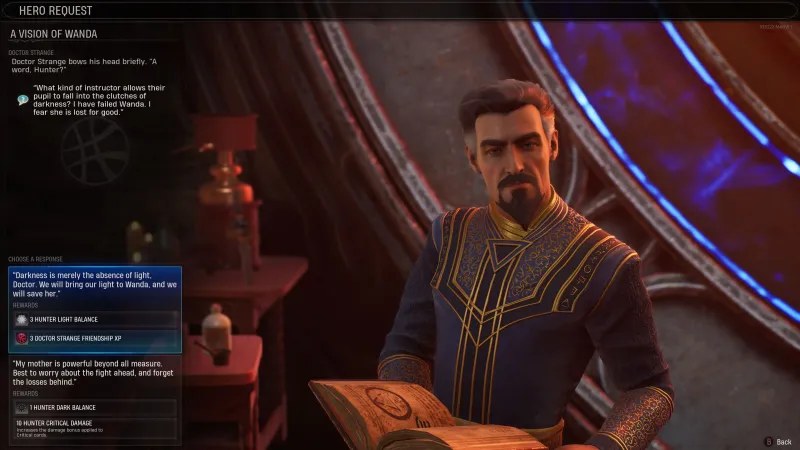
Play enough games, and you start to develop an eye for the ones that are going to demand a lot of your time and focus. Within minutes, I knew Firaxis’ comic book-powered adventure with the Marvel superheroes would be one of those games, filled as it is with numerous currencies, cosmetics, and gameplay systems. Midnight Suns is a strategy/RPG of tremendous depth, character development in both storytelling and upgrades, and many dozens of hours of gameplay to uncover. While the repetitive nature of the storytelling structure is sometimes a chore, the combat is top-notch. It injects the slow-paced XCOM tactical experience Firaxis is known for with a gamma-powered boost, leading to rewarding battles that stay fresh even after you’ve sunk countless hours into the experience.

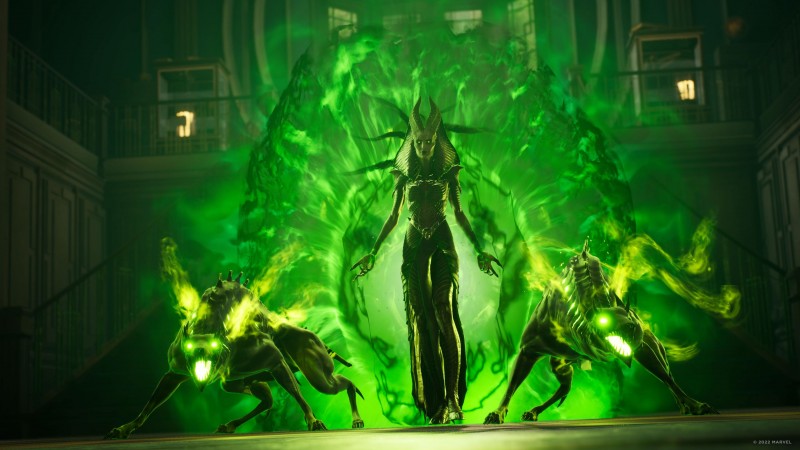
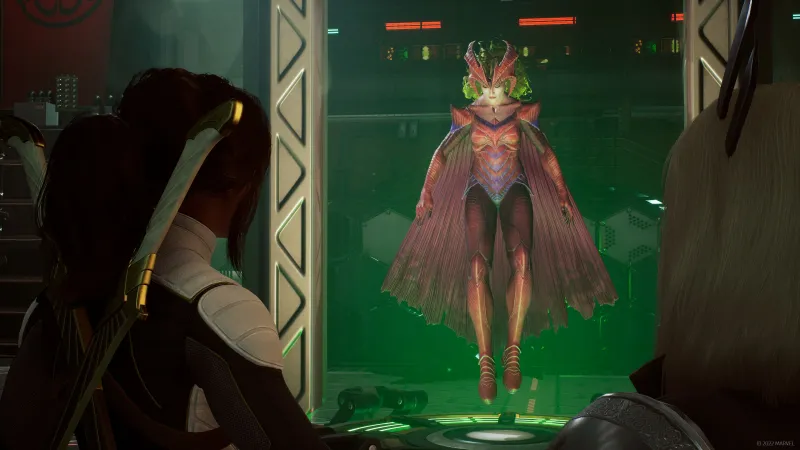
An ancient evil has awoken, threatening to plunge the world into the darkness of an Elder God’s malice. Familiar heroes like Iron Man, Doctor Strange, Ghost Rider, and Captain Marvel have no choice but to resurrect the long-dead Hunter who once defeated the threat hundreds of years earlier. You control this revived hero as they lead Earth’s mightiest against this danger.

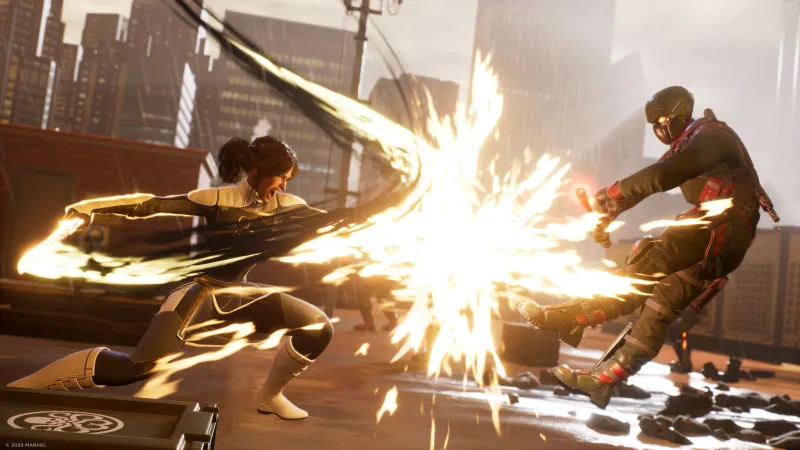
Combat follows the turn-based tactical loop of Firaxis’ XCOM games but abandons giant battlefields and cover points for tighter arenas and a card-based action selection inspired by deck-building gameplay. Each character has an array of card attacks, skills, and heroic abilities that leverage their unique talents, and it’s tremendously fun to stack each character deck to greater heights of dominance.

While there’s plenty of time to consider each move carefully, the action feels more bombastic and faster moving than most tactical games. Every card has a special animation accentuating the character’s uniqueness, and the battles look beautiful as they play out. Wolverine surges back from a KO with renewed power. Magik’s portals send enemies hurtling across the field. Captain America flings his shield to bounce between hapless Hydra forces, taunting them to take him on. And everyone leaps over barriers, hurling boulders and blasting explosive barrels to add to the chaos – just like any good cinematic superhero fight.

The complexity of this system grows over time, gradually layering in objectives you might need to confront or unique enemy mechanics you must overcome. You might be asked to damage a helicopter before it takes off or confront a demon who summons forth obelisks every turn that must be smashed if you don’t want to be overwhelmed. Get deep enough into the game, and you even start to see some fascinating puzzle challenges crop up, where you must complete a particular task using only certain cards or other constraints. Firaxis built a robust and exciting combat engine and leveraged many ways to keep it engaging and new.

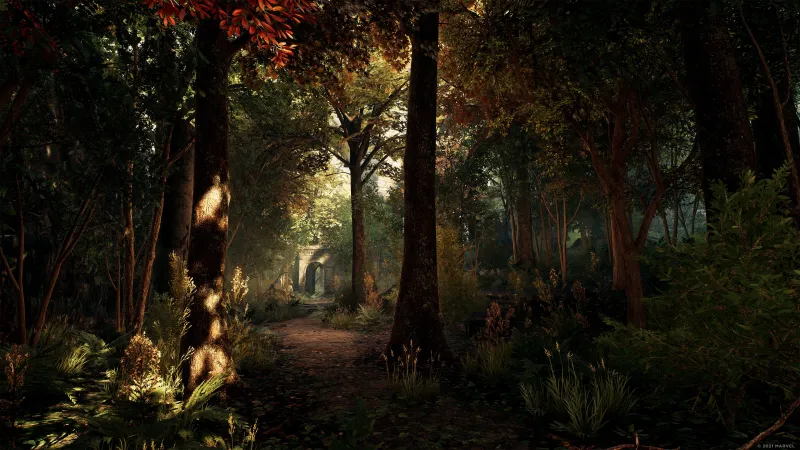
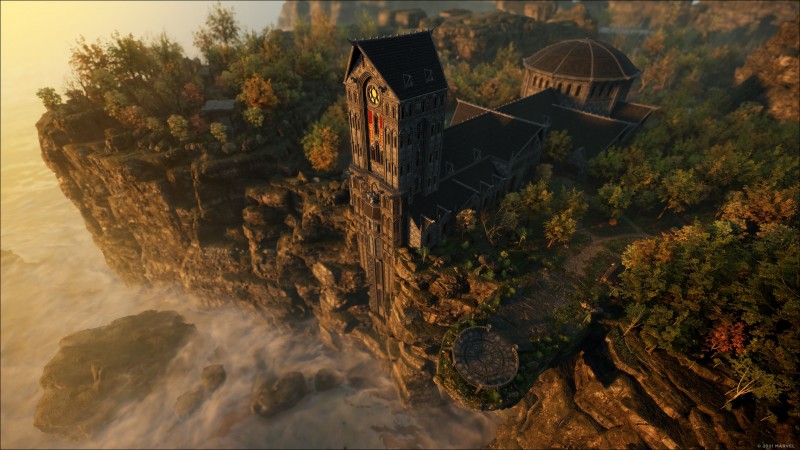
In between battles, you return to the Abbey, a sprawling social and exploration space. Here, you can upgrade and train your heroes, build new combat items, and unlock an impressive array of cosmetic tweaks for characters and home décor. The grounds of the Abbey also house a mystically infused adventure game of secret clues, arcane treasure chests, and story snippets about the past; it leads to some intriguing discoveries but can sometimes distract from the flow of the main story.

The Abbey also acts as a giant friendship simulation, where you gradually play out interpersonal dramas with the likes of Spider-Man and Blade. The dialogue selections (and the option to choose light or dark conversation responses) is most reminiscent of BioWare games like Dragon Age or Knights of the Old Republic and can sometimes come across as overly simplistic. A metric ton of these interactions unfold over the course of the game; each builds your status with these individuals, which in turn reflects in their abilities during combat. I mostly enjoyed the focus on character development. But with a game this big, I eventually tired of the rote loop of conversations after every mission, some of which devolve into dull dialogue exchanges that would be more at home in a reality TV show than a superhero adventure.

For all its focus on supernatural magic and demonic threats, Midnight Suns is a fun-loving and thrilling ride. XCOM strategy fans won’t be disappointed; the format changes still result in a gratifying combat flow. But this is a more approachable and story-driven experience than Firaxis has previously attempted, filled with some of the most recognizable pop culture heroes of the moment. It’s big, boisterous, and a little bit silly at times, but just like the best of Marvel’s output in recent years, it’s also a rousing good time.
 
GI Must Play

Score: 8.5

About Game Informer's review system

Purchase

Thursday, December 1, 2022

The Callisto Protocol Review – Morsels Of Fun In A Far-Too-Familiar Space

Game Informer The Callisto Protocol review

Reviewed on: PlayStation 5
Platform: PlayStation 5, Xbox Series X/S, PlayStation 4, Xbox One, PC
Publisher: Krafton
Developer: Striking Distance Studios
Rating: Mature

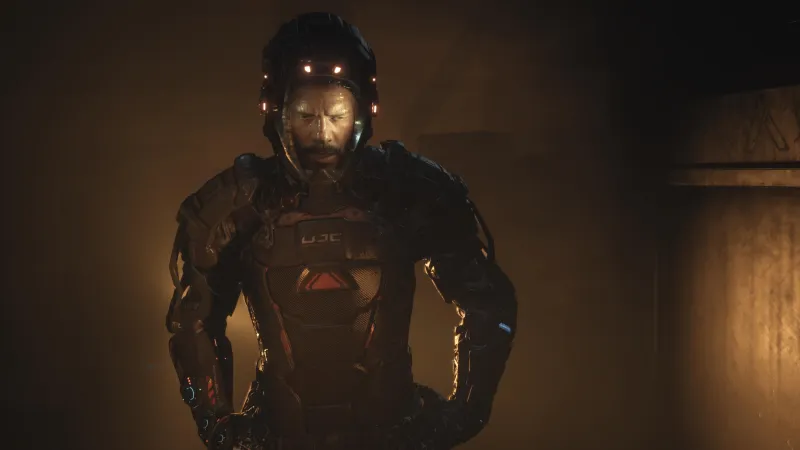
Nearly a decade and a half ago, Visceral Games released Dead Space, a now cult-classic survival-horror game inspired by the likes of Alien and The Thing. If you've ever yearned for a return to its mix of sci-fi and horror, or if you want a near-identical experience to Schofield’s first survival horror hit, you’re in luck. Schofield's latest, The Callisto Protocol, veers incredibly close to Dead Space, for both better and worse. Unfortunately, though, it’s far too familiar. There are glimmers of greatness, namely in its opening hours, but what unfolds after is a tiresome and unsurprising eight hours that feel like a relic of the past.

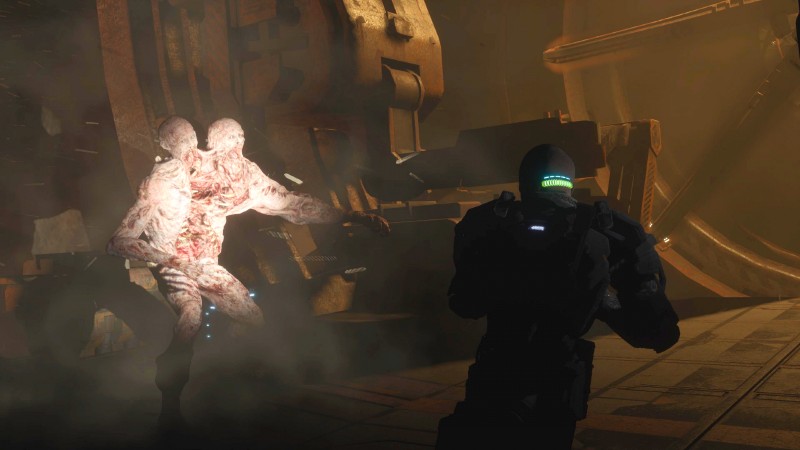
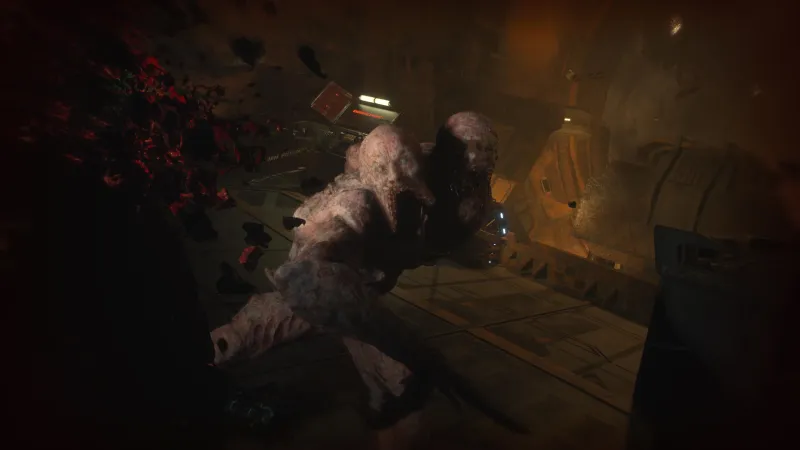
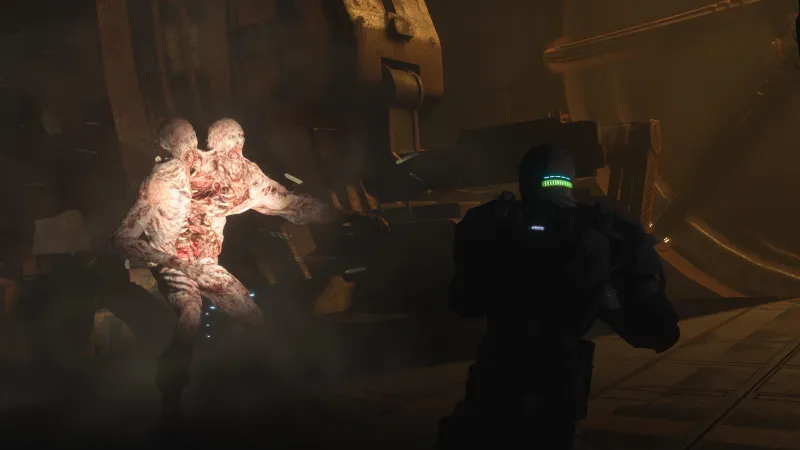
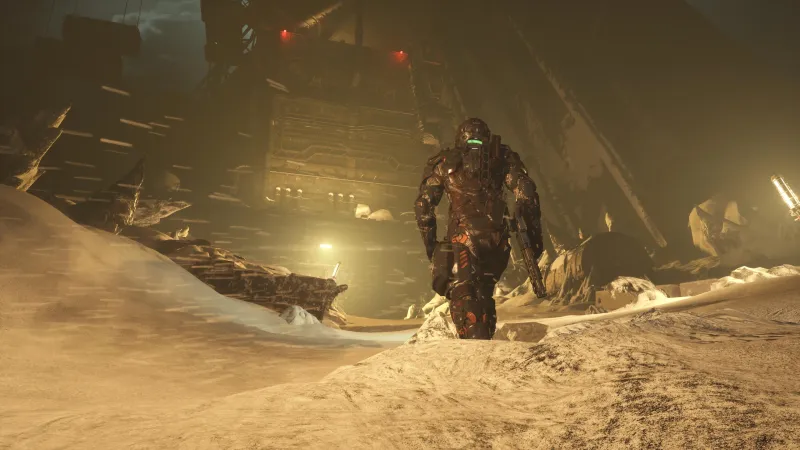
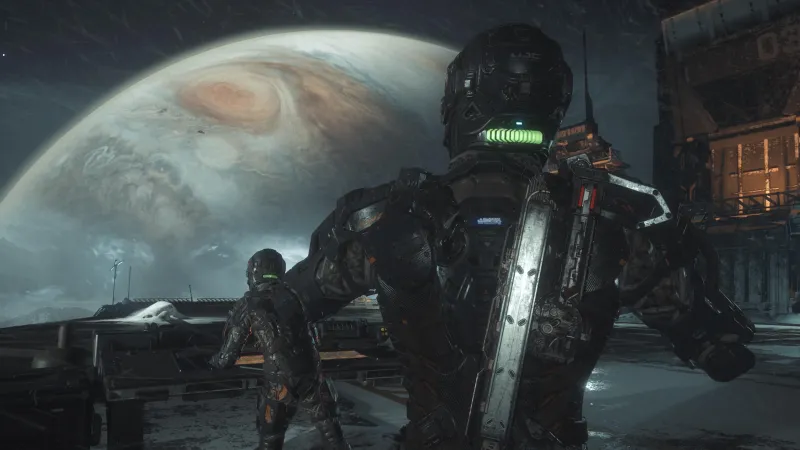
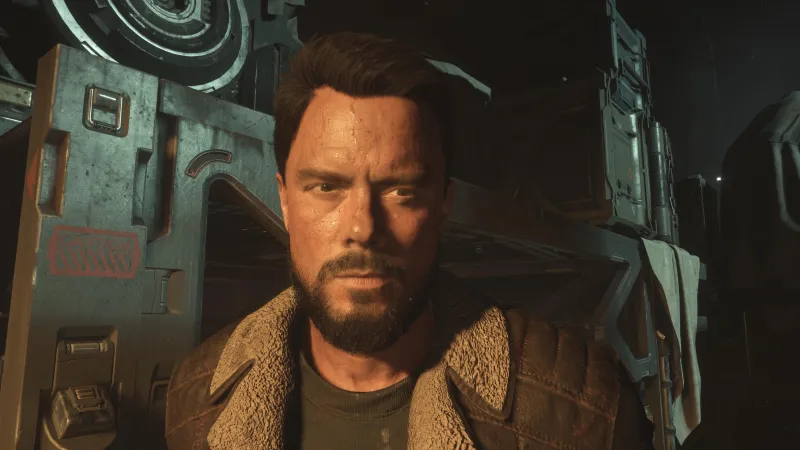
The Callisto Protocol is set primarily in Black Iron Prison and the surrounding area on one of Jupiter’s moons, Callisto. After a crash landing, correctional officers imprison protagonist Jacob Lee and Dani Nakamura in Black Iron Prison. Something goes wrong; Jacob escapes his cell, and shortly after, meets his first biophage, a highly-mutated monstrosity who’s more fleshy pustulating gore than human. 

The game introduces its unique melee combat system here, and it’s one of the highlights. Dodging by pulling left and right on the control stick is engaging, as are the heavy and slow swings of Jacob’s melee attack. Each hit carries a ton of impact, and with proper timing and precise dodges, I took down enemies using just this electrified prison baton in a satisfying way. Guns are later folded into the mix, but they’re not as satisfying as the baton, nor do they meaningfully differentiate themselves from one another. Upgrading my baton to keep it useful until the end felt like a necessity, although ammo is plentiful if you wish to go into encounters with guns blazing. The telekinesis-like pull-and-throw GRP system is useful and fun, but there’s disappointingly little to do with it beyond throwing enemies into the same three types of insta-death machinery, off a ledge, or away from you. 

You are asked by characters talking through the radio to go here and there, and right when you show up, something goes wrong, and now you need to meet them at this location instead. After a few hours, I was predicting most of the story beats in advance, all the while being fed bread crumbs of a larger narrative. Sure, things happened, but I rarely saw a semblance of the game’s overarching story until the final hour, at which point it felt like a rushed dump of information. While Dani’s story, which weaves in and out of Jacob’s throughout the duration of the game, comes to a satisfying conclusion, Jacob’s does not, ending with a scene that feels inorganically enticing and designed to ensure I purchase the upcoming story DLC. 

The final boss before this disappointing climax is an exhausting and repetitive fight that feels like those of yesteryear; the one every game had to include, even if it didn’t prove necessary. This wasn’t the only disappointing boss. All of them left me feeling empty and annoyed at the lack of variance. You fight the same enemy type as a boss multiple times throughout the game, just in different arenas. Most bosses can kill you in one hit, which takes away the earned stress of survival horror. I wasn’t desperate to find ammo or a health pack to survive by the skin of my teeth; I was just jogging away to ensure its hits didn’t land close to me.

Furthering my frustration is a bad checkpoint system. You must redo the entire battle if you die by insta-kill, even at the tail end of a boss fight. If you have to kill a few enemies before that battle, you need to do that again, too. The same goes for ammo, audio logs, and other resources, as well, even if you save right where you’d like to pick up post-death after doing this kind of preparation. Bad checkpointing is also present in standard enemy encounters, which quickly became stale.


Listening to audio logs, which add small touches of needed flavor to the area you’re playing through, requires you to stay in the log menu, and you can’t move or search the environment while listening. The death animations are exciting and gruesome, but they lack variety. They’re buggy, too, and some death scenes are drastically more interesting to watch play out than others. A biophage pulling Jacob’s eyes out of the sockets, for example, is great. But watching an enemy knock Jacob to the ground in an unintentionally hilarious and anticlimactic ragdoll-like fashion falls flat. 

Gun animations, which play when switching weapons, look nice at first, but you must agonizingly sit through each to use a new weapon. If you aim too early or hit reload during the animation, the sequence ends, and the weapon you were using prior to attempting this change returns. This is frustrating during tense combat encounters where I’m flipping through my handful of weapons to find the right one. A unique quick-fire mechanic that auto-locks onto an enemy’s weak point at the end of a melee combo is a nice addition to the combat’s systems, but if your equipped weapon is out of ammo or requires reloading and you don’t realize it, you hit fire only for nothing to happen, leaving you open for damage. The Callisto Protocol dies by a thousand cuts such as these. 

These various problems aside, though, The Callisto Protocol is still doing a lot of what Dead Space did, for better and worse. And to that end, there are moments of fun, even if, in contrast, they’re light on genuine terror. I’m okay with The Callisto Protocol being another version of its spiritual predecessor, but it struggles to nail even the basics. As a result, I’m underwhelmed, annoyed, and disappointed. If you wanted anything more out of this second crack at making a new sci-fi IP in survival horror, or something markedly different that acknowledges just how far gaming has come since 2008, The Callisto Protocol is not your answer.

Score: 6

About Game Informer's review system

Purchase

Wednesday, November 30, 2022

Harvestella Review – So Much For So Little

Harvestella Review

Reviewed on: Switch
Platform: Switch, PC
Publisher: Square Enix
Developer: Square Enix
Rating: Teen

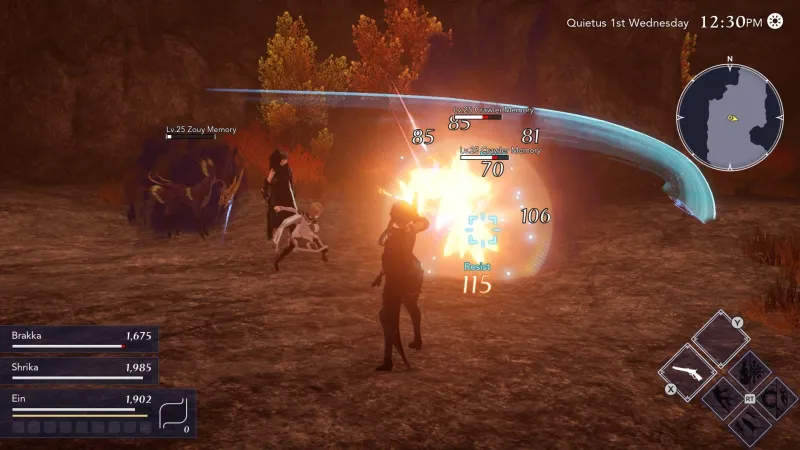
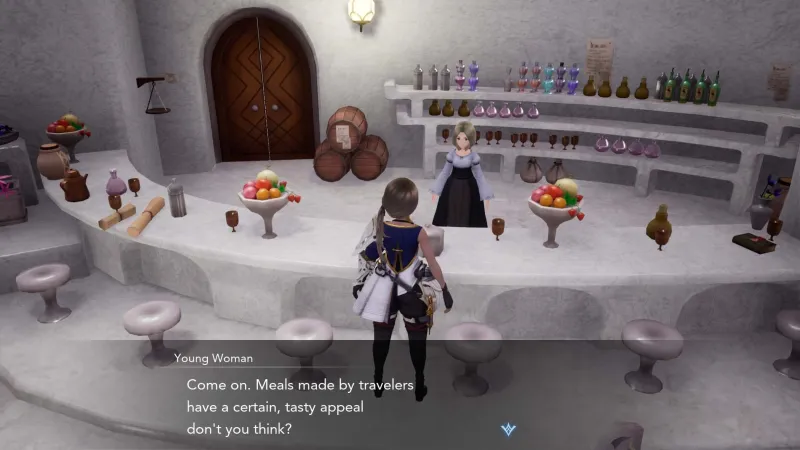
Harvestella wants to be a jack of two trades, but winds up a master of none. Part action-RPG, part farming/life simulation, this combination can sometimes be enjoyable, but the two styles clash more often than not. The result is a sluggish grind more likely to repel fans of each genre than bring them together.

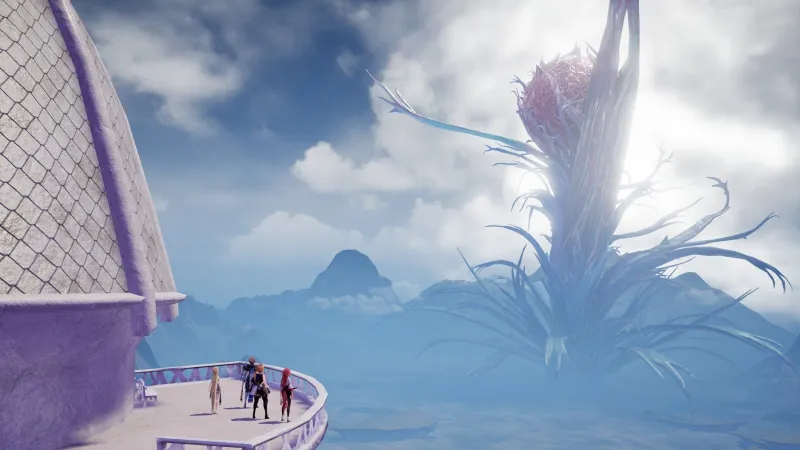
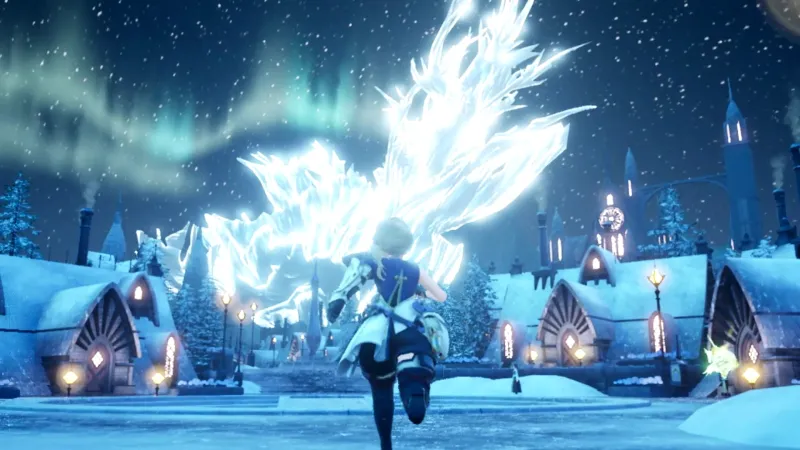
As an amnesiac warrior, you awaken on the outskirts of a quaint village, unaware of your origin and purpose. Four powerful, monolithic crystals called Seaslight govern the environmental stability of the picturesque continent, namely its seasons. However, a deadly fifth season called Quietus occurs between each of the four normal seasons, wiping out crops and endangering humans. This strange normalcy becomes unstable when the Seaslight begin behaving irregularly, seemingly triggered by the mysterious arrival of Aria, a young scientist from the distant future. Like you, Aria is clueless about how she got here, so you partner up to discover your respective origins while also combating a global crisis. Oh, and building a nice farm too. 

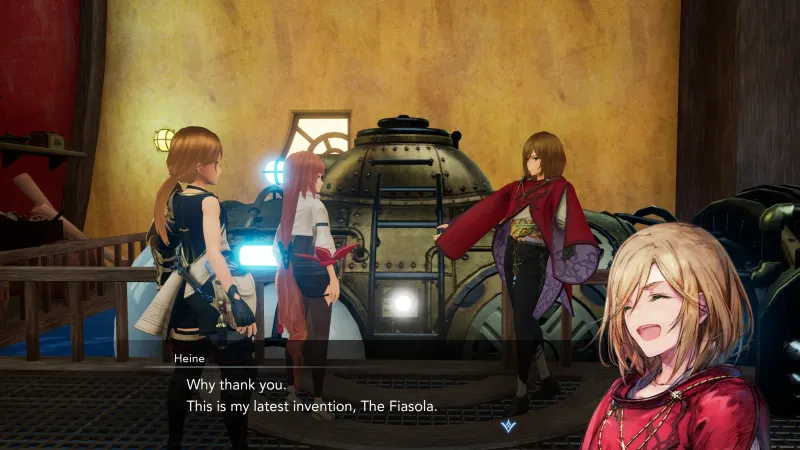
To its credit, the plot is engaging in its absurdity. In typical JRPG fashion, the mystery gradually becomes more grandiose and unhinged as it unfolds. While much of it is silly, I found little of it boring. One revelation made me laugh out loud at how bizarre it is, and I can’t help but respect Harvestella’s willingness to take some wild turns while sprinkling a few poignant moments. A large band of likable party members, such as a smooth-talking inventor, an A.I.-powered robot, and a talking unicorn, joins the primary duo, but you largely spend time with them one-on-one. As such, you don’t often see everyone hang out together, and when they do, the lack of group chemistry is noticeable and disappointing. It’s like inviting a bunch of good friends to hang out who know you, but not each other. 

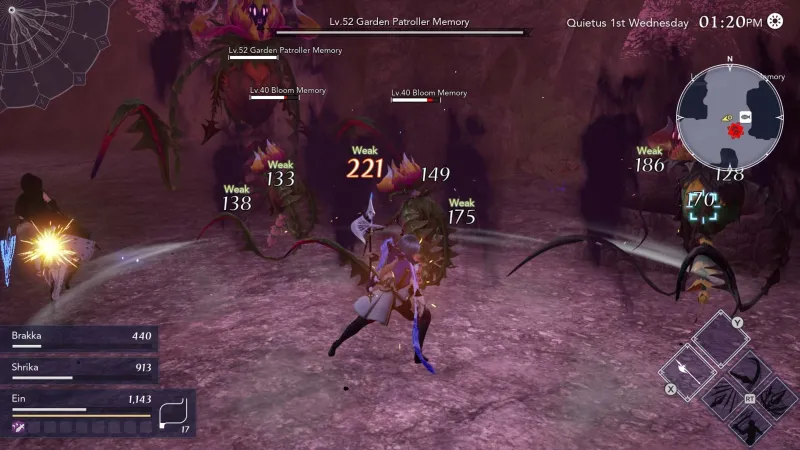
Harvestella promotes two styles of play but feels like an action-RPG first and a farming game second. Gameplay involves running through bland dungeons and hacking apart foes, collecting crafting materials and ingredients along the way. A robust job system offers a good variety of playstyles, but I only gravitated toward a few of them. My favorites include the nimble, combo-centric Shadow Walker and the dancing floating blades of the Pilgrim class. Other jobs, like the Mechanic and singing-focused Woglinde, simply aren’t fun to use, and the game rarely encouraged me to experiment once I settled on my favorites. Even with classes and attacks I enjoyed, the combat is middling, and bosses are either pushovers or infuriatingly cheap. 

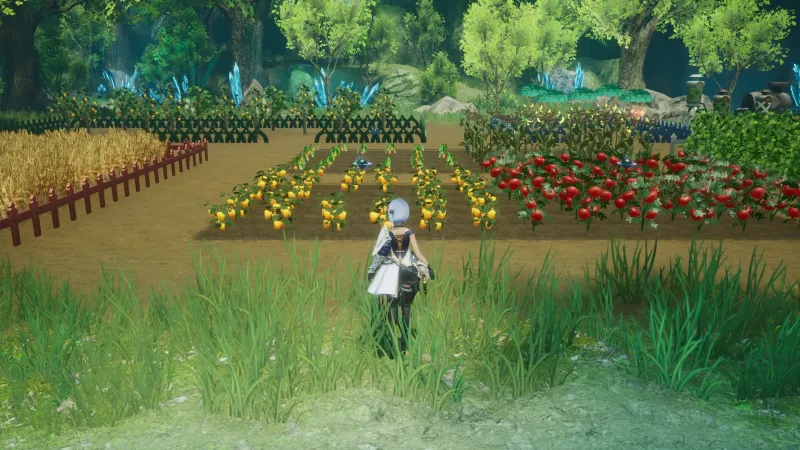
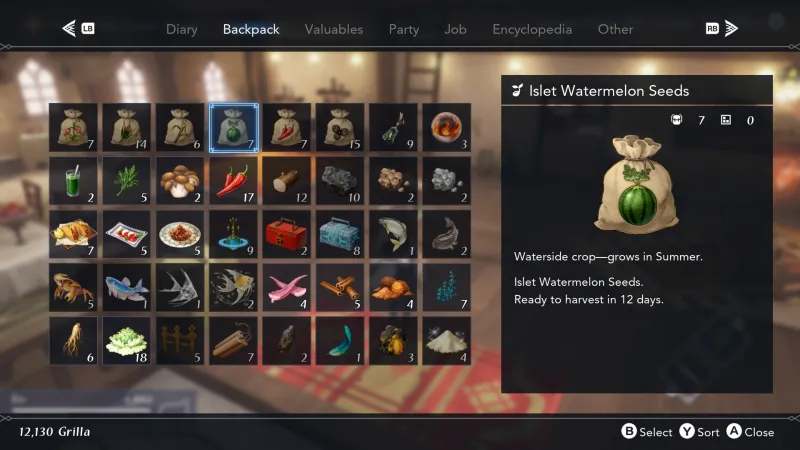
Farming fans won’t find much unique about Harvestella. You plant crops on tilled land that can be expanded in size several times, process food using machines, but you only rear two animal species. The farm changes with the seasons, which shift every 30 days, and certain food can only grow during specific times of the year. Quietus, which only lasts a day, eradicates crops, but I found it easy to plan around, making it less threatening than likely intended. 

Like combat, farming only feels passable, but is crucial to success. Selling crops serves as one of the few ways to earn money. You also need a full pantry to whip up a variety of dishes. Eating keeps your belly full, which in turn fuels your stamina bar. This meter governs actions such as farming, sprinting, and even executing special attacks. Eating also replenishes health, often in large amounts depending on the dish. However, you can’t eat if you’re full, which becomes a maddening hindrance during tough battles. Since traditional health potions don’t exist, you’ll be making all of your recovery items. Doing so takes time which feeds into Harvestella’s biggest nuisance: the clock.

Harvestella operates on an in-game day/night cycle that advances in 10-minute increments faster than you expect. Night begins at 6 p.m., and your character becomes sleepy at 10, slowing their stamina recovery. Thus, returning home to crash in your bed – and only your bed as, annoyingly, you can’t sleep at the game’s several inns – is vital. Staying out past midnight causes your hero to collapse from exhaustion, warping them back home. Falling to exhaustion or death comes at the oppressively steep price of paying an increasingly exorbitant doctor’s fee while clicking through the same unskippable cutscene. It’s a loathsome penalty that’s too strict for its own good. 

Since you have to drop everything to return home each night, progress becomes a massively slow grind. Dungeon crawling consists of inching forward before you have to stop and resume the next day. Simply reaching a location on the world map burns precious minutes until faster means of travel open up. Even after finding shortcuts and fast-travel checkpoints, you still rerun sections of a dungeon repeatedly until you reach uncharted territory. Doing so inevitably drains your food supply, so you have to set aside time to cook beforehand. Making dishes eats a substantial chunk of the day, limiting the time to adventure. Running out of cooking ingredients means growing more of them, as only a handful of staples can be purchased. That means spending at least a few days waiting for crops to replenish, then creating enough food to venture back into a dungeon, and repeating the cycle all over again.

This framework effectively makes it impossible to progress the story for very long. There’s often so much work that has to be done beforehand that I was often lucky to have enough daylight to pursue the missions I wanted. This frustrated me most when the plot hit an interesting turn, and I wanted to see what came next. It’s an awful form of gating, as progress is bottlenecked no matter how powerful or well-equipped I was. In some cases, it can take days of work and prep to complete a single dungeon floor. 


When I didn’t have enough time in the day to complete a story mission, Harvestella admirably provides plenty to do outside of the main narrative and farming. A ton of multi-chapter sidequests await, though most of them involve reading lengthy conversations, completing a basic combat encounter, or running tedious errands. Despite a few interesting stories, these missions aren’t great, but the game makes completing them worthwhile, for better or worse. Side missions offer tons of cash, vital recipes, blueprints, and seeds. To my chagrin, completing as many as possible became a necessary evil. I preferred the party bonding missions, in which I learned about my teammates’ troubles by helping them through unique storylines. These quests were at least more interesting and rewarded me with enhanced physical perks, such as greater strength, defense, etc., practically making them required playing. 

Though it runs well, Harvestella also suffers from graphical glitches that make it feel unstable at times. Specifically, a strange bug where half of the screen occasionally flickered a solid color, whether docked or in handheld mode. The game also doesn’t look great on the big screen due to its low-resolution textures and models.

Harvestella’s systems feed together in a way that forces you to engage with nearly everything it offers, whether you want to or not. But those slice-of-life activities are mundane and get in the way of letting you enjoy the RPG elements on your own terms. Maximizing a day’s schedule is sometimes rewarding, but the sluggish pacing makes it tough to stay engaged for the long haul. Harvestella forces you to do a whole lot to complete comparatively little. At 70-80 hours, it’s one of the biggest chores I’ve played in some time. That’s unfortunate because the combat, story, and characters are decent enough that, in a more traditional RPG framework, they’d shine brighter. As it stands, squeezing this fruit isn’t always worth its small amount of juice.

Score: 6.75

About Game Informer's review system

Purchase